
Previously, the work of an old master (artworks painted by trained artists in Europe until approx. 1800) striking a new auction record hasn’t always said much about the art market as a whole. However, now the winds have changed and there’s a new trend worth keeping track of.
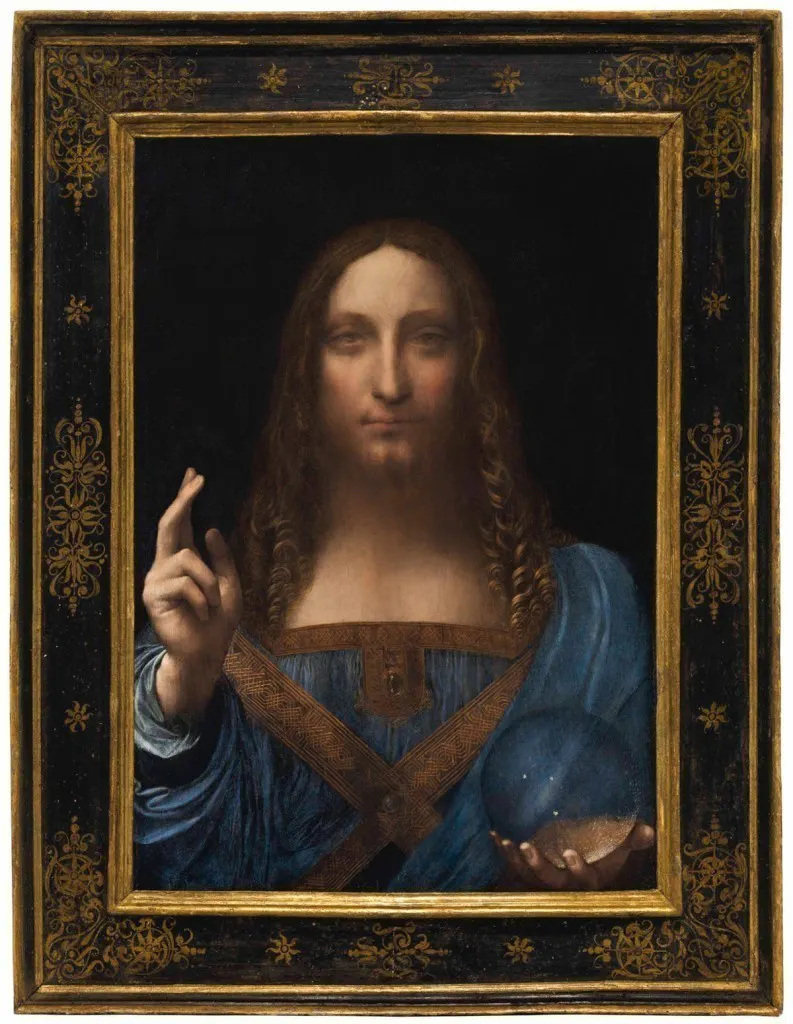
When Leonardo da Vinci's Salvator Mundi sold for US$450.3 million (£345.3 mil), the entire art world was shocked. For several years, the art market's highest estimates were consistently the result of sales in the category of modern and contemporary art. However, when in November 2017 the record for the world's most expensive work was struck, it was for a work far from anything that could be classed as modern or contemporary. The proud new owner of Salvator Mundi is Bader bin Abdullah bin Mohammed bin Farhan Al Saud, the first and current Minister of Culture in the Kingdom of Saudi Arabia.
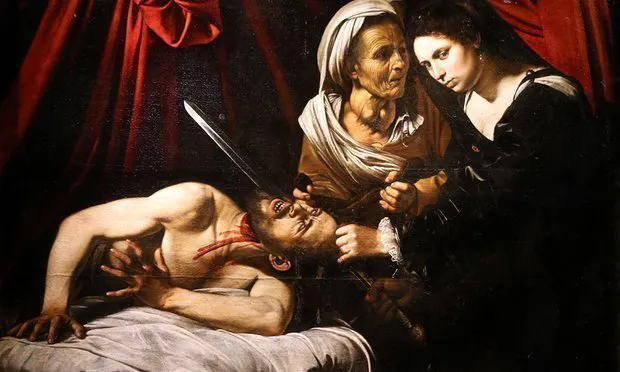
Now, a rediscovered work by Caravaggio has also been announced for sale (in Toulouse), valued at approximately £100 mil. Later this spring, a rediscovered drawing by Leonardo da Vinci will also be sold at the French auction house Tajan, 500 years after da Vinci's death in 1519.
Interested in rediscovered masterpieces? Discover the top ten here!
And if this weren’t enough, several Old Master Dutch artists are also on the rise.
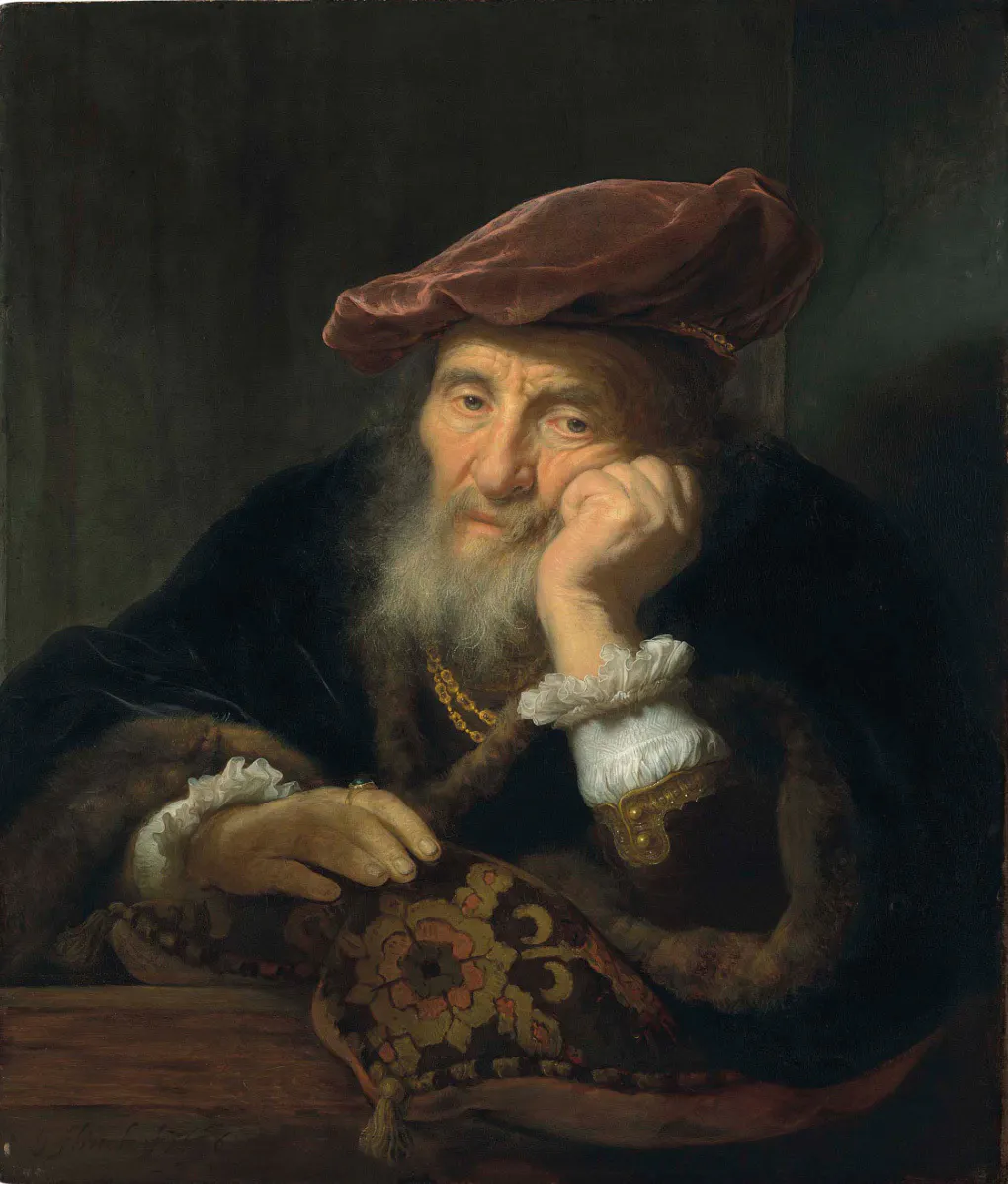
In April 2017, An old man at a casement by Dutch artist Govaert Flinck (1615-1660) sold for for US$10.3 million (£7.9 mil) at Christie's – thrice what it was sold for five years earlier when it was auctioned in London.
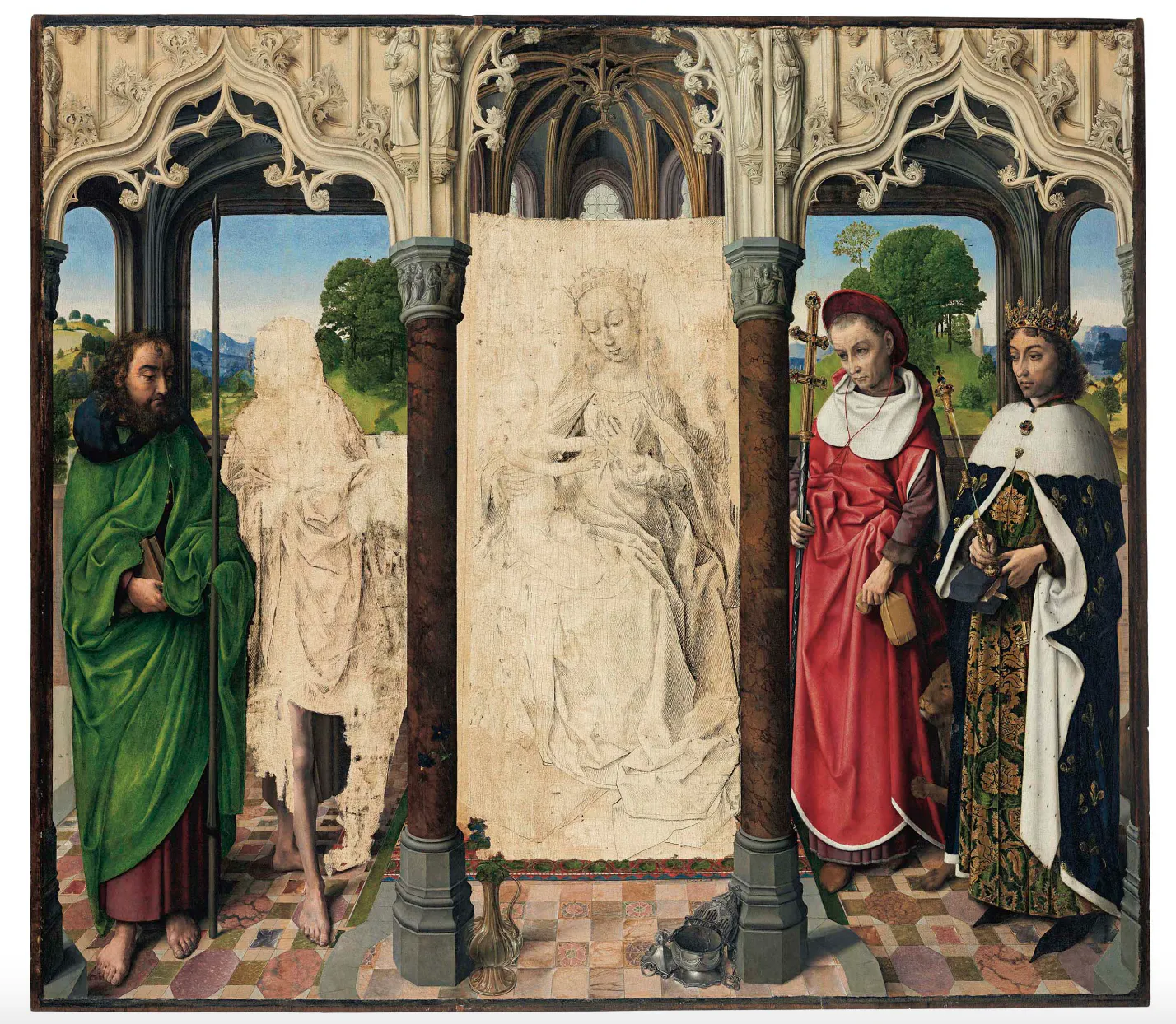
Among the other record entries for Flemish and Dutch artworks is Virgin and Child with Saints, attributed to Hugo Van Der Goes, which sold for US$8.9 million (£6.8 mil) in April 2017. Before it was sold, the work had been exhibited at the Metropolitan Museum of Art since 1998.
Christie’s head of Old Masters in New York Francois de Poortere said to the Antiques Trade Gazette, “Global participation and deep bidding on top lots – from both traditional and new buyers – established eight new world auction records and signals the strength of the Old Masters market."
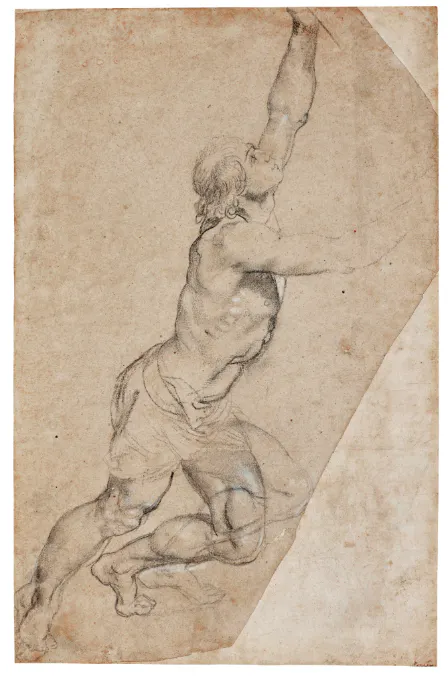
Learn more about the royal Rubens that’s up for sale at Sotheby’s
This development is somewhat confusing, as interest in older art has declined in recent decades but now seems to be on the rise.
For the past 20 years, the market for Old Masters has fallen, while the market for contemporary art has increased significantly. In 2017, the last year over which total annual data is available, the category of Old Masters represented only 8% of the market share while contemporary art represented 32% of all auction sales. The big question is whether these figures will change when we see more of these top listings of Old Masters.
So, why this renewed interest in older art?
“The Old Masters category has historically been a highly undervalued sector in the auction market, but over the past two years we can see that interest has steadily increased, which indicates a strong upward trend. Who knows? Old masters may turn out to be the market's new gold mine,” says Pontus Silfverstolpe, co-founder of Barnebys.
Should we simply buy older artworks by famous Masters then, considering they often go for as little as the cost of a simple shirt?
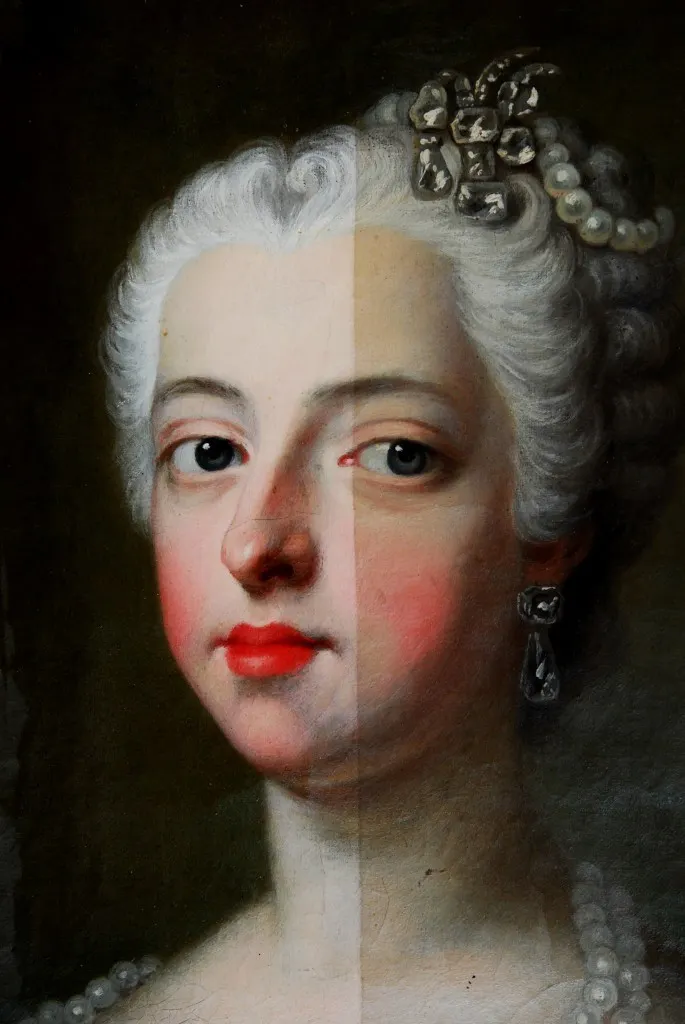
“Sometimes you can find bargains by buying works that are first-class within their genre – it often happens that paintings that emerge in today's light have lived a long life and survived both war and other things. It is not often that after a professional cleaning and restoration that both the signature and the details become visible, which contributes to enhancing its quality and economic value,” says conservator Anna Bronzoni Catellani on what buyers should consider if they are interested in the older works of art.