
![César, ‘Compression’ [detail], compressed metal, signed lower left. Photo © PIASA](https://images.prismic.io/barnebys/ed9fb106-3035-4171-b237-a68340e74606_0962ca8f-e4c9-4d02-9af1-889d983ab4aa_hero%2Bcopy.jpg?auto=format,compress)
On 25 November, PIASA's ‘Modern and Contemporary Art’ sale will testify to the house's devotion to French artistic production. The catalogue brings together French and international artists who forged the French art scene with 127 works from the post-war period to the present day.
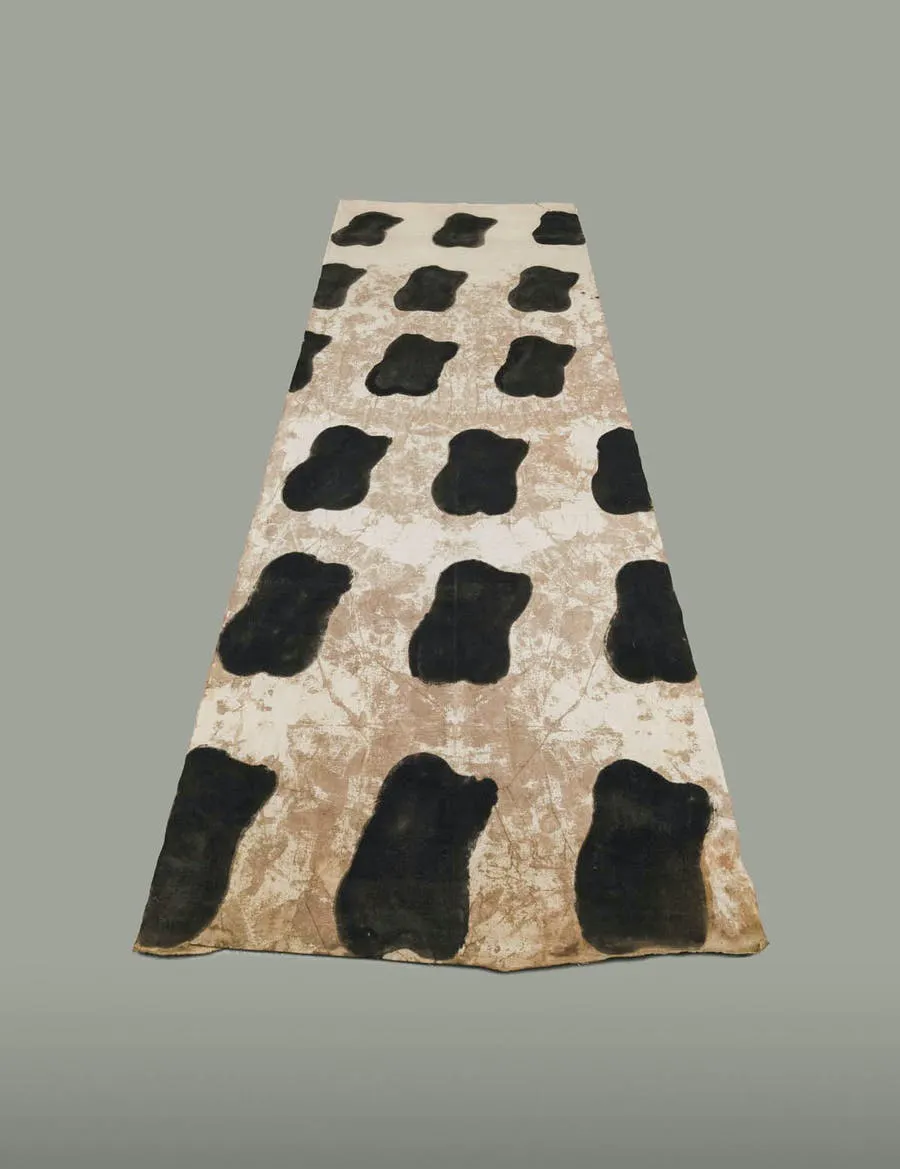
A founding member of the Supports/Surfaces group with Vincent Bioulès, Claude Viallat became known in the mid-1960s for his paintings on unstretched canvases. His unique process allowed colour to become both the object and the central subject of his works. Untitled n°110, a piece of fabric tinted with walnut stain and patterned in black, is a fine example of this technique. The work dates from 1972 and is one of a series of ten.
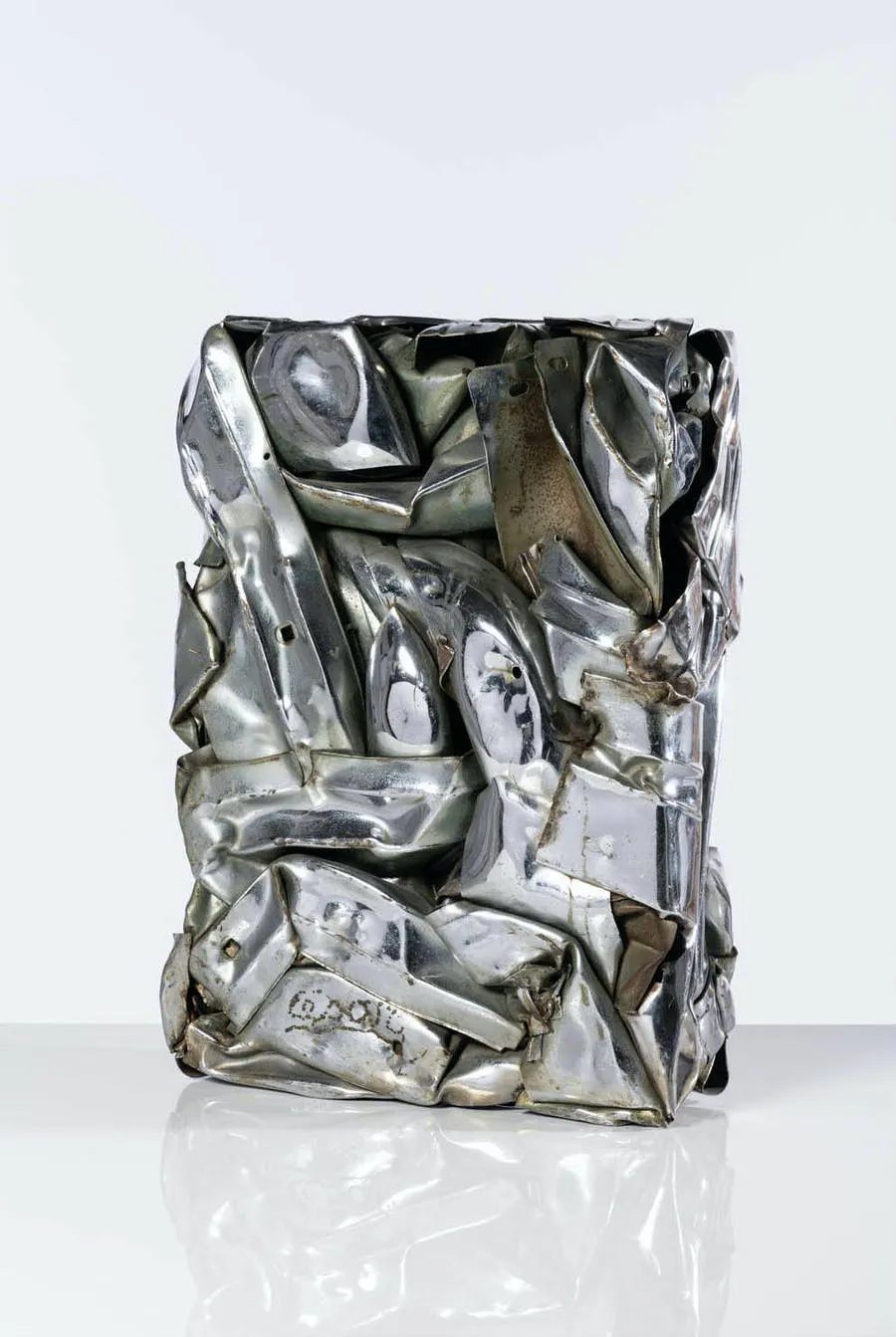
César Baldaccini, known simply as César, caused a stir in the 1960s with his astonishing ‘compressions’: assemblages of various objects crushed by a hydraulic press. This practice, which began with the compression of cars, has become his trademark as well as a challenge to consumer culture. César joined the New Realists group founded by Arman, and associated with artists including Yves Klei and Niki de Saint Phalle.
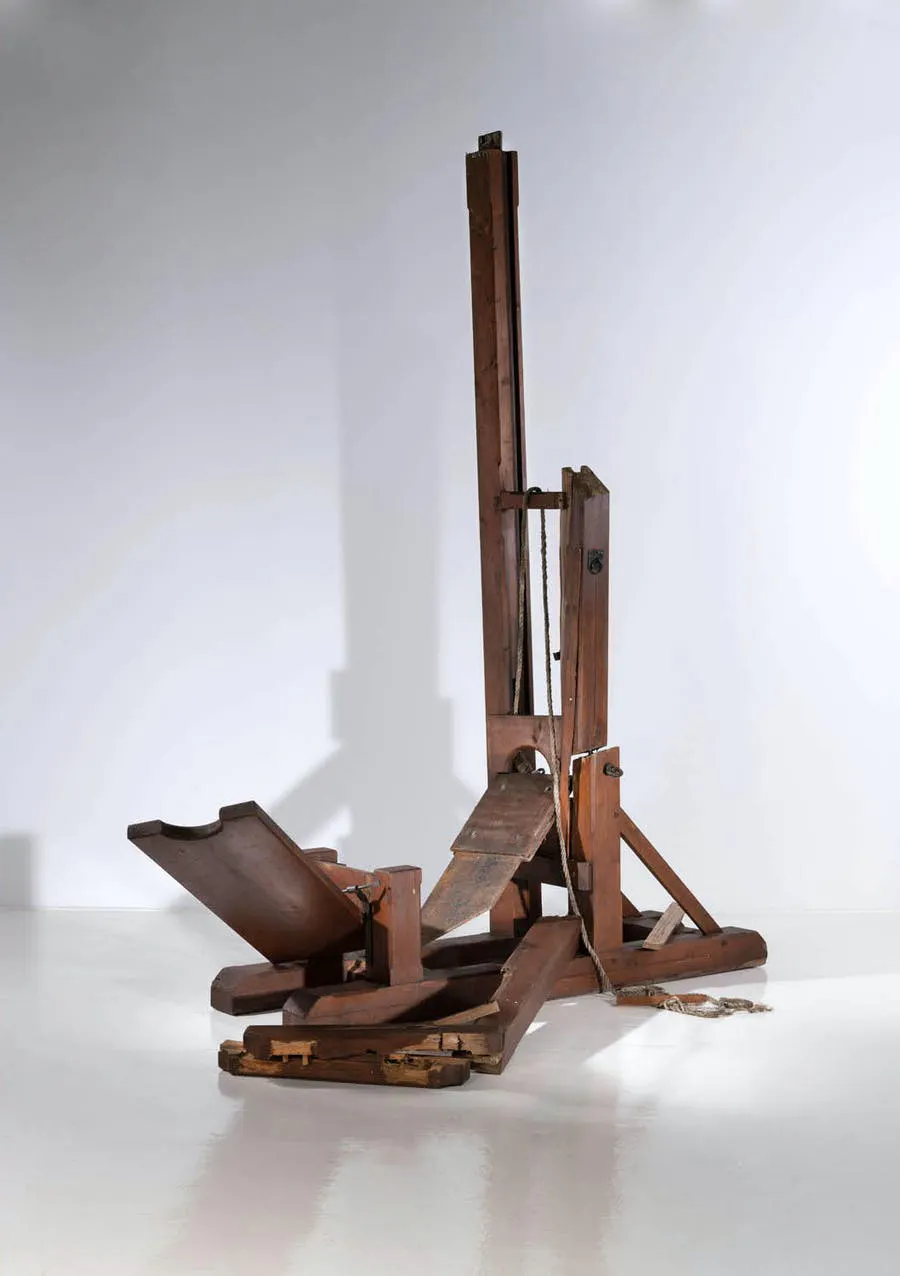
Arman built his career with his ‘accumulations’: works aimed at emphasising the perishable nature of society's products. For him, objects were extensions of the human hand and had to follow a continuous cycle of production, consumption and destruction.
Arman was one of the first to use manufactured objects in his work, and at the end of his career he tackled fragmentation and restructuring, cutting out and reassembling symbolic objects in a precise disorder. Objects included violins, statues, and even a guillotine, as evidenced by the work Roi soleil cou coupé from 2000. “And this guillotine, I demolish it, I torture it, I make it terrifying. Because even if the Revolution was something good, we notice that revolutions always end with executions,” he once explained in an interview with Umberto Eco.
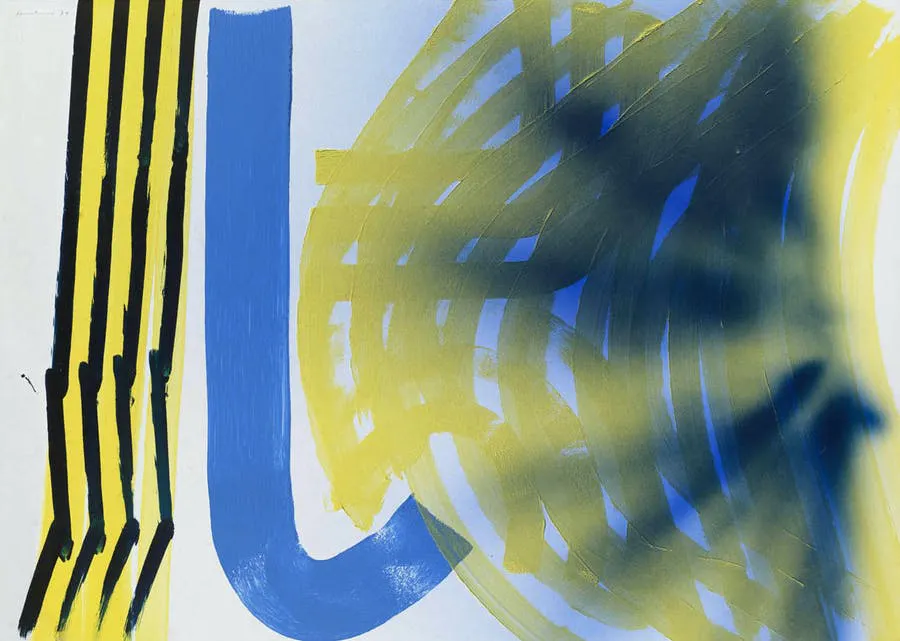
After arriving in Paris at the age of 22, the German painter Hans Hartung was naturalised as French in 1946 and established himself as a figure of the second school of Paris. Recognised by the end of the 1940s as one of the leaders of informal art and action painting, Hartung has been celebrated in monographic exhibitions, in a film by Alain Resnais and in the 1948 Venice Biennale, where his paintings appeared in two places: in the French pavilion and in the Peggy Guggenheim collection.
Hartung began experimenting with his technique and style in 1960, streaking his canvases with scattered lines etched into the daubs of paint. The 1974 work P1974-A12 was produced by Hartung when he was 70 years old, and is a testament to his artistic maturity.
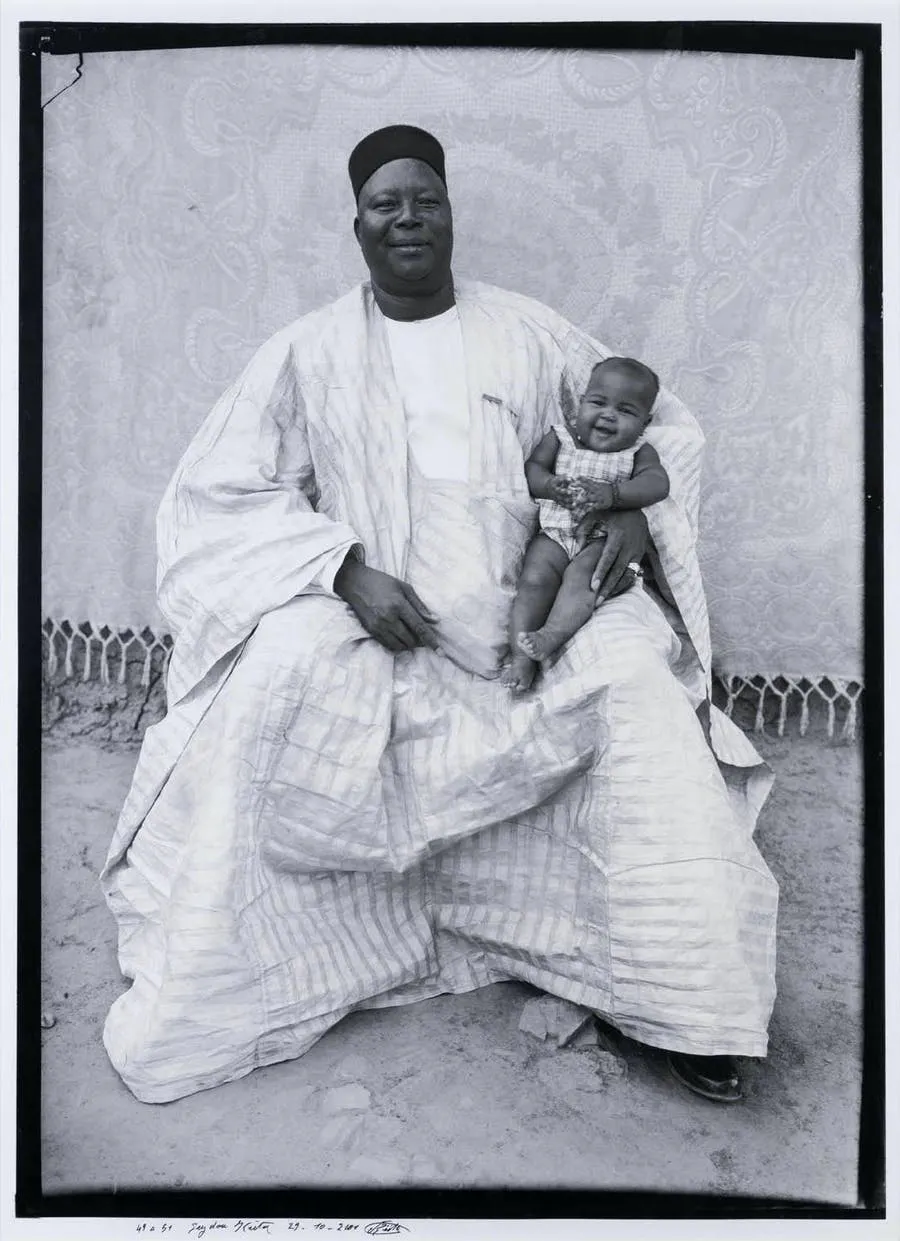
The international artists – Takis from Greece, Vik Muniz from Brazil, and Seydou Keïta from Mali, all strongly supported by French institutions and galleries – will also be represented during the sale.
The catalogue includes many works that embody the evolution of artistic production in the twentieth century. Among them is a unique earthenware piece by Picasso depicting a portrait of Jacqueline Roque, his muse and last wife.
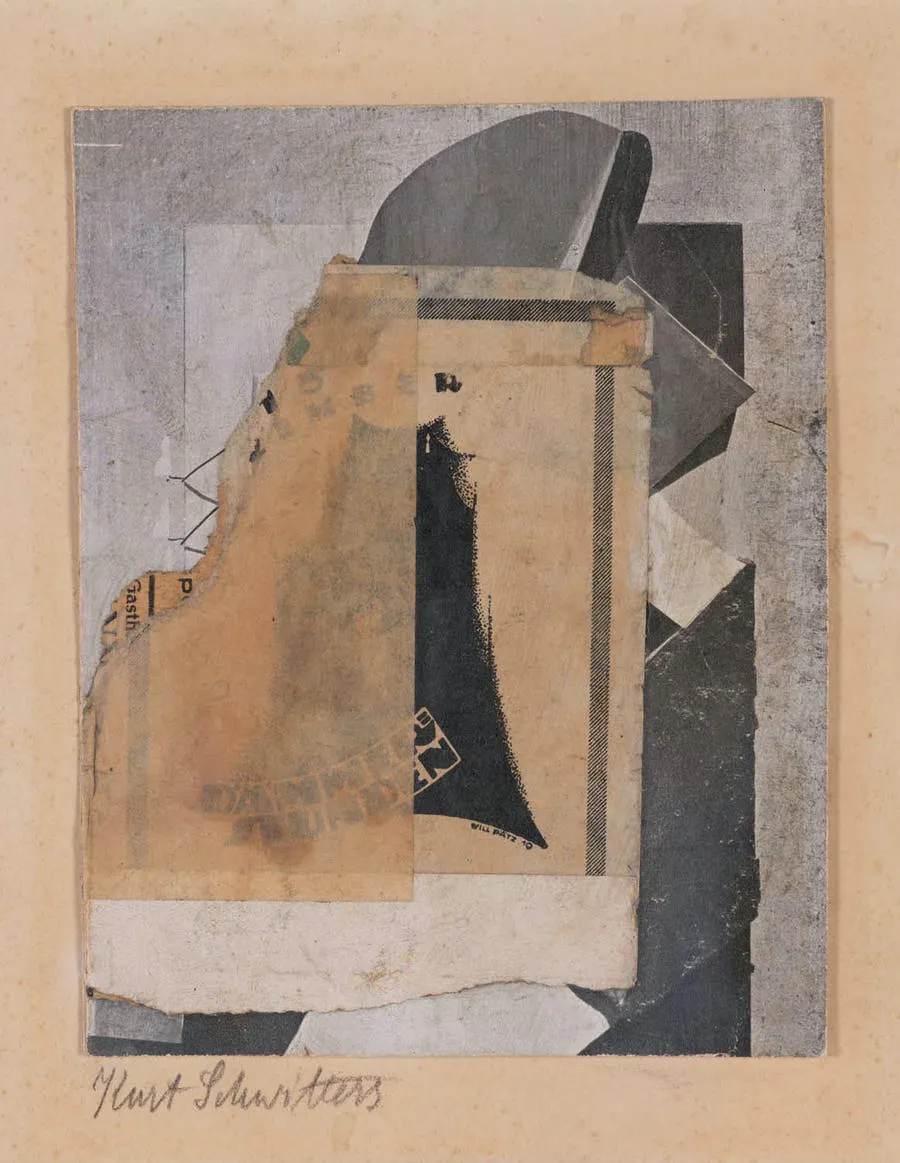
The German painter Kurt Schwitters, a Dadaist and founder of the Merz movement, will be represented with his collage Untitled, (Twilight Hours) from the 1920s. This work dates from a pivotal period when Schwitters turned away from painting to develop a method of arranging scraps of paper and rubbish in a harmonious manner. The collage presented here is predominantly beige and grey, and experiments with concepts of solidity and transparency in a manner typical of Schwitters.
The sale will be held behind closed doors on 25 November at 6:00 pm in accordance with measures related to the COVID-19 epidemic. A virtual exhibition is visible on the auction house's website, and online bidding is available.