
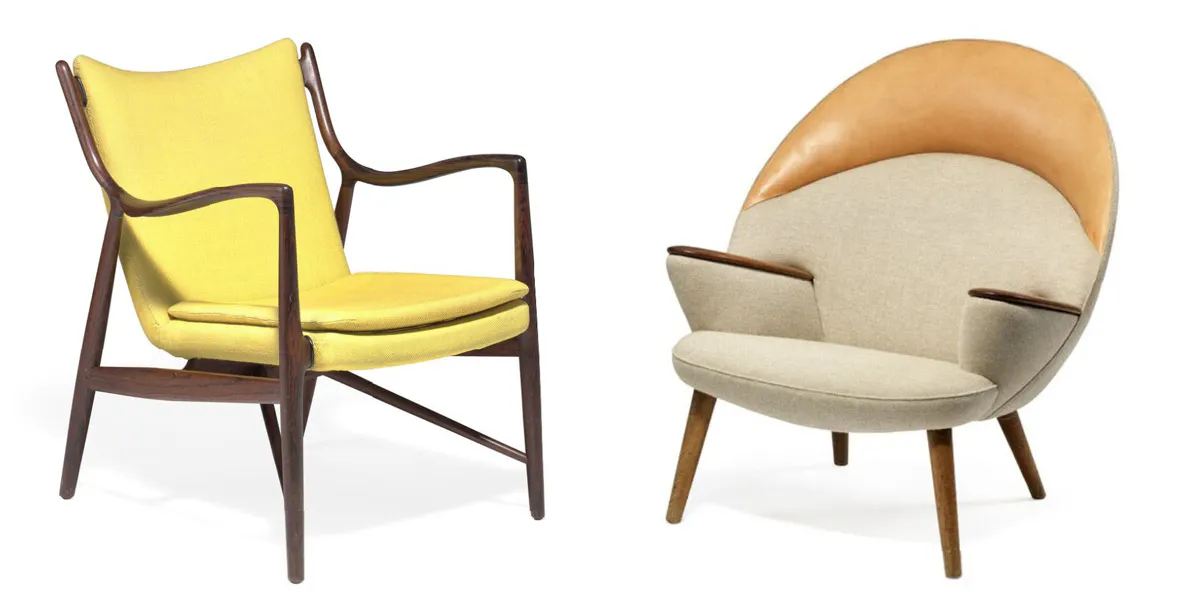
Between 15 and 24 September, Danish auction house Bruun Rasmussen is hosting eight auctions. Their catalogues offer everything from modern art and design to antiques and watches. Here are our six favourite finds.
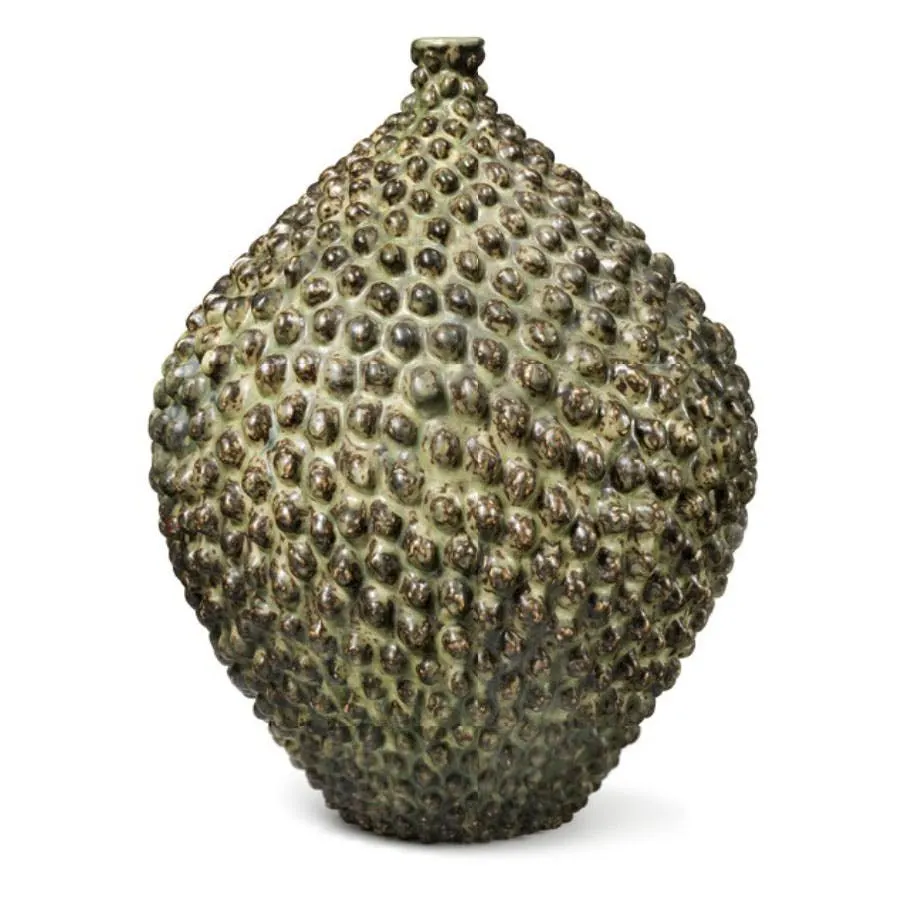
Axel Salto’s great breakthrough came in the spring of 1925 at the World's Fair in Paris. He had just changed his artistic focus from working with woodcuts and painting to creating stoneware. Through this medium he focused on the surfaces of objects and created nature-inspired pieces which are divided into three different categories: fluted, budding and sprouting. His modern and organic works became a success at the World's Fair and have since been sought after by numerous collectors. The Danish master is represented in Bruun Rasmussen’s auction with a number of works, including this stoneware vase from 1956.
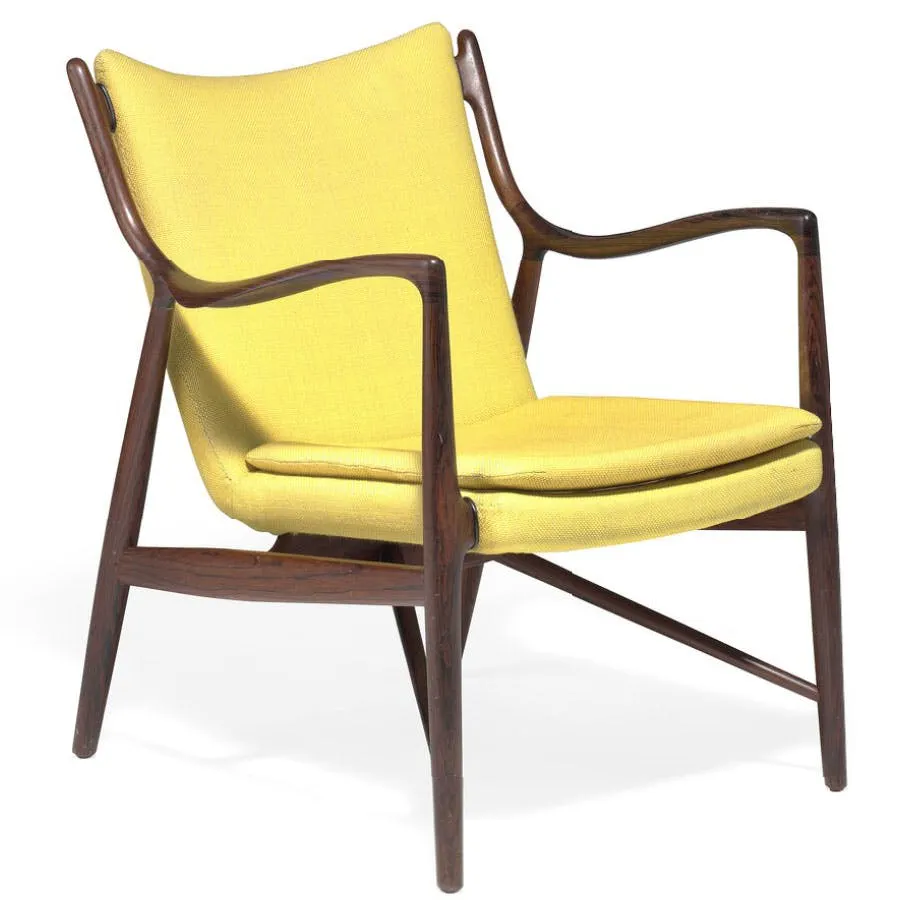
By 1942, at the age of thirty, Finn Juhl and his architectural designs had already been awarded prizes. But a couple of years later, in 1945, he left the architectural practice he was working at to instead open a design studio where the focus was on interiors and furniture. That same year, Juhl created one of his most iconic pieces: the FJ 45 armchair. The elegant piece of furniture quickly became the ideal for modern design and was even called the “modern of modern chairs".
Juhl was an innovative designer who constantly pushed the boundaries when it came to materials and form. The cushioned parts with airy wooden frame were something completely new for the time and he set a completely new standard for the craft. It is said that he designed the armchair in four hours, drawing inspiration from the Bauhaus and their tubular steel furniture. FJ 45 was manufactured by Niels Vodder until the 1970s and has become a real design classic that can be found at MoMA in New York. Now you have the chance to place a bid on one of these armchairs, this copy made of Brazilian rosewood and from the 1960s.
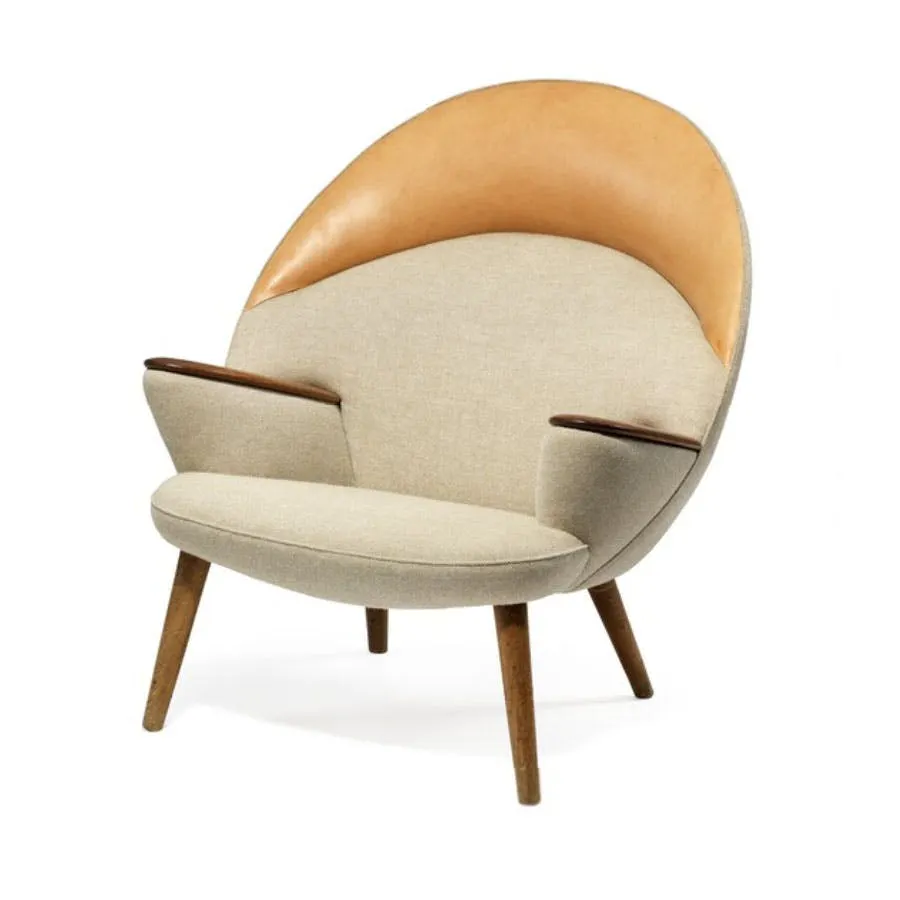
Another design classic is Hans J. Wegner's JH 521. The rare armchair was designed in 1953 for Johannes Hansen and is a modern variant of the British Windsor chair that appeared in farmhouses and village taverns in the early 18th century. Wegner had long admired this British Windsor chair and its simplicity and decided to create his own variant: Peacock (PP550). JH 521 was an updated and more advanced model which, due to its complicated construction, cost a lot to manufacture and has therefore only been made in a few copies. The variant sold at Bruun Rasmussen was bought by the current owner's father, who was a furniture carpenter for Johannes Hansen.
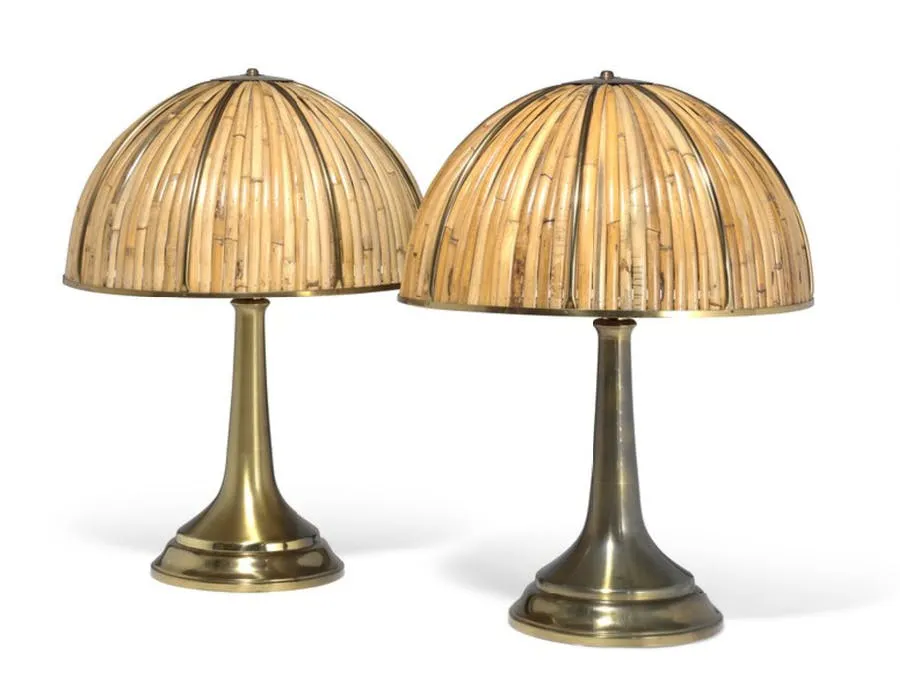
The Italian designer Gabriella Crespi became known for her sculptural furniture in the 1960s and ‘70s. She drew inspiration from modernism and Art Nouveau and combined this with futuristic and minimalist elements. In the mid-1970s, Crespi wanted to design a lamp that gave the same strong light as the sun, and the result was the table lamp Fungo. The lamp was made of brass and bamboo, and in some cases also acrylic. Shown here are a pair of Fungo lamps made of brass and bamboo with an impressive height of 95 centimeters.
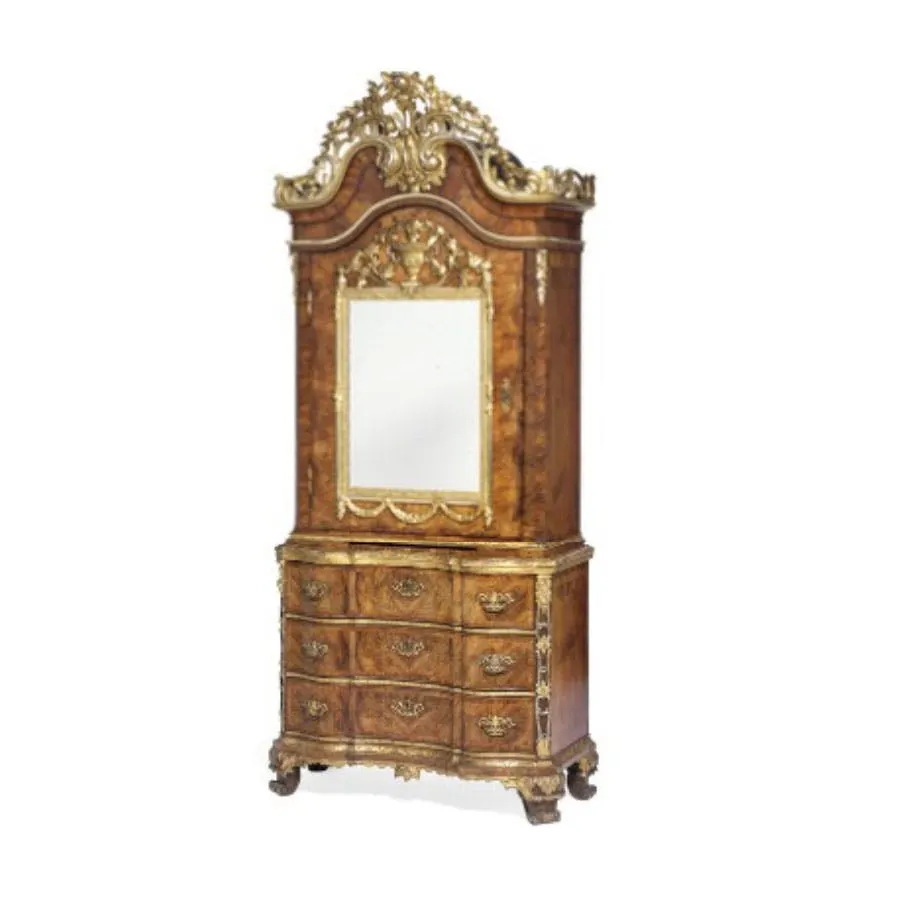
It's not only modern design that’s being offered at Bruun Rasmussen. A beautiful mirror cabinet by the German master Johann Friedrich Köster is among the hundreds of antiques on display. Köster became the official master carpenter in the German city of Altona, which was Europe's most important city for furniture manufacturing in the 18th century. The cabinet shown here is from the transition period between Rococo and Classicism, around 1770-80. The masterpiece is made of walnut and gilded wood and has decorations in the form of leaves and flowers.
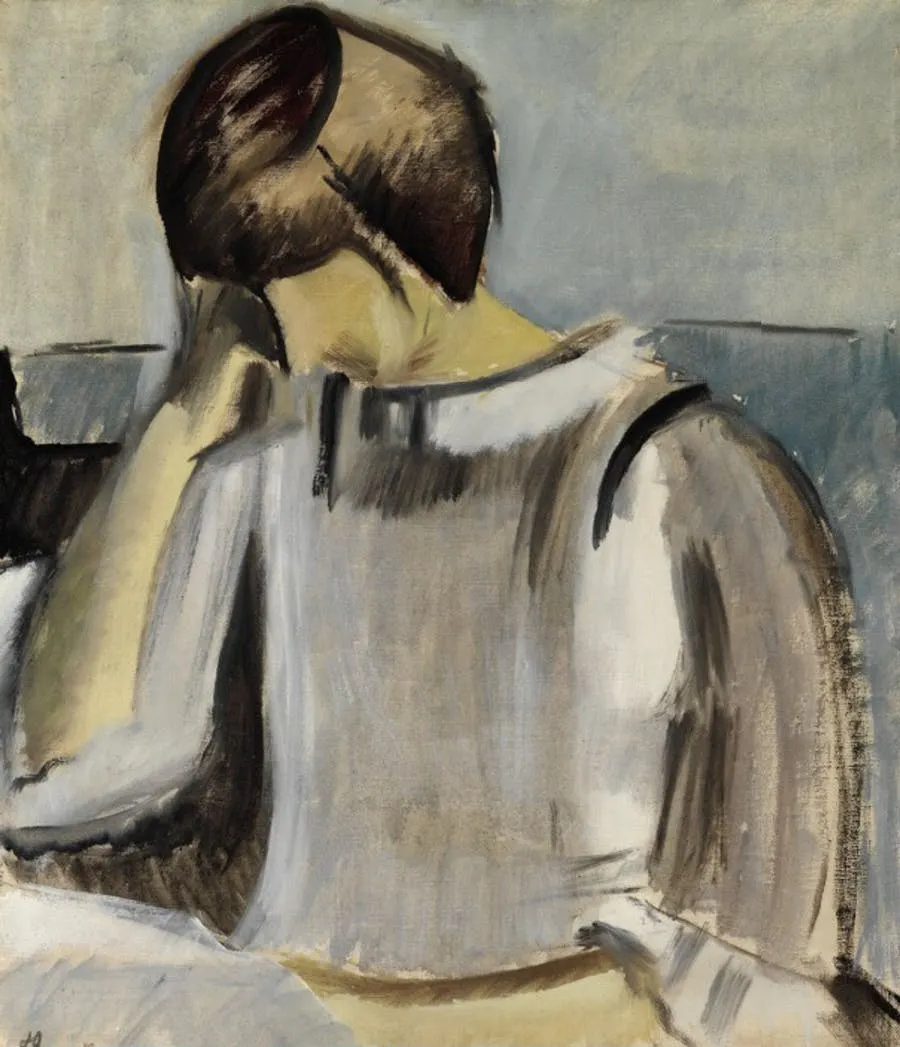
One of the pioneers of Danish expressionism was Harald Giersing. It was when he settled in Paris in 1906 that he found his artistic expression. He met artists such as Paul Gauguin, Édouard Manet, Paul Cézanne, Paul Signac and Georges Braque and by taking part in their work he came to find his own style. The result was landscape paintings and portraits, made with simple and rough brushstrokes and strong colours, not entirely different from the Cubists' work. When Giersing showed his works at the Grønningen exhibition in Copenhagen in 1922, his black and grey pictures were included. This proved a success and the artist received unexpectedly positive reviews. Could it be possible that the painting Woman Reading from 1921 was shown in the exhibition?
In Bruun Rasmussen’s catalogues you will also find works by Lucio Fontana, Pablo Picasso and Niki de Saint Phalle, not to mention exclusive jewellery and watches. Discover the catalogues here on Barnebys