In Genesis, the twelve sons of Jacob (also called Israel) founded twelve tribes and divided the Promised Land among them. These 'founders of the tribes of God' were called Reuben, Simeon, Levi, Judah, Dan, Naphtali, Gad, Asher, Issachar, Zebulun, Joseph, and Benjamin. According to what God had prophesied to Abraham (the great-grandfather of the twelve founders), his descendants would give birth to many nations.
See also: Salvador Dalí: Art Crazy
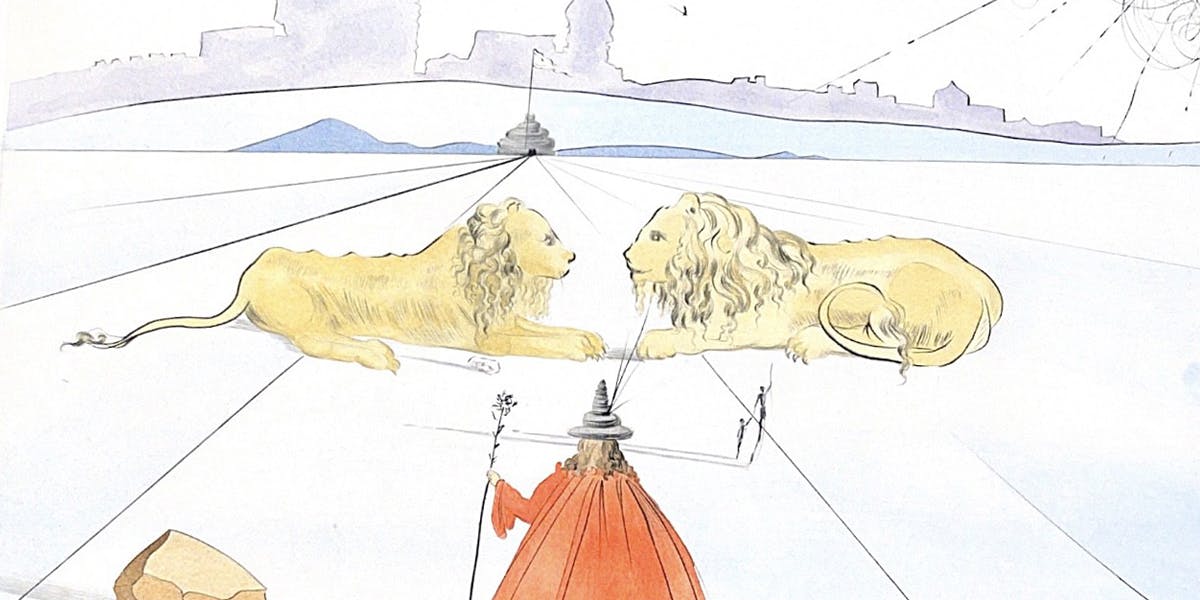
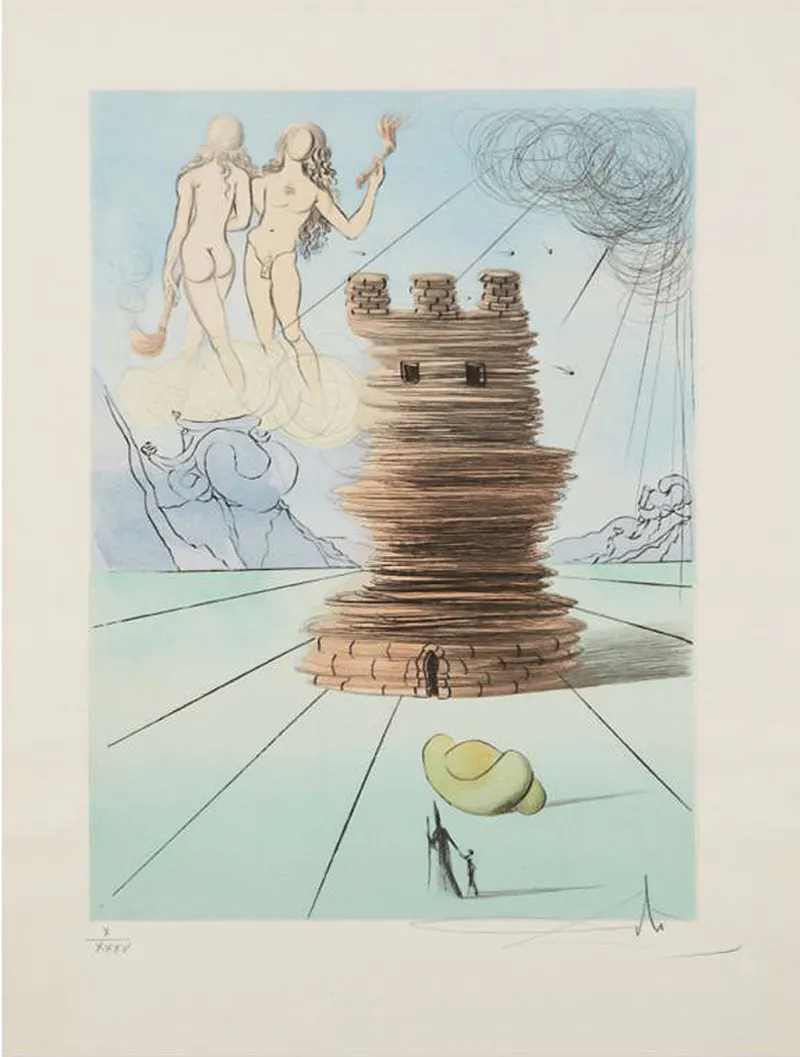
On the 25th anniversary of the State of Israel, Salvador Dalí took inspiration from the biblical theme to deliver a series of watercolours titled The Twelve tribes of Israel, in which he represented each of the tribes in serigraphs. His unique style in interpreting the stories has given life to extraordinary works.
1. Tribe of Reuben
It is said that the Tribe of Reuben (in Hebrew Re'uven) was made up of 46,500 men when they embarked on their exodus to Gilead. The land of Gilead stretched from Arnon, in the south, along the coast of the Dead Sea, to the extreme north, where the Jordan River flows. Only 43,730 men arrived in this land, the smallest of the territories granted to the tribes.

2. Tribe of Simeon
The Tribe of Simeon was divided and scattered, and its number decreased while crossing the desert. Only a third of the men reached the territory given to Judah in southeastern Israel. Like the tribe of Reuben, which settled in eastern Jordan, the tribe of Simeon ended up having little influence in the history of Israel.
3. Tribe of Levi
The Tribe of Levi was the one historically chosen to educate the priestly class of Judaism. The Levi, to whom Moses belonged, had the exclusive right to learn and teach the Torah to other tribes, although they did not own any territory. The symbol of the Tribe of Levi is the 'High Priest Breastplate' of the Israelites, a quadrant embedded with 12 precious stones that symbolise the 12 tribes of Israel.
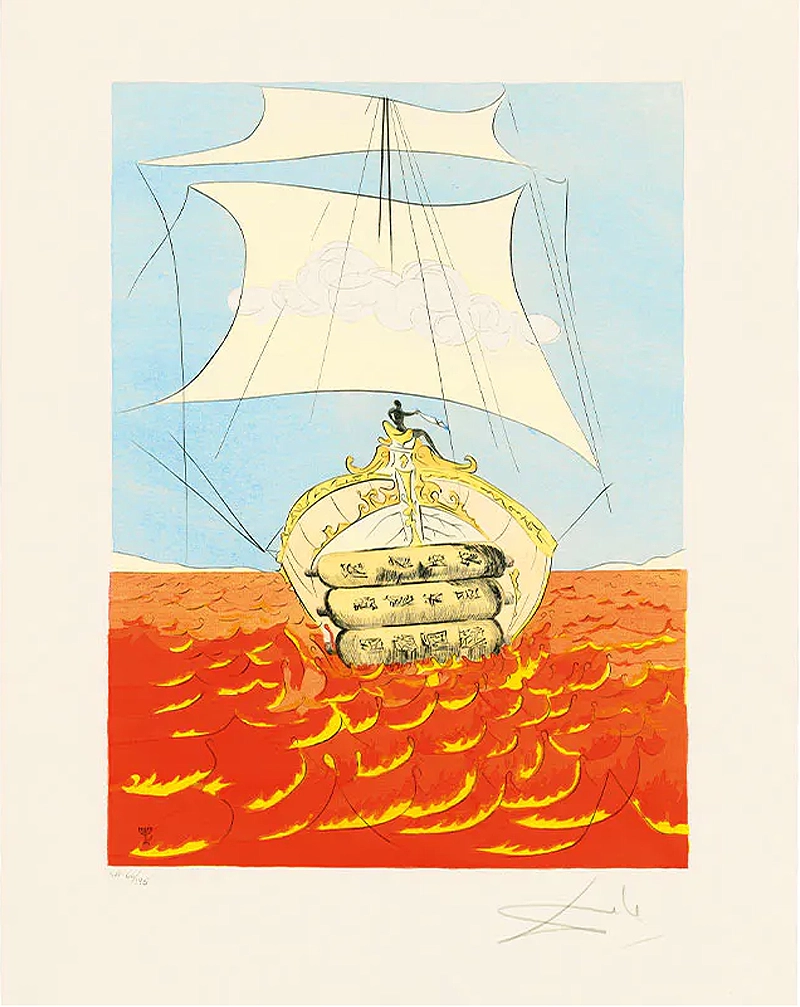
4. Tribe of Judah
Jacob, his son Judah and their three grandsons began the exodus to Egypt with 74,000 men. The Tribe of Judah had inherited a third of the territory east of Jordan, which corresponded to about 6,000 square kilometres. The land was divided into four parts: the 'south' (the Negev) with large pastures, the 'valley' or lowland (Sefela), a land that stretched between the central chain and the Mediterranean, the 'mountain' or mountains of Judah, which extend under Hebron to Jerusalem, and finally the 'desert' near the Dead Sea, divided between the desert of 'En-gadi', that of 'Judah' and that of 'Maon'.
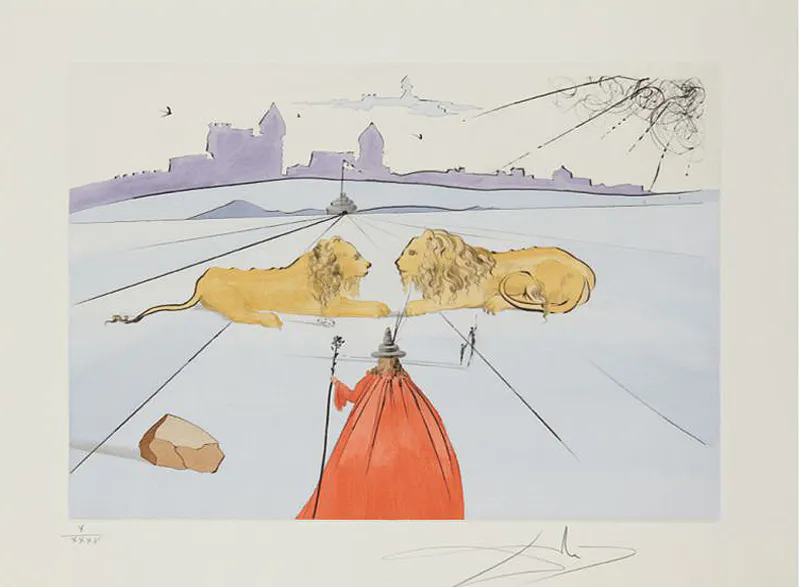
5. Tribe of Gad
The Tribe of Gad consisted of 40,000 men who settled on the eastern side of the Jordan. The Gad were a tribe of warriors, who conquered other regions until they joined the kingdom of Judah. Its red and black emblem has a camp drawn in the centre. It is said that Moses was buried in the territory of Gad.
6. Tribe of Dan
The Tribe of Dan conquered the city of Lais and razed it to the ground. After the massacre, the tribe rebuilt it in the same place, surrounded by fertile lands and lush vegetation. It is believed that the famous episode of the Golden Calf took place here.
See also: The First Known Artworks of 10 Famous Artists
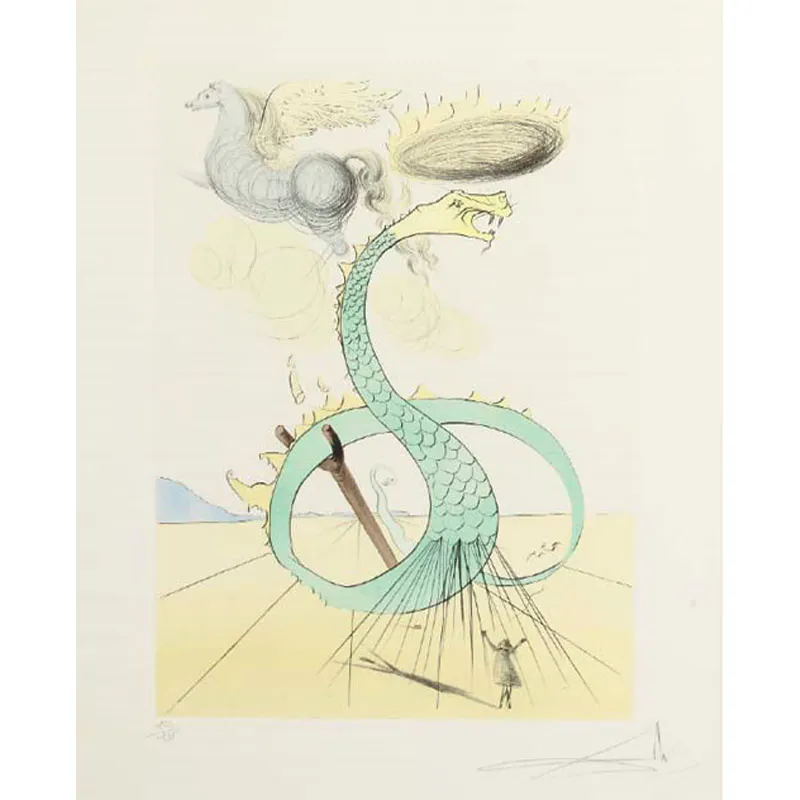
7. Tribe of Naphtali
When this tribe began its exodus it was made up of 53,000 men. This decreased to 45,400 once they reached the northeast of Israel, near the Jordan and the lakes of Merom and Galilee, in a territory of 800 square kilometres of beautiful landscapes and mild climate. The beauty of the place was such that the southern part was nicknamed 'The Garden of Palestine'. Now Naphtali is an almost completely desert territory, on the shores of the Lake of Galilee, where the city of Tiberias is located.
See also: Icons: The Sacred Art
8. Tribe of Zebulun
The Tribe of Zebulun began their Exodus with 57,400 men. Its territory was very fertile and extended to Assyria, from the lands near Mount Carmel and the sea, to the lake of Galilee. It also included a part of the plain of Esdraelon and extended to the Mediterranean Sea, which explains how the Tribe of Zebulun traded with other clans.
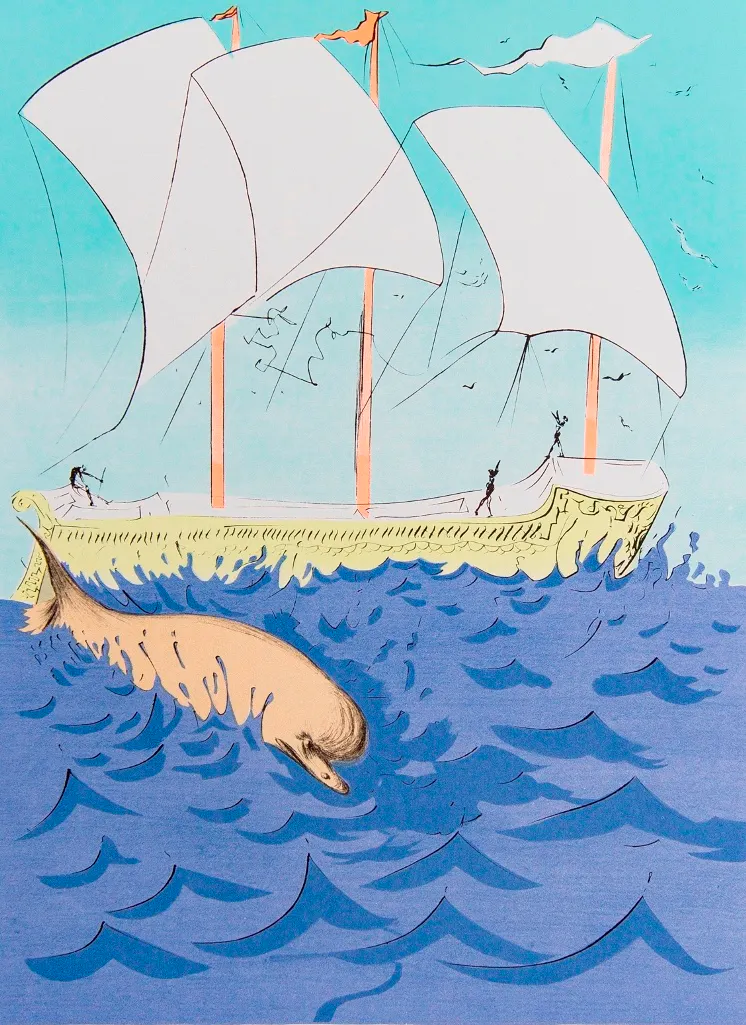
9. Tribe of Asher
The Tribe of Asher was the most blessed of the Tribes of Israel, with the greatest number of sons and the most beautiful women. Its territory extended along the Mediterranean Sea from Mount Carmelo to the Leonte river. The land of the Asher was so fertile that in times of scarcity of raw materials, it supplied olive oil to the rest of Israel's territory.
10. Tribe of Joseph
Joseph's descendants formed two of the tribes of Israel: the tribe of Ephraim and the Tribe of Manasseh. The tribes were in fact technically thirteen, although historically only twelve have always been mentioned. The Tribe of Ephraim had 40,500 men who went in search of the lands granted to them, located in the central region of Canaan, west of the Jordan. Forty years later, when they reached the Promised Land, there were 32,500.
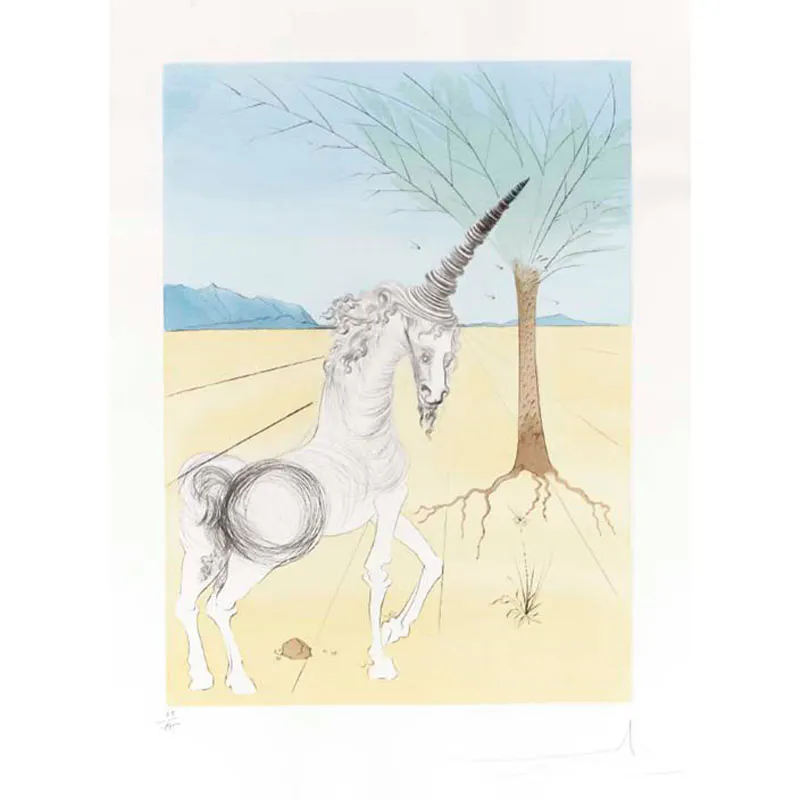
11. Tribe of Issachar
The Tribe of Issachar occupied one of the most fertile territories in Israel, which included the Jezreel Valley and the low mountains east of Mount Tabor. Jacob, when blessing his children before death, compared Issachar to a strong and bony donkey, an expression that also refers to the Tribe of Issachar.
12. Tribe of Benjamin
The Tribe of Benjamin was the tribe of Jacob's youngest son, who was 100 years old when his wife Rebecca gave birth. The Benjamins were said to be brave, cunning, and skilful. They were granted land in Jericho that included the hills of northern Jerusalem, the cities of Gabaa, Gabaon, Beth-el, and a part of the temple district. The first king of Israel, Saul, son of Chish, belonged to the tribe of Benjamin.
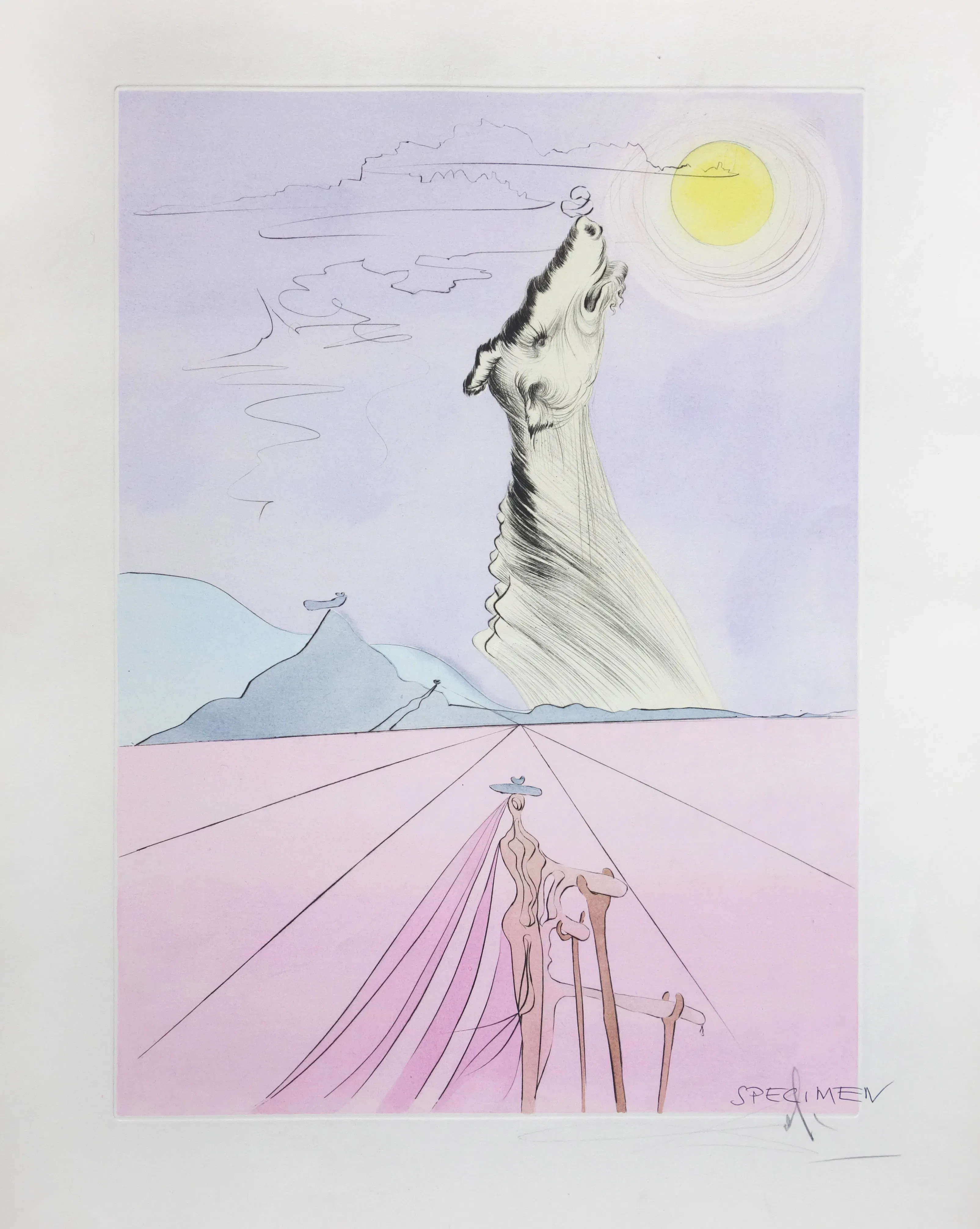
Created at the time when Dali was at the height of his surrealist creativity, these serigraphs constitute one of his finest bodies of work. Overflowing with colours and meticulously detailed, these representations are emblematic of his imagination and include many elements specific to his artistic vocabulary. Motivated by the desire to juxtapose seemingly unrelated images and symbols, Dalí succeeded in uniting, transforming and delivering a completely new interpretation of the biblical episode. The artist changed the meaning of the images and their relationship with each other, to essentially create a new concept and a new point of view. As always, he did so in his inimitable surrealist style.