
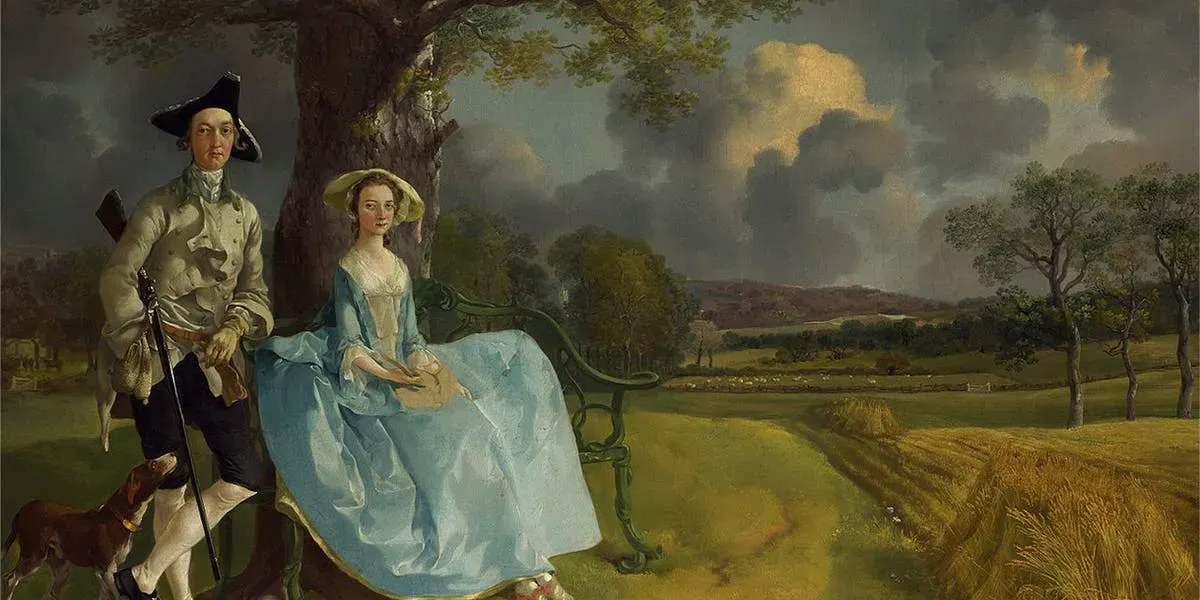
Thomas Gainsborough was born in Suffolk, England, in 1727. Thanks to the good fortune of having a wealthy cloth merchant as a father, he was able to go to London at the age of 13 to develop his artistic talent.
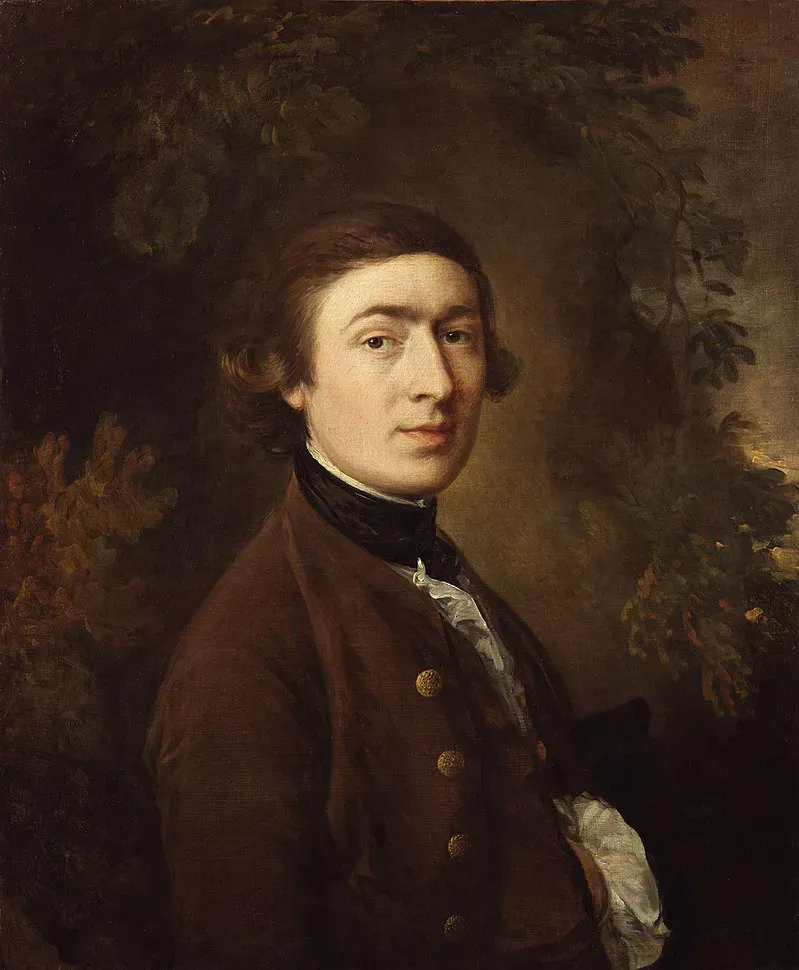
In London he received lessons from the French engraver Hubert-François Gravelot and the painter Francis Hayman at the St. Martin's Academy. French Rococo and Dutch landscape painting had the greatest influence on the young artist and his work, especially the works of Jacob van Ruisdael.
See also: Antoine Watteau: Frivolity and Melancholy
At the age of only 19, Thomas Gainsborough married in secret Margaret Burr, an illegitimate daughter of the Duke of Beaufort. This helped him to achieve a financial independence that his artistic career had not been able to offer him, since he was still mainly concerned with landscapes, which were hardly popular with the English public.
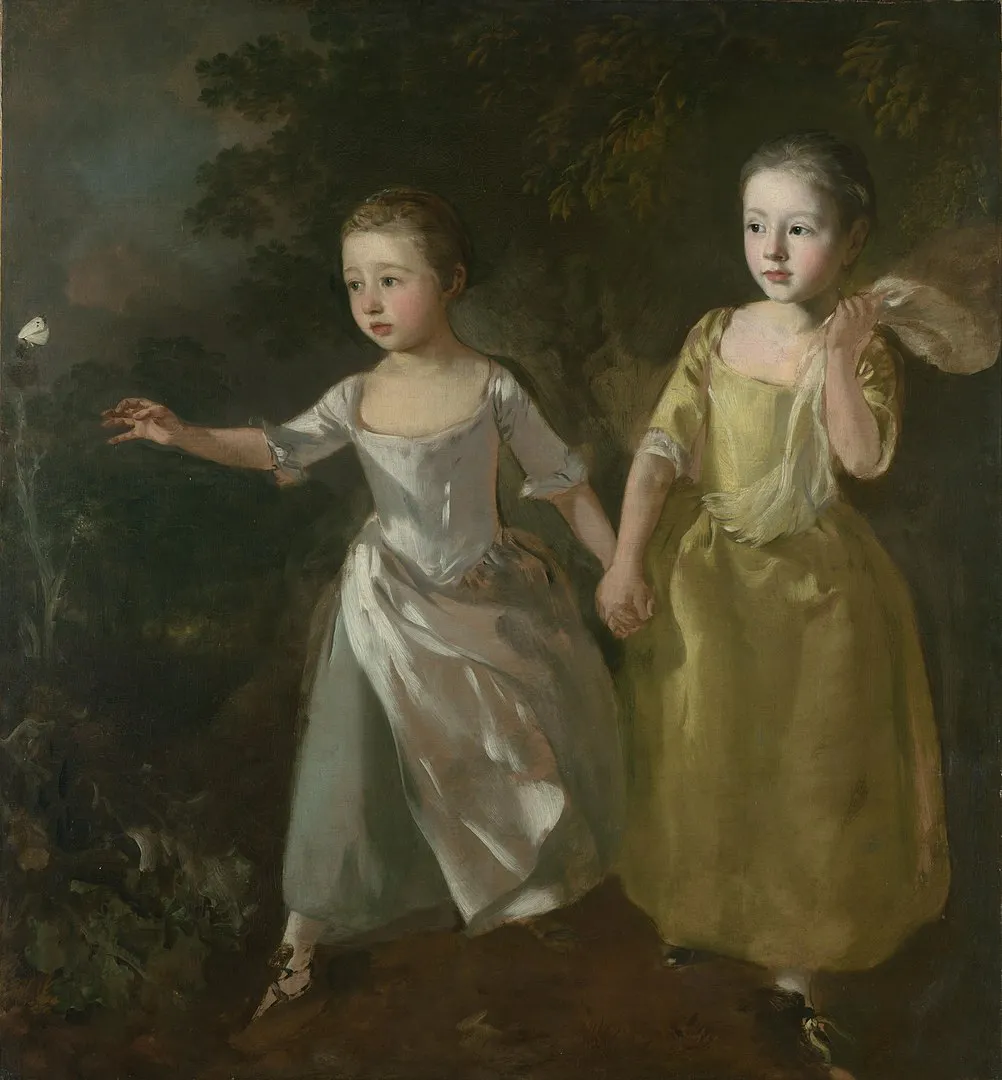
The young couple moved from London to Ipswich, also in Suffolk, and Thomas Gainsborough began to portray the local gentry in a way he had learned from his teacher Hayman, who had long worked as a stage painter. He painted full-length portraits of his clients, which he placed against the background of their respective possessions and properties.

In 1759 the Gainsborough family, which now had two daughters, moved to the fashionable seaside resort of Bath, where they resided in the elegant Circus Row of townhomes. He was introduced to high society by the officer and writer Philip Thicknesse, notorious for being eccentric. Gainsborough soon became the resort town's preferred portraitist.
See also: Frans Hals: The Master of Portraiture
Gainsborough was one of the founding members of the Royal Academy of Arts in 1768. This was the beginning of a rivalry with established London portrait painter and Royal Academy president Joshua Reynolds, which intensified when Gainsborough moved to London full-time six years later.
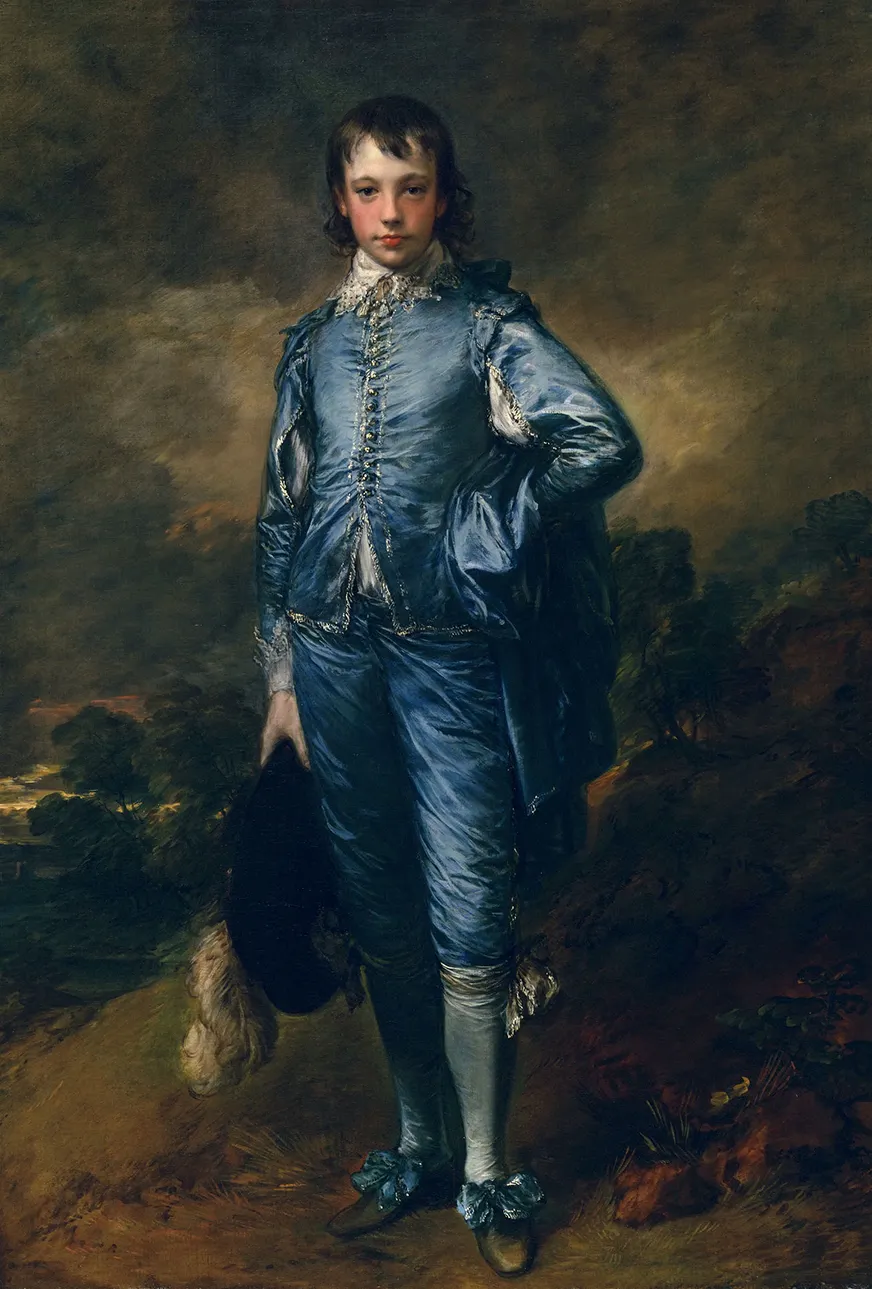
One point of contention was whether the colour blue could be used extensively in the heart of a painting. Reynolds was clearly against it. Gainsborough disagreed and created The Blue Boy, a portrait of young Jonathan Buttall, son of a hardware store owner, to prove the contrary. Today, The Blue Boy is one of Gainsborough's best-known works, frequently cited in literature and film.
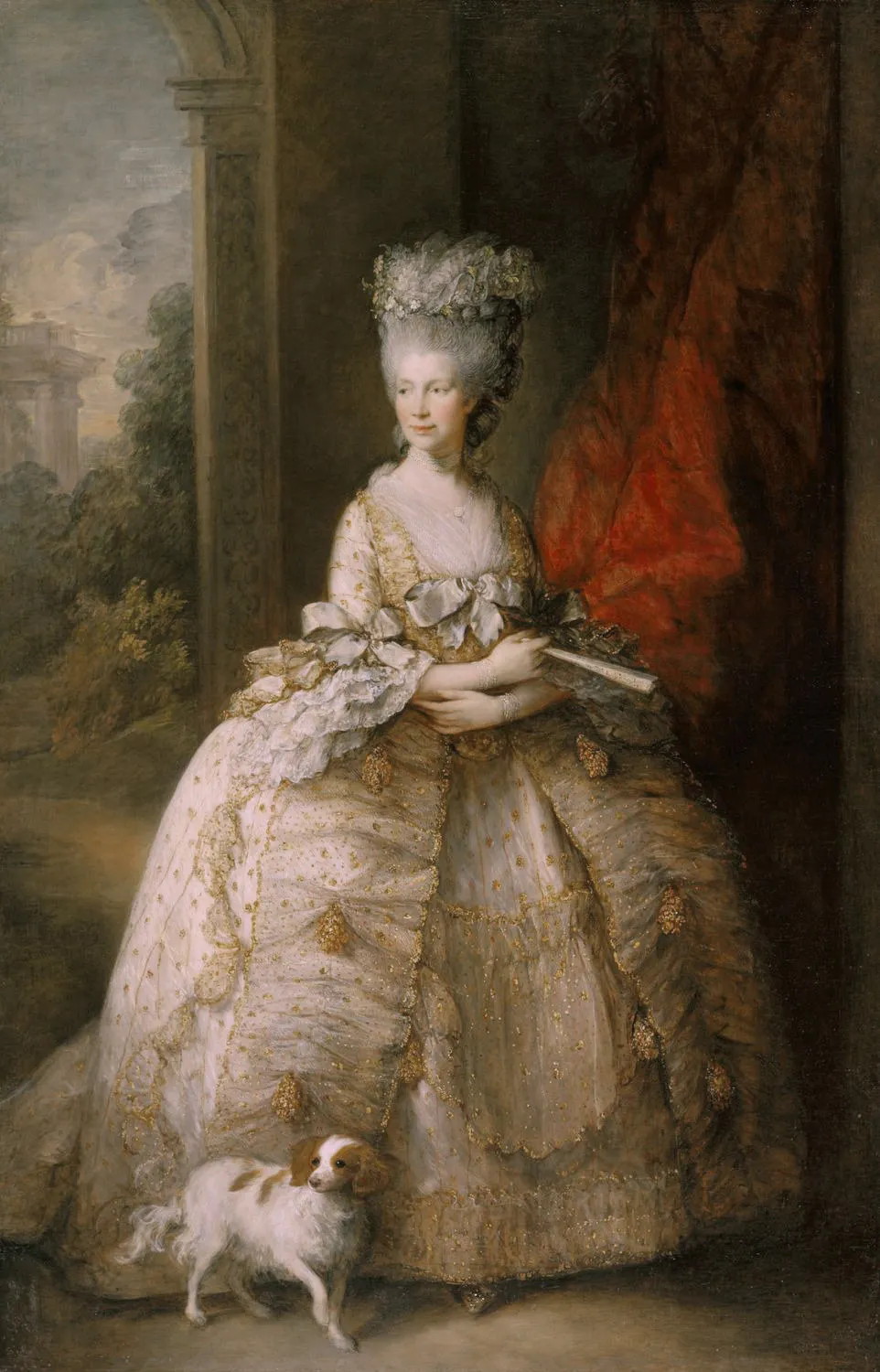
In the following years in London, Gainsborough became the favourite painter of the Royal Family. In 1782 he was commissioned by Queen Charlotte to paint a series of fifteen oval portraits of the royal couple and their thirteen children.
See also: William Turner: In the Heart of Light
After falling out with the Royal Academy, particularly with Joshua Reynolds, Gainsborough turned his back on the institution's exhibitions and held his own at his London home.
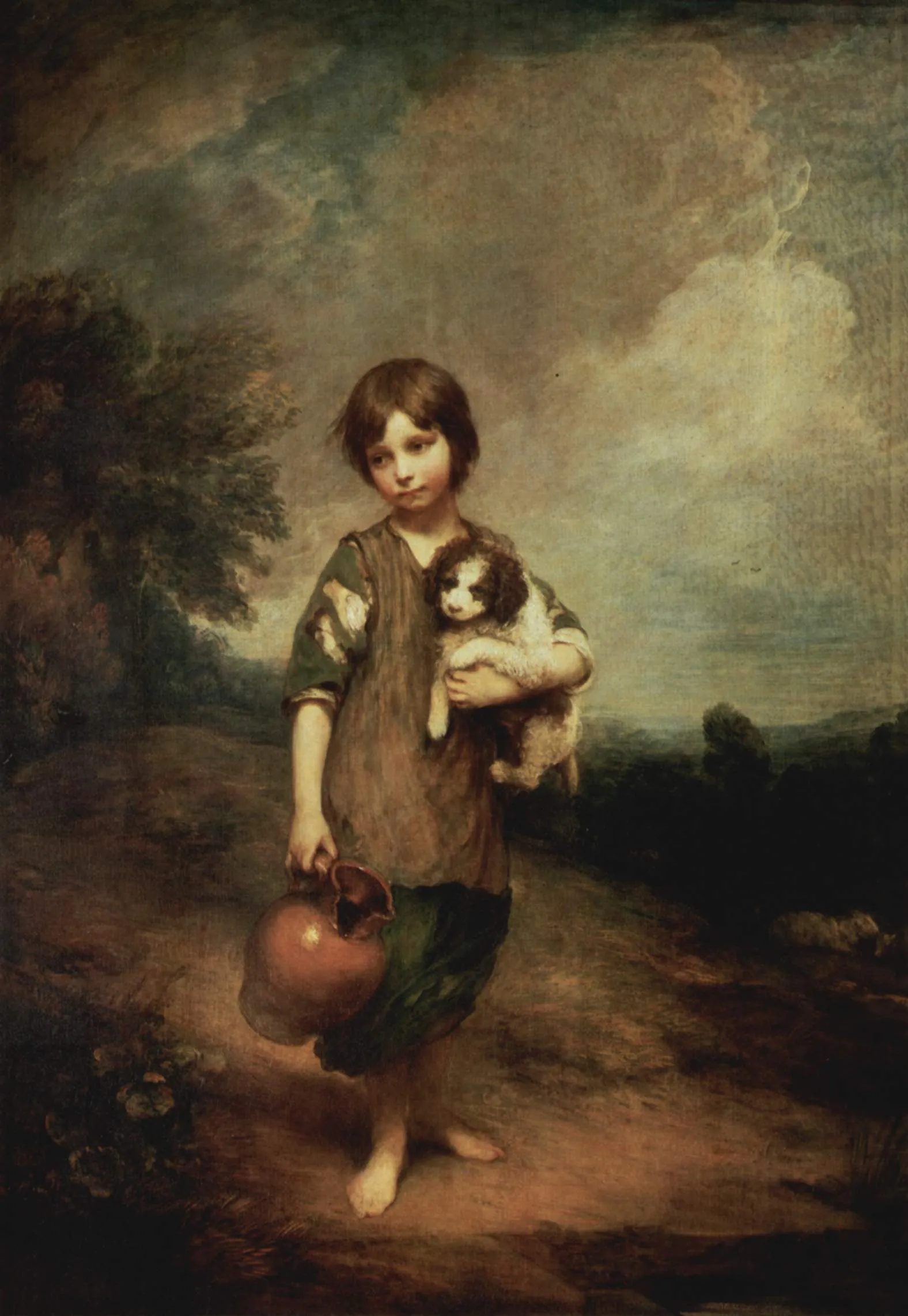
This was followed by a short, mature phase in the painter's work called his 'fancy pictures', a term coined by Reynolds for Gainsborough's works. They showed scenes of everyday life, often of children or women, and depicted people of all classes in rural settings. Here Gainsborough returned to the style of the old masters, with emphasis on landscape details, which he had been enthusiastic about from an early age.
Want more articles like this straight to your inbox? Subscribe to our free newsletter!
Thomas Gainsborough died in London on 2 August 1788. However, the landscape paintings, with which he had little success during his lifetime, went on to have a great influence on this genre in the 19th century.
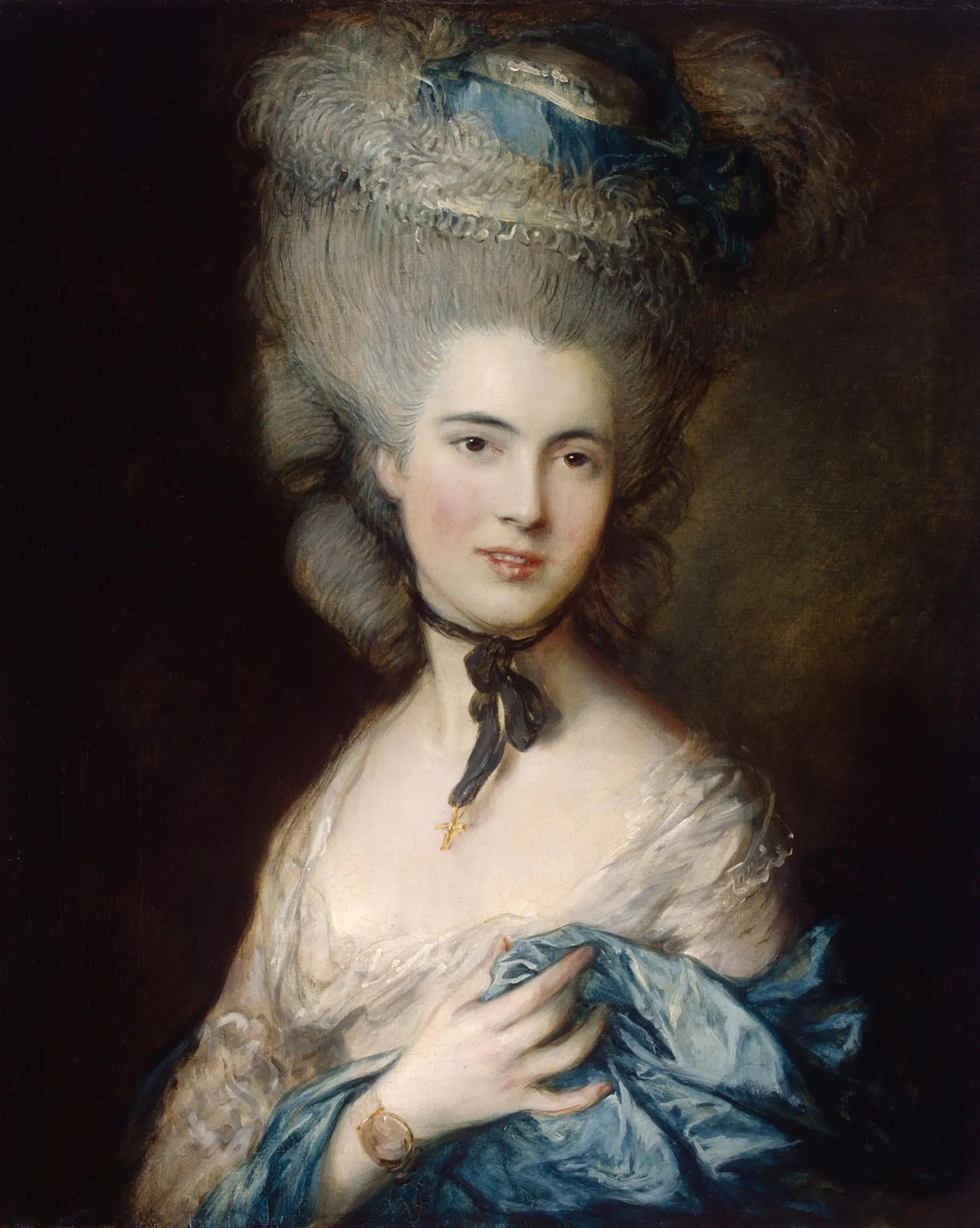
Today, his works hang in the world's most prestigious institutions, from the National Gallery in London to the Louvre, the Metropolitan Museum of Art and the Royal Collection. His paintings, when they come onto the auction market, also sell for millions. His current record was set in 2011 with the £6.5 million sale of Portrait of Mrs. William Villebois at Christie's.






