The Finnish auction house Annmaris is ending the auction season on 12 December with an impressive selection of exceptional design objects. Items that have never before been presented on the market are going under the hammer. Names such as Paavo Tynell, Birger Kaipiainen, Alvar Aalto and Tapio Wirkkala are represented with some of their finest works. Here are six favourites not to be missed, including three whose creators never intended to get into design...
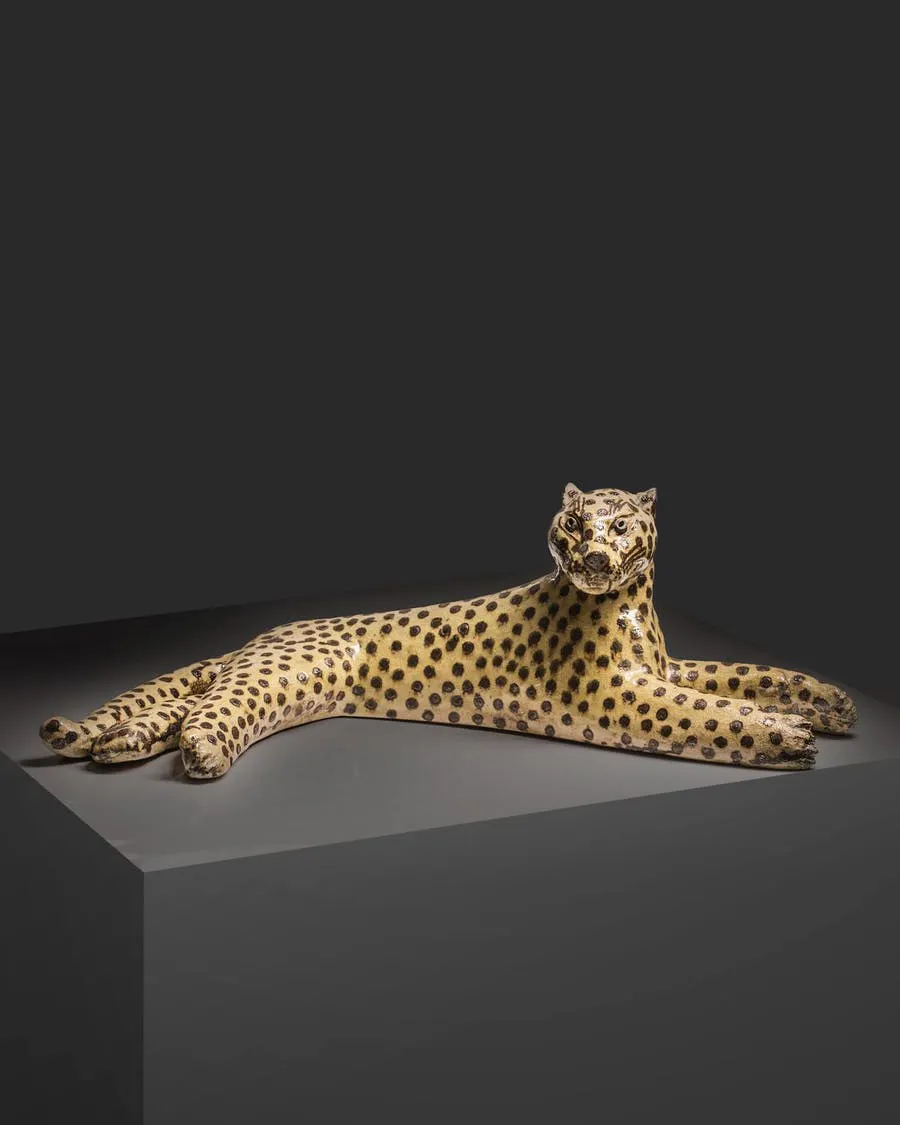
First is the Finnish ceramicist Michael Schilkin. Born in Trubino, Russia, Schilkin fled to Finland in 1921, likely because of the severe famine that began in early spring 1921 and lasted until 1922. Schilkin began studying at the Central School of Crafts in Helsinki and when he graduated in 1927, he began working as a truck driver while also devoting himself to art.
In 1937, he started working in Arabia together with, among others, Birger Kaipiainen, Rut Bryk and Tapio Wirkkala. In the same year, he received Finnish citizenship. As a result, he was allowed to represent the country at the World's Fair in Paris, where he was awarded a gold medal. At the beginning of his career, Schilkin worked mainly with biblical motifs but then began to create what he is best known for today: animal sculptures.
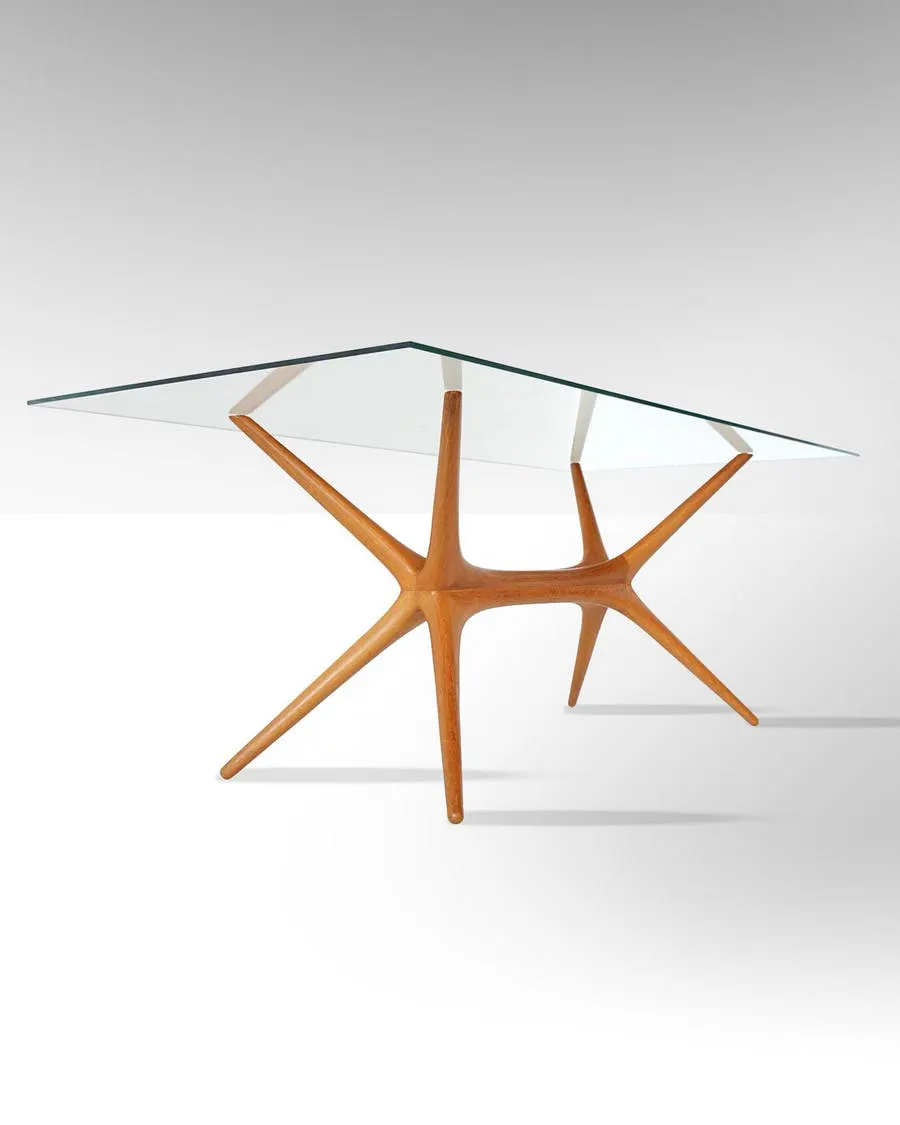
Another well-known designer represented in the catalogue is Tapio Wirkkala. His work is characterised by timeless and original designs. Wirkkala worked with glass, porcelain, wood, metal and plastic, preferring to create simple shapes.
He believed that the biggest challenge for a designer was to achieve clean and stripped lines. This made Wirkkala the face of Finnish modernism and, as a result, he became one of the biggest names in European modernism. In the catalogue, you’ll find several pieces by Wirkkala, including the coffee table in model 9020, designed for Asko in the 1950s.
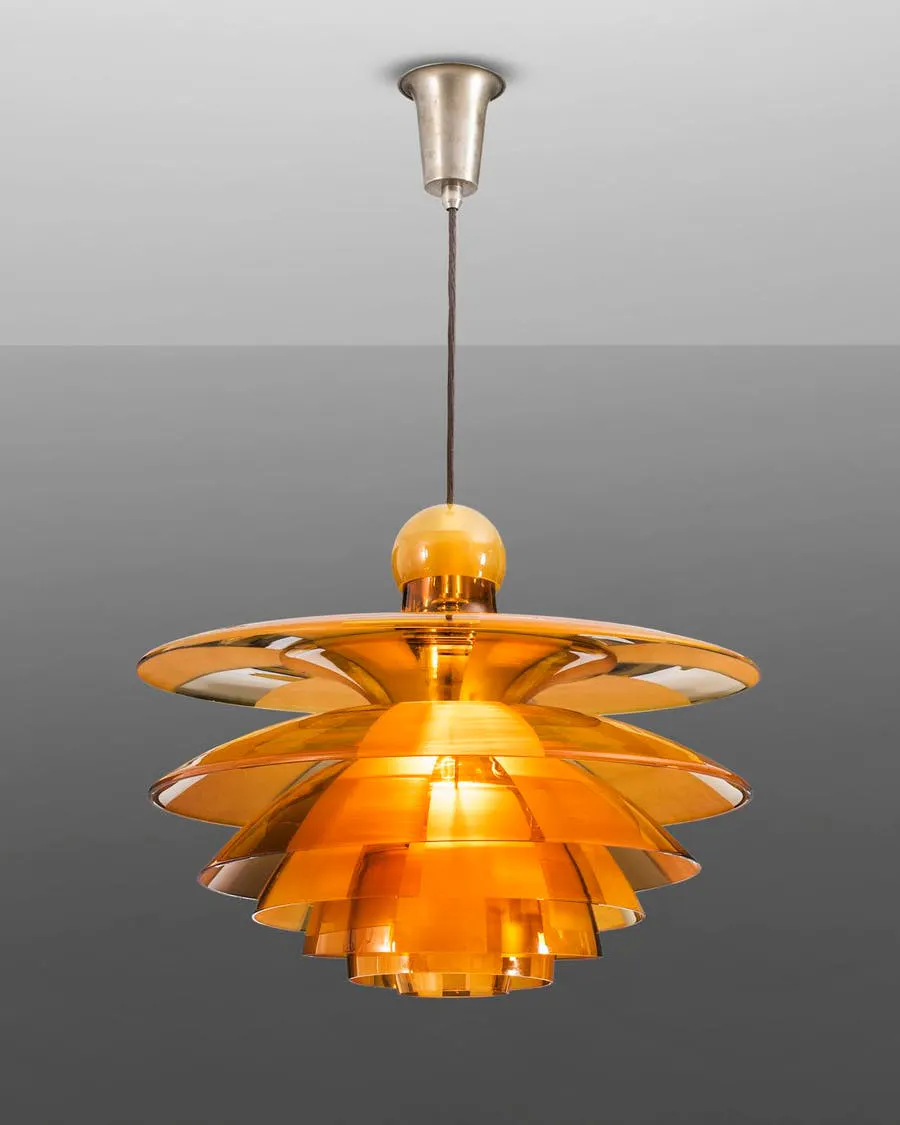
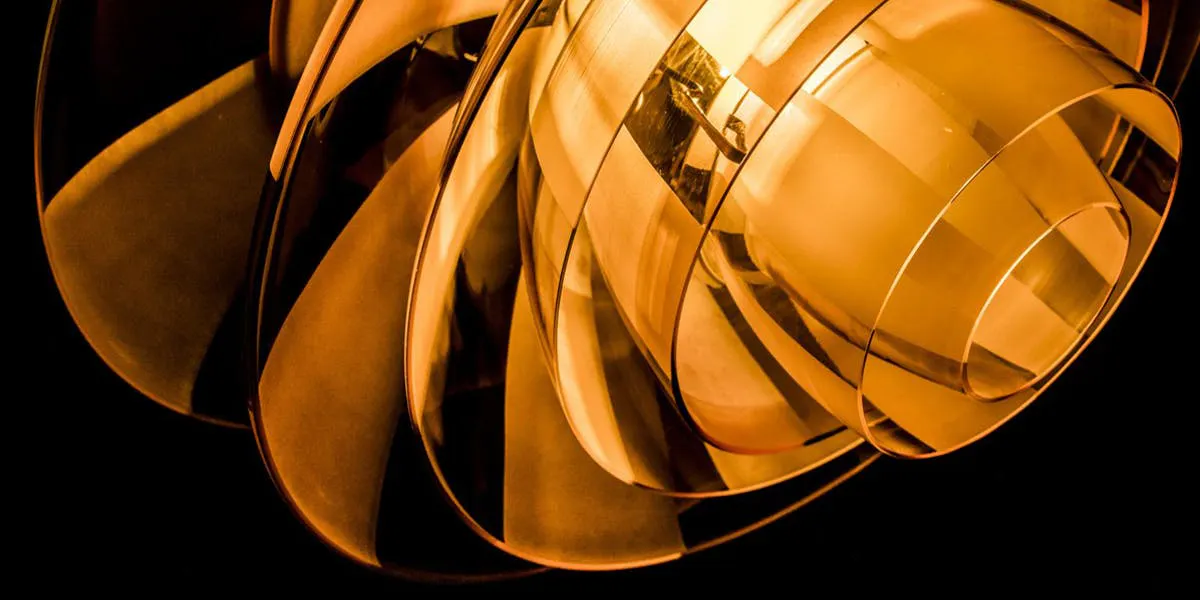
The Danish designer Poul Henningsen, who initially trained as a bricklayer before studying architecture in Copenhagen, is today known for his lamps whose design system cleverly reflects the light source without glare.
In 1926, he began collaborating with the lighting manufacturer Louis Poulsen and it was then that the so-called PH lamp was launched. Another classic is Henningsen's ceiling lamp Septima type 5, whose design later became the source of inspiration for his famous 1957 ceiling lamp Kotte. The first prototype of Septima type 5 was presented at Kunstindustrimuseet (today Designmuseum Danmark) in Copenhagen in 1928.
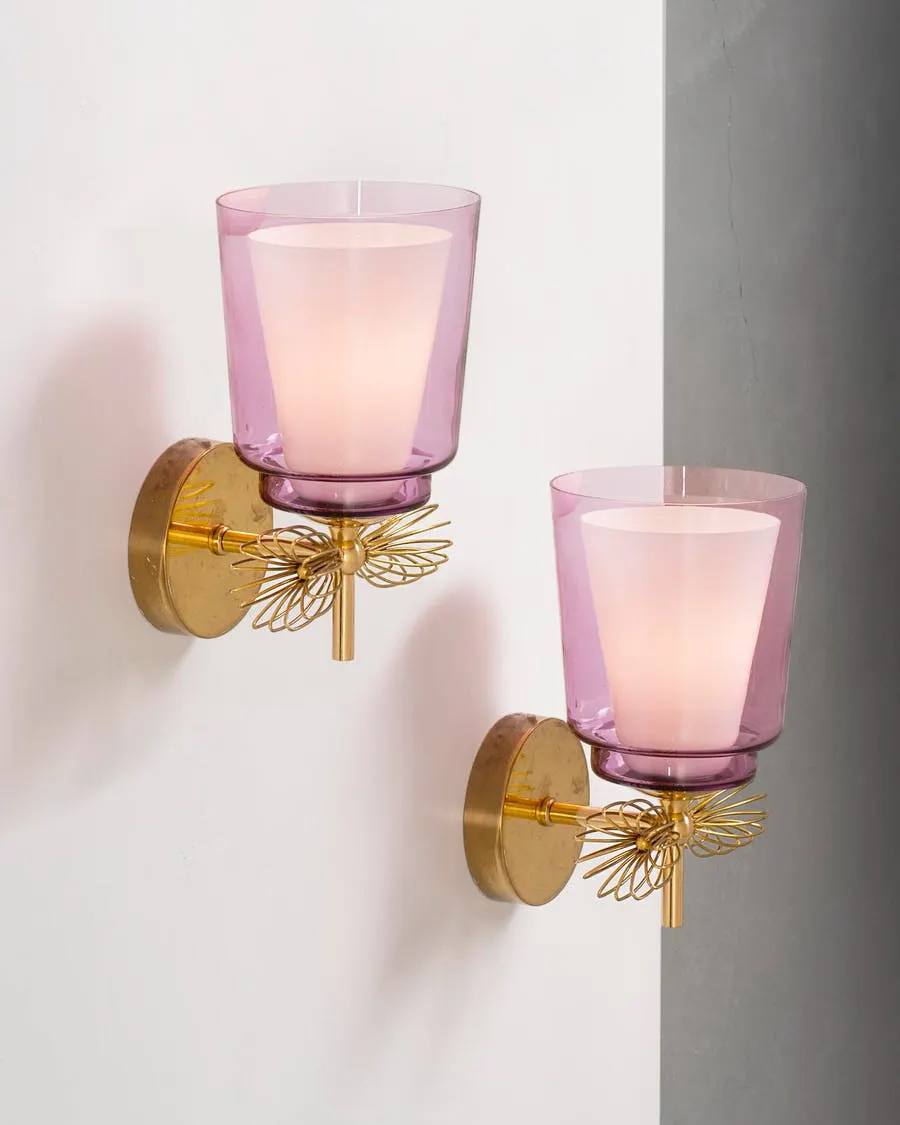
During the 1940s, designer Paavo Tynell took the whole of Finland by storm. His nature-inspired brass lamps were spread all over the world and decorated rooms in both the Riksdag House in Helsinki and the UN in New York. One of his most important periods during his career was in the years 1945-47, when he designed the majority of the interior of the Finland House in New York. It was this that put his name in the international spotlight.
In Annmaris’ catalogue, you’ll find unique, colourful and rare lamps by Tynell that were specially designed for the American market in the late 1950s. Annmaris found most of these works in a private collection in Canada, where Lightolier had a shop representing Tynell's works, which were originally manufactured in Finland by the lighting company Idman.
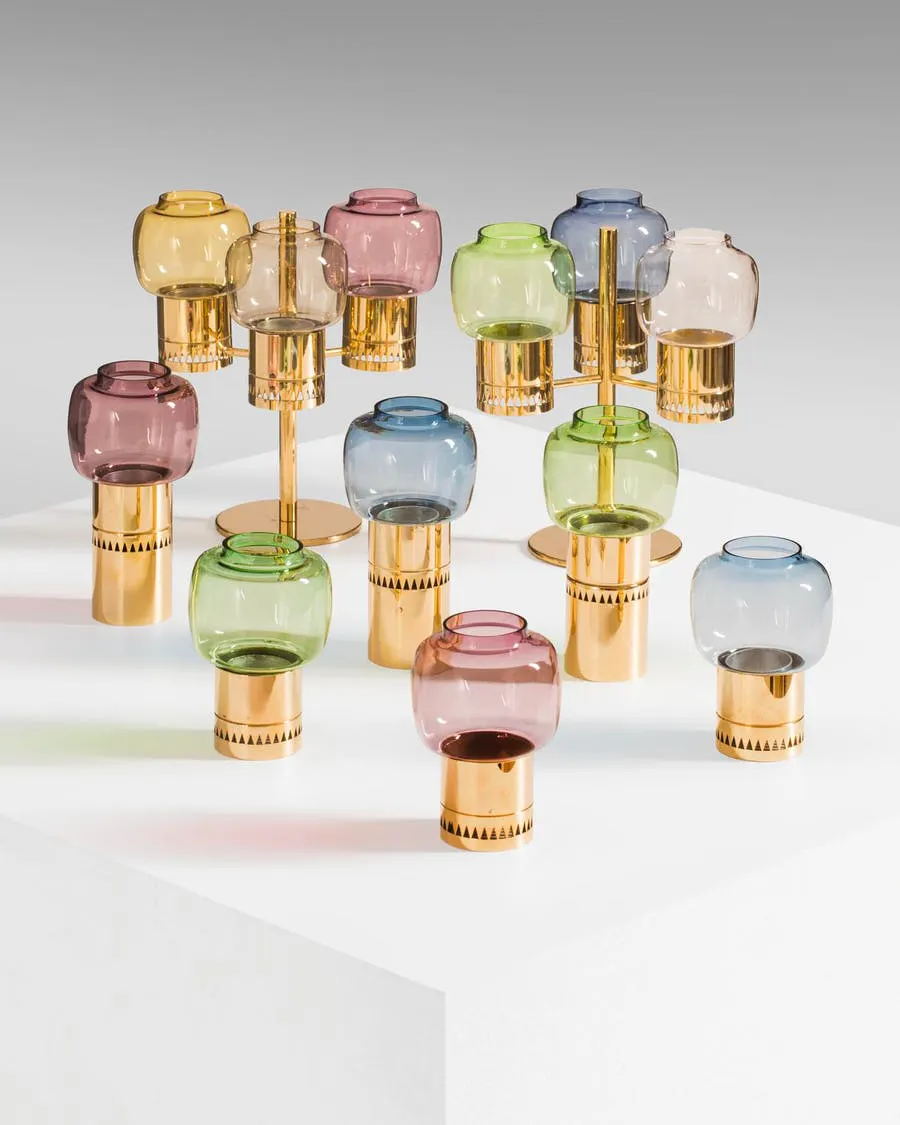
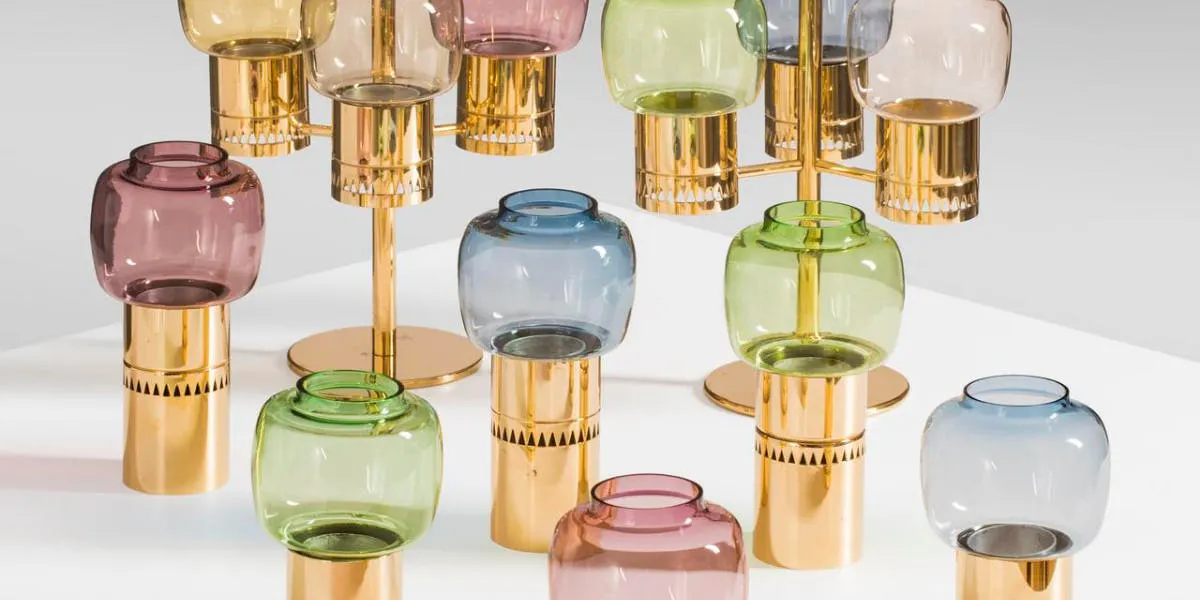
In the catalogue, you’ll also find Swedish designers and their works. One is Hans-Agne Jakobsson and his lanterns: two in model L67 and six in model L63. Jakobsson began his career as a furniture carpenter at the age of 18 and just over ten years later, he founded his own company: Hans-Agne Jakobsson AB, in the Småland town of Markaryd. There, he created modern lights, often in strong colours with austere and elegant shapes.
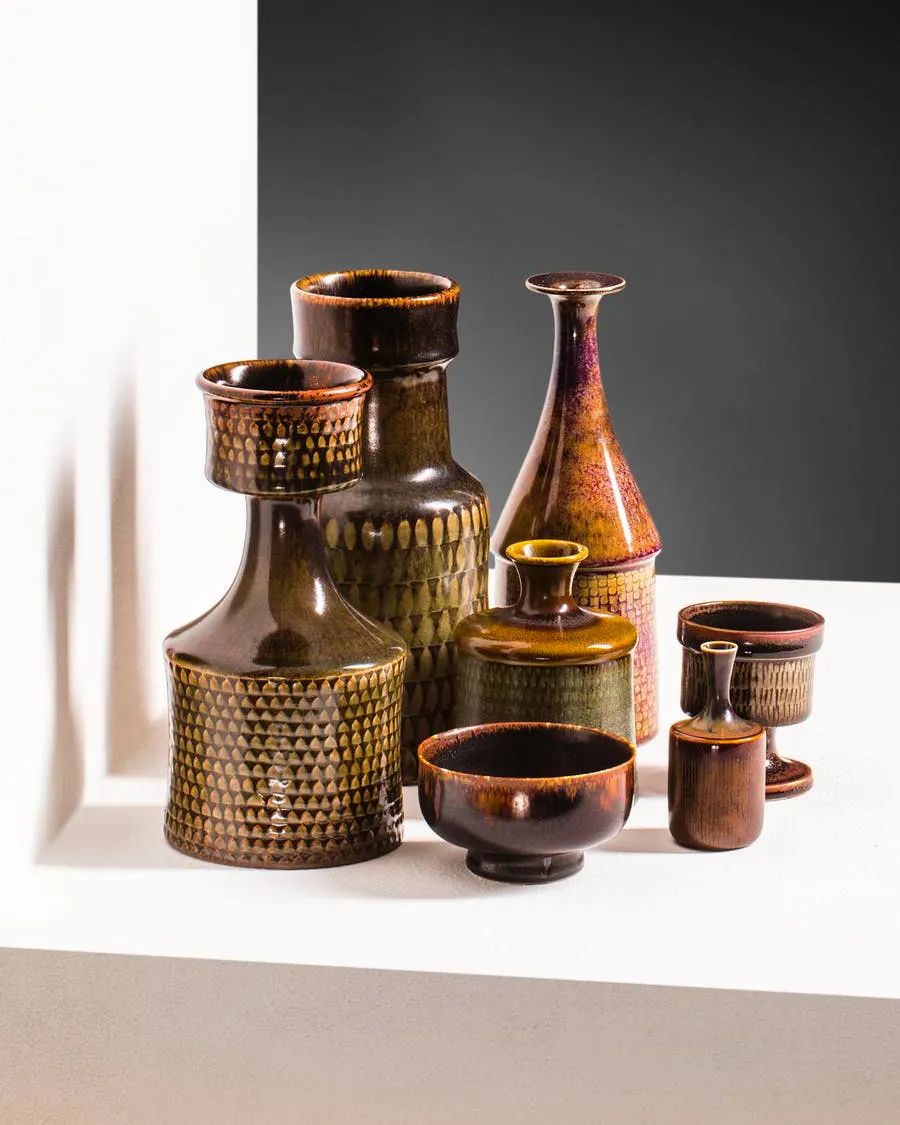
Stig Lindberg’s plan wasn’t to become a ceramicist but a concert pianist. However, at the age of 14, he accidentally chopped off his left thumb when splitting wood. During the time he was recovering, he developed a great interest in drawing and, all of a sudden, the piano was replaced by paper and pencil.
At the age of 21, he left his hometown of Umeå to study drawing at Konstfack in Stockholm. Two years later, in 1937, he got a summer job at Gustavsberg's porcelain factory, which ended up lasting beyond the summer. During his years at Gustavsberg, he created classics such as Prunus, Berså and Ribb. Lindberg designed not only porcelain series, however, but also stoneware objects, such as the glazed bowls and vases offered at Annmaris on 12 December.