Since 1763, the archaeological excavation site of Pompeii has welcomed tourists. While most of them walk through the streets with decorum and respect, there are still some bad apples who feel the need to leave their own mark on the famous site.
See also: 5 Must-See Sculptures in Italy
This usually occurs in the form of graffiti etched into the walls, which, in most cases, are only discovered later by the staff. However, on the morning of 22 June, a tourist from Kazakhstan was caught red-handed as he etched "ALI" into the plaster of the Casa dei Cei, which dates from the late 2nd century BC. The tourist was immediately handed over to the authorities, who documented the case and then released him. The matter, however, is not yet resolved and could become very costly for the offender. At the beginning of the year, the Italian parliament increased the maximum fine for damaging national cultural heritage from €15,000 to €40,000.
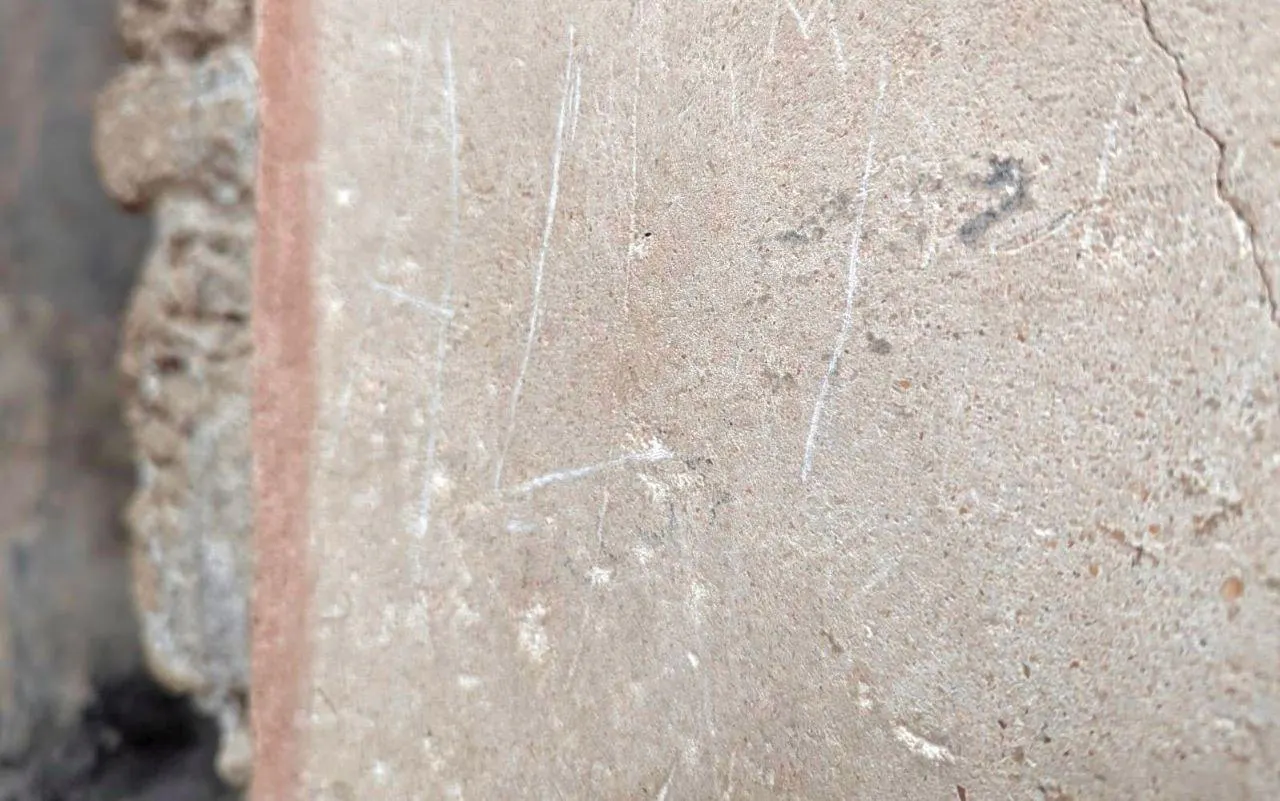
Italy's Minister of Culture, Gennaro Sangiuliano, expressed outrage: "Unfortunately, even today, we find ourselves commenting on an uncivilized and idiotic disgrace caused to our artistic and cultural heritage. After a Roman domus in the Herculaneum Archaeological Park was defaced with a permanent marker [in early June], this time it concerns an engraving on the light-coloured plaster of the Casa dei Cei in Pompeii. This is a very serious act that must be prosecuted rigorously, and thanks to the new law, which I strongly supported, the perpetrator will also be forced to bear the full cost of restoring the damage caused."
See also: Tourist Damages Statue Taking Photo
Graffiti has a long tradition in ancient Pompeii. Whether etched or painted, they were discovered in many locations during archaeological excavations. Depictions and references of an erotic nature or related to the popular gladiatorial games were prominent, likely tolerated as a means of everyday communication at the time, and today provide an interesting insight into that era.
Their contemporary counterparts, however, are a nuisance that in no way enriches this insight but rather destroys it.