It was Queen Victoria herself who fuelled the complexities of mourning dress as she wore black for forty years in a public show of mourning for her husband Prince Albert, who died in 1861. Many widows of the age followed, taking elements of Queen Victoria's example and covering all garments in a black crepe dress during periods of mourning. They even went as far as tying black ribbons around dressing table bottles and using handkerchiefs edged in black.
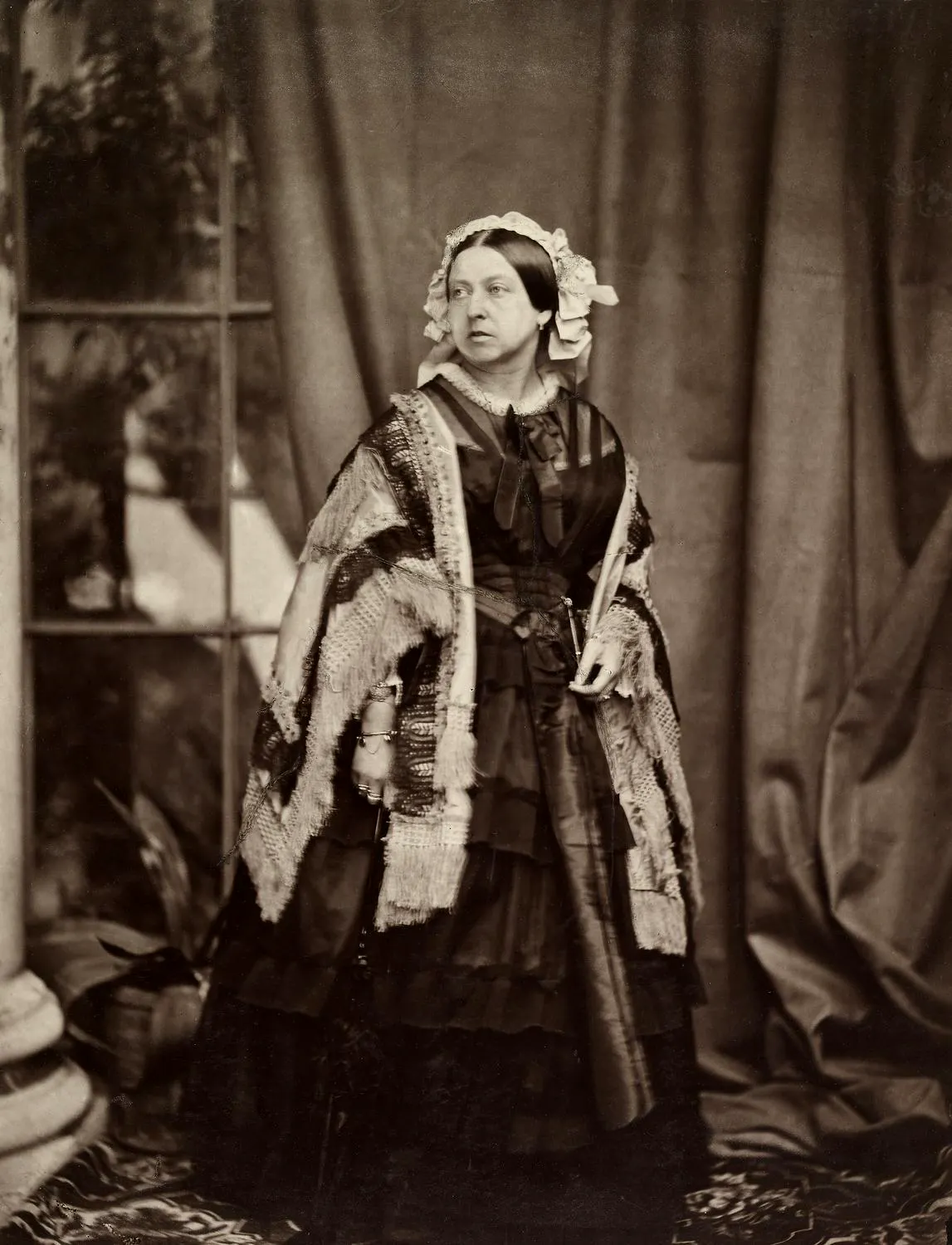
Items for such a costumed look could include a long black lace or silk dress, black veil, and black gloves.
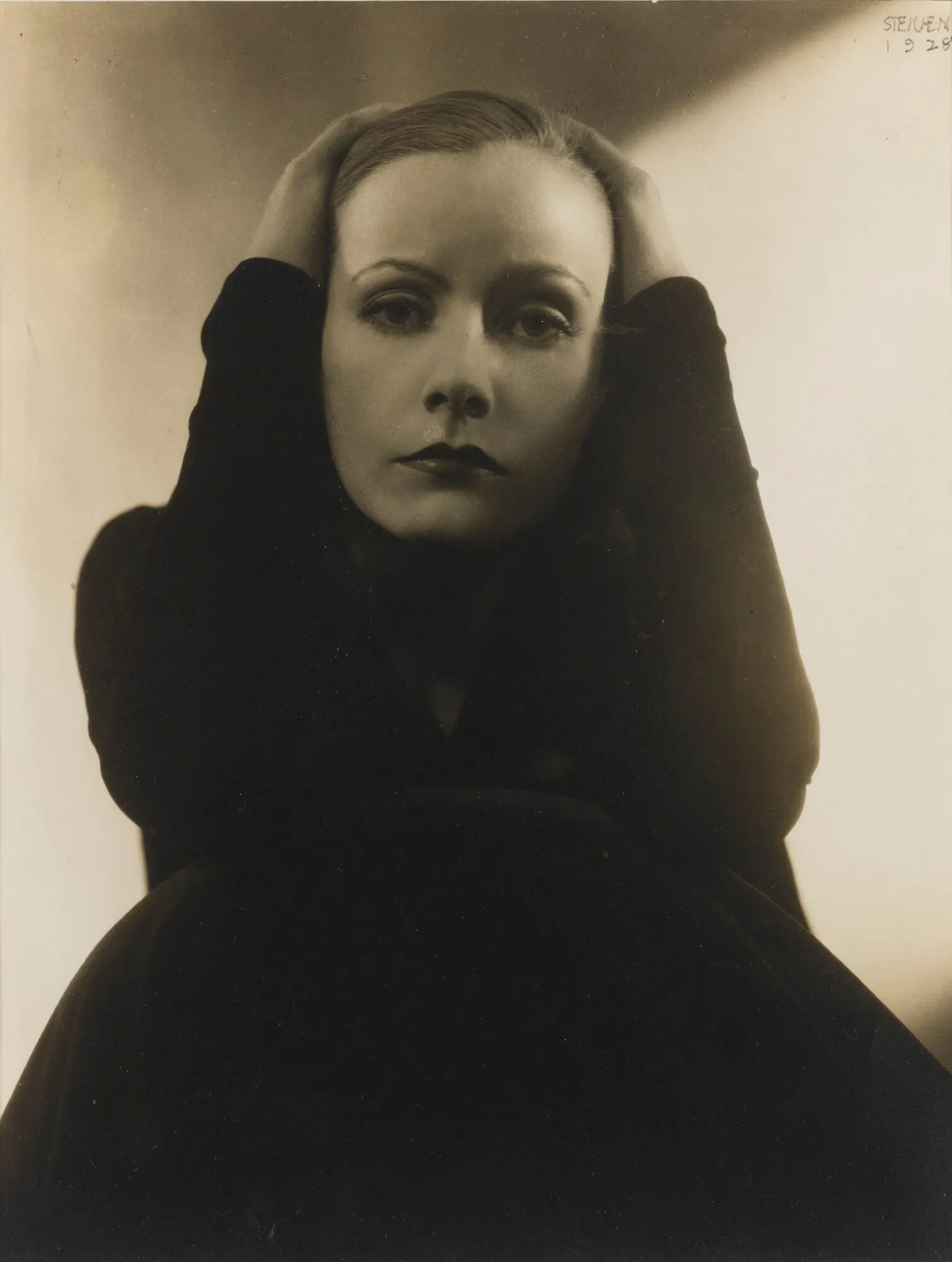
Inspiration can be also taken from the black-and-white films of the 1920s with a more Halloween-inspired ‘20s look. The 1920s actress Greta Garbo had a wonderful combination of pale skin and dark lipstick, which looked stunning on the big screen. Although she spoke very little English, she managed to captivate the silent movie audience by wearing striking outfits, such as the full length, fur-trimmed metallic evening coat worn in The Torrent (1926).
See also: Marlene Dietrich: The Queen of Androgyny
Items for the look could include black 1920s-style flapper dress, white face paint with dark lipstick and eye makeup, and black hair spray.
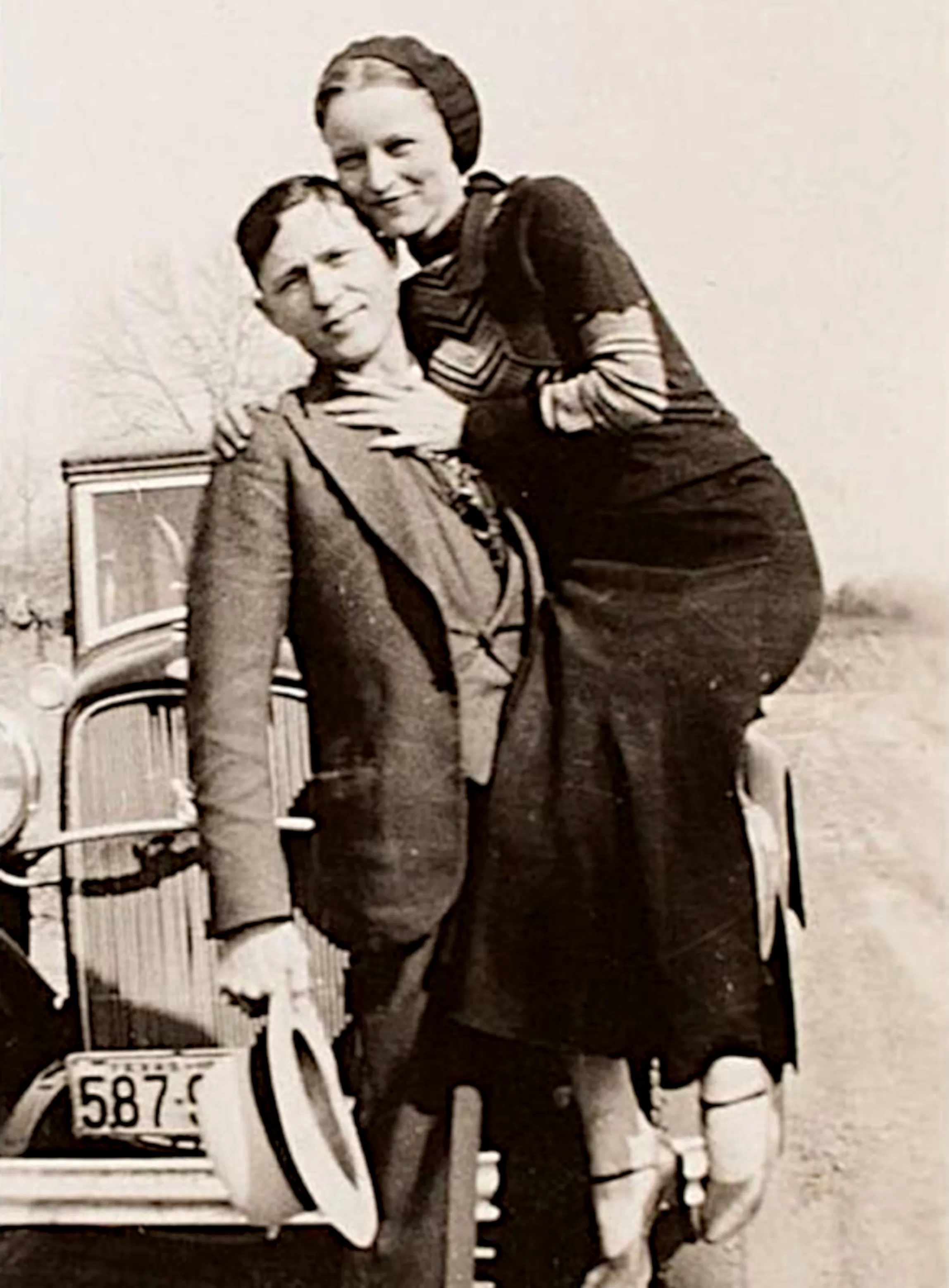
Notorious American outlaw couple Bonnie and Clyde became something of a morbid fashion fascination after they were portrayed by Faye Dunaway and Warren Beaty in the 1967 film (over thirty years after the pair’s death). It is this 1960s portrayal that is most renowned costume-wise and the costume designer for the film, Theadora Van Runkle, was even awarded an Oscar nomination for her work. Dunaway's portrayal of Bonnie includes A-line skirts combined with oversized tops and blouses with a signature beret and headscarf. Combined with a neck scarf, cigar and gun with of course a pin-stripe suit-wearing Clyde, this is an unmistakable and iconic look.
See also: Andy Warhol’s Influence on Fashion
Items for the look could include an a-line skirt, fake gun, neck scarf and cigar.