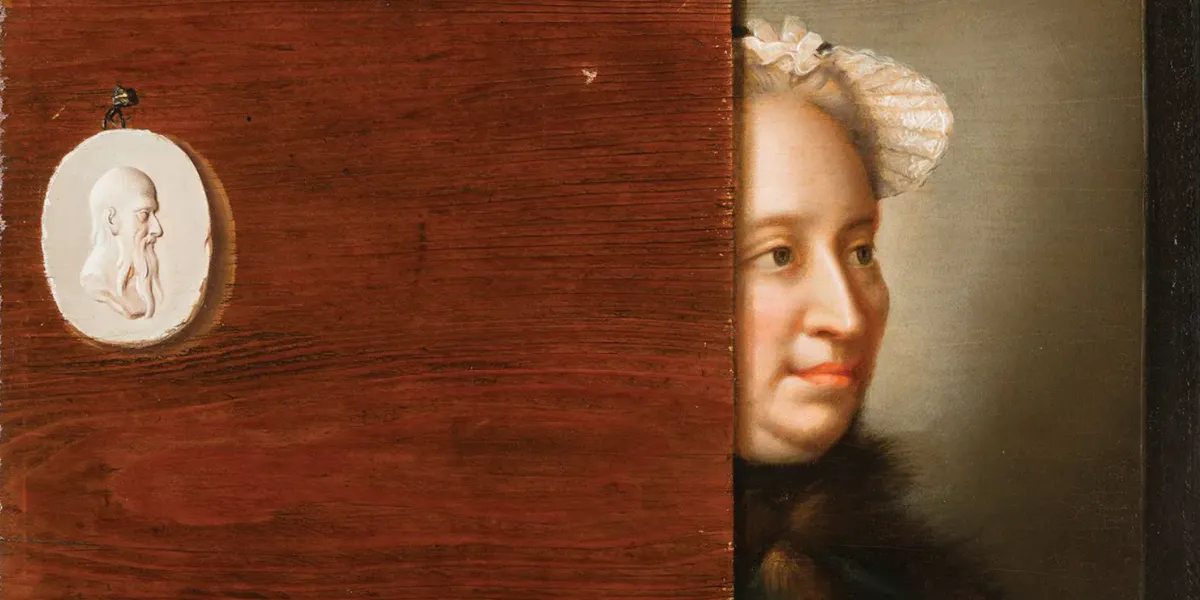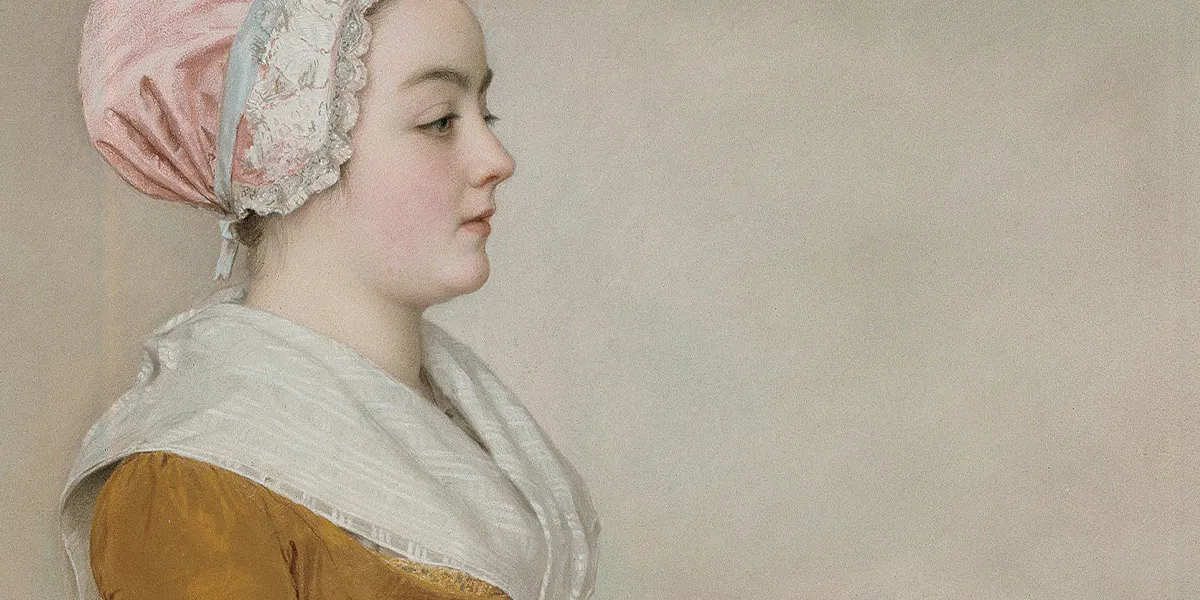
Alongside Raphael’s Sistine Madonna, Giorgione’s Slumbering Venus, and Canaletto’s famous view of Dresden, Jean-Étienne Liotard's Chocolate Girl stands as one of the most renowned works in the Old Masters Picture Gallery in Dresden. Created in 1744, the Swiss pastelist Liotard was in Vienna that year at the invitation of Maria Theresa, where he had the honour of portraying the empress. The following year, Liotard, who had already travelled as far as Constantinople, left Vienna for Venice, and he took his Chocolate Girl along. In Venice, the painting caused a stir, with Count Algarotti, art agent to Saxony’s Elector August III, declaring it "the most beautiful pastel ever seen." Algarotti acquired the piece for his client, and it has remained in Dresden ever since.
See also: Rosalba Carriera: The Queen of Pastels Who Revolutionised Portraiture

Liotard’s incredibly lifelike pastel deserves recognition not only for its quality but also for its cultural and historical significance. The painting captures a trend that was the talk of the 18th century—both literally and figuratively, at least among the affluent: the consumption of chocolate.
Before the development of further cocoa processing methods in the 19th century, chocolate was only enjoyed in liquid form. In Europe, this began in the mid-16th century at the Spanish royal court, where returning conquistadors introduced the luxury product, which had been a staple of the Aztec, Maya, and Inca civilisations. A century later, the first chocolate cafés appeared in Europe, and soon after, liquid chocolate became a popular hot drink, especially for breakfast. However, this indulgence was limited to the wealthy few who could afford the imported cocoa, and the addition of sugar—also a luxury—only heightened its exclusivity.
Want more articles like this straight to your inbox? Subscribe to our free newsletter!
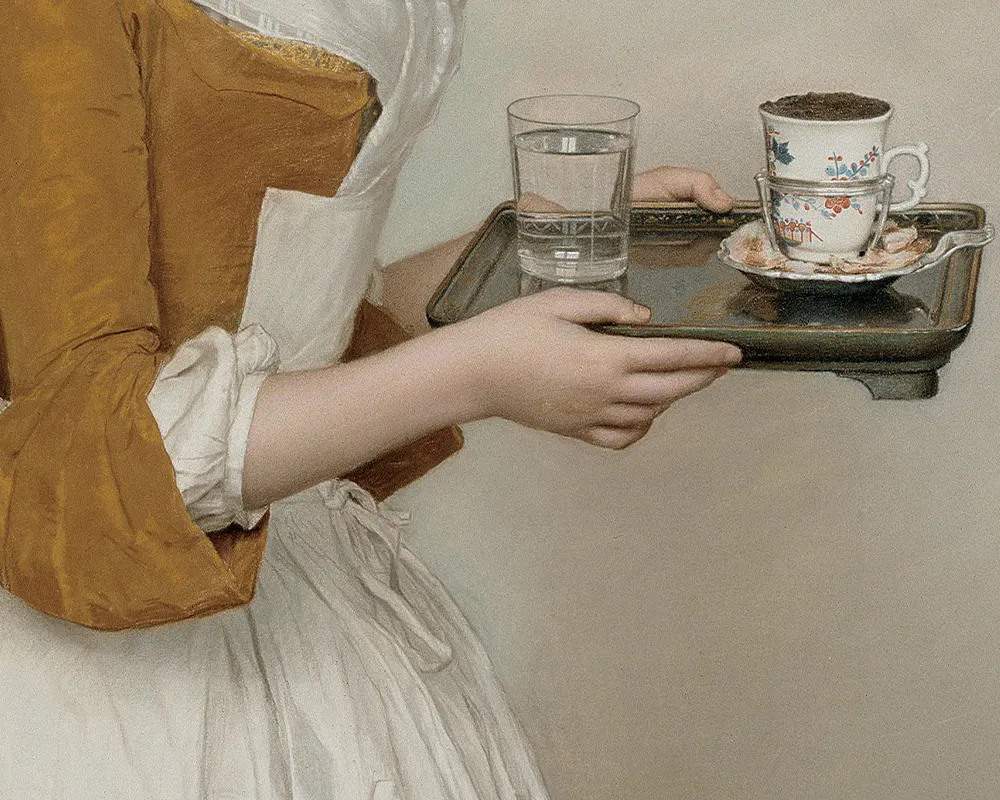
Naturally, such a precious drink demanded careful handling. If you closely examine The Chocolate Girl, you'll notice the porcelain cup of chocolate, placed beside a glass of water on the tray the girl holds. This isn’t just any cup resting loosely on its saucer. The cup is supported by a silver construction, which connects it securely to the saucer, forming a Trembleuse.
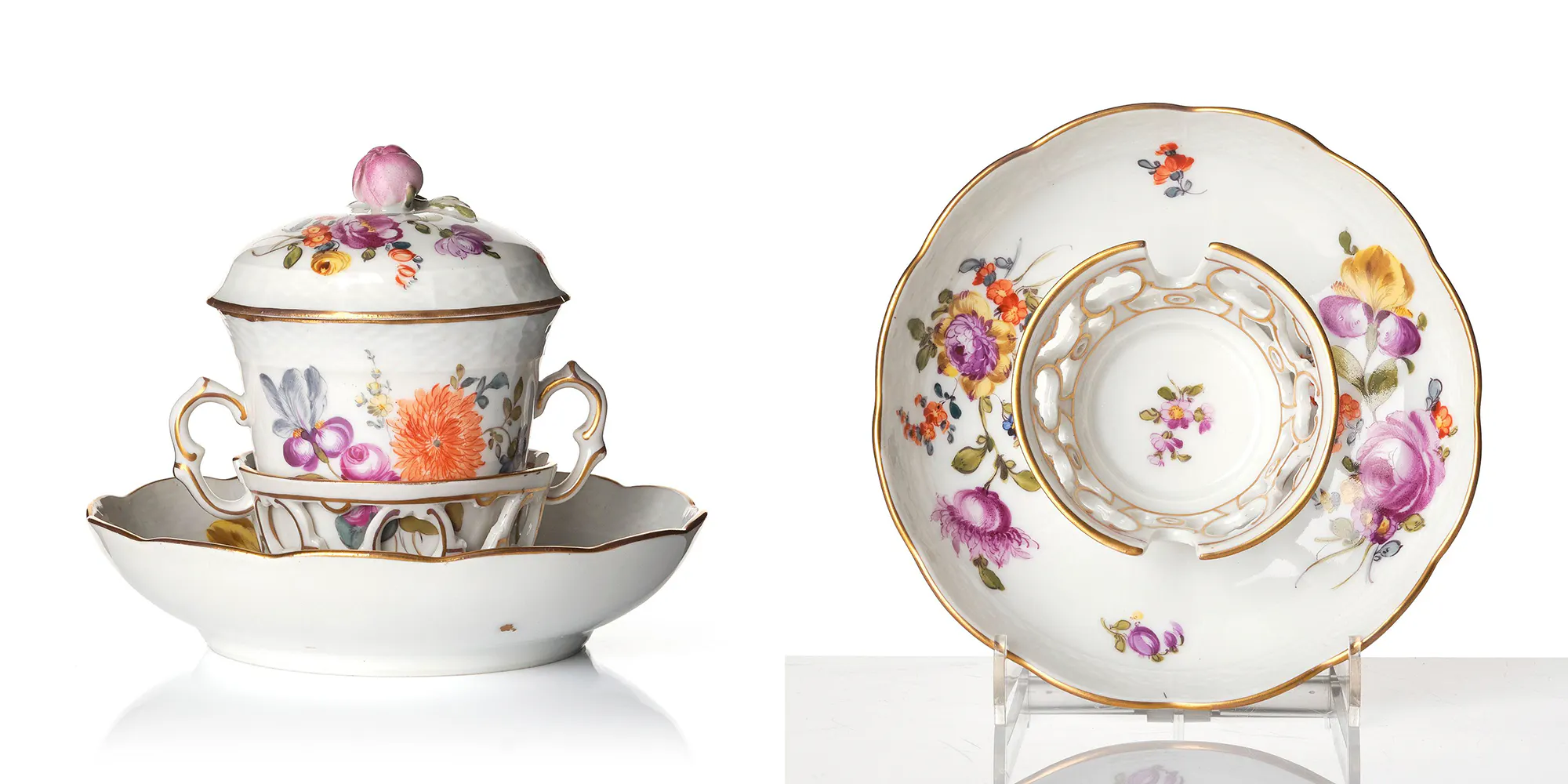
The term trembleuse (‘the trembling one’) specifically refers to this special saucer, which has a central holder, or "gallery," into which the cup fits for safe transport or storage. The cup itself may have no handle, one handle, or two, and sometimes includes a lid. The trembleuse is based on the mancerina, a design that became fashionable at the court of the Spanish viceroy of Peru in the mid-17th century. Here, the local custom of drinking chocolate from a handleless cup was combined with silver or ceramic saucers, often in shell shapes.
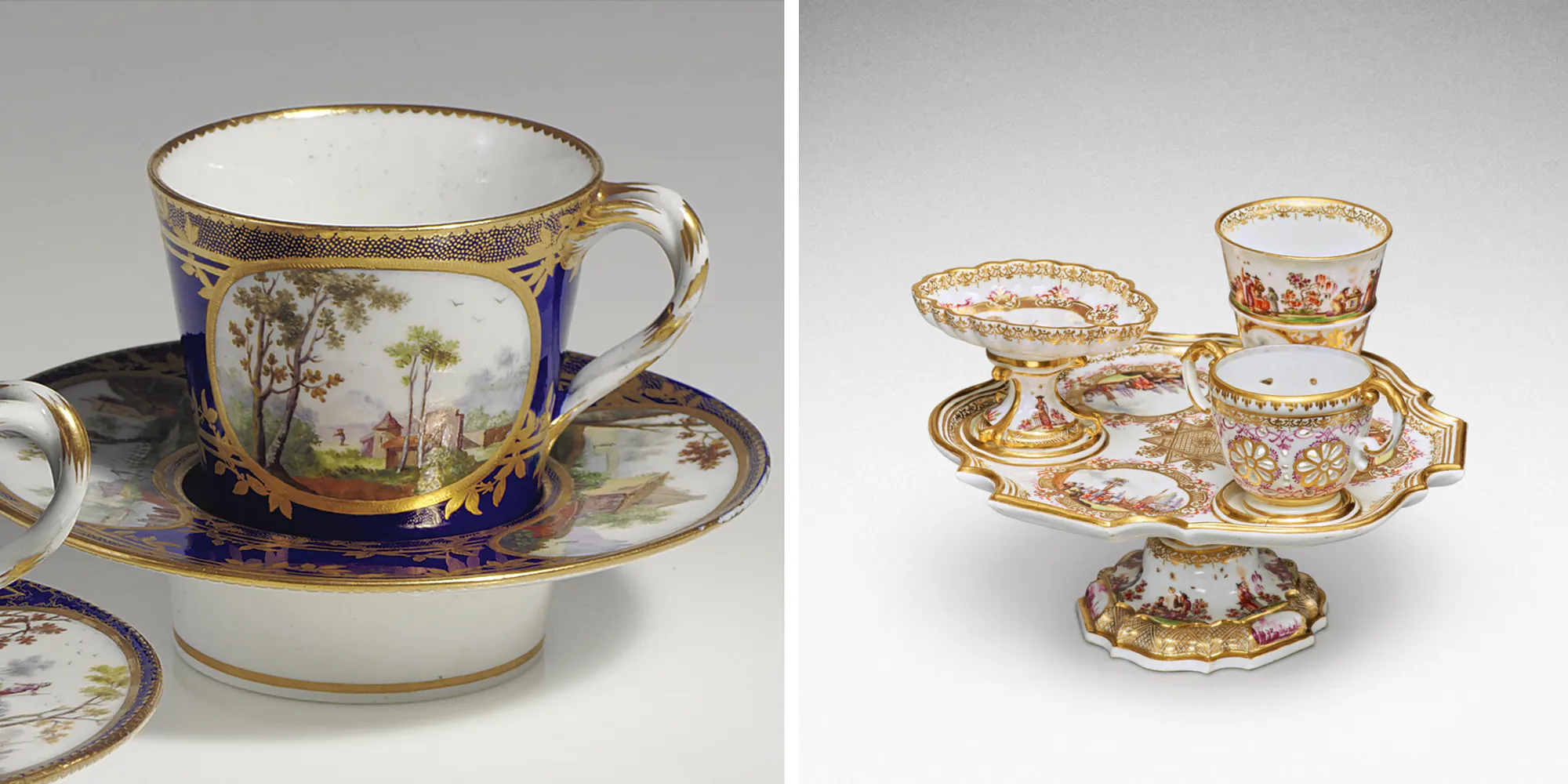
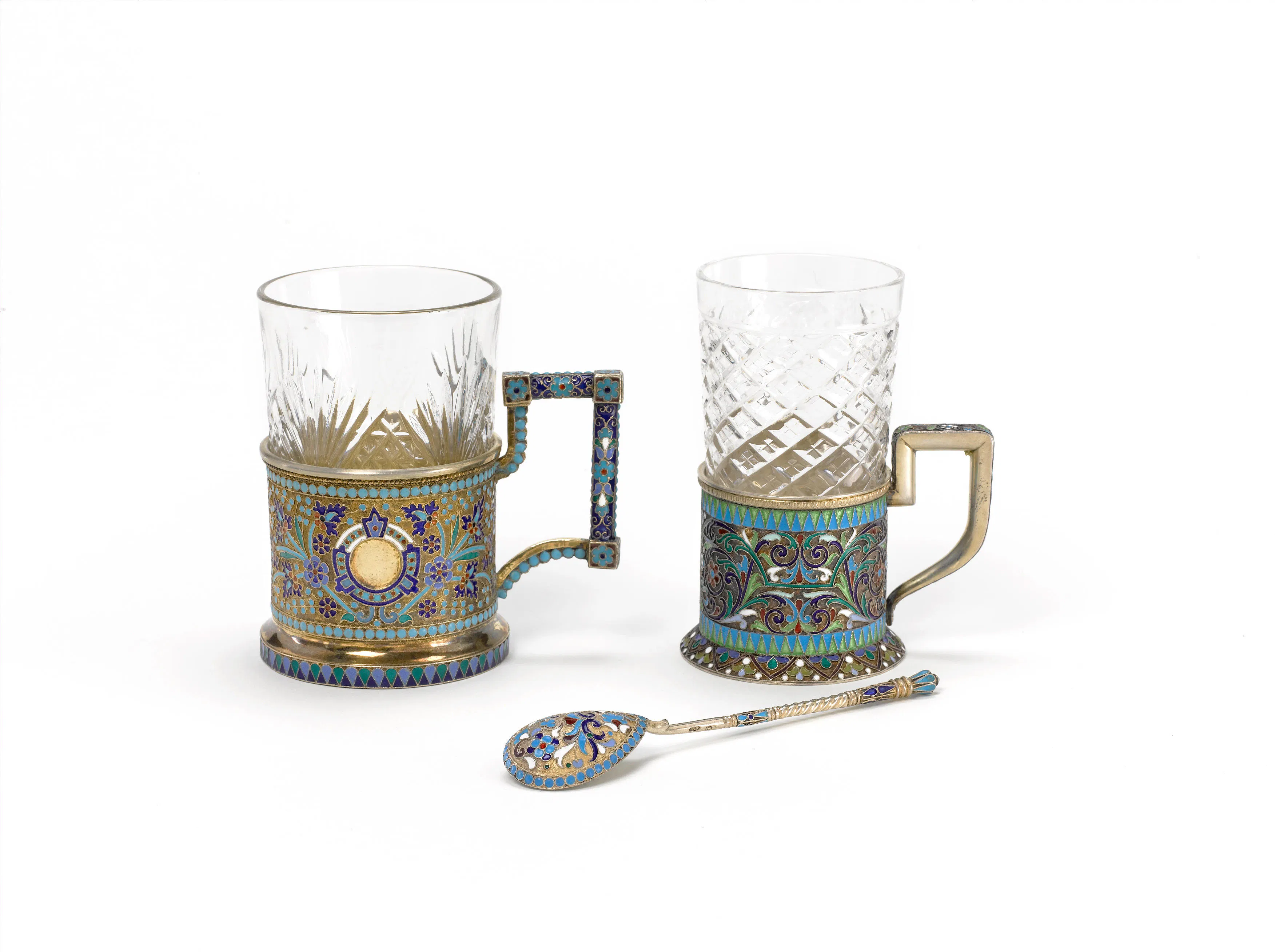
Similar designs were also found elsewhere and arrived in Europe through global trade. ceramic cup holders, for example, were known in China as early as the Song Dynasty. In addition, the Turkish zarf—developed when coffee drinking became popular in the Ottoman Empire in the 13th century—was a metal holder placed around handleless coffee cups to protect the drinker from the heat. The Russian tea glass holder, the podstakannik, is another derivative of this concept.
See also: A Timeline of Chinese Porcelain: Neolithic to Modern
It is also worth mentioning that the term trembleuse is used in the context of jewellery. Primarily referring to brooches—usually floral in design, though other shapes like butterflies and dragonflies exist—trembleuse brooches feature individual elements, such as petals, that tremble with the movement of the wearer.
See also: Brooches: a Passion That Clings
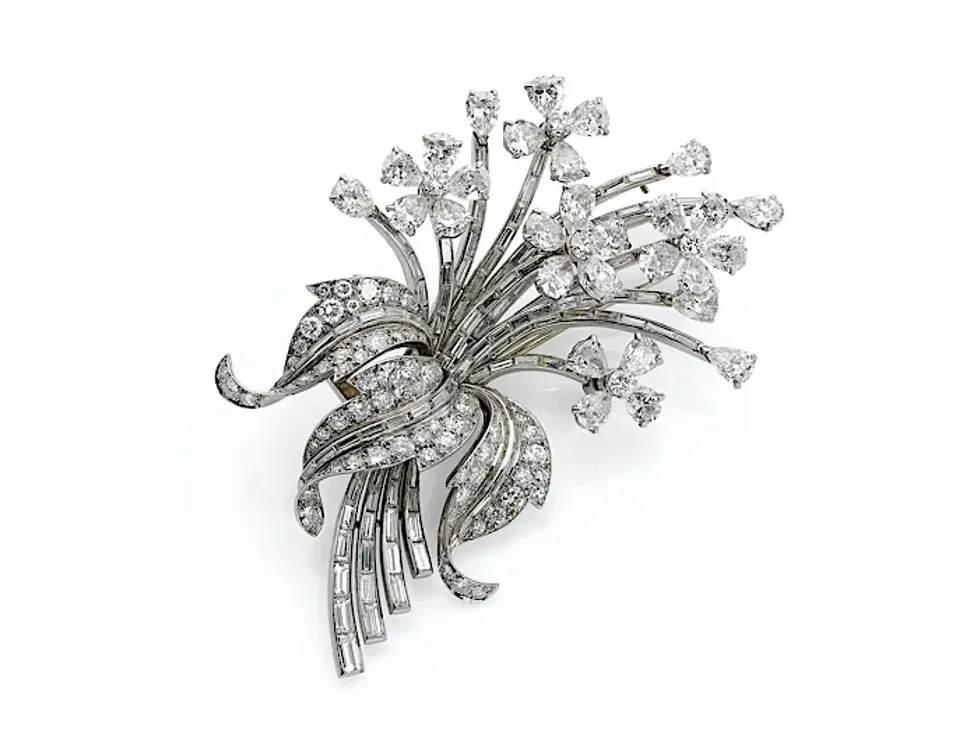
Early examples of these à tremblant brooches date back to the 18th century, though they only truly gained popularity a century later at the court of Napoleon III. His court jeweller, Alexandre-Gabriel Lemonnier, is credited with inventing a spring mechanism that allowed the brooches to move in particularly striking ways. In the 20th century, renowned jewellers like Cartier, Bulgari, and Van Cleef & Arpels dedicated themselves to crafting these enchanting wearable bouquets.