
The canvas is the starting point of nearly every artwork, both the support and background for the artistic creation. But in 1949, when Lucio Fontana sliced his first canvas, it was transformed into something new: a concept which went far beyond the simple range of fabric held tight by the wooden structure.
With his small but great revolution, Lucio Fontana irreversibly changed the history of art, influencing every generation of artists who came after him. The canvas was no longer the object to paint on, but the protagonist of the work.
Martini Studio d'Arte's upcoming auction on 26 May is dedicated to Italian and international modern and contemporary art. Here are some of the featured artists who followed in the footsteps of Lucio Fontana and made the canvas the subject.
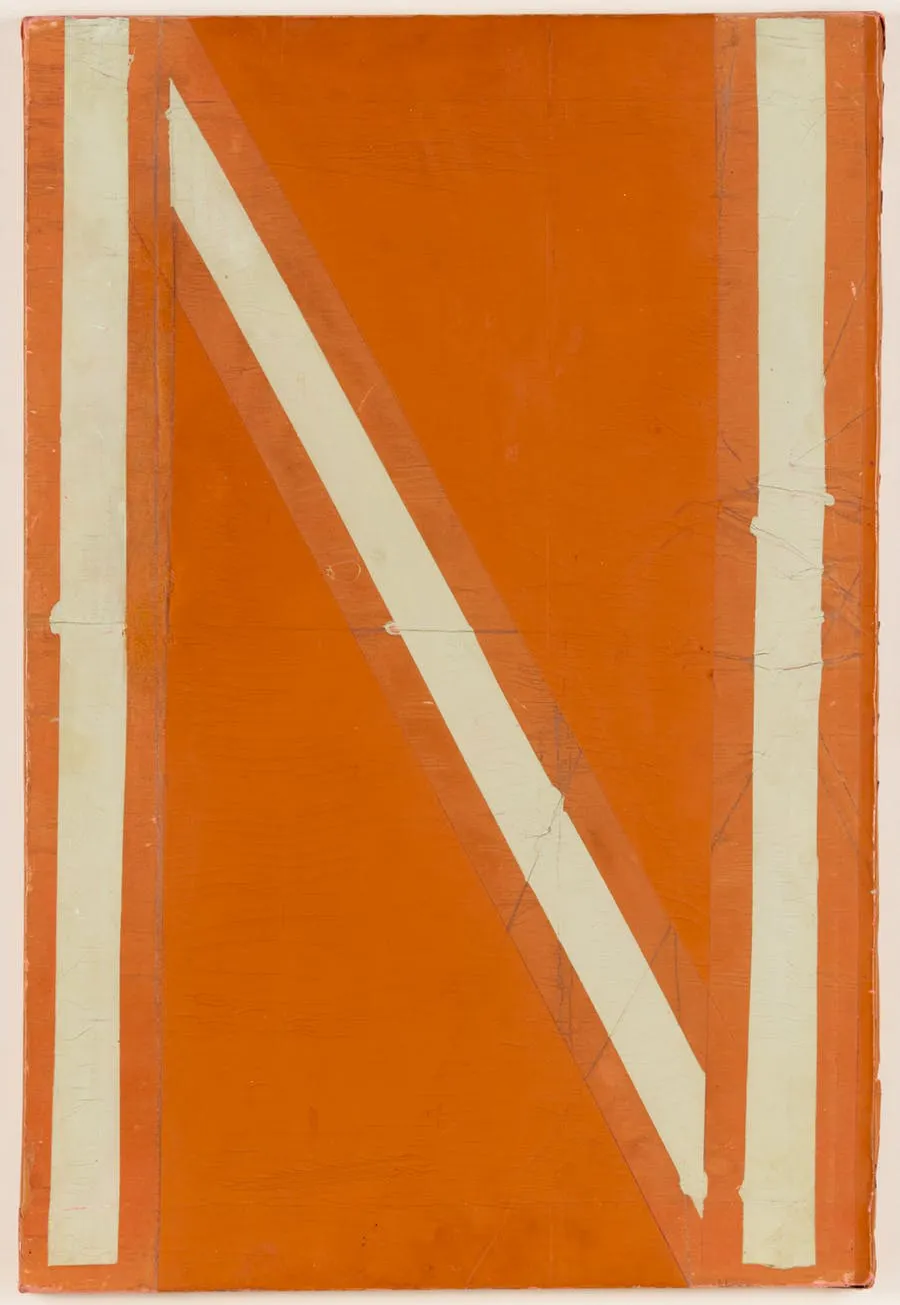
A member of the Arte Povera movement, which focused on everyday materials and simple objects, Pino Pascali was deeply influenced by Spatialism. He skilfully combined Fontana's research with his personal imagination of the Mediterranean, using simple and archaic forms, essential structures and cultural icons. He made his 'false sculptures' with ephemeral and fragile materials, such as canvas, wood, enamels, steel wool and straw. Pascali died very young, at only 33 years old, in 1968 – the same year that Lucio Fontana died.
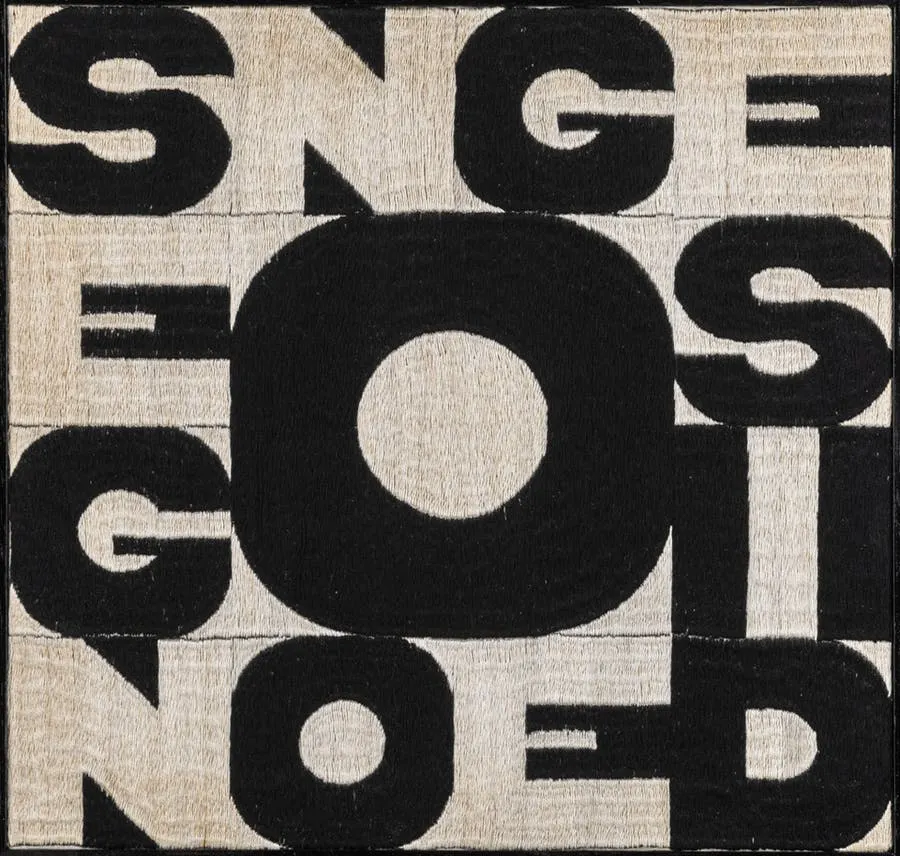
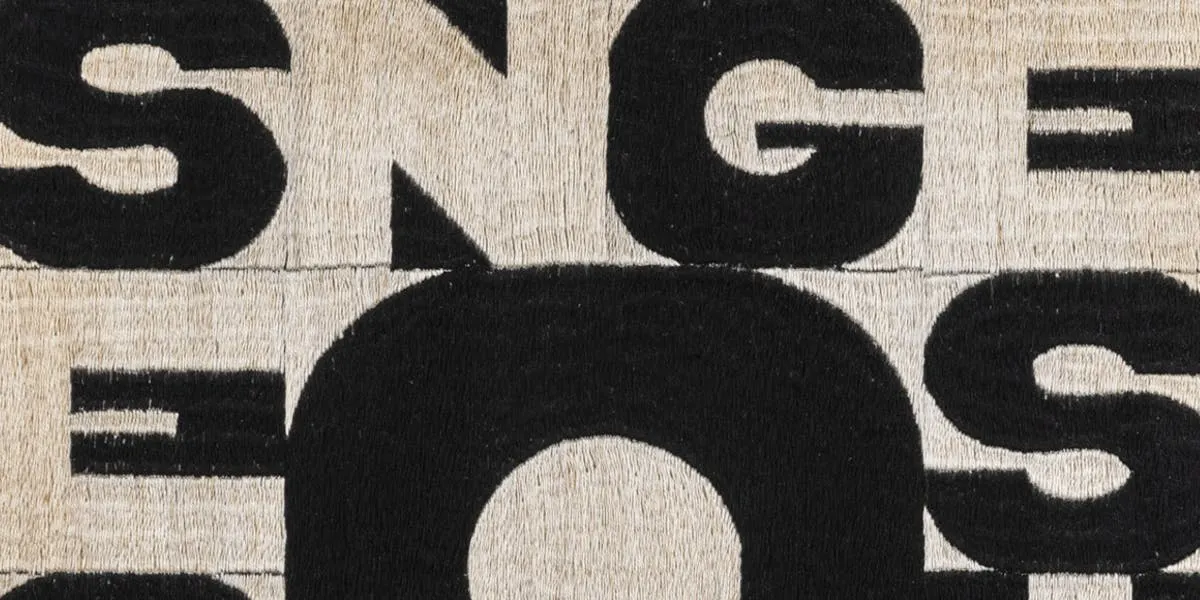
Another exponent of Arte Povera, Alighiero Boetti began to take an interest in artisanal techniques in the 1970s. In 1971, in Afghanistan, he commissioned embroidery on his artworks, as in his famous series of 'Maps'. He concentrated highly on the project and elaborated into different embroidered texts. Thus the canvas became a frame, embroidery the brushstrokes. Boetti gave life to these stitched combinations of letters and words that intrigue and amaze.
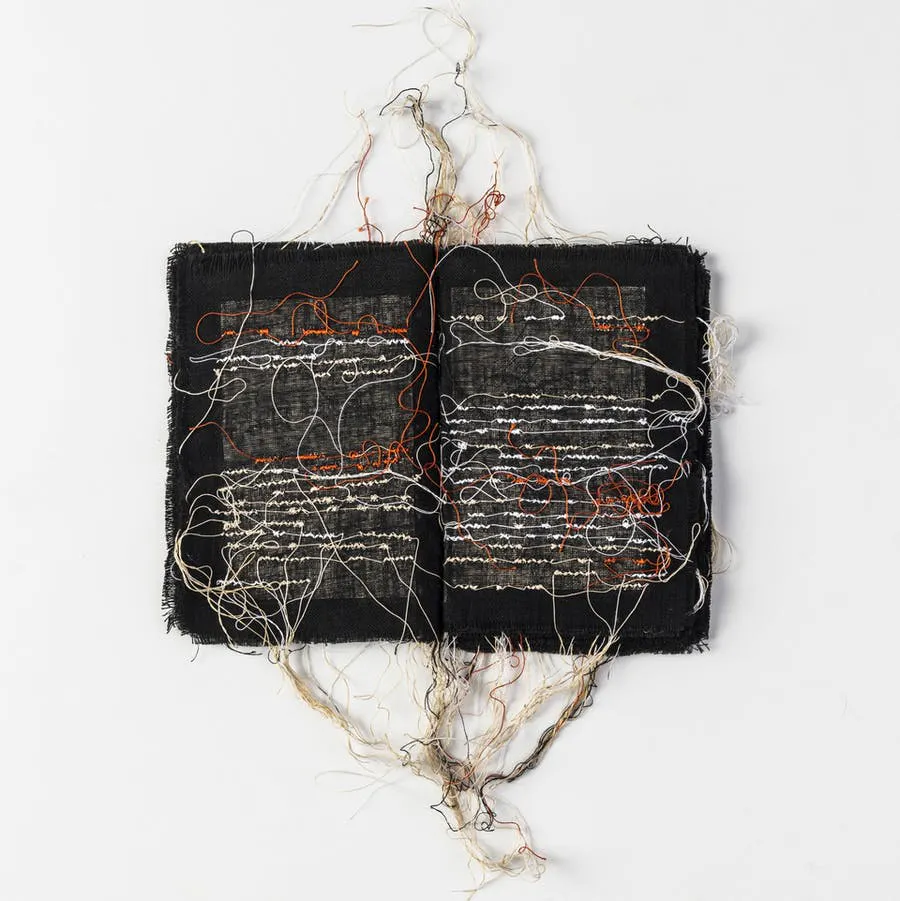
Speaking of canvases and looms, no other artist has dedicated herself to embroidery as much as Maria Lai, who is among the most influential female names of Italian art. Her approach to embroidery as an art form began in the '70s with her 'Looms', works in which painting and sculpture meet, merging with each other in matter, colour and gesture. Lai's work evokes narration but also meditation, conceived as a reflection on the sense of history and tradition. The work presented by Martini Studio d'Arte is an assemblage of fabric and embroidered xerographics, to form an open book.
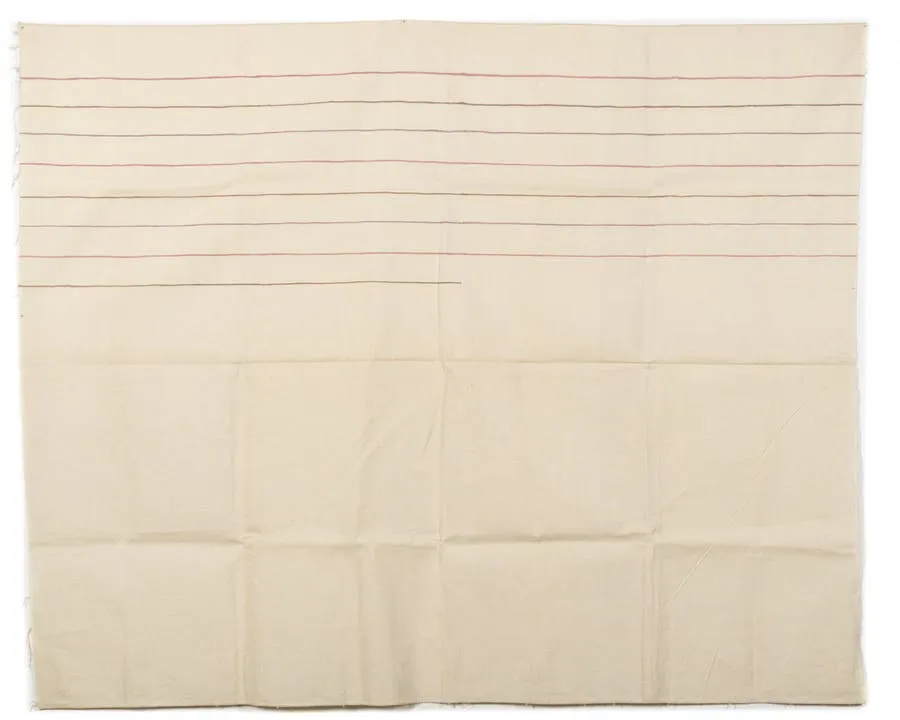
Giorgio Griffa has been one of the main exponents of contemporary pictorial research internationally since the 1960s. In the crucial year of 1968, he abandoned figurative painting and devoted himself to simple and elementary signs that are still key elements of his work today. The canvas, in Griffa's case, is used in its total simplicity: raw, unprepared, not mounted on the frame. It is then fixed to the wall with a series of nails arranged on the upper edge. His works can also be folded and stacked to form folds that create a sort of grid.
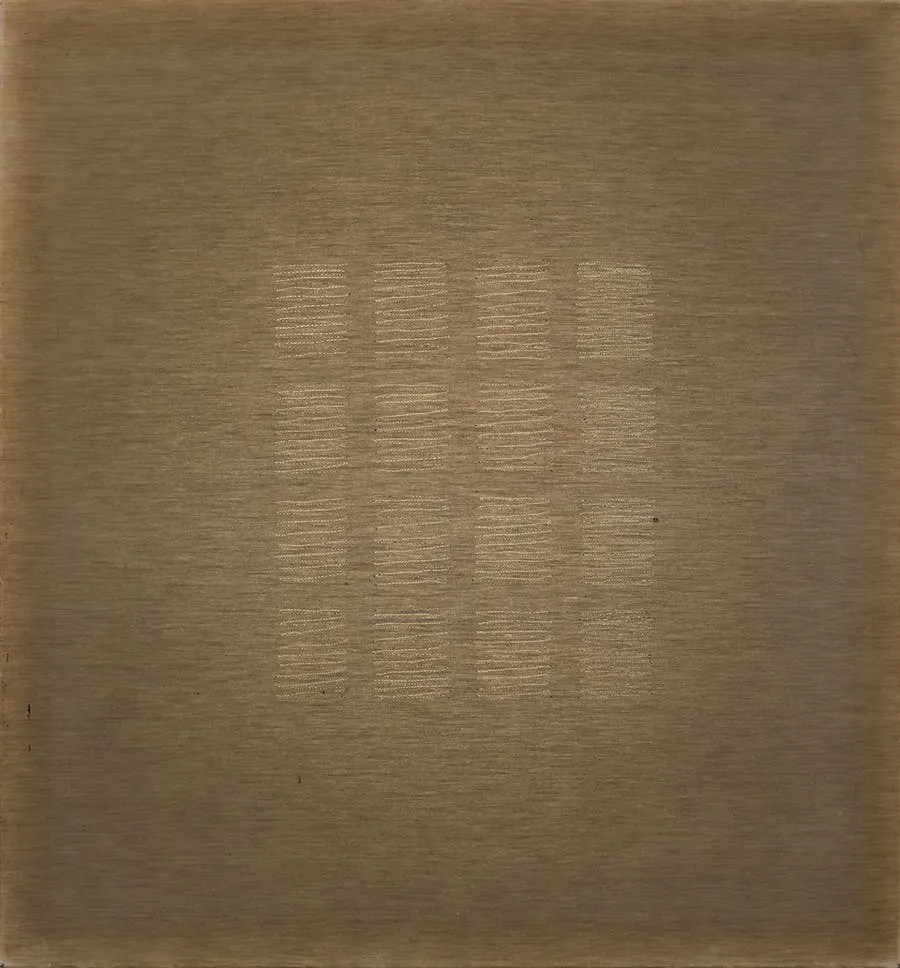
Among the most active members of the ZERO (Nul) group, Hank Peeters actively participated in the organisation of exhibitions at the Stedelijk Museum in Amsterdam and several exhibitions with the Azimuth group, with Yves Klein, Lucio Fontana and Yayoi Kusama. His works often have an almost tactile charm, through which he tries to make the viewer aware of his environment. The canvas is then worked, embroidered, destroyed in parts, or burnt. Also linked to the Nouveau Réalisme, Henk worked with waste and ready-made materials.
On 26 May, Auction no. 47 at Martini Studio d'Arte brings together over 160 lots with prominent names in modern and contemporary art: among the top lots are also Gunther Uecker's Poesy of Destruction (1984), a nails and spray painting overlaid on carved cartoons, Jean Tinguely's Maschinenbild Haus Lange (1960), a table painted with five painted metal elements, wooden pulleys, rubber belts, metal brackets and electric motor, and Petite Chouette, a beautiful ceramic jug by Pablo Picasso.