
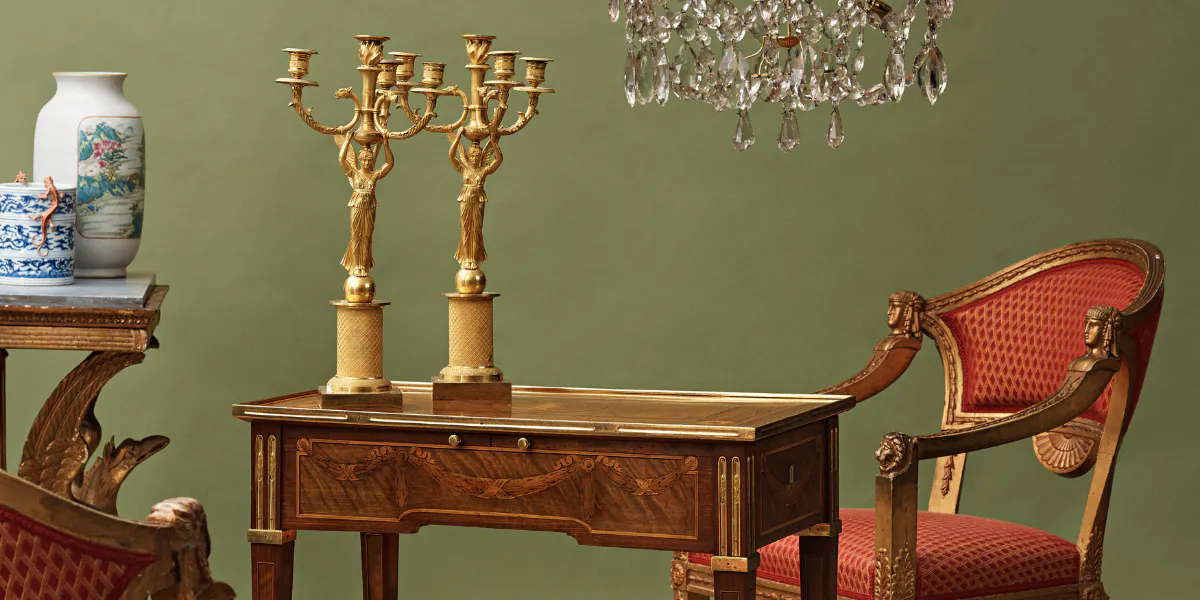
Historic objects and significant collections of Classical Art, handicraft, Asian artisanship and jewellery will be on offer at Bukowskis’ 'Important Spring Sale' auction. Among thousands of prestigious lots, you will find artists like Carl Larsson, Julia Beck, Helene Schjerfbeck and Akseli Gallen-Kalela, as well as Gottlieb Iwersson and Johan Neijber. Here are six highlights that will be auctioned off between 8-10 June.
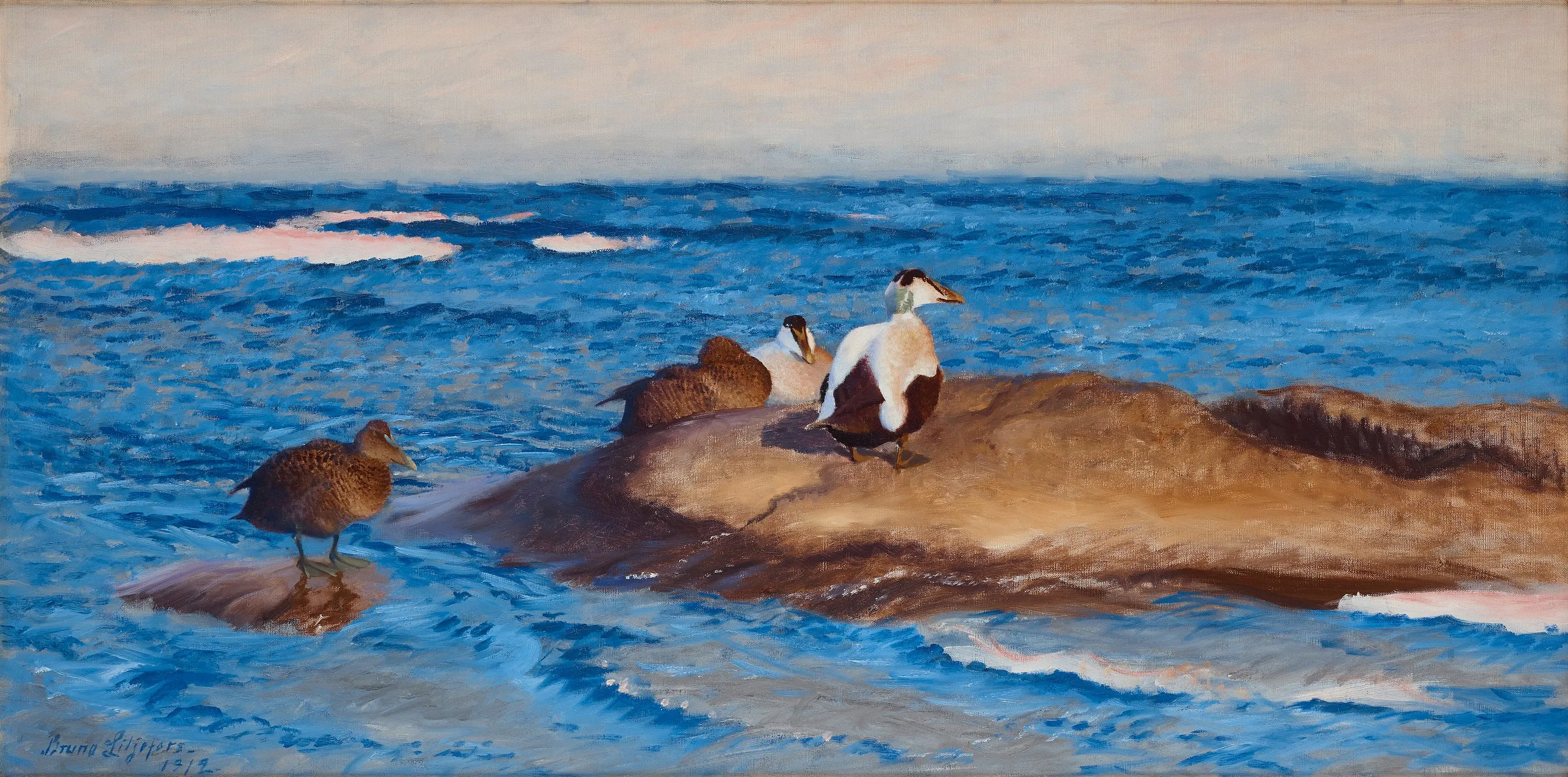
In 1894, Bruno Liljefors set off for Östra Lagnö in Stockholm's northern archipelago. Here, the Swedish animal painter's palette acquired sharper tones and freer brushstrokes. His encounter with that part of nature contrasted with the Uppland landscape that he was used to depicting: previously, Liljefors' painting had been strongly rooted in scientific observation, but his time in the archipelago gave him a chance to explore the possibilities of a less scholarly method of painting, inspired by the French Impressionists. The auction's painting Eiders by the Sea from 1912 depicts the archipelago and its life in a blue-toned palette, with animals in the foreground – of course.
Last year, Bukowskis sold Sunday Morning for SEK 35,250,000. The depiction of the three Mora girls set a new record for the world's most expensive Swedish artwork sold at auction. The record painting from 1891 was created by Anders Zorn, who is now back in the auction hall.
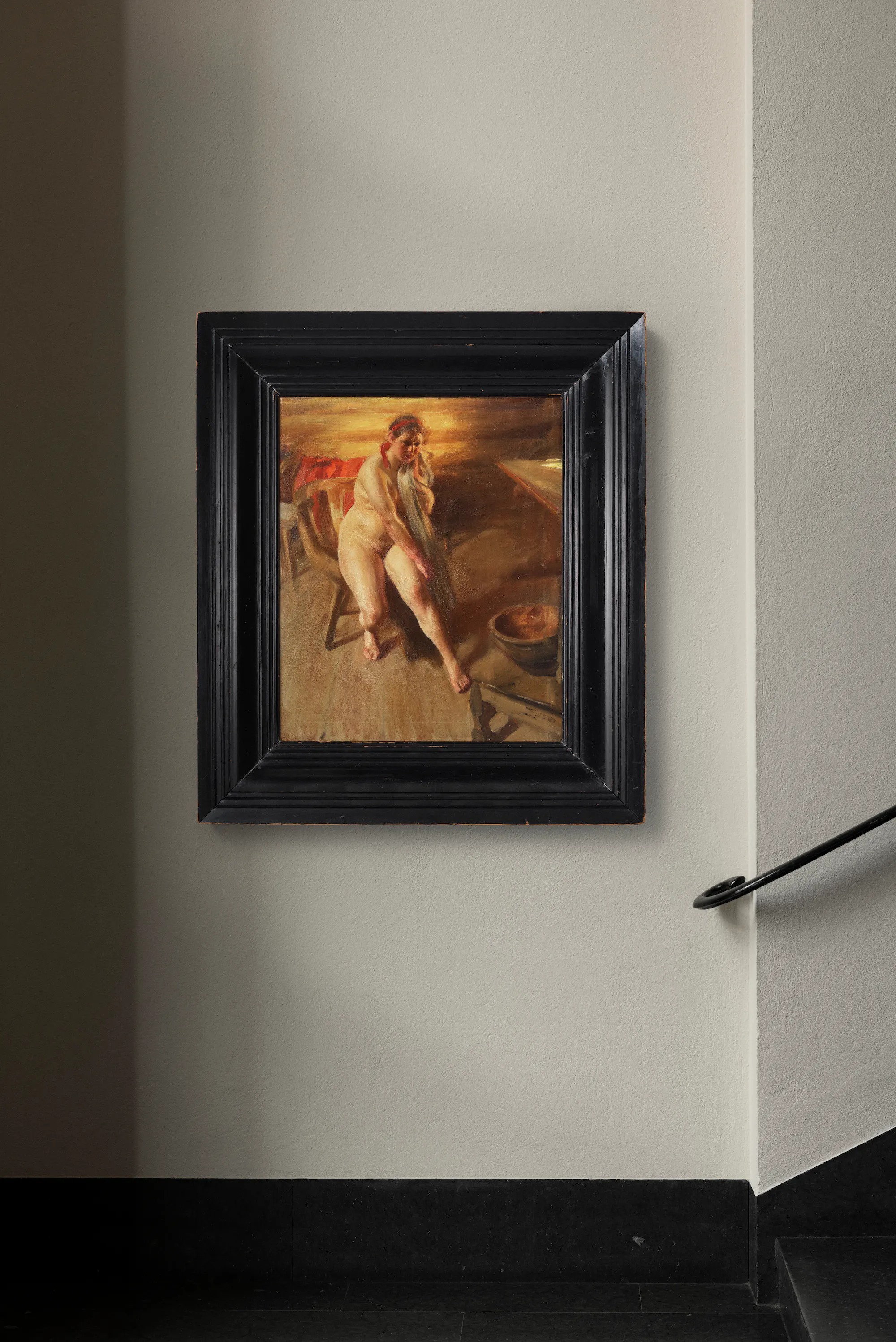
"In 1903, Zorn acquired a loft from the sixteenth-century and set it up next to the old studio at Zorngården. He then got a variety of new lighting options, which captivated him and his brush throughout the years. A small four-pass slit in the outer wall and the secondary light from the corridor were the only light sources. There was no fireplace, nor did he have skylights. All paintings in the loft, or those in which the loft bed is included, have been painted there and it is with the concentrated light rays from the four-pass window that he brings out the flickering light in 'Omorgnad'". This quote, encapsulating several aspects of Zorn's art, comes from his biographer Gerda Boëthius.
For Zorn, art was about challenging and developing his technique. This led him, among other things, to create various lighting problems for himself, which he masterfully managed to solve. The auction's painting Morning – Interior With Naked Hill, Örjas Ida is no exception. Here the light falls on the model's side and lights up the whole subject.
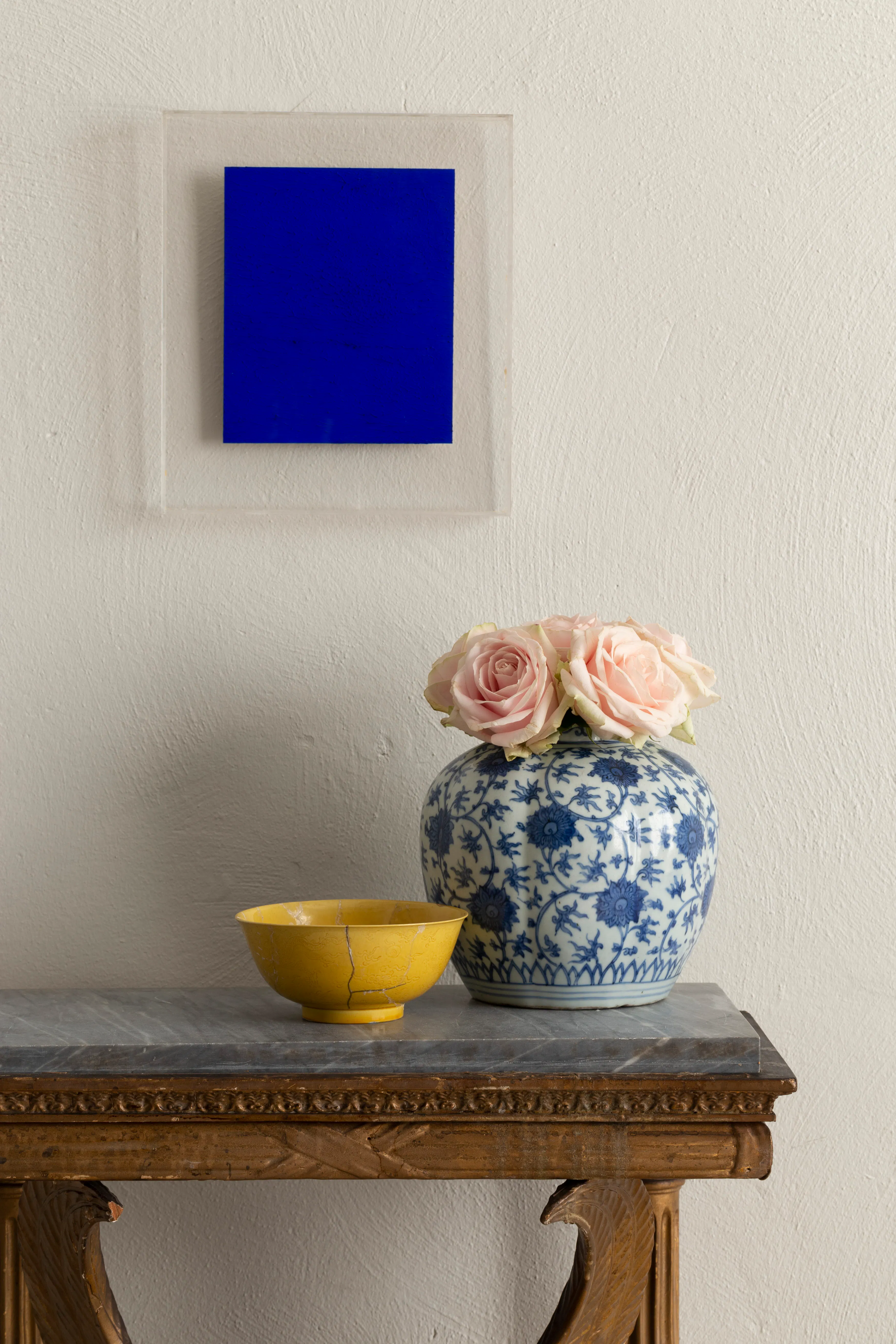
Many may know the French artist Yves Klein as one of the leading figures in the art movement Nouveau Réalisme. But he is best known for creating the deep blue shade International Klein Blue (IKB). The visual effect lies in the strong dependence on ultramarine blue, but also in the large amount of this colour that the artist puts on his works, which further structures the canvases. The auction's Monochrome Bleu Sans Titre (IKB) is a fine example, which has a very rich and textured surface.
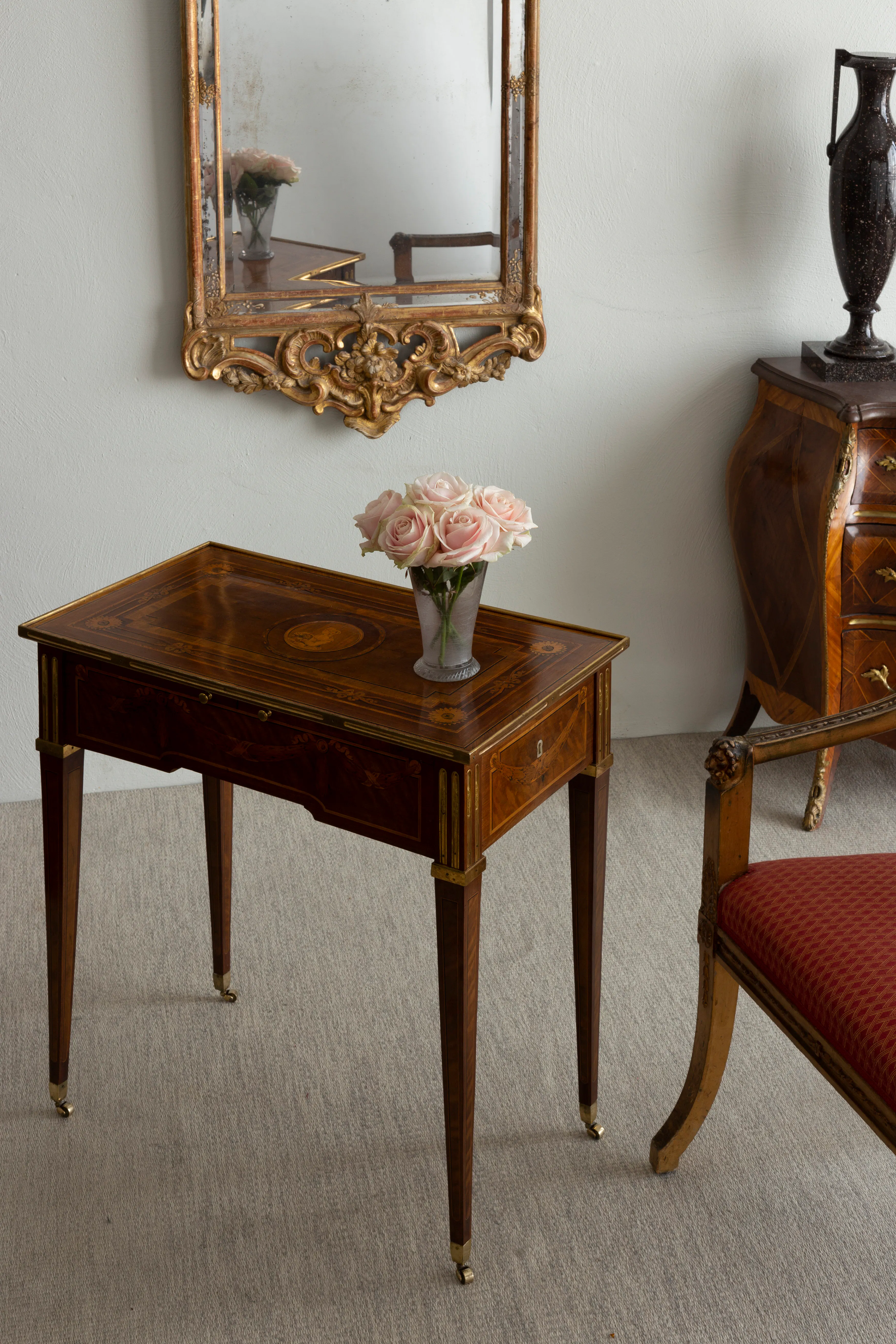
Bukowskis' department for Furniture and Arts and Crafts will offer a beautiful Gustavian table by Georg Haupt, master of Stockholm from 1770 to 1784. The table is veneered with birch, amaranth, rosewood, boxwood and ebony and has fittings of gilded brass. The disc contains inlays with motifs of a woman, sitting at a sewing bow embroidering Queen Lovisa Ulrika's crowned monogram. The table is signed on the inside with “Made by Haupt Kongl. hof = Schatullmakare 1781 - Stockholm”. In the second box is the inscription "Lovisa Freundt, acquired this table from her father in 1858".
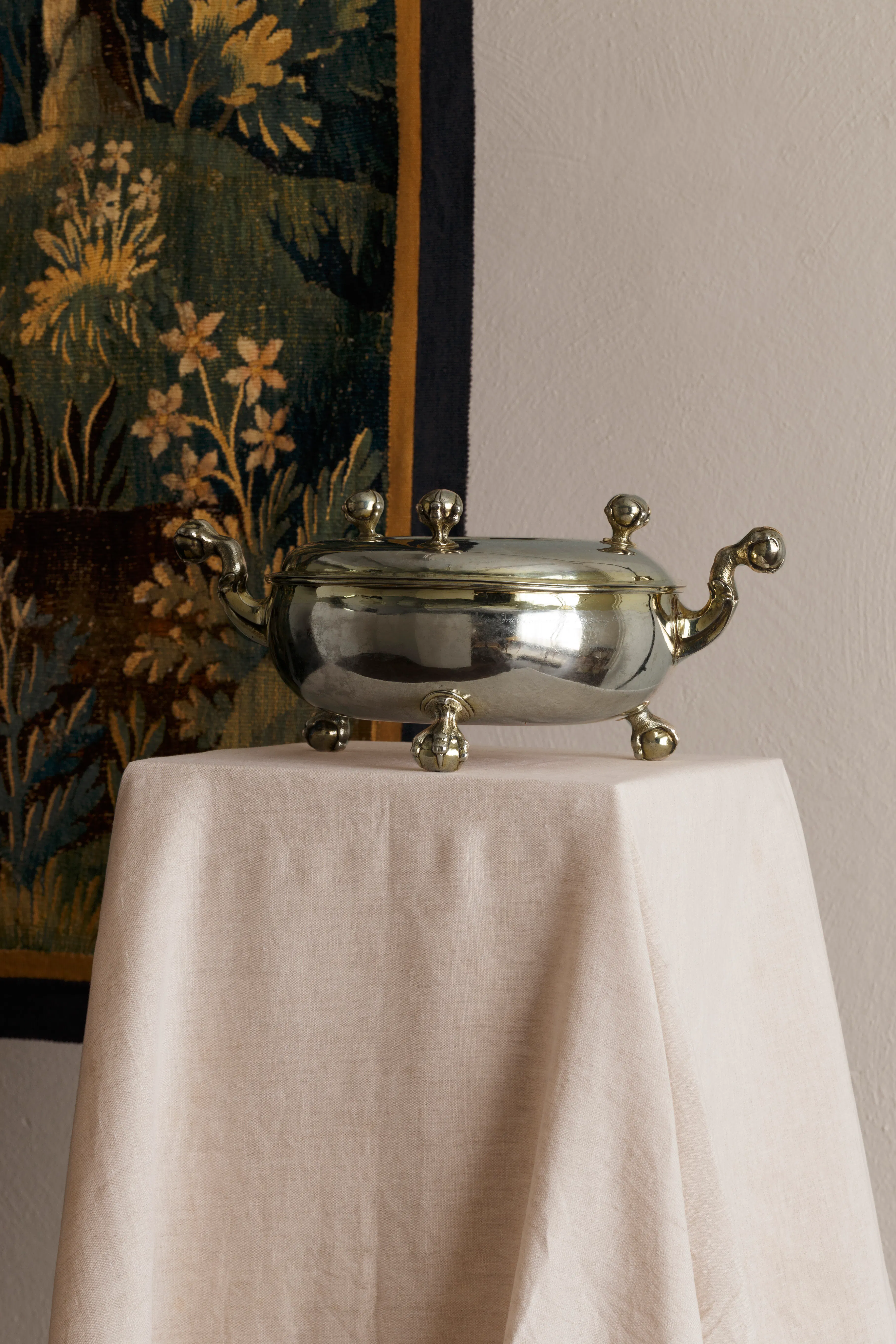
The cold bowl in silver Kallskål, made by Nicolaus Breuman, active in Stockholm in the 1660s and 1670s, is one of the earliest examples of this type of object. This kind of bowl spread from the 1670s to the 1740s, but is found made of tin into the nineteenth century. The name of the vessel, as well as the field of use, has been discussed many times. The bowls are mentioned as Kallskål, Kallskålskål and sometimes also Grötskål. They were probably used to serve a popular dish in the seventeenth and eighteenth centuries that had an alcoholic base with added sugar, spices and orange peel. However, cold bowls may also have been used to serve hot food, meat stews or porridge.
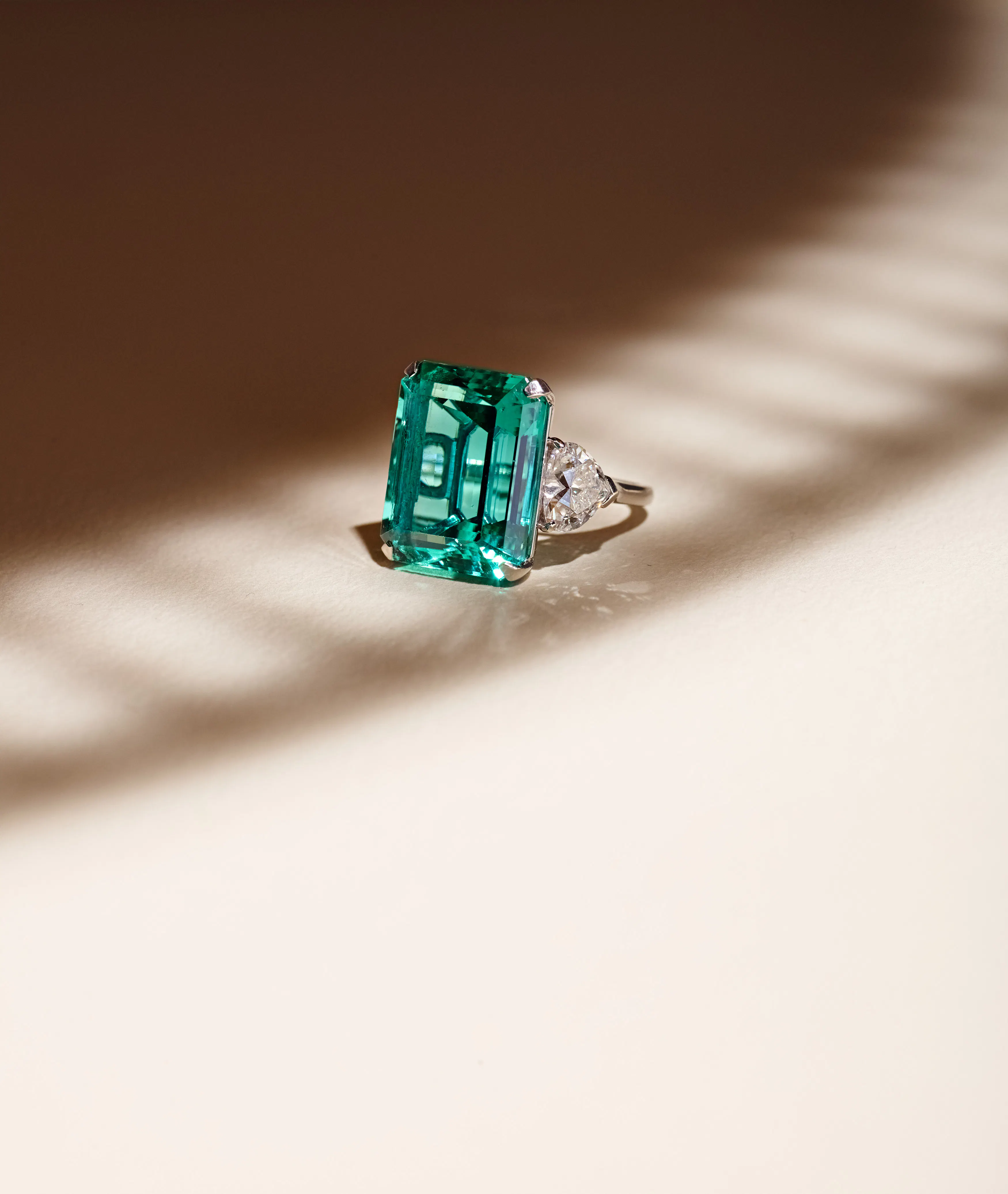
Bukowskis’ jewellery department offers unique and beautiful objects. Here you will find everything from modern diamond rings to tiaras from the nineteenth century. Highlights include this ring from the British brand Graff. The cocktail ring has a stepped tourmaline and two heart-shaped brilliant-cut diamonds. Tourmalines in this intense colour and size are unusual, so be sure to place a bid before it's too late!