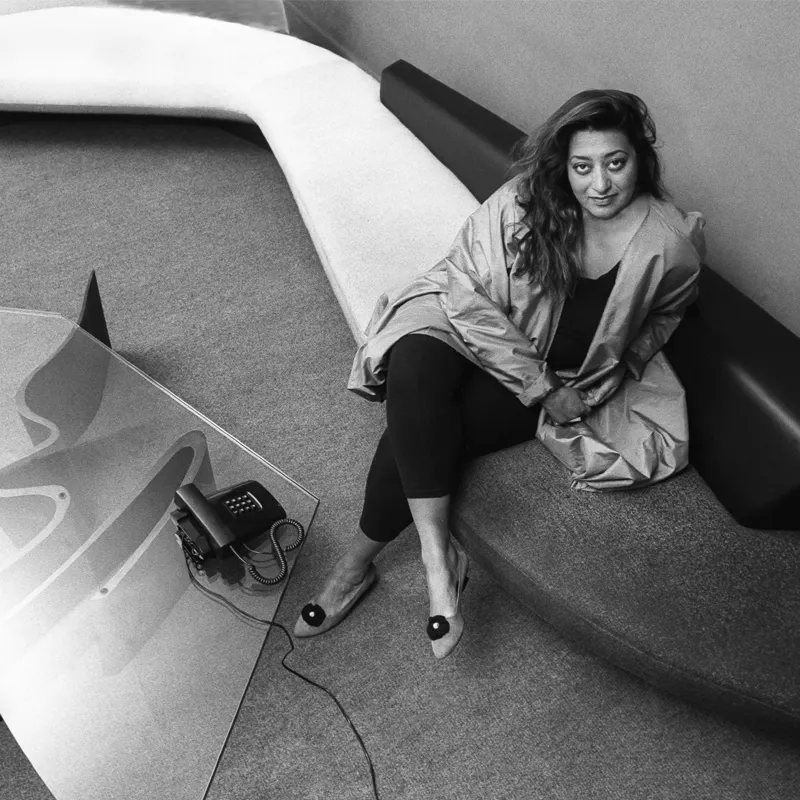
The Iraqi-British architect Zaha Hadid (1950-2016) is considered one of the world's foremost architects. Through her futuristic works, characterised by dynamic movement, sweeping curves and organic structures, Hadid revolutionised modern architecture. Here are four things you may not have known about Hadid:
1. Suprematism was her inspiration
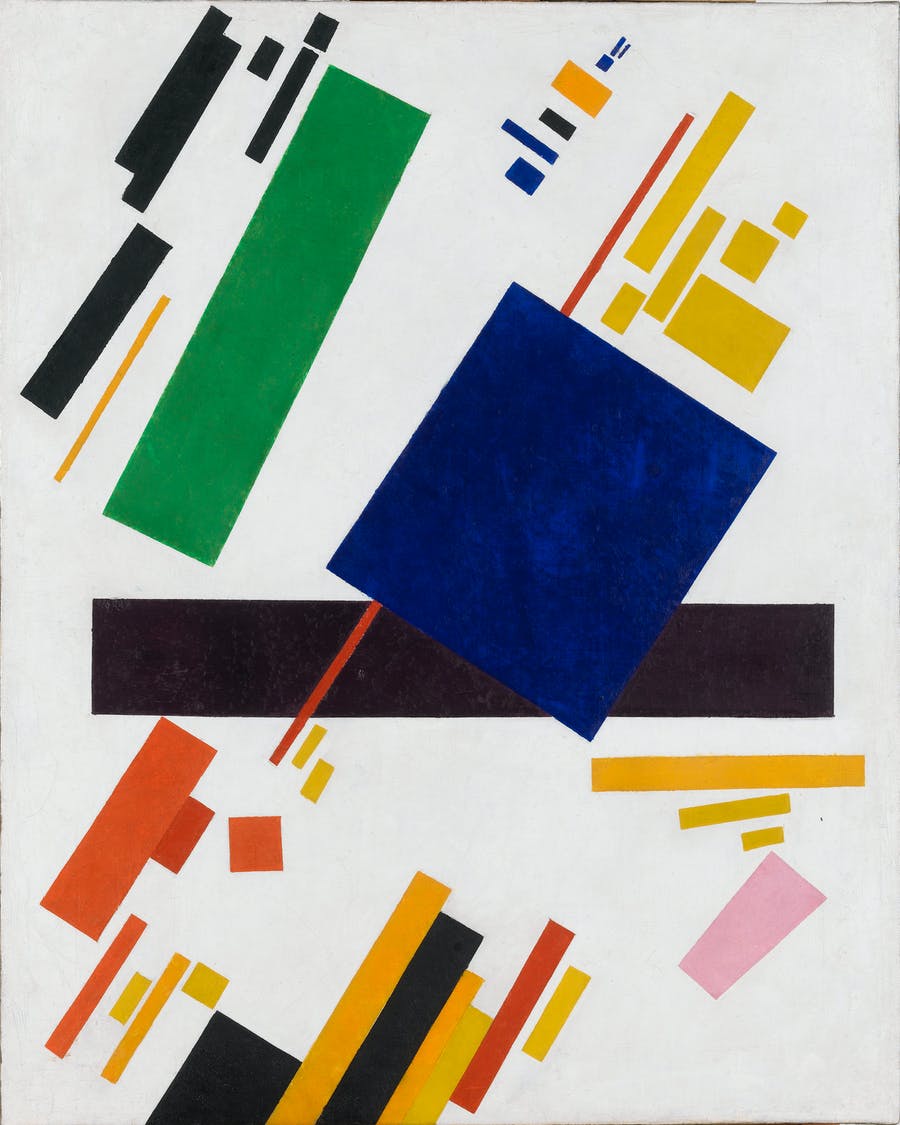
Hadid never stuck to a specific architectural style as she did not want to limit her creativity to a single movement. Early on in her career, she drew inspiration from Kazimir Malevich and the Russian art movement Suprematism. Hadid was inspired by Malevich's oeuvre, which was characterised by divided geometric patterns and dynamic energy. By pushing the traditional boundaries of architecture, her early works explored the potential for dynamism and distortion, as did Malevich's paintings.
See also: Bauhaus: A New Guild of Craftsmen
2. No right angles
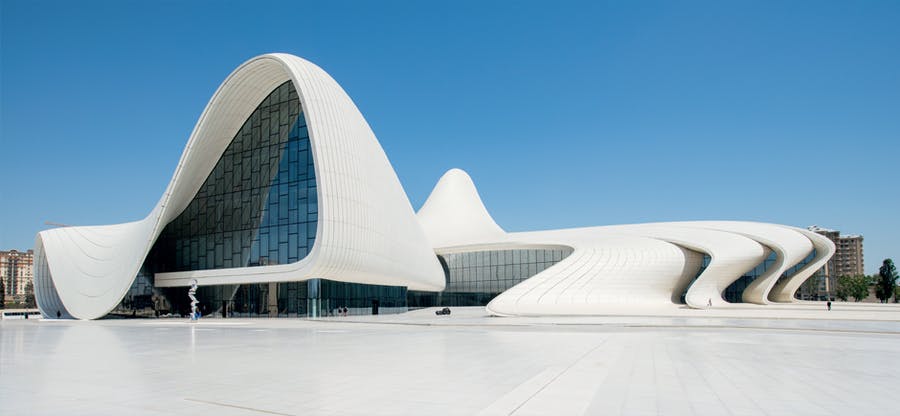
Her main architectural characteristic is curvature. The buildings she designed were organic and gave the impression that they were in motion, this became her architectural signature such that she was dubbed 'Queen of the Curve'. Hadid loved undulating forms, curves and diagonal lines so much that she never designed a building with straight lines. Her teacher, the architect Elia Zenghelis, said that "she was the inventor of 89 degrees, nothing was done in 90 degrees."
Related: 7 Facts To Know About Cini Boeri
An example of this is the Heydar Aliyev Centre in Baku, Azerbaijan. The monumental building is designed to appear like a wave sweeping over the ground. The material, fiberglass-reinforced polyester, makes the exterior seem malleable. The construction was also intended as a reaction to the city's Soviet architecture as well as traditional Azeri architecture.
3. A female pioneer in architecture
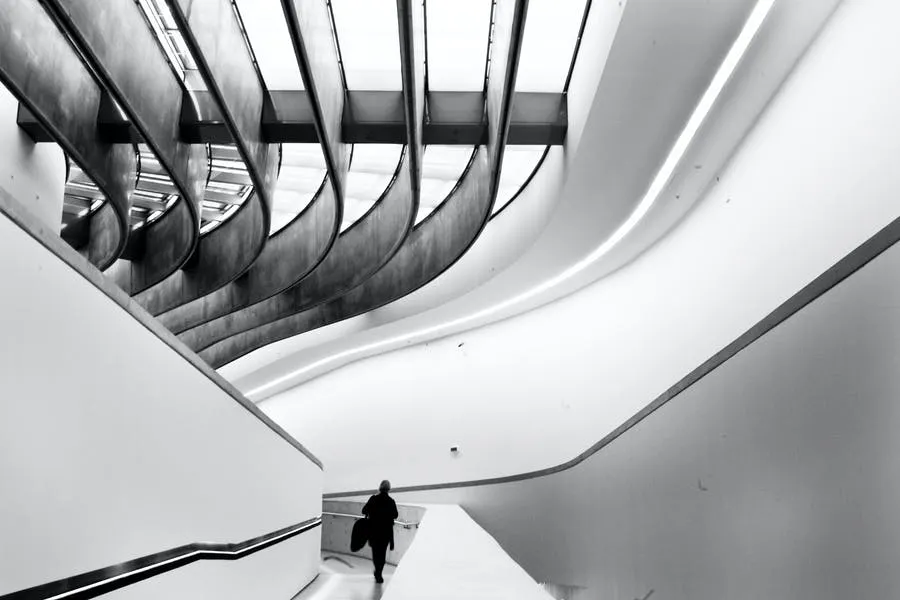
During her career, Zaha Hadid was met with opposition and criticism because of her radical ideas, and also because of her gender. She believed that the male-dominated profession was not ready for talented women. But thanks to her determination and outstanding work, she eventually managed to become one of the world's foremost female architects.
Related: Ludwig Mies van der Rohe: From Traditionalism to Modernism
Her architectural masterpieces led to several prestigious awards. In 2004 she became the first female recipient of the Pritzker Prize and six years later she held the 69th place on Forbes' list of 'The World's 100 Most Powerful Women'.
4. She also designed furniture
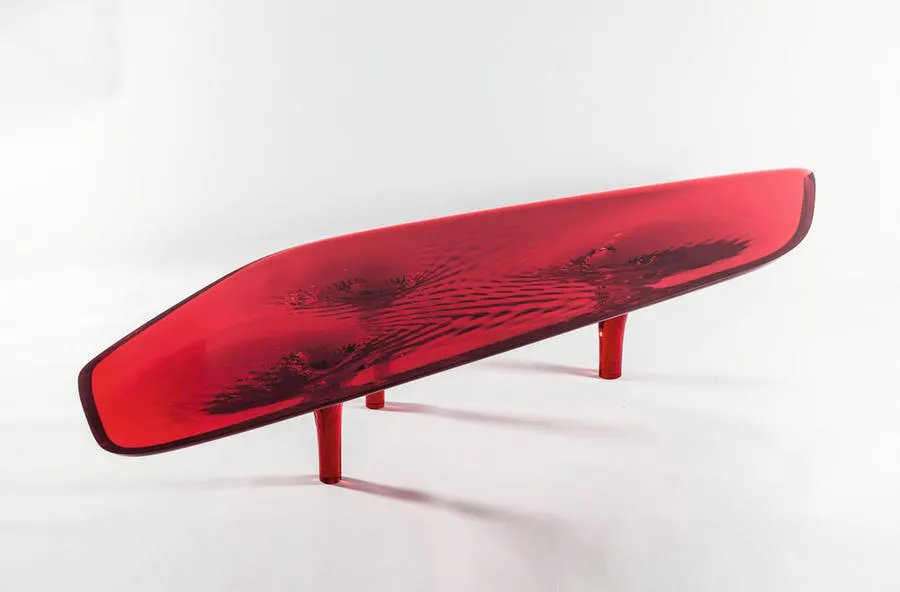
Hadid was not only active as an architect but also as an interior and furniture designer. In 2012, she designed the Liquid Glacial series in collaboration with the David Gill Gallery in London. The series consists of tables and chairs made of clear and coloured acrylic. Like Hadid's architectural work, she pushed the boundaries of material and form. The curved shapes of the series mimic melting glacier ice. One of these tables was sold at Sotheby's in 2018 for an astonishing $300,000 (£234,900).