Tajan's upcoming Contemporary Art sale will be led by a 1960s masterpiece of Pierre Soulages, as well as a unique composition of Wayne Thiebaud dated 1963-66. Both works were acquired directly from the artists, the very year of their creation, and both have a prestigious provenance. The parallel sale of these remarkable paintings, created in the 1960s on both sides of the Atlantic, will celebrate the 100th birthdays of two major figures of post-war art.
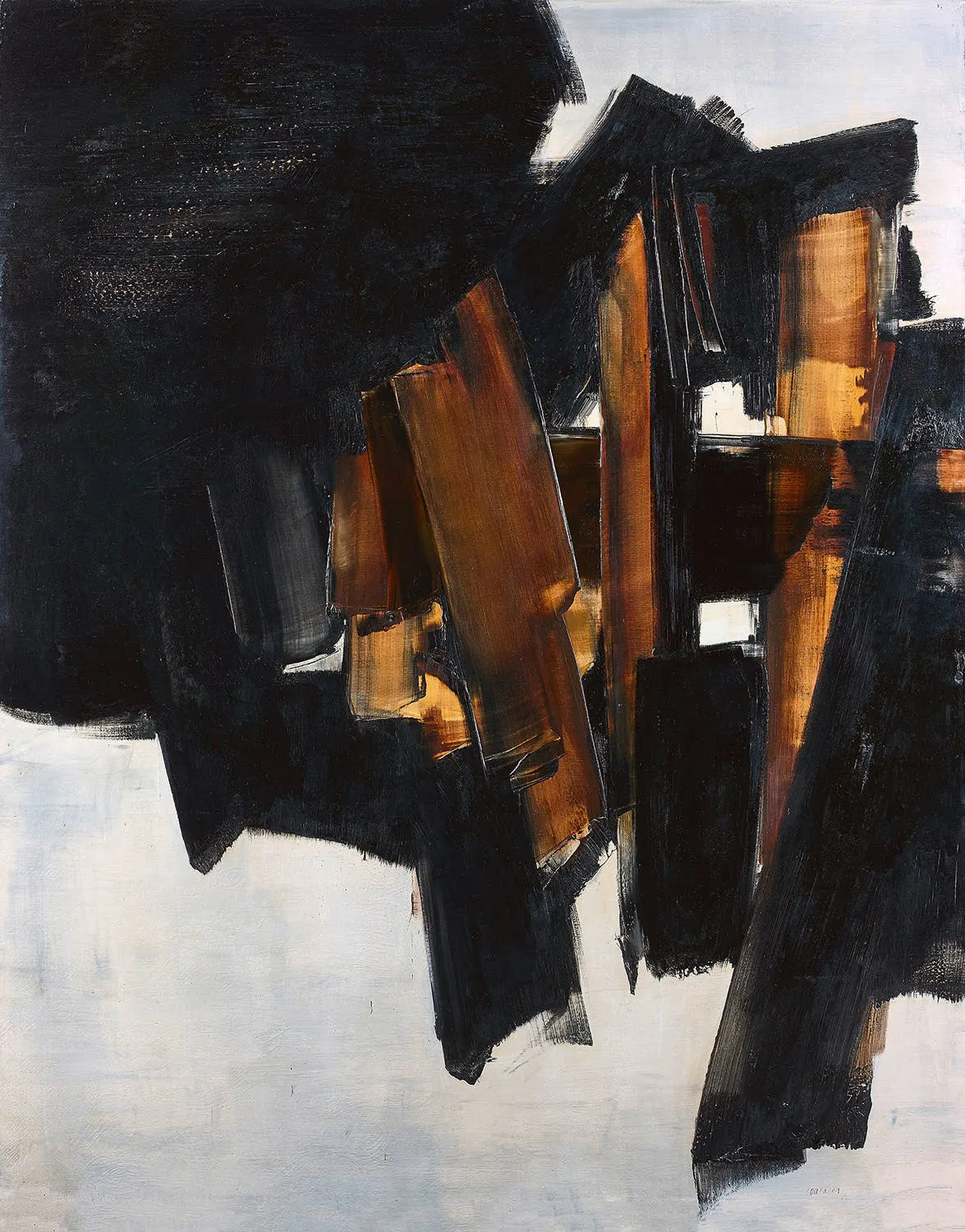
Painting, 200 x 162 cm, March 14, 1960, a masterpiece of Pierre Soulages estimated between €4-6 million (£3.42-5.13 mil), will be auctioned for the very first time. The canvas is a wonderful example of the scraping technique used by Soulages in the late 1950s, as his work transformed and he became one of the leading figures of his generation. Large strips of black paint cover part of the surface of the canvas, previously coated with a white primer. It is by a process of subtraction, with the help of brushes, that Soulages came to reveal the underlying ocher layer and the unexpected coloured variations. Admirable proof of Soulages' interest in oppositions, the work is neither lyrical nor sentimental, it imposes itself on the frontal mode and remains devoid of any emotional impulse.
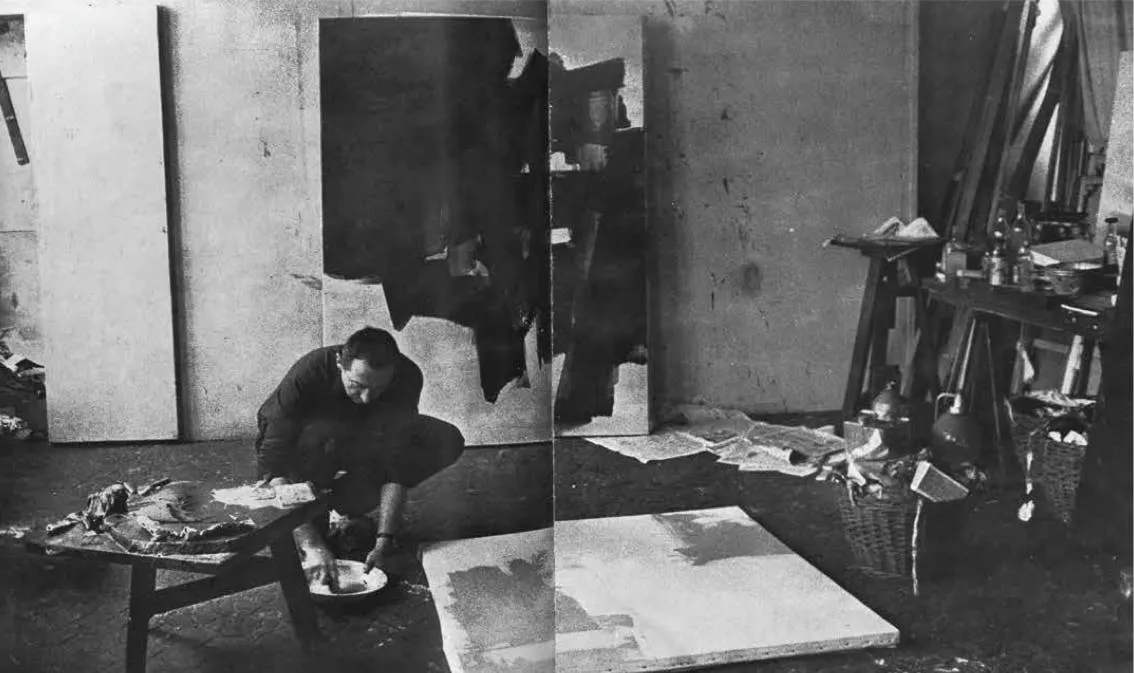
The composition was acquired its inception year by James John Sweeney, who was a MoMA curator and director of the Guggenheim Museum in New York. The two men meet in 1948 in Paris, while Sweeney unexpectedly visited Soulages' studio. This meeting marked the beginning of a long friendship, which allowed Soulages to regularly exhibit across the Atlantic and gain recognition on the new American abstract scene. When, in 1960, Sweeney went to the Galerie de France to admire the 17 works exhibited by his friend Soulages, he remained amazed in front of Peinture, 200 x 162 cm, March 14, 1960, and decided to buy it.
The sale of the work, which has remained in the prestigious Sweeney collection for more than half a century, is a prelude to the imminent Louvre exhibition that will celebrate the career of the painter.
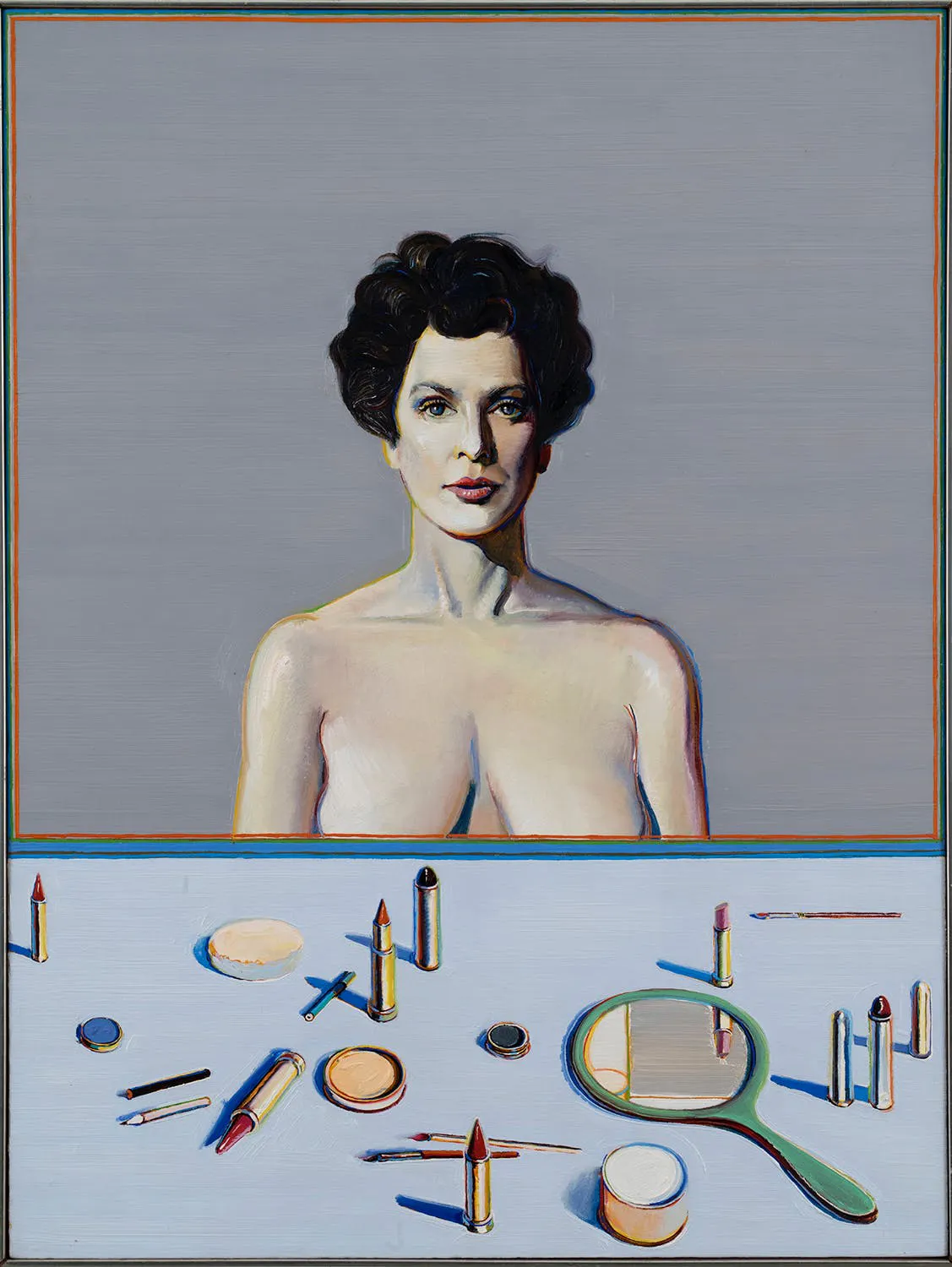
Woman & Cosmetics by the American pop artist Wayne Thiebaud is an oil on canvas estimated between €2.5-3.5 million (£2.14-3 mil). It reflects Thiebaud's transition after his first solo exhibition at the Allan Stone Gallery, when he focused more on the human figure instead of his themes related to consumer society. This quasi life-size composition, structured in two distinct parts, combines the figurative style and the still life and illustrates Thiebaud's desire to paint his characters without sentimentality. The enigmatic scene, where a naked woman springs from a window overlooking a stall strewn with cosmetics, is undoubtedly a way for the painter to break with the representations of confectionery that had placed him among the pop artists of his time.
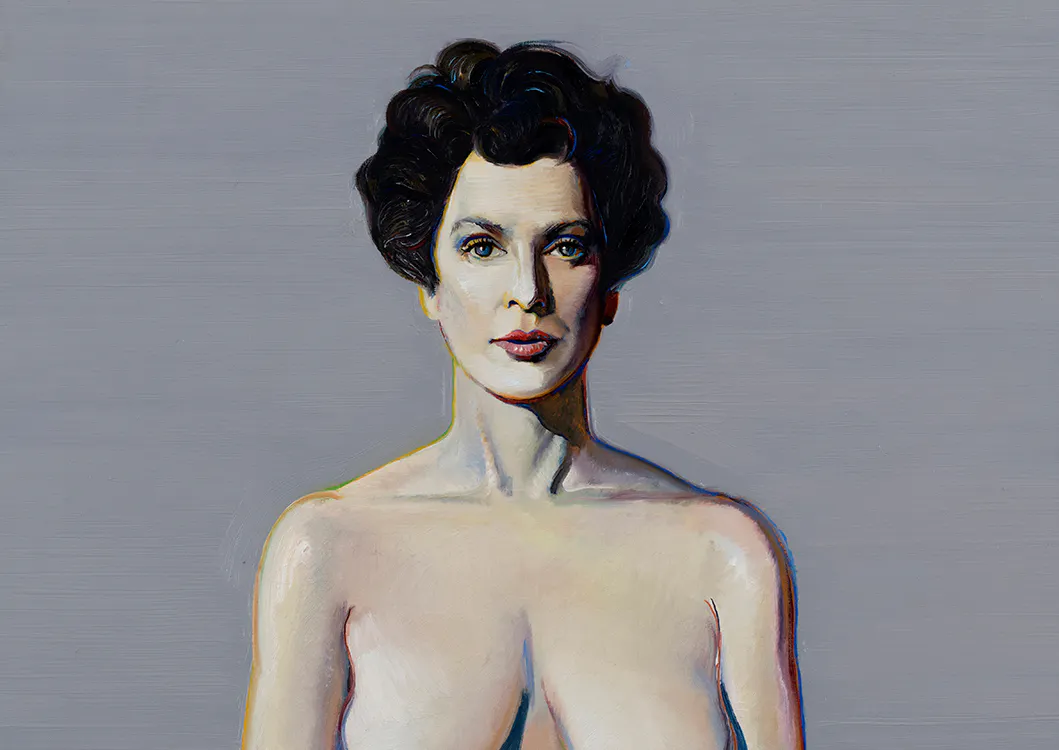
Signed by one of the pioneers of the 'New Realism' of American art, the work Woman & Cosmetics also comes from an eminent family. Acquired by the famous New York gallerist Allan Stone, who represented Thiebaud for more than four decades, the work has remained in his prestigious collection for 50 years.
Both made in the 1960s, the works of Soulages and Thiebaud mark the beginning of a pivotal period in the career of their makers. They illustrate the vision of two unique artists on the margins of their contemporaries, whose impact on the history of art has been felt on both sides of the Atlantic.
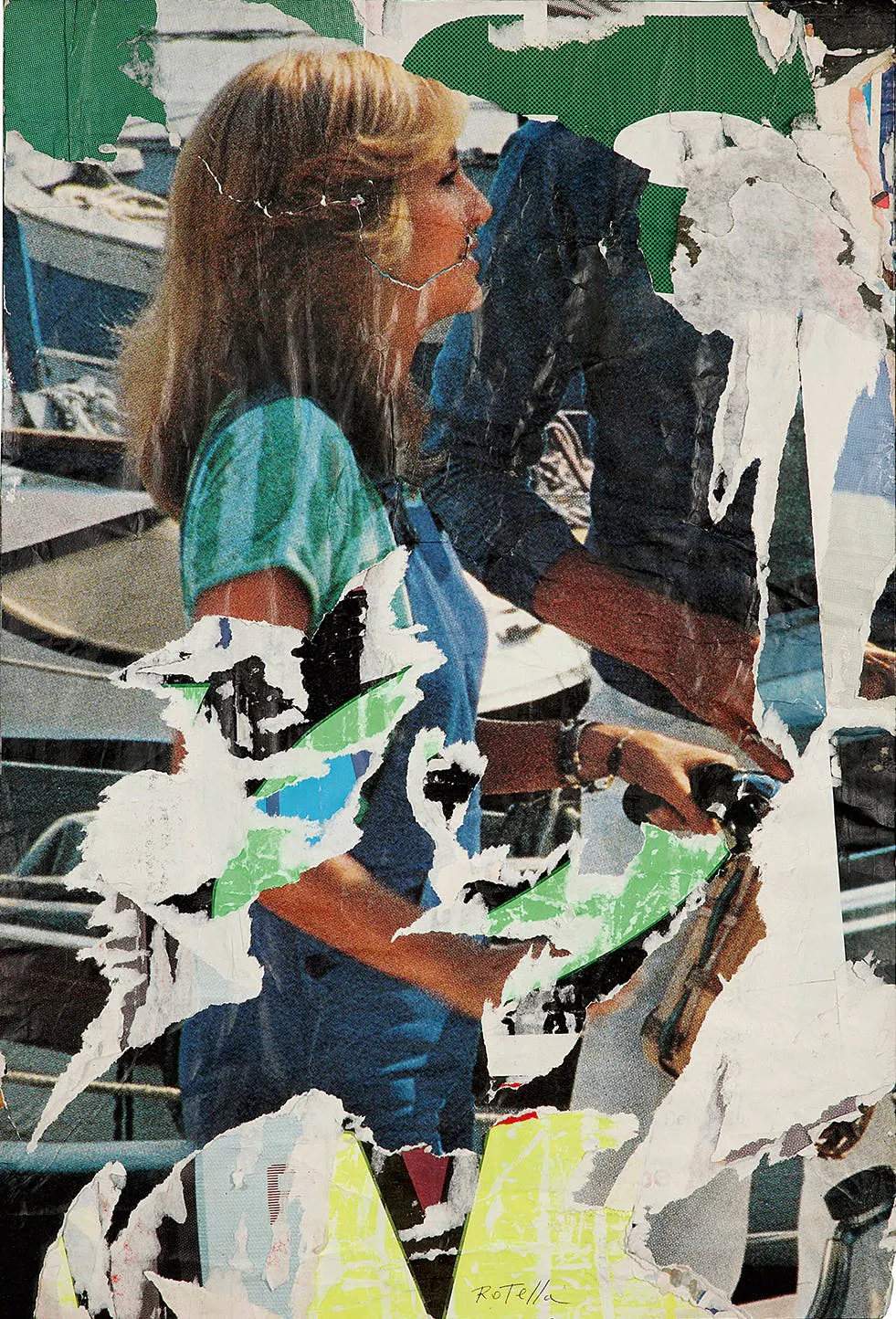
Two other representatives of New Realism punctuate the sale, starting with Mimmo Rotella, an Italian artist who discovered the advertising poster as a means of artistic expression in the 1950s. Rotella created tearing, lacerating and gluing of pieces of posters on his canvases. He mainly uses cinema posters in which he isolates faces and silhouettes, as evidenced by the 1963 Sport Meetings, which will be presented at Tajan.
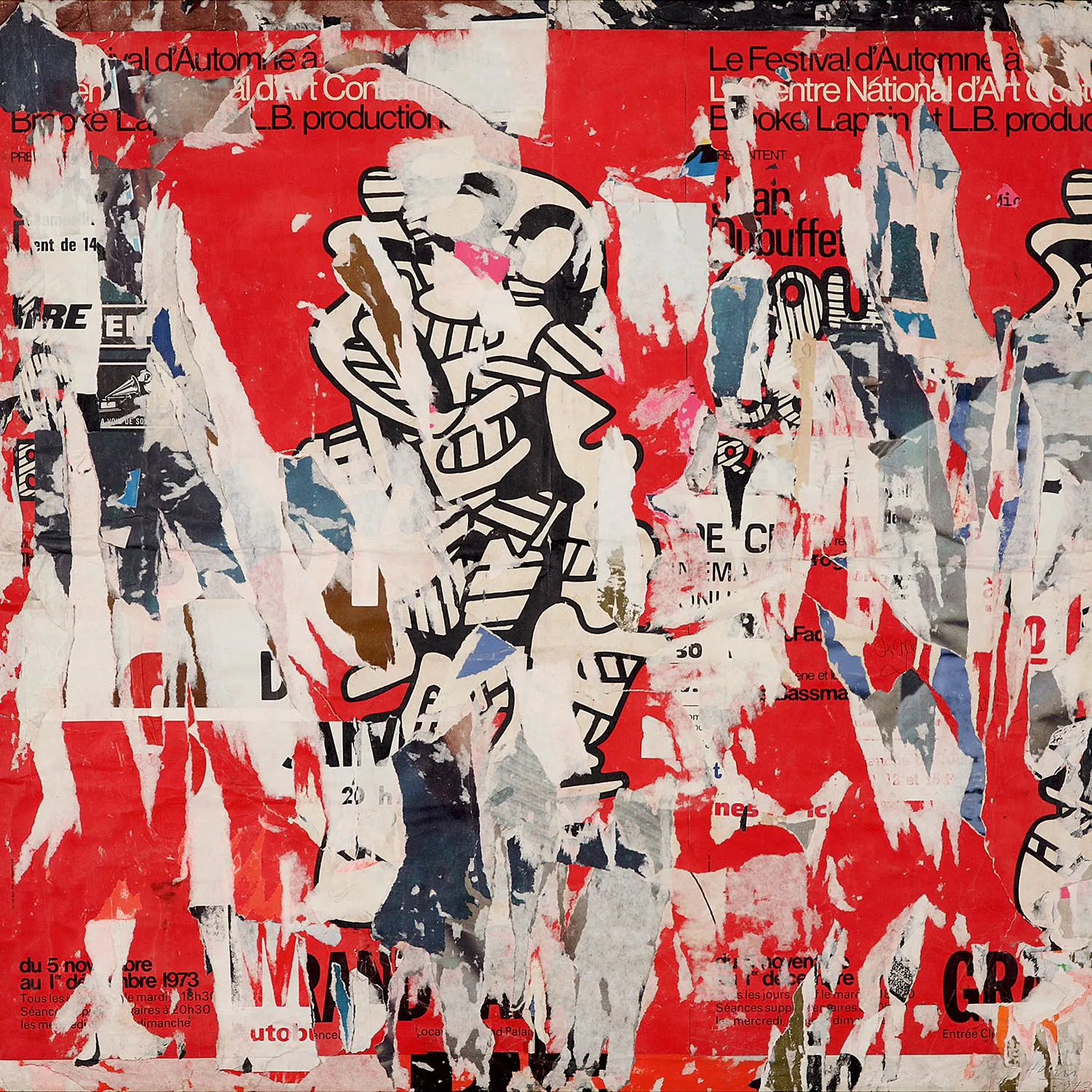
Another 'tearer of posters', Raymond Hains collected his materials directly on the street. In collaboration with Jacques Villeglé, he designed a series of predominantly typographic concert posters. As in this work of 1973, he chose posters damaged by passers-by, the wind or the rain, which allowed him to juxtapose images and words, sometimes giving rise to interesting typographical and visual coincidences.
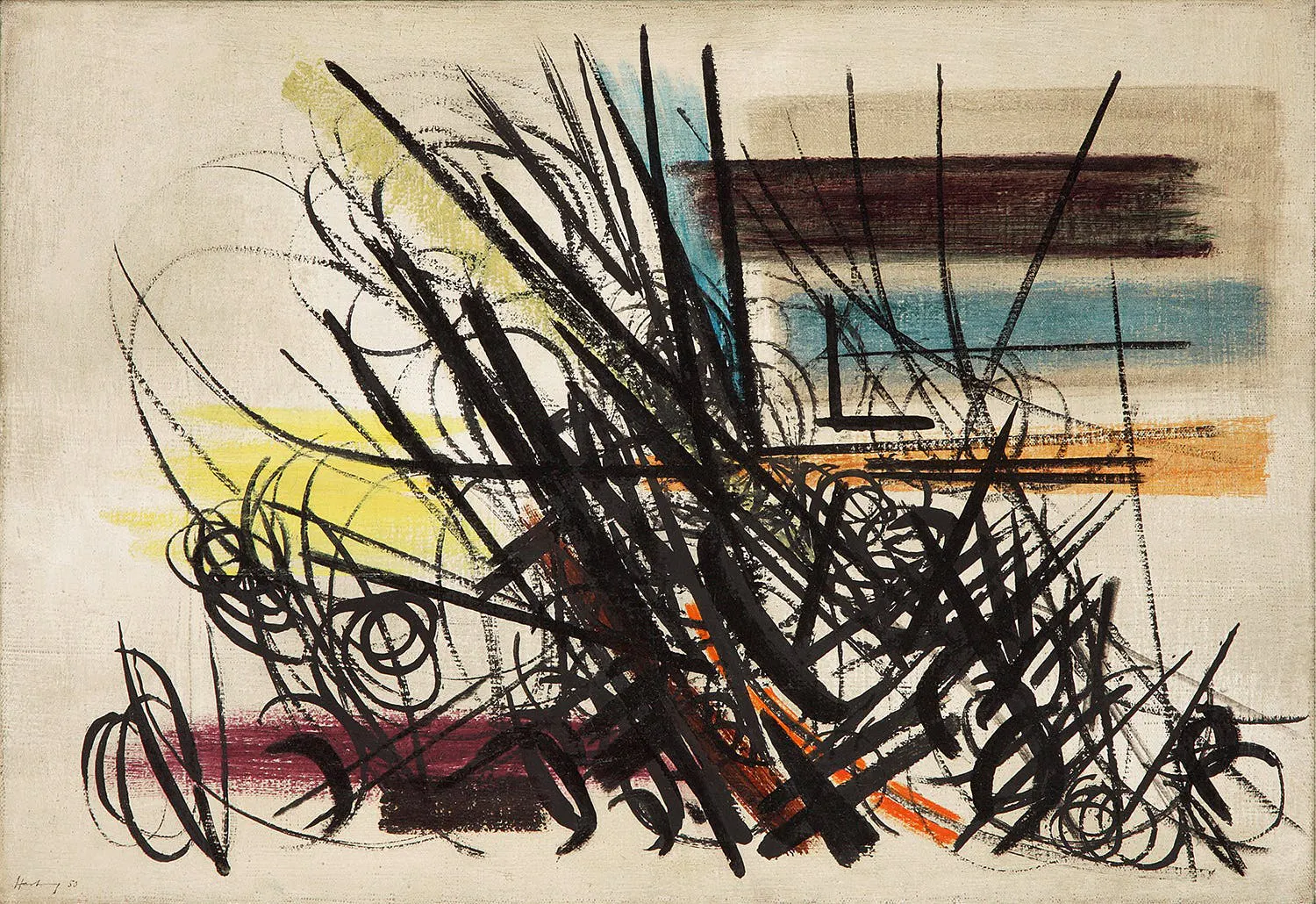
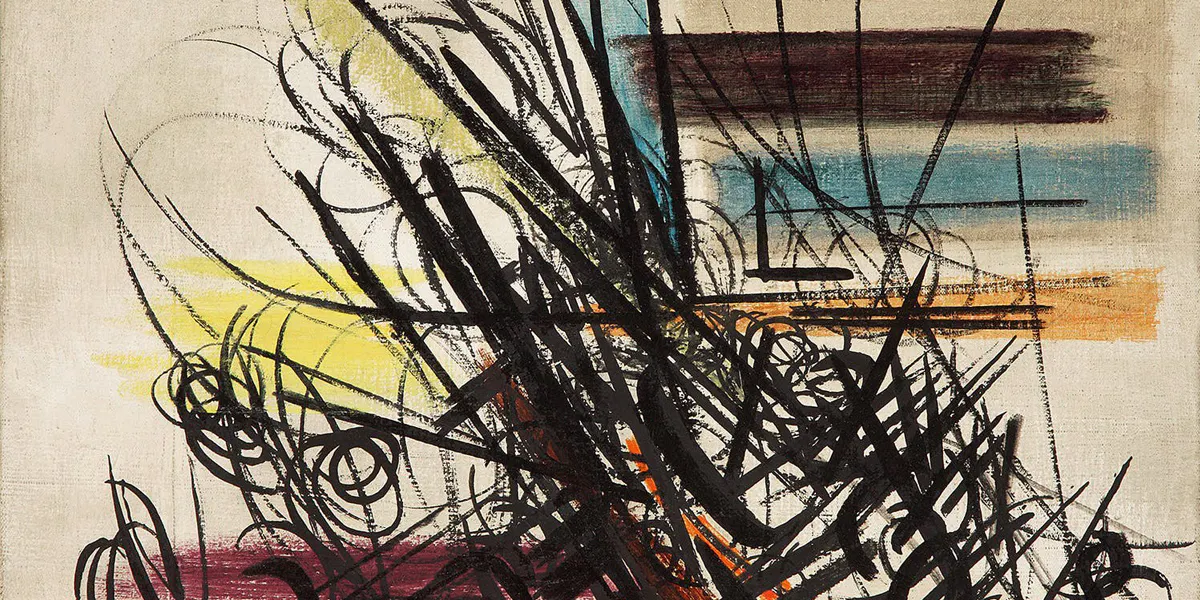
In T1950-43, Hans Hartung's whole dialectic is revealed: the big black brush strokes line the canvas in a line, giving the composition its full depth. This work of 1950 is part of the period of reconstruction of the artist, after his service at the front during World War II, where forms are released from their representative aspect to become signs of contemplative introspection.
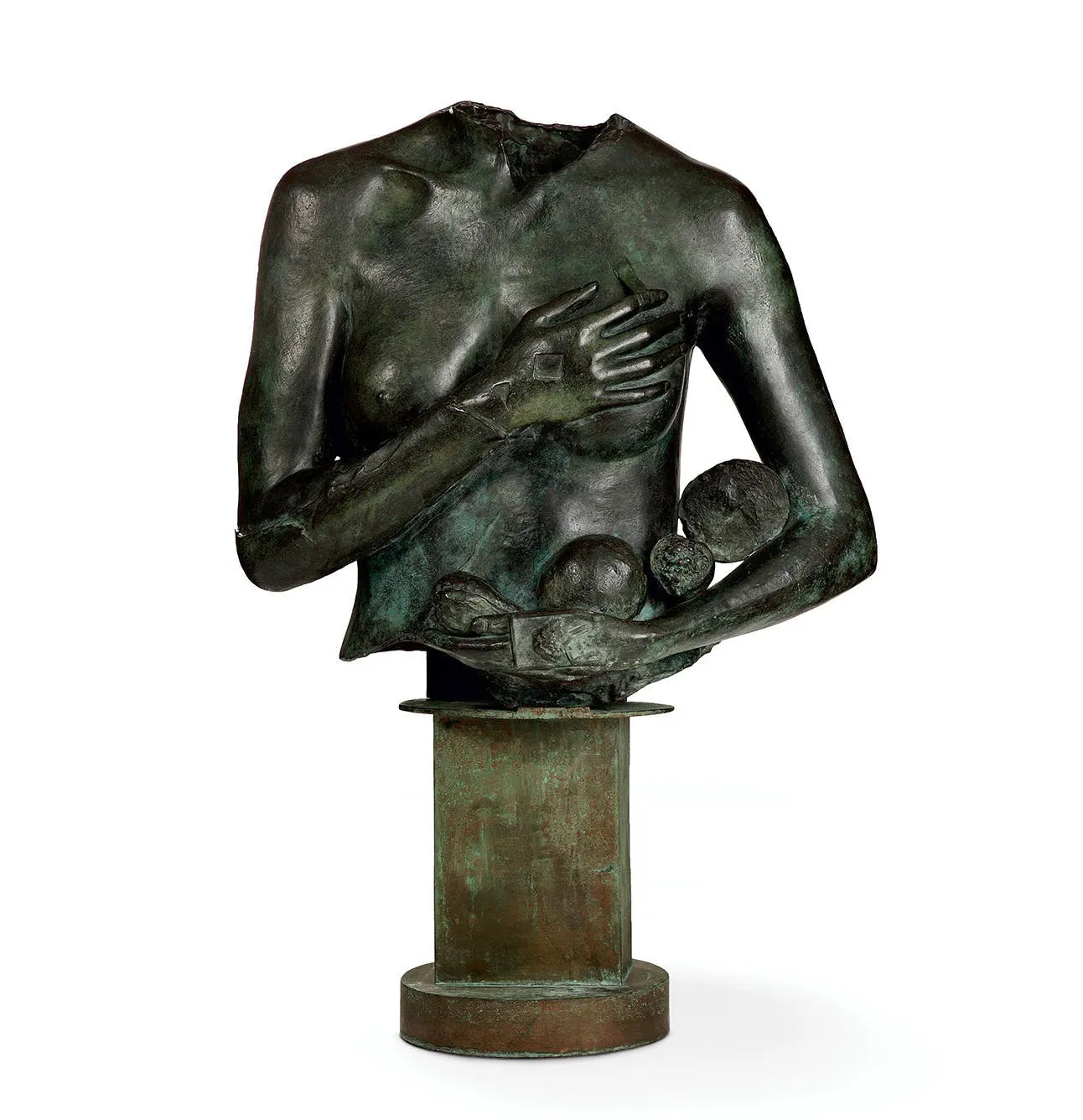
Other big names like Richard Hambleton, Franz Kline, Robert Combas, as well as the sculptors Igor Mitoraj and Caesar will also be represented.
See all Tajan lots on Barnebys
This article is sponsored by Tajan