
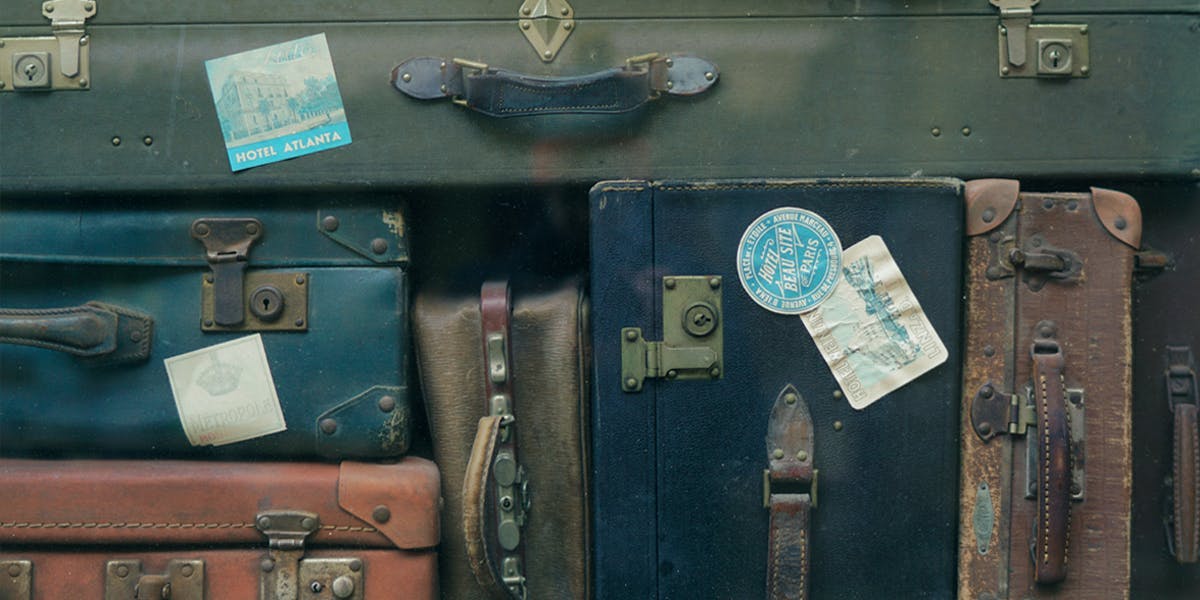
If you stay at the hotel today and request an adhesive luggage tag to stick on your suitcase, you may get a funny look. Yet these little labels were once an integral part of hotel service from the 1900 till the mid-1960s, in the heyday of travel.

These luggage tags were mainly developed by the ‘Grand Hotels’ and in no way resemble the labels we know today, on which we write our name, address and telephone number in case our suitcase gets lost in transit.
See also: The Story of the Trunk, From a Suitcase to a Treasure Chest of Memories
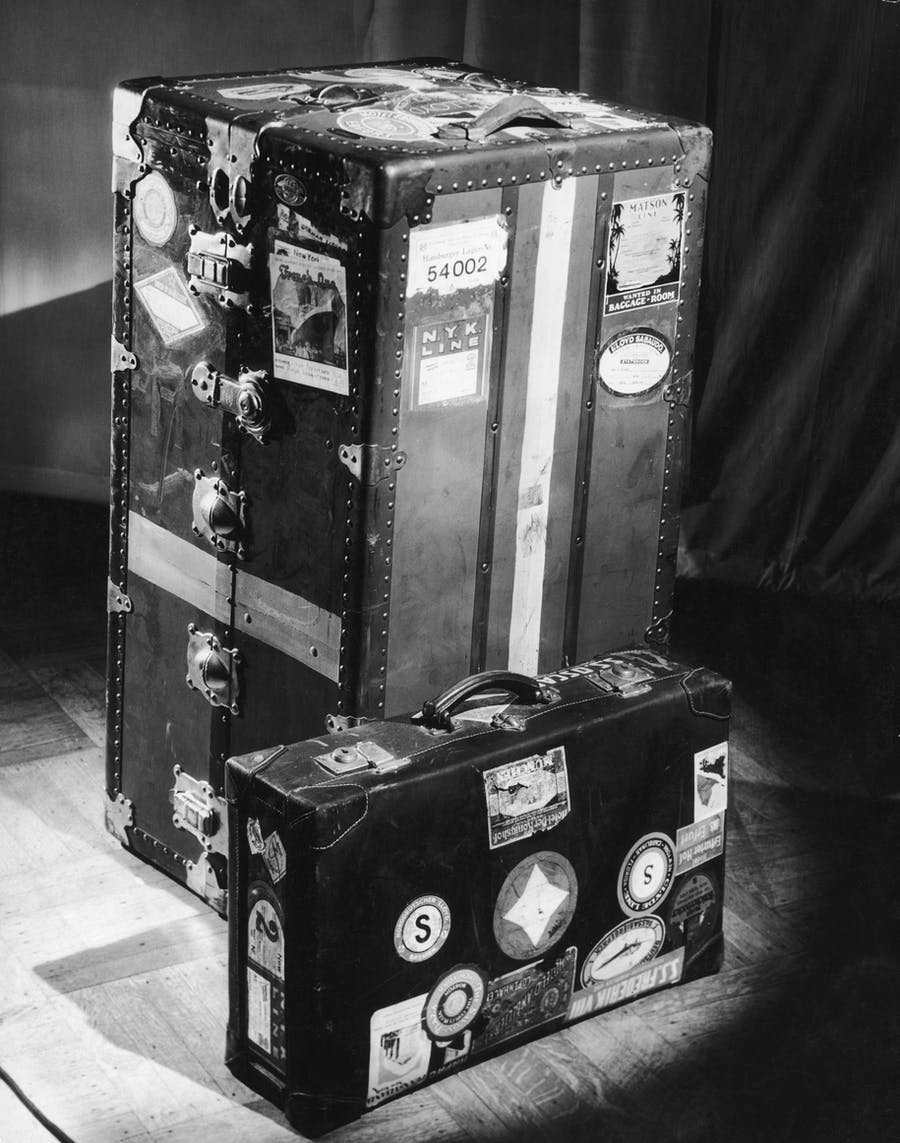
Luggage tags were at the time a form of advertising that hotel staff applied with an adhesive label on travellers' suitcases and trunks upon arrival at the establishment. Remember that at this time, suitcases were flat and rigid, which facilitated the application of labels by staff.
Want more – free – advice on collecting? Sign up to our newsletter
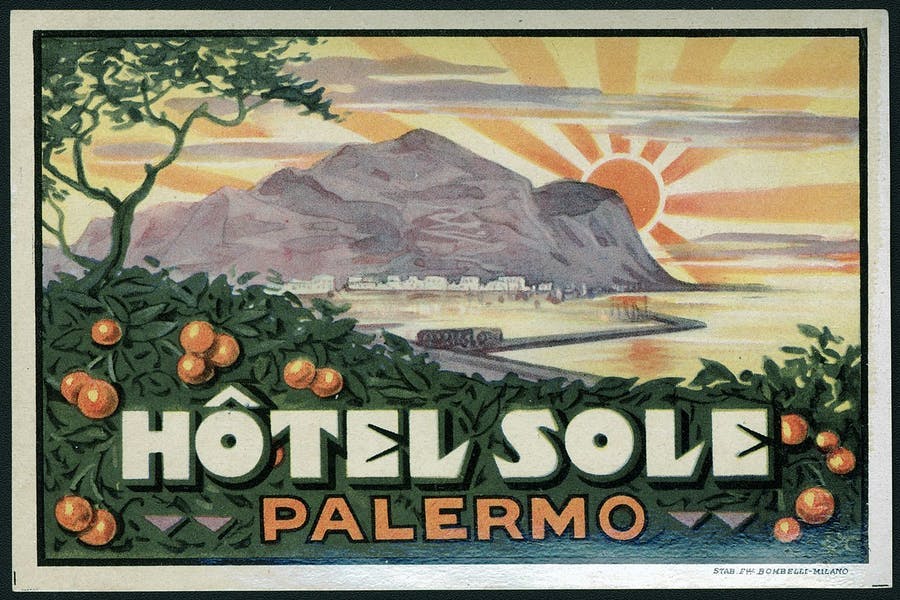
For the hotel, it was free publicity that their customers carried for them when they left. For the traveller, it was a mark of honour to show that you had resided in a prestigious hotel. A victory on both fronts.
See also: History's 6 Most Popular Film Posters
Some of the famous artists behind these labels include Dan Sweeney, an American illustrator who provided illustrations for books, posters, magazines and luggage tags for the Hong Kong & Shanghai Hotel group. Now renamed the Grand Hotel Beijing, this establishment was once an imperial palace bordering the Forbidden City and Tiananmen Square.
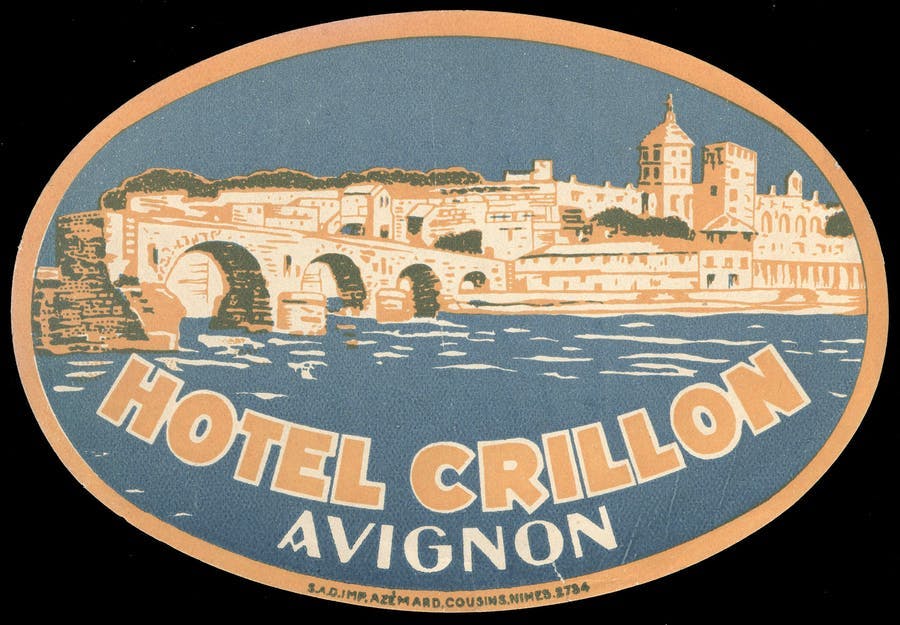
Luggage tags dated 1900 to 1960 are closely inspired by travel posters from the same era, sometimes even sharing the same designs. While vintage copies of beautiful travel posters sell for sometimes several thousand at auction, old luggage tags have remained more affordable.
It’s sometimes still possible to buy original copies for a few hundred pounds, depending on the condition, hotel, illustrator, rarity and style.
Find more articles on the world of collection with Barnebys Magazine