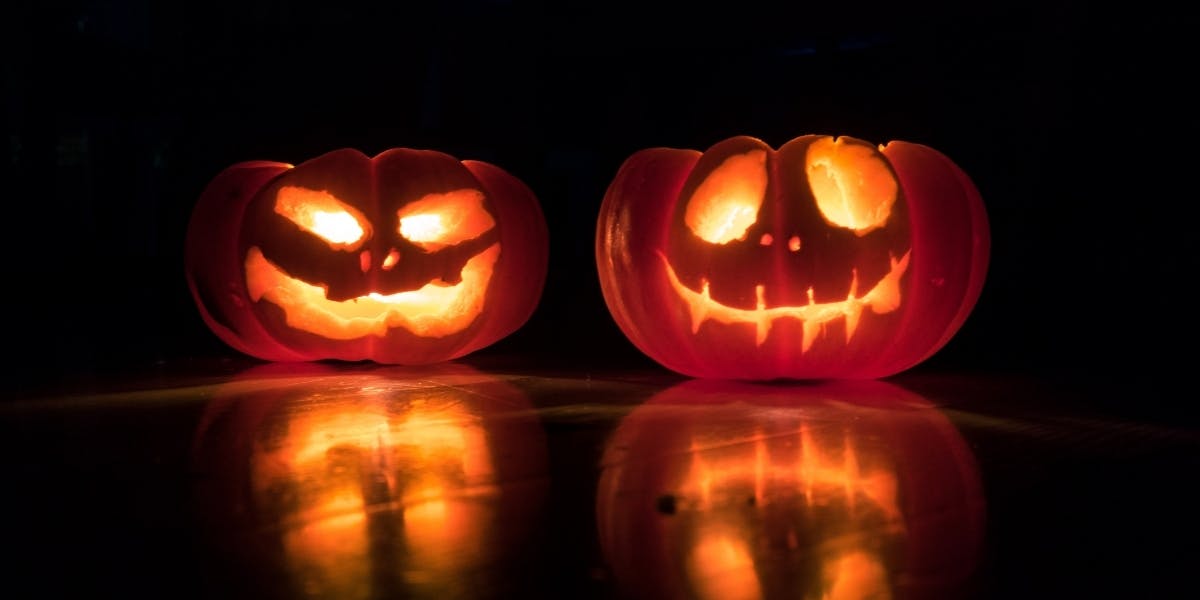
Halloween is around the corner and with it comes the iconic parts of the holiday: carving Jack O'Lanterns out of pumpkins, creative costumes, trick or treating, ghost stories, bobbing for apples and more. But do you know the history of the holiday? Here are 13 facts about Halloween:
1. Halloween started in Ireland
Halloween as we know it today stemmed from a pagan festival called Samhain in Celtic Ireland, which was a celebration of the harvest and the official end of summer. The Celts believed it was their New Year, a time of transition when evil spirits visited earth and darkness eclipsed the light, so bonfires were lit and masks donned to ward off evil.
2. The holiday is connected to Christian feast days
When the Irish were converted to Christianity in the 5th century, Samhain became a three-day festival consisting of All Hallows Eve (now Halloween), All Hallows Day (now known as All Saints Day) and All Souls Day. This Allhallowstide was a time to honour departed saints and Christian souls from 31 October to 2 November.
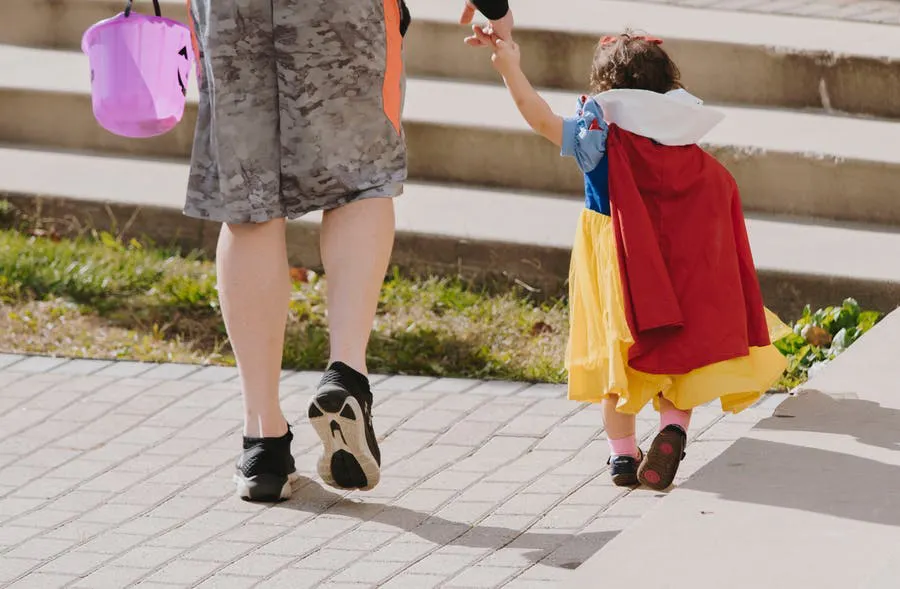
3. Trick or treating began as an All Souls Day tradition
During Samhain, people would wear costumes and masks to impersonate departed souls and give or receive offerings on their behalf. When Samhain became Allhallowstide, people would visit their neighbours, who gave out all-soul cakes, representative of those who had died. It became a Halloween tradition in the US in the 1930s.
See also: The 10 Scariest Paintings in Art History
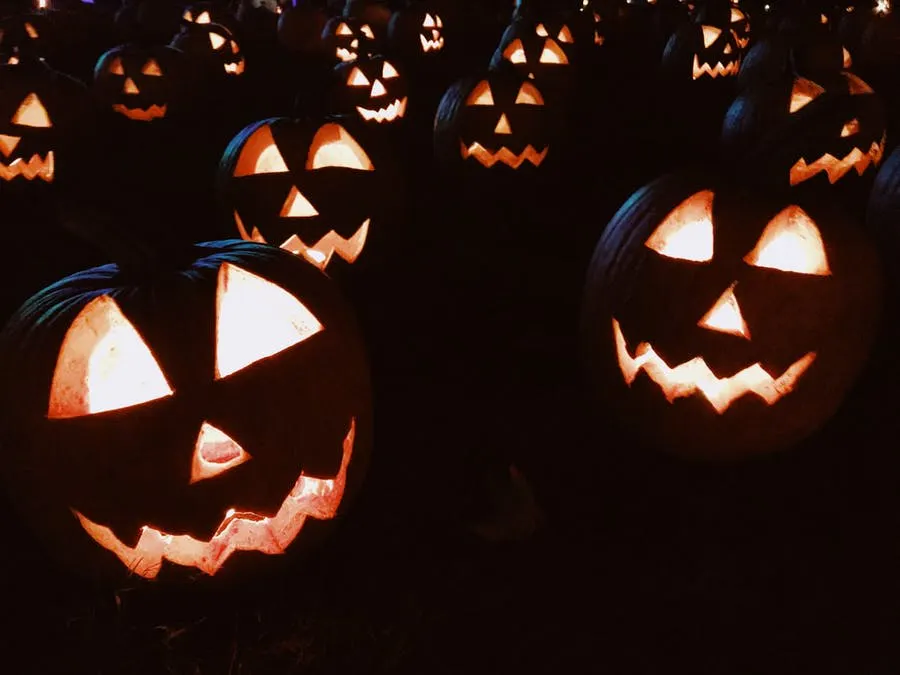
4. Jack O'Lanterns stemmed from an Irish folktale
During Samhain, the Celts would carve scary faces into turnips and gourds to protect themselves from spirits. The Irish legend of Stingy Jack was likely the impetus for the carved lanterns, which is the tale of a trickster. Stingy Jack told the Devil not to take his soul when he died and was banned from Heaven, so he was doomed to exist between the worlds – purgatory – with only a light in a turnip to guide his way, which became known as the Jack O' Lantern. When Irish immigrants came to the US in the 19th century, they brought the tradition of lighting turnips and gourds but found pumpkins – which weren't grown in Ireland – in the US to be easier to carve.
5. Halloween is the second most expensive holiday in the US
While Christmas holds the top spot as the most commercial holiday in the country, Halloween comes in second with Americans spending around $9 billion on costumes, decorations, candy and more each year.
See also: 6 Iconic American Paintings
6. More sweets are sold for Halloween than any other holiday
According to the National Confectioners Association, Halloween just edges out Easter for the most confectionary sold for the holiday, followed by Christmas and Valentine's Day. 272,155 tonnes of Halloween sweets are sold in advance of trick or treating, which amounts to about two pounds of candy (907g) per American.
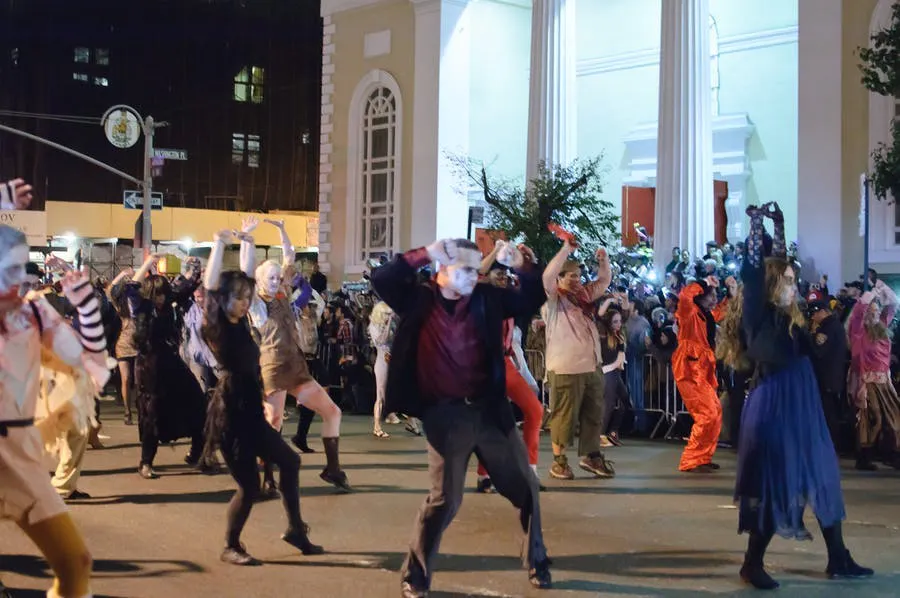
7. The biggest Halloween parade is in New York City
New York's Village Halloween Parade in Greenwich Village is the world's largest Halloween parade with 50,000 participants and two million attendees. It started in 1973 as a puppet parade for children, a theme that is still honoured but with more adult elements. It has become an iconic event in the city.
See also: 5 Paintings to Celebrate Autumn
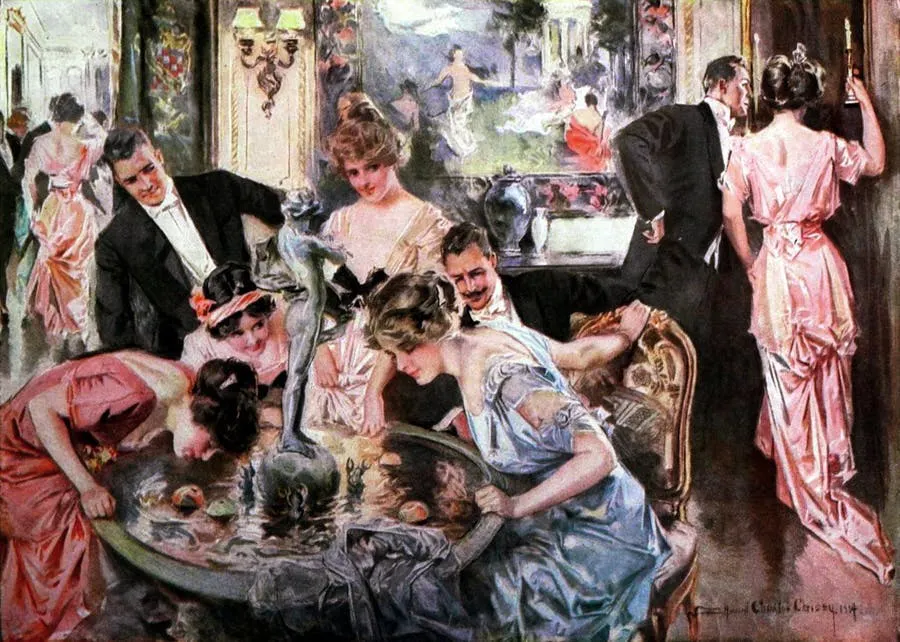
8. Bobbing for apples has a romantic origin
The Halloween game of bobbing for apples began when the Romans invaded Britain in 1st century AD and brought the apple tree to the country, which represented the goddess Pomona. During the annual Pomona festival, young singles would bob for apples, with the first person biting the apple said to be the next to marry.
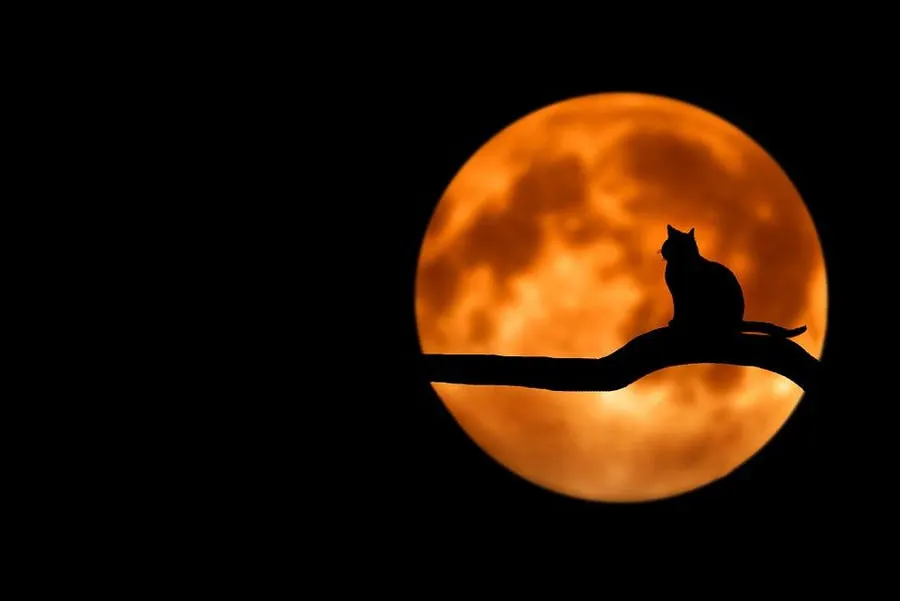
9. It is because of the Celts that orange and black are Halloween colours
Black was worn during Samhain (and later All Hallows Eve) to represent mourning of the departed, and orange was chosen because it symbolises the harvest, fire and the changing leaves of autumn.
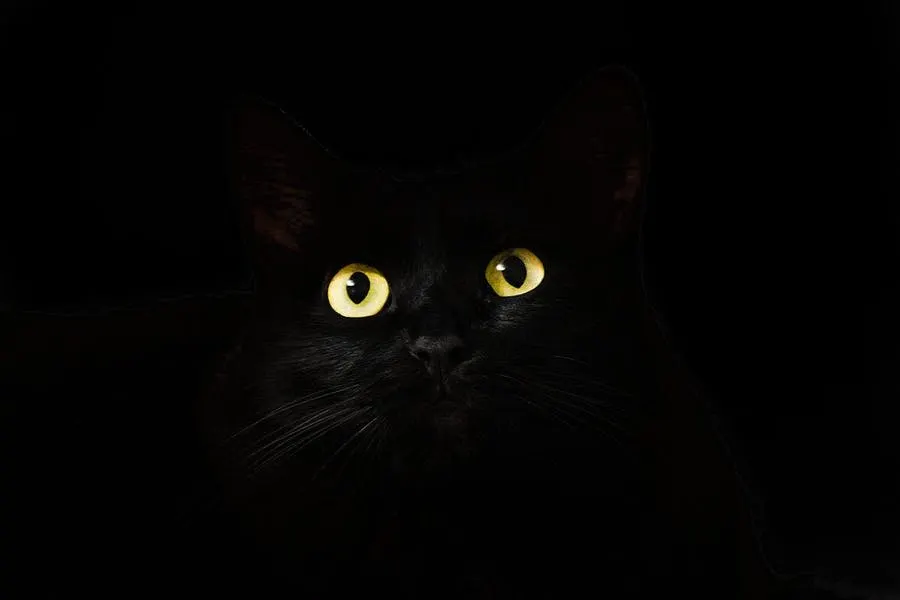
10. Black cats are not allowed to be adopted around Halloween
Black cats have been thought to represent evil since Medieval times and were even sacrificed by Pilgrims in America because of their association with witches. Now, many animal shelters don't allow black cats to be adopted in the month of October because of the fear that they may be hurt or abandoned after the holiday.
See also: Cats in Art: 10 Decidedly Feline Works
11. A full moon occurred on Halloween 2020
While most Halloween films and images include an illuminated full moon, it's a fairly rare occurrence to have a full moon on 31 October, as it happens only every twenty years or so. It last occurred in 2020, so another two decades have to pass before a Halloween moon rises again.
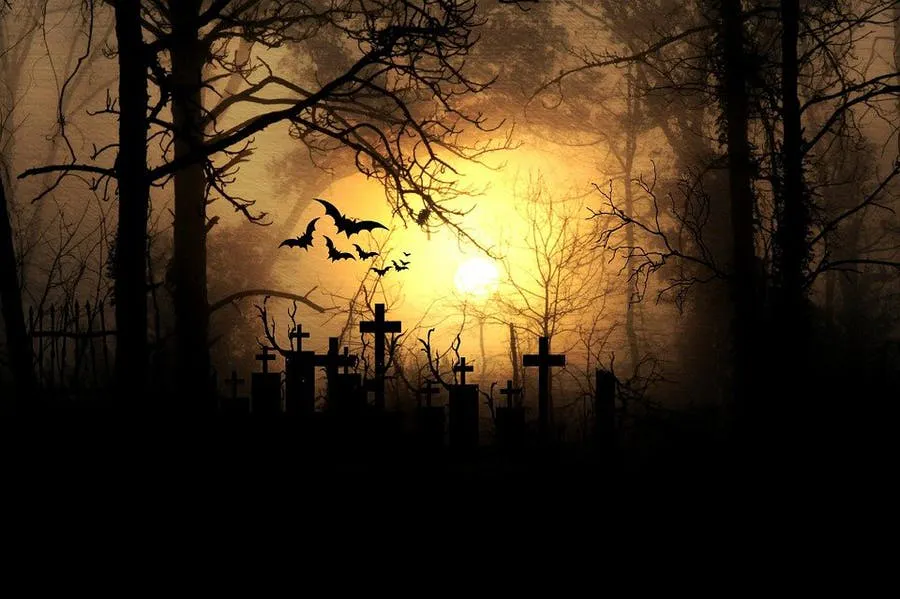
12. Bats became Halloween symbols because of bonfires
Bats were often attracted to the sacrificial bonfires that were part of Samhain because of the insects that would come to the flames. The fact that they were black-winged nocturnal creatures strengthened their association with Halloween.
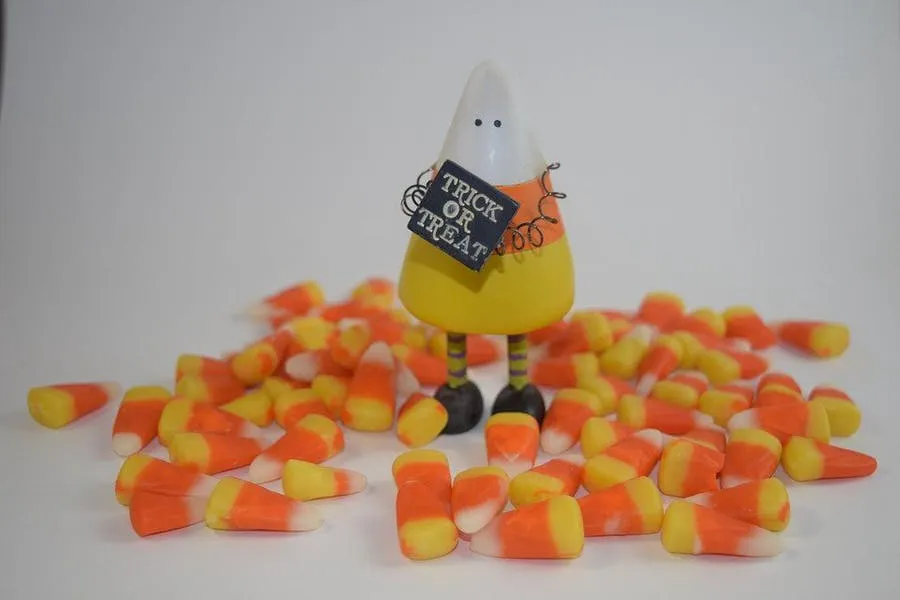
13. 16 million kgs of candy corn are produced each year
The iconic American Halloween candy was first created in the 1880s and was known as 'chicken feed'. It wasn't until the 1950s that the sweet became associated with Halloween because of its orange colour.