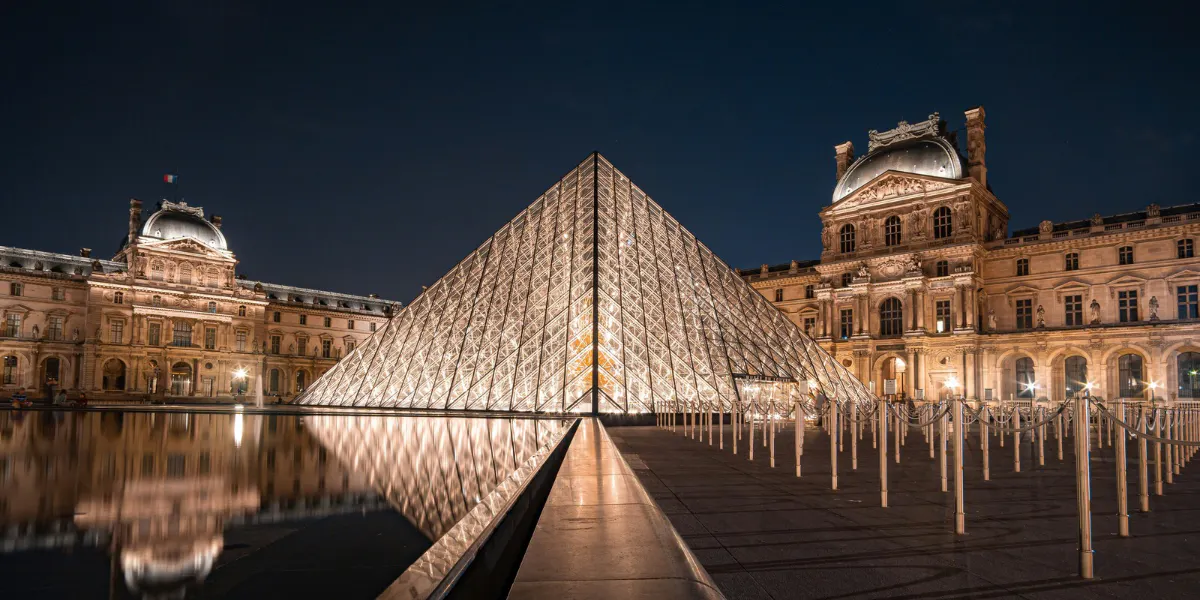
Anyone visiting a museum has one thing in mind: to view and reflect on the artworks on display. This is perfectly legitimate, of course, and indeed the very purpose of the place. But what about the buildings themselves, whose roofs and walls protect these artworks from the elements and—ideally—from thieves? Some of them have intriguing names and exploring their origins is equally interesting. Here we delve into the history behind the names of four of the world's most famous museums.
Uffizi Galleries, Florence
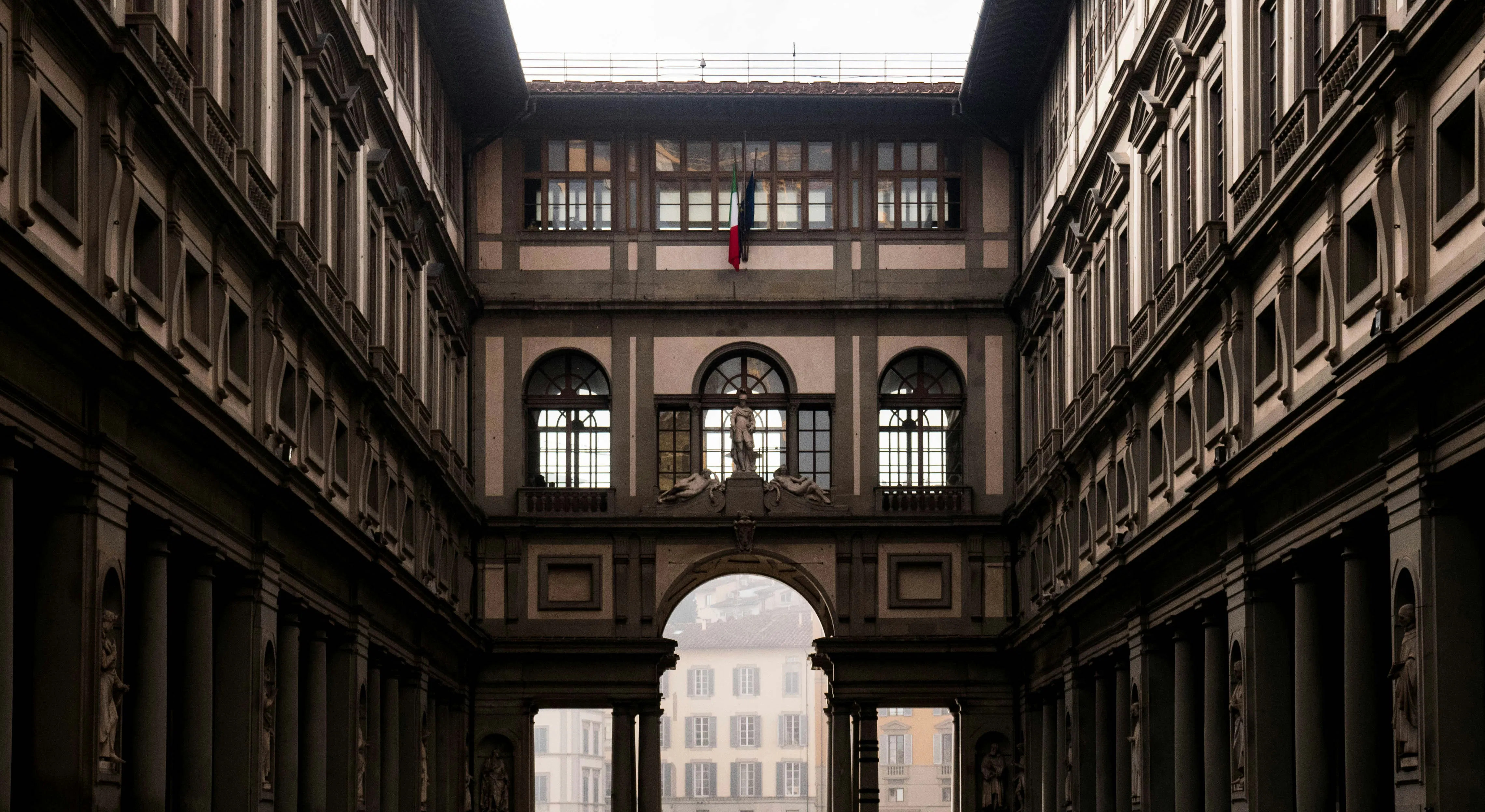
Anyone visiting the Uffizi Galleries in Florence is clearly after the Renaissance treasures that form the core of the museum's collection: from Botticelli's The Birth of Venus (c. 1485/86) and Leonardo da Vinci's The Annunciation (1472-75) to Titian's Venus of Urbino (1538). And there is no more fitting place to display them than Florence, the most important center of early Renaissance art. Despite all the splendor exhibited within its walls, the actual reason for the Uffizi's creation was quite unglamorous. Cosimo I de' Medici, the first Grand Duke of Tuscany, wanted to house the ministries of his realm in a single building. This is reflected in the planned structure's name, as "uffizi" simply means "offices" in Italian. Construction of the complex, consisting of two opposing buildings, began in 1560 on the site between the Arno River and the Palazzo Vecchio, the duke's official residence. Soon, in addition to the officials, the art from the Medici collection moved into the Uffizi. The collection was originally moved into the upper floor to a room with a distinctive octagonal floor plan, called the Tribuna, as well as to the galleria, a covered corridor connected to the Palazzo Vecchio. In fact, the term "gallery" for an art collection developed from this very galleria. However, the museum did not open to the public until 1769, after the last Medici, Anna Maria Luisa de' Medici (1667-1743), bequeathed her family's collection to the city of Florence.
See also: How the Medici Family Influenced Renaissance Florence
State Hermitage Museum, Saint Petersburg
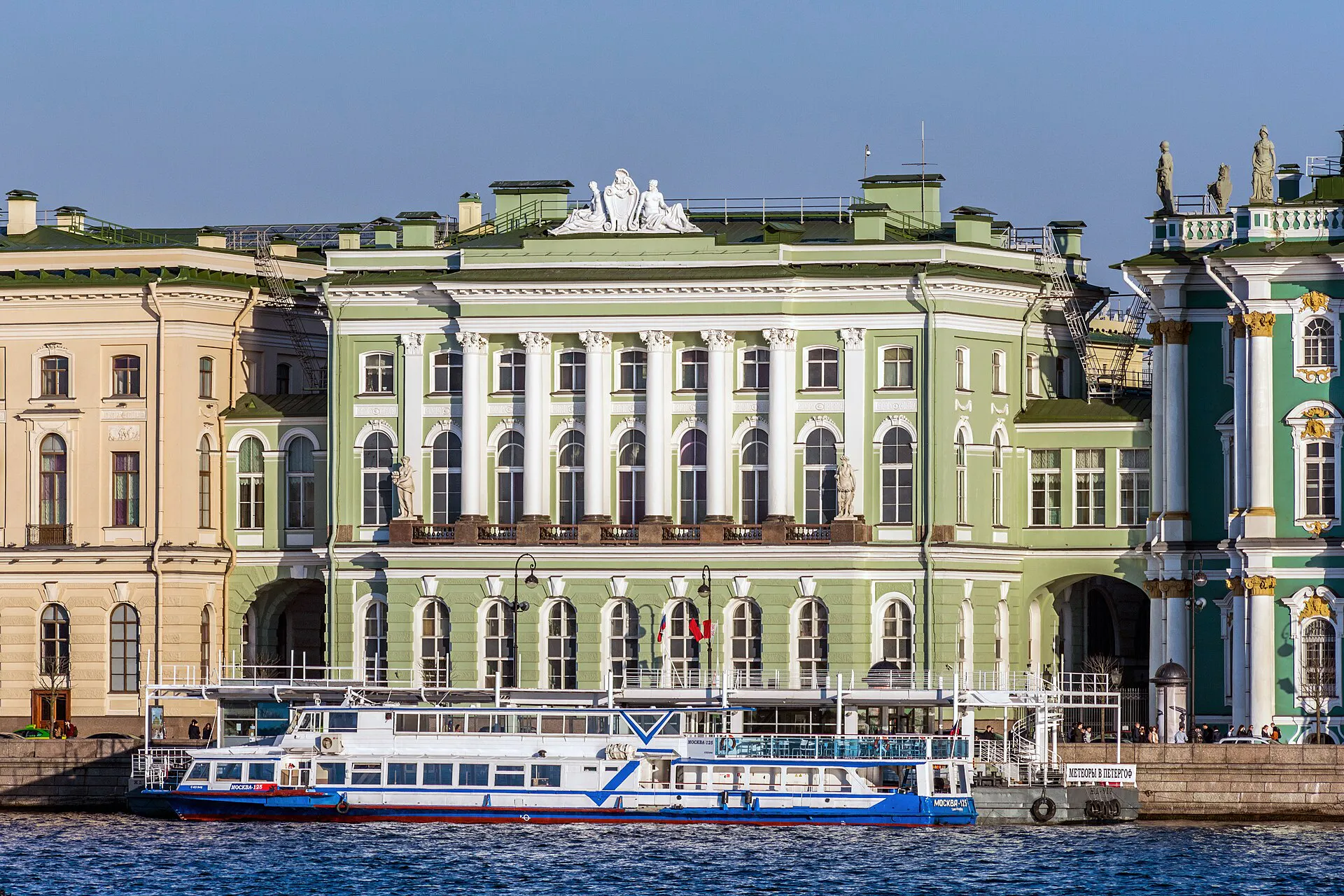
With over 3 million visitors annually, the State Hermitage Museum in Saint Petersburg is certainly no longer what it was originally intended to be: a place of retreat and solitude, derived from the Old French word "hermitage." But who exactly wanted to retreat there? The answer is Catherine II. In 1762, she deposed her husband, Peter III, and had the Russian imperial crown placed upon her head. To recover from the affairs of state and also to provide a suitable setting for her growing art collection, Catherine had a modest building constructed between 1764 and 1775 next to the Winter Palace, the imperial residence in Saint Petersburg during the colder months. This building is known today as the Small Hermitage. Since the art collection of the avid empress soon grew enormously, the Great (now Old) Hermitage was built in 1787. Under Catherine's grandson Nicholas I, the New Hermitage was built between 1839 and 1852. After the October Revolution of 1917, the Winter Palace was also incorporated into the museum. The Hermitage's collection now comprises more than 3 million objects, including highlights such as the Gold of the Scythians (8th-4th centuries BC), Leonardo da Vinci's Benois Madonna (c. 1475-78), and Henri Matisse's The Dance (1909-10).
See also: A Brief History of the Hermitage Museum
Louvre Museum, Paris
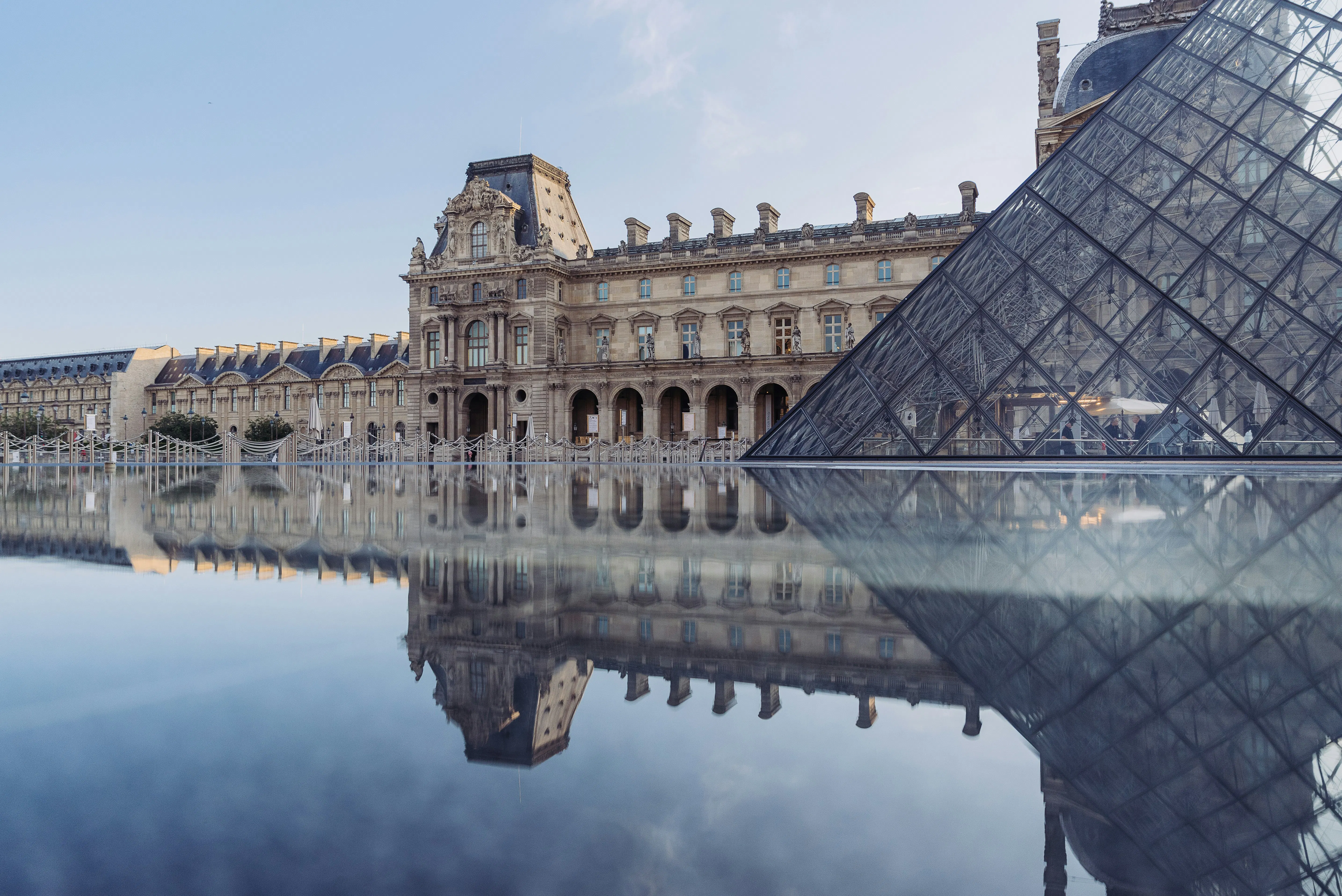
The Louvre in Paris is undoubtedly the most famous museum in the world, housing not only masterpieces like the ancient Venus de Milo (c. 100 BC) and Théodore Géricault's The Raft of the Medusa (1819), but also the world's most famous painting: Leonardo da Vinci's Mona Lisa (1503-06). Surely everything is known about such a renowned museum, from its beginnings as a medieval royal residence and its use by the French Academy to its opening as a museum in 1793 – or is it? In fact, the name of museum is shrouded in a mystery even more enigmatic than the Mona Lisa's smile. Several theories exist. One suggests that "Louvre" derives from the Latin word "lupara," which can be roughly translated as "place where wolves live." Another theory posits a Germanic-Frankish origin, suggesting that the word leouar or loëvar, meaning "castle" or "fortification," which eventually became "Louvre." Several other theories exist, but none have progressed beyond the realm of theory. Unless irrefutable evidence suddenly emerges to shed light on the matter, we will likely have to accept that "Louvre" is one of those ancient words whose meaning has been lost over the centuries.
See also: A Brief History of the Louvre: The World's Largest Museum
Prado Museum, Madrid
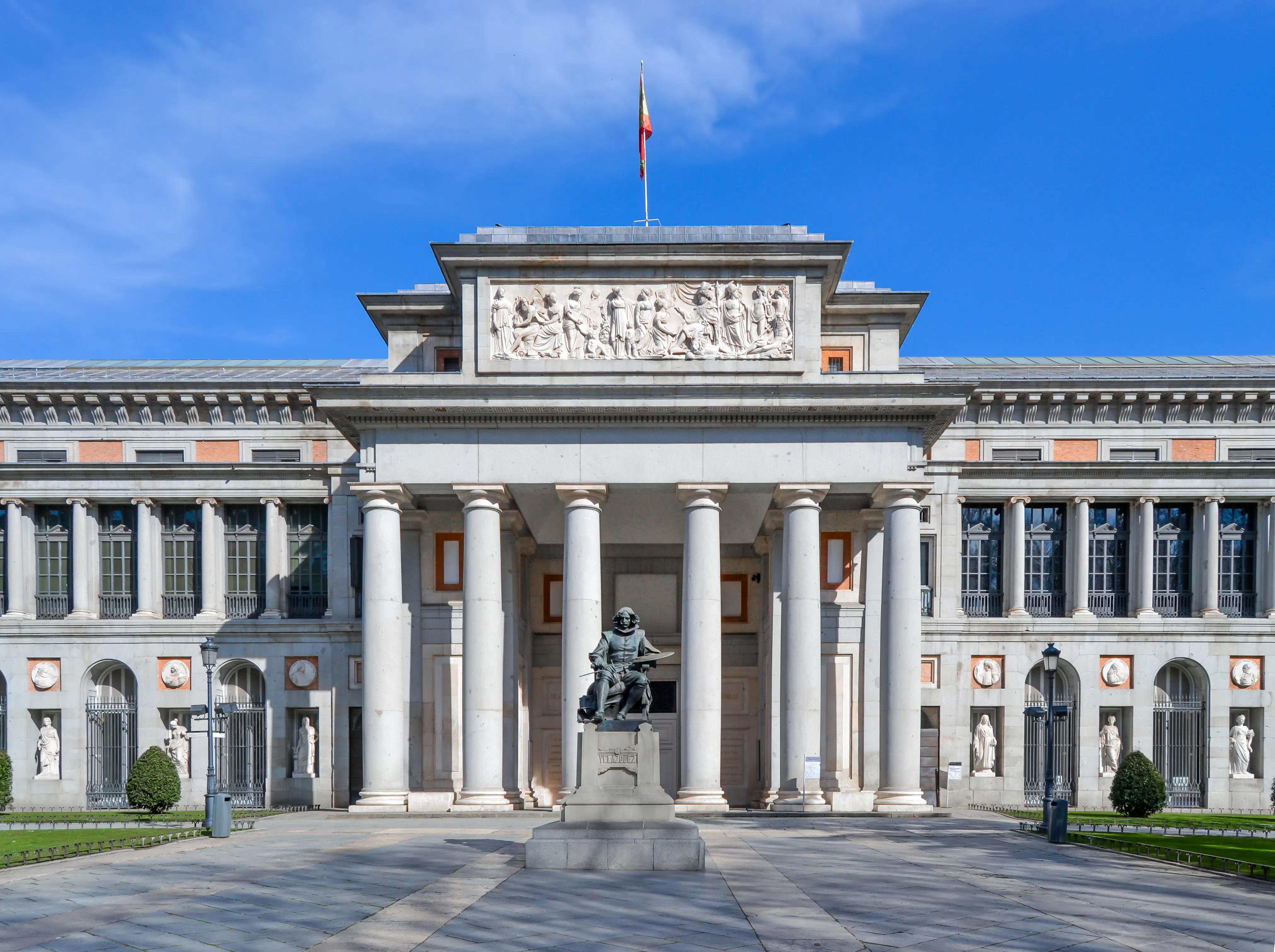
The Museo del Prado in Madrid houses some of the world's greatest paintings, from Hieronymus Bosch's Garden of Earthly Delights (c. 1505) and Diego Velázquez's Las Meninas (1656-57) to Francisco de Goya's The Nude Maja (1795-1800). And yet the museum's name is quite unassuming. In Spanish, "prado " simply means "meadow" or "green land." From the 16th century onward, Madrid was gradually developed as the site of a royal residence. The Buen Retiro summer palace was built on the meadows east of the city, and its gardens evolved into the present-day Buen Retiro Park. Between the city and Buen Retiro, King Charles III commissioned the grand Paseo del Prado promenade in the 18th century, which still exists today and evokes the former meadows. Construction began in 1785 on a building intended to house the royal natural history collection. However, the next Spanish king, Ferdinand VII, changed this plan and transformed the building into a museum for the royal painting collection, which opened in 1819. At that time, it was called the Real Museo de Pinturas (Royal Museum of Paintings). It wasn't until 1920 that it was officially renamed the Museo Nacional del Prado (National Museum of the Prado). Incidentally, the Spanish word "prado" derives from the Latin word "pratum" (meaning meadow or grassland) and is related to both the American word "prairie" and the Prater amusement park in Vienna.