In the spring of 1763, a diplomatic disaster threatened to destroy the alliance that had just been reached between Russia and Prussia. While the two countries had faced each other as enemies at the beginning of the Seven Years' War, which had recently ended, they had become allies with the death of Tsarina Elisabeth Petrovna (1709-1761), because Elisabeth's nephew and heir to the throne Peter (1728-1762) was a great admirer of the Prussian King Frederick II (1712-1786). But Peter III's time on the Russian throne did not last long: after just a few months he was deposed in a coup by his own wife, who would go down in history as Catherine the Great, Peter was murdered in prison under circumstances that are never fully understood. What role Catherine, née Princess Sophie Auguste Friederike von Anhalt-Zerbst of Prussia (1729-1796), played in this remains unclear.
See also: Catherine the Great's 75-Carat Emerald Sells for Over $4 Million

The impending end of the young alliance was triggered during the war by a failed speculation of Russian grain by the Prussian entrepreneur Johann Ernst Gotzkowsky (1710-1775). Frederick II saw only one way to smooth things over: Gotzkowsky, who was also the owner of the Royal Porcelain Manufactory in Berlin, had to sell paintings from his art collection to the newly crowned Empress at a reasonable price. Gotzkowsky had put together this collection on behalf of Frederick II, who, due to the austerity measures necessitated by the Seven Years' War, never purchased it. However, Catherine did not miss the opportunity and acquired works by masters such as Rembrandt, Rubens, Titian and Raphael.
See also: KPM Berlin: The Royal Porcelain Pioneer

In order to provide an appropriate setting for her new acquisitions, Catherine had a smaller building added to the Winter Palace, the tsar's residence in St. Petersburg. She retreated to this building, now called the Small Hermitage, when she wanted to relax from state affairs.
See also: Rococo: The Art of Shells and Idylls

Catherine desired to expand her art collection in order to underline Russia's connection to cultivated Europe, which had already been aspired to by Peter the Great. She hired art agents, the most important among them was the diplomat Dmitri Alexeyevich Golitsyn (1734-1803), who had been Russian ambassador to France for a time. There, in 1772, Golitsyn was able to acquire the extensive art collection of the financier Louis-Antoine Crozat (1700-1770) for his client, although Madame du Barry, the French king's mistress, is said to have outbid him for some pieces. Further coups by Golitsyn were the acquisition of the collection of the Geneva writer and patron François Tronchin (1704-1798) and, as early as 1768, the purchase of the collection of the Saxon statesman Heinrich von Brühl (1700-1763). The Brühl collection was one of the most important in Europe. Around 1,000 paintings were added to Catherine's collection, which mainly includes works by Italian and Central European artists. In 1779, Catherine's ambassador in London acquired the collection of the former English Prime Minister Robert Walpole (1676-1745).
See also: Malachite: The Green Gold of the Tsars

There was no longer enough space in the Small Hermitage for the enormous collection. Catherine had an extension built, which created the Hermitage Theater and the Great Hermitage (today the Old Hermitage) in the 1780s. During this time, the foundation for the collection of antiquities was laid with the acquisition of the collection from John Lyde-Browne (b. 1787), the director of the Bank of England.
See also: A Brief History of the Louvre: The World's Largest Museum
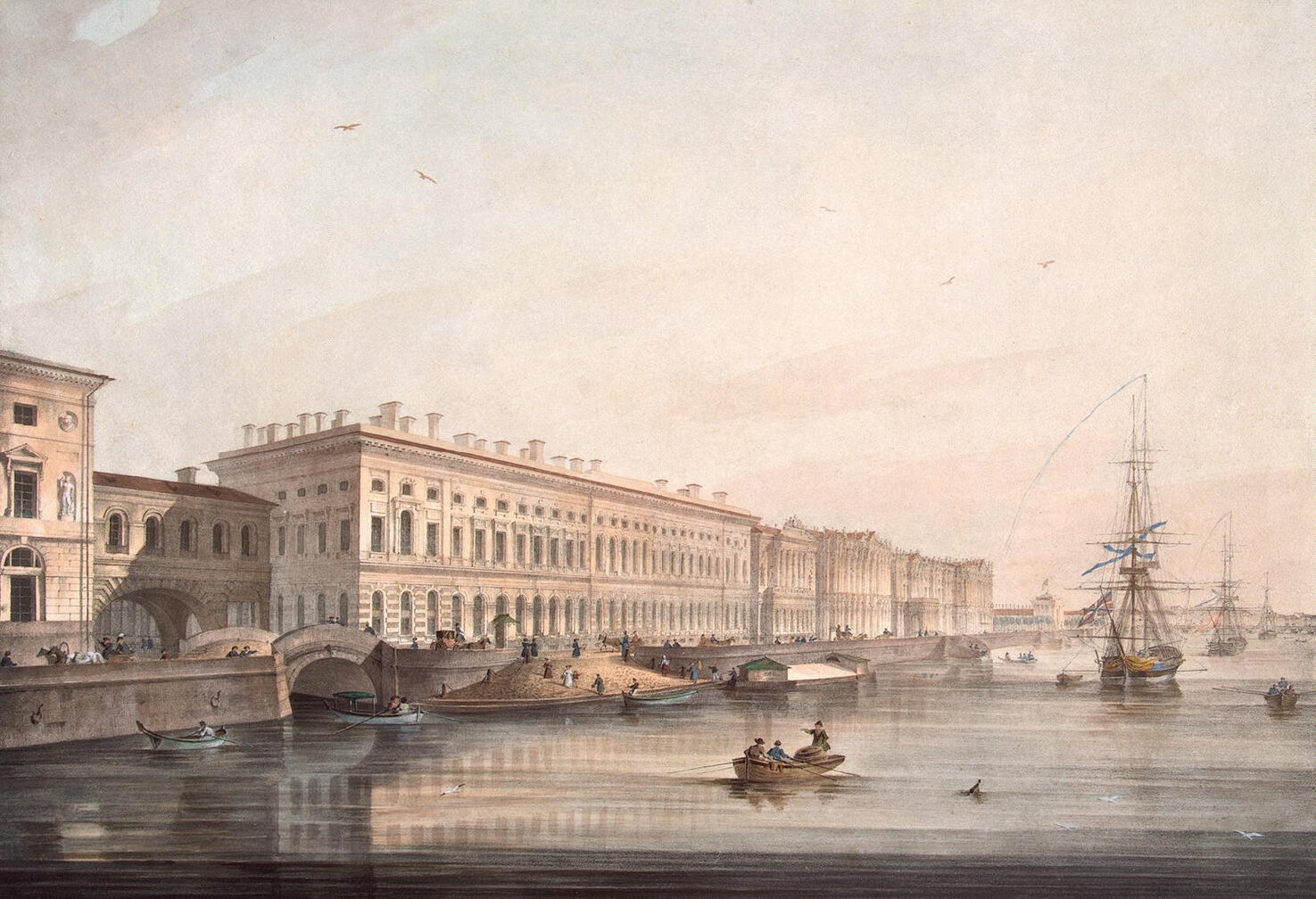
Even after Catherine's death in 1796, when the collection comprised around 4,000 paintings, her son Tsar Paul I of Russia's passion for collecting continued. However, he no longer only looked abroad, but also began to acquire Russian art. The collection of Joséphine de Beauharnais (1763-1814), Napoleon's first wife, was also added. Another extension was necessary: the New Hermitage, for which Tsar Nicholas I (1796-1855) brought the Bavarian court architect Leo von Klenze (1784-1864), whose classicist buildings still characterise the cityscape of Munich, to St. Petersburg. This building, completed in 1852, was the first of the Hermitage complex to be opened to the public as a museum.

In 1917, the October Revolution turned the Hermitage into a state museum. Expropriated works of art from the noble families who had fled also found their way into the magnificent rooms on the Neva and the Hermitage developed into a public center for art and culture. But times did not remain so rosy: in 1927, the Hermitage had to hand over hundreds of paintings to the Pushkin Museum in Moscow, and shortly afterward, 250 of the museum's most valuable paintings were sold abroad to restructure the state's finances and fund Russia's rapid industrialization in the late 1920s and 30s. The National Gallery of Art in Washington, DC was founded in 1937 with its collection composed of 21 of the Hermitage's most important paintings, purchased by American banker Andrew Mellon.
See also: Where Do Fabergé Eggs Come From?
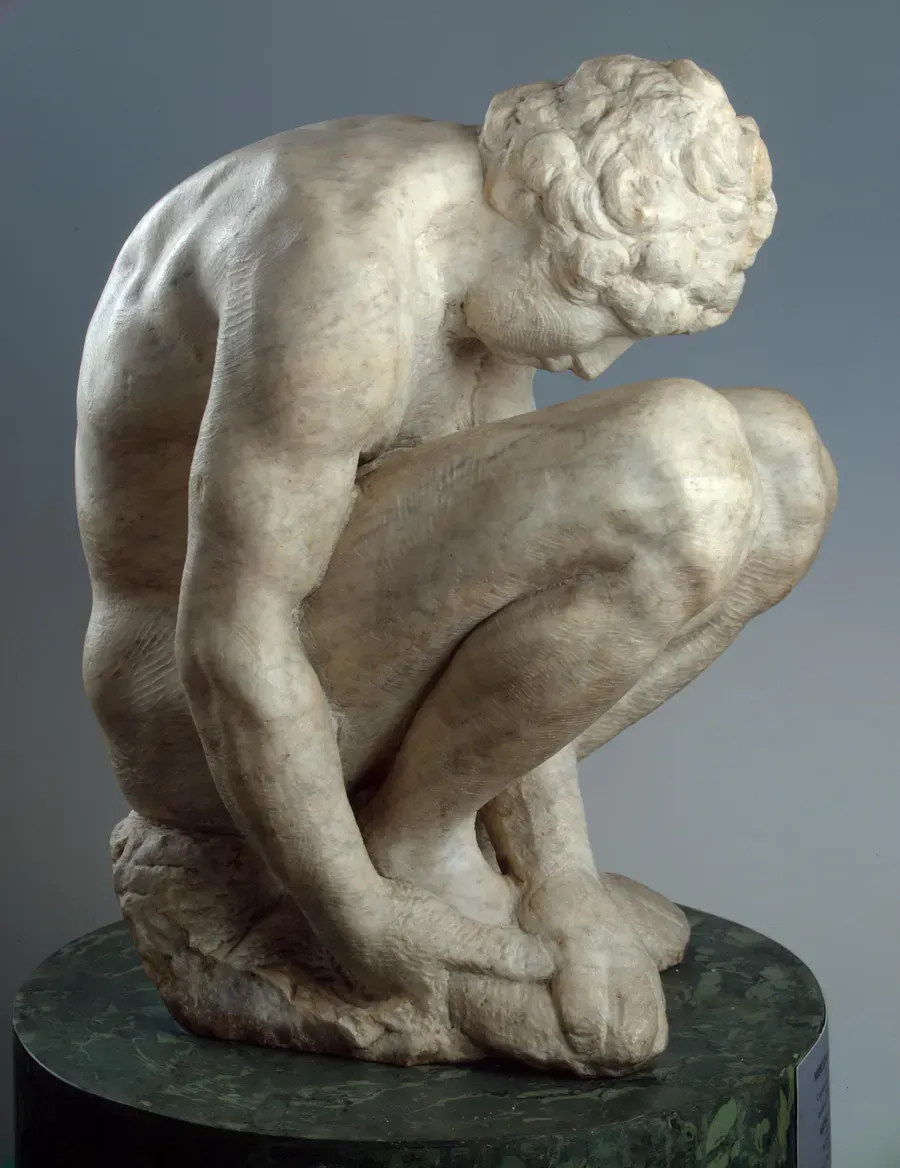
The exhibitions were interrupted during the Second World War, when St. Petersburg (or rather Leningrad, as it was called at the time) was attacked and occupied by the Wehrmacht. The Hermitage's works of art were stored in the vaulted cellars of the building complex or taken away from the city. But immediately after the end of the occupation, the museum showed its first exhibition in November 1944. A year later, the entire museum was reopened.
See also: A Brief History of Sweden's Nationalmuseum
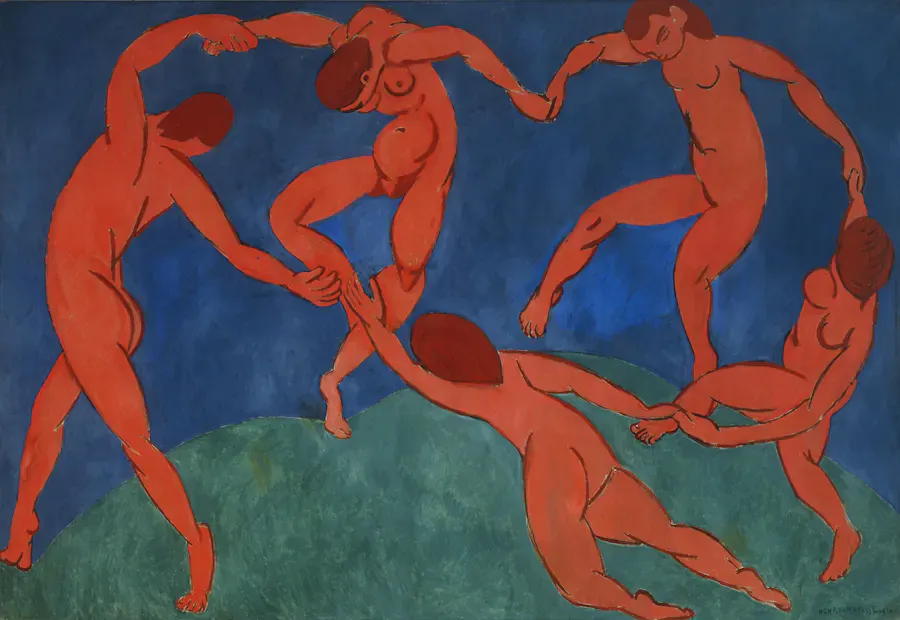
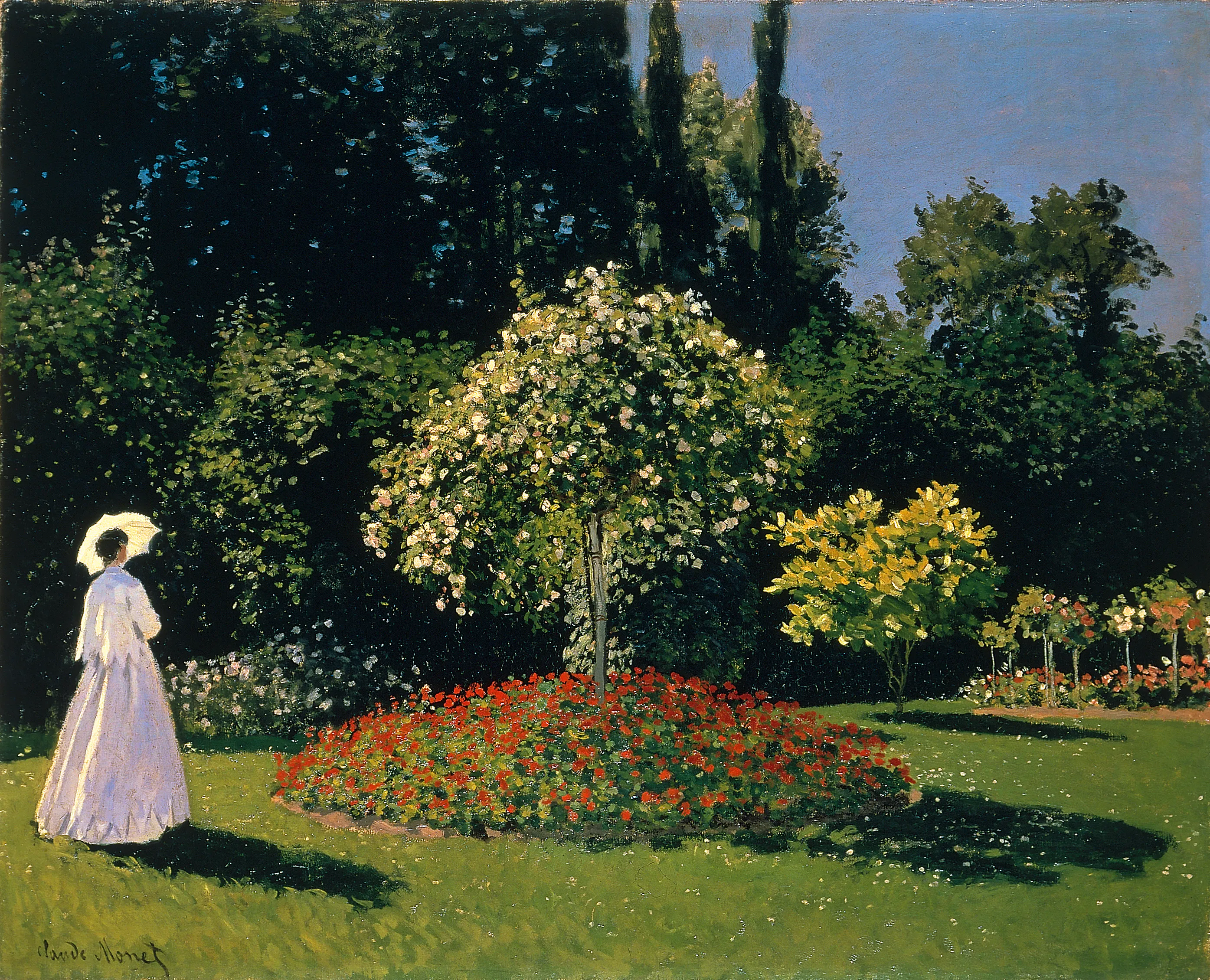
In 1948 there were further significant additions to the collection: 316 works from the Museum of New Western Art in Moscow. Its collection in turn consisted of the collections of the textile manufacturers Sergei Ivanovich Shchukin (1854-1936) and Ivan Abramowitsch Morozov (1871-1921), which included the masters of the French avant-garde of the late 19th and early 20th centuries: Cézanne, Picasso, Matisse, Monet, Bonnard – to name just a few.
In 1981, the Hermitage's exhibition space was expanded again with the Menshikov Palace, which was built by the first Governor General of St. Petersburg, Alexander Danilovich Menshikov (1673-1729), in the still young city of St. Petersburg of the 1710s.
Want more articles like this straight to your inbox? Subscribe to our newsletter!
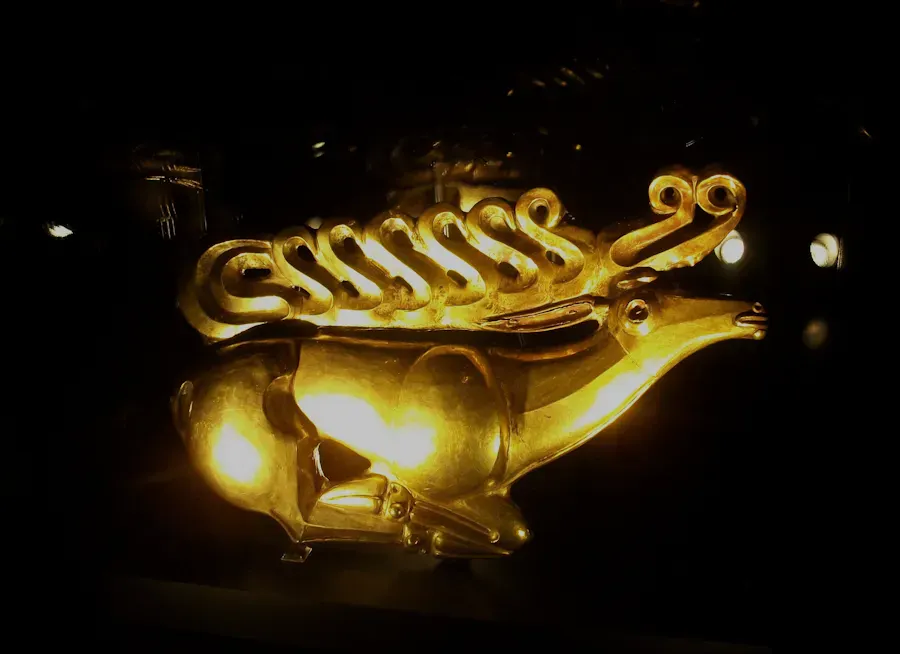
Although the Hermitage has been a world-class museum for almost 150 years, it was not until 1990, after the end of the Soviet Union, that it received the attention it deserved from the West and is now one of the most important tourist destinations in St. Petersburg. The museum now spans 3 million works of art and is 15 miles in length. It includes highlights such as archaeological treasures, Russian art, paintings by old masters and the modern avant-garde, as well as an extensive graphic collection and a wide variety of handicrafts and sculptures.