Her best friend was her sister Cassandra
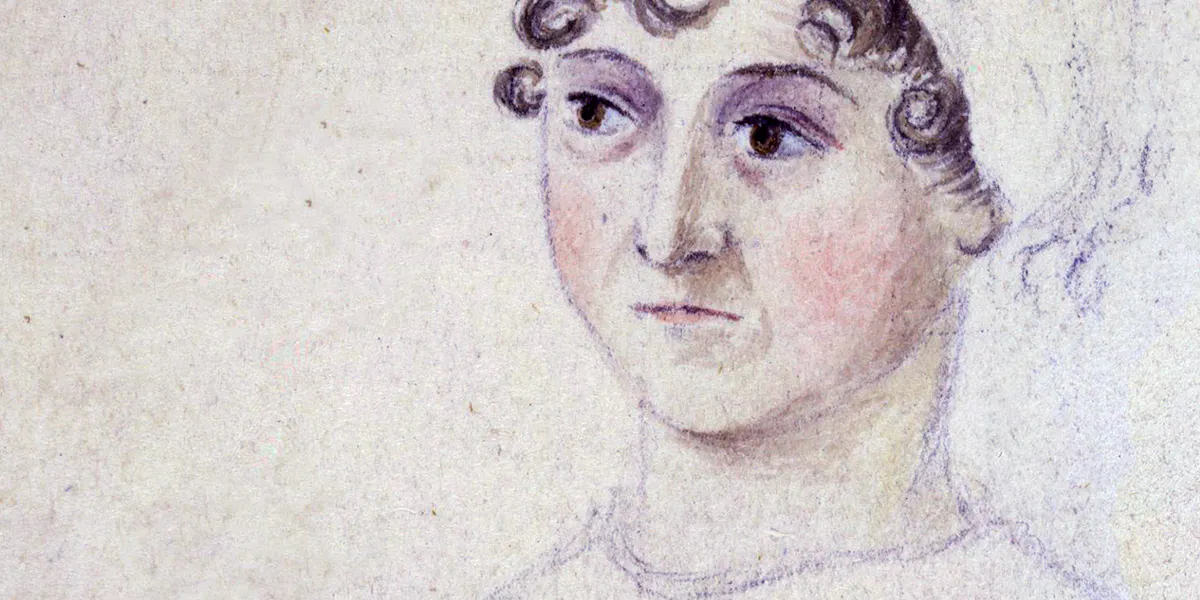
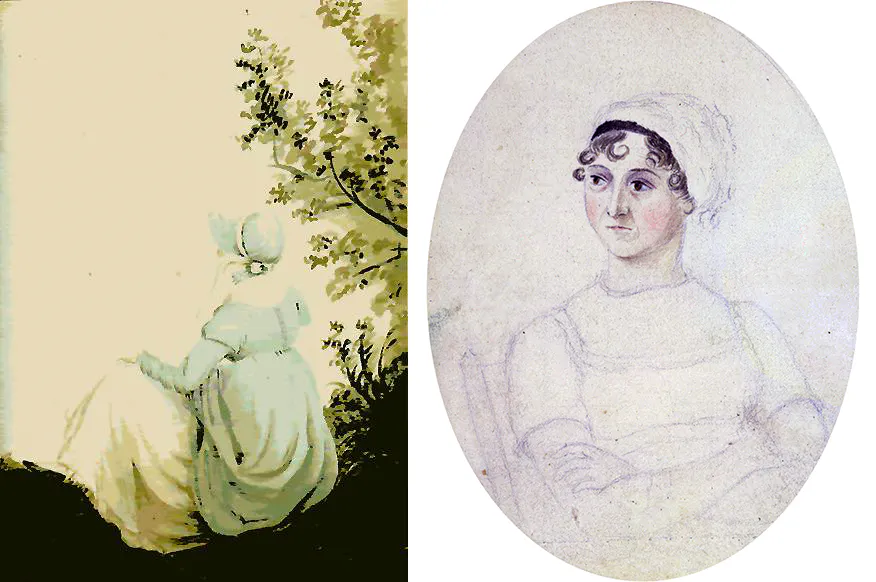
Jane Austen was born on December 16, 1775, the second youngest child of the clergyman George Austen and his wife Cassandra Leigh. She had seven siblings: six brothers and one sister, Cassandra, who was two years older. Cassy and Jane developed a close bond early on, which would last their entire lives. Both remained unmarried and never parted. Like Jane, Cassandra was also creatively active, though her passion lay in drawing and watercolor painting. In 1791, she illustrated Jane's manuscript, The History of England, with portraits of England's queens and kings. After Jane's death in 1817, Cassandra made it her mission to track down and destroy her letters. The reasons for this are still debated today. It is possible that it was to protect Jane's reputation since the letters contained ill-advised remarks written in Jane's often ironic tone. Around 160 of the letters Jane wrote to her sister have survived, providing interesting insights into the life of the famous author.
See also: Jane Austen's Childhood Estate Is For Sale
One of her relatives escaped the guillotine
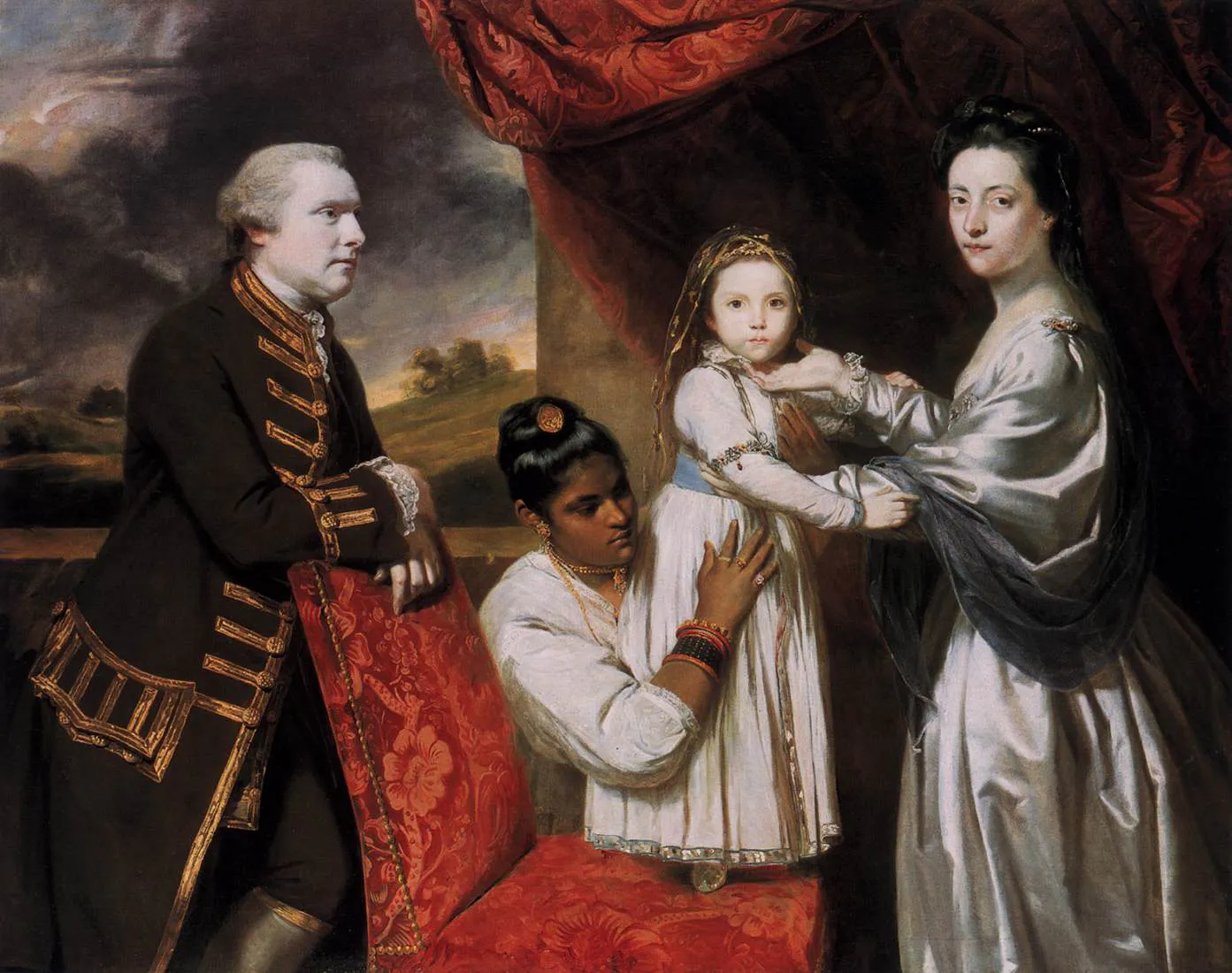
Jane Austen also had a close relationship with her cousin Elizabeth, who was known as Eliza. Eliza was born in India, where Philadelphia Austen, Jane's father's sister, had married Tysoe Hancock, a surgeon employed by the East India Company. Eliza Hancock later went to France, where in 1779 she married the self-proclaimed Count Jean-François Capot de Feuillide, an army captain and staunch monarchist. This loyalty cost him his life during the French Revolution. Eliza, however, had already returned to England by 1790. The widowed Eliza and her cousin Jane became close friends and, in 1797, became sisters-in-law when Eliza married Jane's brother, Henry Thomas Austen, who served in the army but soon after entered banking. He later followed in his father's footsteps and became a clergyman. Eliza did not live to see this, however. She died in 1813, with Jane Austen at her side.
See also: The Best Selling Novel of All Time
Six novels constitute her main work
Six novels, published between 1811 and 1818, constitute Jane Austen's major body of work. The first publication was Sense and Sensibility, a story she had already drafted in the mid-1790s, followed by Pride and Prejudice in 1796, which was published in 1813. In 1798, Jane wrote her satire on the then-popular Gothic novel, Northanger Abbey, which was not published until 1817. Mansfield Park (1814) and Emma (1815) were published shortly after she wrote them, as was Persuasion (also known as Anne Elliot), although it was published posthumously. In addition, there is the epistolary novel Lady Susan, written in 1794, which was not published until 1871.
See also: Werther Fever: How Goethe Influenced his Contemporaries
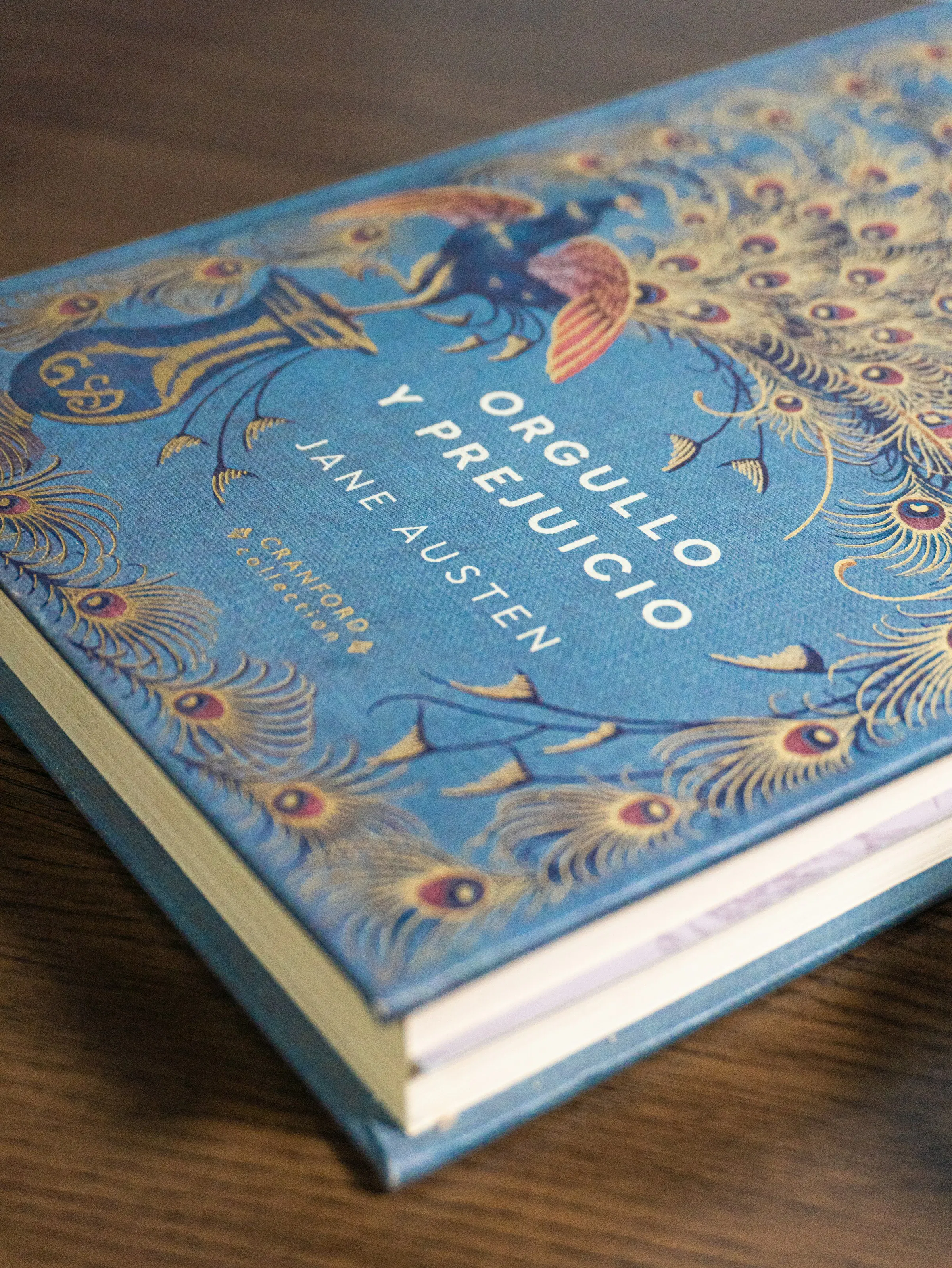
She wrote what she saw and experienced herself
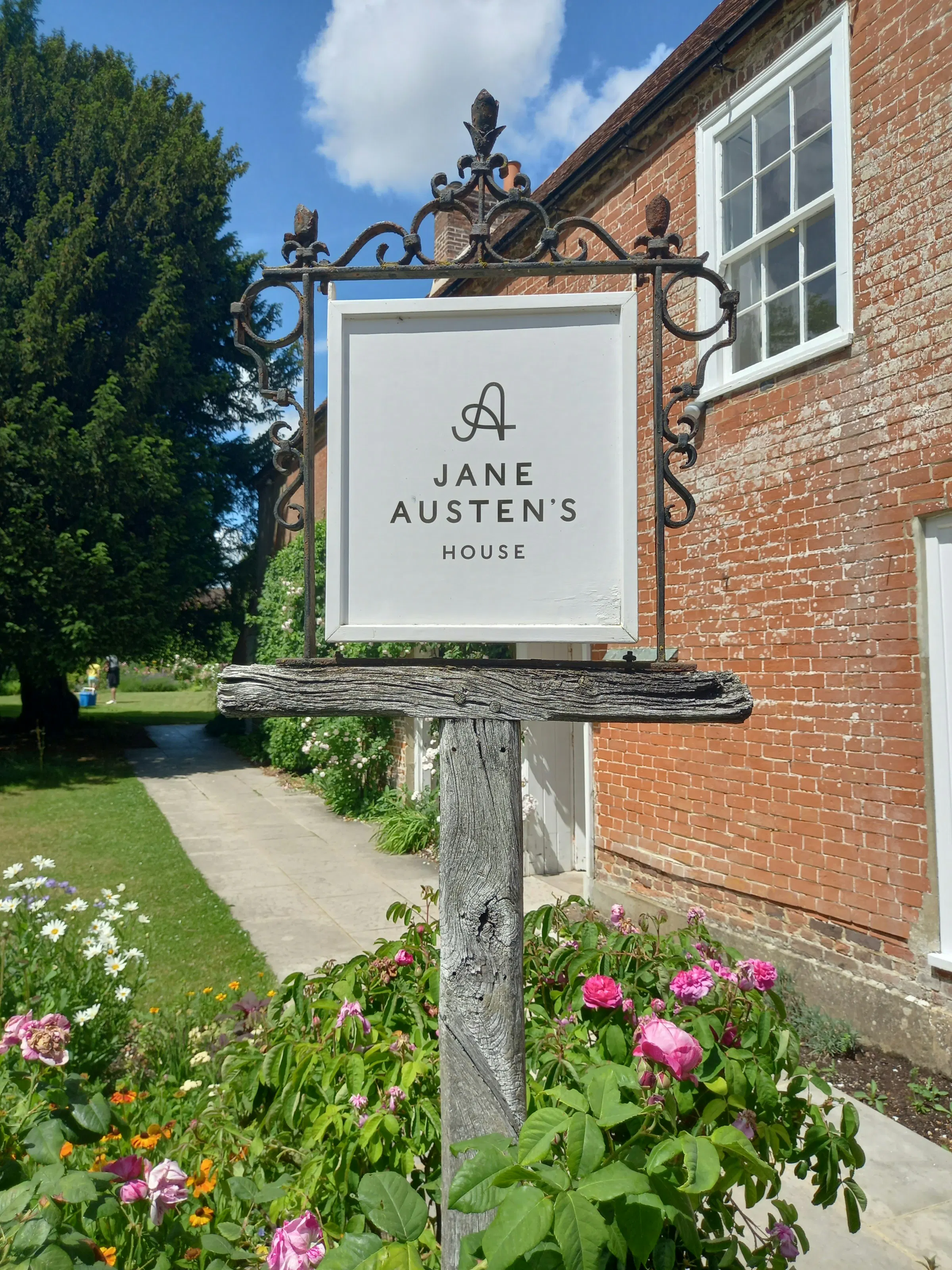
Jane Austen's novels are inspired by the world and social class in which she herself lived: the gentry, the lower nobility, and their circles. With a sharp mind and exceptional powers of observation, Austen knew how to explore the strengths and the weaknesses of those around her and transform them into humorous novels that illuminated the social customs of the time and sometimes subtly exposed them. Jane came from a respectable, but by no means wealthy, family. Making a good match was enormously important for young women in this situation, but also difficult to achieve without a large dowry. This is a central plot point in her novels, particularly in Pride and Prejudice, but also in Northanger Abbey and Sense and Sensibility. She wrote the latter novel in the mid-1790s and revised it some 20 years later before its publication. At this time, Jane, her sister, and their mother shared the fate of the novel's Dashwood sisters and their mother. After George Austen's death, the Austen women were dependent on the goodwill of relatives to find shelter, namely Jane's brothers, Francis and Edward. The latter had been adopted by a wealthy uncle and was able to accommodate his mother and sisters in a country house on his estate in Chawton, Hampshire. Today, the Jane Austen's House museum is located there.
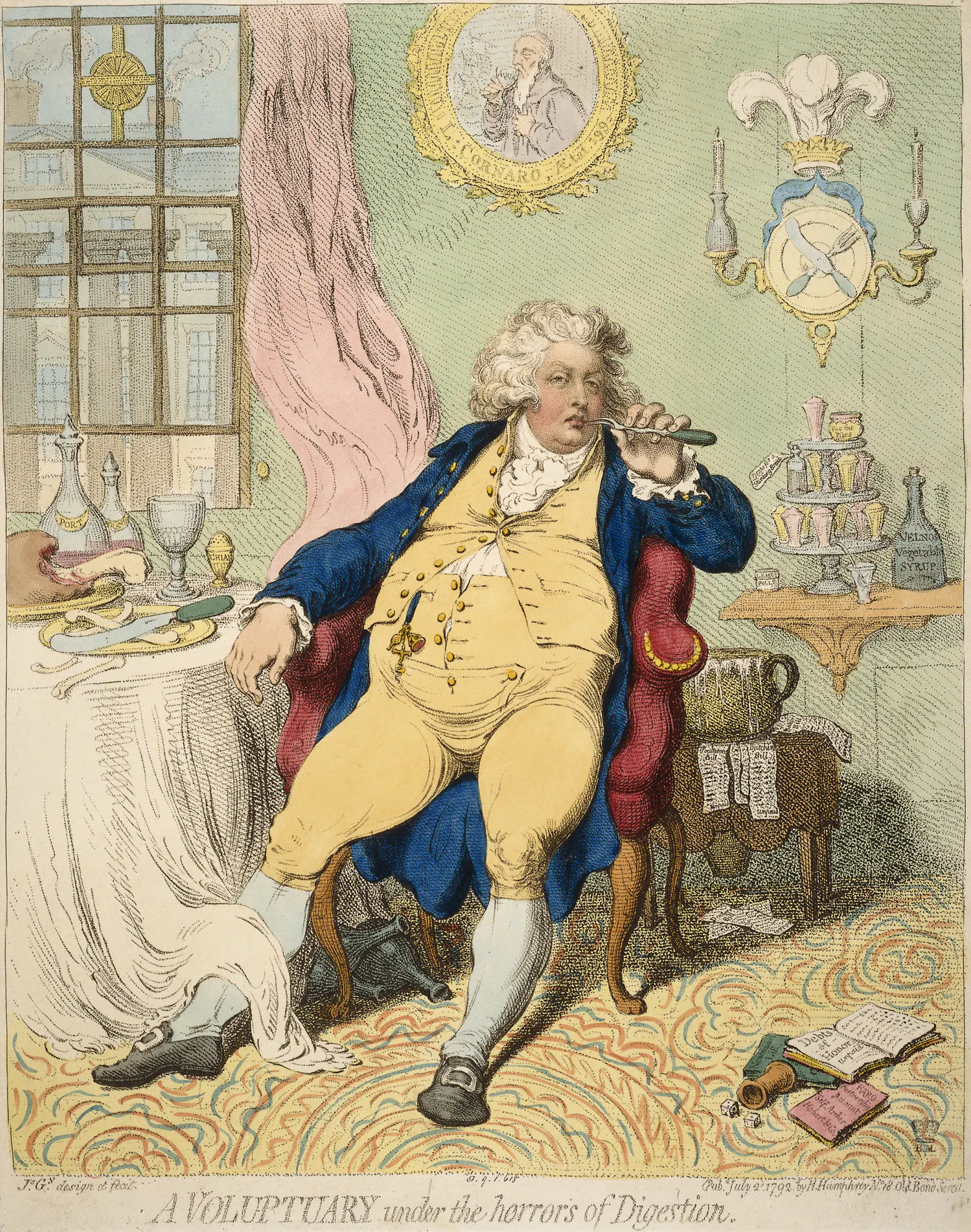
She couldn't stand her biggest fan
As was common for most women at the time, Jane Austen was forced to publish her works anonymously. Those in the know were primarily family members and close friends, but the truth was also known in literary circles. It was through this channel that the Prince Regent, the future King George IV, learned that Jane was the author of the works he admired: Sense and Sensibility and Pride and Prejudice. In 1815 he graciously allowed her to dedicate her next novel, Emma, to him. Jane felt compelled to obey the royal order, but the exceedingly deferential and formal tone of her dedication is interpreted as a sign of her true feelings: "To His Royal Highness, The Prince Regent. This work is, by his Royal Highness’s permission, most respectfully dedicated by His Royal Highness’s dutiful and obedient humble servant, The Author." But why did Jane Austen dislike the Regent so much? First and foremost, George was known for his extremely extravagant and dissolute lifestyle. What Jane particularly resented, however, was George's constant public humiliation of his wife, Princess Caroline of Brunswick, and his choice to live with his mistress.
Also listen to: Podcast Ep #35 Antique Books: Between the Lines
She is one of the most expensive authors on the auction market
Jane Austen's novels continue to enjoy a large following and are still read, loved, and bought today. Pride and Prejudice has been the best-selling novel to date, with around 20 million copies sold. This is undoubtedly aided by various film adaptations, most notably the 1995 BBC miniseries starring Colin Firth as Mr. Darcy. The Bridget Jones stories are also based on this timeless novel, and the teen film Clueless (also 1995) can be considered a successful adaptation of Emma. A first edition of Emma is, incidentally, the most expensive printed Jane Austen book ever sold, fetching £375,000 in 2022 by private sale. Emma also holds the top spot at auction houses after a rare first edition was sold at Sotheby's in October 2025 for $279,400 – and that edition was missing one of the three volumes. However, this was the only known copy of a Jane Austen book that the author had given to a colleague, Maria Edgeworth. Even more expensive than the printed works was the manuscript of the unfinished novel The Watsons (circa 1804), which sold for £993,250 in 2011.
See also: How a Dark Summer Gave Birth to Frankenstein and the Vampire
The cause of her death is unclear.
Jane Austen died on July 18, 1817 at the age of 41 during a period of unconsciousness brought on by a severe fever. Attacks like these plagued her from around her 40th birthday onward; their origin is the subject of intense speculation. In this final phase of her life, she suffered from fatigue, nausea and vomiting, which led to significant weight loss, as well as the aforementioned fever spikes, which lasted for several days. Also noticeable were skin discolorations, which she herself described in surviving letters. These skin spots, in particular, led to the assumption that she suffered from Addison's disease, a chronic adrenal insufficiency. Other theories suggest Hodgkin's lymphoma, typhus, and tuberculosis, which could have led to Addison's disease. Stomach cancer has also been considered to explain the rapid weight loss. The true cause of Jane Austen's death will likely never be known.