
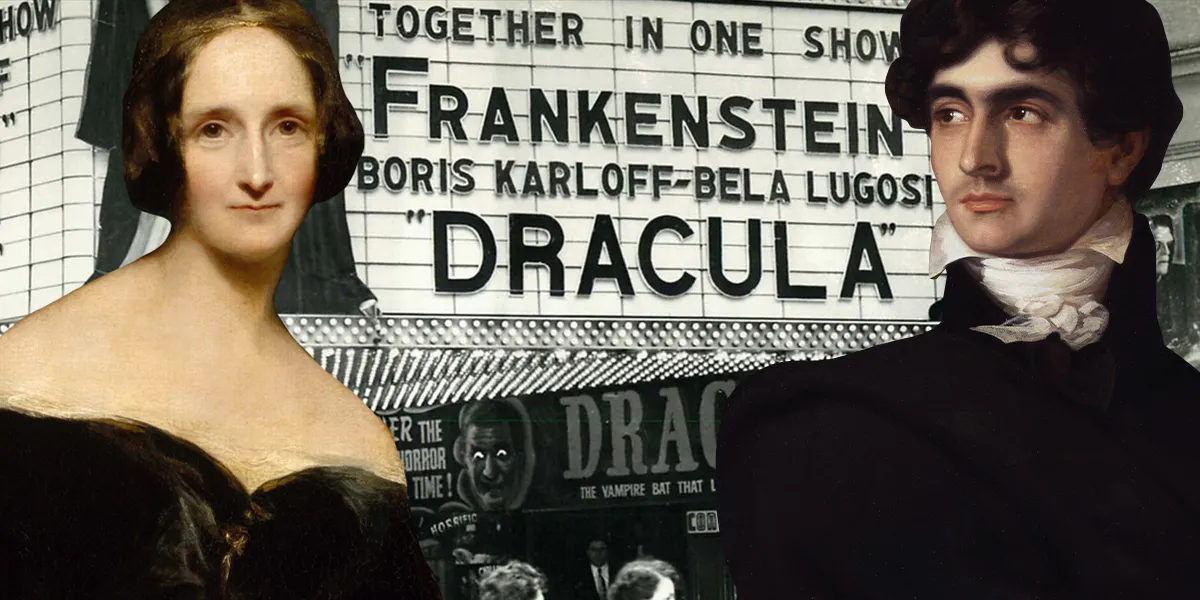
In the summer of 1816, the Villa Diodati on the shores of Lake Geneva was the talk of Cologny. The house was rented by a group of guests whose living arrangements were considered scandalous at the time, as none of them were married to one another.
The residents included the poet Lord Byron (28), his temporary lover Claire Clairmont (18), his doctor John Polidori (20), and Claire’s stepsister Mary Godwin (18) with her partner Percy Bysshe Shelley (23), a writer who, like Byron, had left his wife in England. Their backgrounds were notably unorthodox. Mary was the daughter of the philosopher William Godwin and the pioneering feminist Mary Wollstonecraft, author of A Vindication of the Rights of Woman (1792). Yet even her father was not liberal enough to approve of his teenage daughter’s relationship with Shelley. He only accepted the couple when they were finally able to marry in December 1816, after Shelley’s first wife had taken her own life.
See also: Werther Fever: How Goethe Influenced his Contemporaries
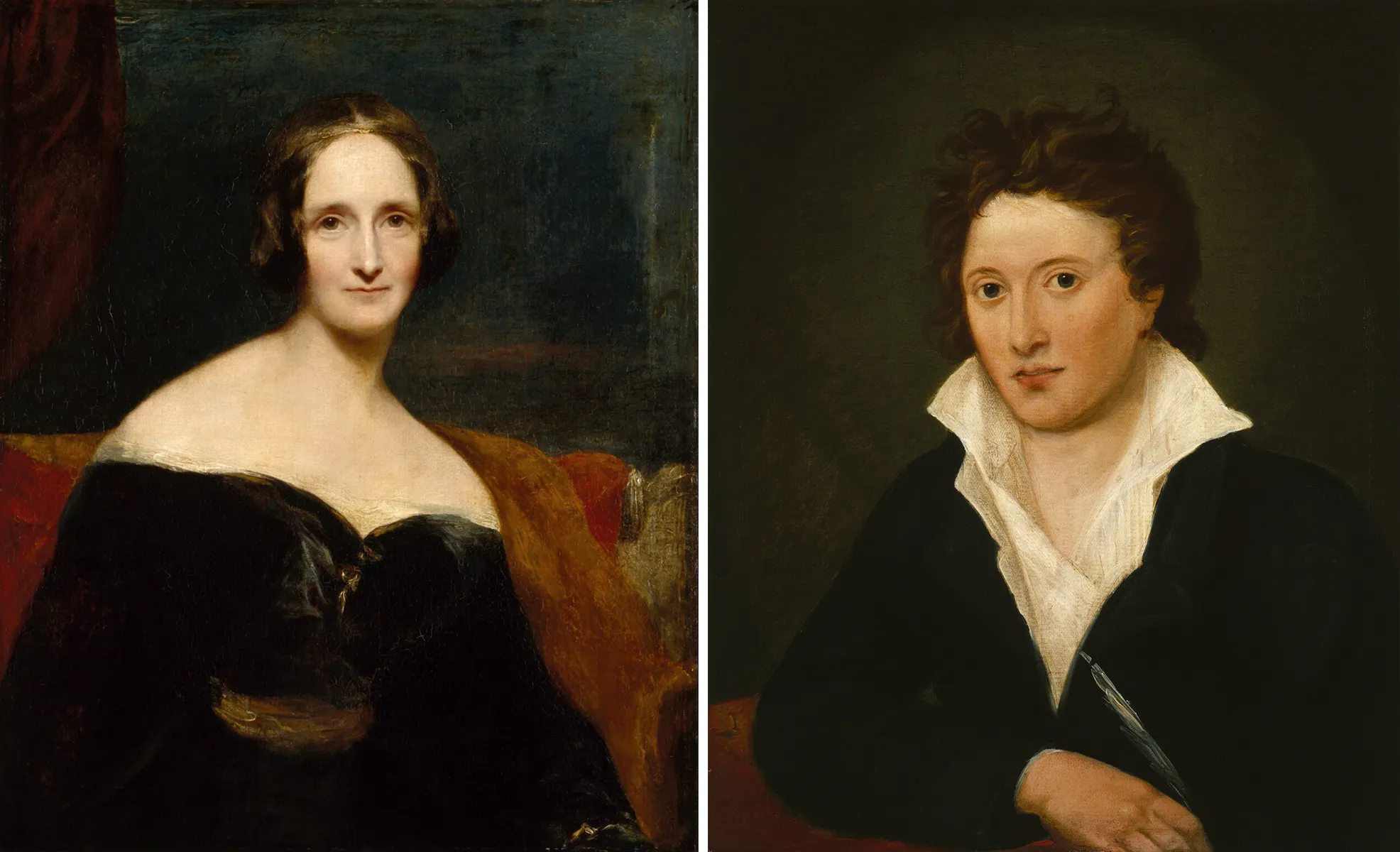
That was still in the future during that strange, rain-soaked summer. The other visitors to Cologny, who had hoped to catch sight of the notorious group, were disappointed to find them rarely outdoors. The weather was too dreadful to spend much time outside. 1816 became known as the “Year Without a Summer”, marked by low temperatures and relentless rain across Europe. The cause was the eruption of Mount Tambora on the Indonesian island of Sumbawa the previous year, which sent vast amounts of volcanic ash into the atmosphere. The resulting haze altered the light across Europe, producing the vivid sunsets later captured by J.M.W. Turner. For most people, still recovering from the Napoleonic Wars, the effect was less picturesque: cold, poor harvests, and hunger.
See also: William Turner: In the Heart of Light
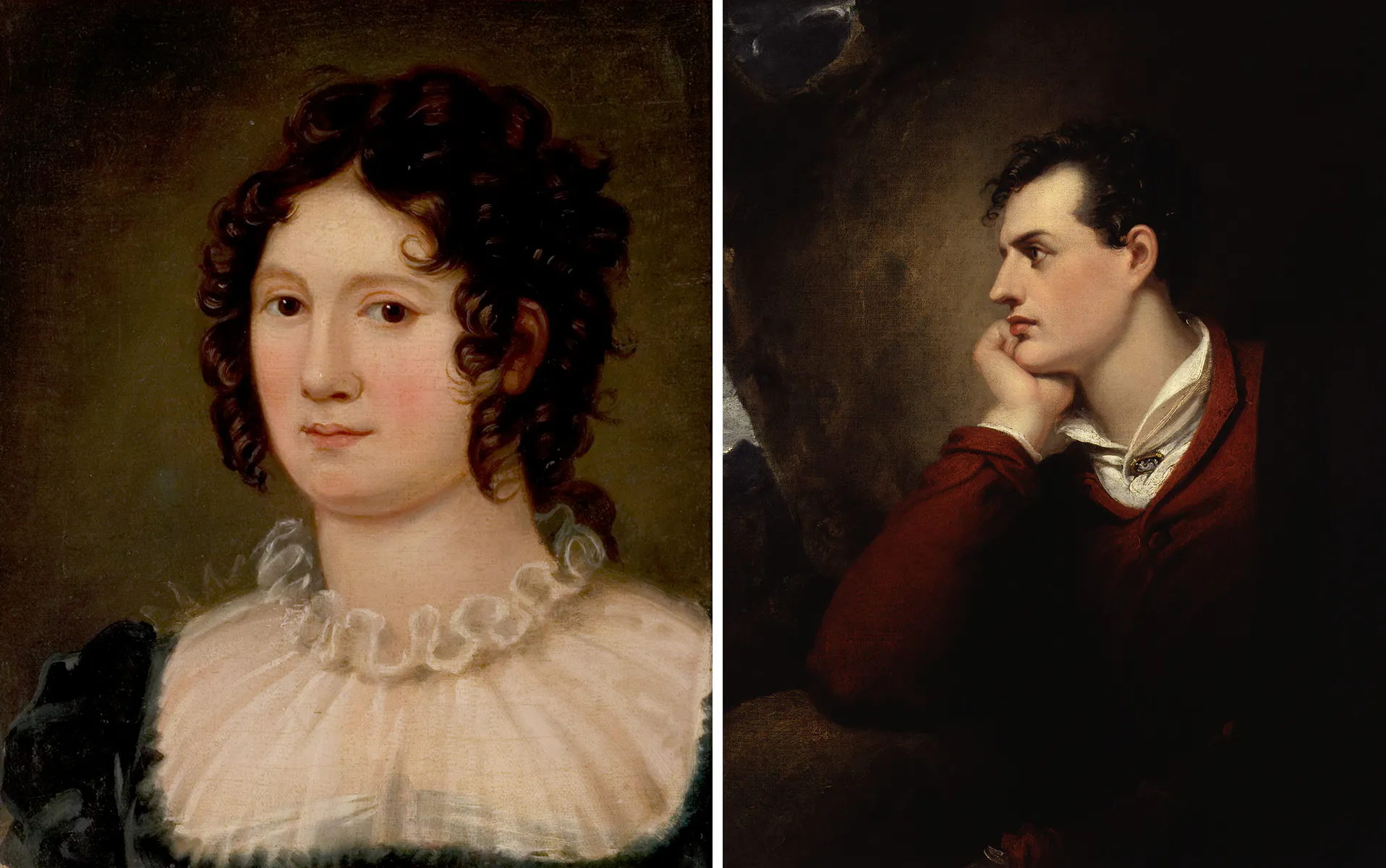
At the Villa Diodati, food shortages were not a pressing concern. The bad weather, however, drove the guests indoors. They read aloud from Fantasmagoriana, a collection of German ghost stories translated into French, and discussed current scientific topics such as galvanism and sleepwalking. Polidori, who had recently completed a medical dissertation on the latter, shared his knowledge, but even this intellectual diversion soon grew dull. One June evening they decided that each of them should write a ghost story to read to the others. Claire Clairmont never began hers, and Byron and Shelley soon lost interest, leaving Mary Godwin and John Polidori as the only participants. From their pens emerged two of literature’s most enduring creations.
See also: The 10 Scariest Paintings in Art History
At first, Mary struggled to find an idea. Her companions’ constant questions about her progress only added to the pressure. Then one night, in what she later described as a waking dream, she saw the image of a scientist who builds a man from dead body parts and brings him to life. What began as a short story soon grew into a novel, completed after her return to England. The first edition of Frankenstein; or, The Modern Prometheus appeared in January 1818, anonymously. Many assumed Percy Shelley was the author, but Mary revealed her identity later that year. A revised second edition followed in 1831. Early reviews were mixed, but by 1823 the story had already been adapted for the stage, foreshadowing the countless film versions that followed in the twentieth century.
See also: History's 6 Most Popular Movie Posters
Mary Shelley’s Frankenstein was not the only lasting result of that stormy summer. John Polidori’s effort also made literary history. When Byron abandoned his own ghost story after only a few pages, Polidori reworked the idea into The Vampyre. The vampire legend was not new, but Polidori’s portrayal of a refined, aristocratic predator set the pattern for the modern vampire. The most famous descendant of his creation is, of course, Bram Stoker’s Count Dracula, who first appeared in 1897.
Want more articles like this straight to your inbox? Subscribe to our free newsletter!
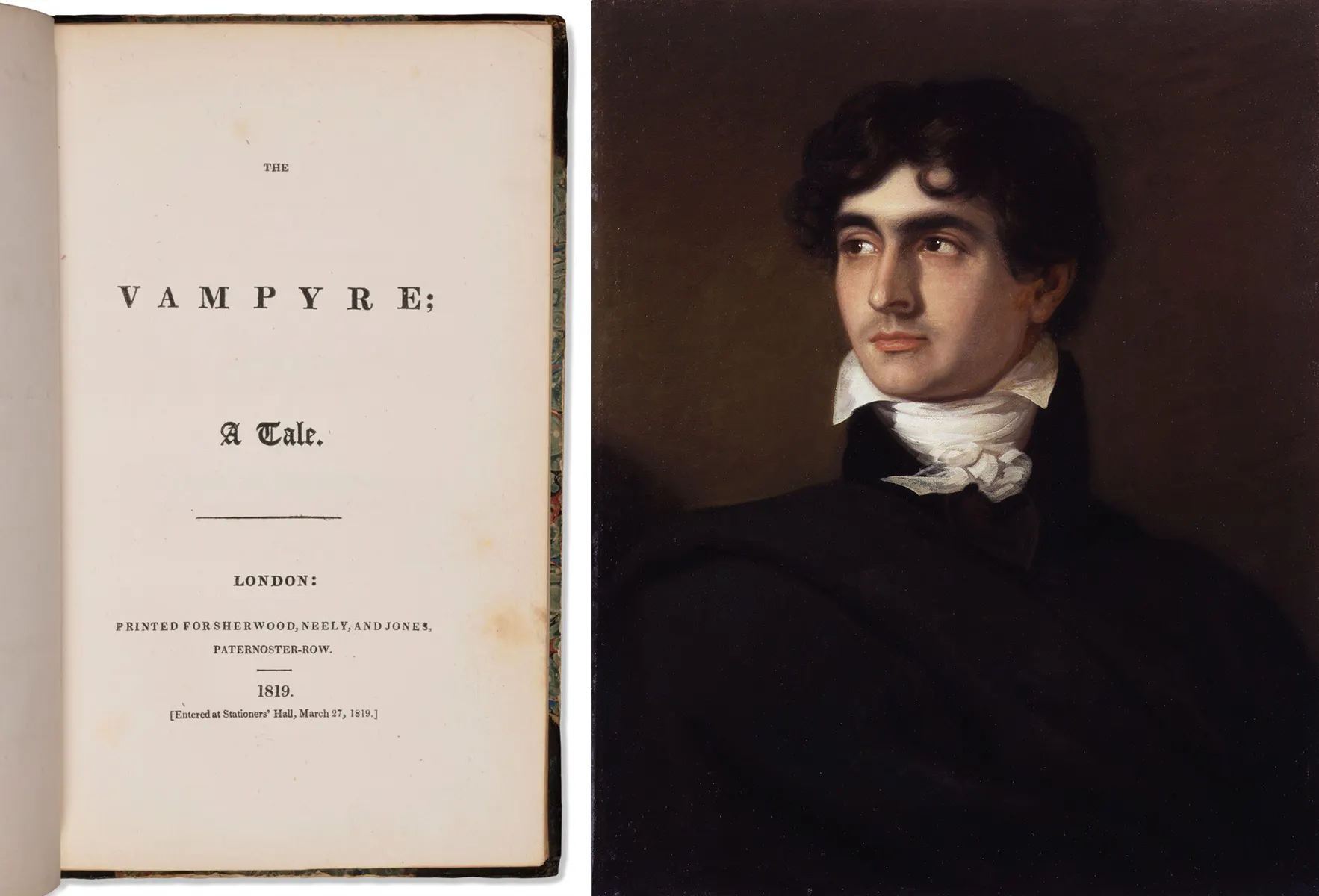
The Vampyre was published in 1819 in The New Monthly Magazine — without Polidori’s permission and with Byron wrongly credited as the author. The misattribution helped the story gain immediate success, and it was soon reissued in book form. Although Byron protested, his name remained on the title page for some time. Only later did Polidori receive proper credit.
Listen to: Podcast Ep #35 Antique Books: Between the Lines

Today, first editions of The Vampyre fetch around €10,000 at auction, while Frankenstein commands far higher prices. In September 2021, a three-volume first edition sold at Christie’s in New York for $1,170,000, setting a record for a printed work by a female author. The estimate had been between $200,000 and $300,000.
See also: How to Value Your Objects in a Click of a Button
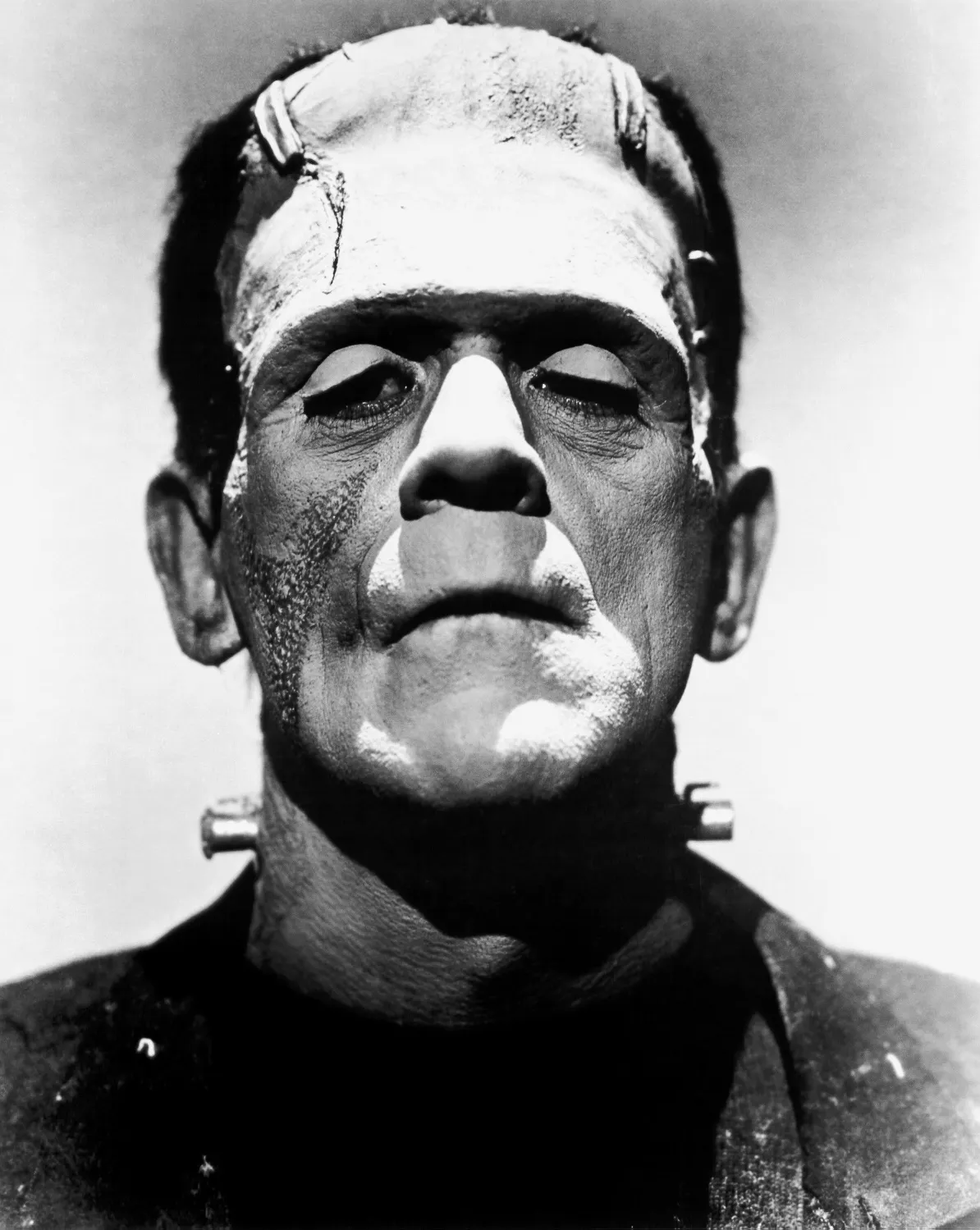
Victor Frankenstein and his creation, along with Polidori’s elegant vampire, continue to haunt literature, theatre and film. The image of Frankenstein’s monster that we know today was shaped by the 1931 film Frankenstein, with Boris Karloff as the creature, his appearance designed by makeup artist Jack Pierce. Most recently, director Guillermo del Toro revisited the story. His adaptation premiered at the Venice Film Festival last August and will be released on Netflix in November.

![Regency roll-top bureau [detail], c. 1820, mahogany. Photo: Nimbus Antiques](https://images.prismic.io/barnebys/42887271-3a0d-4231-b1d7-c25d65def10c_Webp.net-resizeimage-26.jpg?auto=format,compress)