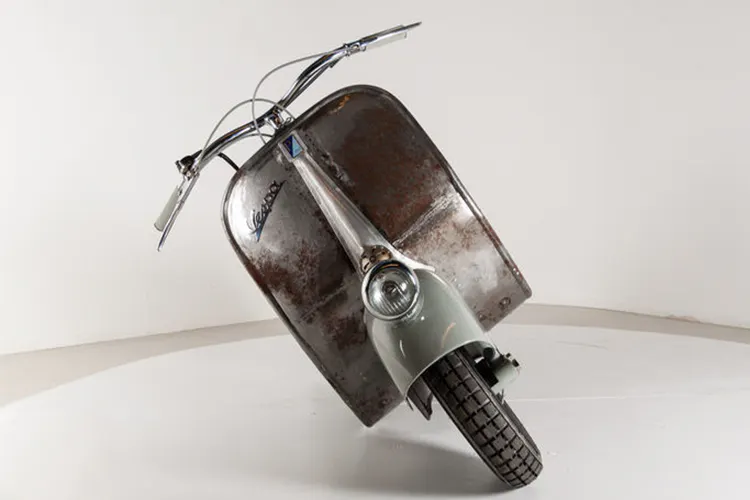
23 April 1946: the first Piaggio scooter model, called the Vespa, is patented on a project by the aeronautical engineer Corradino D'Ascanio. The origin of this particular name is uncertain, but the most famous story is that it came from an exclamation of Enrico Piaggio at the sight of the prototype. "It looks like a vespa!" (vespa meaning wasp in Italian). The entrepreneur referred both to the sound of the engine and to the particular shape of the bodywork as being similar to those of the insect.
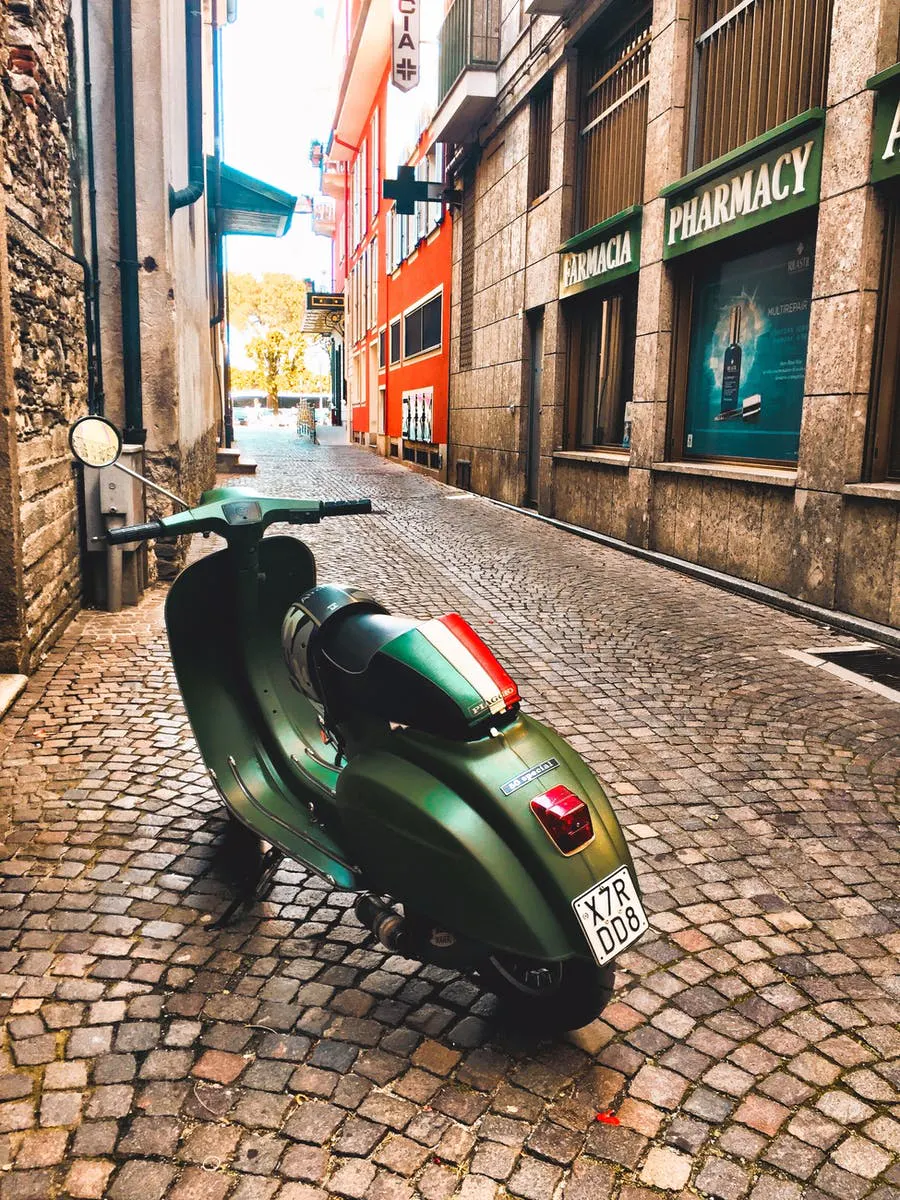
If the origin of the name is uncertain, one thing is absolutely indisputable: the Vespa represents one of the best known symbols of Italian design, universally appreciated. It is part of the permanent collection of the MoMA in New York and has been exhibited in museums all over the world. 75 years after its birth, this scooter model has a glorious past behind it and looks to the future with an engine and body full of hope.
See also: 10 Most Expensive Classic Cars Ever Sold at Auction
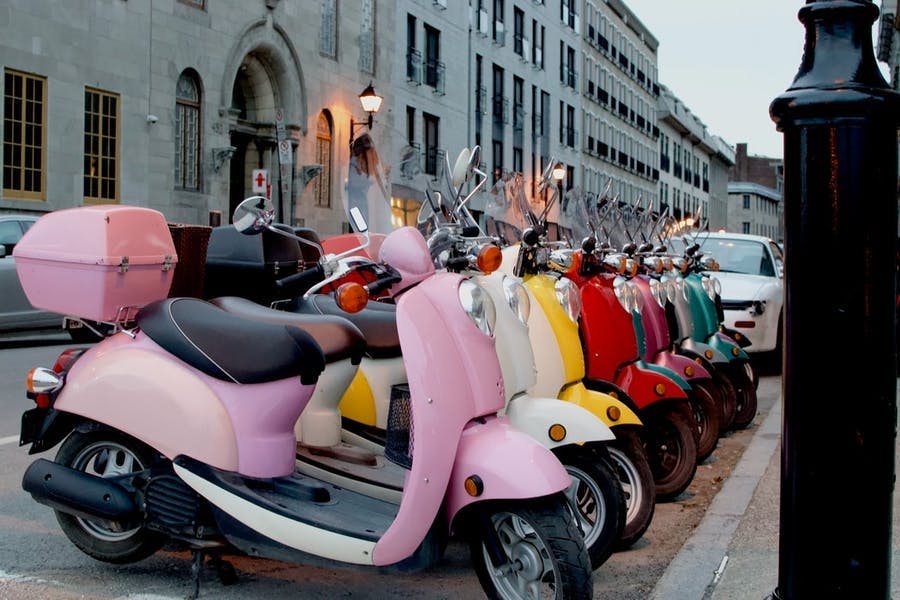
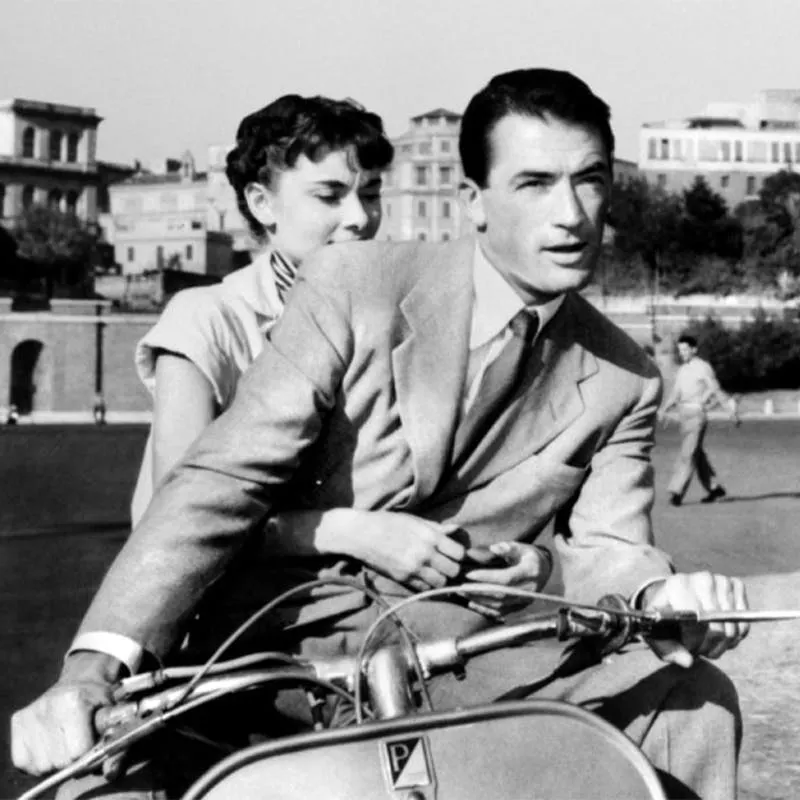
In the collective imagination, the Vespa is not just a scooter, but a real cultural phenomenon worldwide. In Italy it has become a symbol of freedom and light-heartedness, while throughout the rest of the world it has risen to become an icon of Italian design and style. The Vespa has also appeared in many films, perhaps most famously in the scene when Audrey Hepburn and Gregory Peck ride a Vespa in Roman Holiday.
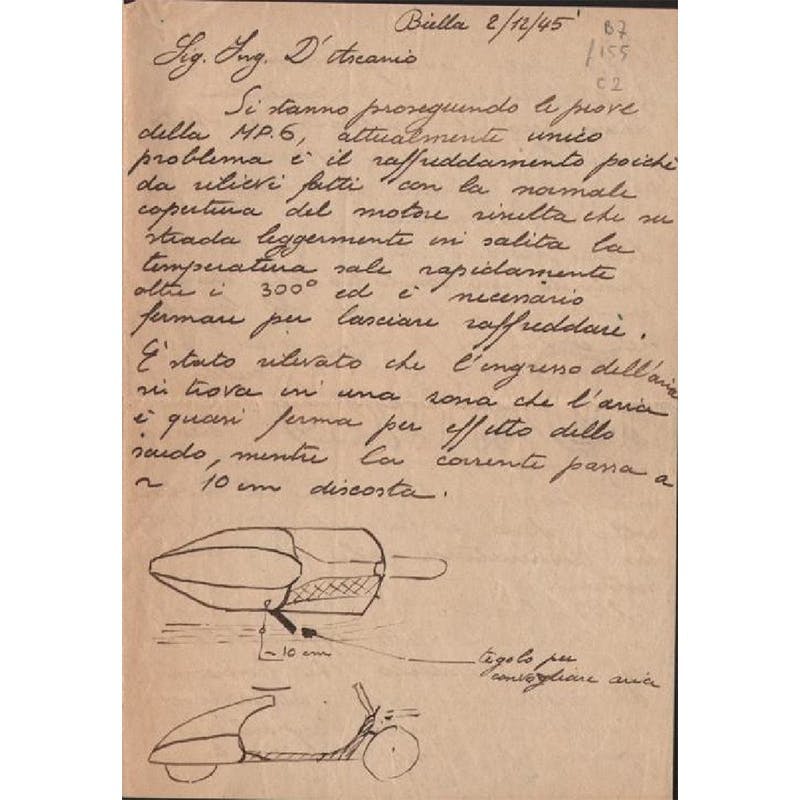
Enrico Piaggio chose the engineer Corradino D'Ascanio as the Vespa designer for D'Ascanio's particular aversion to motorcycles. Since he hated this type of vehicle, he was the right person to come up with a completely new model. D'Ascanio thought it inconvenient to have to climb over a motorcycle to sit on it and devised one without a tubular steel structure and central tunnel. Adopting some tricks borrowed from aeronautical engineering, he moved the gearbox onto the handlebar, to make it more practical to use, and modelled the driving position on a drawing of a man sitting in an armchair, in such a way as to make driving pleasant and less tiring.
See also: Alfa Romeo: Symbol of Italian Style and Design
At the end of the Second World War, the Italian economy was in crisis. Enrico Piaggio's idea was to reinvigorate the economy, while at the same time responding to the need for a modern and economical means of transport, suitable for the masses. The Vespa 98cc was born in two versions: a basic one at a price of 55,000 lire and a 'luxury' one, equipped with a series of options, at 61,000 lire. After a muted start, with the first fifty units sold with some difficulty, Piaggio sold around 2,500 Vespa models in 1947, over 10,000 in 1948 and 20,000 in 1949. However, it was the 1950s that proved to be the most lucrative for the new scooter: over 60,000 units were sold in 1950 and, after the famous scene in the film Roman Holiday (1953), sales shot up to over 100,000. From that moment on, the road was smooth. Many 'Vespa clubs' began to spring up all over Europe and admirers grew exponentially.
See also: This is the World's Most Expensive Car
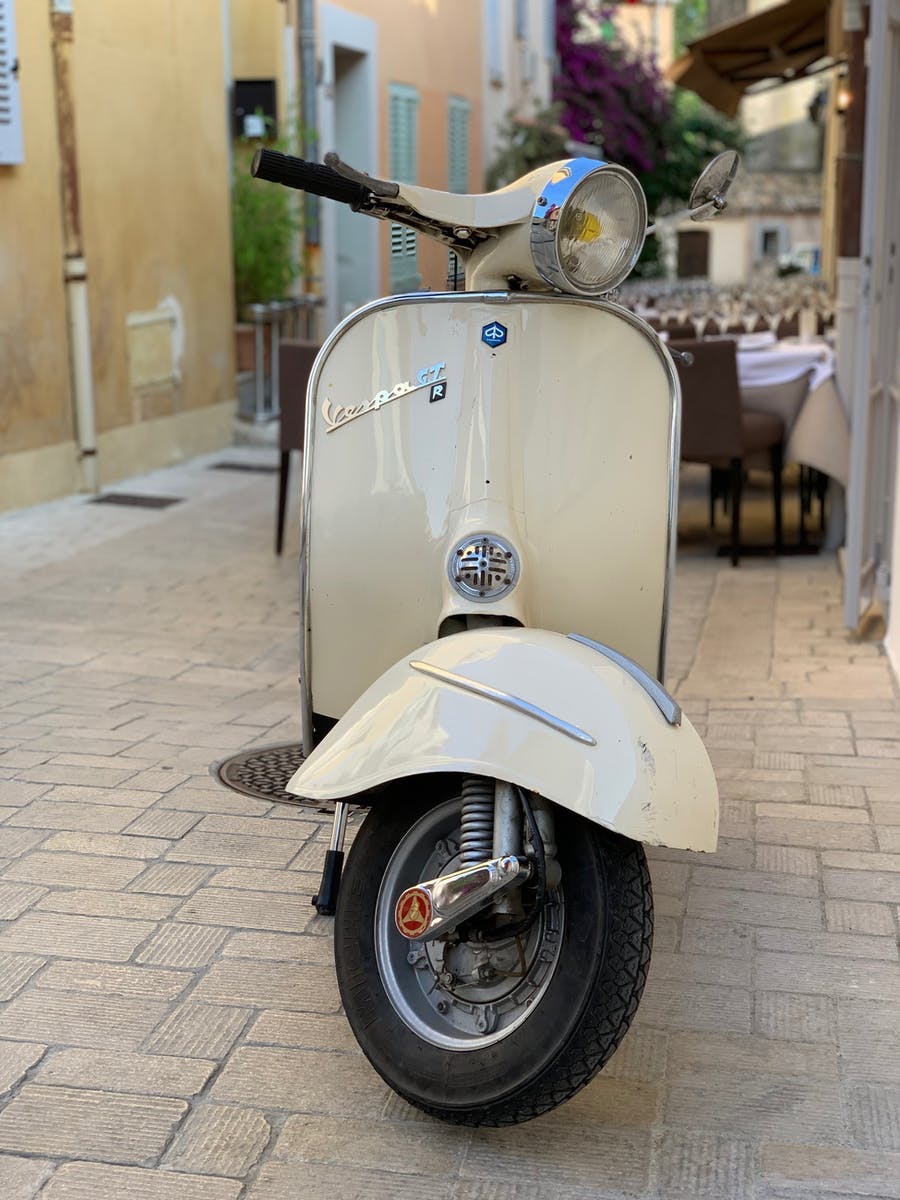
1962 saw the creation of a customised model by Salvador Dalí, while 1963 was an important year because Piaggio decided to expand the circle of its customers to 14-year-olds, with the first Vespa 50 at a price of 98,000 lire. In 1969 the Special version arrived, which further increased the fame of the legendary Piaggio scooter.
See also: 8 Reasons to Love the Jaguar E-Type
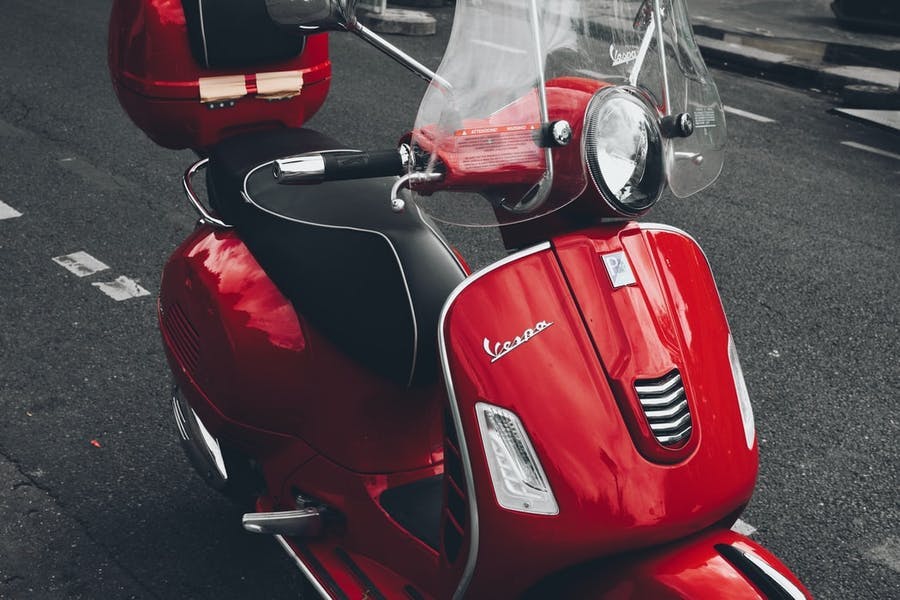
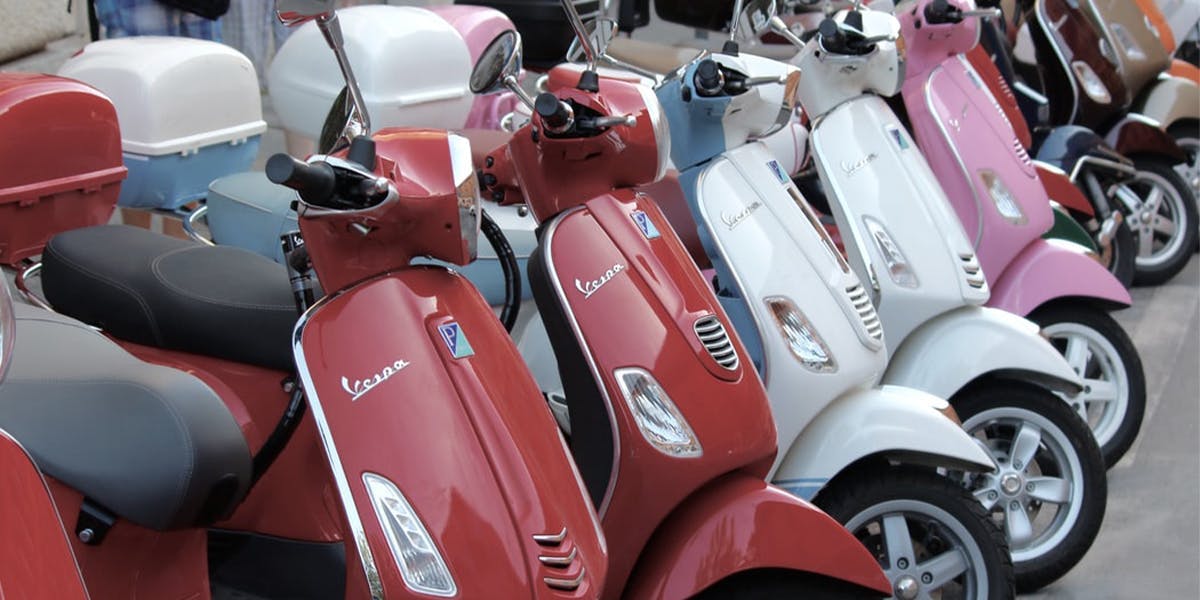
In recent years, there has been an increase in purchases of new or restored Vespas, especially in large cities. The lack of parking spaces available for cars and the low running costs of the Vespa are just two of the reasons for this new revival, which has also spawned a vintage scooter restoration industry.
In the last ten years, more than 1.8 million new Vespas have been produced and now roar on the streets around the world. The number of 'Vespa Lovers' increase from year to year and, at her 'tender' age of 75, this snappy Italian lady is ready to make her countless admirers ride again.