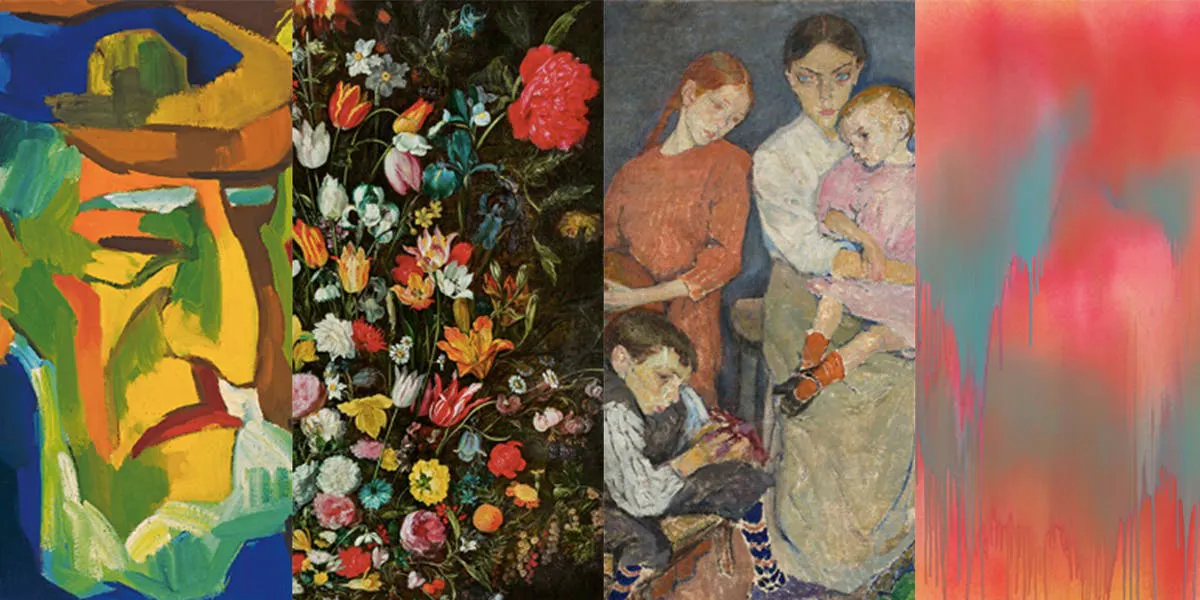
It's been ten years since Grisebach auction house achieved the sensational result of €646,600 (including buyer's premium) for a painting by the Berlin expressionist Georg Tappert. Loge II from around 1910 shows three women with hats the size of a wagon wheel, typical of the time, on a visit to the theatre.
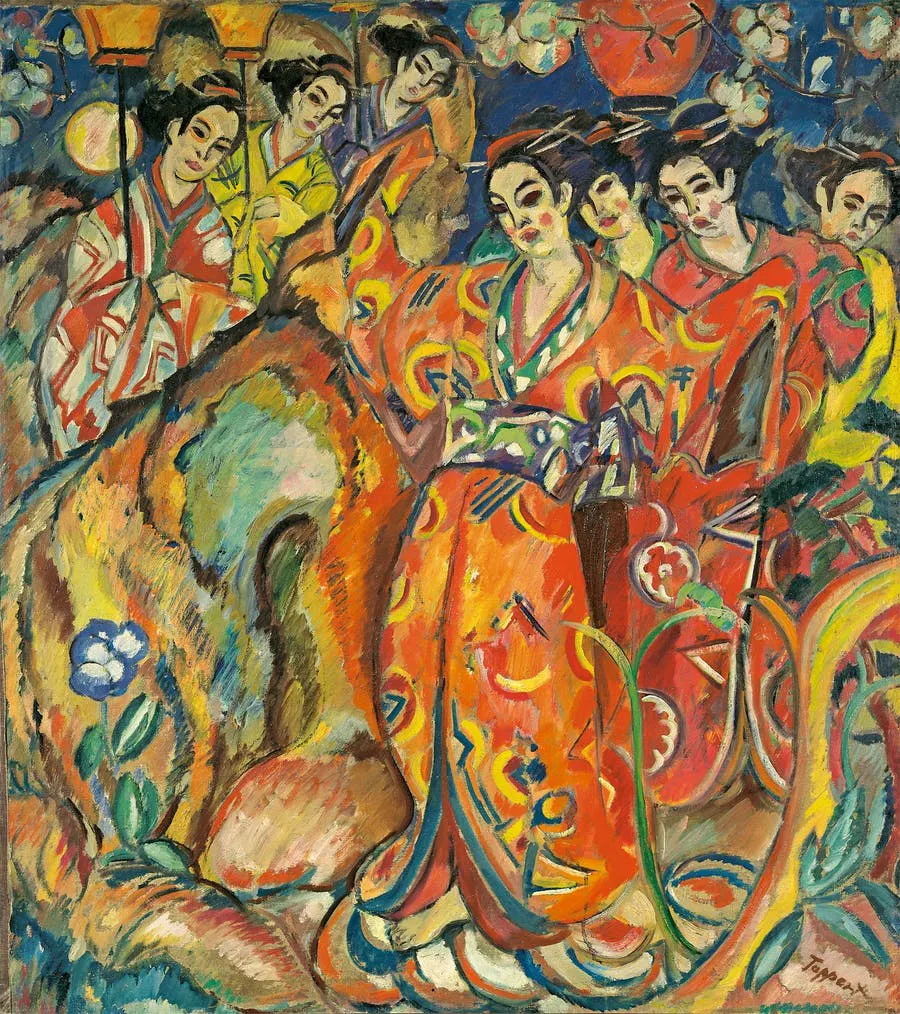
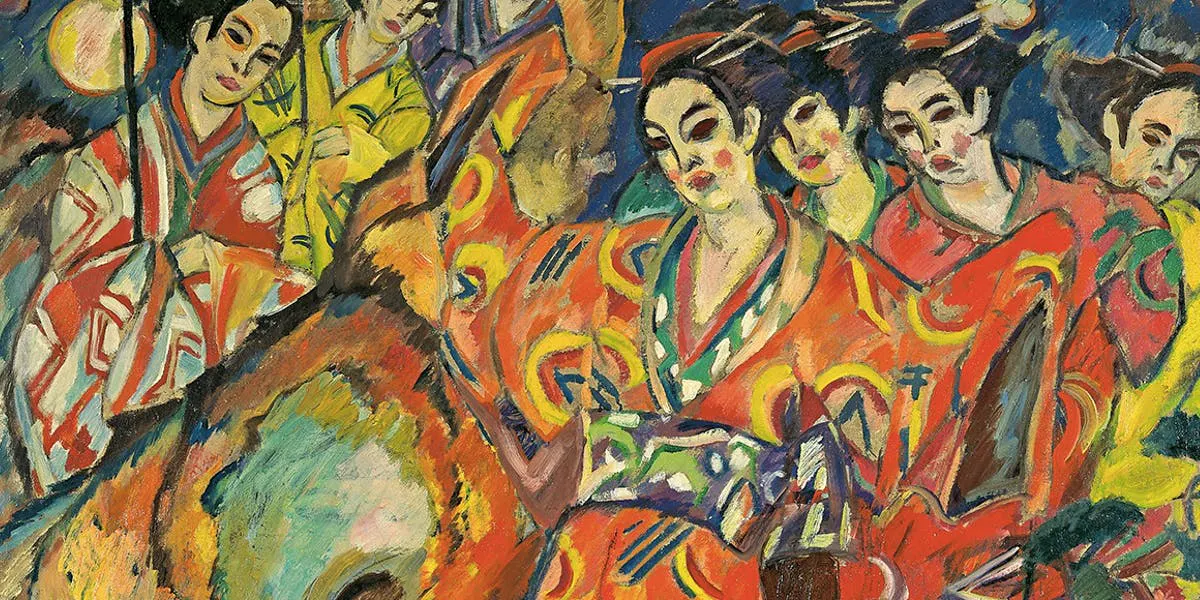
Tappert, then 30 years old, was fascinated by the nightlife in his hometown. Like so many other artists, he was drawn to the revues and variety shows, whose exotic, colourful events he captured. A wonderful example of this phase in Tappert's work will be revisited at auction with the Geisha Revue at the beginning of December. The painting, created in the period around 1912, which was so important for Expressionism in Germany, is a single festival of colours, rhythm and atmospheric density and a true masterpiece of that era.
The lots in the catalogue 'From Beuys to Liebermann - Selected Works', which is part of this year's December auctions at Villa Grisebach (2-4 December), will be up for bids on 3 December.
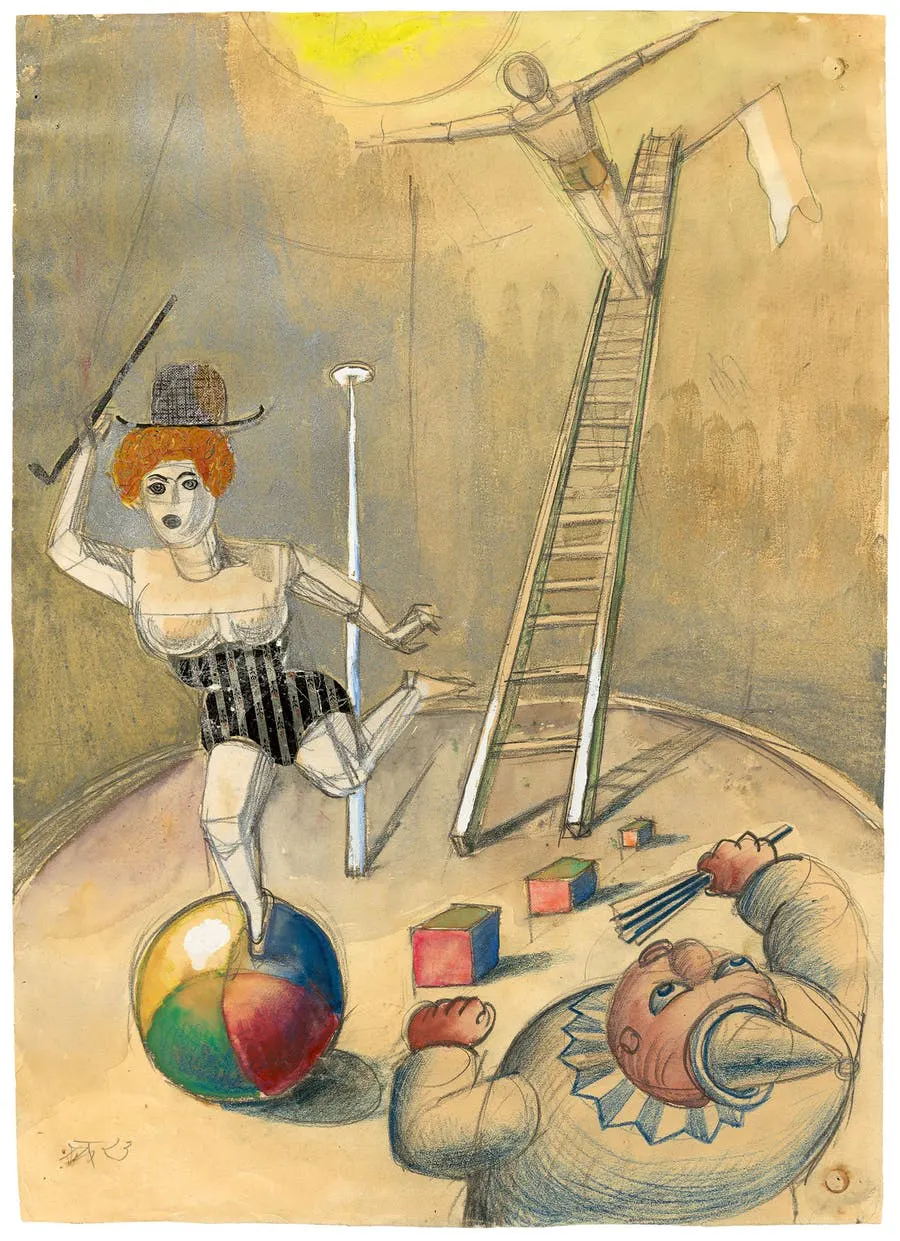
Part of this excellent offer are three highly interesting works from the 1920s, which testify to the breadth of the art scene at the time. In Otto Dix's Circus Scene from 1923, the socially critical artist metaphorically describes the state of the young Weimar Republic.
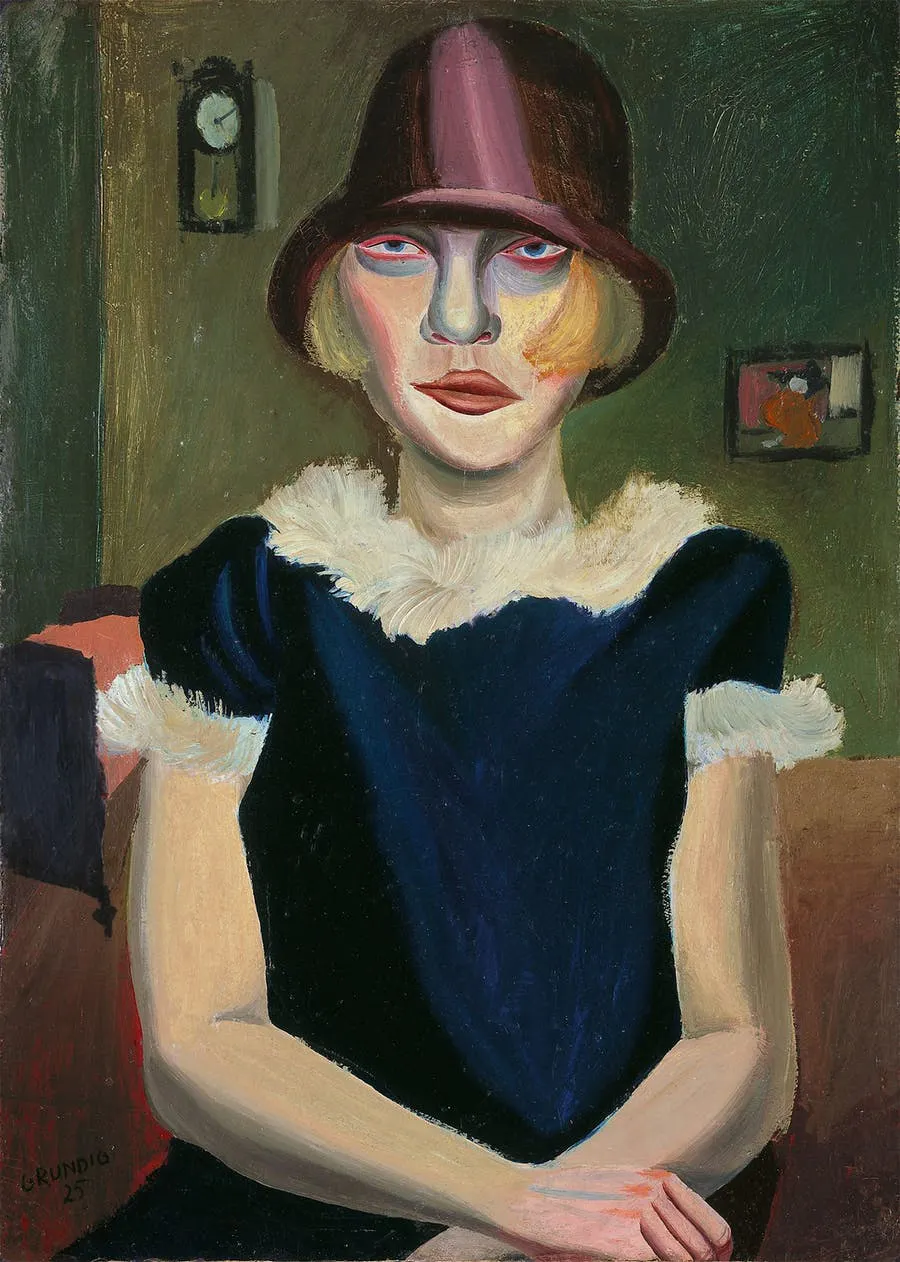
Otto Dix's best-known works can be attributed to the New Objectivity movement. In this he had great influence on the Dresden painter Hans Grundig, as with Grundig's painting Girl with a Pink Hat from 1925. Can this work keep up with the Schoolboy in the Red Cap, which achieved a new auction record for Grundig at Grisebach in the spring?
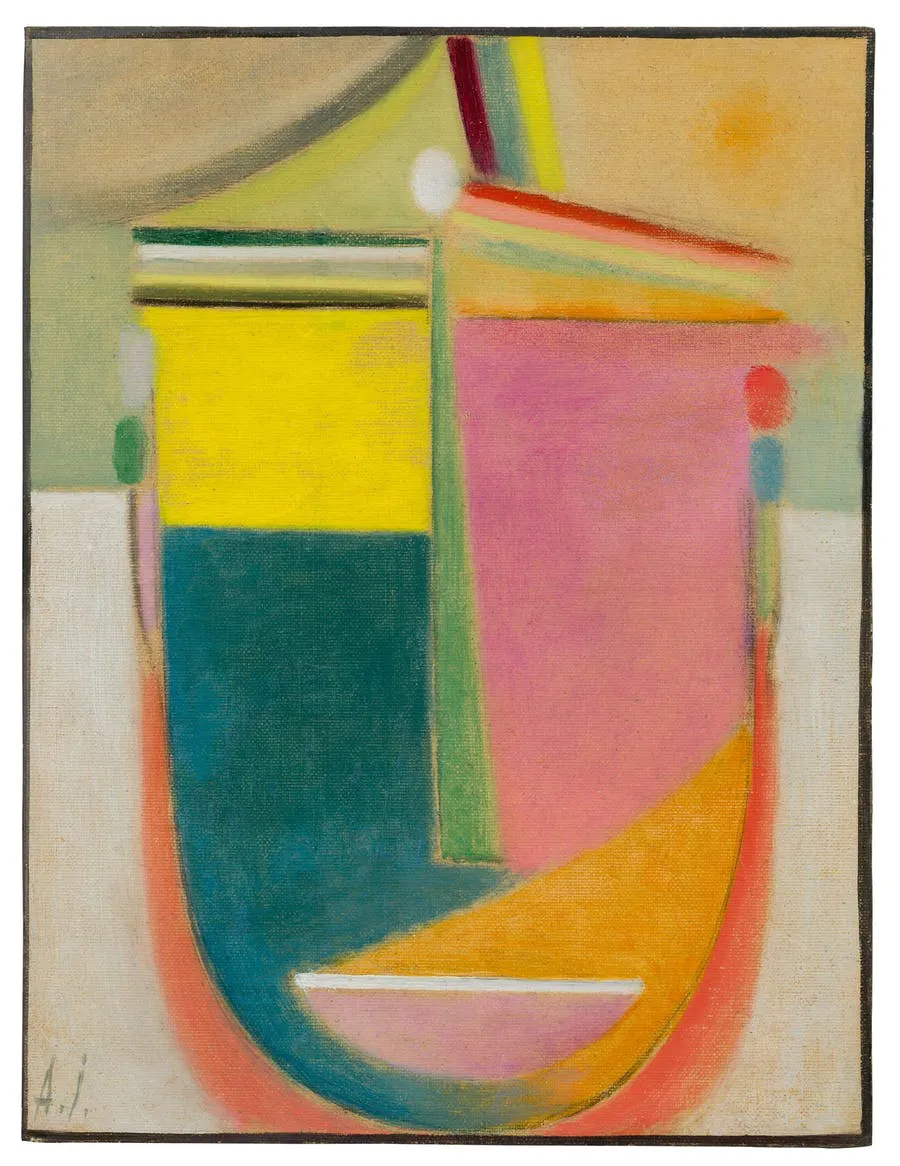
While German Expressionism was in full bloom shortly before the First World War, one of its most important exponents, Alexej von Jawlensky, slowly turned away from it and began to experiment and finally approached abstraction. This becomes particularly clear in his '"Abstract Heads' series, to which he devoted himself between 1921 and 1933.
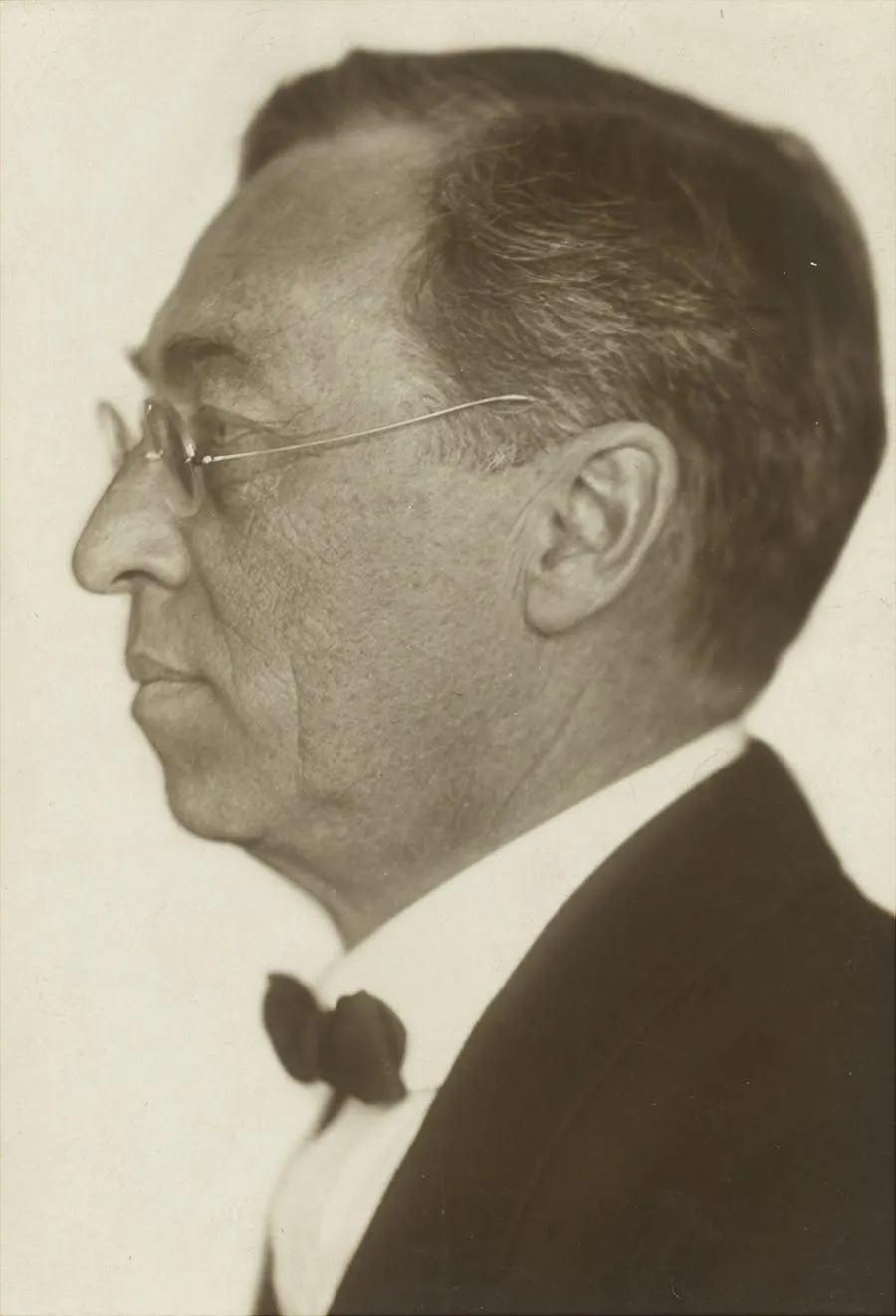
This portrait photograph of Wassily Kandinsky shows the artist in profile. The photo by Hugo Erfurth, taken in 1925, passed into the possession of Kandinsky's Bauhaus colleague László Moholy-Nagy shortly after it was taken. In 1938, the portrait was shown at the legendary first Bauhaus exhibition at the Museum of Modern Art.
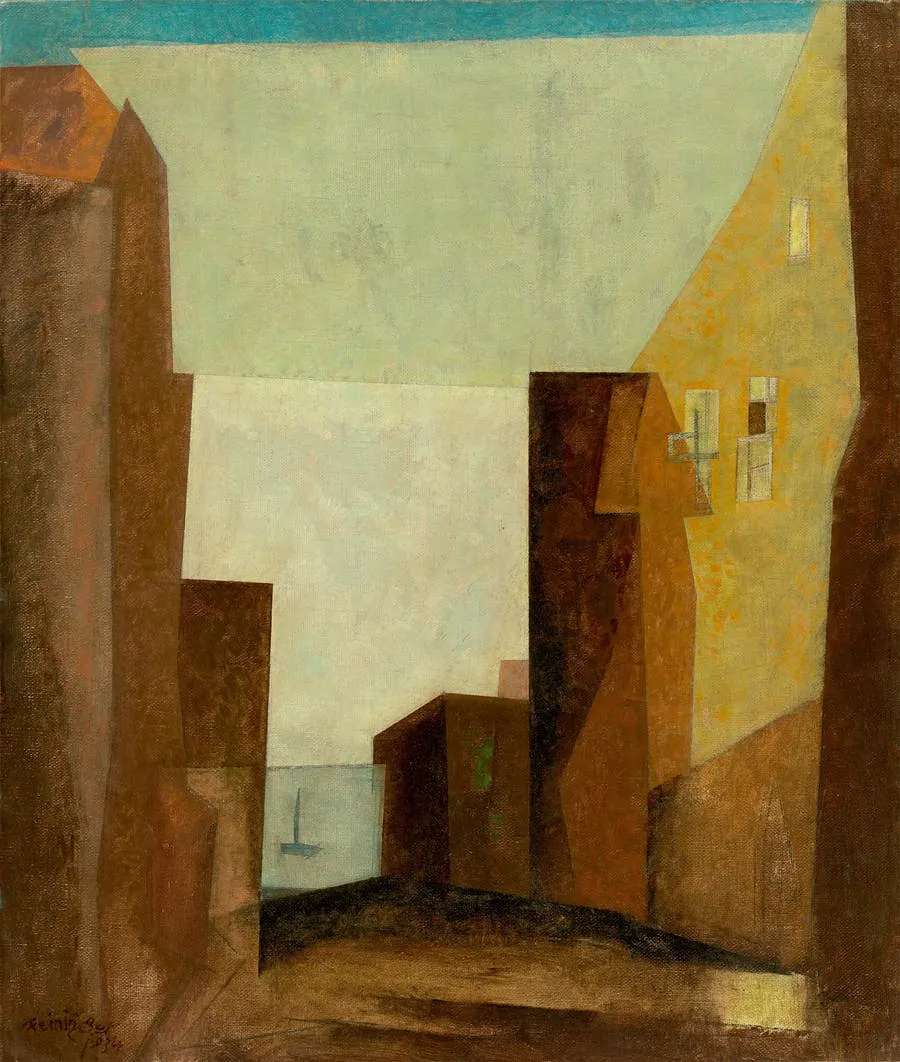
Another Bauhaus member, Lyonel Feininger, is represented in the auction by the Cubist work Cammin from 1934, which was created in what is now the Polish Baltic Sea spa town of Kamień Pomorski.
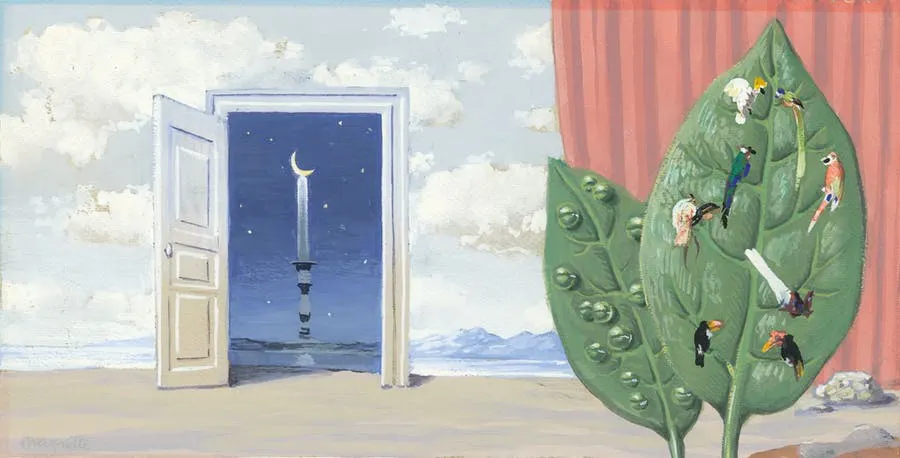
This mysterious gouache Le Domaine Enchanté from 1953 by René Magritte served as a study for a mural in the casino in the Belgian coastal town of Knokke-Heist.

Karin Kneffel used a 150 x 160 cm canvas to stage a bowl full of pasta, rife with almost photorealist detail.
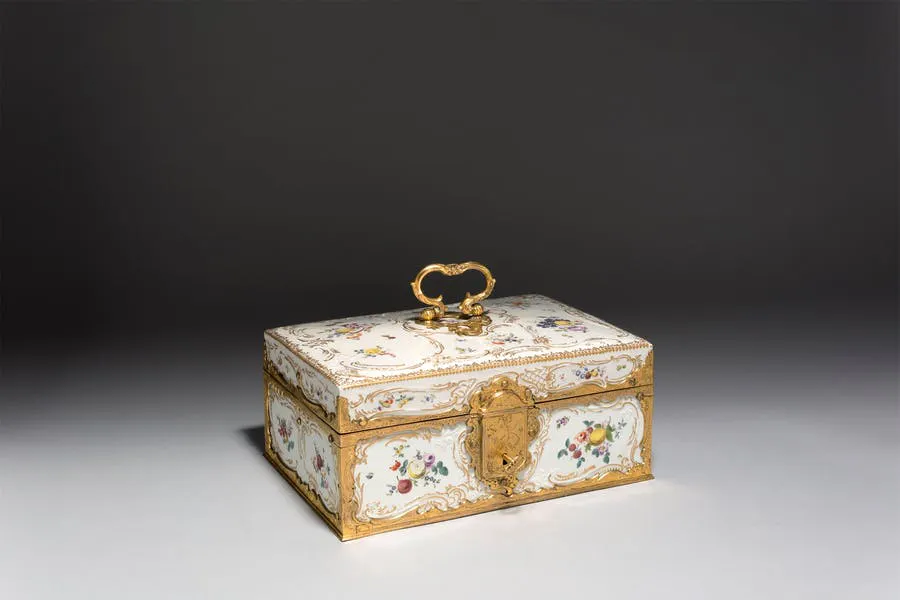
Also part of the auction are three lots of Meissen porcelain. This flute case with a floral decoration from 1761 was most likely once owned by Frederick the Great, who was known to be a virtuoso flute player.
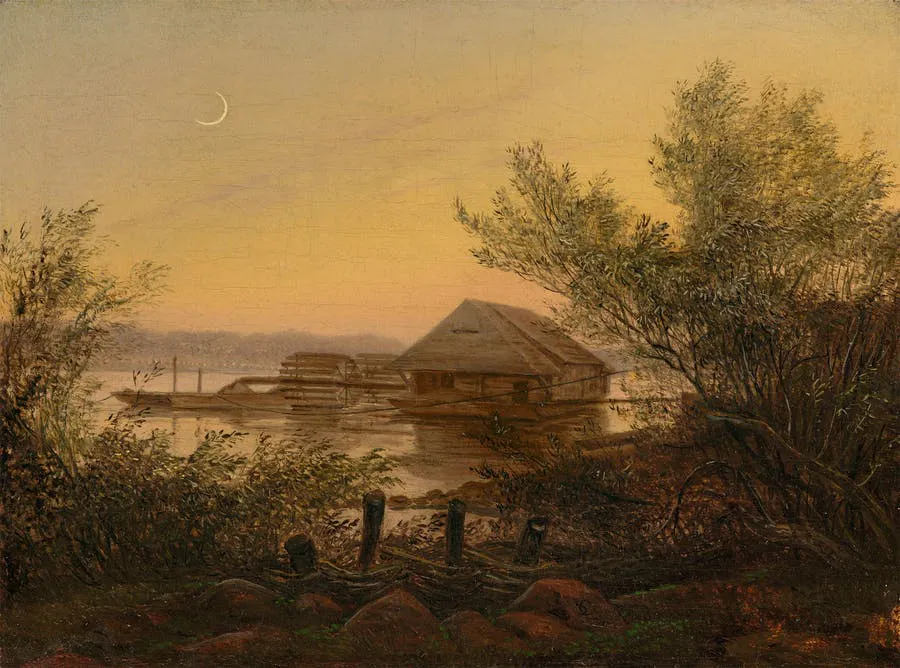
In addition to the 'Selected Works' on offer, Grisebach's December auctions also include art from the 19th century, which will be auctioned on 2 December and include the landscape painting Ship Mill on the Elbe nNar Dresden by Carl Gustav Carus.
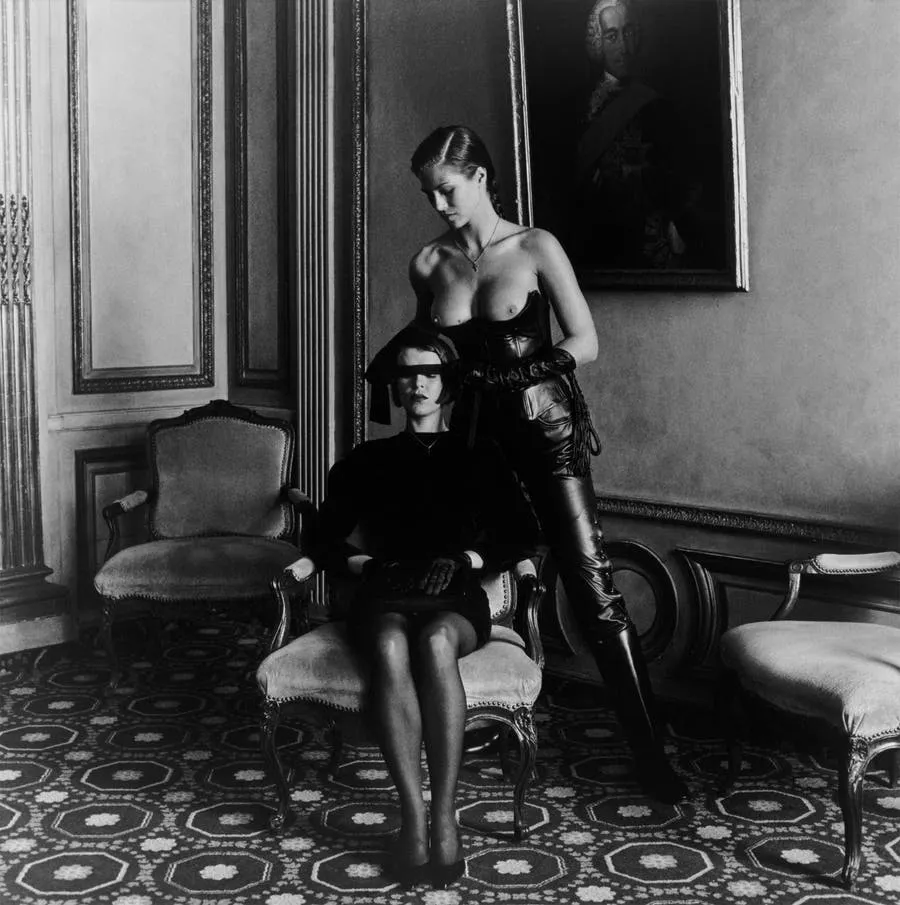
On the same day, their 'Photography' auction is taking place, in which Helmut Newton's Parlour Games Munich from 1991 is one of the many highlights.
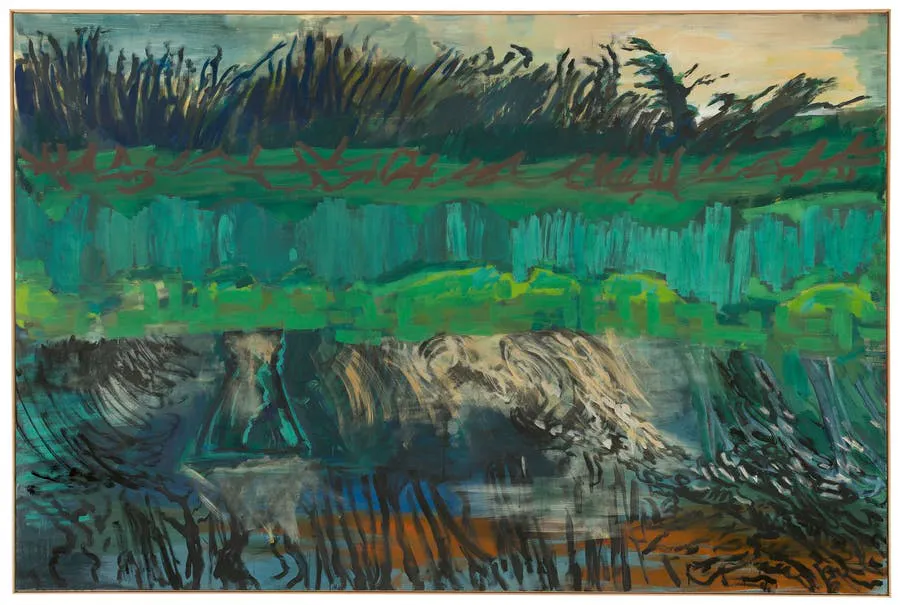
After the auction of Modern Art and the Calábria Collection, the auction series ends on 4 December with Contemporary Art, including an extraordinary work by Martin Kippenberger and an untitled landscape painting by Per Kirkeby.
The auctions will take place from 2-4 December at Villa Grisebach, Fasanenstraße 25, in Berlin. Pre-viewing is possible from 20 November.