'From Dürer to Balkenhol' is the title of the important evening auction to be held by German auction house Grisebach on 9 July. The name promises 500 years of art history and features some of its most legendary names.
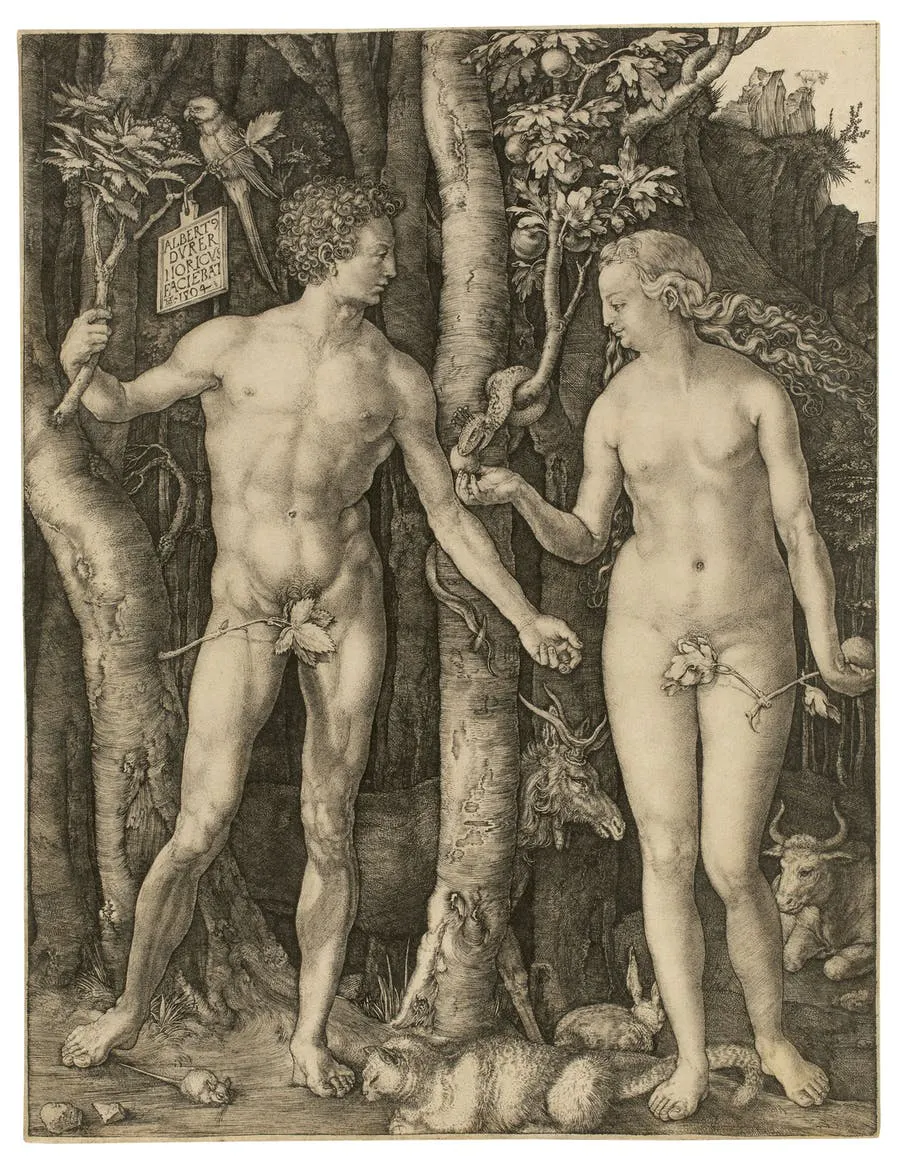
Albrecht Dürer's Melencolia I and Adam and Eve are two copper engravings that were printed while the Renaissance painter was still living (1514 and 1504, respectively). Dürer was the first artist to use prints not only for the reproduction of his painted works, but as an independent medium.
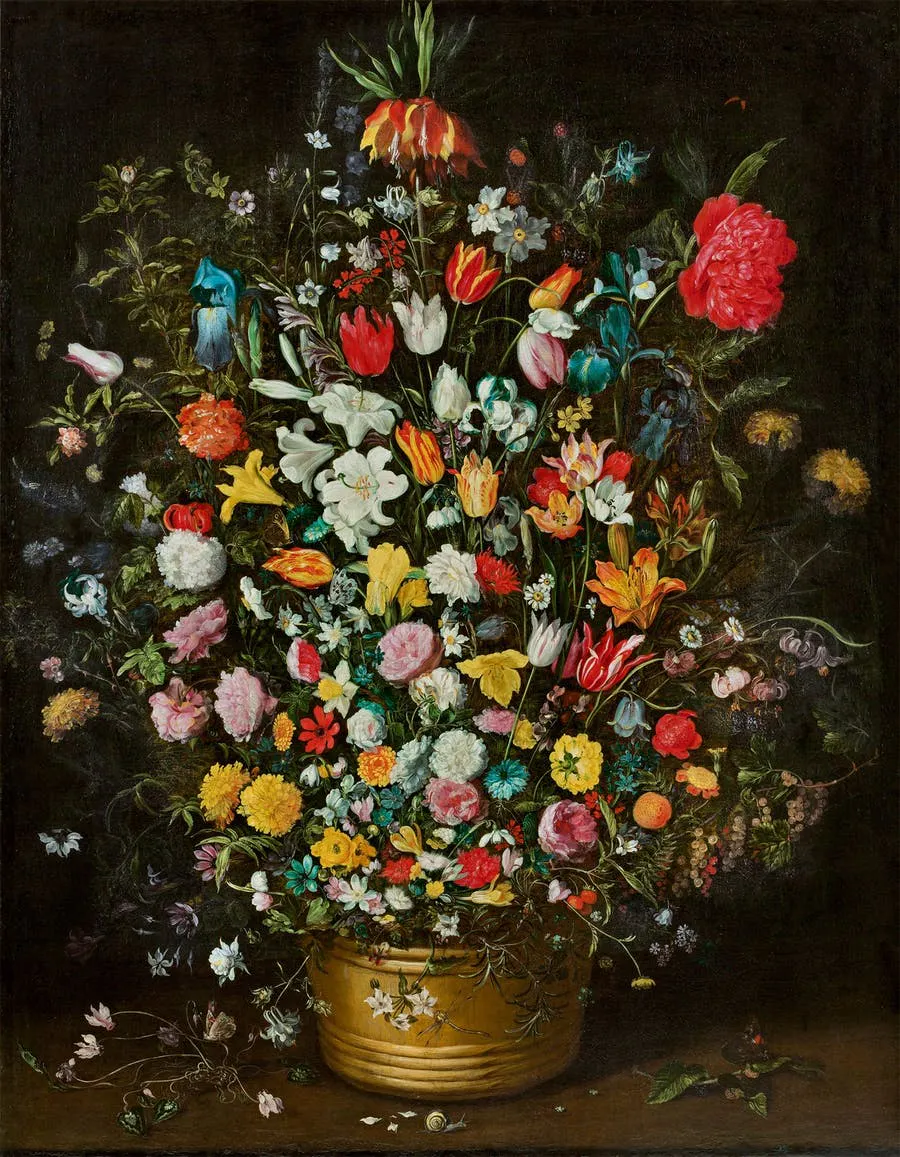
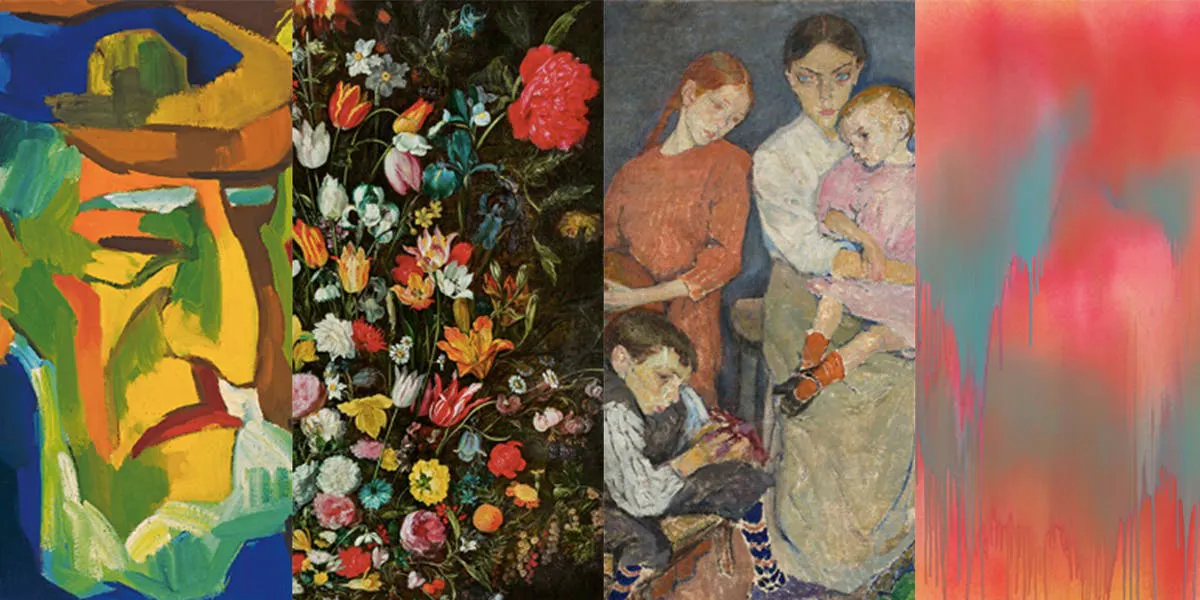
Large Bouquet with Crown Imperial in a Wooden Vat by Jan Brueghel the Younger is a major highlight and one of the top lots of the whole sale. For all non-botanists: the crown imperial, an orange and yellow flower that is particularly common in the Middle East, tops the bouquet in the upper centre of the picture.
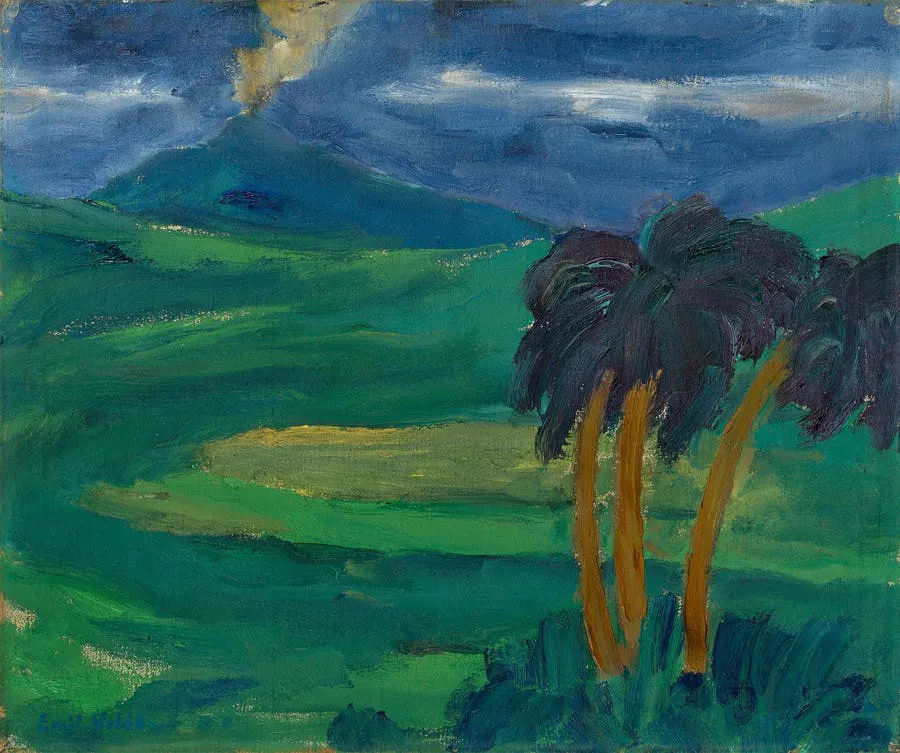
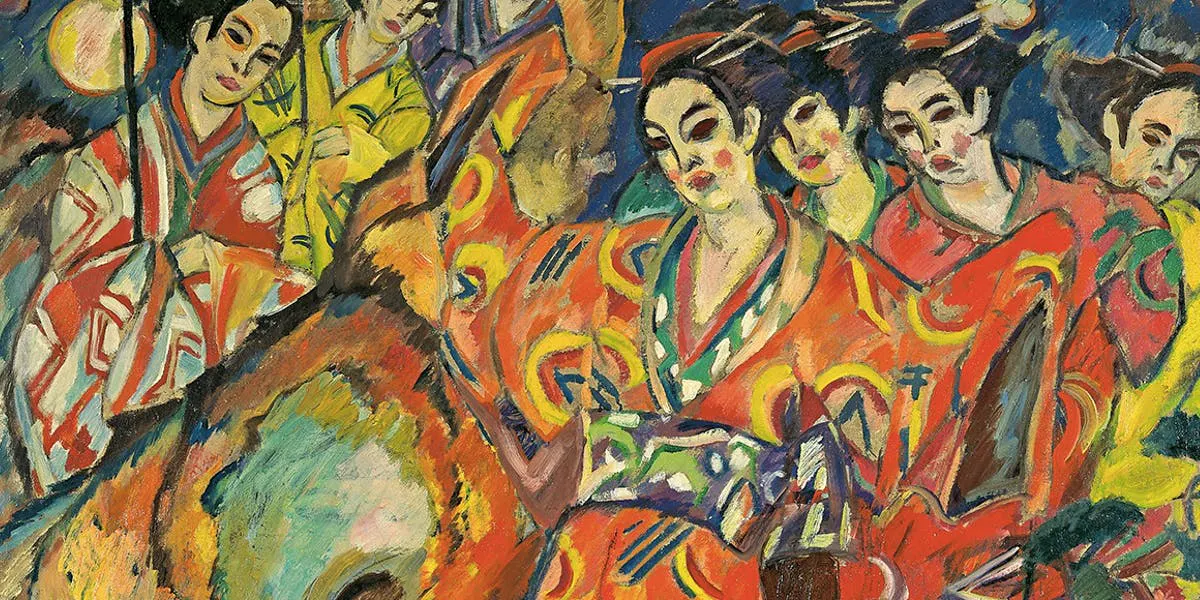
The other top lot of the auction is South Seascape II by Emil Nolde, a major work of Expressionism, which is offered for the first time at auction. Nolde had previously accompanied an expedition to New Guinea as a draftsman – a journey that greatly influenced his work.
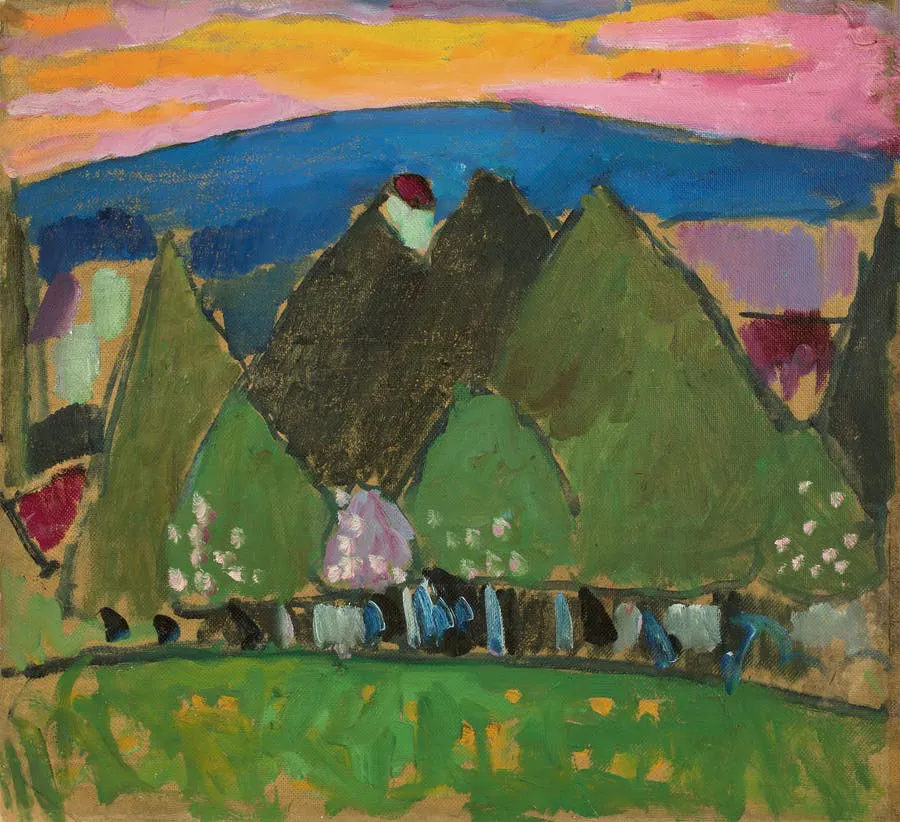
Alexej von Jawlensky was inspired by the foothills of the Alps in Murnau am Staffelsee for Landscapes with Trees from 1909. It was an important creative phase of the artist, who at that time switched from Impressionism to surface painting and stayed in Murnau with his partner Marianne von Werefkin and painters Wassily Kandinsky and Gabriele Münter, where Münter bought a house in 1909.
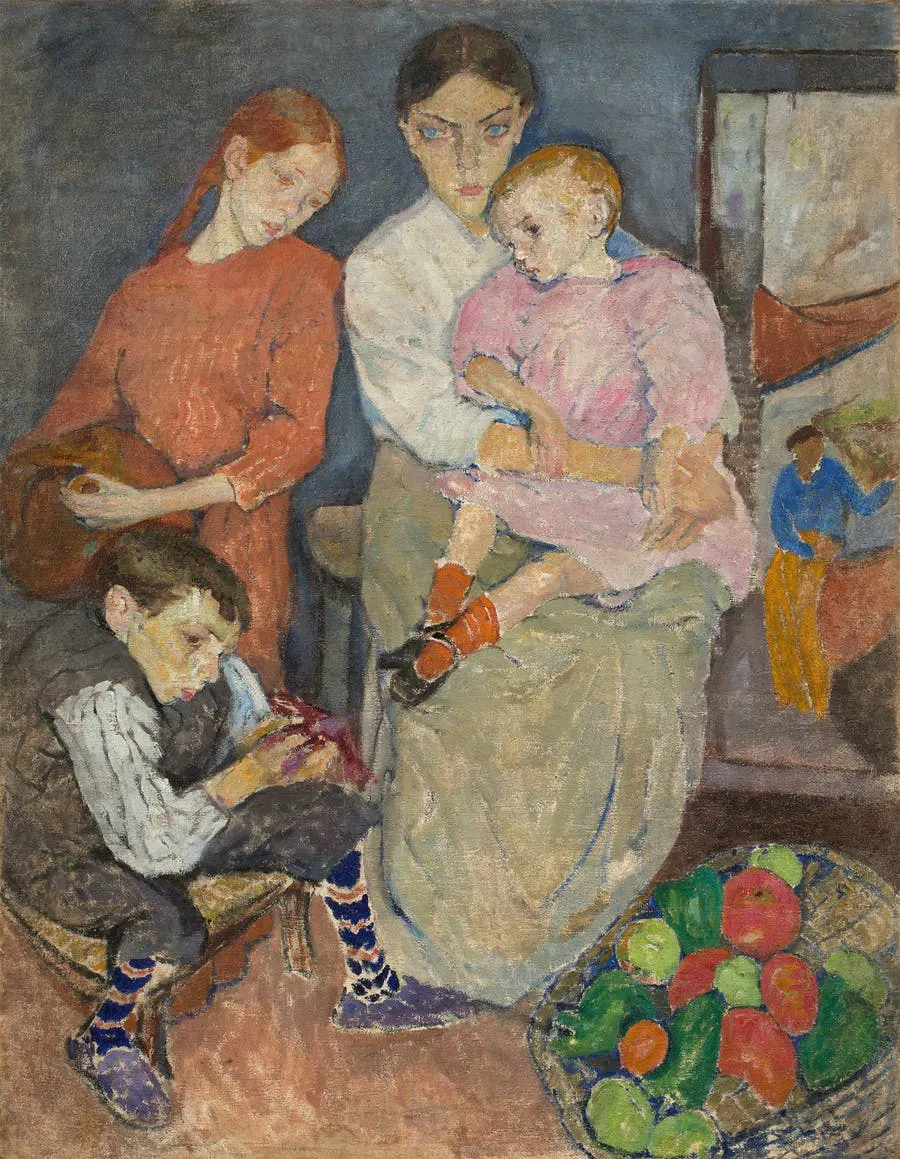
While Gabriele Münter is well known on the art and auction market, her contemporary Mela Muter has been somewhat forgotten. At Grisebach, Group of Children, a masterpiece by the Polish-French painter from 1913 is on offer.
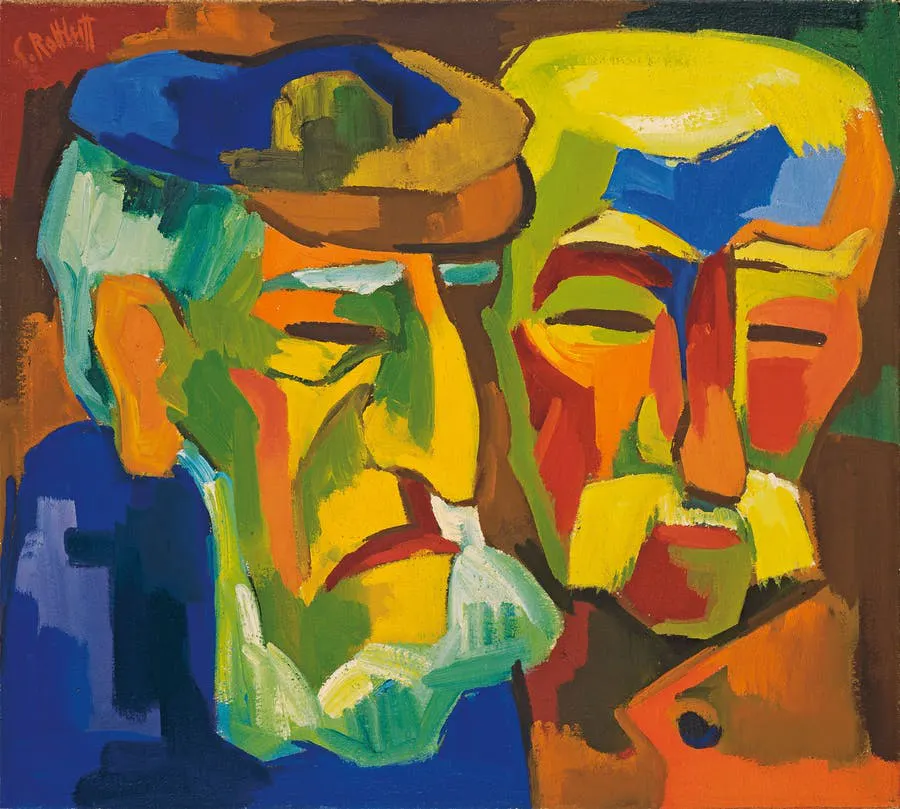
With colour blocks reminiscent of woodcuts, Karl Schmidt-Rottluff painted the portraits of two Pomeranian farmers on canvas in 1924. The painter regularly spent the summer months between 1920 and 1931 in the Pomeranian fishing village of Jershöft, where he immersed himself in the lives of people in the country and in the fishing villages.
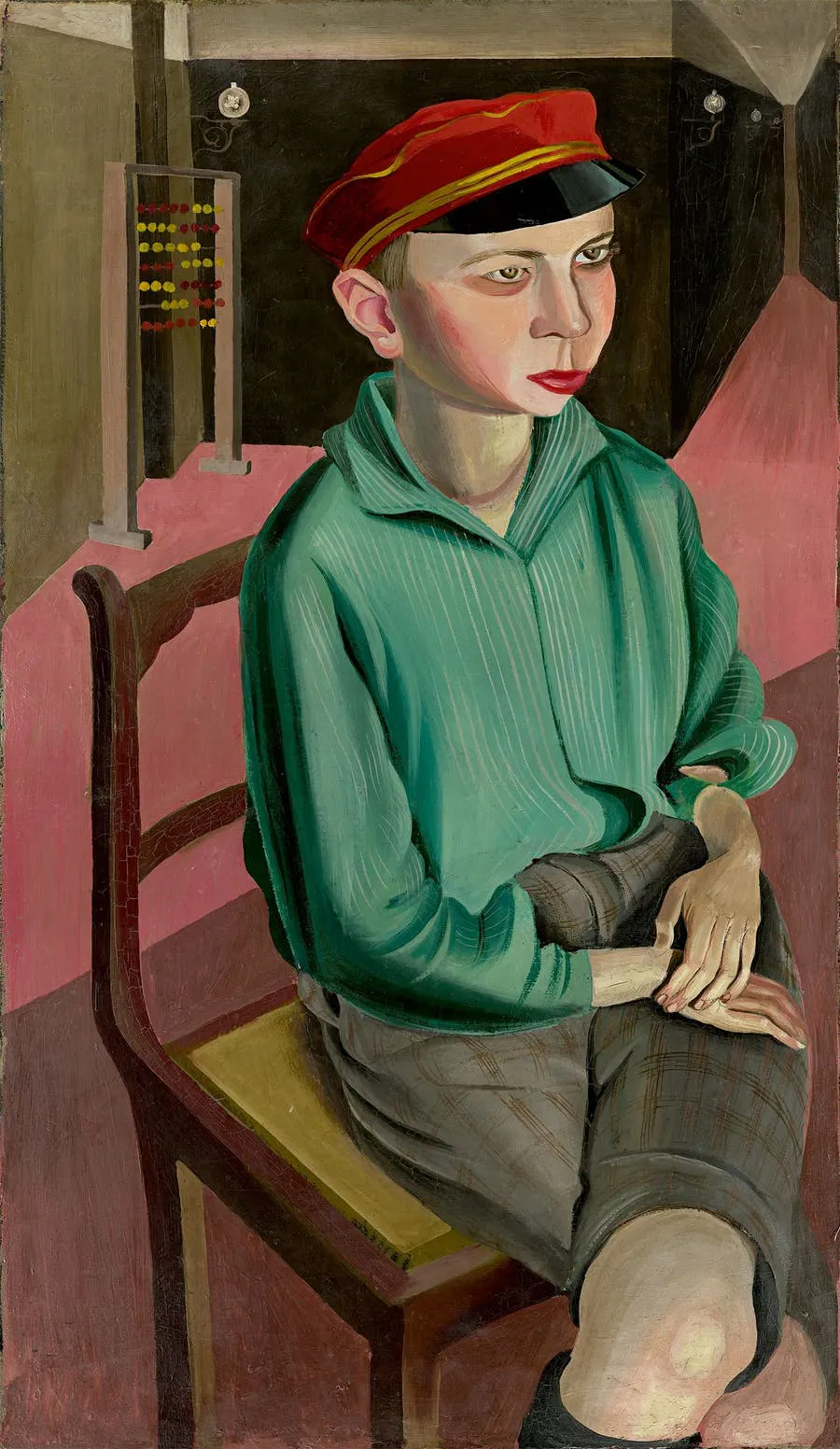
Another masterpiece is Schoolboy with a red cap by Hans Grundig, which he created between 1925 and 1928. Grundig was a main representative of New Objectivity in Dresden. An ancestor of the consignor had bought it from the artist's widow, Lea Grundig.
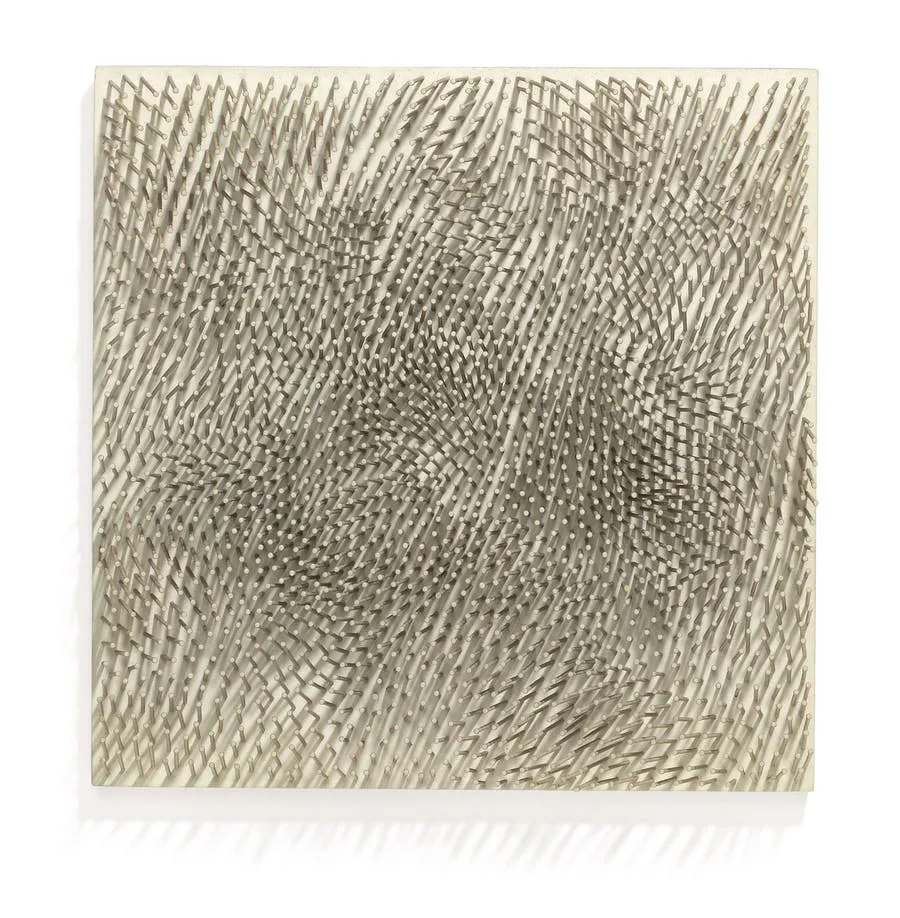
Günther Uecker proves how one can create a dynamic work of art out of rigid nails with Moving Field, which dates from an important period of the artist's work.
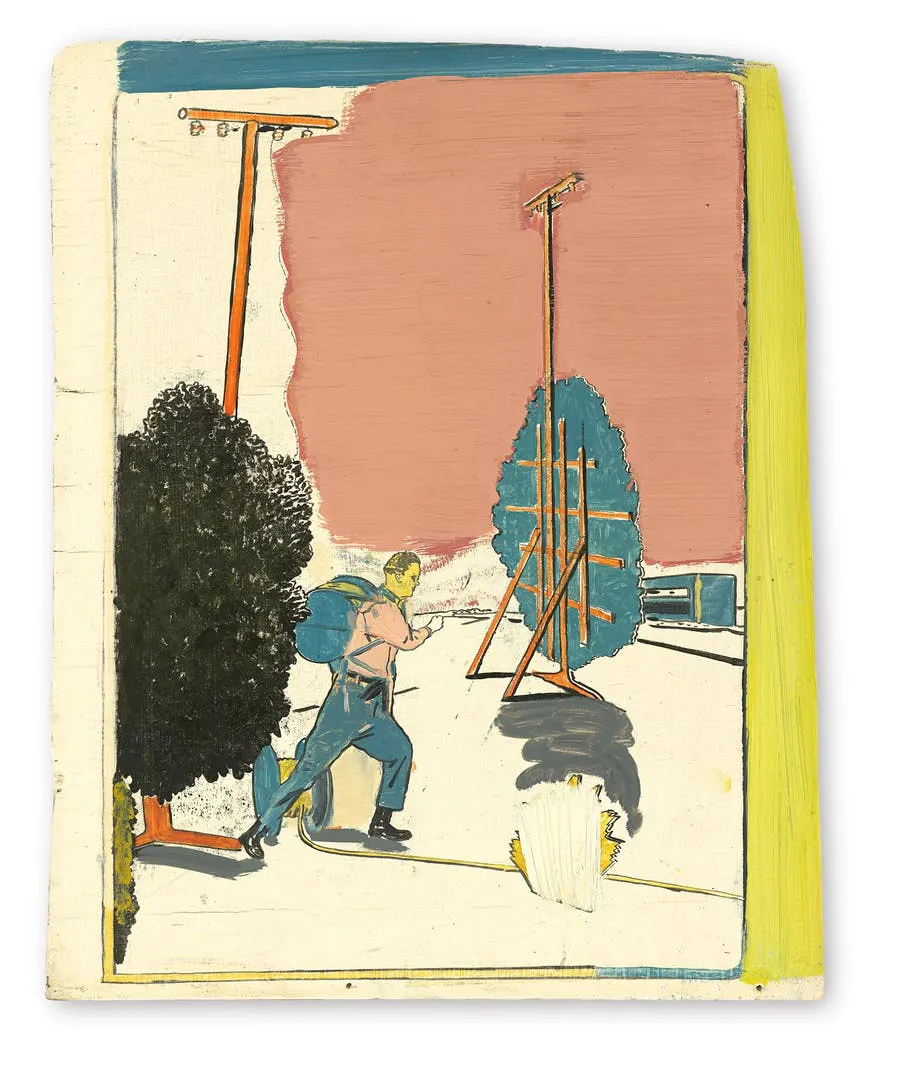
For the first time on the German art market is Neo Rauch's painting Conductor, reflecting the artist's powerful early work. The seller had acquired it in 1997 in the Berlin gallery EIGEN + ART.
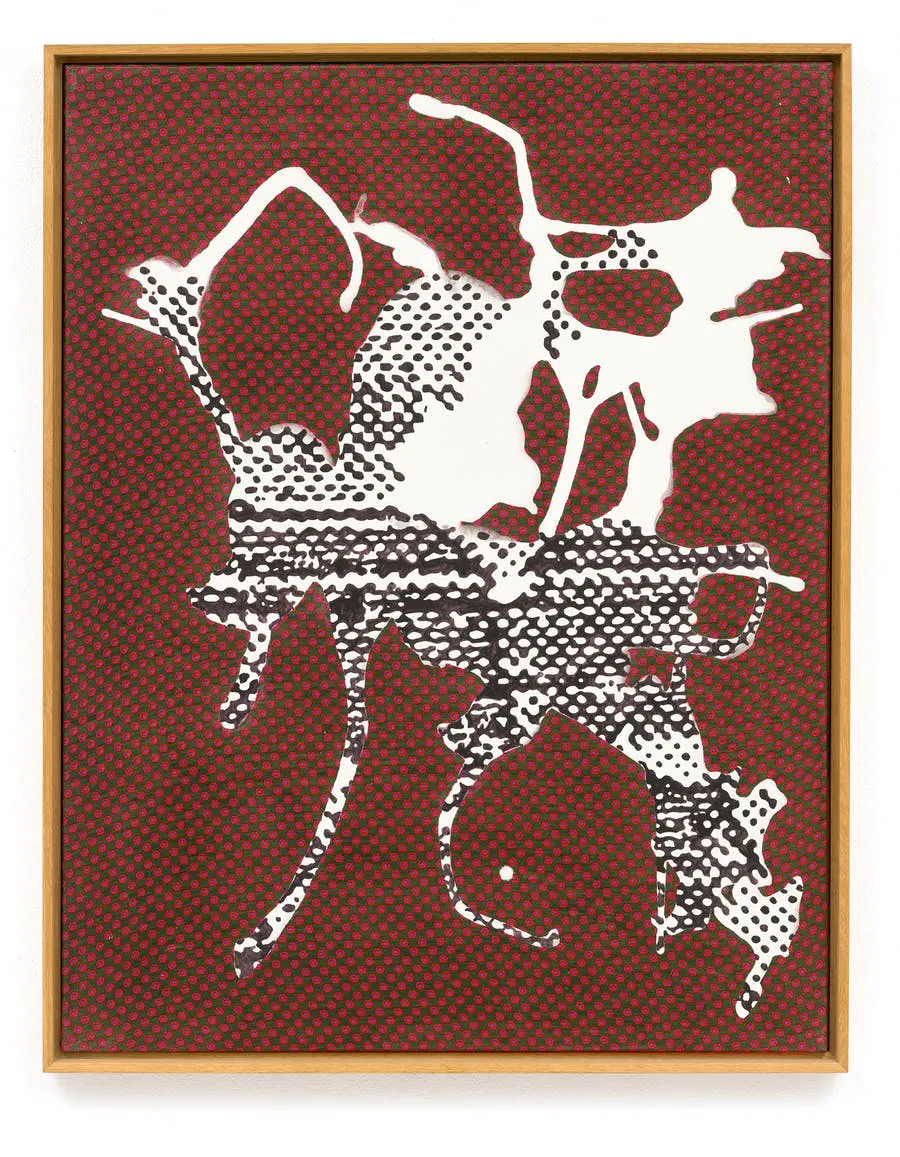
Sigmar Polke's untitled work is composed of an overwhelming combination of layers, shapes and, of course, his famous dots that create an abstracted landscape.
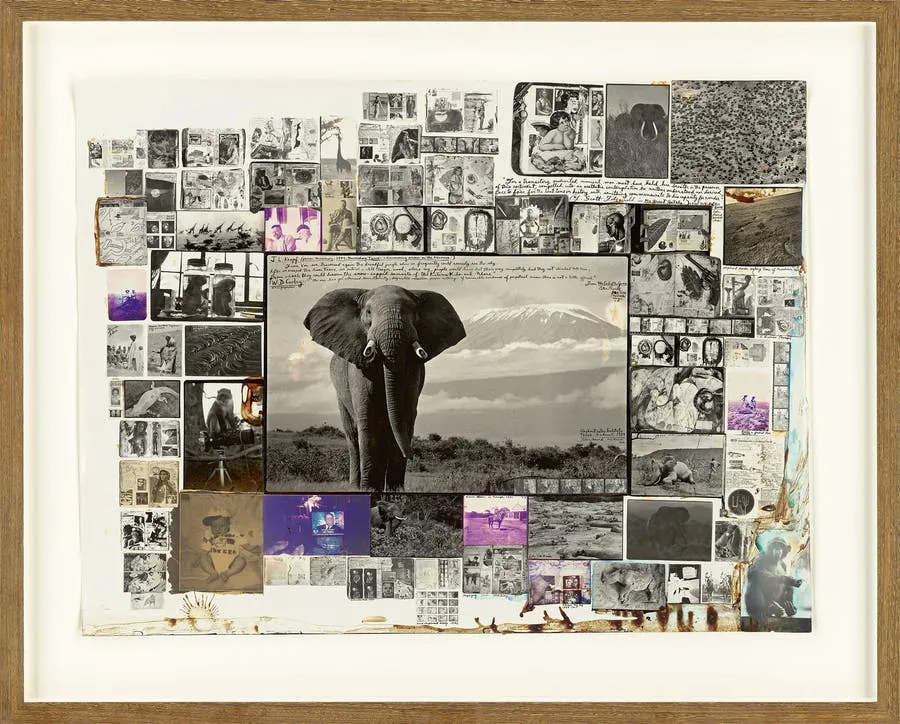
Some photographs are also part of this outstanding offer. Particularly noteworthy are Elephant and Kilimanjaro by the late photographer and passionate African traveler Peter Beard, and the city panorama Pont du Carrousel, vue du Pont Royal, Paris from the earliest days of photography.
Earlier that day, a dedicated photography sale will feature highlights including the iconic Givenchy Hat for Jardin des Modes by Frank Horvart and Daretha [Dorothea] Albu (Costume design: Lotte Pritzel) by the important German photographer Germaine Krull.
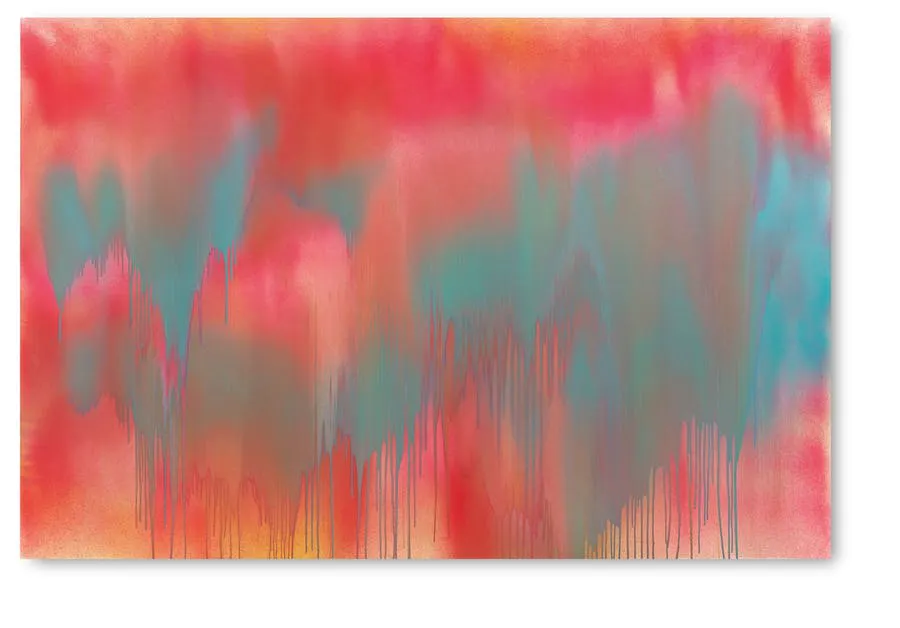
On 10 July, this spectacular offer will be supplemented with modern and contemporary art. A work by Katharina Grosse is in the spotlight, an artist who continues to shine with a large-scale exhibition at the Hamburger Bahnhof in Berlin until January. This untitled work from 2000, on the other hand, measures 'only' 214 x 320 cm.