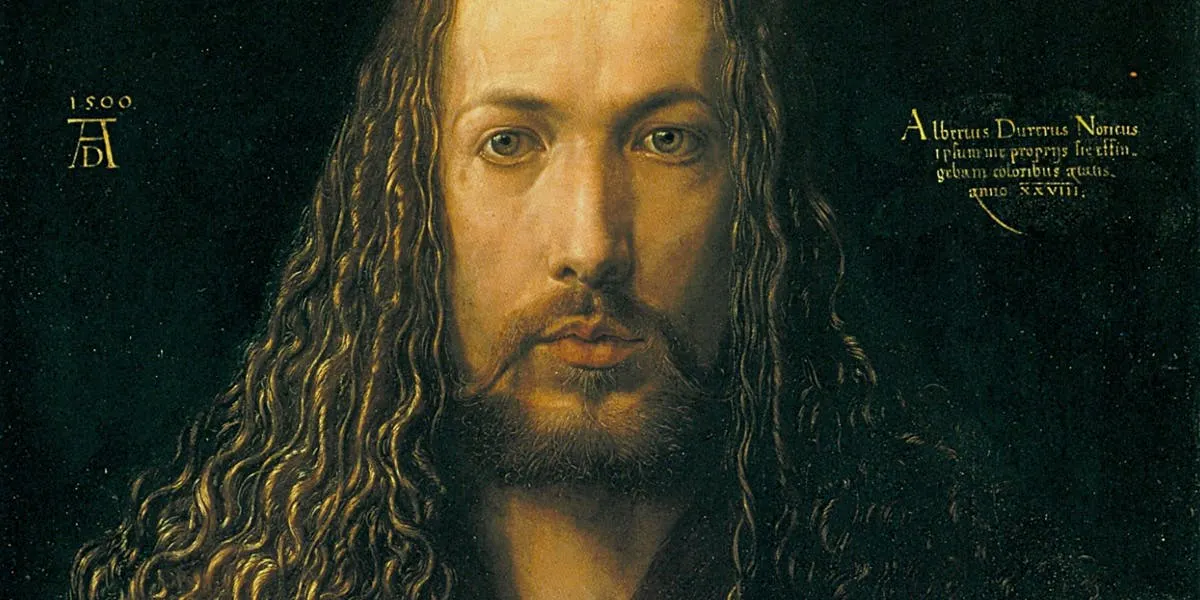
1. He made his first self-portrait at the age of 13
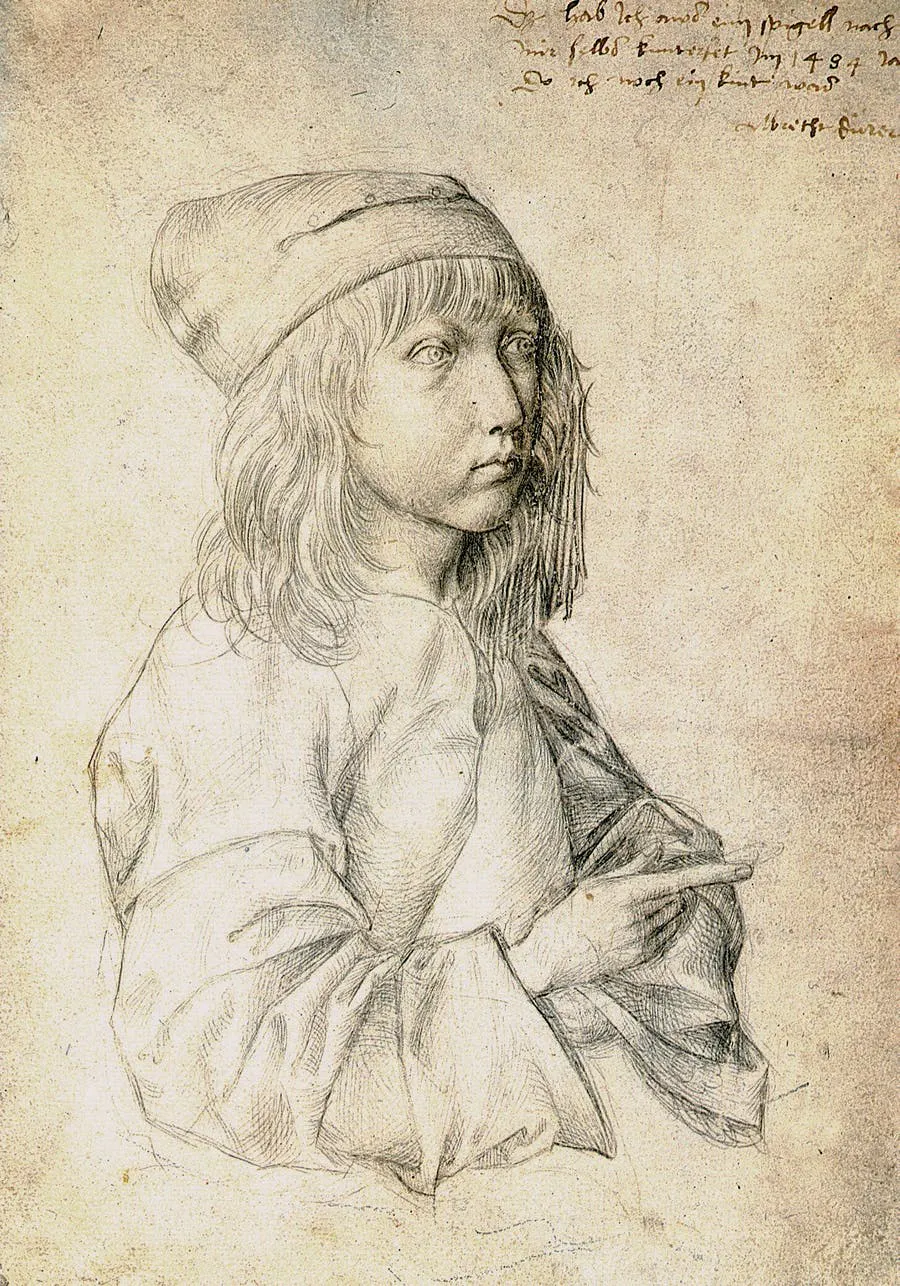
Dürer's talent for art was manifested at a young age, when he began a three-year apprenticeship in the goldsmith's workshop of his father, Albrecht Dürer the Elder. The latter, a Hungarian craftsman who emigrated to Nuremberg in 1455, wanted his son to become a goldsmith and, as the family tradition wanted, taught him the art of chiselling and cutting-edge technology from adolescence. Early on, the young Dürer demonstrated an incredible talent for drawing. In 1484 he made a self-portrait on paper with a silver point that convinced his father to place him in apprenticeship with the painter and master engraver Michael Wolgemut. The work, which determined the rest of his career, is today kept at the Albertina Museum in Vienna.
2. His signature is one of the most famous in art history
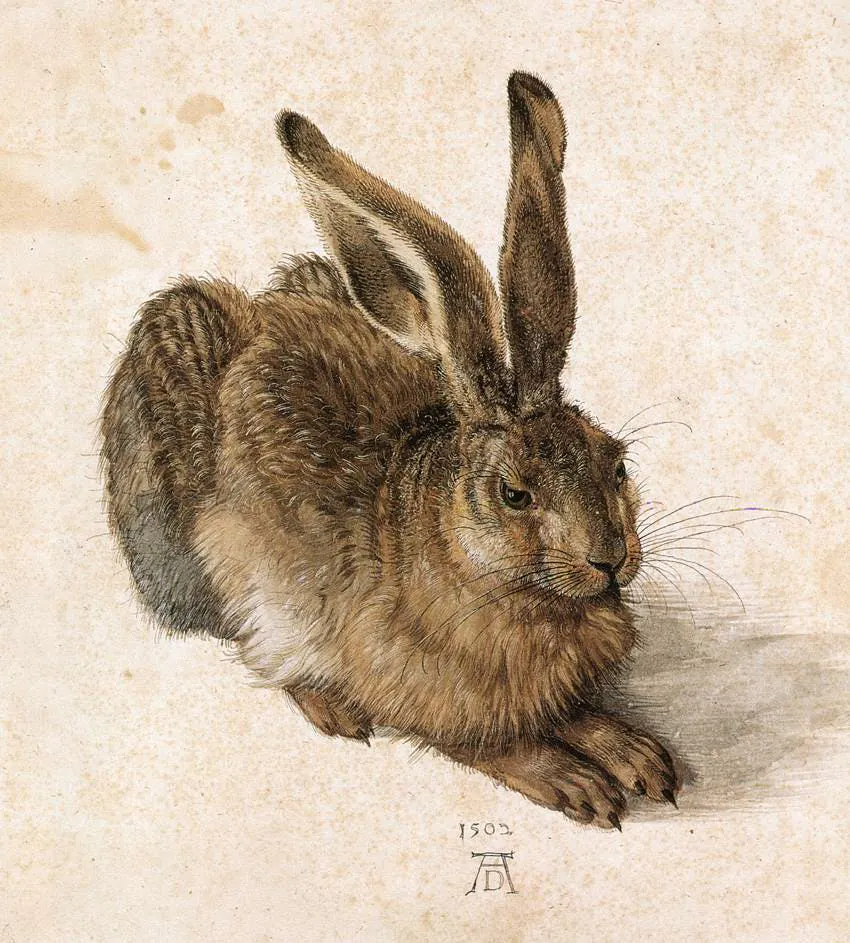
While he did not sign his creations with his full name in Latin, Albertus Dürer Noricus, Dürer did use a monogram comprising a large stylised ‘A’ between the legs of which was a small ‘D’. A very prolific and respected artist during his lifetime, he produced mass engravings, and if he was familiar with the technique, he nonetheless sometimes outsourced his work to craftsmen. This process made his works easy to forge, and many artists attempted to affix his initials on scythes. Dürer therefore obtained a charter from Emperor Maximilian I, his patron and client from 1510, who protected not only his works but also his famous monogram from plagiarism.
See also: The First Works of 10 Famous Artists
3. He was not a happy husband
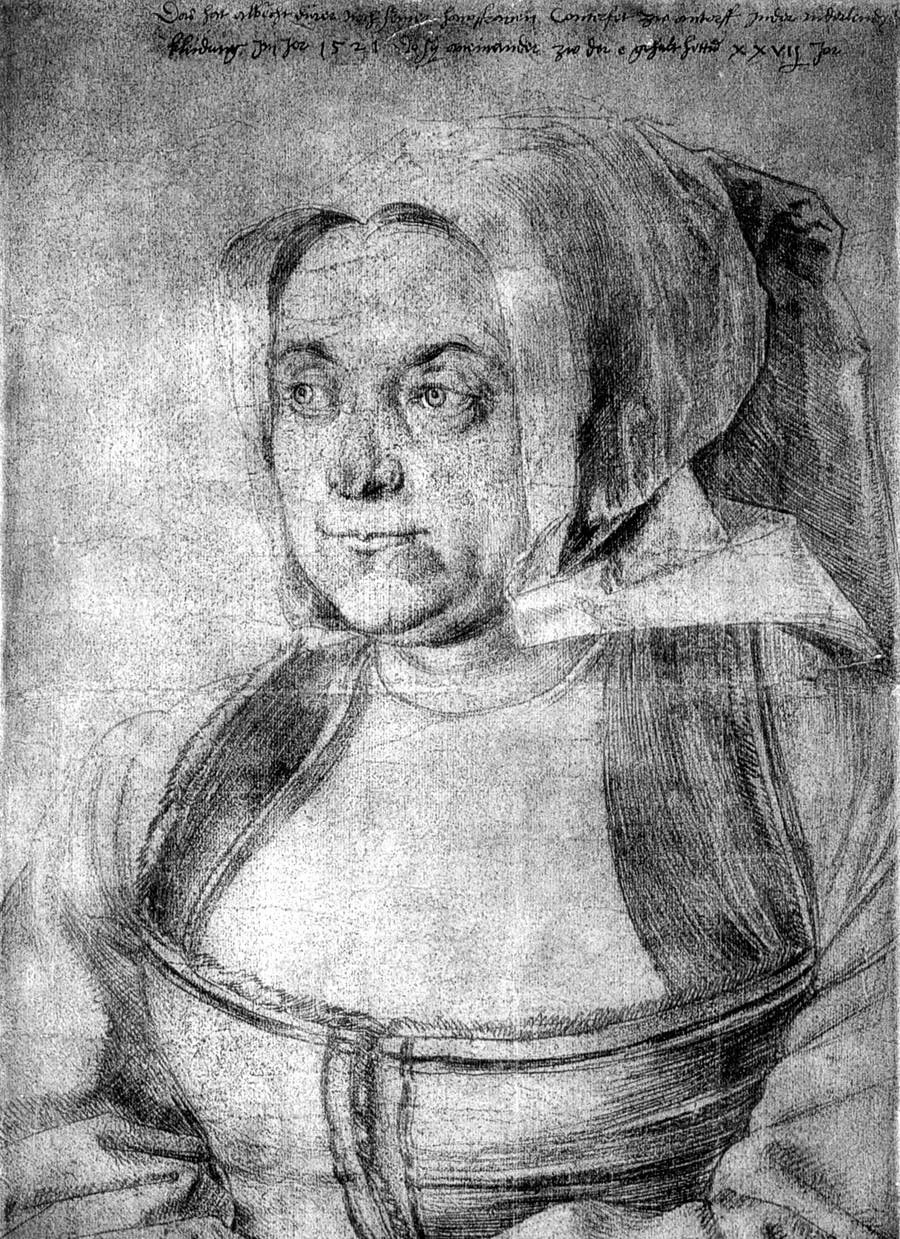
Though his personal life is less known than his career, we can suspect that he was not the happiest man. His marriage was arranged by his father on 7 July 1494 (he was then 23 years old) to grant him a more prestigious social status. The bride, Agnes Frey, was the daughter of the renowned German founder and harpist Hans Frey and his wife Anna. Agnes appears in several of Dürer’s works, but the couple did not seem to get along and, barely married, Dürer left her to go to Italy. She did not accompany him on his second trip either and is responsible for selling his prints at fairs. In 1512 she did go with him to Holland, but Dürer often reported that they did not eat together and that he particularly hated her friends. They never had children.
4. He was the creator of the first colour landscape
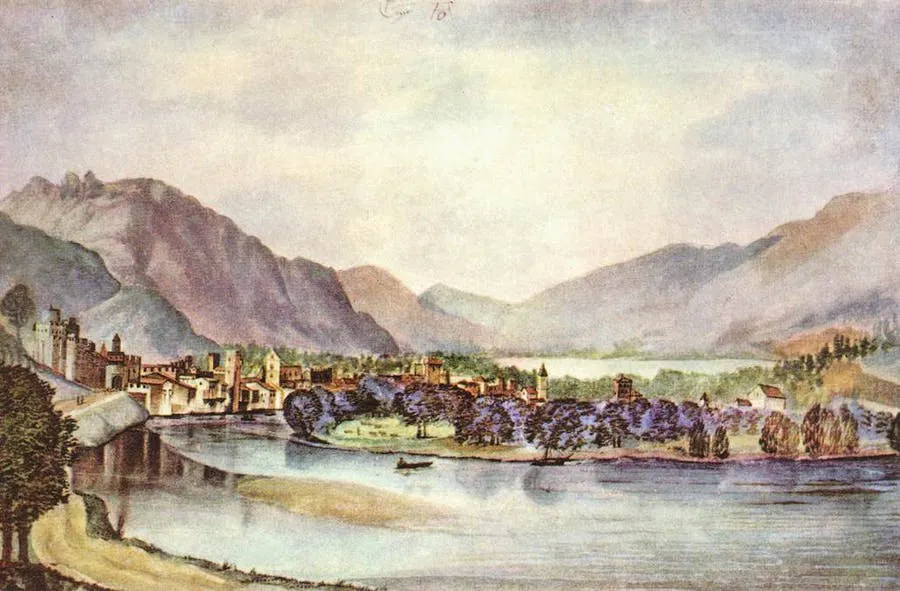
Dürer travelled a lot in order to meet other artists and learn from their work. In the autumn of 1494, he left for northern Italy (without his wife), stopped in Venice and passed through Bologna, Padua and Mantua. On the way back, in the spring of 1495, he stopped in the Alps and painted a series of landscapes in watercolour. A source of precious knowledge for botanists, it was from this series that he created the first landscape painted in colour that corresponded to an existing place.
See also: Is This Albrecht Dürer's Last Existing Fresco?
5. He was more respected in Venice than at home
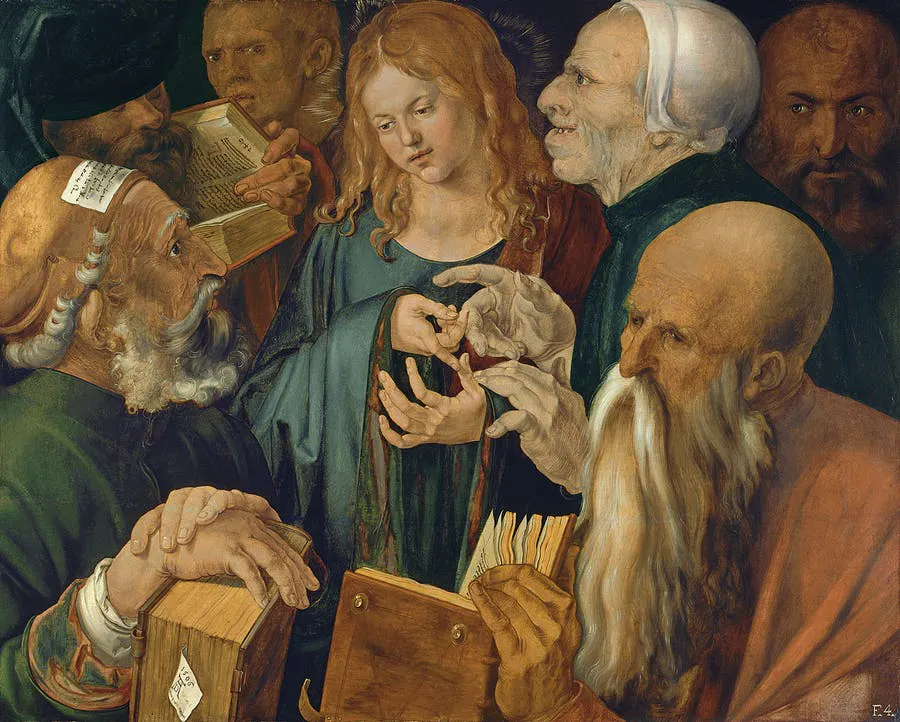
Dürer greatly respected and admired the Venetian artists, whose reverence was reciprocated when Dürer arrived in the City of Doges. Dürer was seen there as a ‘divine’ artist, an artist who owed his qualifications to the will of God, and once said: "Here I am a lord, a parasite at home!" Indeed, Italy considered its artists as geniuses, while in its hometown of Nuremberg, Dürer’s work only earned him the status of master craftsman. Among the most important works of his second Venetian period is The Virgin of the Feast of the Rosary, an altarpiece for the altar of the Church of San Bartolomeo paid for by merchants from Augsburg and Venice.