![A copy of Bartolomé Esteban Murillo's ‘Immaculate Conception’ and the final result of the restoration, images © Europa Press News / Europa Press via Getty Images [detail]](https://images.prismic.io/barnebys/01f63abe-6916-422a-9aa0-c40c3199e8fa_Cover.jpg?auto=compress,format)
After the famous botching of Ecce Homo and the Statue of Saint George, Spain and its cultural heritage have undergone another failed restoration. A 17th-century painting of the Virgin Mary, painted after The Immaculate Conception, by Bartolomé Esteban Murillo was made unrecognisable after two ‘restorations’. This latest failure, as well as the absence of legislation in the field, has left many scandalised and worried about the future of the cultural heritage of the country.
According to local press, the task was entrusted to a furniture restorer for €1,200 (£1,080). The first transformations undergone by the precious painting of 1678 horrified the owner: the Virgin appeared completely disfigured. The ‘restorer' was then instructed to repair his error by intervening a second time... only to make matters worse.
See also: Archaeologist Sentenced for Faking His ‘Unbelievable’ Finds
As reported by Europa Press, the collector should have contacted a professional restorer to try to save the painting.
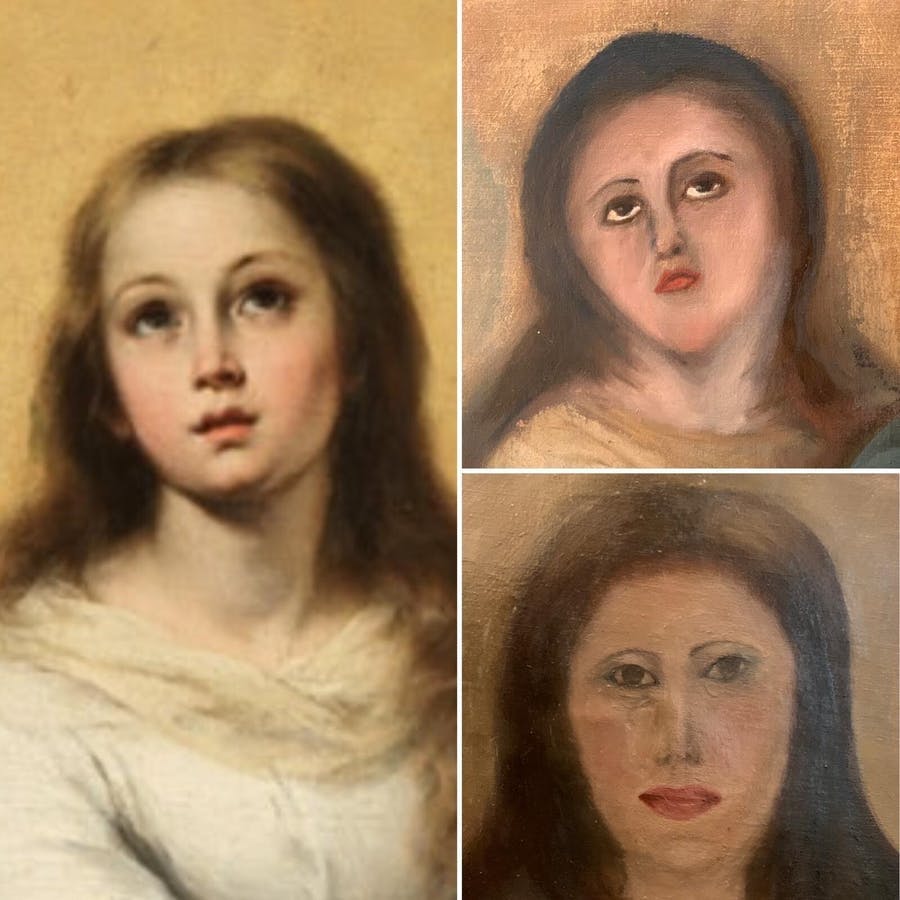
María Borja, vice-president of the Valencian branch of the Professional Association of Conservative Conservators of Spain, told the press that if a handful of incidents have been brought to light by social media, “there are a multitude of situations where works have been modified by untrained people... sometimes causing irreversible damage."
Although the organisation advocates for the preservation of cultural heritage, to date there are no regulations for anyone wishing to hire a restorer. Fernando Carrera, former president of the association, told the Guardian: "I don’t think this guy – or these people – should be referred to as restorers… they’re bodgers who botch things up. They destroy things."
See also: A Clue to the Stolen Van Gogh Painting Emerges
“Can you imagine just anyone being allowed to operate on other people? Or someone being allowed to sell medicine without a pharmacist’s license?” Carrera added, noting that while he understands restorers are not as critical to society as doctors, “we need to focus society’s attention on this… this is our history.”
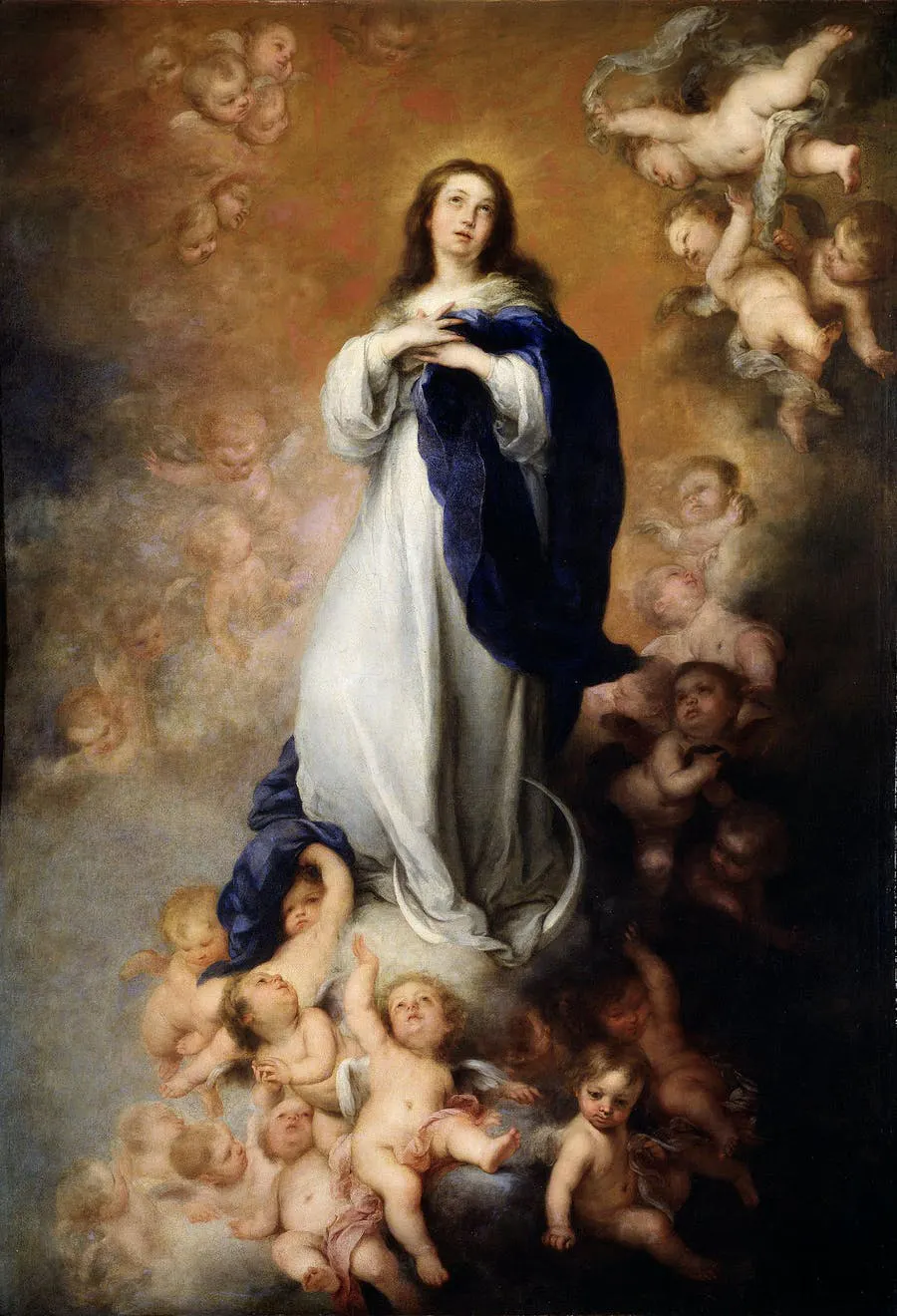
See also: Fugitive Art Dealer Inigo Philbrick Arrested on a Pacific Island
On social networks, mockery is rife, ranging from juxtaposed photos of the original work and the result, to references to previous failures. Well remembered is the 2012 restoration of Ecce Homo, an attempt by a devout parishioner to revive a religious painting of the flagellated Christ, which made the city of Borja famous throughout the world. In June 2018, the parish of Navarre was in the spotlight after the massacre of the statue of Saint George, another victim of an unofficial restoration carried out by a craft workshop for children. After €33,000 (£29,800) and a thousand hours of work by professionals, the dragon slayer has managed to find his true colours.
It remains to be seen whether this new incident will contribute to the implementation of legislation to protect the country's heritage.