
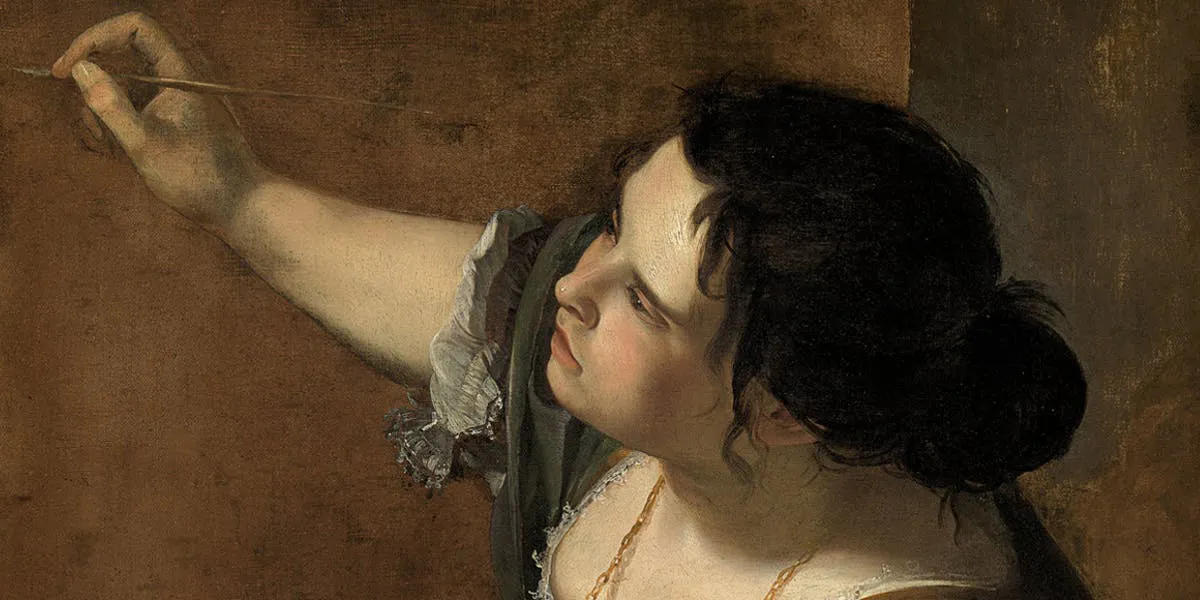
Artemisia Gentileschi practised art during the 17th century, a time when men monopolised the artistic field. Here are five facts about her extraordinary life and career.
1. She was initiated into painting by her father
Artemisia was born in Rome on 8 Jul 1593 to the painter Orazio Gentileschi and his wife Prudenzia. After her mother died when she was twelve, Artemisia began to accompany her father to his studio, and brushes, canvases and colours became her greatest passion. The chances of a career in art for a 17th-century woman were almost non-existent, especially if – like Artemisia – she did not come from an aristocratic family.
See also: The New Renaissance for Old Masters

The obvious difficulties, however, did not discourage her or Orazio, who began teaching her the mixture of pigments, the making of brushes and the application of colour. Over the years, Gentileschi refined her technique by copying the lithographs of the great artists of that time. Caravaggio was certainly her most important point of reference: his style greatly influenced the work of her father (whom he knew personally) and consequently hers.
See also: Angelica Kauffmann: The Child Prodigy
Although Orazio was particularly enlightened and open-minded, he never allowed Gentileschi to refine her art outside the small studio walls. Difficulties and restrictions aside, she gradually began to collaborate with her father by putting her hand on his works, until she made Susanna and the Elders, her first canvas, at only 17 years old.
2. She won the case against her rapist, Agostino Tassi
Despite being prevented from leaving home, Gentileschi had the opportunity to meet renowned painters of the time thanks to visits from her father's friends. A regular visitor to the family studio was Agostino Tassi, a well known landscape painter with a chequered reputation.
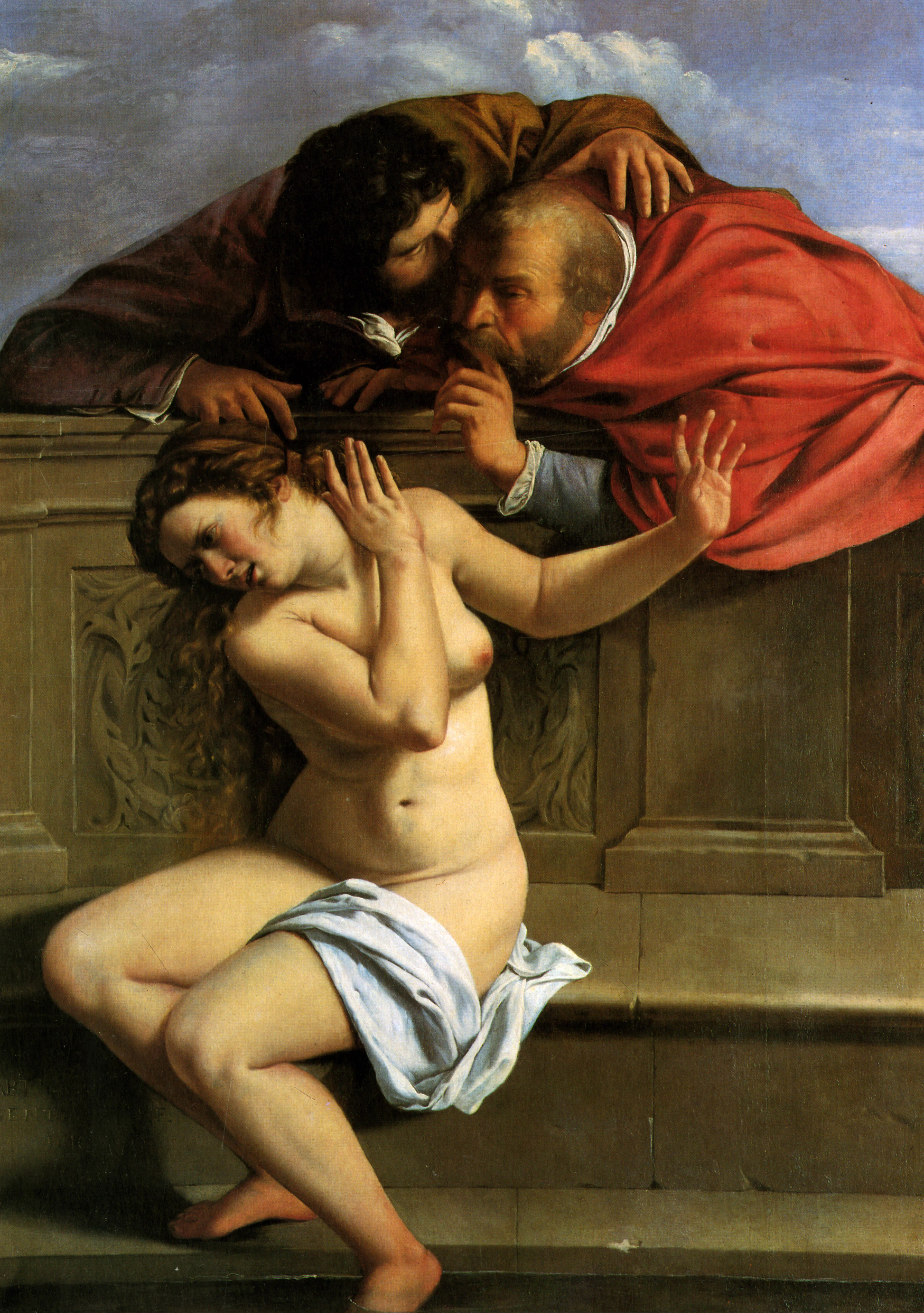
One day, Tassi took advantage of the absence of his friend and raped Gentileschi, after many failed attempts to seduce her. To resolve the situation, as usual for the time, the teenager accepted the idea of a reparatory marriage, which however never happened because Tassi was already married. A year after the rape, Gentileschi's father finally decided to file a complaint that turned into a long and painful lawsuit. Before the verdict could me made against Tassi, seven long months passed during which both parties and witnesses were interrogated. Gentileschi was initially not believed and torture was inflicted on her by Tassi's supporters. However, eventually, Tassi was finally convicted and jailed. This experience influenced Gentileschi's paintings, which often had feminist undertones.
3. She was the first woman to be admitted to the Florence Drawing Academy
After the sentence condemning Tassi, Gentileschi was forced by her father to marry a stranger, the Tuscan painter Pierantonio Stiattesi. She took the opportunity to move to Florence and get away from her father, who in the meantime had regained a friendship with her rapist.
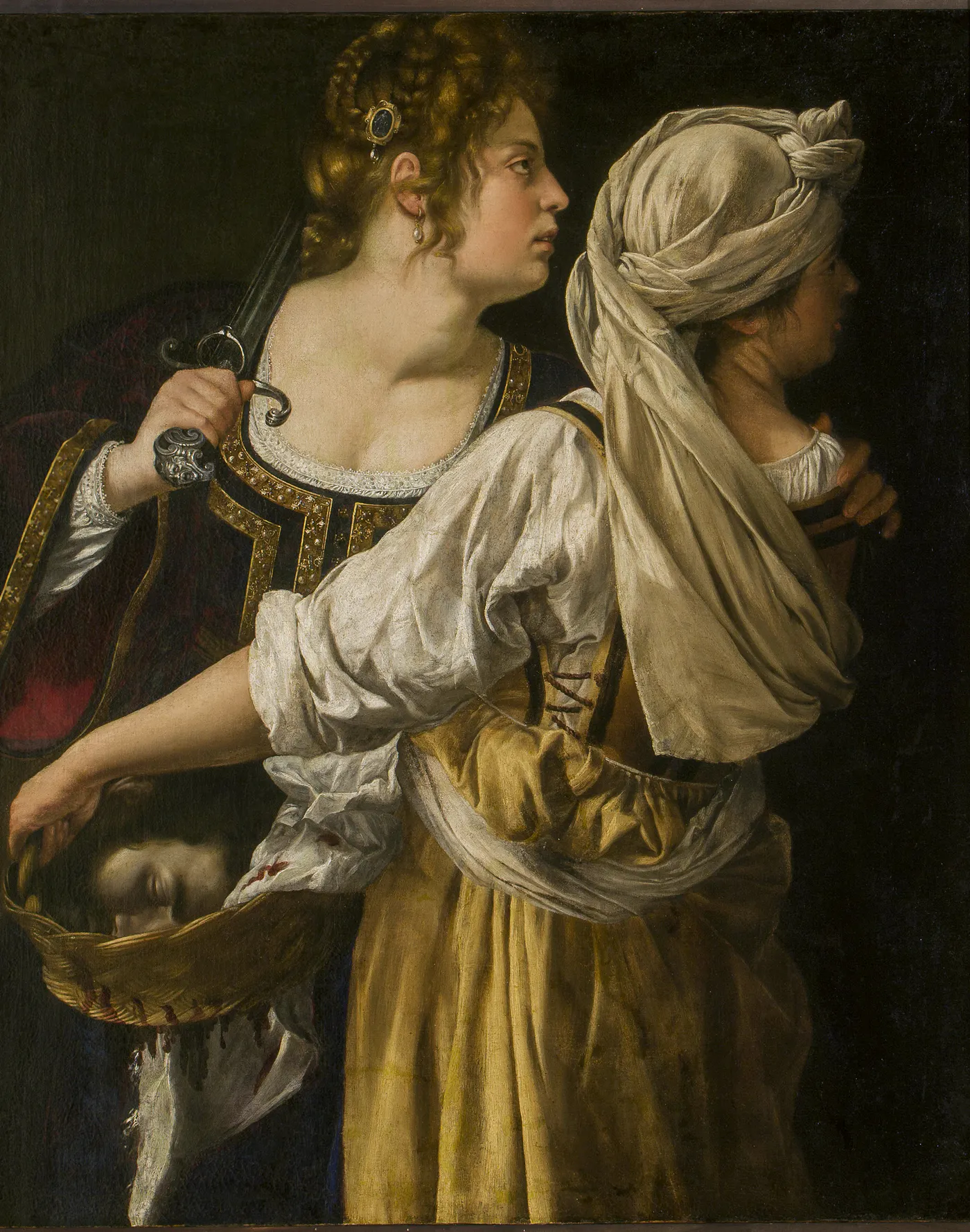
It was in the Tuscan capital that the painter finally made herself known for her talent, despite being followed throughout her life by gossip about the affair, which ruined her reputation forever. In her Florentine period, which lasted until 1620, the painter made important acquaintances, including Galileo Galilei, and became the first woman to be admitted to the Academy of Drawing in Florence.
4. She depicted strong and powerful women
The enormous amount of debts contracted by her husband and a scandalous extramarital affair forced her into a short return to Rome, where her father had moved, until she relocated permanently to Venice, where she remained until 1630.
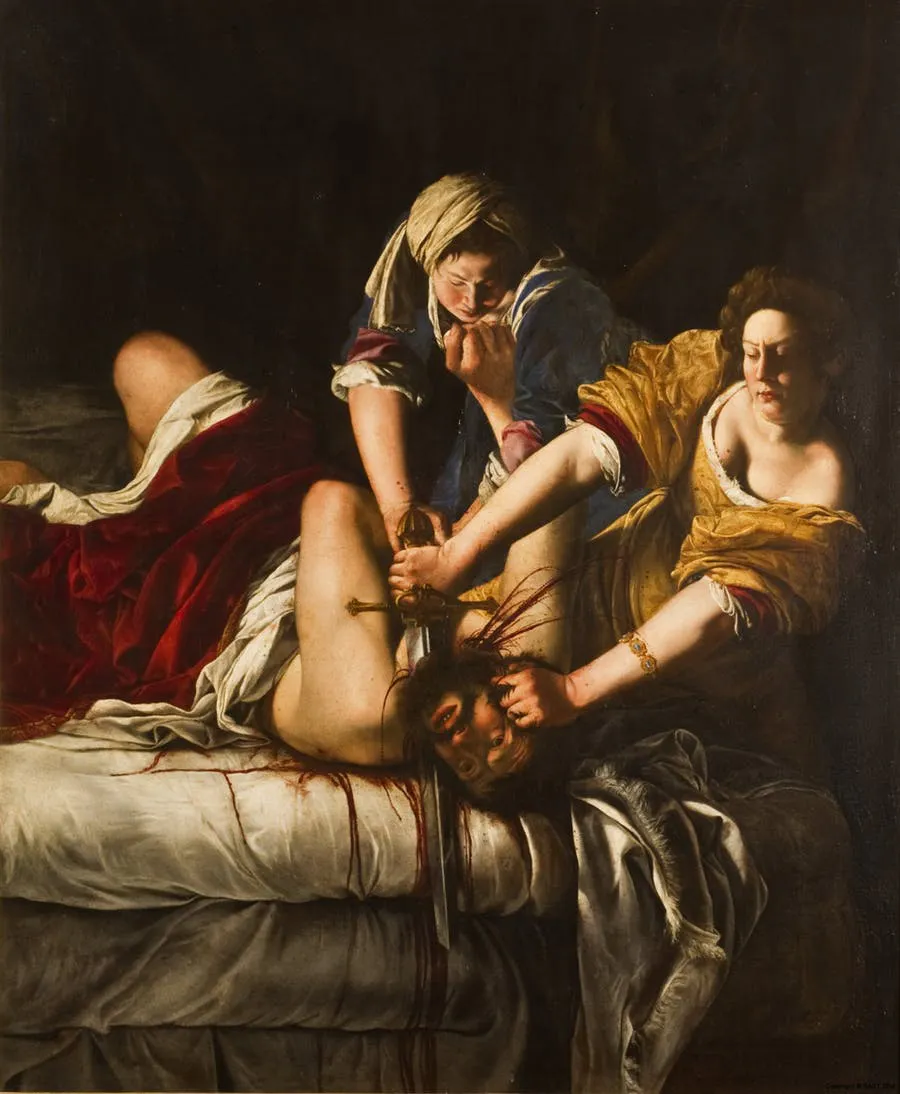
Throughout her career Gentileschi followed in the footsteps of Caravaggio and the Baroque style of the time, painting canvases that had biblical themes and using the chiaroscuro technique. However, Gentileschi's true contribution to painting was the insertion of a strong female element on the canvas. She depicted powerful and independent heroines – a revolutionary approach at a time when even the strongest female figures in the Bible were represented in a key of weakness or submission.
A quick comparison between Caravaggio's and Gentileschi's Judith and Holofernes is enough to understand this: Caravaggio's Judith has an intimidated look, frightened by the sight of the blood, as if the woman was not slaughtering Holofernes by her will but saw her hand do it. The Judith of Artemisia, on the other hand, is an alter-ego of the painter, and perpetrates the murder against Holofernes/Tassi in a conscious way: her eyes do not run away, she is strong, determined and aware of her act.
See also: Top 10 Rediscovered Masterpieces
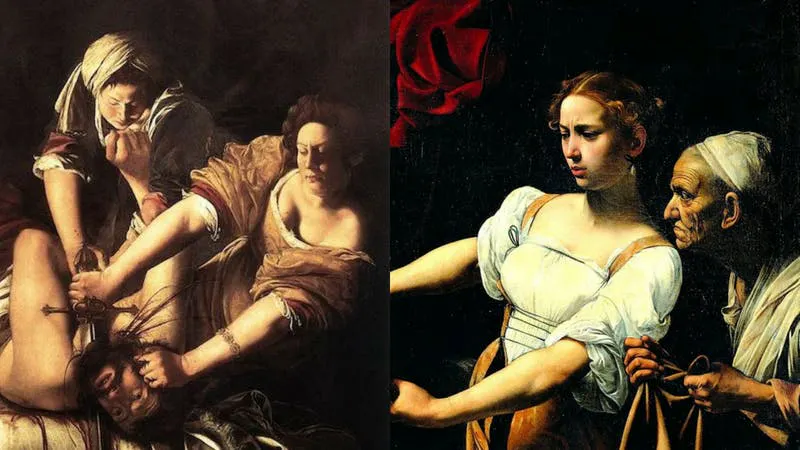
Of the sixty paintings that are attributed to Gentileschi with certainty, forty represent female figures: from Mary Magdalene to St. Catherine, from Esther to Judith. Gentileschi not only transfigured the pain of rape, she has gave women a voice and claimed their position in history and in art.
See also: The 14 Most Expensive Female Artists
5. Her works were only rediscovered in the 20th century
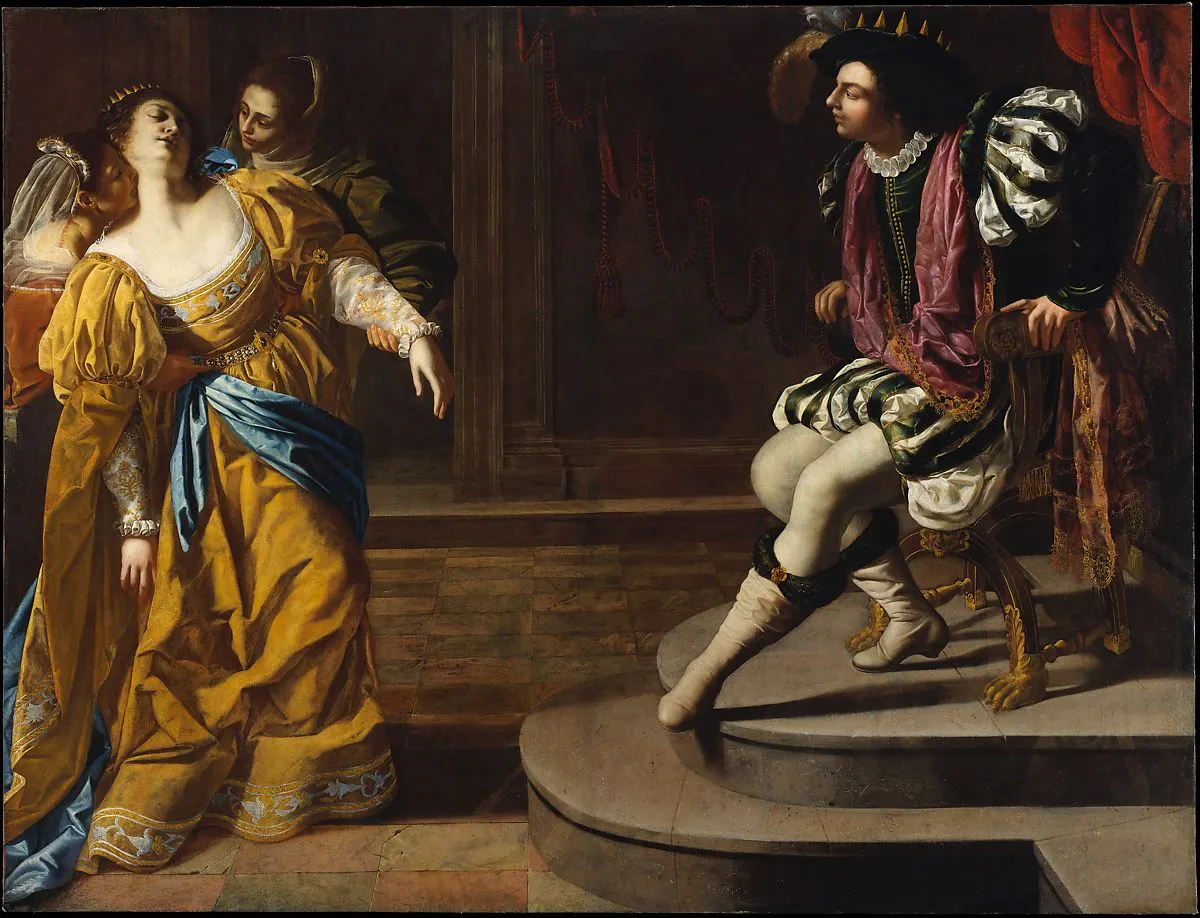
Gentileschi shares the fate of many other female artists. Like Frida Kahlo, Margaret Keane or Joan Mitchell, her work took a long time to be really appreciated. In her case we are not talking about years or decades, but about centuries: her talent was completely forgotten about in the 18th and 19th centuries, only to be fully rediscovered in the 20th century. It was thanks to a 1916 article by the art historian Roberto Longhi that Gentileschi's work finally found a place in art history: the piece generated a growing interest in the painter, which culminated with a series of exhibitions at the level international in the '70s-80s.
Related: A New Record for Artemisia Gentileschi
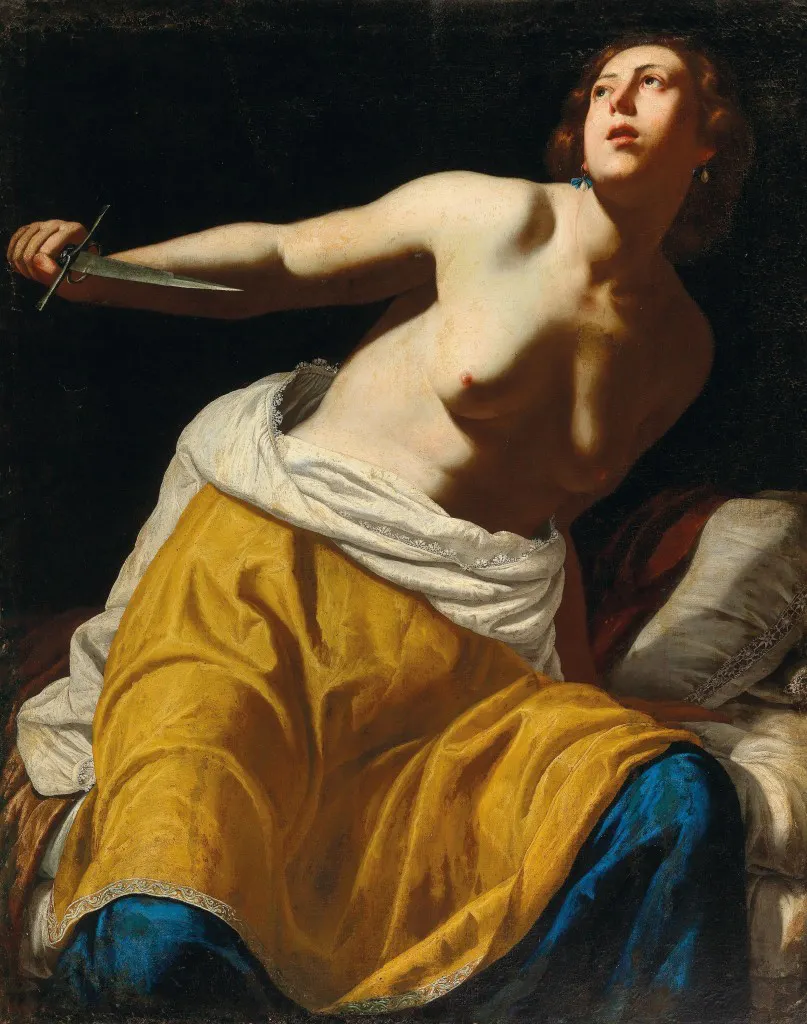
Today, Gentileschi's artworks often sell for far above their estimates, such as Lucretia, which sold in November 2019 for £4.09 million, a record for the artist, and six times its high estimate.