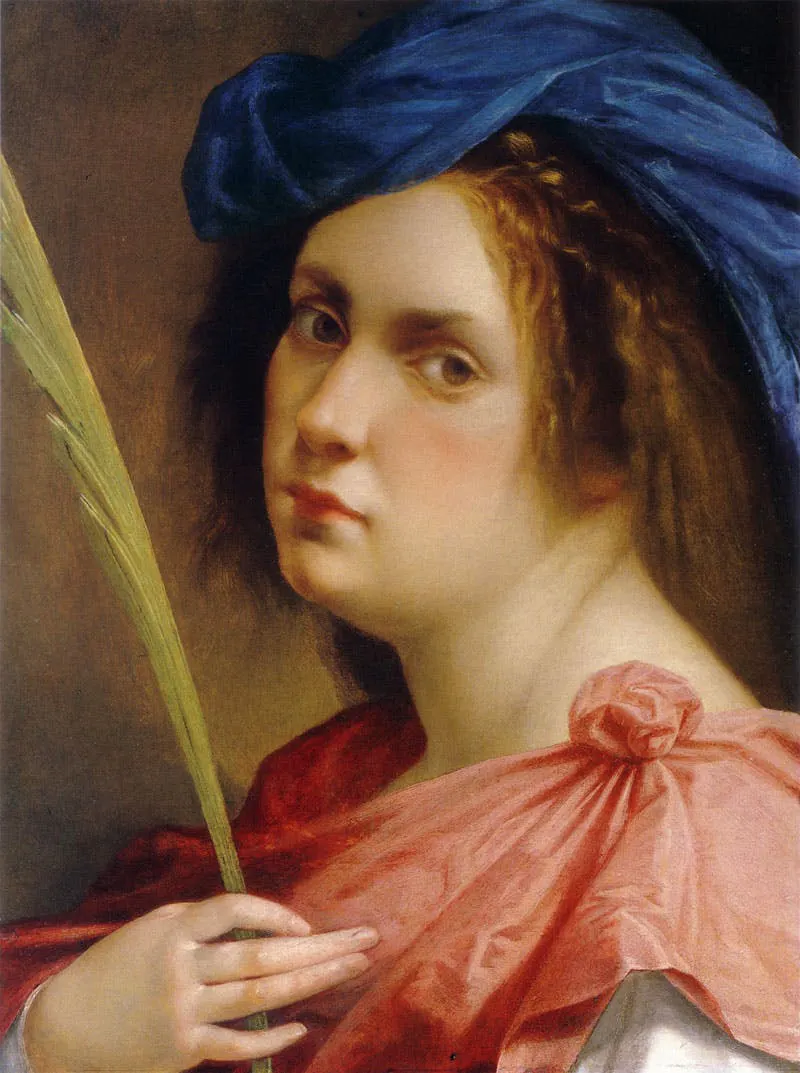
![Artemisia Gentileschi, ‘Self-portrait as a Lute Player’ [detail], 1616-18, located in the Wadsworth Atheneum Museum of Art, image CCØ](https://images.prismic.io/barnebys/04d3a2d2-30c5-418f-8adc-8036b21f9211_Cover.jpg?auto=compress,format)
Now more than ever the inspiration that her life and her art provides is needed.
With her talent, artistic themes and her strength of character, Artemisia Gentileschi (1593-1653) broke the artistic conventions of her time and today remains one of the only women to have achieved success in the 17th century.
Exciting, dramatic and symbolic of the obstacles undergone by the fairer sex, the life of Artemisia Gentileschi resonates, even today, with a certain accuracy in our society. The project of a television series based on her tribulations was announced by ViacomCBS studios, with Jill Offman at the helm. The latter will be joined by Frida Torresblanco, an independent Spanish-American film and television producer known for her work on Pan's Labyrinth (2010).
“I couldn’t be more passionate about giving Artemisia a voice and bringing her timely story to the screen. Now more than ever the inspiration that her life and her art provides is needed,” said Torresblanco. “This will be a contemporary feminist piece that is at once provocative and transgressive, invoking the spirit of our present moment in an eloquent and elegant way.”
See also: Artemisia Gentileschi: 5 Extraordinary Facts
The series will go into production next year and will be based on the biography Artemisia Gentileschi: The Image of the Female Hero in Italian Baroque Art, published in 1989 by Mary Garrard. The book contains the transcript of the trial held following Gentileschi's rape, as well as crude details of the torture she endured to win her case against her attacker, Agostino Tassi.
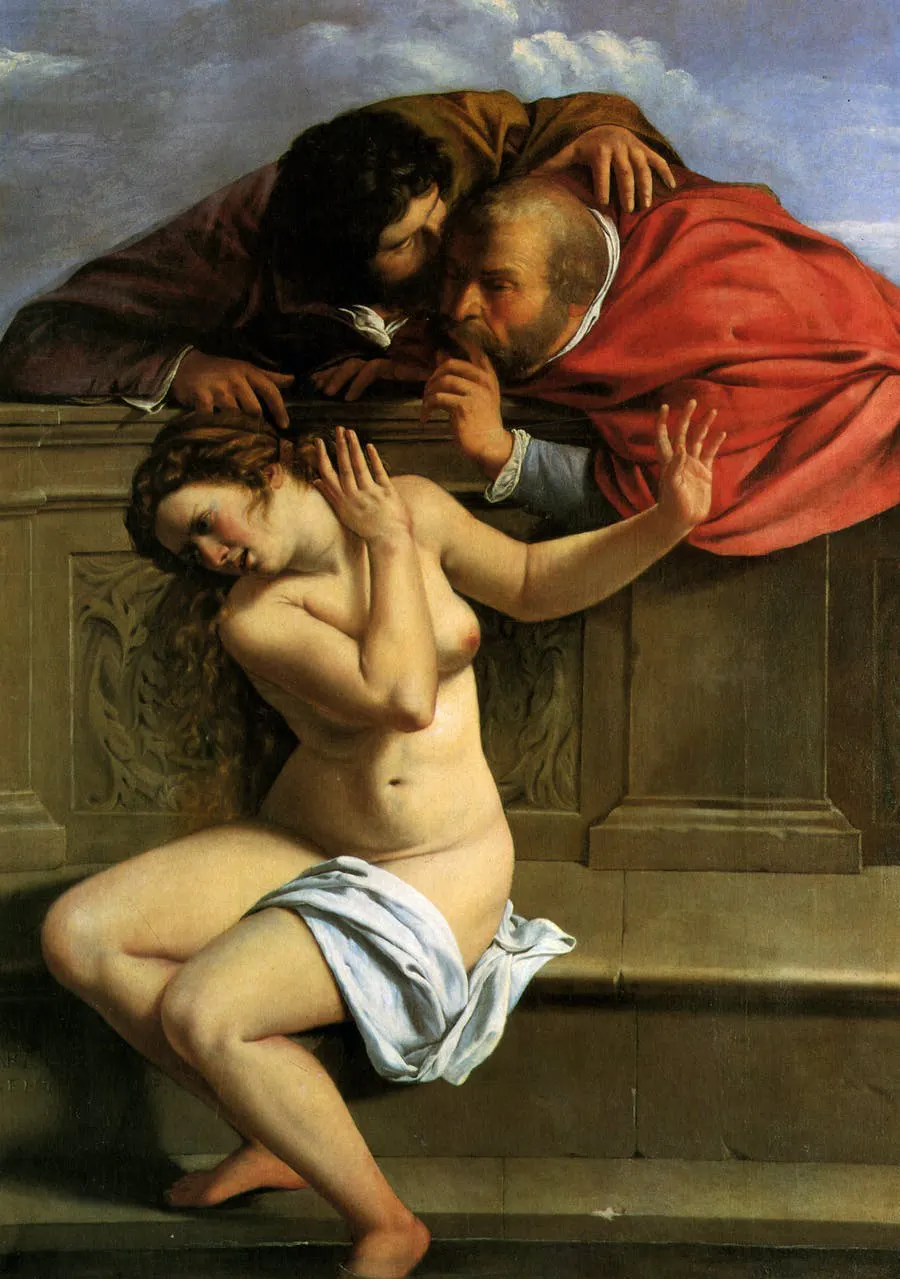
Trained in painting by her father, Orazio, Artemisia Gentileschi refined her technique by copying the lithographs of the great artists of the time, Caravaggio being her most important reference. Although he showed herself to be a pedagogue and open-minded, Orazio never allowed her to practice outside the narrow walls of the studio, the future prospects in art being particularly limited for a woman, especially from a modest background.
See also: The First Works of 10 Famous Artists
At 17, Gentileschi was raped by a friend of her father, Agostino Tassi, while they were alone in the workshop. A year after the event, Orazio decided to file a complaint, which turned into a long and painful trial. The accusations from the young painter were not taken seriously and lead to psychological and physical torture (including a humiliating and painful genital examination). Tassi was condemned, but his exile was never carried out, meanwhile Gentileschi left for Florence and to pursue her career.
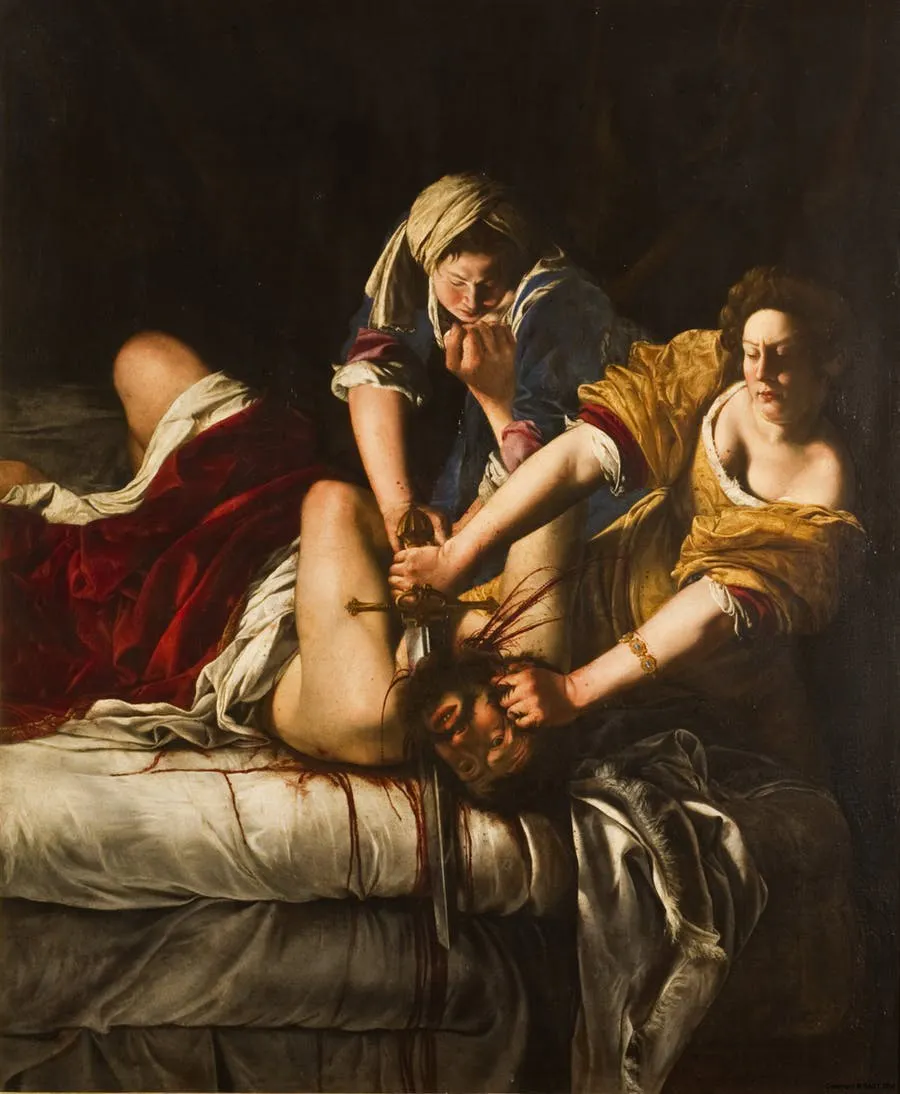
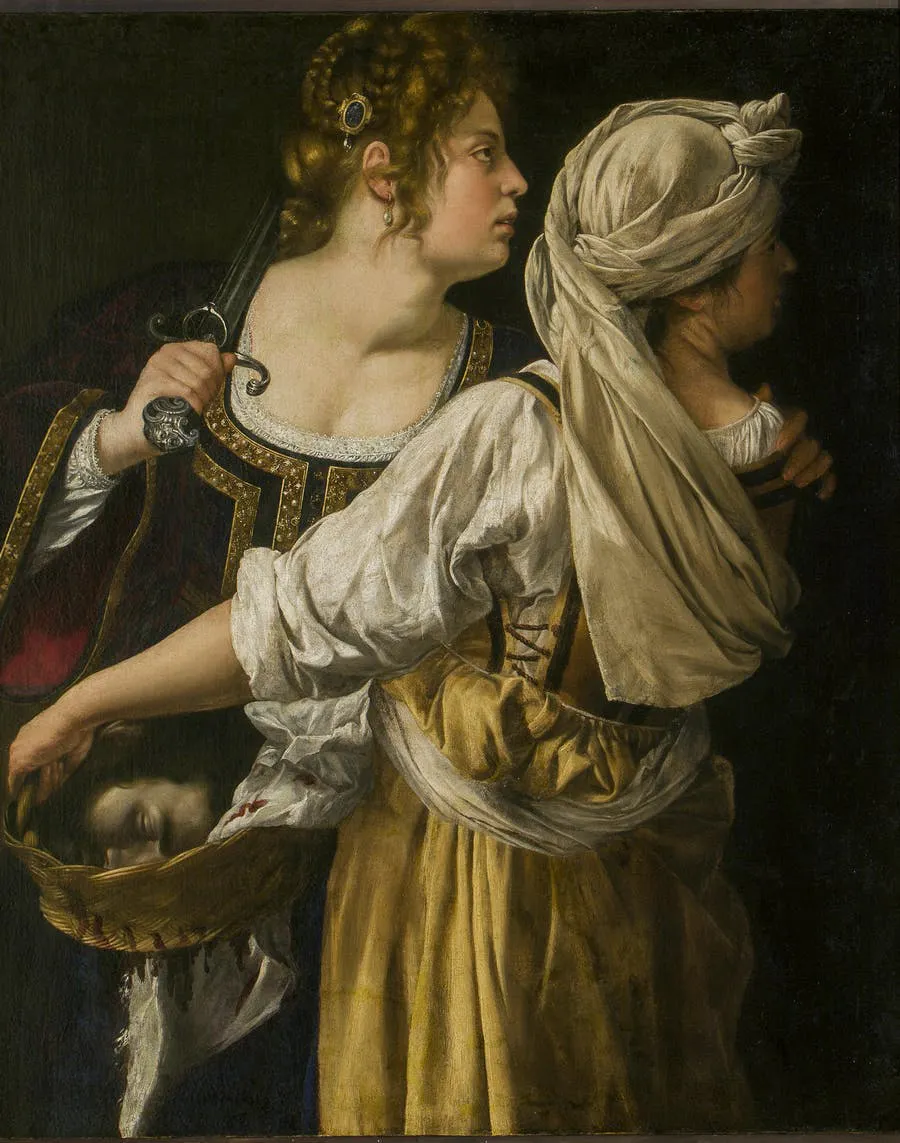
Success didn’t take long to find Gentileschi, and she was even able to join the Academy of Drawing in Florence, a first for a woman in the history of the institution. Gentileschi’s true contribution to the world of painting lay in her themes and characters, which made a clear break with Baroque traditions. In Gentileschi’s work, women were the centre of attention and demonstrated unprecedented determination, strength and courage. This was a real revolution in the representation of traditional scenes: even the strongest female characters from the Bible were portrayed in a position of weakness or submission.
See also: Top 10 Rediscovered Masterpieces
Her talent was completely forgotten between 1800 and 1900, before her rediscovery in the 20th century. She is now back front of stage and in particular on the auction market, where collectors and institutions are snapping up her works and raising its price. The artist's record was set by Artcurial in November 2019 with Lucretia, a painting kept in the same collection for 40 years and which flew for €4.8 million (£4.09 mil). Museums are helping to restore her to her rightful place through acquisitions and exhibitions, such as the one currently being held at the National Gallery in London.
Gentileschi's life was also the subject of a film in 1997, with Valentina Cervi in the title role and directed by Agnès Merlet, although Gentileschi's relationship with Tassi was portrayed as consensual. The series from ViacomCBS studios promises an eloquent portrait of a resolutely modern figure of 17th-century art.