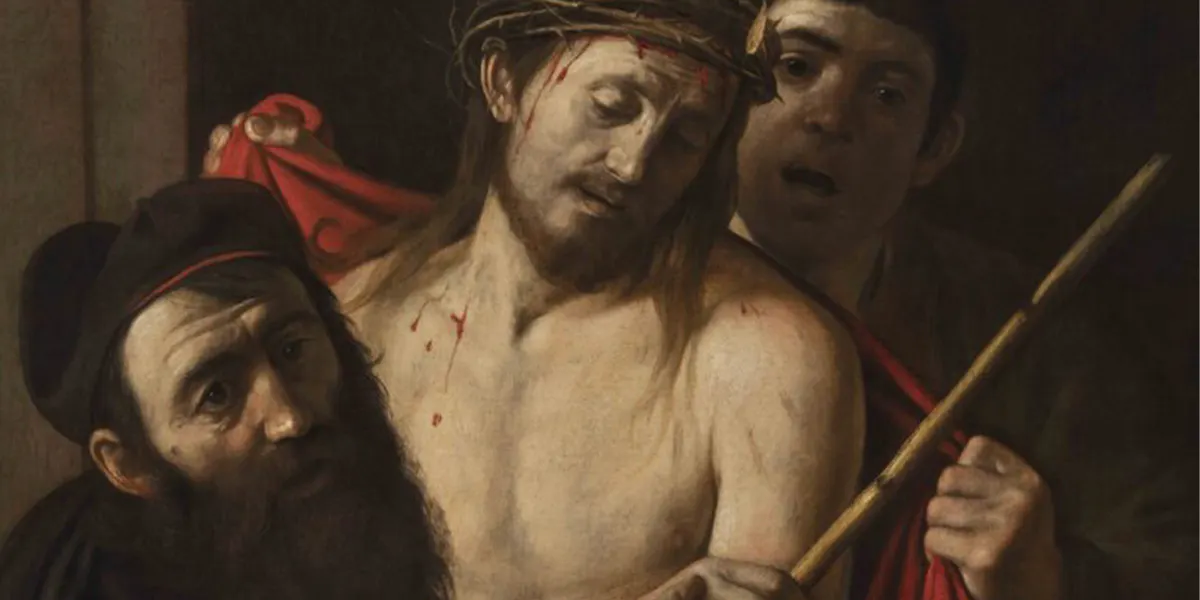
Ecce Homo, the scene in the Gospels where Pontius Pilate presents the martyred Christ to an angry crowd, has been interpreted by artists repeatedly for centuries. In April 2021, a Spanish auction house presented an Ecce Homo painting for auction, initially attributed to a painter from Juan de Ribera's circle, with bids starting at €1,500 (£1,300).
See also: Is this £1,300 Painting by Caravaggio?
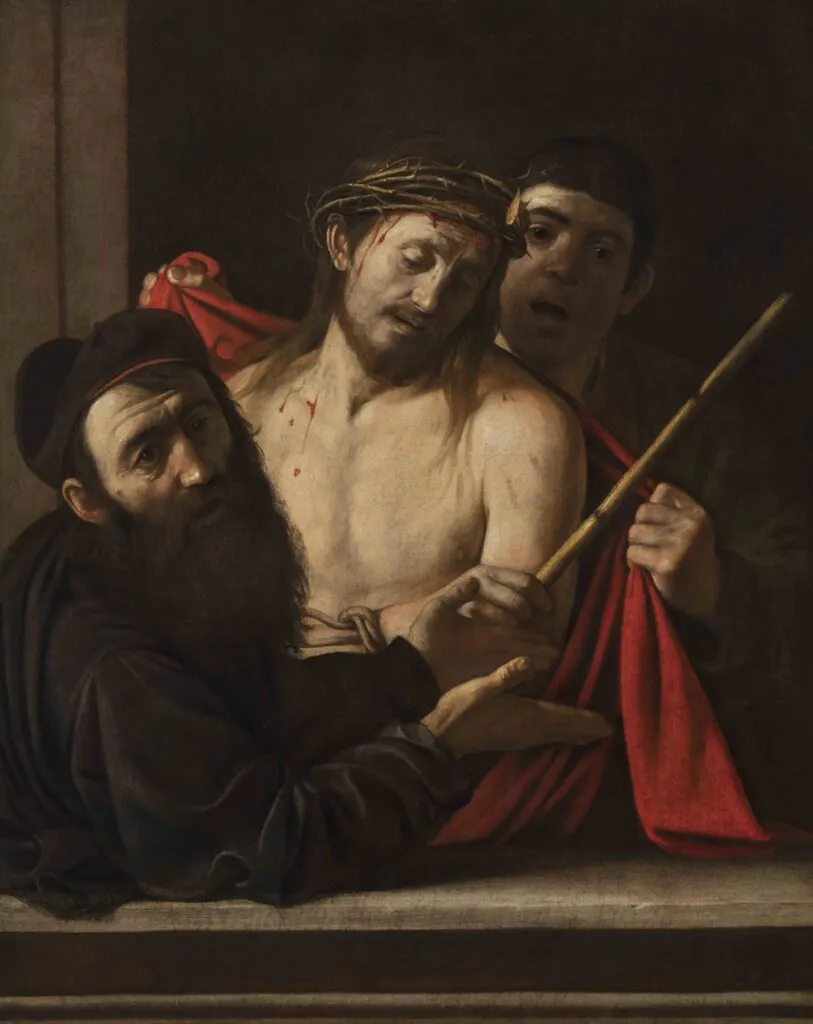
However, something about the painting caught the experts' eye and led them to re-examine the work and push the Spain’s culture ministry to halt the auction and impose an export ban. What they recognised was that the painting was a work by Caravaggio himself. Caravaggio's dramatic chiaroscuro style left a lasting impression on many of his colleagues and successors, including Juan de Ribera. With only about 60 of Caravaggio's paintings known today, an addition to his oeuvre is significant.
See also: Caravaggio: The Renaissance Rebel
After the painting was withdrawn from the auction, the next steps were carried out under the supervision of experts from the Comunidad de Madrid. Following an intensive diagnostic examination, the restoration was completed by specialist Andrea Cipriani. The final attribution to the master was made by leading Caravaggio experts Maria Cristina Terzaghi (Associate Professor of Modern Art History at the University of Roma Tre and member of the scientific committee of the Museo di Capodimonte in Naples), Gianni Papi (art historian and author), Giuseppe Porzio (Professor of Art History at the University of Naples), and Keith Christiansen (Curator at the Metropolitan Museum of Art). Caravaggio is believed to have worked on the painting around 1605-09. It is also said to have once been part of the collection of Spanish King Philip IV.
See also: Top 10 Rediscovered Masterpieces
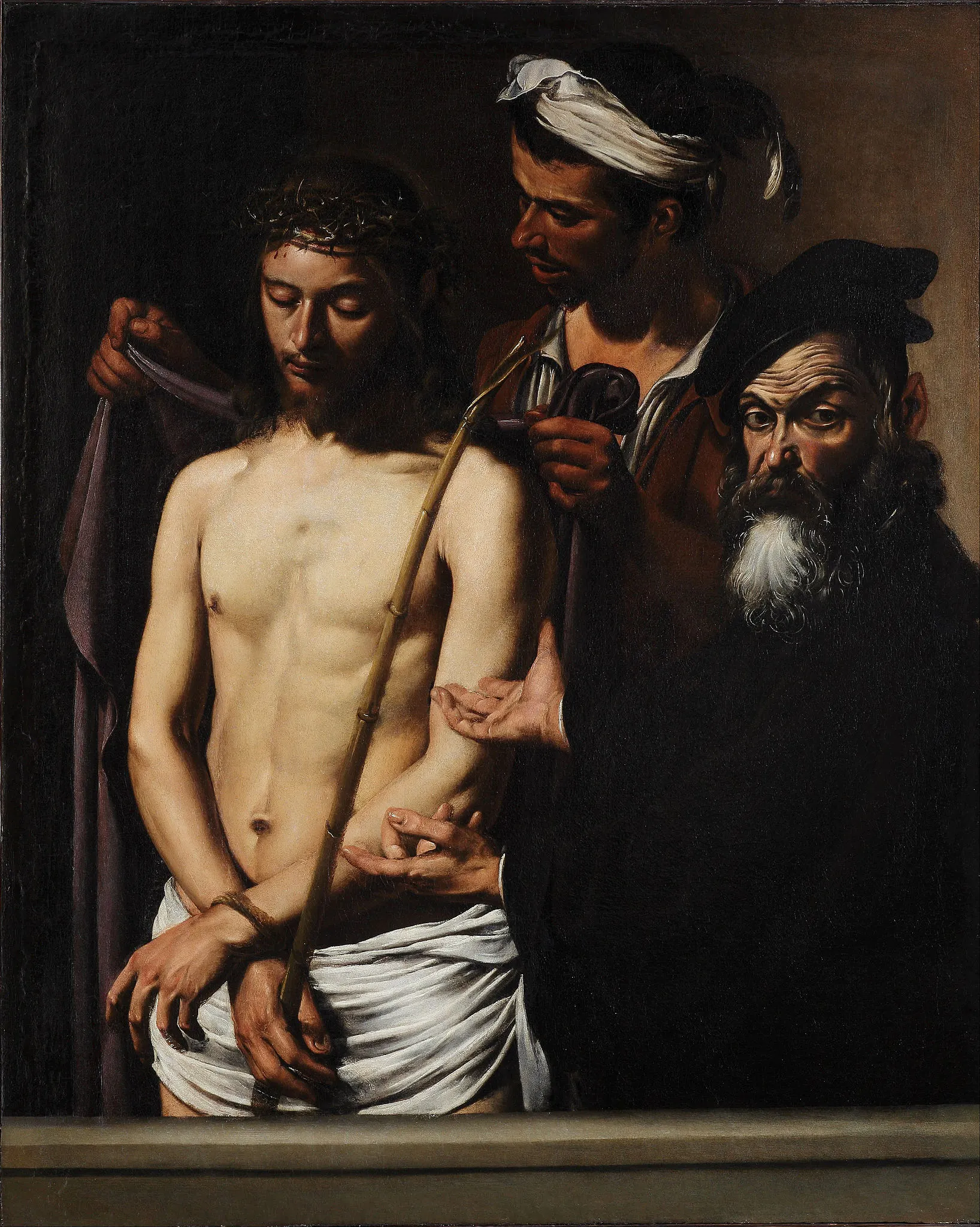
Before the cancellation of the auction in April 2021, the painting had been owned by the same family since the 19th century, who were unaware of its provenance. Once the painting was identified as a work by Caravaggio, the family received permission from the Madrid government to sell it. The painting was sold privately to an anonymous buyer, and the sale price was not disclosed.
Want more articles like this straight to your inbox? Subscribe to our free newsletter today!
Ecce Homo is not the only painting recently discovered to be a work by Caravaggio. In 2014, a painting depicting Judith beheading Holofernes was uncovered in an attic in Toulouse. After being attributed to Caravaggio, its value was estimated at €100-150 million. The auction was scheduled for June 2019, but it did not take place because the work was sold in advance. Again, the amount was not disclosed.
See also: The Rediscovered Caravaggio Painting Sold Before Its Auction
Now, Ecce Homo will be presented in an unprecedented solo exhibition at the Museo del Prado, beginning on 28 May 2024, and accompanied by a comprehensive publication. After this exhibition ends in October 2024, the masterpiece will be on display in the museum's permanent collection for another four months.