To understand more about the wonderful world of porcelain collecting, we interviewed a specialist in the field and asked him a few key questions.
Don't miss our 'expert insights' series: subscribe to our free newsletter!
From your experience, what advice would you give to someone looking to start a collection of porcelain?
Specialists in various aspects of the applied arts often receive the question from aspiring collectors, "What should I buy?" My advice is usually simple: "Buy what you love."
See also: Chinese Porcelain: How to Build a Collection
Many collectors choose to focus their collections on a particular theme. This could be floral and other decorative subjects, a specific type of animal, historical souvenirs, or the products of a well-known individual porcelain factory. The choice is wide.

What are some of the most coveted porcelain manufactories among collectors?
Firstly, it's important to note that fashions change over the years, and there's no guarantee that the value of a collection will increase over time. For example, Pot Lids, Staffordshire Portrait Figures, Fairings, and Royal Doulton Figures have significantly declined in value and no longer fetch the prices they once did at auction. A present-day collector may be fortunate if their purchases increase in value, but nothing is guaranteed.
See also: Collecting Like a King: Meissen Porcelain 101
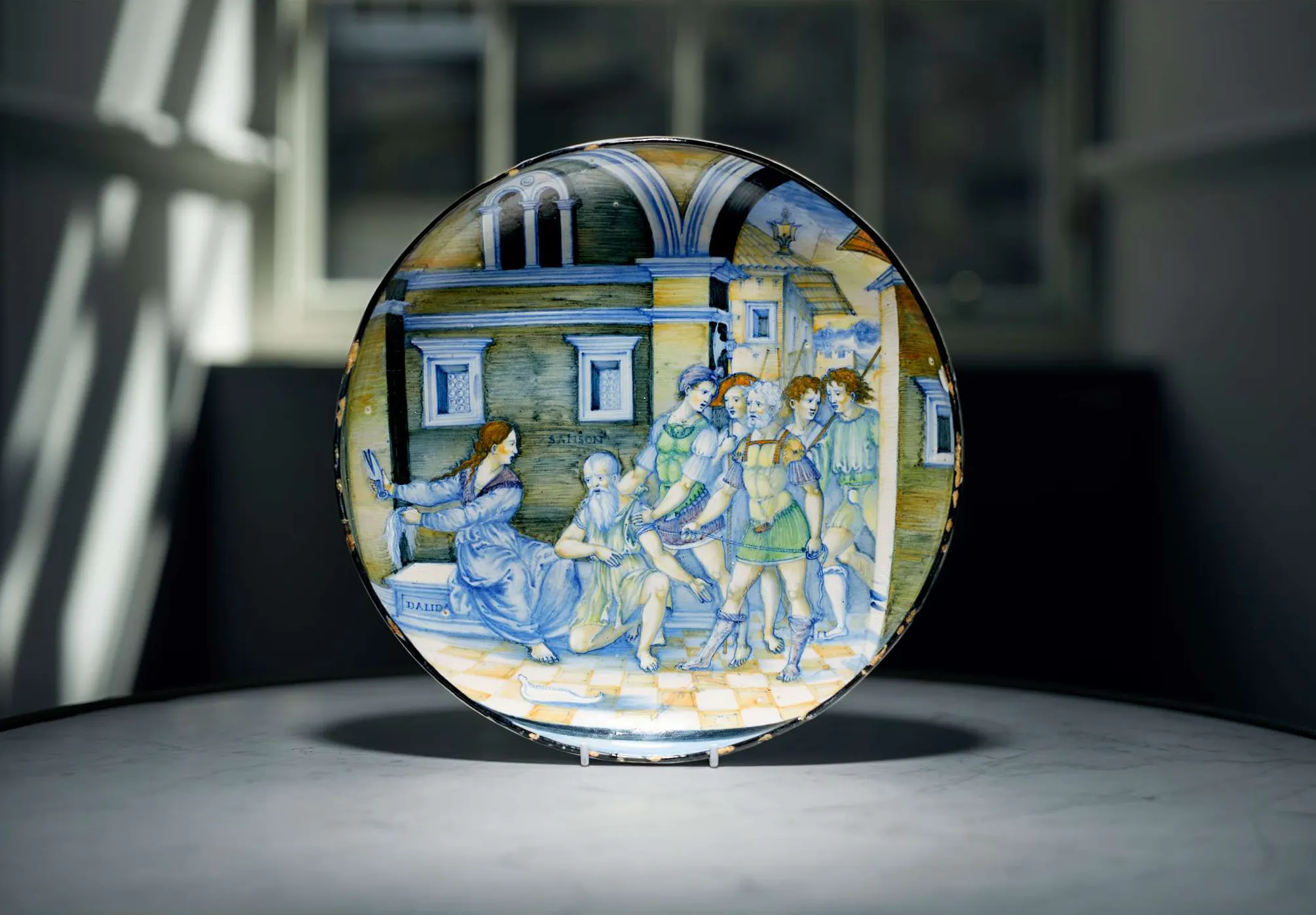
However, by focusing on items that appeal to the international market — such as ceramics made by major continental porcelain factories, especially Meissen, Sèvres, Vienna, and some Italian porcelain and Maiolica factories — there is a better possibility that these items will generally hold their value.

What are some key factors collectors should consider when buying porcelain pieces at auction?
Condition is paramount when collecting ceramics. Cracks, restorations, and chips can significantly affect the value, as can faded gilding and decoration, though to a slightly lesser extent.
See also: The Wonders of Wedgwood: England’s Finest Porcelain
Today, auction houses are very supportive and offer considerable assistance to collectors. Viewing days provide an opportunity to closely inspect and handle the porcelain on display, unlike in museums where the objects are behind glass and largely inaccessible. Auctioneers are also willing to provide condition reports on items to be sold and often supply additional photographs of marks and other details. Their specialists are usually happy to discuss these aspects with potential buyers. For those wishing to choose a particular field of porcelain , there are many societies dedicated to various areas of porcelain collecting, which offer great opportunities to meet with people from the industry and learn more about the market.