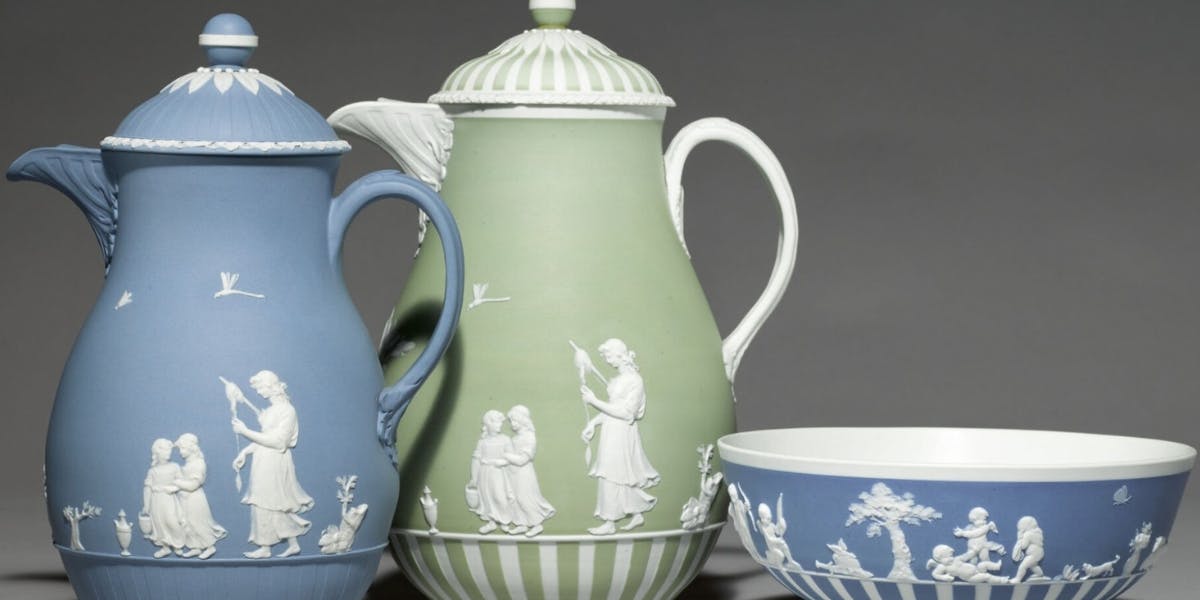
In 1759, Josiah Wedgwood (1730-1795) opened a porcelain and ceramic factory in Burslem, Staffordshire. Thanks to the unique style of his creations, Wedgwood quickly became one of the symbols of the English Industrial Revolution, producing high-quality ceramics in large numbers with a standardised system. Since 1765, the manufacturer has supplied the Royal Family and operated under the 'Queen’s Ware' endorsement.
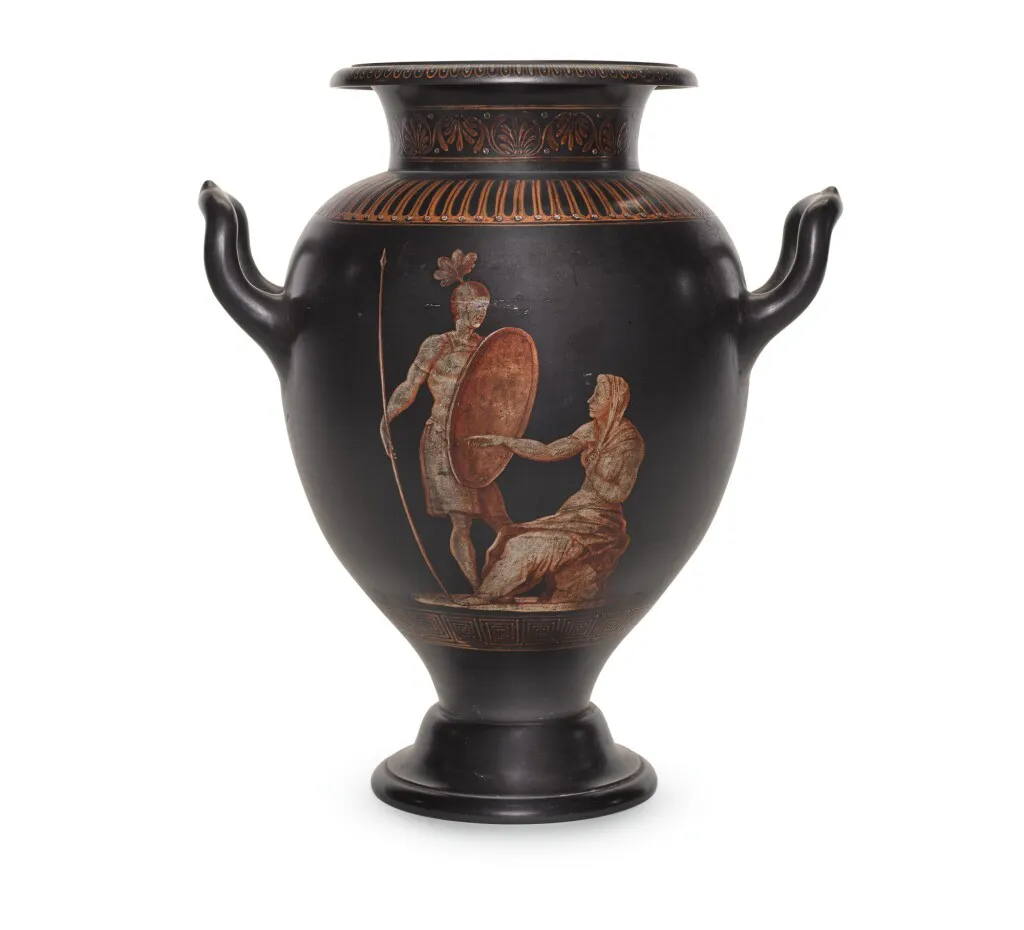
In 1769, Wedgwood expanded his production plant, which he then named Etruria, expressing his taste for Etruscan antiquities and paying tribute to the Florentines of the Renaissance.
See also: How the Medici Family Influenced Renaissance Florence
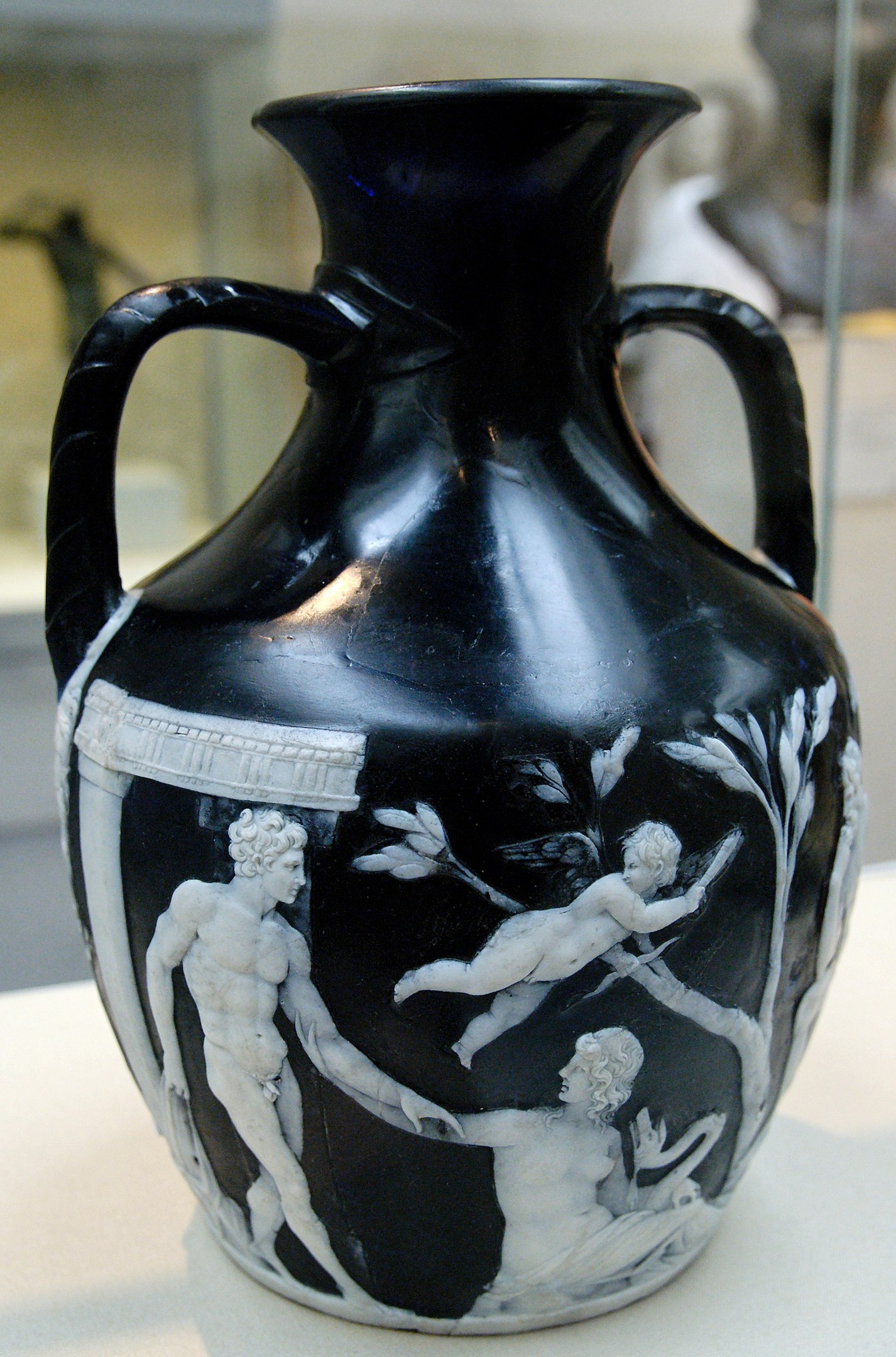
Recognized artists – such as James Tassi and John Flaxman – made the company world famous during the late 18th century. Inspired by the Portland Vase from the 1st century BC, which is kept in the British Museum, they developed the iconic design that is now synonymous with Wedgwood: jasperware, a pattern in biscuit relief on a plain background.

This design referred more broadly to the art of antique friezes and cameos. The other reference was Chinese porcelain, as jasperware was most commonly produced in blue and white. This was a strategic interest, since from a commercial point of view, Wedgwood intended to replace imported Chinese goods with domestically made ceramics.
See also: A Timeline of Chinese Porcelain: Neolithic to Modern
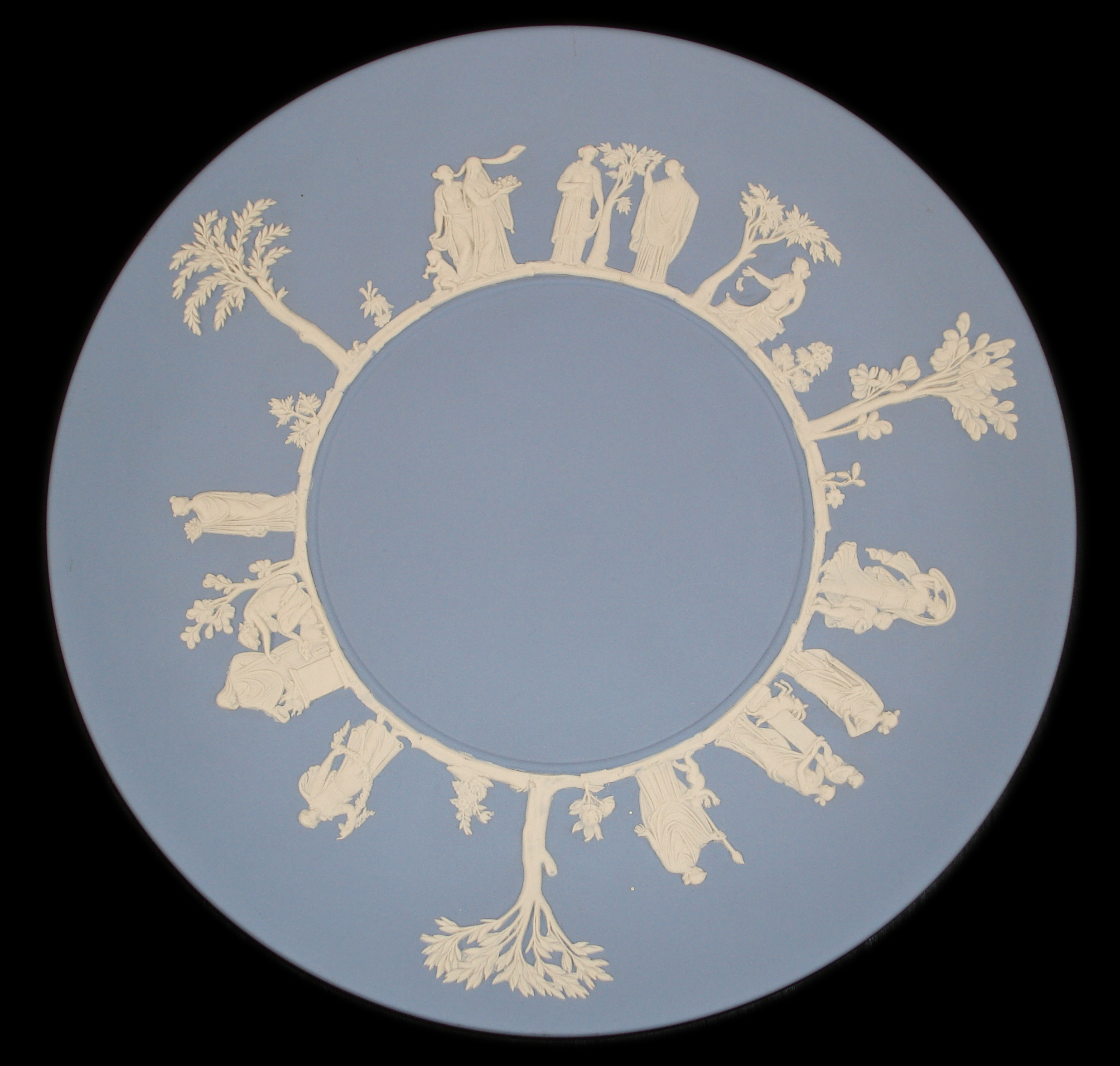
Jasperware was also inspired by the ancestral art of Staffordshire potters. This game of imitation also took the form of an echo, since local artisans often integrated neoclassical elements into their production. Despite being a man turned towards the past, Wedgwood didn't neglect the challenges of his time. A committed entrepreneur and activist, he used his production to disseminate political messages.
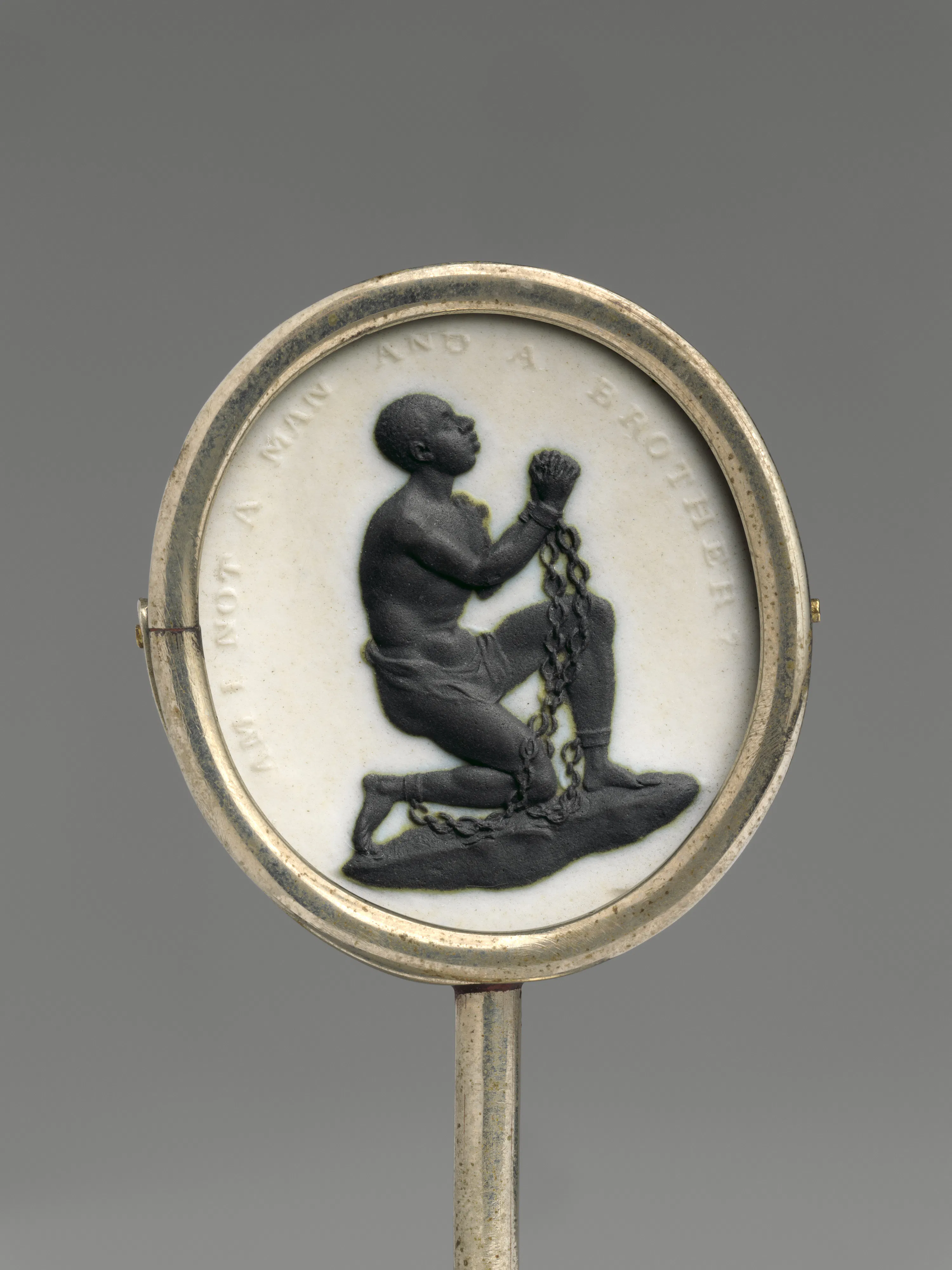
In 1787, he produced a medallion representing a chained black slave as the seal for the newly formed Society for the Abolition of the Slave Trade in Britain. It bore the inscription: “Am I Not a Man and a Brother?” The medallion was a resounding success among high society, who often wore it as pendants or on their lapel. The slave trade was abolished in Britain in 1807.
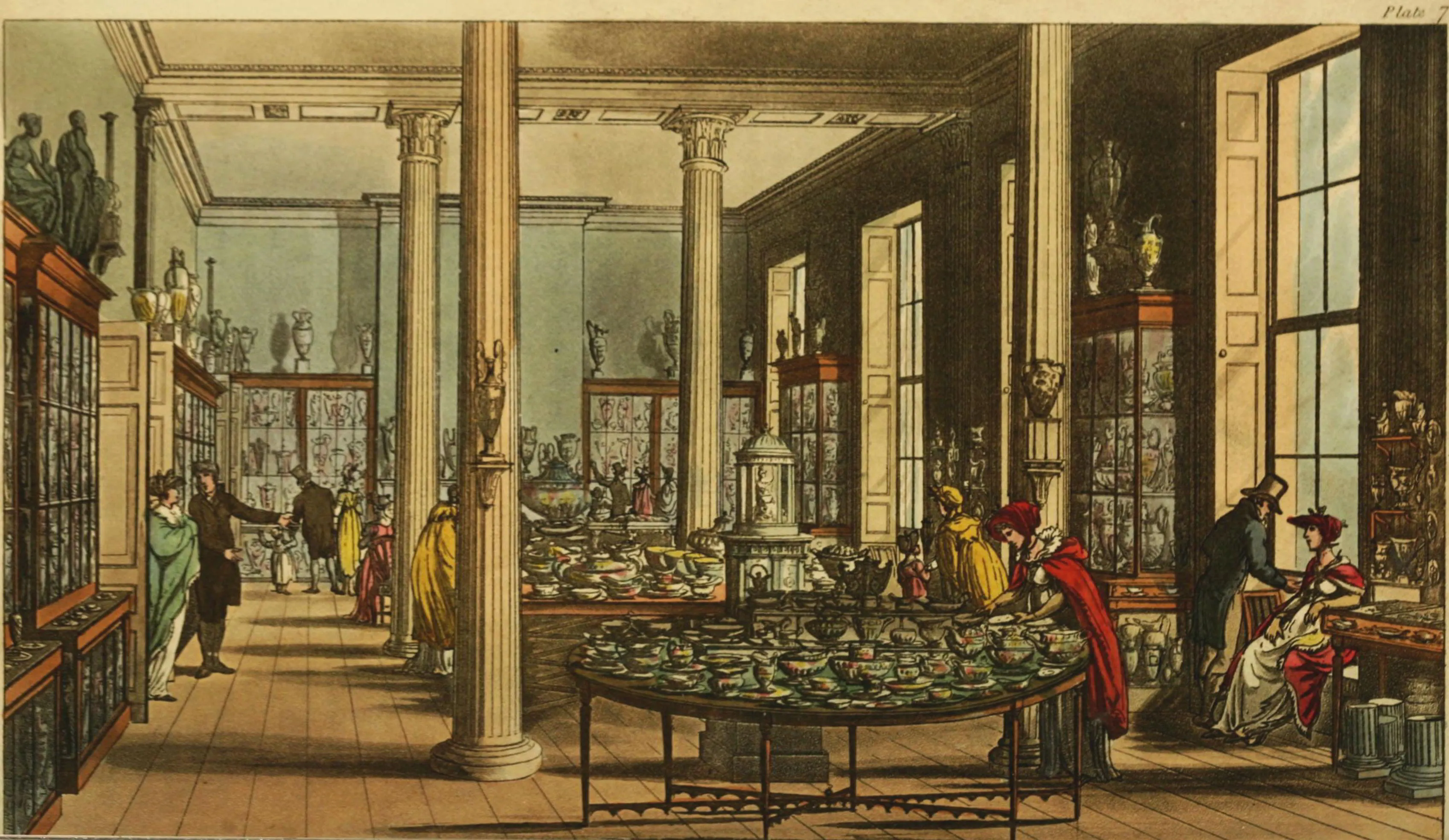
After the death of Josiah Wedgwood in 1795, his descendants took over the business. Throughout the 19th century, the Wedgwood style crossed the Channel and got emulated in France by Charles Ouizille and Jean-François Œben and in Germany by Johann Gottfried Schadow.
See also: Staffordshire Pottery: Britain's Ceramic Center
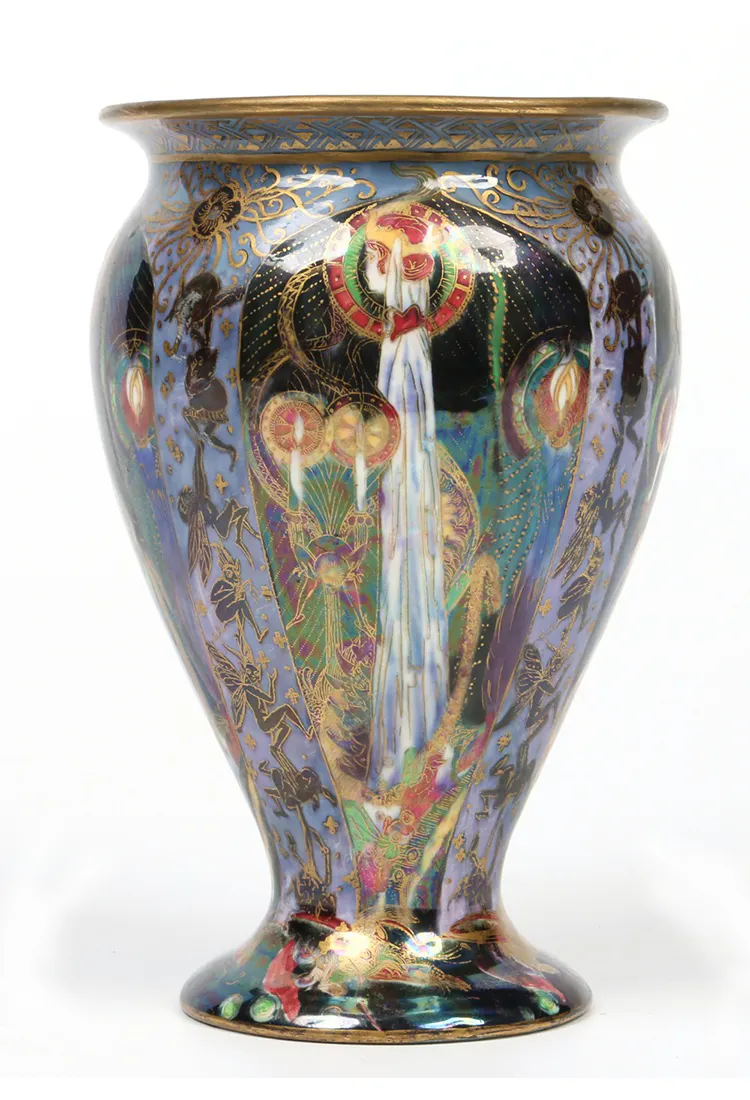
In 1909, a confident budding artist named Daisy Makeig-Jones, talked herself into a job as an apprentice painter by convincing Cecil Wedgwood to hire her. After showing some serious talent, Daisy began to design Oriental dragon patterns, which lead on to rich patterns of fish, birds and fruit before creating her sumptuous Fairyland Lustre designs.
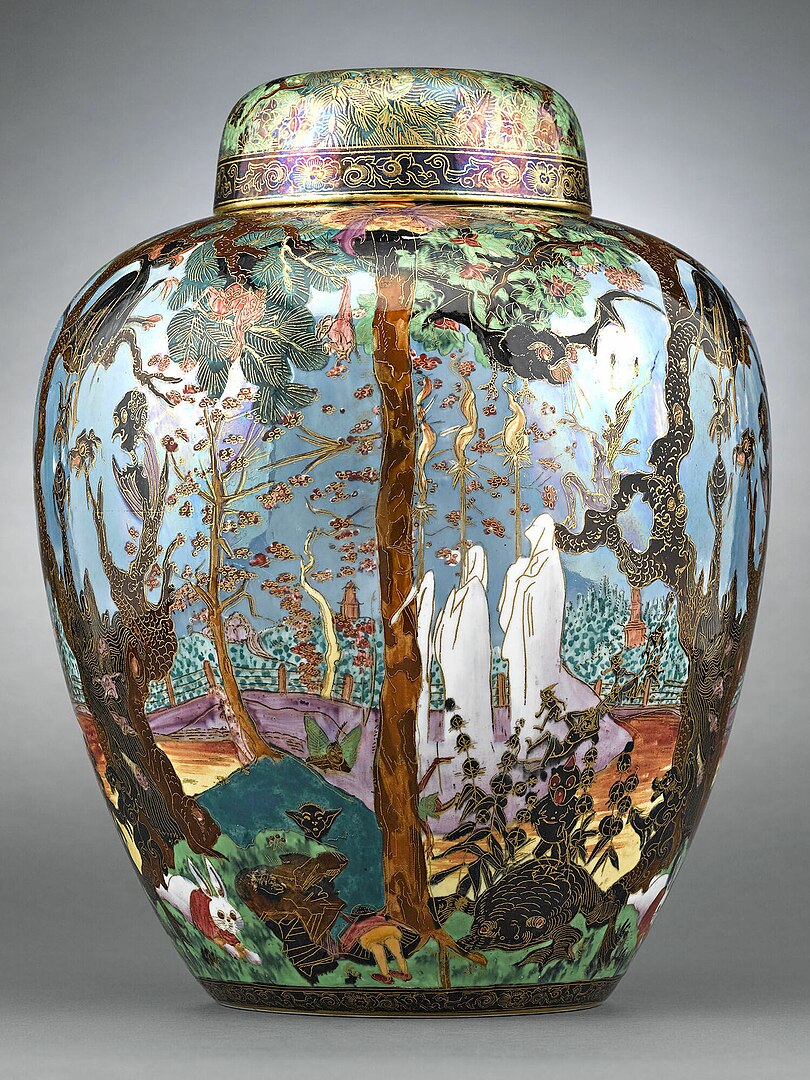
In 1915, her whimsical Fairyland designs were launched on the market and were extremely popular as the fantastical designs were seen as an escape from the horrors of war. During the Roaring Twenties, the designs were especially popular in the States and proved a lucrative way for Wedgwood to gain popularity on the American market. However, Daisy's Art Nouveau designs went out of fashion as the Great Depression hit America. No longer could Wedgwood continue to make Daisy's colourful and expensive designs. In 1929, Fairyland Lustre was discontinued and Wedgwood hired a new art director with a more austere approach to design.
Want more articles like this straight to your inbox? Subscribe to our free newsletter!
In 1931, the eccentric Makeig-Jones was reportedly outraged that she was asked to retire. It was rumoured that Daisy's unconventional approach to design was not appreciated by all members of the Wedgwood factory. However, her design legacy lives on, and Makeig-Jones' work for Wedgwood has sold for over £40,000 at auction.
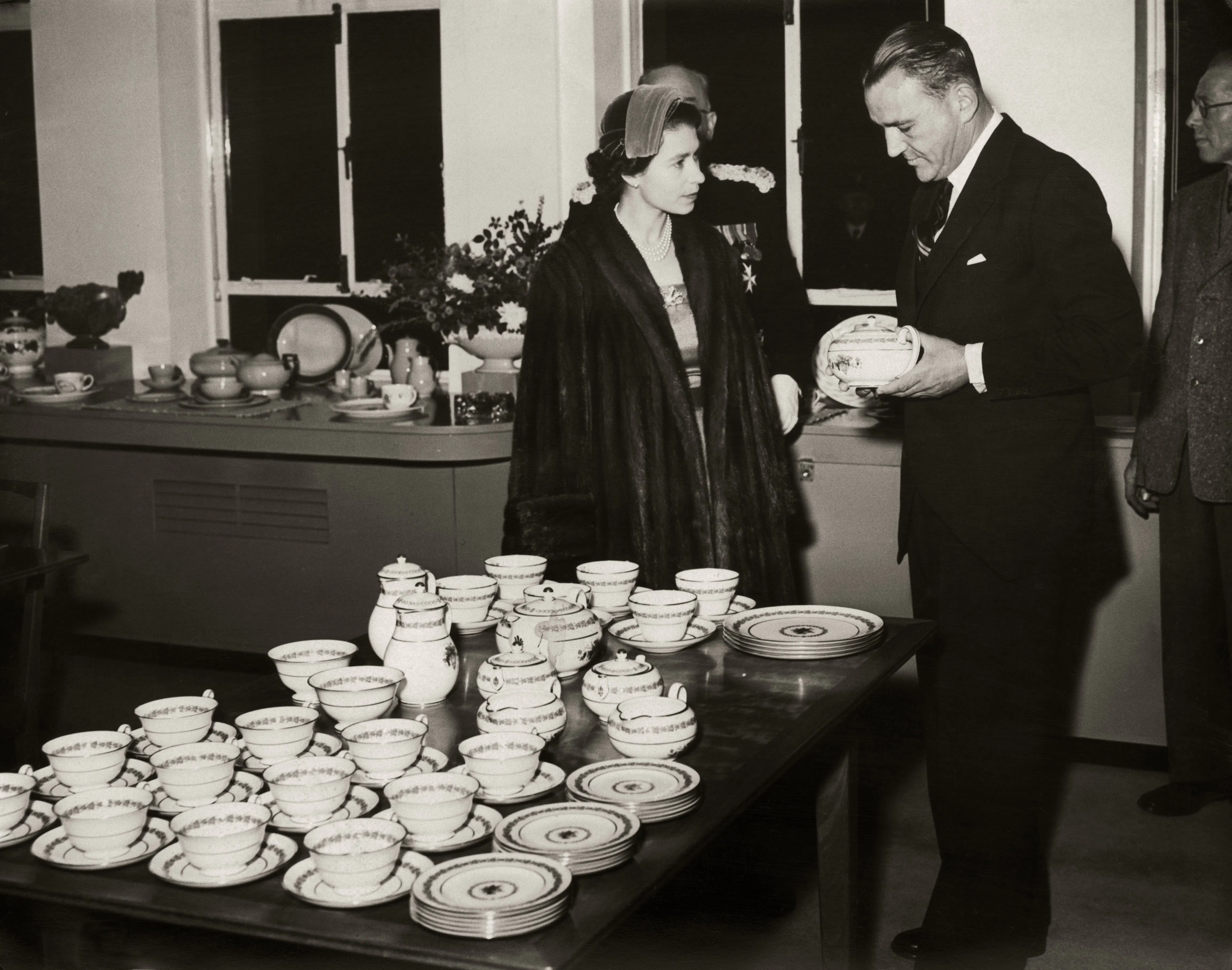
In the 20th century, the Wedgwood company bore the brunt of the industrial crisis. In 1987, it merged with the Irish group Waterford Crystal to become Waterford Wedgwood, which was acquired by Finnish company Fiskars in 2015. The Wedgwood museum reopened in 2008 and presents 80,000 pieces of archives, manuscripts and photos, retracing the history of Wedgwood.
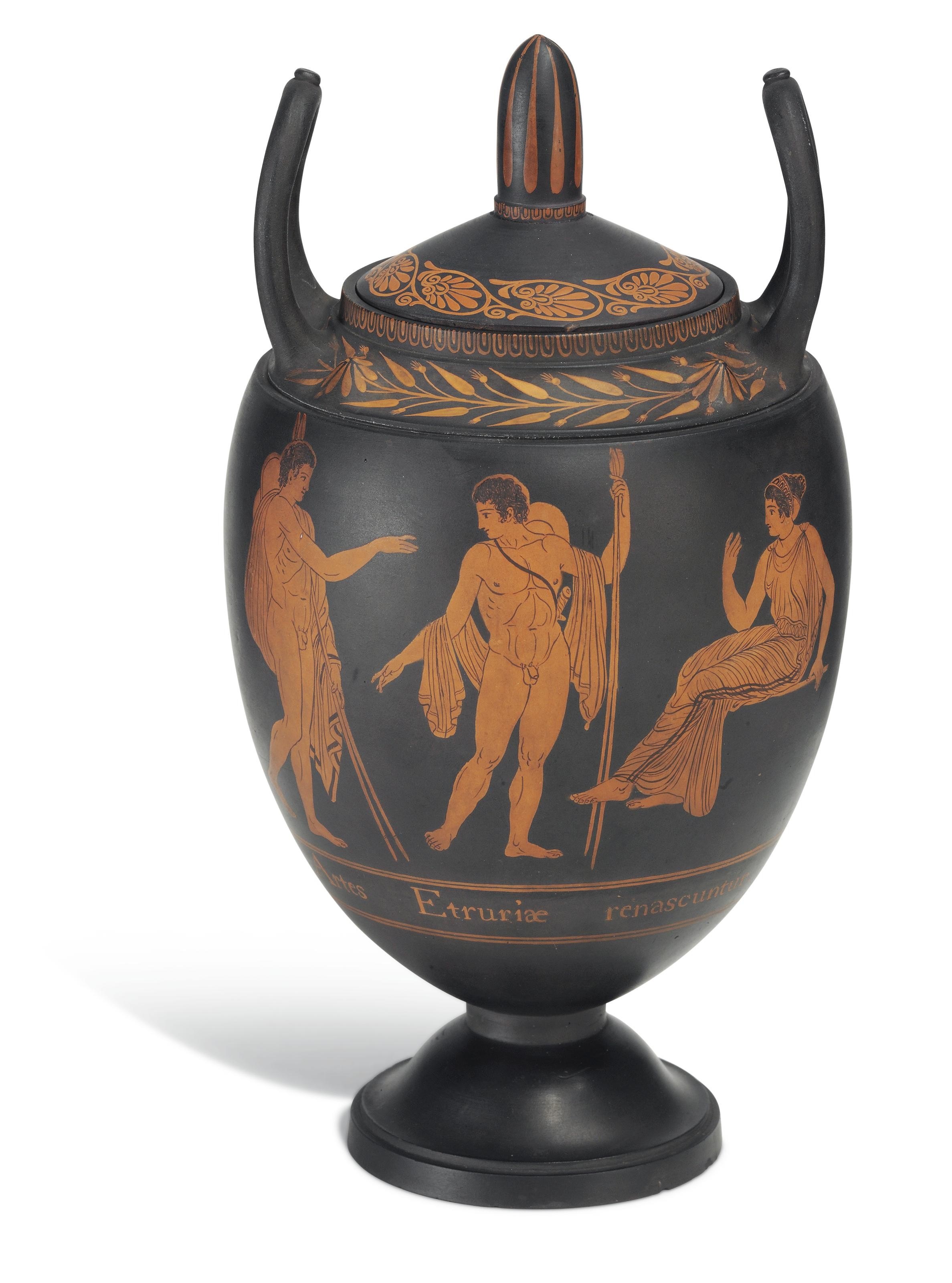
Over 250 years after its founding, the Wedgwood company saga continues. The manufacture still supplies prestigious clients, and the rarest pieces achieve remarkable prices at auction, such as the First Day’s Vase (1769), which sold for £482,500 at Christie’s London on 7 July 2016. This was one of only six 'First Day's Vases' made by Josiah Wedgwood on the opening day of his Etruria factory. Just four are known to exist today, with two at the V&A and one still owned by the Wedgwood family. This vase was saved from export by the Culture Minister and is on exhibit at the Potteries Museum & Art Gallery in Staffordshire. However, other Wedgwood pieces are accessible at auction for much lower prices, with bids starting at just a few dollars.
Find more articles in Barnebys Magazine
This is an updated version of an article originally published on 11 April 2018.