
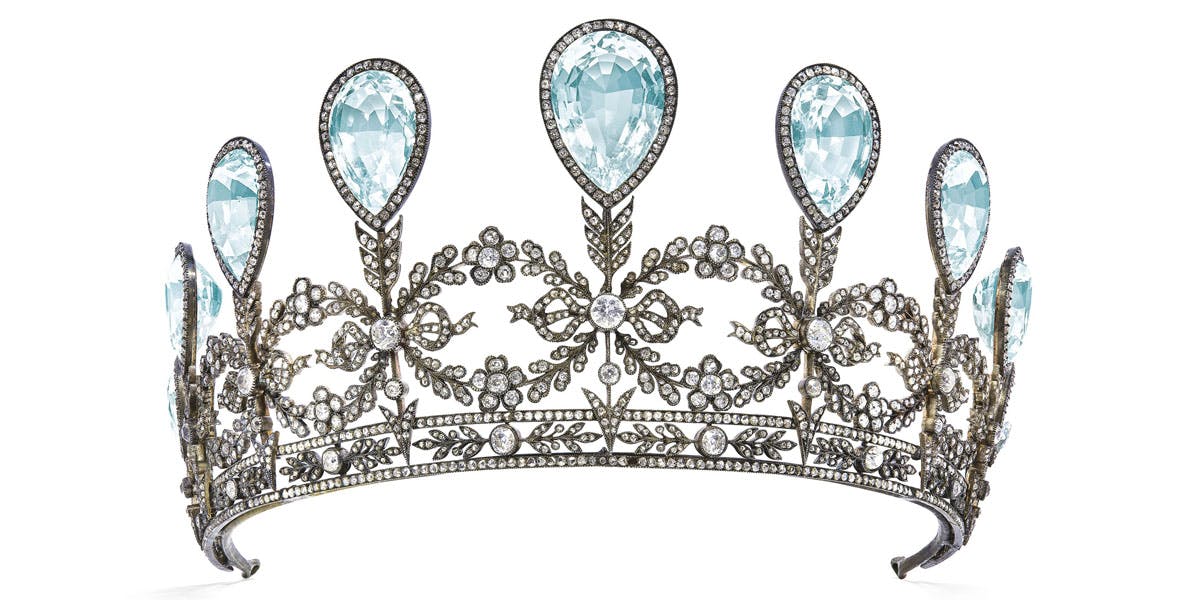
Between two exiles – the first triggered by Louis XIV’s anti-Protestant revocation of the Edict of Nantes in 1685, and the second following the Russian Revolution in 1917 – the Fabergé family, originally from the French province of Picardie, pursued an uncommon destiny in the world of jewellery. When it first launched its egg, it became one of the 20th century’s most emblematic art objects, a symbol of luxury and refinement and a myth regularly sustained by timely reappearances and record-breaking auction results.
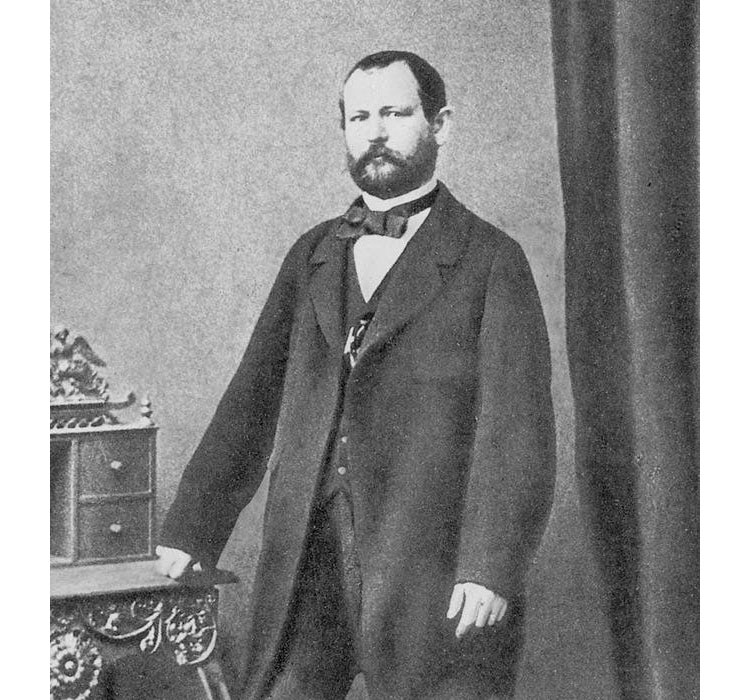
It was in Saint Petersburg that Gustav Fabergé, a goldsmith, set up a jewellery shop in 1842. The shop, rapidly gaining a following on Bolshaya Morskaya Street, one of the city’s most elegant main roads, was left in the hands of trustworthy managers and business partners in 1860, the year the family moved to Dresden.
Gustav and his wife Charlotte Maria Jungstedt, the daughter of a Danish artist, had a 14-year-old son at the time: Peter Carl Fabergé, better known as Karl. After his Russian childhood, Karl studied in Dresden’s arts and crafts school, before setting off on a tour of Europe in 1864 with the aim of finishing off his training alongside great master jewellers.
See also: The World's 10 Most Expensive Diamonds
In 1872, Karl returned to Saint Petersburg where he wed Augusta Julia Jacobs, who went on to bear him five children. Karl took over the family business, assisted by Hiskias Pendin, one of his father’s former employees. At the end of the 19th century, when Maison Fabergé picked up an active role in restoring and enhancing the Hermitage Museum’s gold and jewellery pieces, it fell into favour with the Tsars Alexander II and III.
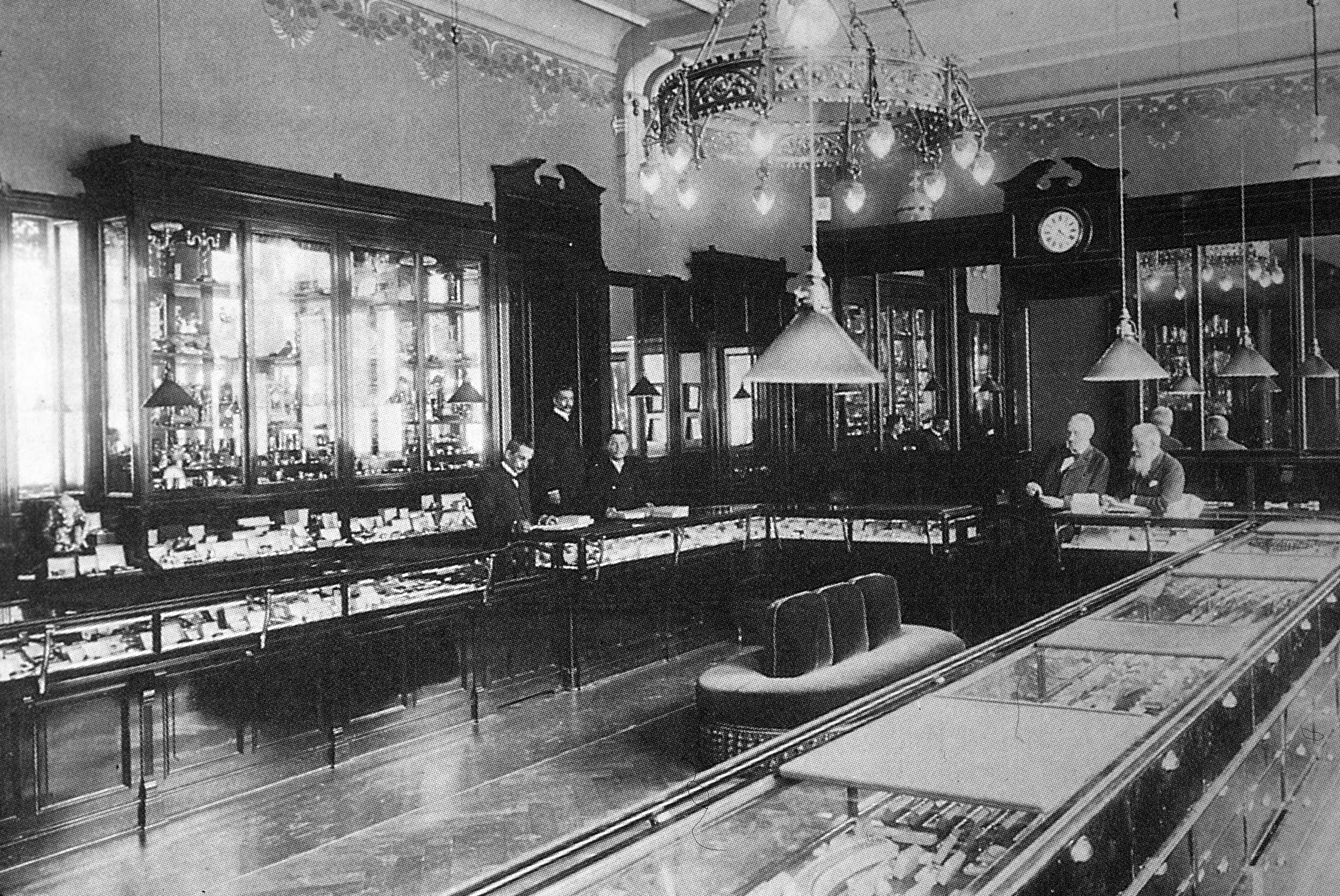
Fabergé’s business developed to such an extent that it had to move to new, more practical premises, though still on Bolshaya Morskaya Street (the original house would be rebuilt at the turn of the century by architect Carl Schmidt, father of the ‘brick’ style and Art Nouveau in Russia). In 1882, Karl earned the title of master goldsmith and shortly afterwards, backed up by his brother Agathon, also a graduate of Dresden’s arts and crafts school, he began producing fantasy objects, which made even more of a splash in Europe’s courts than his jewellery ever had.
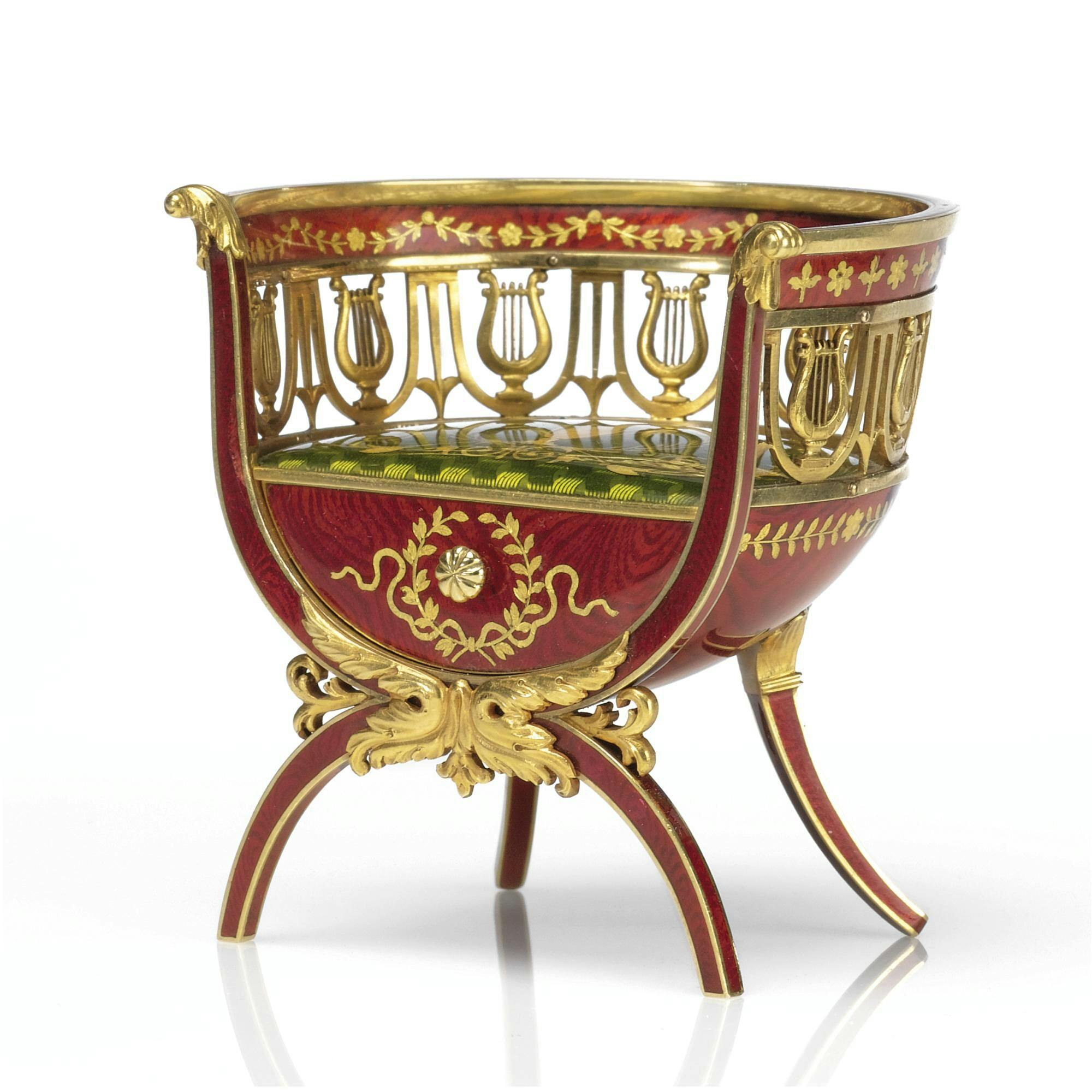
Two years later, Maison Fabergé became the official supplier of the Imperial Court of Alexander III, who also ordered the Hermitage to make space for Karl and Agathon’s creations. The goldsmith brothers remained in the Tsar’s good books after Nicolas II became Tsar in 1894.
On the eve of the First World War, the family business made around 100,000 pieces per year. On top of the workshop-boutique on Bolshaya Morskaya Street in Saint Petersburg, it also had two branches in Moscow and Odessa.
See also: Tiffany: The King of Diamonds
When the Russian Revolution broke out, Maison Fabergé – associated with the Romanov dynasty’s lifestyle – fell into the hands of a workers’ committee and became a cooperative that soon channelled its resources into producing war weapons. Karl, having raised the family jewellery business into a small luxury empire, was forced to leave his country of birth for Switzerland in 1920. He died the same year in Lausanne and is buried at Grand Jas cemetery in Cannes.
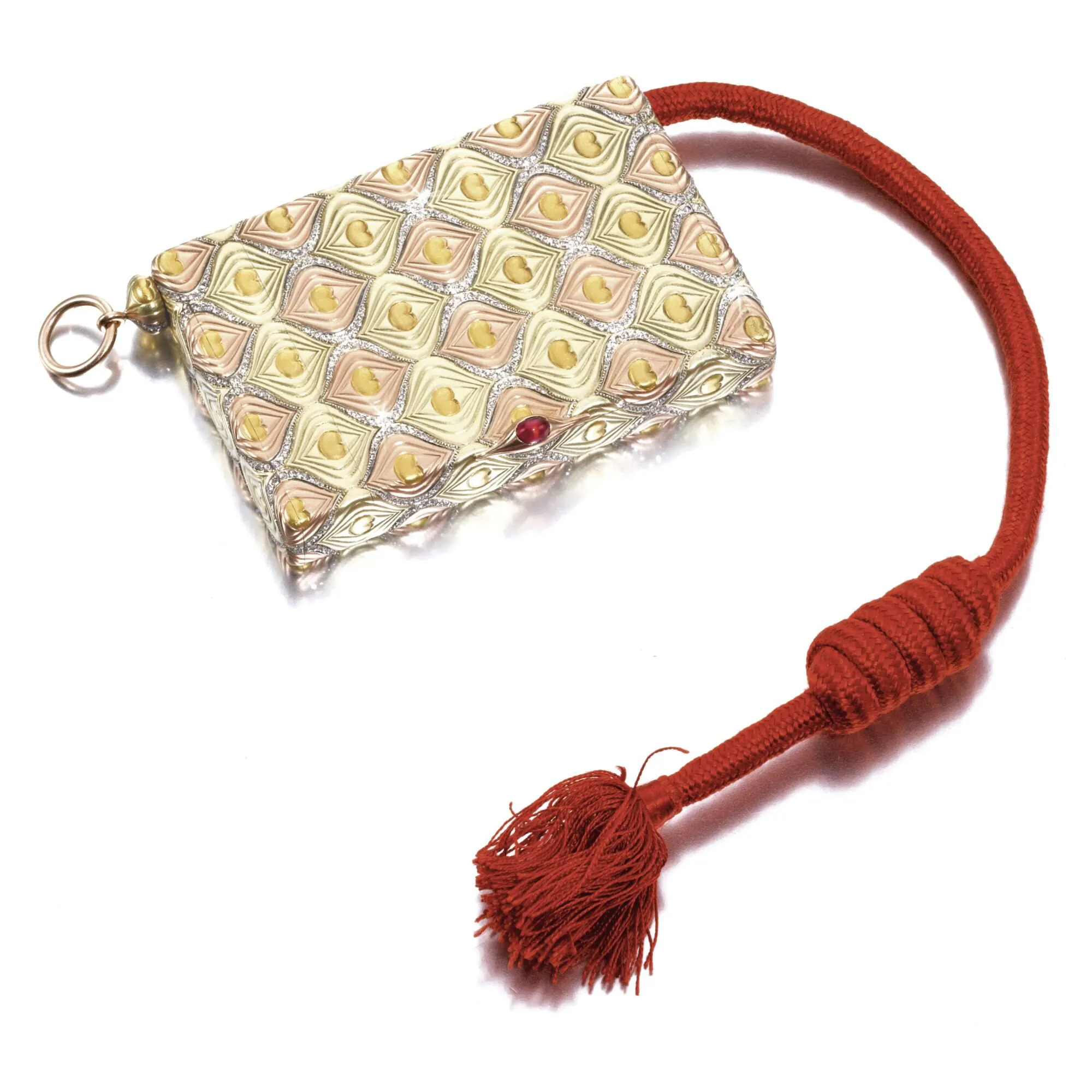
Even if Maison Fabergé excelled in making a wide range of jewellery and gold pieces (including figurines, clocks and boxes), it is above all its eggs – whose paternity is attributed to Karl – that secured the brand’s renown all over the world and their founder’s posterity, an endurance that is perfectly in keeping with a symbol of rebirth or even resurrection.
See also: Fabergé Eggs: 8 Little Known Facts
Tsar Alexander III was the first customer to order an Easter egg from Fabergé. This was in 1885 as a gift for his spouse. As a child, Empress Maria Feodorovna had been fascinated by a similar decorative object belonging to her aunt in Denmark. Known as the Hen Egg, Karl Fabergé’s creation opened up, in the manner of Russian dolls, to reveal a first surprise – a gold yolk – further holding a gold hen, which in turn concealed a replica of the crown with a ruby pendant lodged inside.

The gift was a hit, and the Fabergé egg became part of the imperial couple’s Orthodox Easter tradition. In all, 52 eggs were made at the request of Alexander III and his son Nicolas II, who continued to spoil his mother with these creations, and also his tsarina. The eggs became increasingly original and more valuable due to choices of metals and stones (gold, silver, lapis lazuli, nephrite…). Seventeen eggs were also manufactured for other wealthy customers during this period.
Divided up and sold off to support the war effort against the Russian Revolution, these eggs became objects of speculation, hunts and desires… One of them was discovered by chance at a flea market in the United States and purchased in 2014 by an anonymous collector for an estimated $33 million (£26 mil).
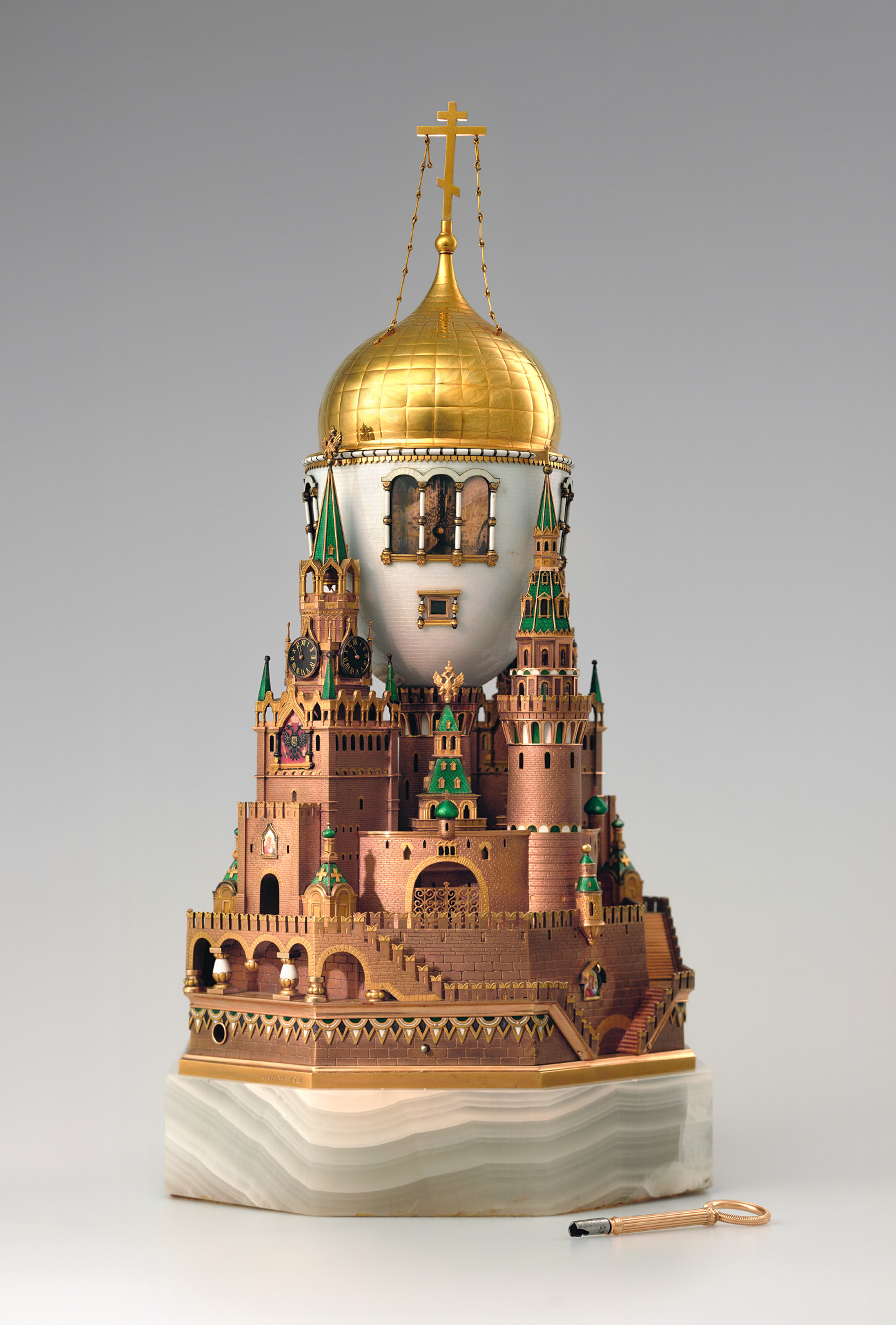
While post-communist Russia broke open its piggy bank to bring a pair of imperial eggs back to the mother country, today over forty or so eggs belong to overseas museums and private collectors, namely in the United States, Germany, Britain, Switzerland and France, many each worth around £10-20 million. But seven of the historic eggs are still missing, perhaps lost forever…
Today, Maison Fabergé has spawned a new collection of eggs, relaunched in 2017 by Karl’s great-granddaughter. The prices are – put it this way – more affordable.