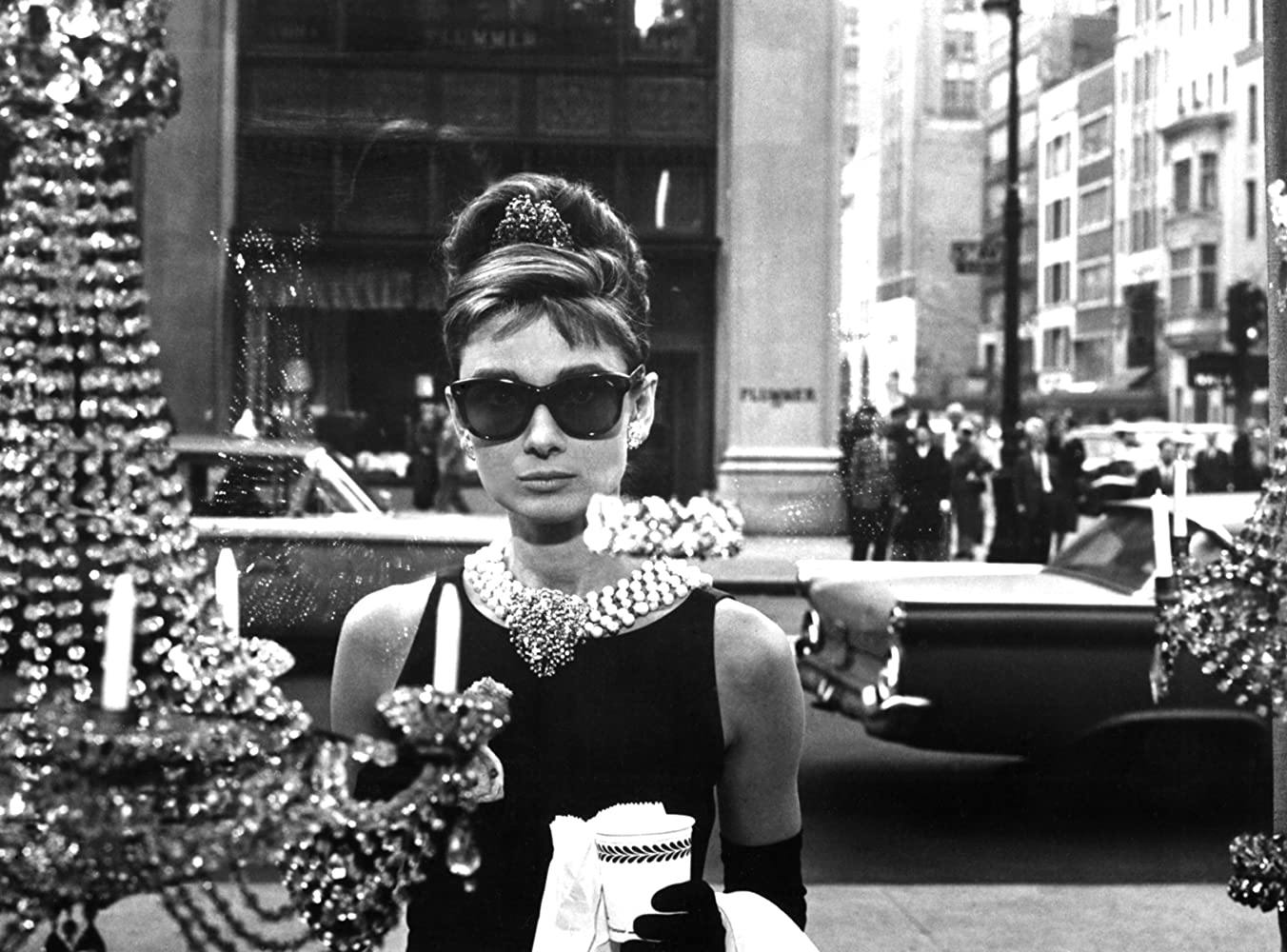
The year was 1961 when the camera captured Audrey Hepburn gazing in the shop window to the striking mirror effect, reflecting the harmony between a certain notion of luxury à la française and American youth.
When the film Breakfast at Tiffany’s was released, Charles Lewis Tiffany, founder of the well-known, eponymous jewellery store, had already departed this world 60 years earlier, but left his heirs a fortune estimated at US$35 million – and the beginnings of an empire partially built by the sale of France’s Crown Jewels.
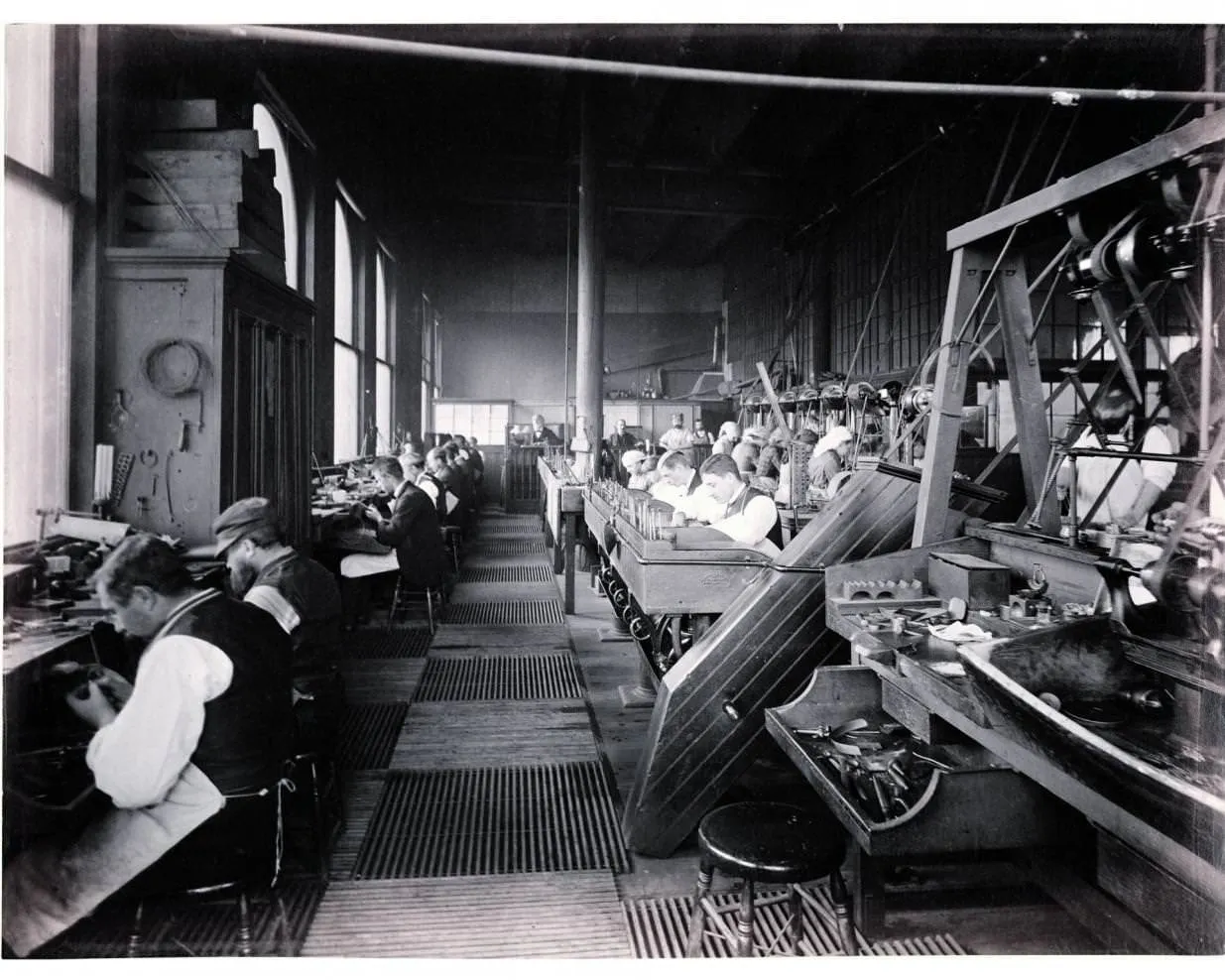
In 1887, Charles was already considered the king of diamonds in the United States, but his active bidding at the auction sale at the Louvre – which featured over 70,000 precious stones and pearls dating between France’s Restoration period (1814-1830) and its Second Empire (1852-1870) – secured his reputation, once and for all, as an inimitable businessman and a visionary entrepreneur.
See also: Omega: A Cultural Icon
So numerous were the items listed on the auction catalogue that prices failed to soar in the way that the young French Republic hoped they would. The upshot was that Charles Tiffany snatched up the finest stones, which he transformed and capitalised on when he offered them up to American high society: a battle feat of legend.
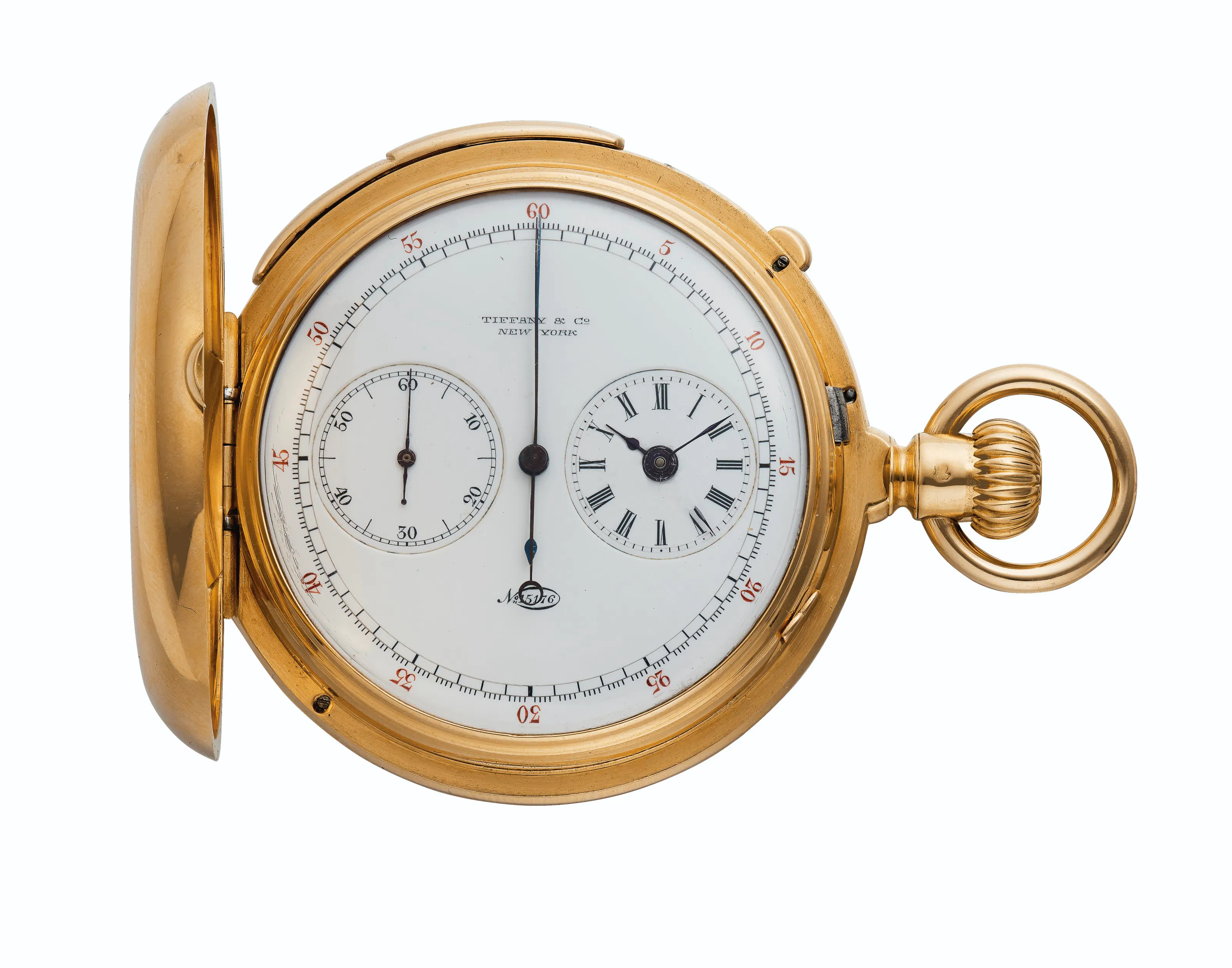
Born on 15 February 1812 in Connecticut, Charles Lewis Tiffany only had $1,000 in his pocket when he opened a stationery and gift store in Manhattan with his childhood friend John B. Young. The times were hard – the era’s economic crisis was aggravated by the bursting of the first speculative bubbles – and giftware wasn’t doing too well.
See also: Andy Warhol’s Influence on Fashion
Circumstances that prompted the shop’s three partners (the initial duo was soon joined by Charles’ cousin J.L. Ellis, who knew a thing or two about jewellery) to expand their range to more upmarket goods: Bohemian crystal, Chinese porcelain and Indian silverware for which Charles (already) managed to negotiate good prices at the port of New York.
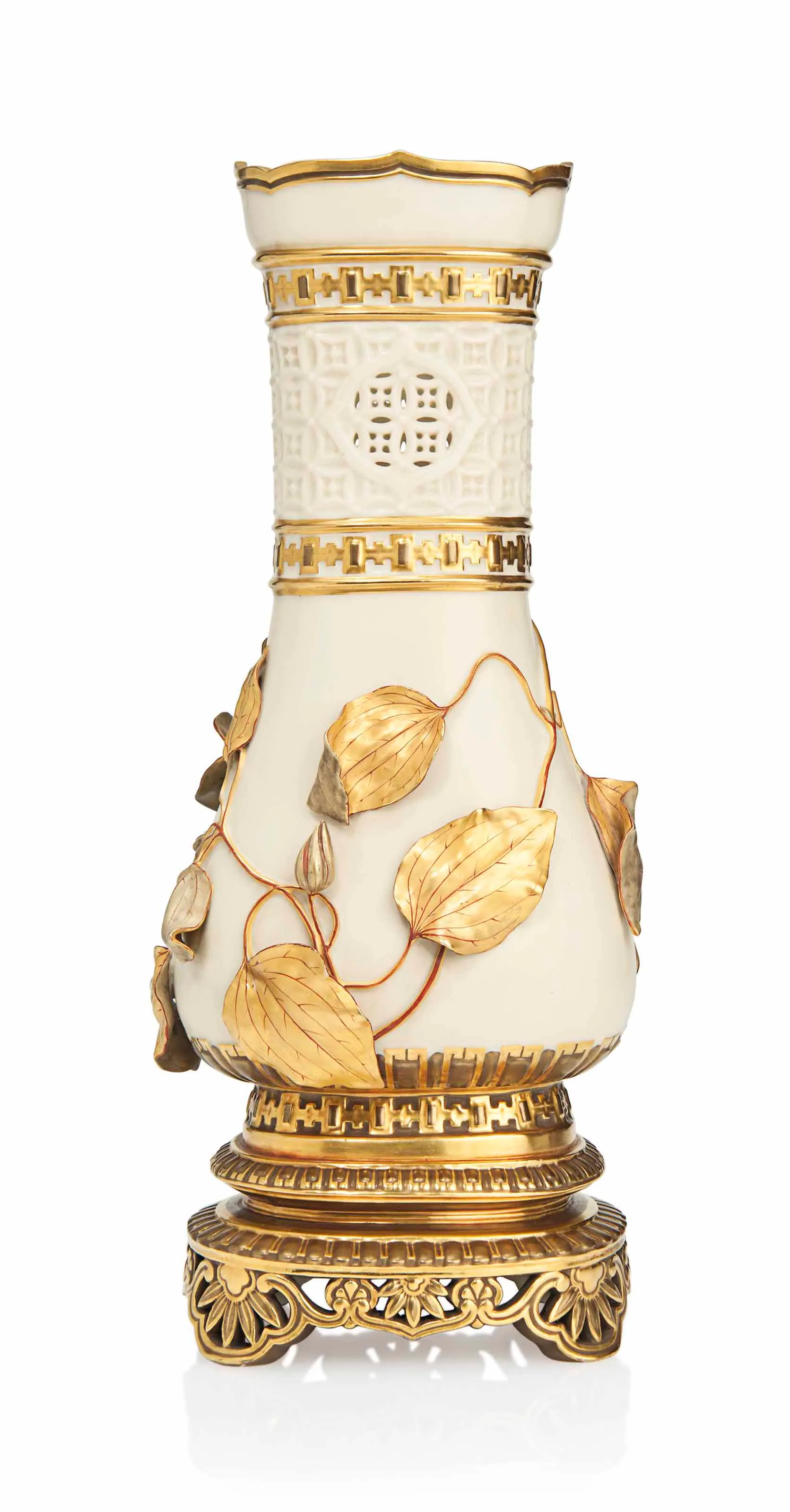
The public approved of this new direction as of 1840, and Tiffany & Co. geared itself further towards the luxury market by creating and distributing the first jewels and jewellery items under its own brand.
The development potential of this area of activity, still relatively clear of rivals, was enormous. Charles, who had revealed his keen sense of marketing and advertising at an early age from the benefit of his father’s cotton mill and general store, kept on coming up with memorable events to launch his collections. For example, in 1858 he purchased around twenty kilometres of telegraph cable, which he had cut up into small pieces and set in copper rings to celebrate the first underwater connection between America and Europe – customers literally snatched the rings off one another.
See also: Barnebys’ Guide to Diamonds
Similarly, he produced objects to commemorate the nuptials of president Lincoln, and those of General Tom Thumb, a key figure from the Barnum circus. A talented designer, he not only monitored the quality of the stones used in his creations, which were influenced by modern art and Art Deco, but he also paid painstaking attention to detail, even for packaging and mail-order catalogues. The Tiffany Blue, trademarked in 1845, became an inseparable component of the jewellery brand.
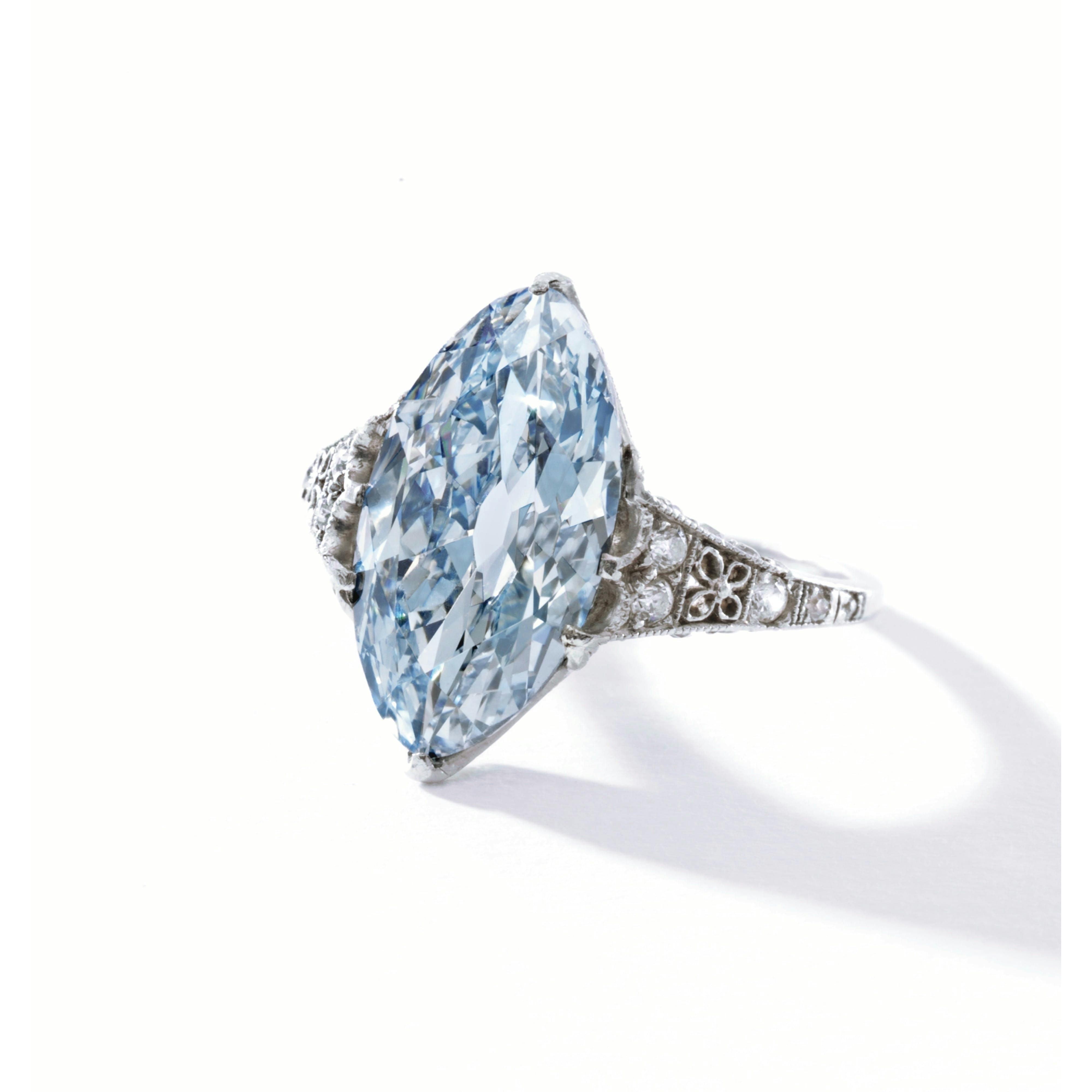
In 1851, Tiffany & Co. adopted the .925 sterling-silver standard of purity, an international norm that only became generalised in the States in 1926.
The jewellery store moved to Fifth Avenue in 1902 – it was listed as a ‘historic monument” in the United States in the 1960s – to welcome more and more buyers from elite families and upper-middle classes who swore only by French-style chic.
In Paris, Tiffany has been present since 1850. While Charles focused on creating collections to show the French, Young bought up whole coffers full of family jewels from European aristocrats lured by exile. The Parisian branch became a genuine store in 1868, on the Place de l’Opéra, and in the same year, Tiffany also opened a branch in London. Today, the luxury jewellery brand has around 80 stores in the United States and over 200 in the rest of the world.
See also: The 9 Most Popular Jewellery Brands
In 1883, Charles Lewis Tiffany married Harriet Young, the sister of John Young, whose share of the company he took over in 1853, shortly before buying out Ellis as well. Six children were born from this marriage, including Louis Comfort Tiffany, an American artist who went on to make a name for himself in glassware and Art Nouveau light fittings.
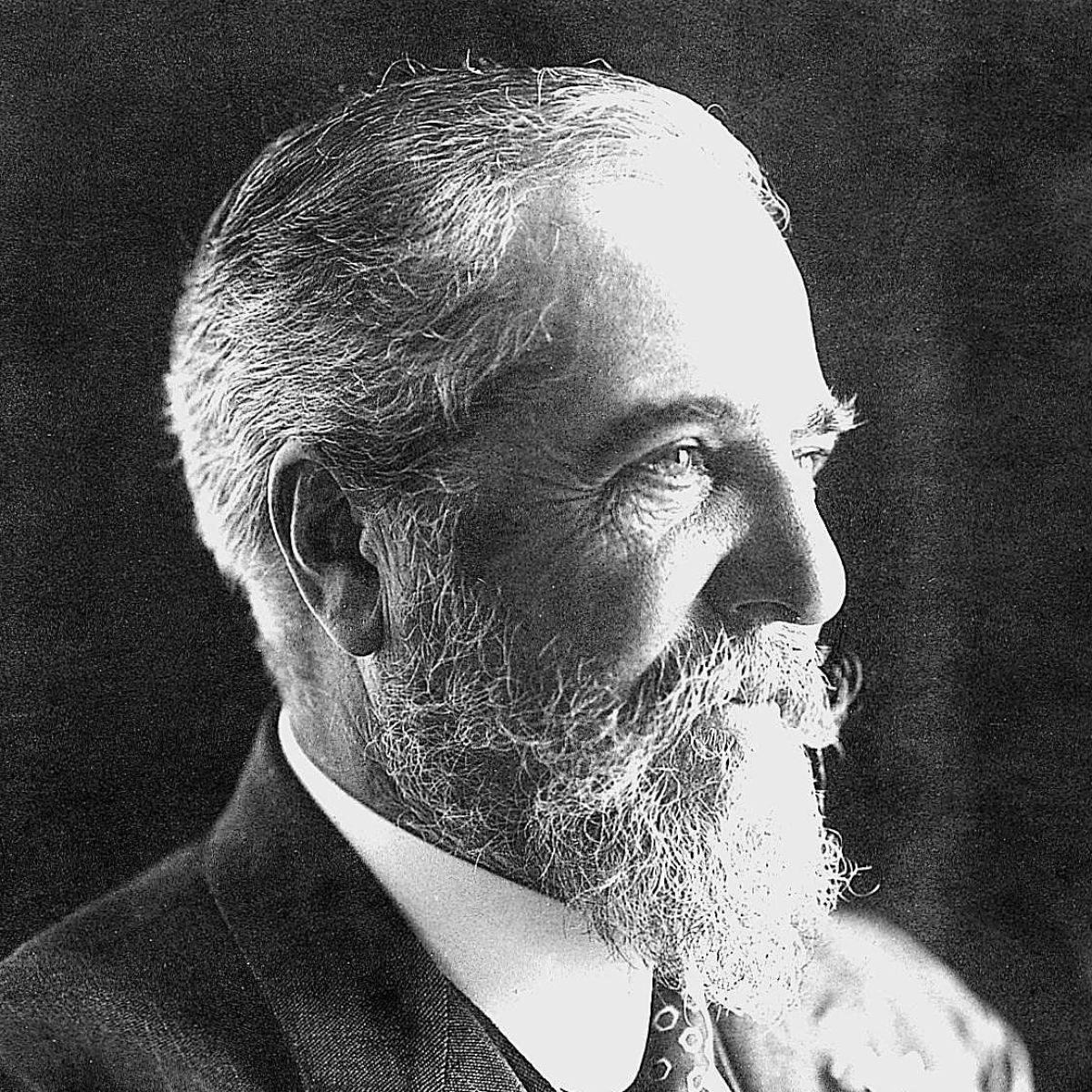
As the sole man at the helm, Charles proved to be increasingly imaginative, both creatively – his works displayed at the 1878 Universal Exposition at the Champ de Mars won a bronze medal – and in terms of marketing. His busy family life in no way detracted from his business sense, as evidenced by his purchase of French Crown Jewels.
See also: How Coco Chanel Revolutionised the Handbag
As a patron of the Metropolitan Museum of Art, he contributed enormously to the founding of New York’s Fine Arts Society in the 1890s along with Howard Russell Butler. Following his death in 1902, several renowned international artists collaborated with Tiffany & Co. to design jewels that would carry on the Tiffany spirit, namely Jean Schlumberger, Paloma Picasso, Frank Gehry and Elsa Peretti. Today, the company is also active in a number of other luxury sectors such as watchmaking, namely teaming up with Swiss group Swatch in the early 2000s.
History went on to prove that the king of diamonds laid the foundations of an empire.