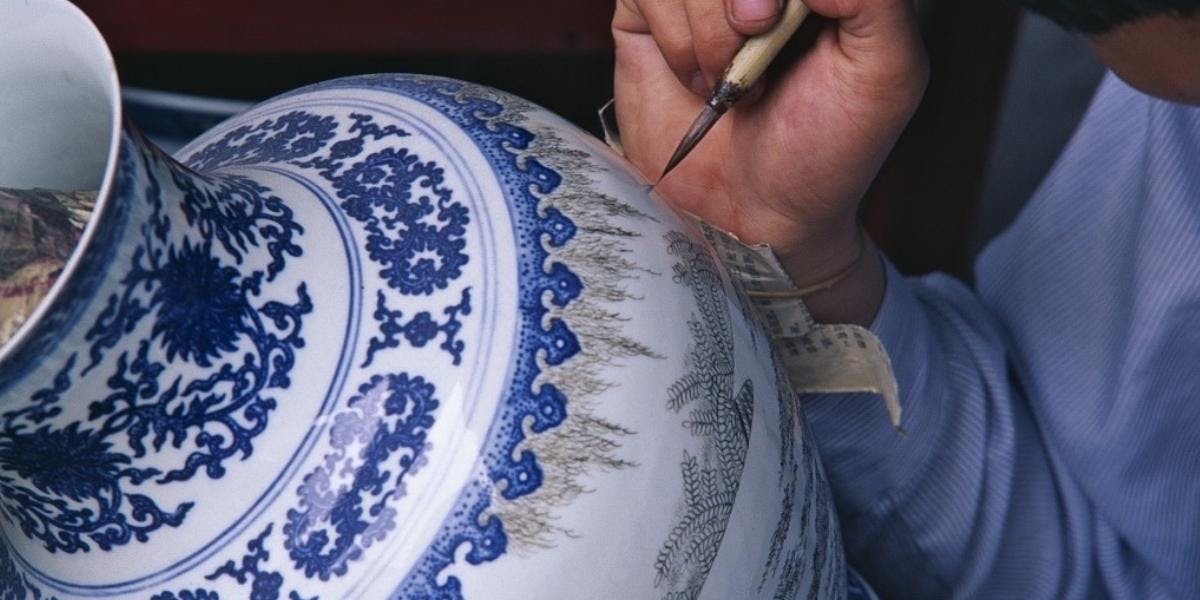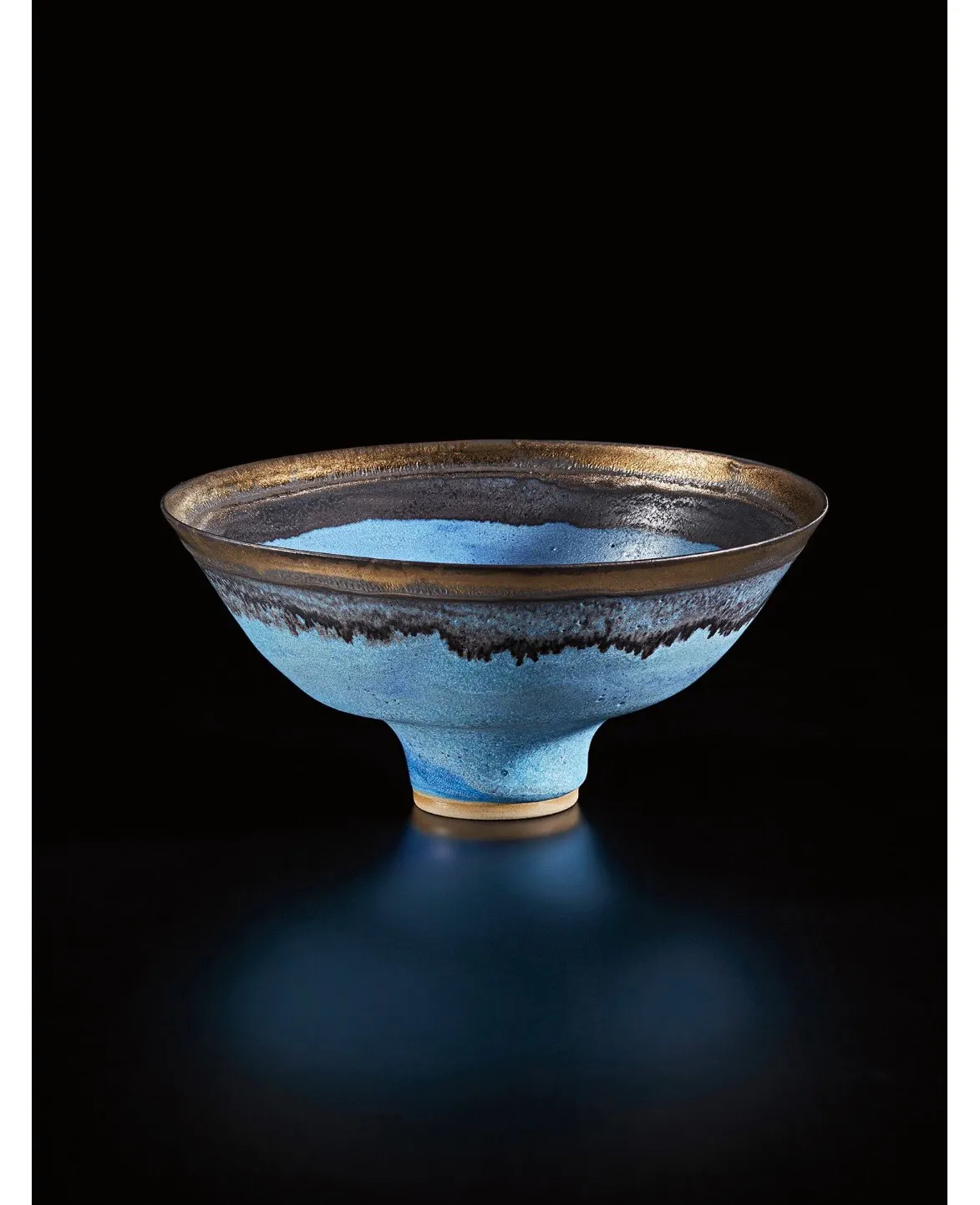
Georges Jouve, Pablo Picasso, Lucie Rie, Axel Salto... many artists and designers have devoted themselves to the art of ceramics, a category that today remains one of the most popular at auction.
Here are five things you may not know about the extraordinary discipline of ceramics.
1. It’s a craft almost 20,000 years old
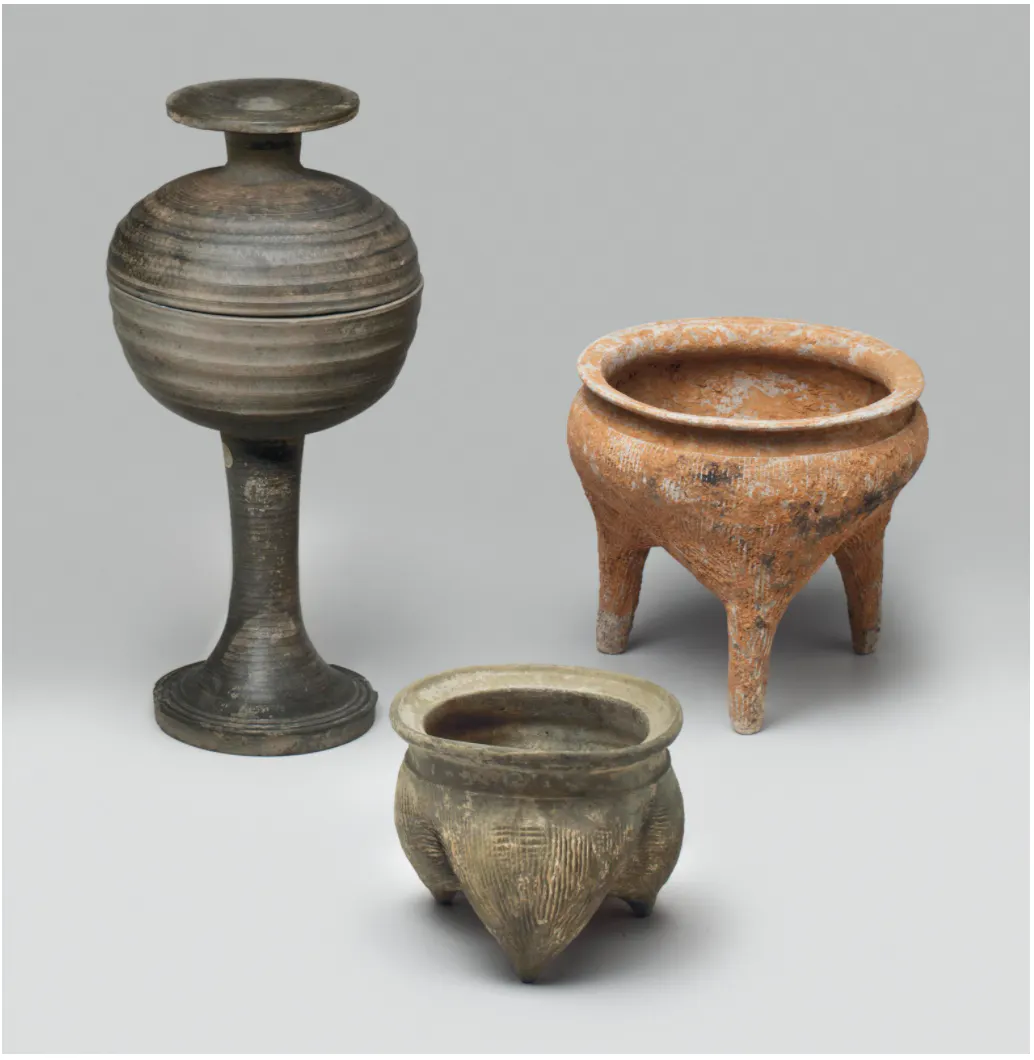
Although figurines were found in Europe a long, long time ago, the first pottery-based utensils came from East Asia, and more particularly from China and Japan, which were then connected by a land bridge. Other treasures have been discovered in what is now Eastern Russia, and date back to 10,000 or 20,000 BC, although these creations were utilitarian objects.
See also: The Surrealist Ceramics of Wifredo Lam
2. Keramikos
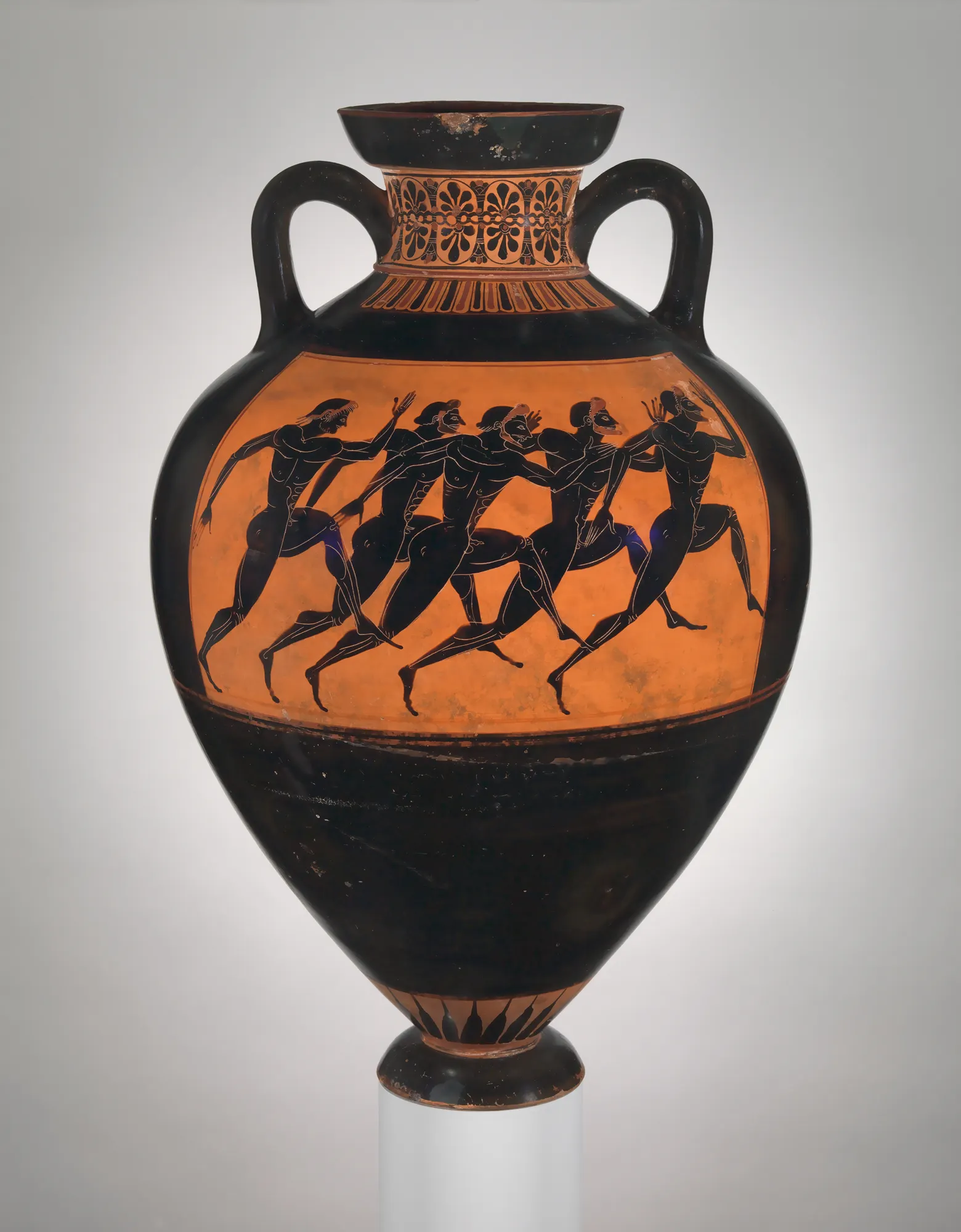
The word ‘ceramic’ comes from the Greek word ‘keramikos’, meaning ‘pottery’, which in turn comes from ‘keramos’, meaning ‘potter's clay’. Most traditional ceramic pieces were made of clay (or clay mixed with another substance), moulded and baked, a process that is still widely used in the production of modern dishes.
3. A debate on the first porcelain
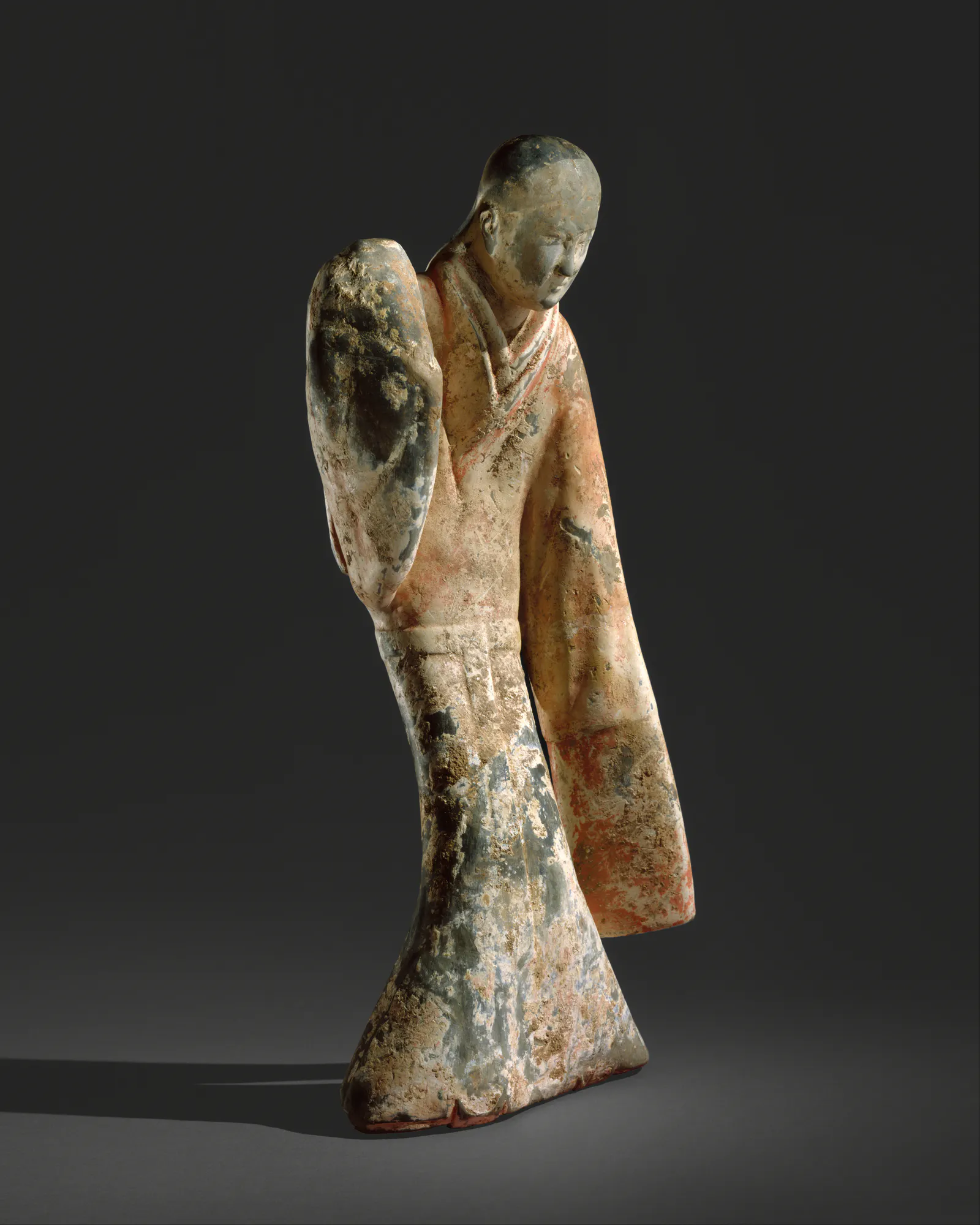
Some experts say the first porcelain pieces were made in Zhejiang Province, China, during the Han Dynasty (206-220 BC). Fragments found at the archaeological sites of Eastern Han Kiln suggest an impressive cooking temperature ranging from 1,260 to 1,300 degrees celsius. Proto-celadon (a form of Chinese porcelain ceramic) dates back to 1000 BC, and although the Chinese consider them porcelain, the majority of experts say that those of the Han Dynasty mark the beginning of the true production of porcelain.
See also: Snuff Bottles: Still up to Snuff
4. Ceramics for space engineering

Ceramics from advanced engineering is increasingly used in the manufacture of military aircraft and has long been used for space shuttles and their equipment. This type of ceramic has been designed to withstand a temperature of over 1,280 degrees celsius. The surface of space shuttles is therefore covered with fixed ceramic tiles (nearly 30,000), which form a heat shield and protect the machine from possible overheating when it re-enters the atmosphere from space.
5. The master fire of the game
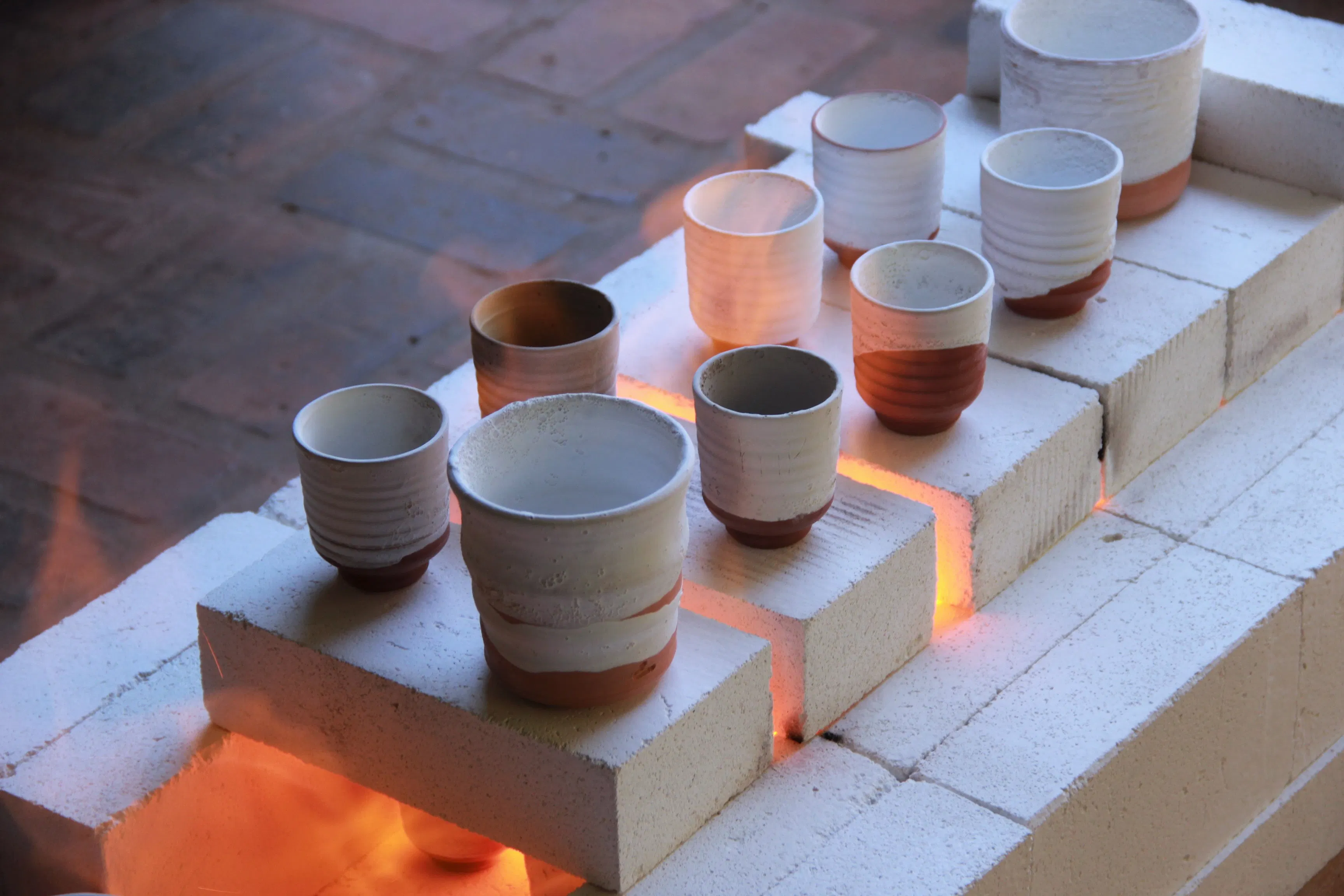
The final characteristics of a ceramic depend almost entirely on the stage of cooking. In other words, two pieces made of the same mixture, and moulded in the same way, can be transformed into two totally opposed products if different cooking processes are applied to them. A ceramic piece that has been moulded but not yet fired is called a ‘green body’.