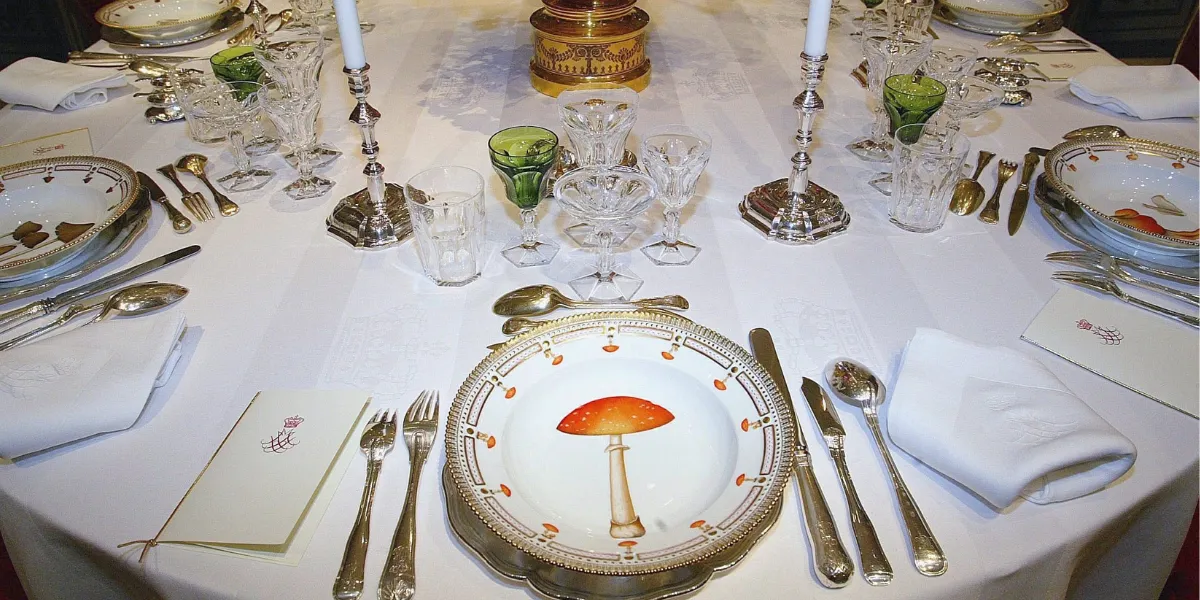
In 1752, the King of Denmark, Frederick the 5th, ordered that all of the native floral and plant species of the kingdom be documented in a comprehensive atlas. As the kingdom of Denmark (which also included Iceland, Norway and parts of Germany) was based on an agrarian economy at the time, it was important to know the botany of the land for further agricultural development. Georg Christian Oeder, a professor at the Botanic Gardens of Copenhagen, was assigned the task and thus the Flora Danica was born. Oeder travelled extensively throughout the kingdom to document the plants and flowers and employed Martin and Michael Rössler, father and son engravers based in Nuremberg, to illustrate them. Between 1761 and 1771, he published 10 booklets with 60 copper plates of plants and flowers each. The beauty of the Flora Danica was talked about worldwide, as it was the first atlas of its kind, and it was indicative of the general desire during the Age of Enlightenment to understand the natural world.

However, the political scene in Denmark began to deteriorate, culminating in a royal coup in 1772. Johann Friedrich Struensee, who was the physician to King Christian VII, the son of King Frederick, began to rise to power as the mental health of the King declined. He even began an affair with Queen Caroline Mathilda in 1770 and in July of 1771, she gave birth to their daughter. In September of 1770, he was named royal adviser and began instituting multiple reforms and eliminating many government positions. Public opinion turned against him and the 1772 palace coup resulted in his beheading.
See also: 5 Things You Didn't Know About Ceramics
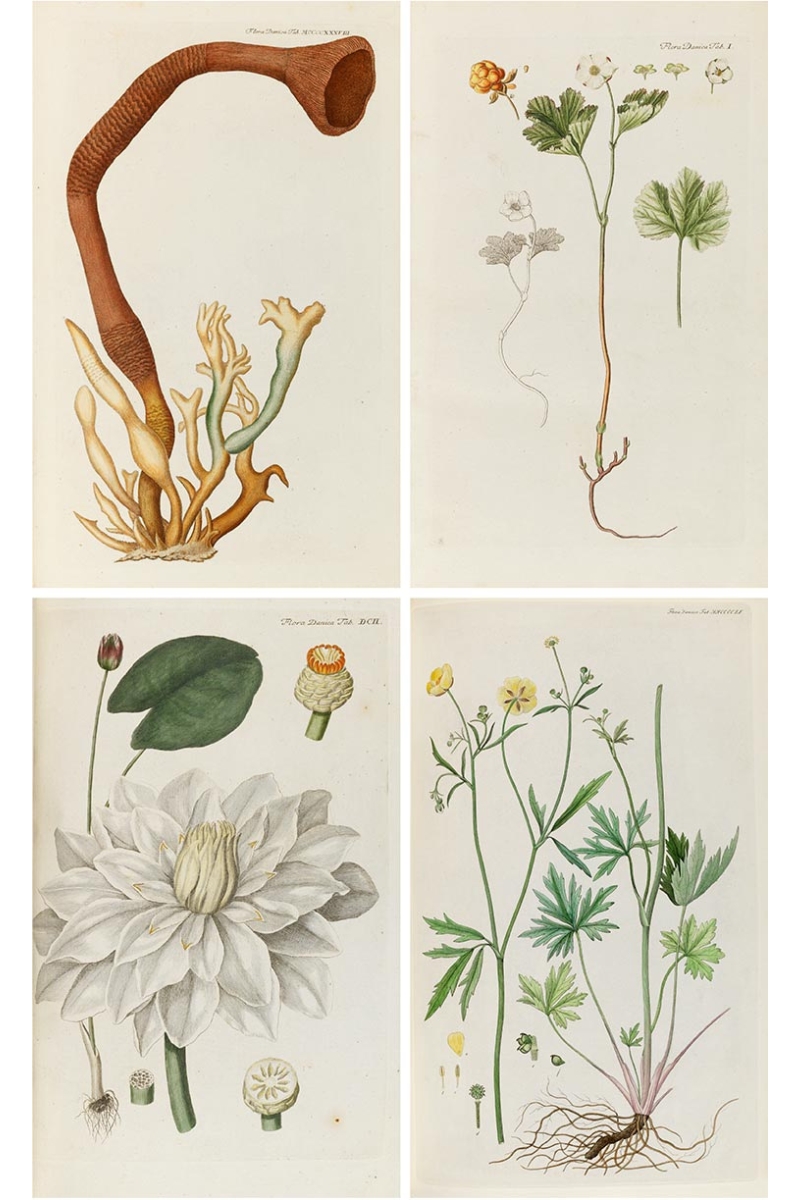
In this tumultuous climate, Oeder lost his professorship in 1771 after nearly two decades working on the Flora Danica. He was replaced and work continued on the Flora Danica, which was finally finished in its current state in 1883, including over 3,200 individual plates. In 1775, Queen of Denmark, Juliana Marie, founded the Royal Copenhagen manufactory of porcelain in the Danish capital, which started producing dinner services for the Danish royal family.
See also: KPM Berlin: The Royal Porcelain Pioneer
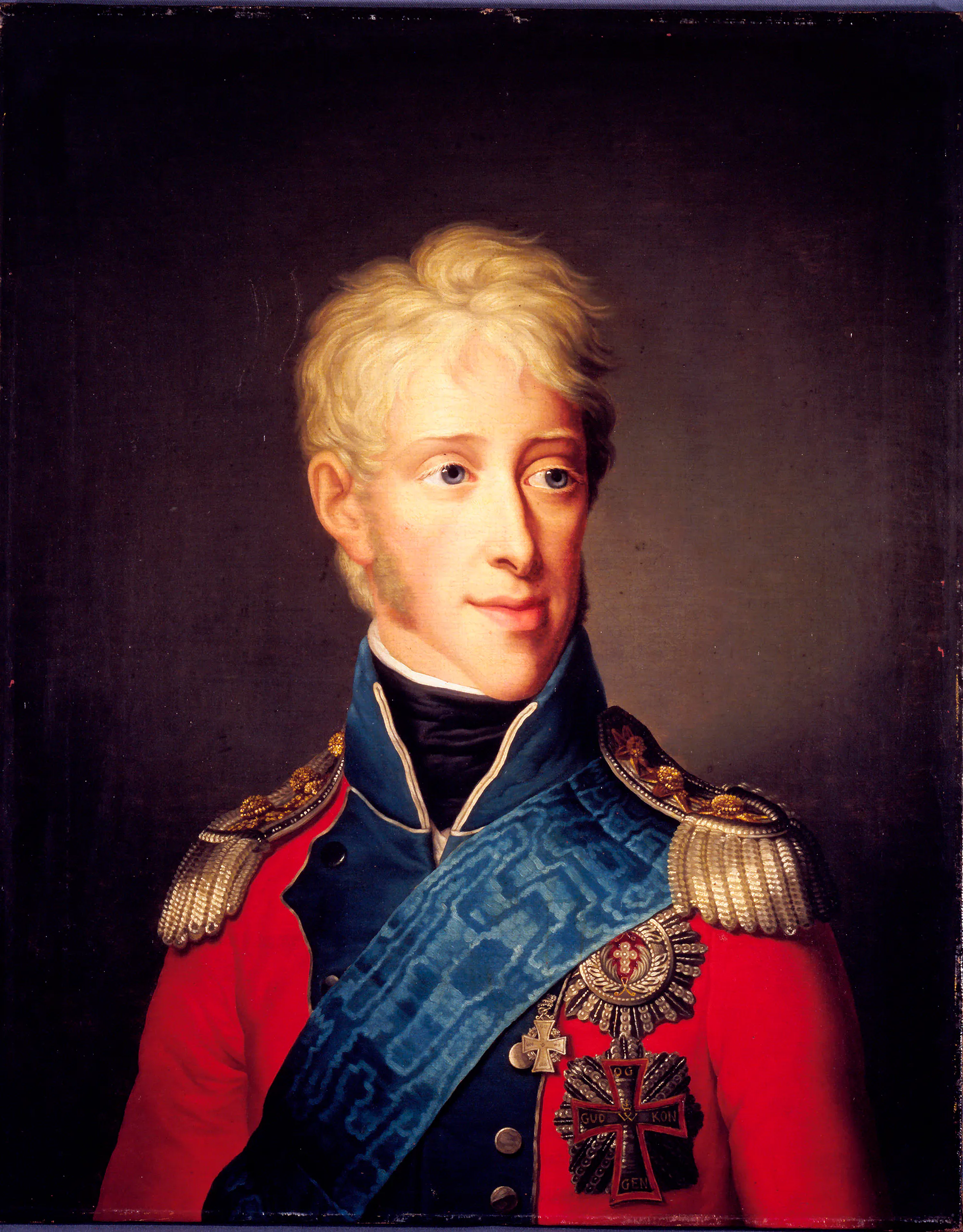
The Russo-Swedish War of 1788–1790 led to the Kingdom of Denmark and Norway declaring war on Sweden, as they were allied with Russia, but a peace treaty was signed in 1799. As an act of diplomacy after the war, Crown Prince Frederick VI of Denmark ordered a magnificent 1,800-piece dinner set with Flora Danica paintings on them from Royal Copenhagen as a gift to the Russian Empress Catherine the Great in 1790. Artist Johann Christian Bayer took the drawings of the Flora Danica and relayed them by hand onto the porcelain, making sure that they were direct copies of the intricate botanical sketches.
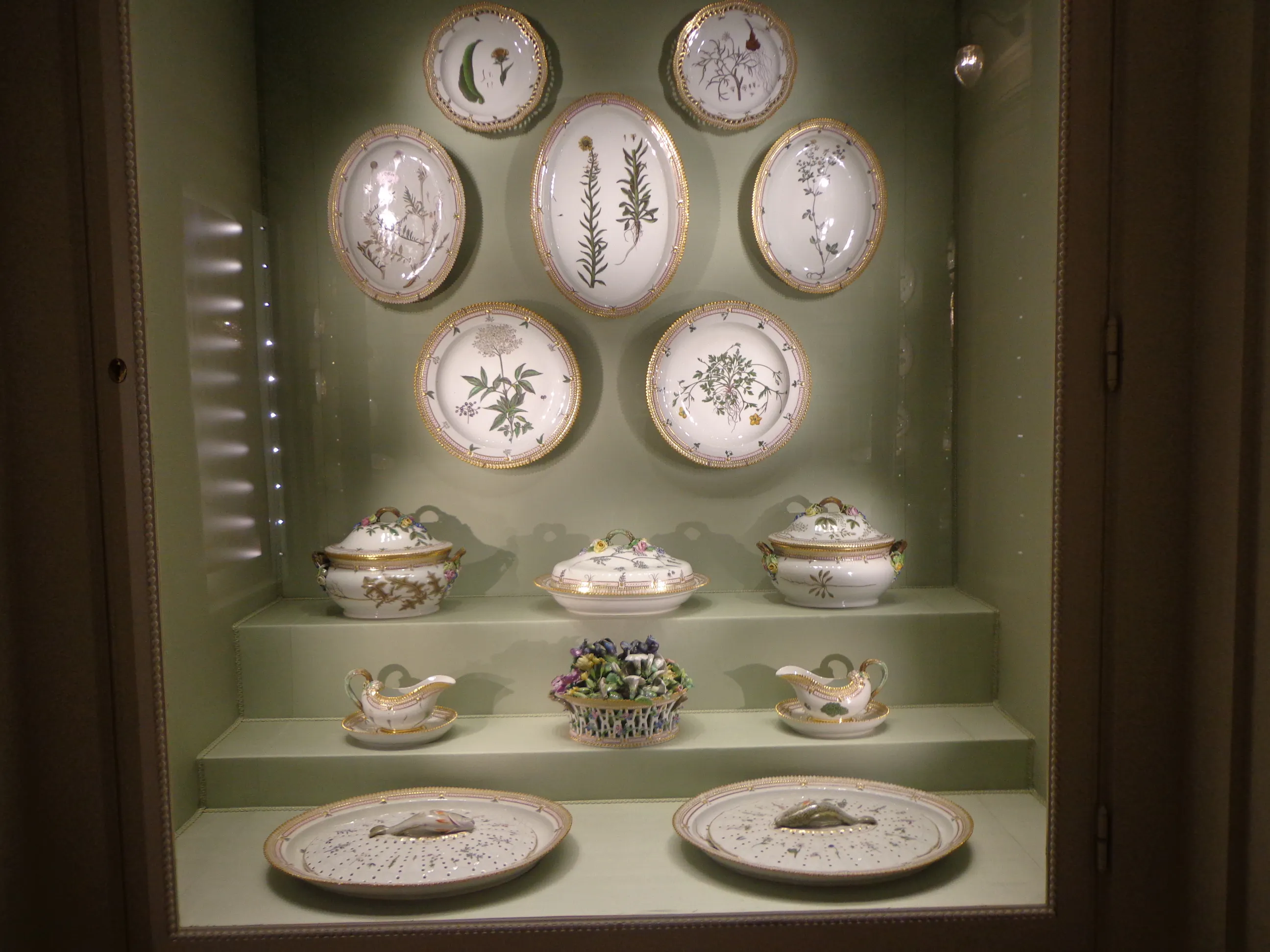
The set, entirely made by hand, was not finished before the Empress' death in 1796 and so remained in Denmark. The dessert plates from the original set were first used for a royal dinner for the 54th birthday of King Christian VII in 1803.
Want articles like this straight to your inbox? Subscribe to our free newsletter!
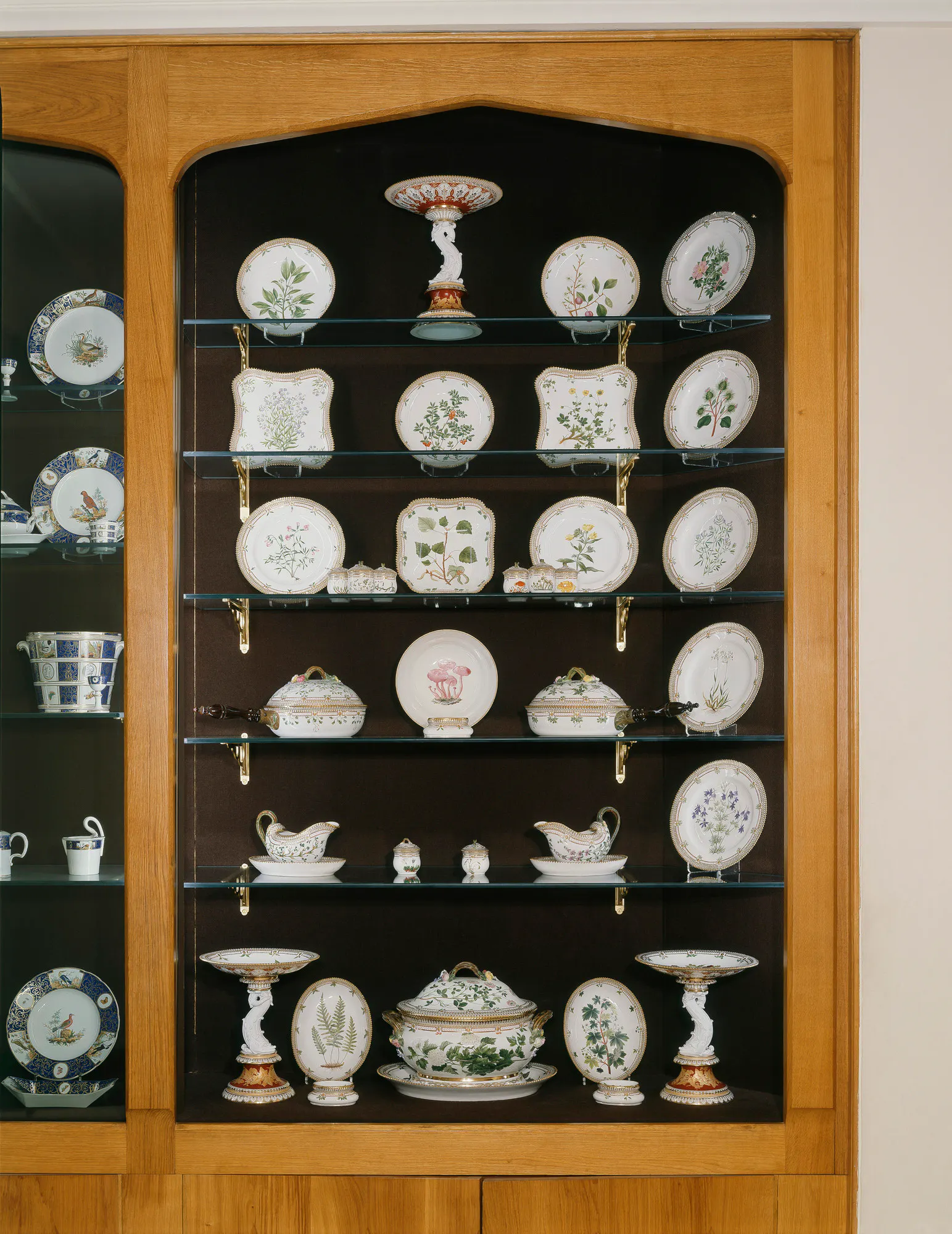
However, a year prior, in 1802, the production of Flora Danica was abruptly discontinued at Royal Copenhagen. The company didn't start making the line again until 60 years later, when it went back in production to create the dinner set for the wedding of Princess Alexandra of Denmark to Albert Edward, Prince of Wales, later King Edward VII. Flora Danica porcelain was also the royal gift from the King and Queen of Denmark to Queen Elizabeth II and Prince Philip in 1947, as well as for the wedding of Princess Anne Marie of Denmark to King Constantine II of Greece in 1964.
See also: Collecting Like a King: Meissen Porcelain 101
Today, Flora Danica porcelain must be ordered through Royal Copenhagen and is made through an intensive process, as there are less than 20 trained Flora Danica artists in existence. The flowers are still painted by hand onto the fired porcelain and the pieces are gilded with 24k gold. The Latin name for the plant or flower depicted is painted in script on the back.
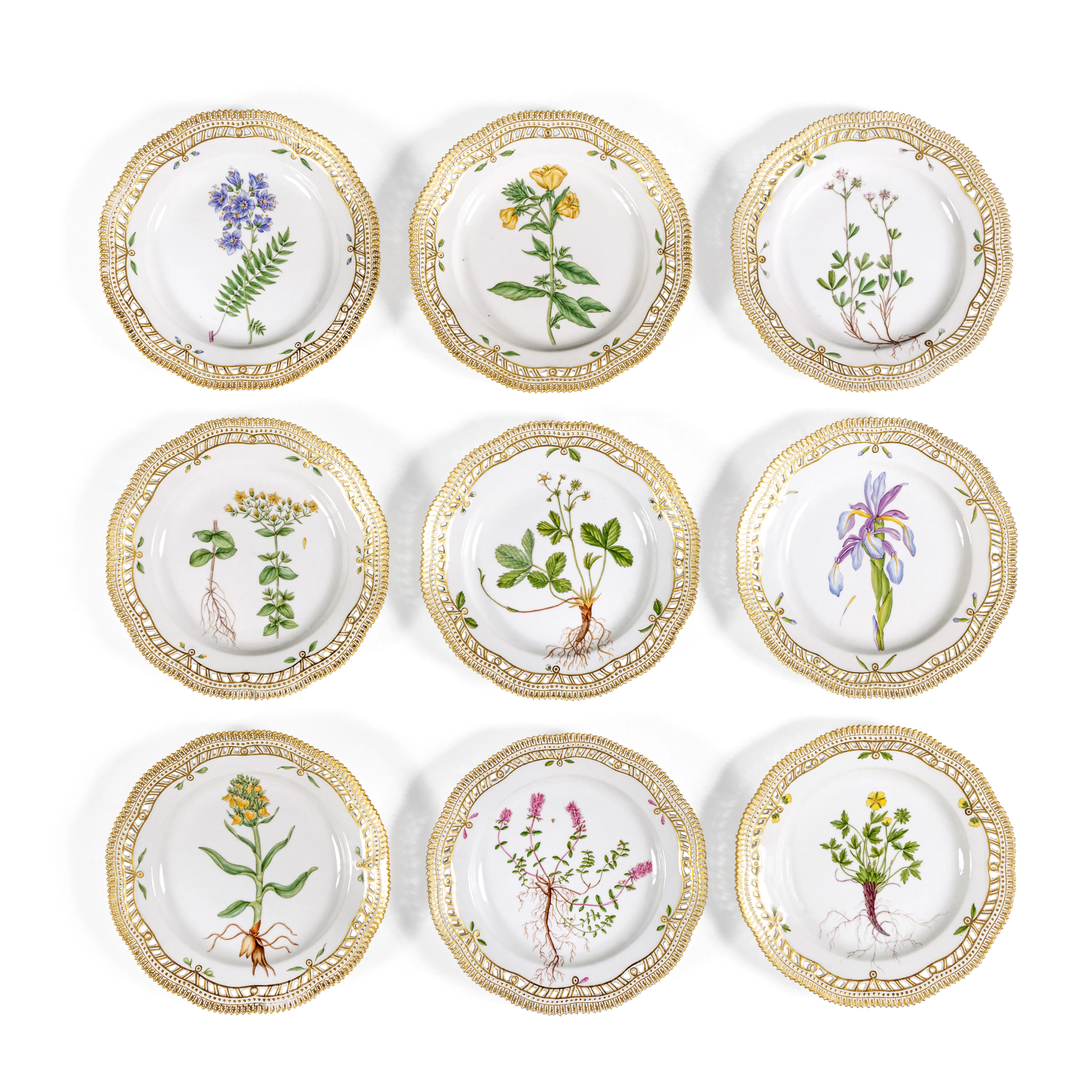
A more accessible way to purchase Flora Danica porcelain is at auction, where prices range from a few hundred dollars for a single dinner plate to hundreds of thousands for a complete set. The record for Flora Danica porcelain was set in 2021 when a Royal Copenhagen Flora Danica flatware set with 128 pieces of forks, spoons and knives decorated with Flora Danica specimens sold for £237,250 at Christie's London.
See also: A Brief Guide to Danish Design
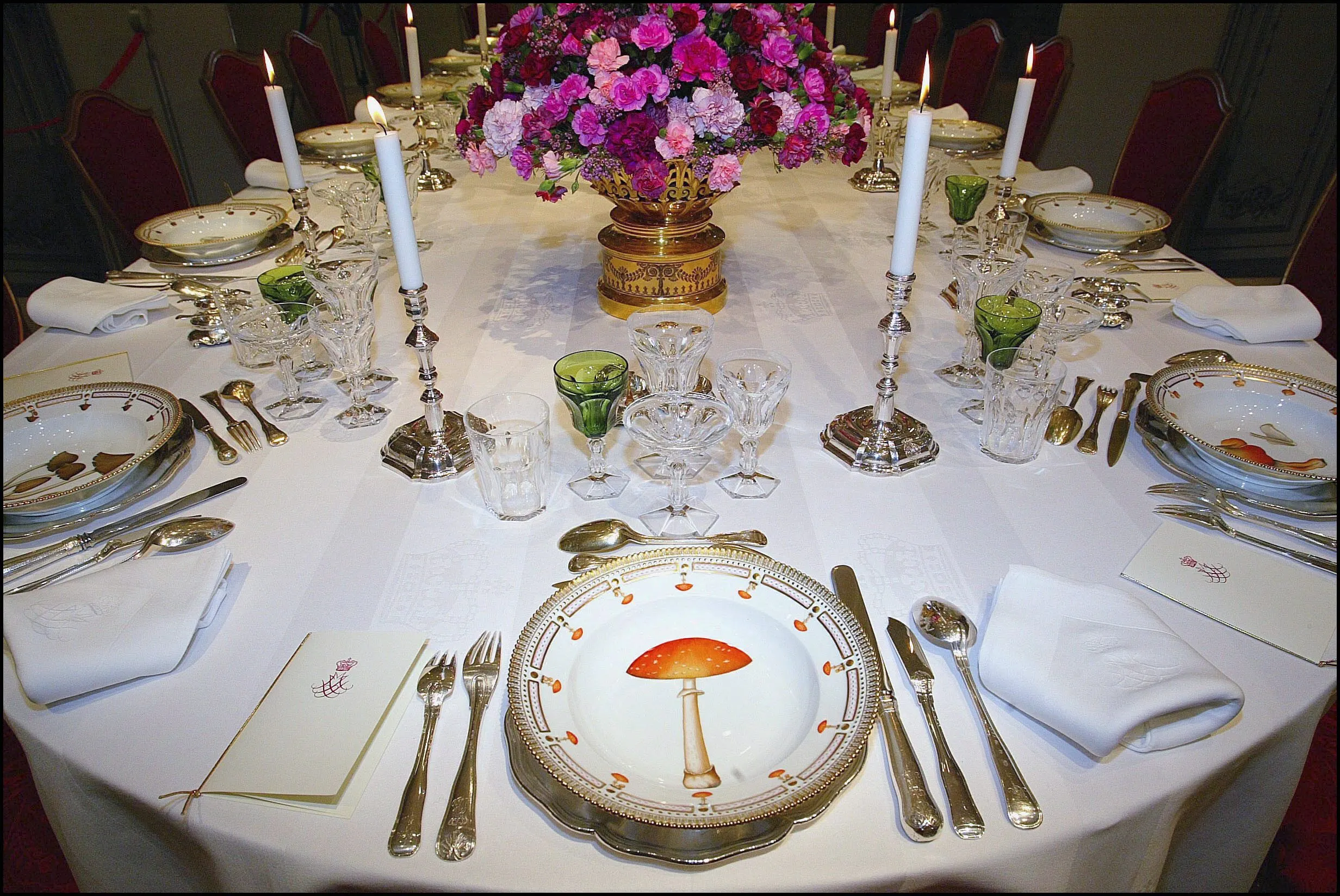
These high prices reflect not only the incredible craftsmanship of the artists that still make these pieces by hand, but also the history of innovation during the Age of Enlightenment and Danish pride and heritage. With its royal provenance, Flora Danica porcelain is found in the collections of the British and Danish royal families, as well as other prestigious collections worldwide. Most recently, a Flora Danica dinner service depicting mushrooms sold for £37,310, nearly double its low estimate, at Christie's in March 2023. Not surprising, as dining upon these botanical designs is certainly an extraordinary experience!