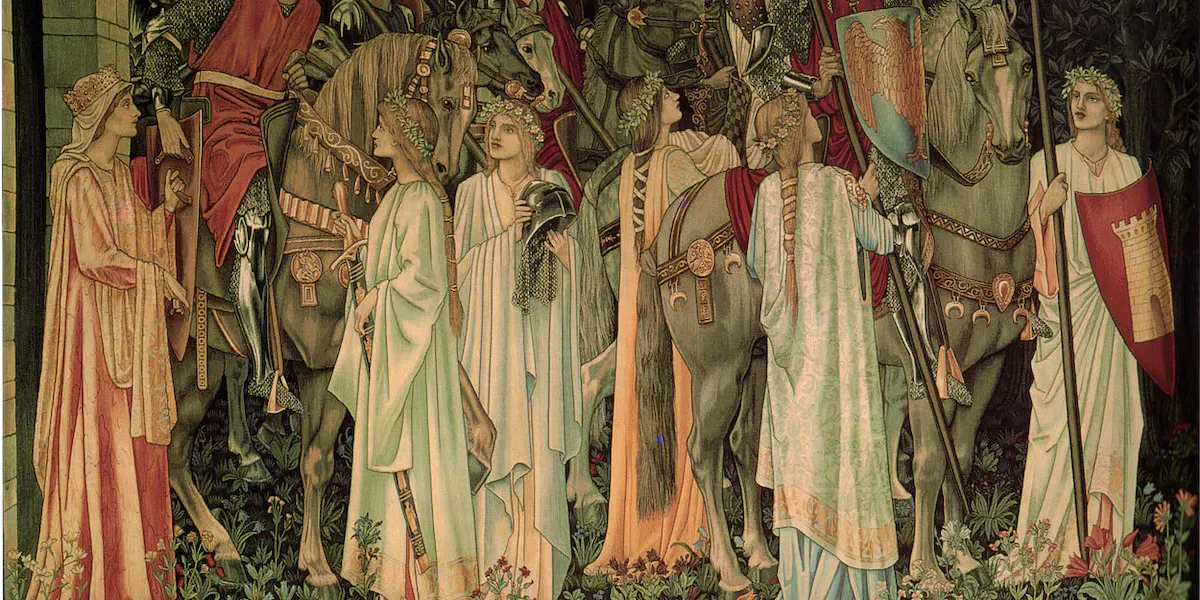
In the early 19th century, a wave of Romanticism swept across significant regions of Europe. This movement sparked a surge of creativity in architecture, art, literature, and music. It marked a departure from the previously dominant classical artistic styles rooted in Greco-Roman antiquity, such as the Renaissance, Baroque, and Classicism. Instead, it drew inspiration from the medieval period that had left its mark on Western Europe.
See also: The Tales Behind the Greatest Works of Classicist Art
An important aspect of this development was the many years of war that marked Europe after the French Revolution (1792-1815). The feeling of constant threat and insecurity made people yearn for the nostalgia of better times. This was particularly pronounced in Germany, a region still divided into many small states at the time. Here, the desire for a strong nation-state that could withstand any external threat started to take shape.
As people began to look for similarities, they found them in the past, including in the oldest version of the Nibelungenlied, or The Song of the Nibelungs, dating back to the 13th century. This epic poem, which had been rediscovered in the mid-18th century, was destined to become a symbol of national identity for the German people and an important model for art and music in the course of the 19th century.
The architecture
The roots of the medieval revival that took place in the 19th century can be traced back to the 18th century. Interestingly, this revival didn't start in Germany, despite King Frederick II of Prussia's construction of the first neo-Gothic building in continental Europe in the 1750s, the Nauen Gate in Potsdam, which he personally designed. Instead, the birthplace of this revival was England, where the resurgence of neo-Gothic architecture first gained momentum.
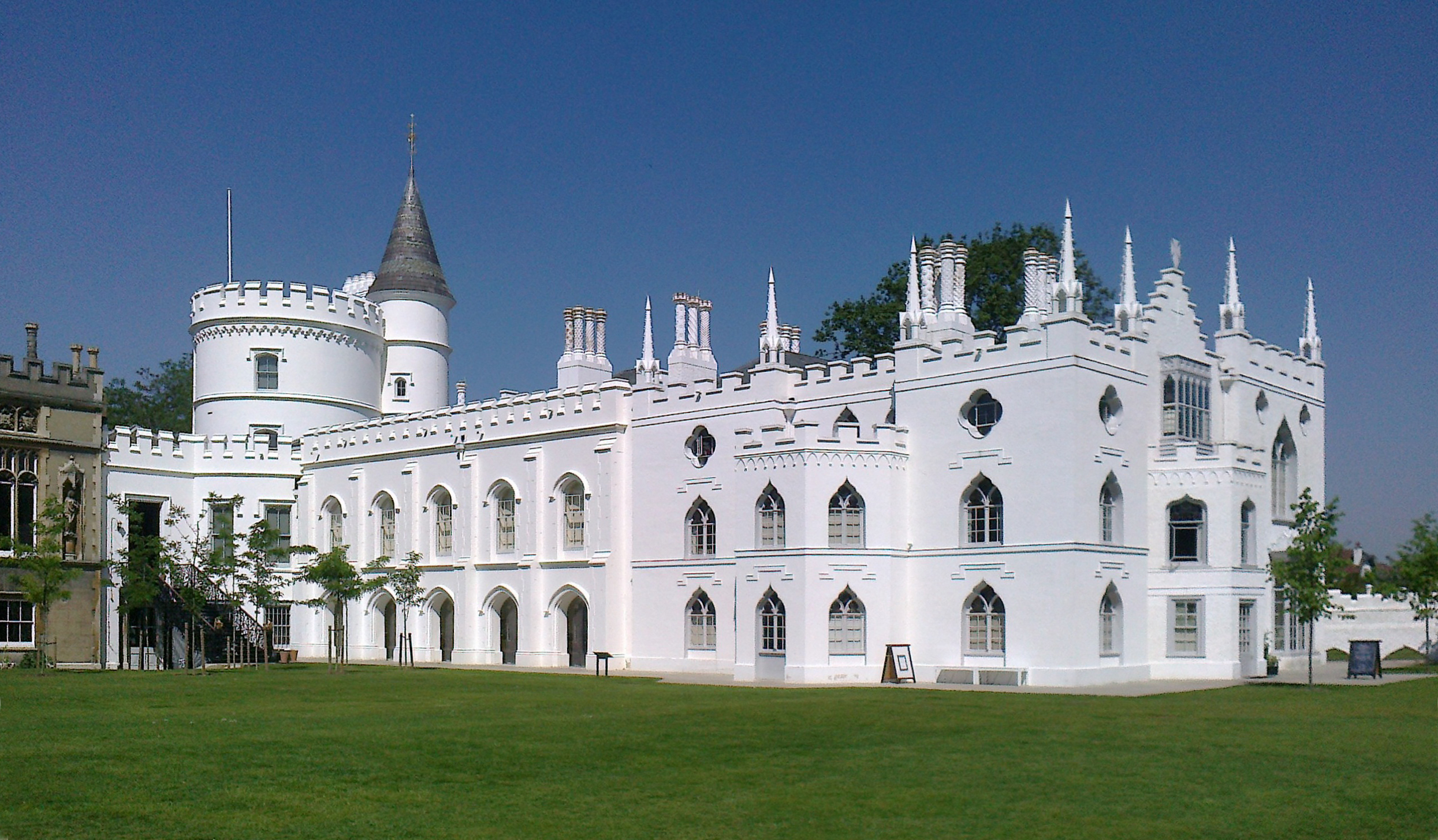
In the then Kingdom of Great Britain, it was the statesman and author Horace Walpole (1717-1797) who laid the foundation stone, so to speak, by having a small villa located along the Thames, known as Strawberry Hill, extended and decorated into a country castle in the Gothic style, complete with Gothic elements like pointed arches, battlements, and turrets.
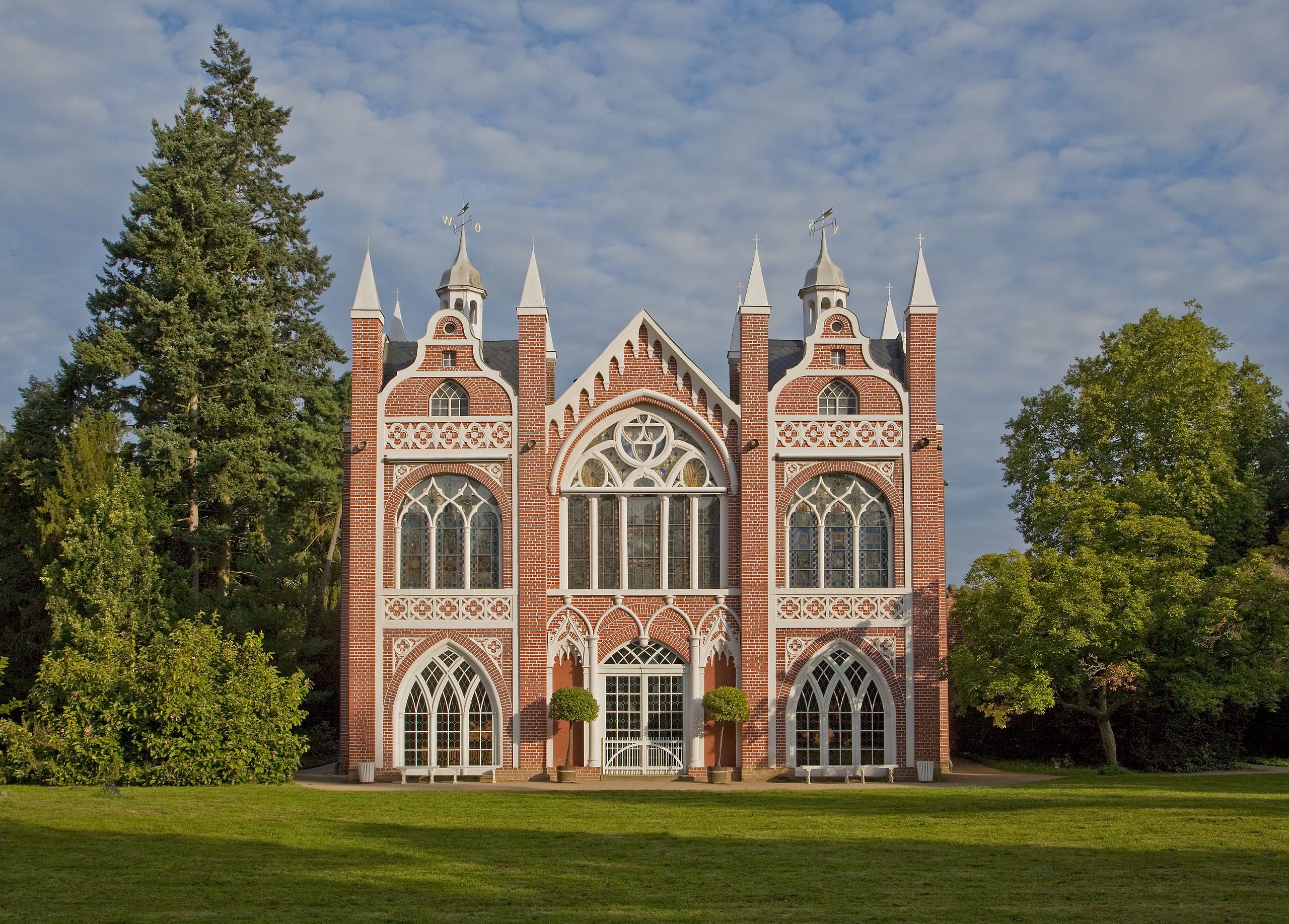
In Germany, another early example is the Gothic House located within the garden landscape of Wörlitz in Saxony-Anhalt. The building was erected from 1773 onwards on the orders of Prince Leopold III Friedrich Franz of Anhalt-Dessau, after he had visited Walpole's Strawberry Hill on a trip to England.
Want articles like this delivered straight to your inbox? Subscribe to our free newsletter!
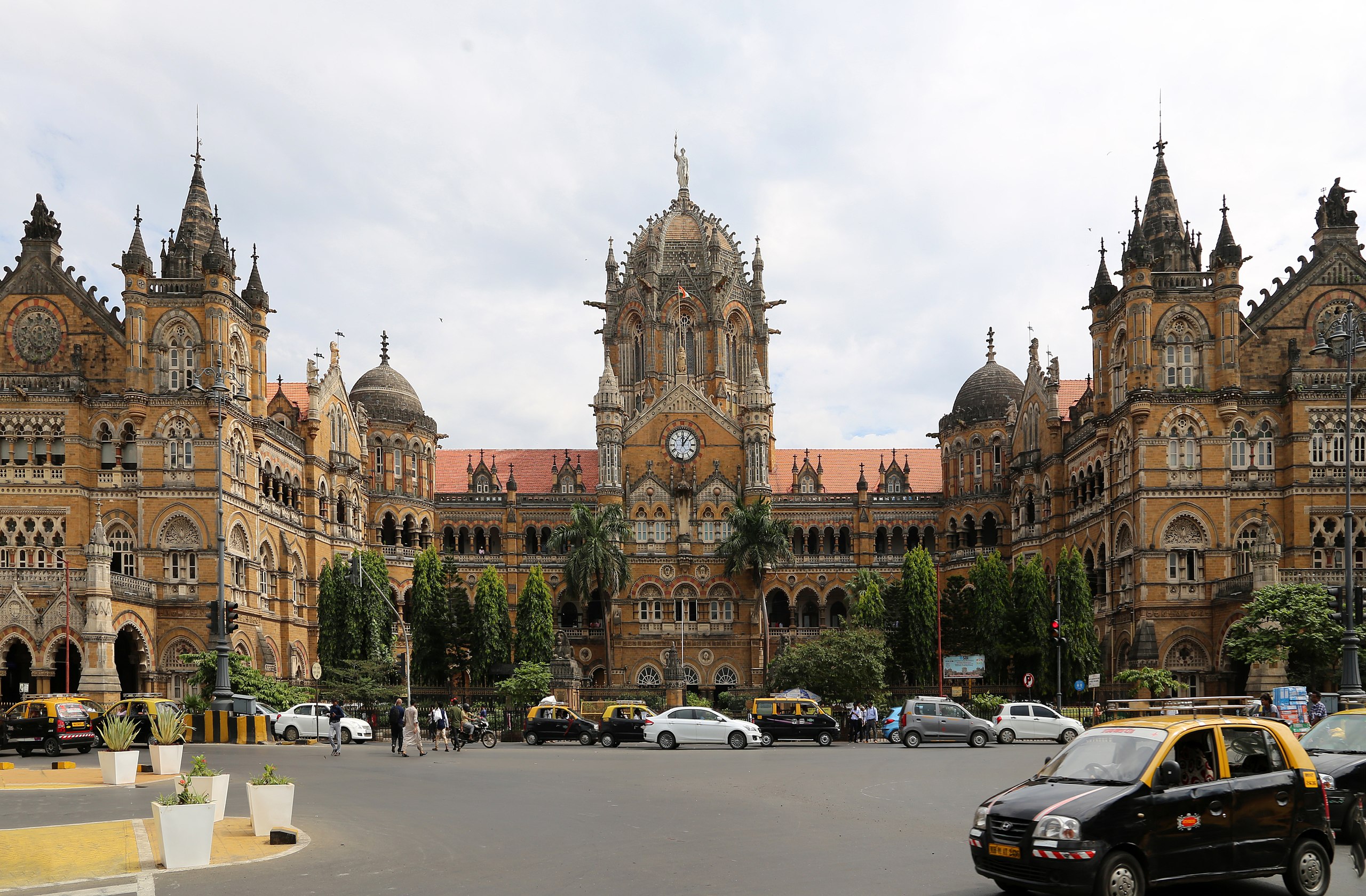
Neo-Gothic architecture experienced its peak during the first two-thirds of the 19th century. One of the best-known examples in England, where it originated, is the Palace of Westminster in London, built between 1840 and 1870, where the British Parliament still meets today. Windsor Castle, with a rich history of reconstruction and expansion over the centuries, was also redesigned in the neo-Gothic style starting in the early 19th century. This transformation was particularly appreciated by Prince Consort Albert of Saxe-Coburg and Gotha, who was born and raised in the neo-Gothic-converted Rosenau Castle. The influence of neo-Gothic extended worldwide through the British Empire. This trend reached India, where the splendid Chhatrapati Shivaji Terminus, formerly known as Victoria Terminus, was erected in Mumbai between 1878 and 1888.
See also: Here Are The Gothic Painters You Should Know
In large parts of Europe, castles designed in the style of medieval castles were built on top of lonely cliffs and high above river valleys. In Germany, the Rhine River played a pivotal role in this architectural movement, as numerous castles were either newly built or underwent extensive renovations along its banks. The lore of the Loreley, who was believed to sing from her rock, further added to the enchanting atmosphere of the Rhine region during this era.
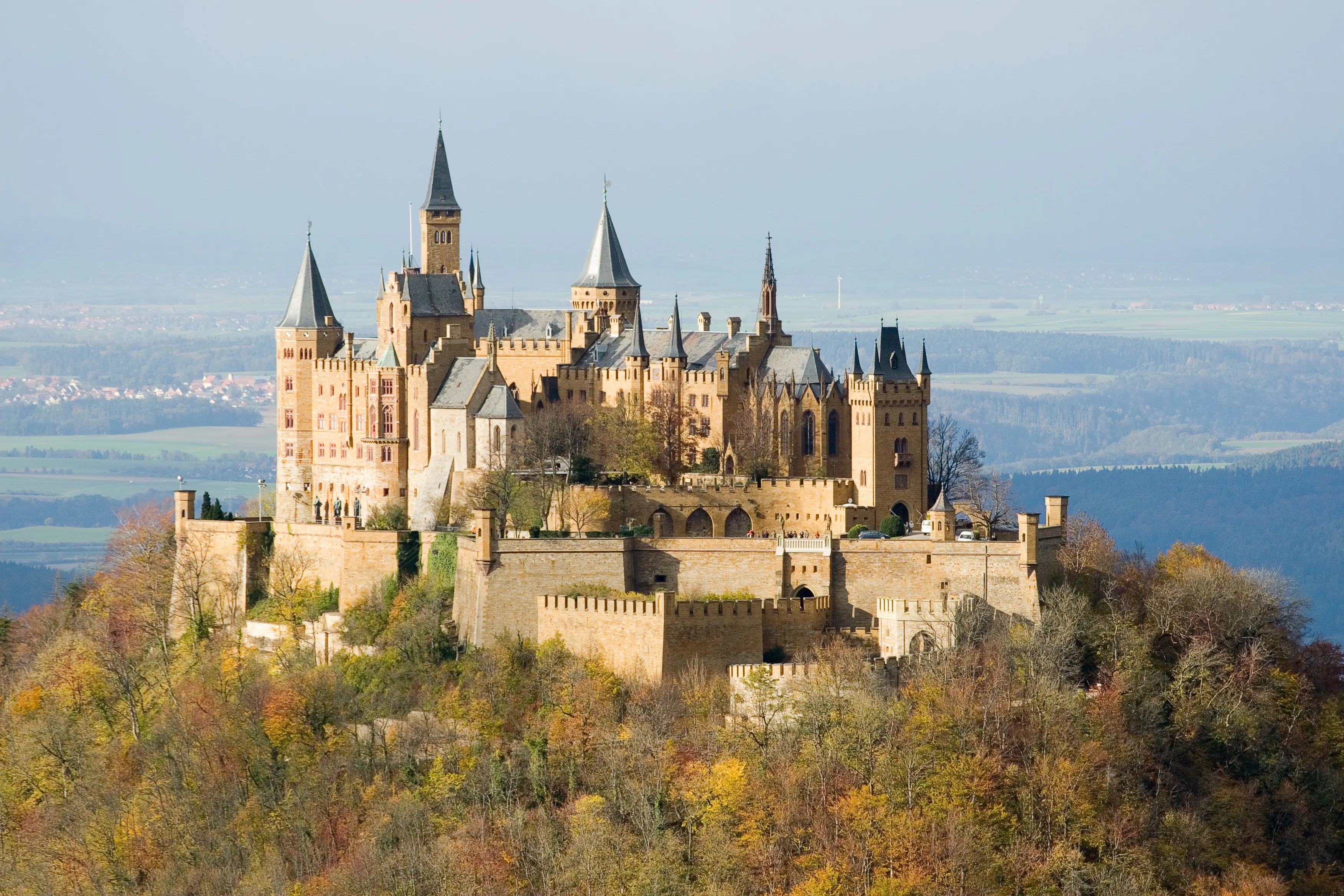
Although Goethe had extolled the Gothic style as distinctly German back in 1773, it became increasingly evident during the 19th century that the true roots of this architectural style could be traced to France, particularly with its renowned cathedrals like Reims and Chartres. Germany then began to reorient itself and instead focused on reviving the Romanesque style, characterised by its distinctive round arches, which had its origins in late antiquity and the early Middle Ages, spiking it with splendid Byzantine elements.
See also: The History of Notre-Dame
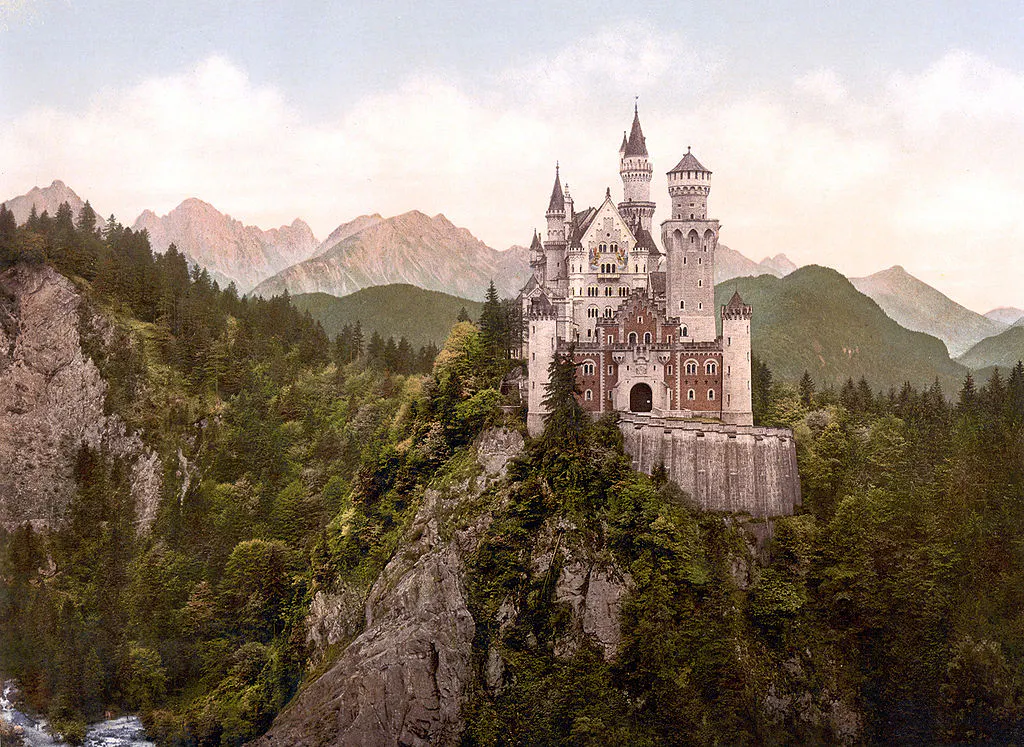
The most renowned illustration of a Neo-Romanesque structure is Neuschwanstein Castle in Bavaria, a project initiated by the fairytale king, Ludwig II, in 1869. Ludwig envisioned an idealised medieval knight's castle during its construction, with the interior decorations featuring his beloved heroes from medieval legends and sagas.
The literature
The shift in architectural style and its accompanying decorative themes proved to be a wise choice. Medieval romanticism found its literary inspiration in the heroic sagas, which, though often transmitted through traditions from the High Middle Ages, had their roots and narratives set in the centuries following the fall of the Western Roman Empire. This period marked the time when modern European states were beginning to take shape, and local princes were filling the resulting power vacuum.
The tales of legendary heroes found their expression in various literary works, including the verse novel Parzival by Wolfram von Eschenbach from the early 13th century, the Swan Knight sagas revolving around Parzival's son Lohengrin, and, of course, the Nibelungenlied, with its earliest version dating back to the same period as Parzival. In England, the Arthurian legend garnered considerable attention, while in France, audiences empathised with the tragic love story of Tristan and Isolde.
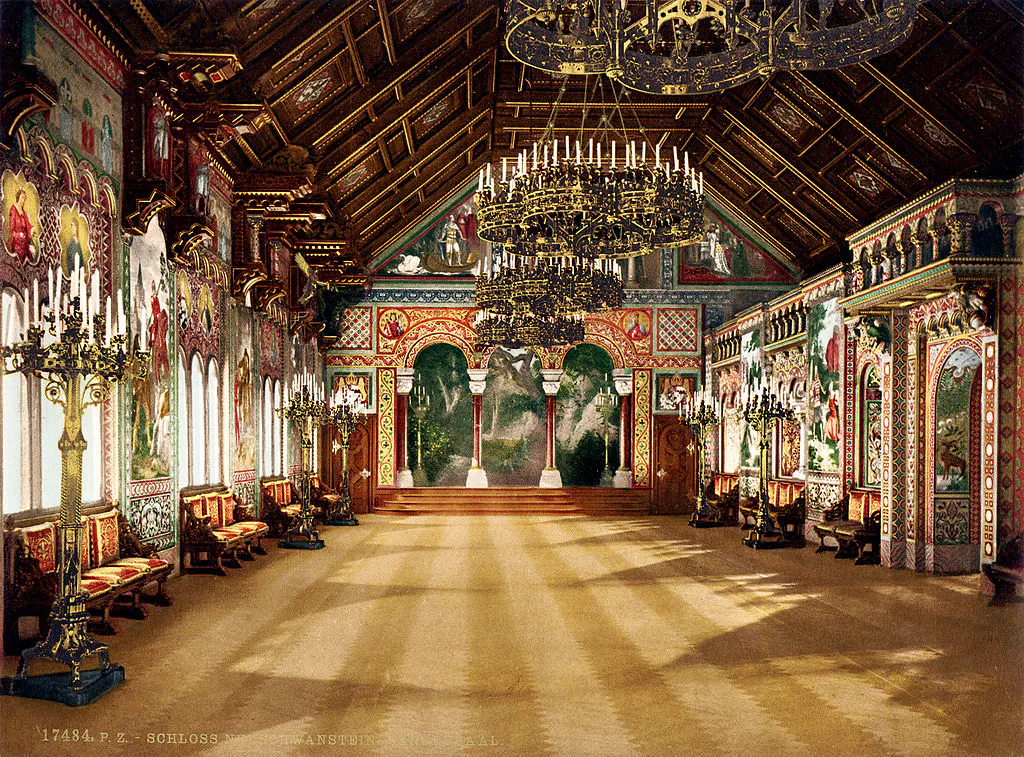
Ludwig II evolved into the most ardent enthusiast of the Nibelungen and Swan Knights. He not only adorned his Neuschwanstein Castle with depictions of these mythical heroes but also became the most prominent patron of Richard Wagner. Wagner, in turn, set the medieval tales to music, creating operas like Lohengrin, Parsifal, and the four-part Ring of the Nibelung.
See also: Collecting Opera and Ballet in Art
Interestingly, the rediscovered Nibelungenlied didn't immediately garner support from all quarters. After the first revised version was presented to Frederick the Great in the mid-18th century, the pragmatic Prussian king confessed that he found the whole thing "not worth a shot of powder".
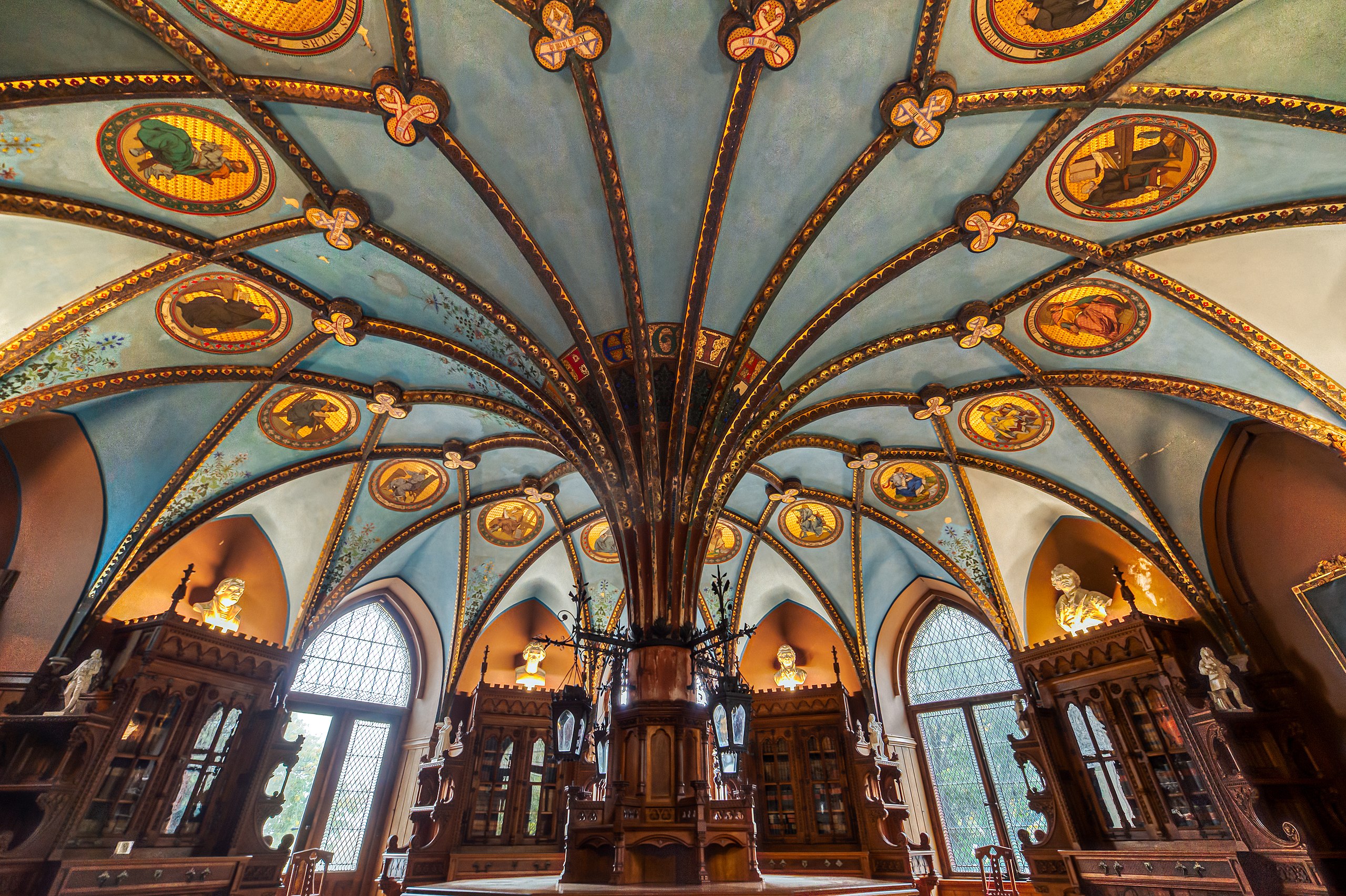
In general, the literary landscape from the 18th century onwards began to take on a more fantastical character. Medieval knightly tales were joined by fairy tales that had been passed down orally for generations and were written down and published between 1812 and 1858 by the brothers Jacob and Wilhelm Grimm in the collection Kinder- und Hausmärchen.
See also: 6 Women Who Have Won the Nobel Prize in Literature
Another significant literary development that began in the 18th century and blossomed during the Romantic era was the novel. In this realm as well, Horace Walpole, the creator of Strawberry Hill, played a pioneering role. He broke away from the literary ideals of the Enlightenment and, with his work The Castle of Otranto published in 1764, established the genre of the Gothic novel. This genre invited the reader to be frightened, but above all stimulated the imagination and generally promoted the genre of the novel, which was often read in private. Dark, medieval-looking walls were often chosen as the setting. The most important Gothic novel was Frankenstein, or The Modern Prometheus, published in 1818 and written by the 20-year-old Mary Shelley.
The paintings
Set against the backdrop of neo-Gothic and neo-Romanesque castles, and inspired by medieval sagas, painting naturally found renewed interest in the Middle Ages. For centuries, art had primarily focused on the classical gods of the Greeks and Romans in its imitation of antiquity. However, as the rediscovery of native gods and myths occurred, new influences and creative directions began to emerge.
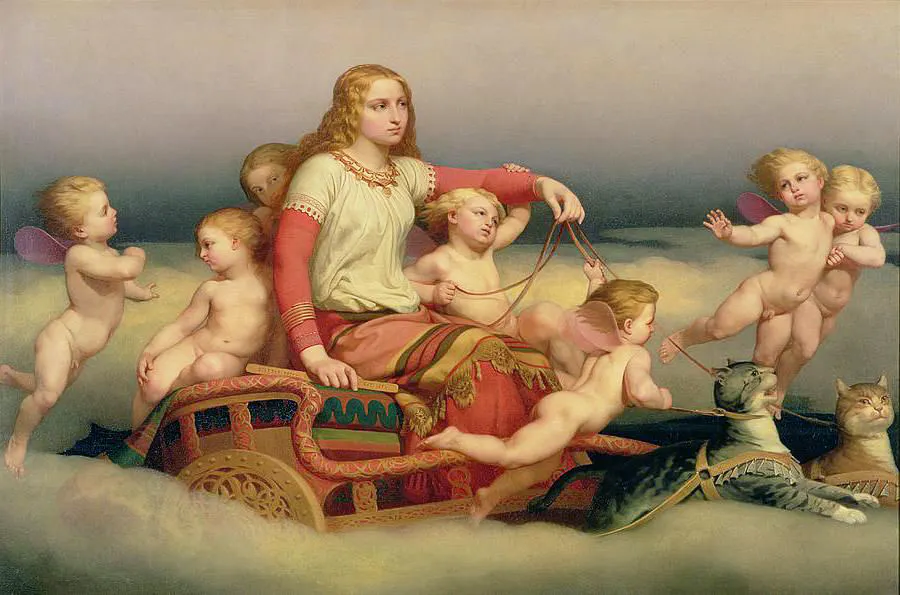
Moreover, the 19th century witnessed the rise of artistic movements deliberately in opposition to the prevailing styles that had dominated since the Renaissance. These movements drew inspiration from the painting of the Middle Ages and, at most, the early Renaissance.
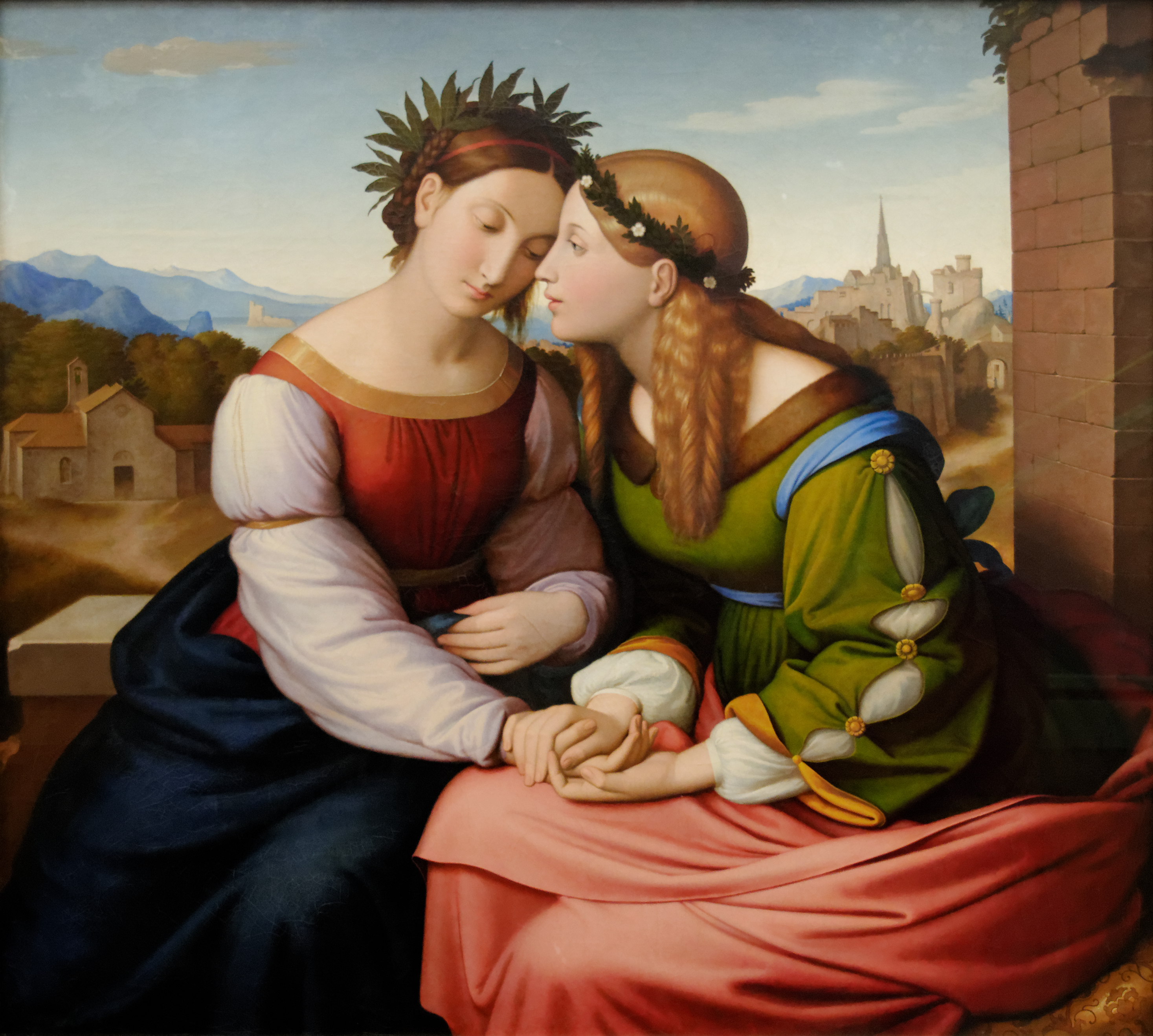
In Rome, a group of German painters, among them Johann Friedrich Overbeck and Julius Schnorr von Carolsfeld, gathered under this artistic approach. They were referred to as the 'Nazarenes' due to their notably religious and devout appearance. The core of their artistic focus revolved around Christian painting from the Middle Ages, and they aimed to present a stark contrast to the prevailing academic painting of their era. To achieve this, they heavily leaned on the forms and, most importantly, the color palettes employed in medieval art.
In 1848, another artistic group, known as the Pre-Raphaelites, emerged in 19th-century England. Comprised of painters like Dante Gabriel Rossetti and Edward Burne-Jones, they were dedicated to revisiting themes from the time preceding the Renaissance. For the first time, they drew inspiration from the Celtic-British mythological realm, delving into stories related to King Arthur, Camelot, and the Holy Grail. This collective of artists, involved in painting, decorative arts, and illustration, was also associated with the Arts and Crafts movement. Their influence extended into the realms of Symbolism and Art Nouveau.
See also: Elizabeth Siddal: The Tragedy of the World's First Supermodel
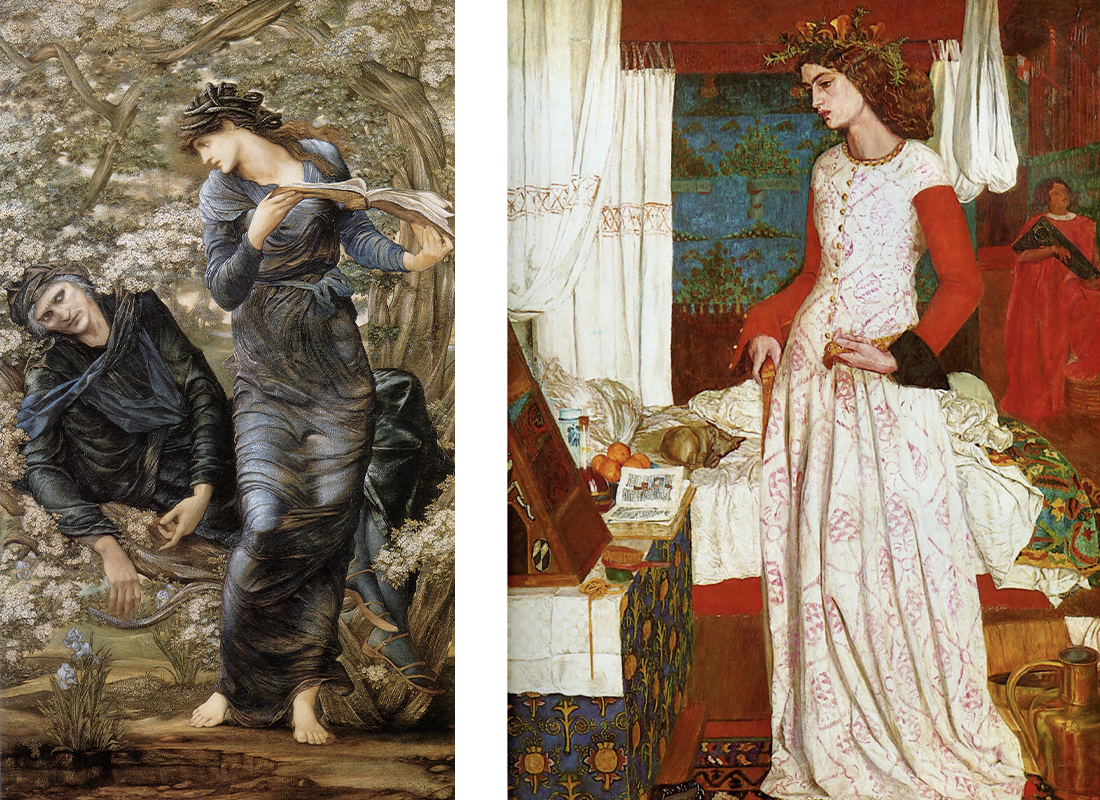
In general, medieval revival of the 19th century is experiencing a resurgence in contemporary culture. The depiction of mystical medieval women by the Pre-Raphaelites is readily apparent in numerous fantasy films and series. Many medieval sagas and legends continue to serve as inspiration for fantasy literature, and historical novels often take place during that era, although the focus is not usually on an entirely accurate historical portrayal, much like it was in the 19th century.

![Photo by Michal Matlon via Unsplash [detail]](https://images.prismic.io/barnebys/738766d7-2cc7-4258-9028-f5c634a4d9d3_Cover+final.jpg?auto=compress,format)