
Sleek, sculptural, sophisticated... Italian designer Gabriella Crespi infused her furniture, home décor and accessories with elegance, fine materials and enlightened craftsmanship to synthesise beauty and functionality.

Gabriella Crespi was born in 1922 in Saronno, Italy, outside of Milan. She studied at Academia di Bella Arti and the Polytechnic Institute, both in Milan, before launching her design career in the 1950s.
See also: The 10 Most Popular Furniture Designers

Her first success was the 'Small Lune Collection', consisting of steel, crescent-shape sculptures inspired by the phases of the moon. These pieces were exhibited in Milan and Nancy Hoving, the wife of the owner of Tiffany & Co., purchased her works.

Her growing visibility led to a collaboration in the 1960s with Dior, who hired her to design a line of small home décor and accessories for them, and later furniture. Her work for Dior and emphasis on fine materials and elegant aesthetics cemented her as a glamorous designer in the latter half of the 20th century. Her designs were collected by famous figures like Audrey Hepburn, Grace Kelly and the Iranian Shah Reza Pahlavi.
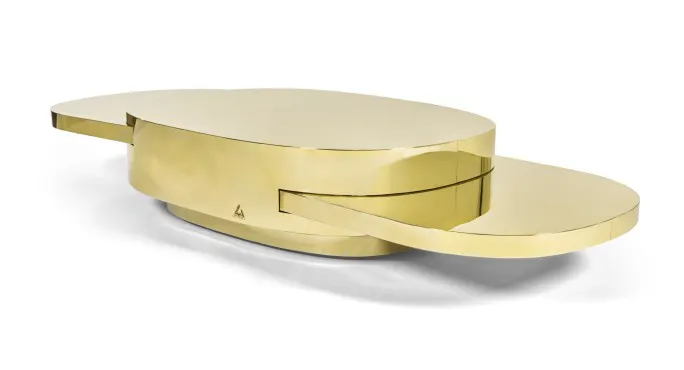
In 1970, Gabriella started working with her daughter Elisabetta and further expanded upon the Plurimi series that she had introduced in 1968. These iconic designs were sleek and futuristic, described by Elisabetta as "a series of tables made of polished, shiny golden brass".
See also: Cini Boeri: 7 Facts To Know
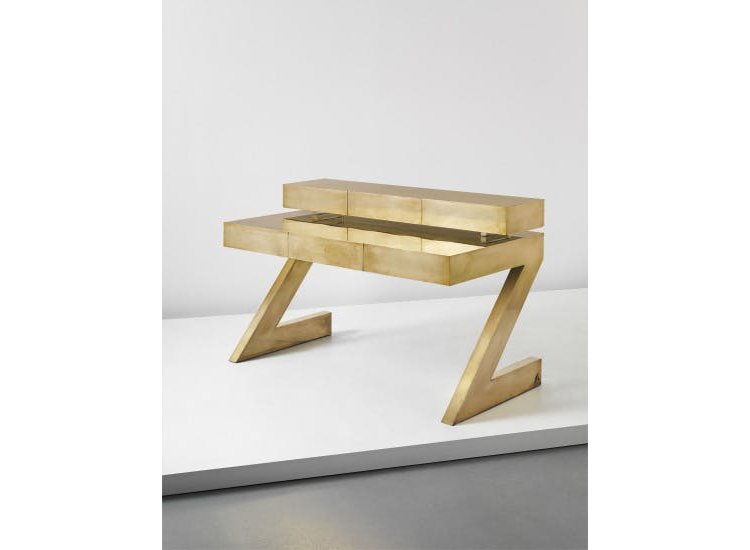
The 1970s marked the zenith of Gabriella's career as she continued to work with Dior but also branched out into her own lines. Her best known series include the 'Z' series (shiny bronze tables with legs in the shape of a Z), the 'Obelisk' (tall triangular-shaped sculptures) and the "Kaleidoscope" lamp made with stainless steel and plexiglass. The Z table is also her most expensive design: it set a record for Crespi when it sold for £158,500 at Phillips in 2014.

By 1987, Crespi had formally retired and moved to the Himalayas. However, almost thirty years later she revived many of her most iconic designs.
See also: Charles and Ray Eames: Democratic Design

She died in 2017 at the age of 95, but her mid-century modern aesthetic and sophisticated eye for sleek contemporary style has come to define many elements of 21st-century design.
Discover more about your favourite designers on Barnebys Magazine