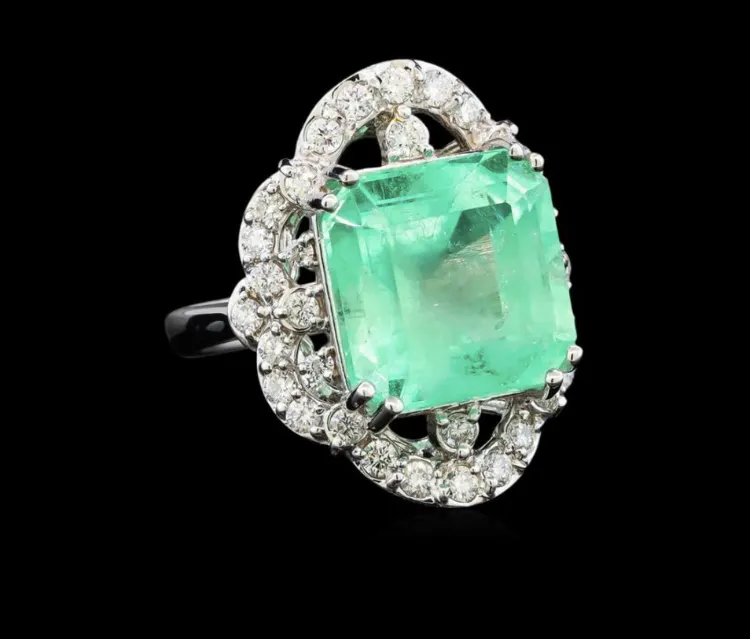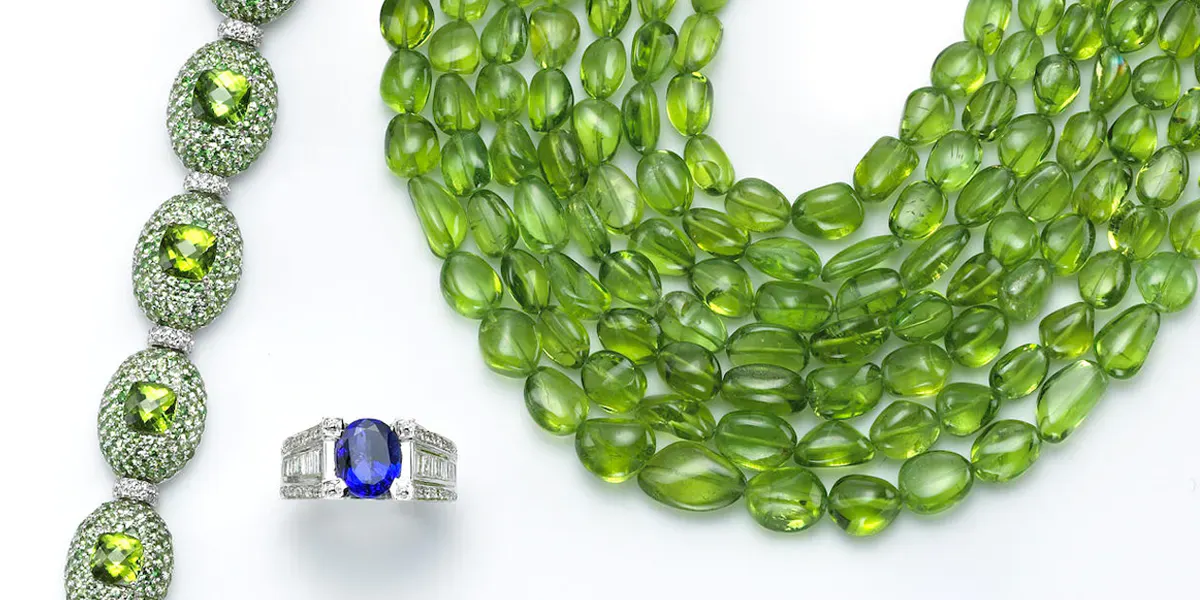
The designation of 'precious stone' is a historical label that applies to only four gems: the diamond, the sapphire, the ruby and the emerald. The criteria for deserving this title are well defined and take into account the origin (which must be natural), the hardness, the quality and the rarity of the stone. Only gemstones with truly exceptional qualities (purity, rarity, quality or even history) can be called 'gems'.
But precious stones are only one of the three main types of gemstones that are distinguished today. There are also fine stones, a category that includes all other gems (such as garnet, lapis lazuli, carnelian or jasper), and organic stones, a category including gems made from organic matter (like amber, coral or mother-of-pearl).
See also: Arts & Crafts Jewellery: a Pure Art Form
For centuries, gems have accompanied us on a daily basis, as jewellery, decorative arts and more. Their wide variety of colours, sizes and symbols has opened up the field of possibilities in the creative sectors, particularly in the world of crafts, jewellery, watchmaking and fashion. Here are 5 facts to know about 5 of the most popular stones today.
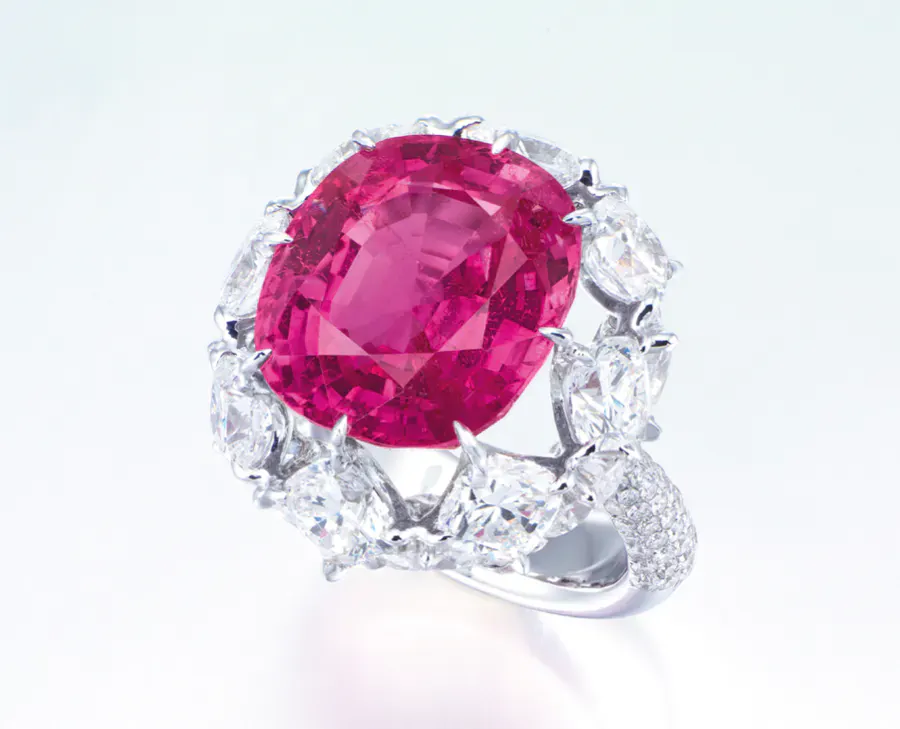
1. According to some ancient Asian traditions, the pink sapphire is the ultimate symbol of love, and its beauty is compared to the sacred lotus flower. The colour of this gemstone can range from the palest of pinks to the most vibrant, and its use as a stone adorning engagement rings dates back to ancient Rome. Most pink sapphires come from Sri Lanka and Myanmar, although since the 1990s Madagascar has become one of the countries where many deposits have been discovered.
See also: Crown Jewels: 5 Times Royal Jewellery Made Auction Headlines
Princess Grace Kelly was particularly fond of pink sapphires: in 2012, Montblanc even created the Princess Grace of Monaco collection, a limited edition jewellery collection embellished with petals, in reference to the flower named 'Princess of Monaco' in 1956 for her marriage. Montblanc teamed up with the Princess Grace Foundation-USA, which helps emerging talent in the performing arts, to create the pieces in this collection.
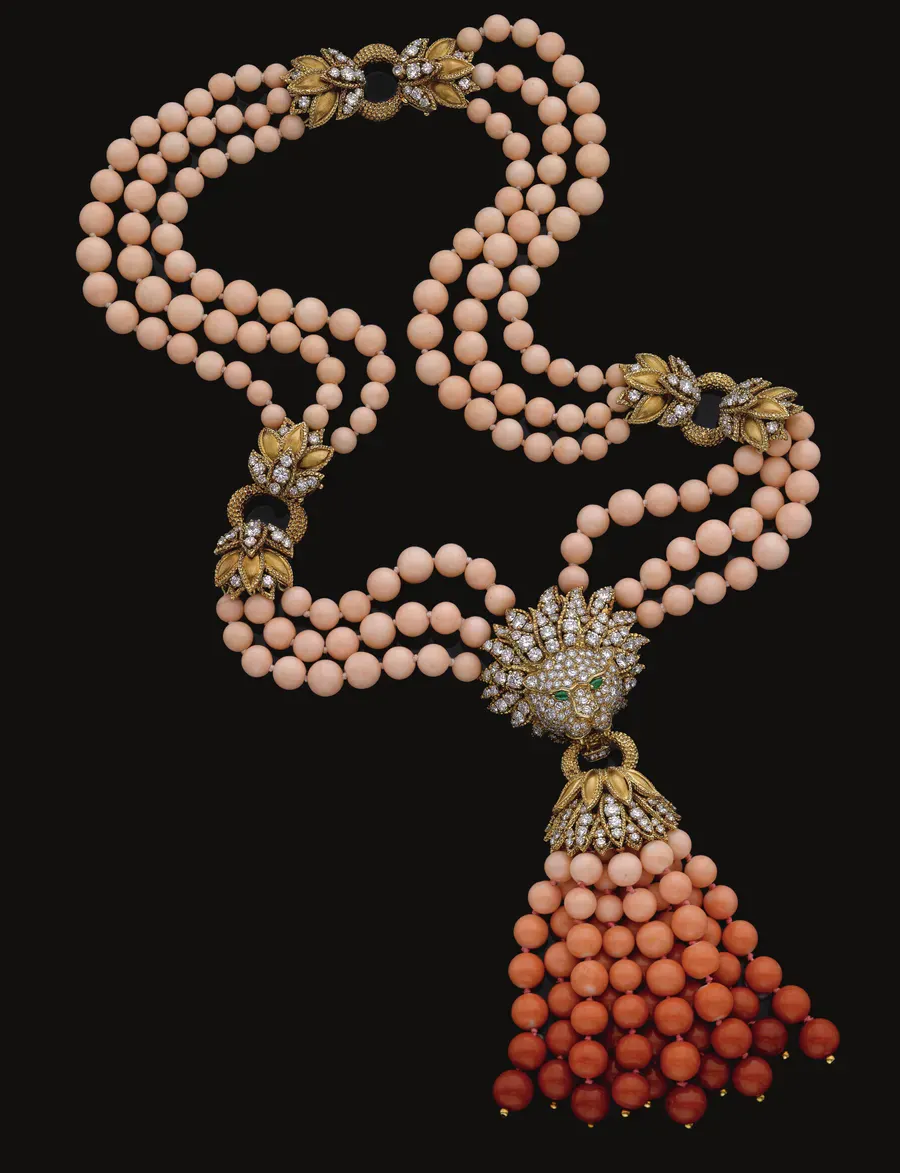
2. Coral was a particularly popular stone in ancient Egypt and the Victorian era. In ancient Rome and Egypt, parents hung coral beads around their children's necks for protection. The famous Roman scholar Pliny the Elder recommended people wear coral to ward off temptations. Beliefs in these protective powers revived during the Victorian era, and children were often offered the stone in the form of bracelets or earrings.
See also: The 9 Most Popular Jewellery Brands
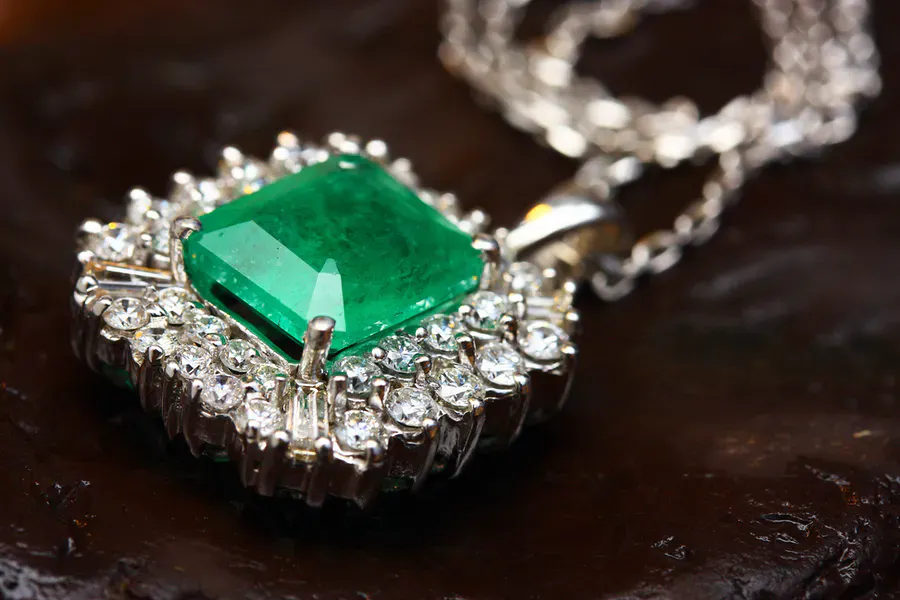
3. The history of the emerald dates back 2.97 billion years to South Africa, where the oldest deposits are found. It is said that Cleopatra already wore them in the time of ancient Egypt. During her reign, she also took control of the emerald mines near the Red Sea. In 1963, Elizabeth Taylor starred as Cleopatra alongside her husband Richard Burton. For the film, the actress is adorned with emeralds, stones that she also loved to wear outside of filming. In 2011, her emerald jewellery broke multiple auction records.
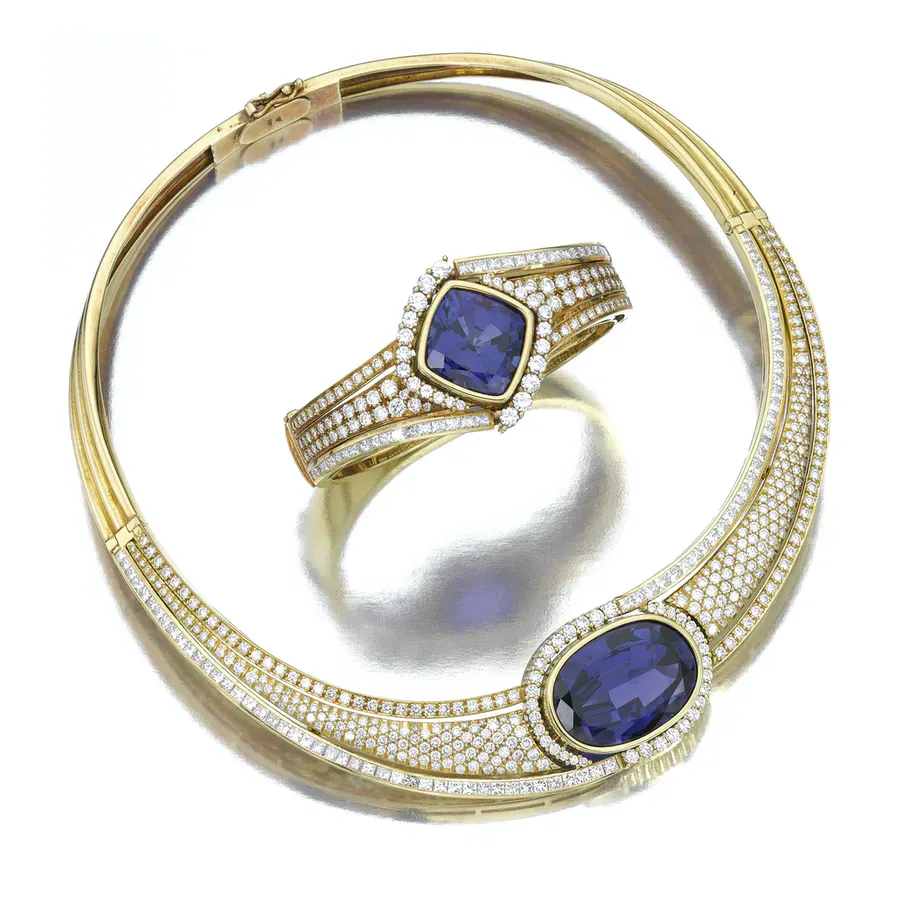
4. Tanzanite is often associated with Tiffany & Co due to an advertising campaign conducted by the brand in 1968. The story of the discovery of tanzanite begins when Maasai shepherds found blue crystals in the hills of Merelani, Tanzania, while herding cattle in 1967. They brought in a prospector named Manuel d'Souza, who initially thought they were sapphires, but quickly identified the stone as a bright blue variety of zoisite, a mineral stone that has been around since the early 1800s. Tiffany's recognised the potential of this blue gem to compete with the more expensive sapphire and agreed to become its primary distributor. Instead of marketing the stone as 'blue zoisite', which didn't sell well, Tiffany named the gemstone 'tanzanite' to emphasise its unique geographic origin. The publicity campaign that followed sealed the stone's reputation and popularity.
See also: Tiffany: The King of Diamonds
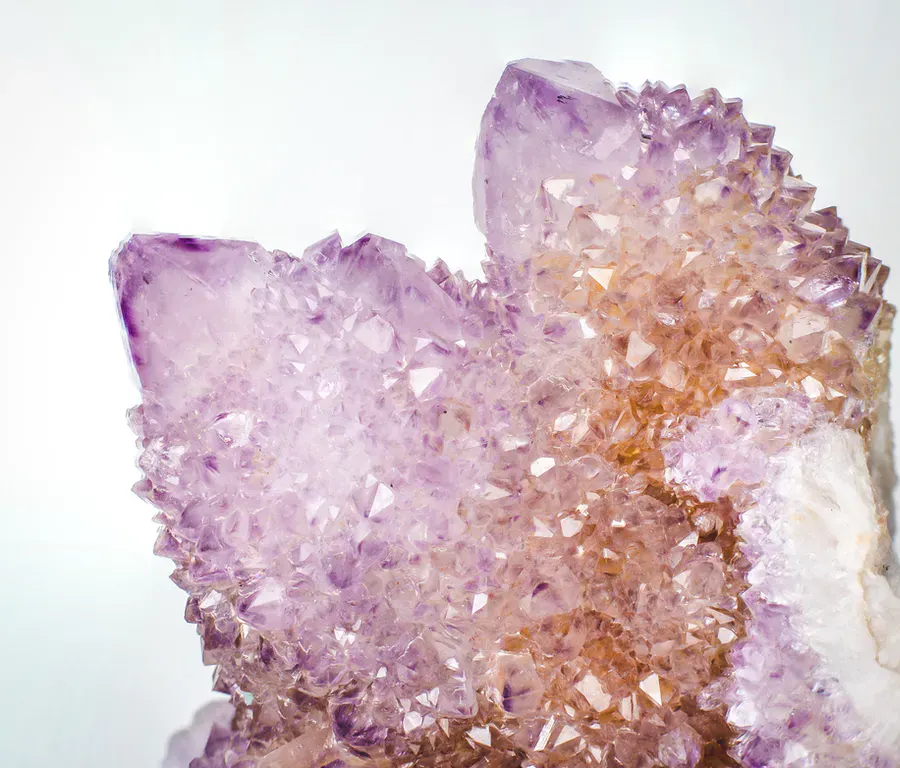
5. Contrary to what one might think, ametrine, a stone with a wide variety of colours that range from yellows to deep purples, is not a variety of amethyst but a mixture of amethyst and citrine. Its name therefore comes from the contraction between these two names. Legend has it that ametrine was brought to Europe by a conquistador who gave an ametrine from Brazil as a gift to the Spanish queen. Today, the Anahi mine in Bolivia is the only place where ametrine is extracted, and its formation conditions are still debated.