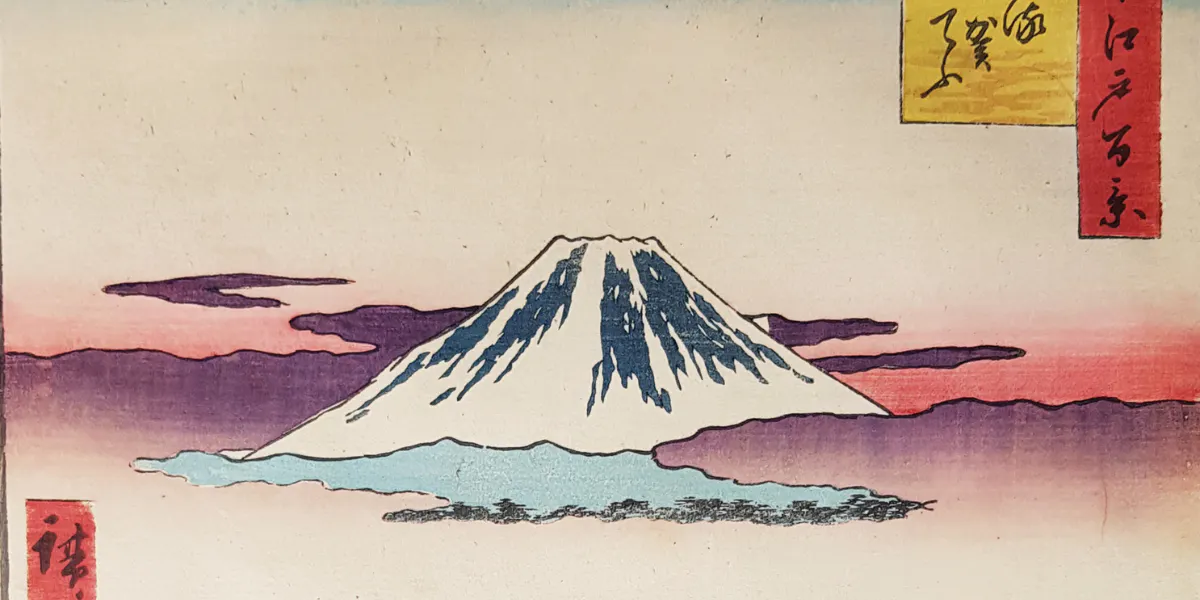
Three albums of prints by Hiroshige (1791-1858) have been rediscovered in a house in the Cévennes region of southern France and will be offered for sale on 3 August by the Ivoire Nîmes auction house. The albums were remarkably well preserved in newspapers dating from 1937.
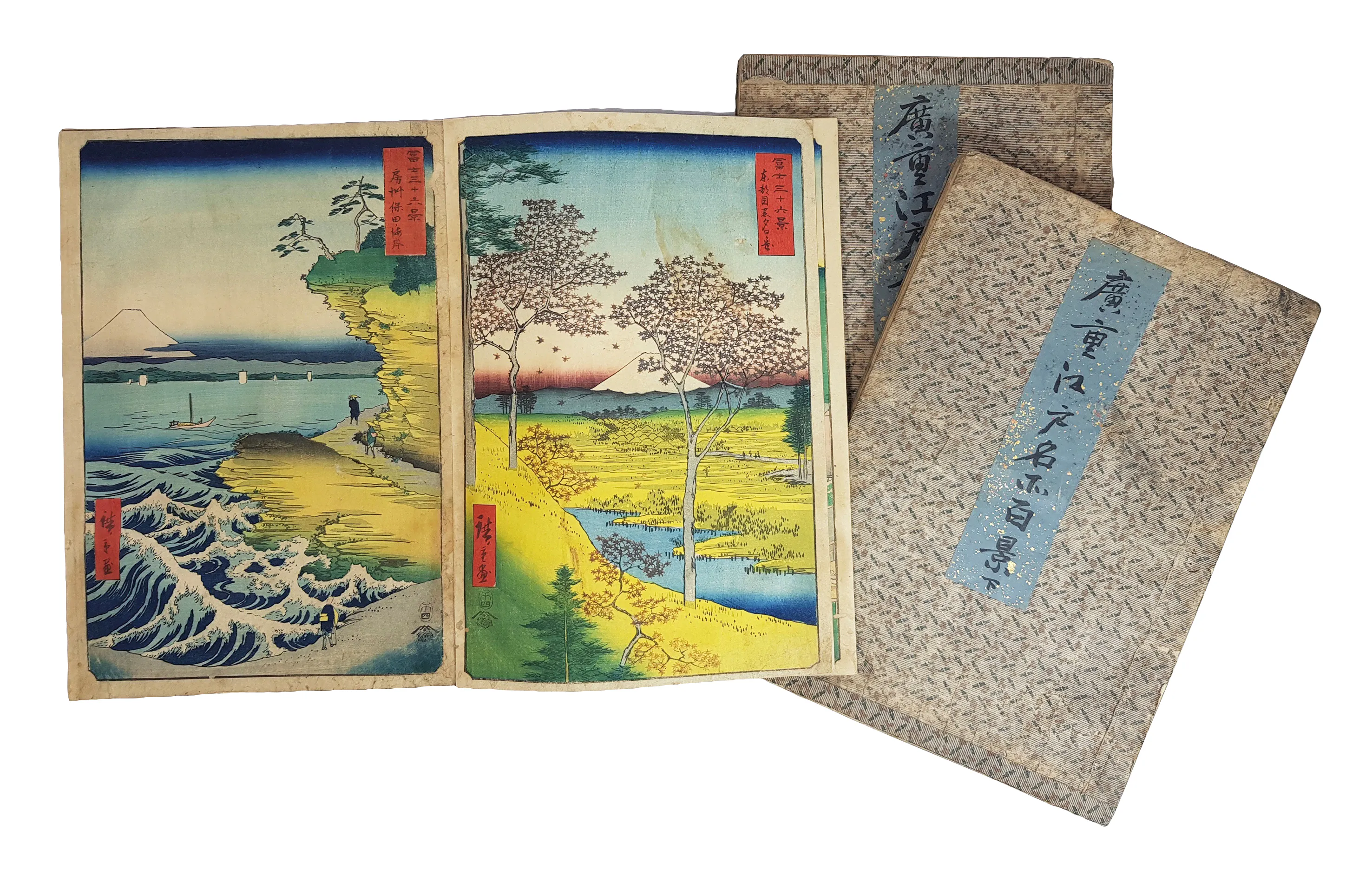
Forgotten for several decades behind a bookcase in the Cévennes estate, it was with great surprise that auctioneer Frank Puaux recognised the signature of Hiroshige, one of the great masters of ukiyo-e. Probably bought at the beginning of the last century, the albums were in great condition despite their state of preservation, with the characteristic vibrant colours still intact.
See also: Ukiyo-e: The Art of Japan
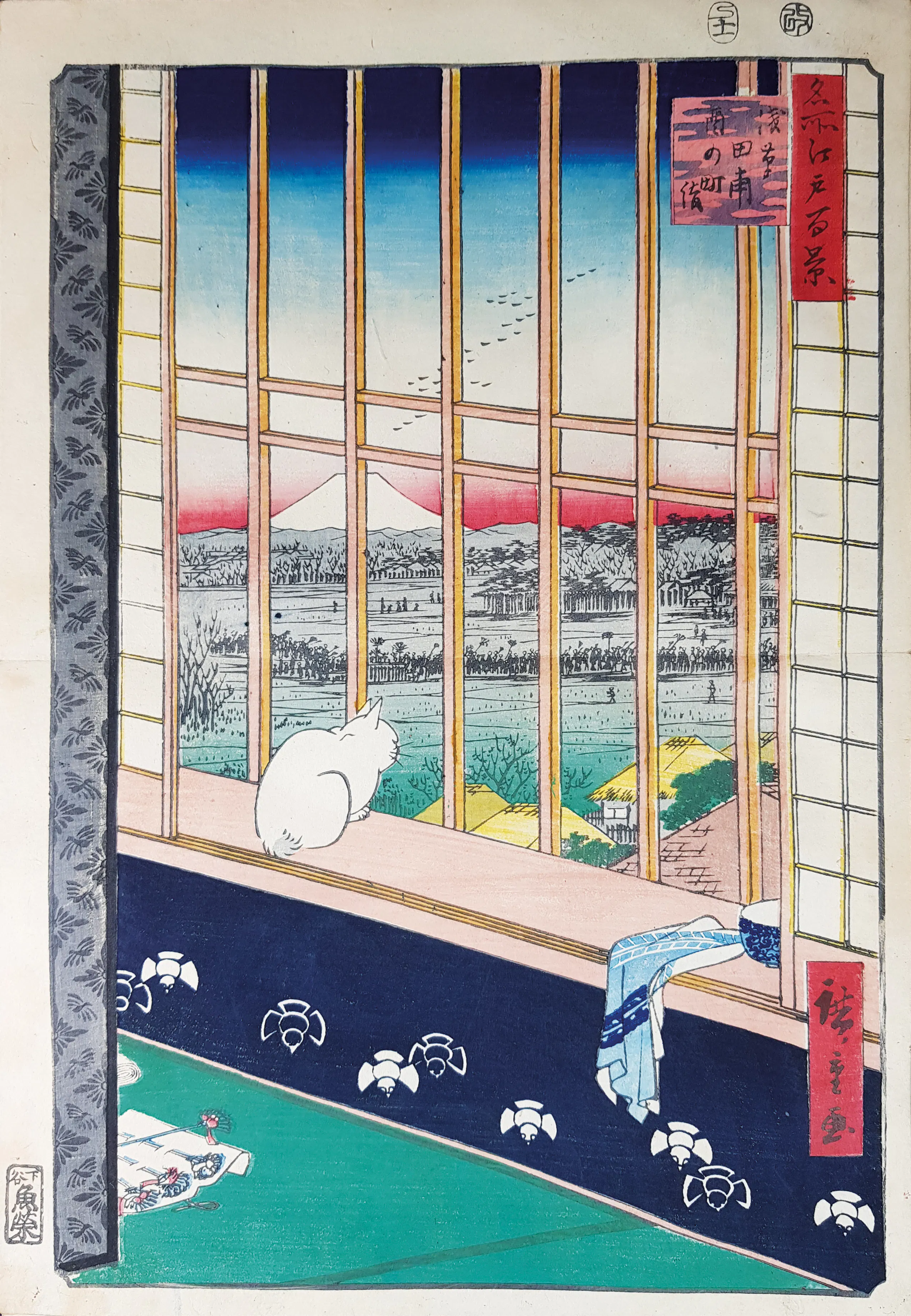
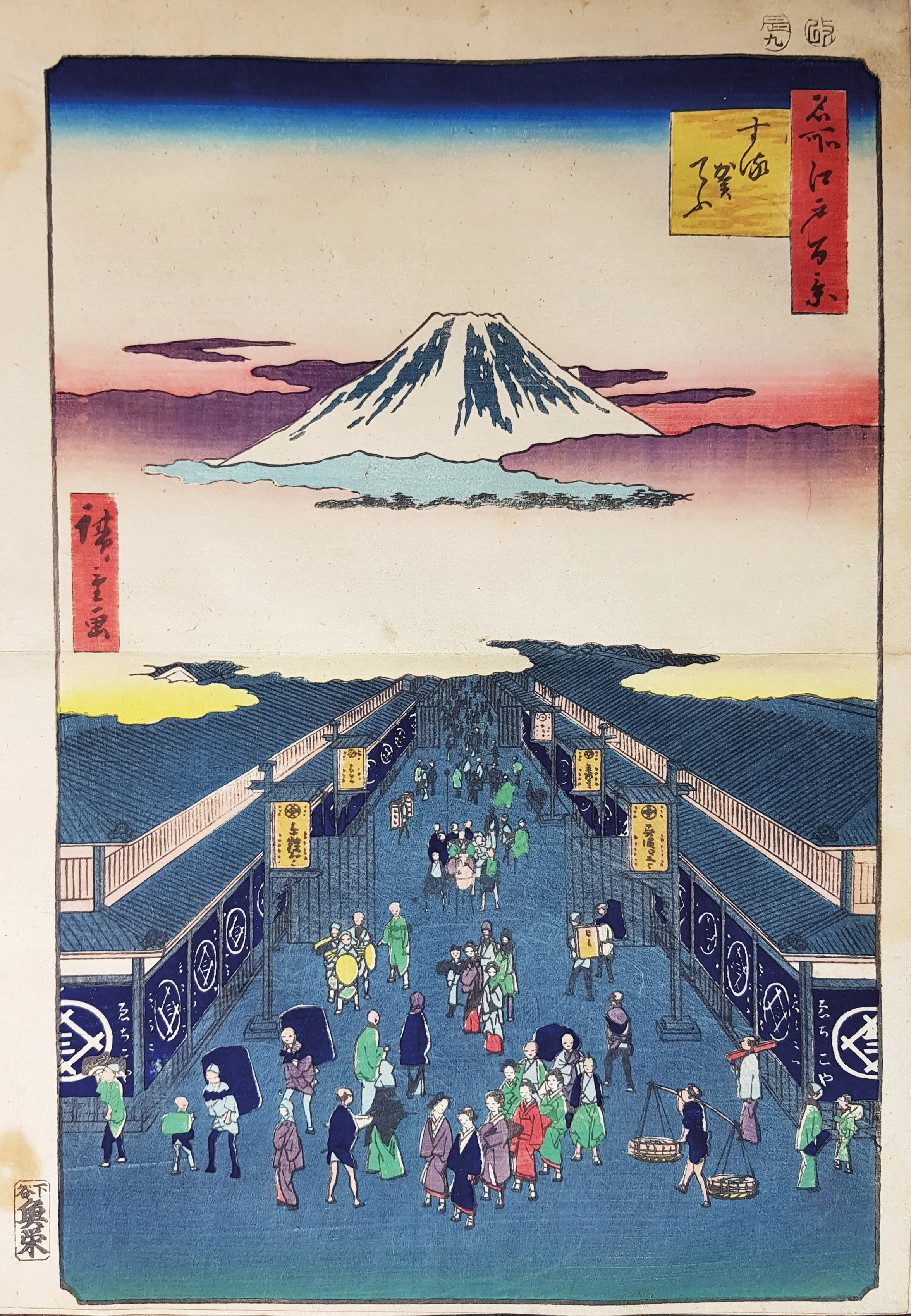
The three albums by the Japanese master include a complete two-volume collection of One Hundred Famous Views of Edo, Hiroshige's last work, estimated at between €10,000 and €15,000. A third, smaller album of Thirty-six Views of Mount Fuji is offered at between €4,000 and €6,000. The prints could not be dated exactly, but they bear the mark of the publisher Uoya Eikichi.
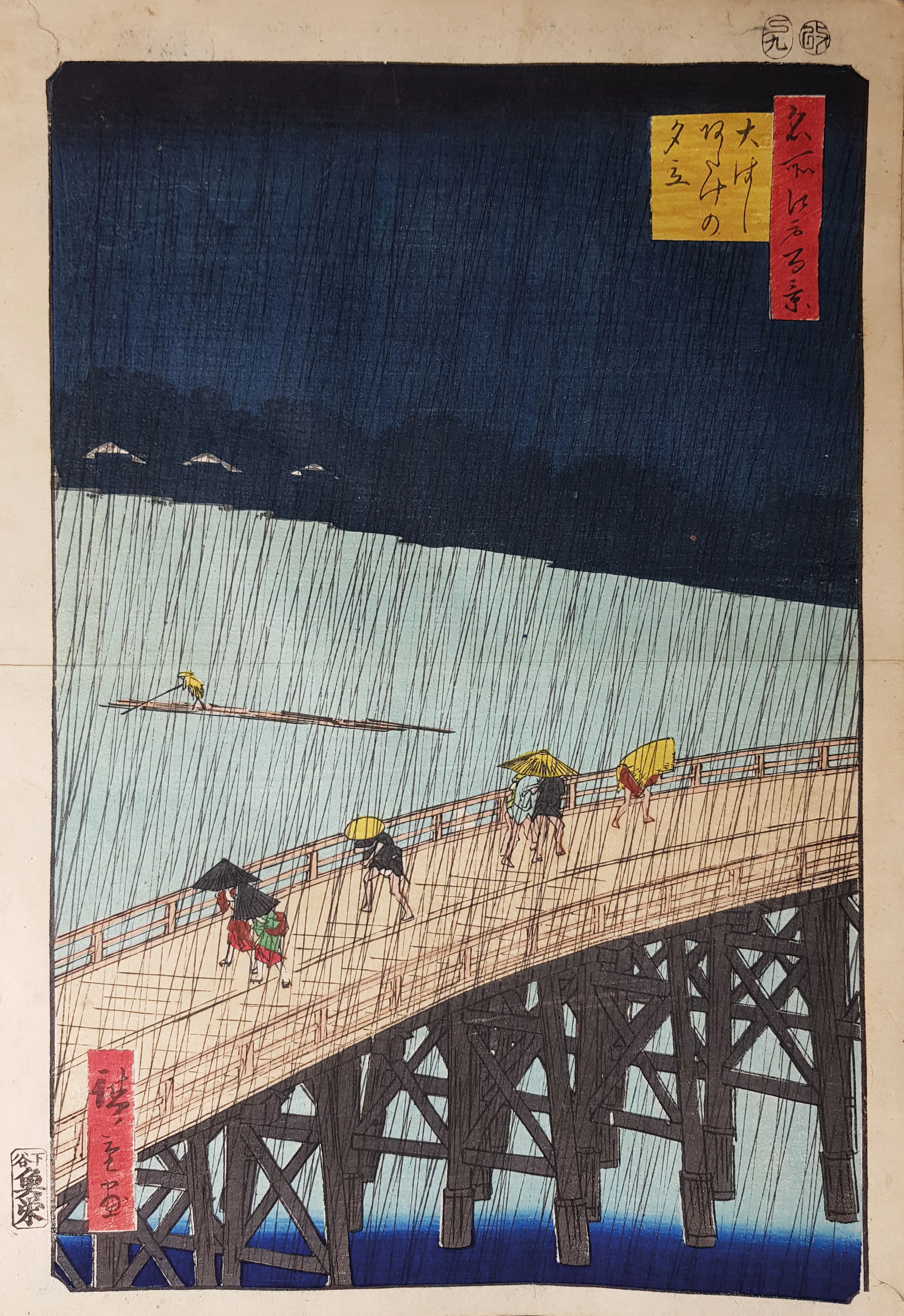
It is quite rare to find complete albums of prints, as the sheets are often sold individually. At auction, they can cost several thousands of pounds, especially when they are signed by one of Japan's greatest artists.
See also: Paul Jacoulet: French Master of Japanese Prints
Hiroshige, like Hokusai, followed in the tradition of views of remarkable Japanese landscapes, ukiyo-e ('images of a floating world'), which are so highly prized today. Views of Edo (now Tokyo) offer a glimpse into the city's past and history, before its modernisation in the mid-nineteenth century. In the same way, prints are evidence of a world in the throes of change: as a merchant bourgeoisie emerged in Japan between the 17th and 19th centuries, the technique of reproduction on paper through prints was less expensive and offered this new social class the opportunity to buy works of art.
Want to receive news like this directly in your inbox? Subscribe to our free newsletter!
See also: 8 Paintings that Vincent van Gogh Copied
Japanese prints, particularly the innovative prints by Hiroshige, which adopted a vertical format and compositions that were both meticulous and masterly, influenced the Impressionists and Post-Impressionists such as Monet and Van Gogh.