Romanticism in Andalusia came into its own in the second third of the 19th century, during the reign of Isabel II. This was one of the most prosperous artistic periods in the history of Andalusian painting, during which Spain welcomed many European painters, attracted by the country's 'exoticism'.
At this time, the figures of the artist and the traveller were intimately linked. Among the great romantic travellers were Washington Irving and Richard Ansdell, who spent a long time in cities such as Seville and Granada, creating works depicting scenes of life, festivals, characters and landscapes that made up Spain's folkloric heritage.
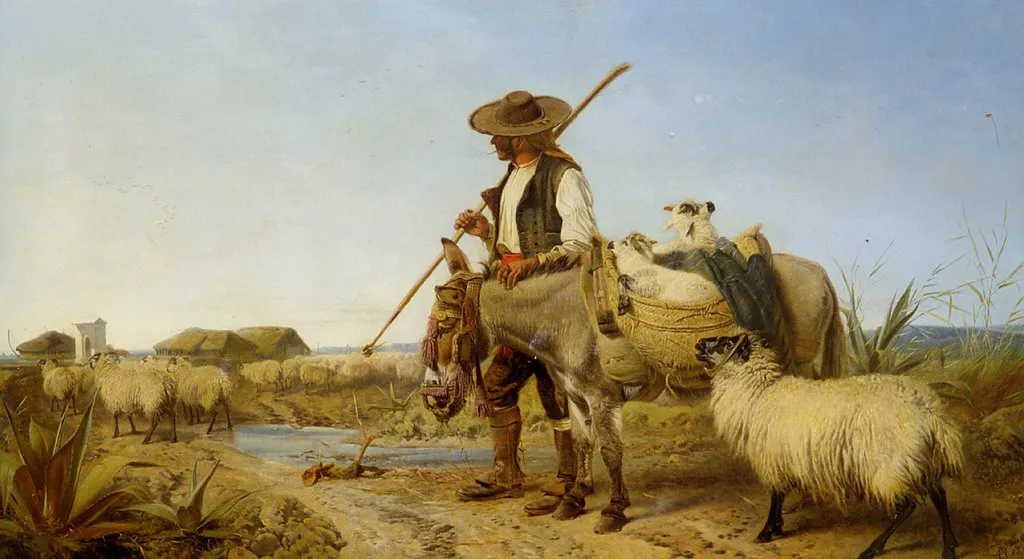
An invitation to travel
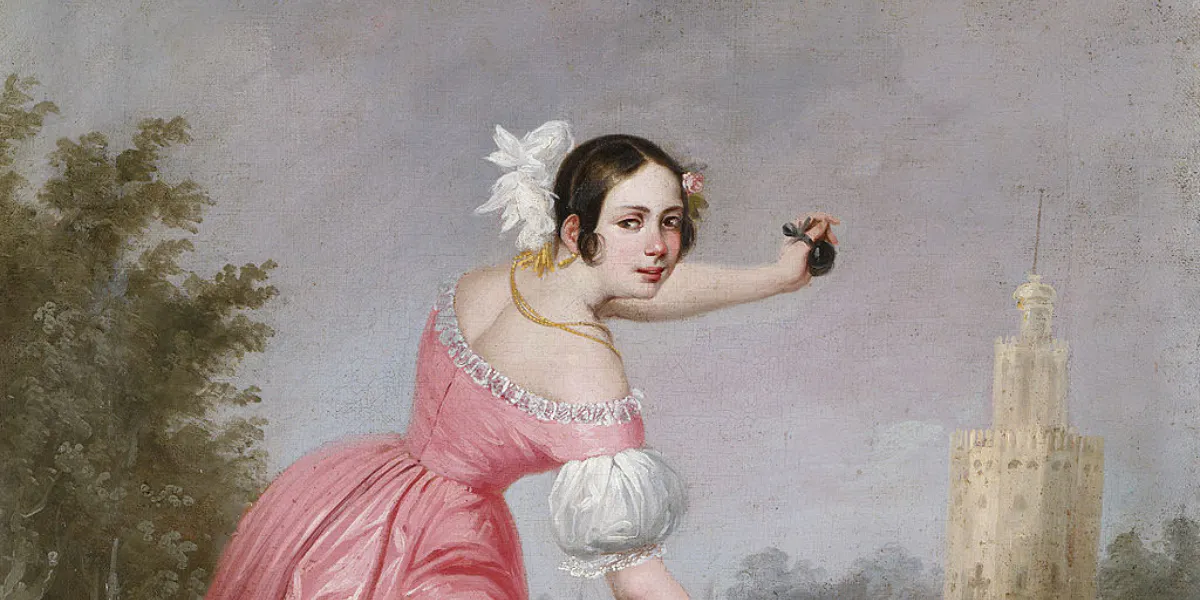
Andalusia quickly became the romantic image par excellence of Spain and a dream destination for travellers. Writers and artists of the time were all inspired by its customs and folklore (travellers, Moorish architecture, flamenco, bulls, bandits and religious processions included).
See also: The 7 Most Expensive Works by Francisco Goya
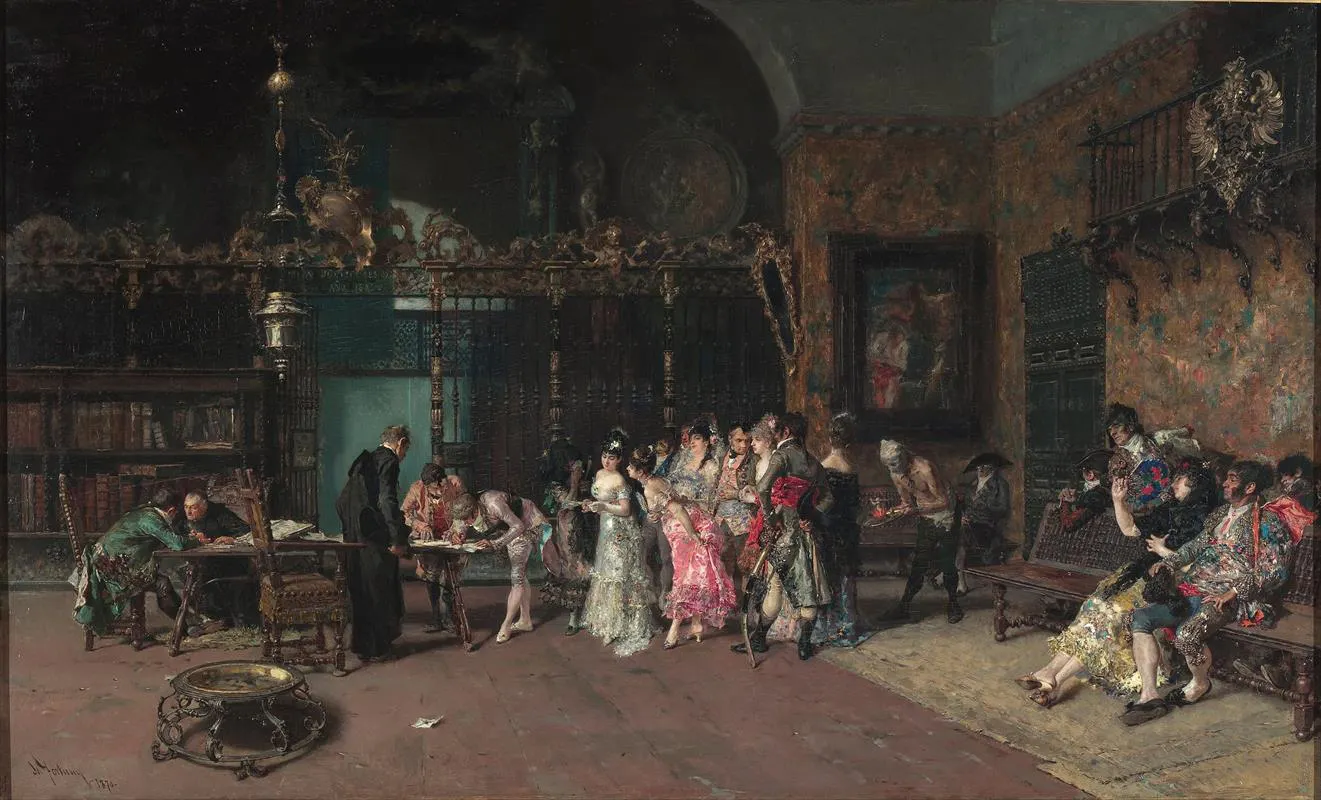
This idealised image of Andalusia disseminated by Romantic artists gave folk painting a further boost, as Spanish artists were keen to meet the demands of the tourist market while developing their own artistic identity.
See also: Diego Velázquez: The Spanish Court Portraitist
The resulting works were generally small-format paintings that were easy to transport, depicting the subjects most attractive to foreign travellers.

The Seville art scene
Seville soon became the epicentre of this success, as artists from all over Europe were attracted by the scenes they could admire in the paintings. As a result, the Seville school developed considerably, thanks to the number of foreign artists and travellers, and the ever-growing interest of foreign customers in Spanish genre scenes.
See also: The Mysterious Underground Baths of María de Padilla
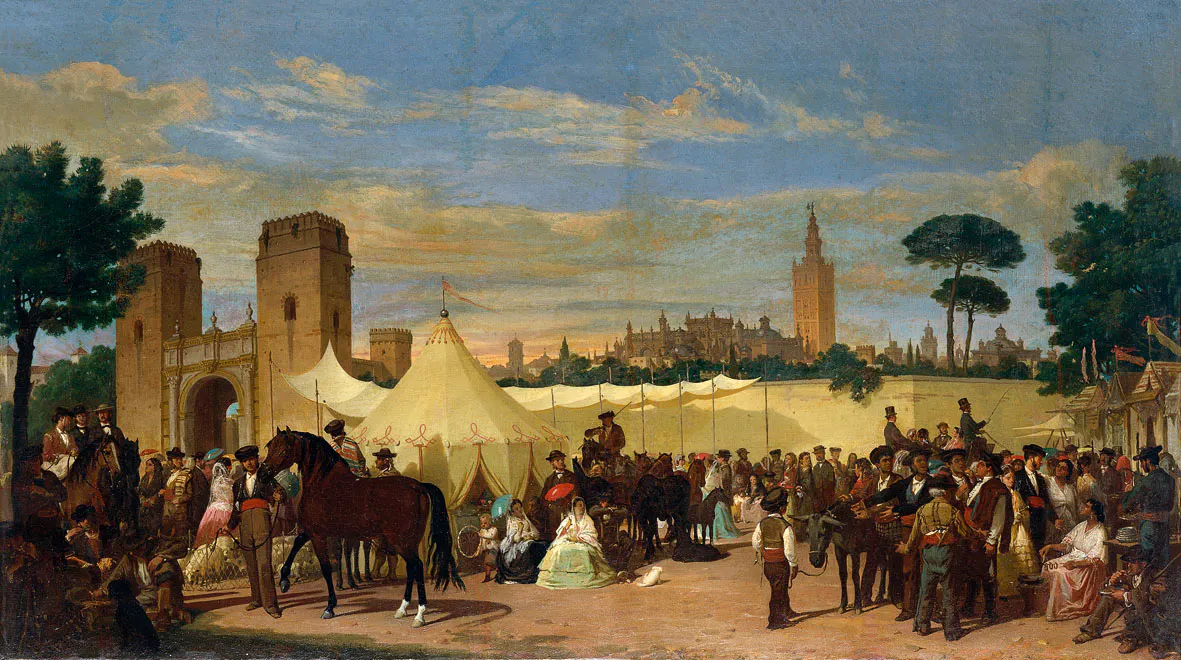
This craze gave rise to the costumbrismo movement, which reflected the love of the local environment and customs and was expressed through genre scenes (everyday life, manners and customs). Some of the names involved in this movement included José Domínguez Bécquer (1805-1841), one of its initiators, who was the teacher of many other artists, and father of the poet Gustavo Adolfo and the painter Valeriano, author of popular types and scenes. Antonio Cabral Bejarano (1788-1861) also played an important role in the creation and definition of Sevillian costumbrismo, which showed a preference for isolated figures and local landscapes rather than genre scenes.
Want articles like this delivered straight to your inbox? Subscribe to our free newsletter!
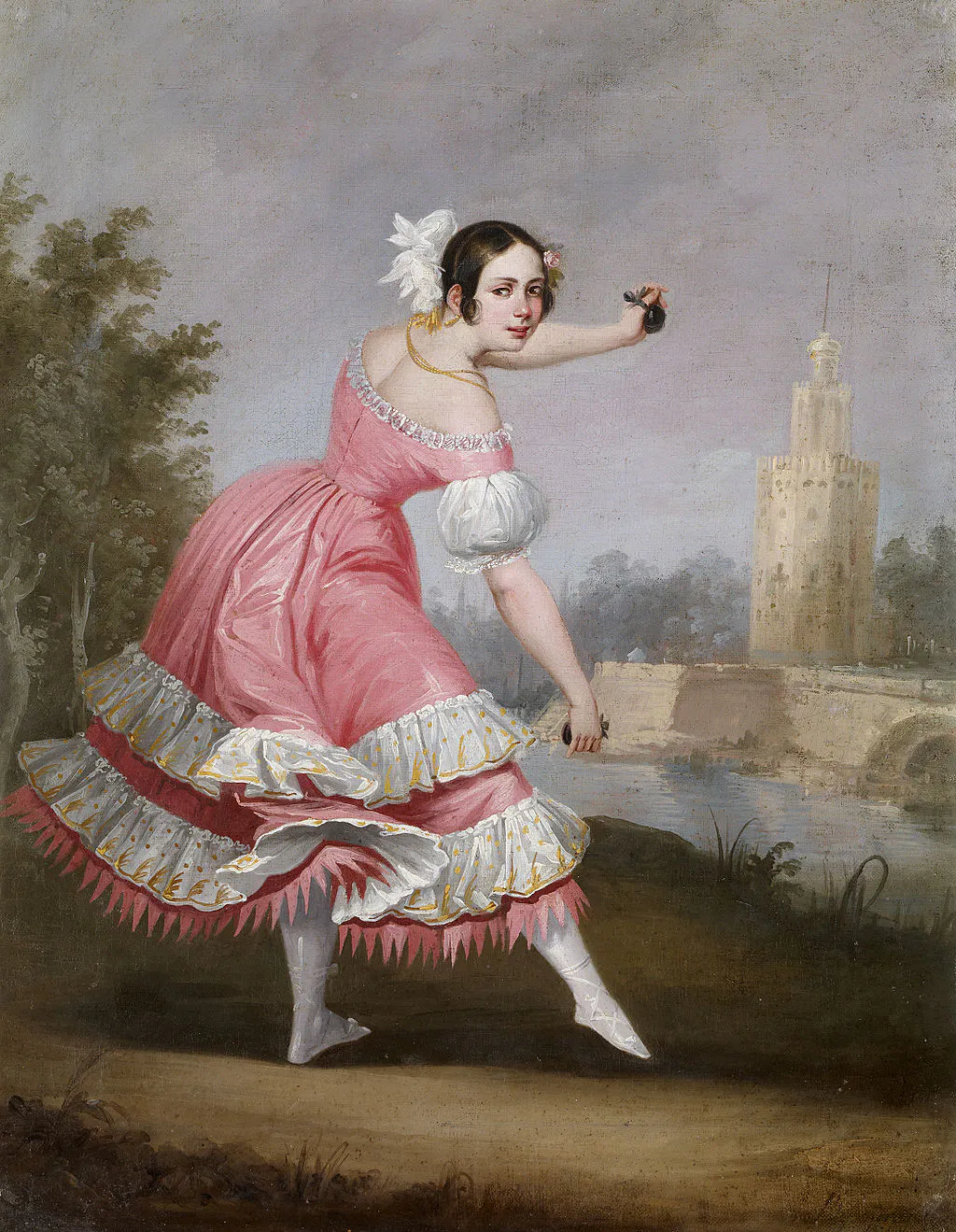
The success of Andalusian painting can be attributed to two things: the Spanish artists, who have always been interested in Andalusian customs and traditions, and who have fostered this passion for southern Spain, an1d the foreign artists who have helped to spread Andalusian landscapes and culture through their travels.
Find more articles in Barnebys Magazine
This is an updated version of an article originally published on 19 April 2017.