
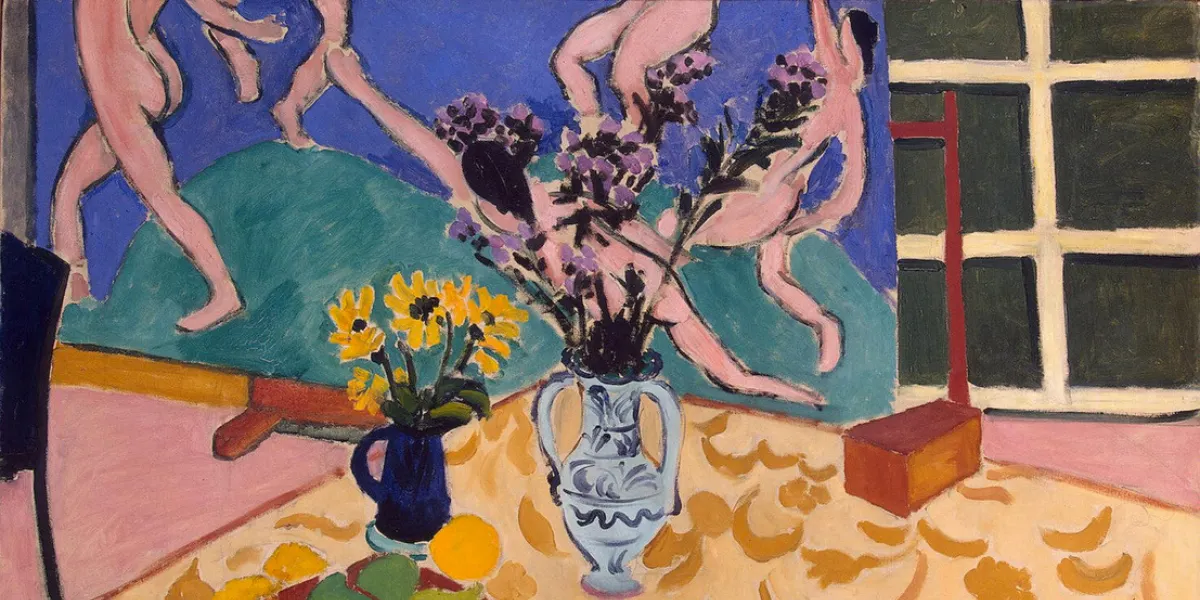
Being bedridden isn’t an uncommon rite of passage for artists - before Warhol and his Sydenham’s chorea and Basquiat and his spleen removal, there was Henri Matisse and his appendicitis. It forced him to stay in bed for several weeks when he was only 20, but at the encouragement of his mother and a neighbour who were both amateur artists, he began painting to pass the time. Once he recovered, he enrolled in a class at the Ecole Quentin-de-La-Tour while returning to his job as a legal clerk.
See also: 5 Artists Who Went from Sickness to Success
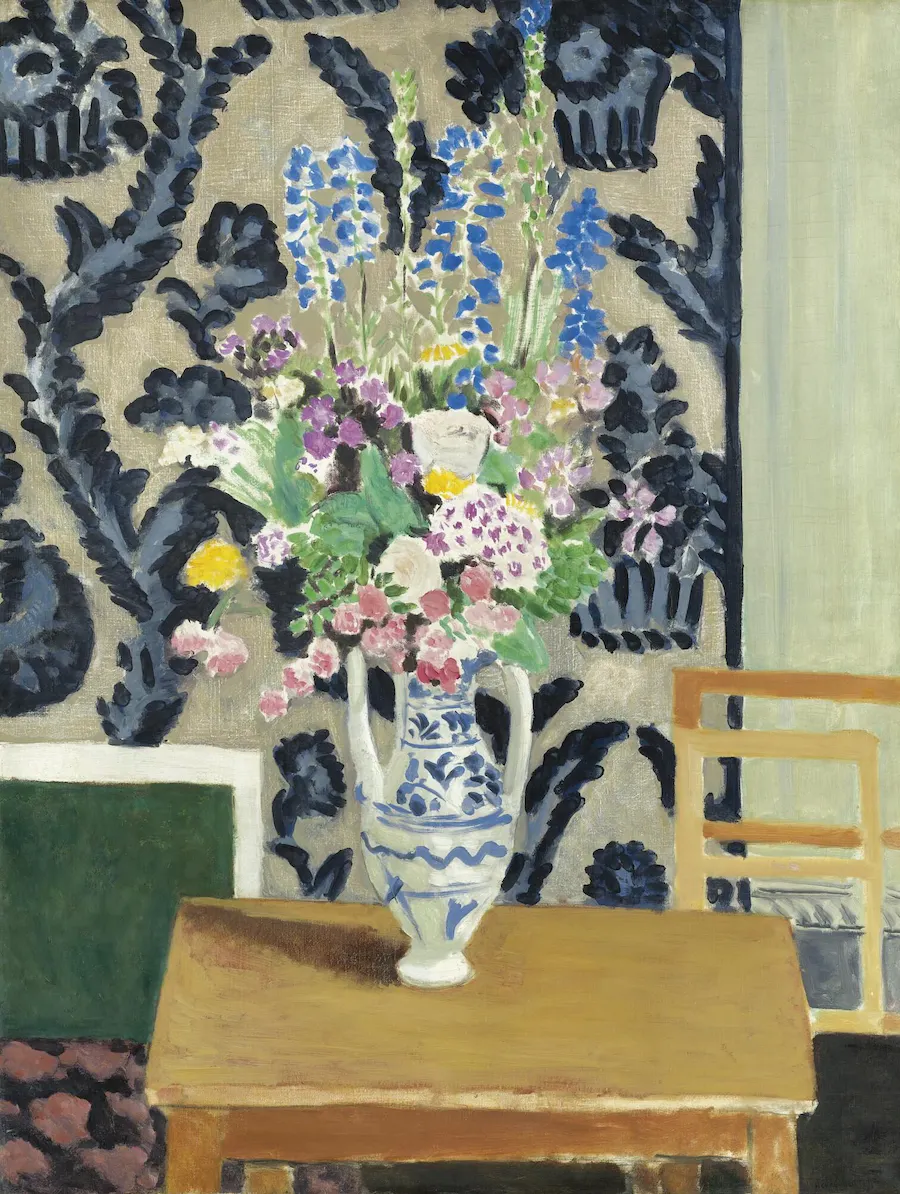
It was in Paris that Matisse finished off his artistic education, first at the École de Arts Décoratifs in 1892, then at the École des Beaux-arts in 1895. There he worked under Gustave Moreau, who influenced his way of thinking about painting and encouraged the tendencies towards simplification that he pursued his entire life. The first time he showed works, mainly classically produced still lifes, was at the Salon des Cent in 1896. Soon after he showed works at the Salon held by the Société des Beaux-Arts, where he was co-opted as a member. He met the sculptor Auguste Rodin and the Impressionist painter John Russell while in Belle-Île-en-Mer, and through the latter became interested in Impressionism.
See also: Impressionism: Between Shadow and Light
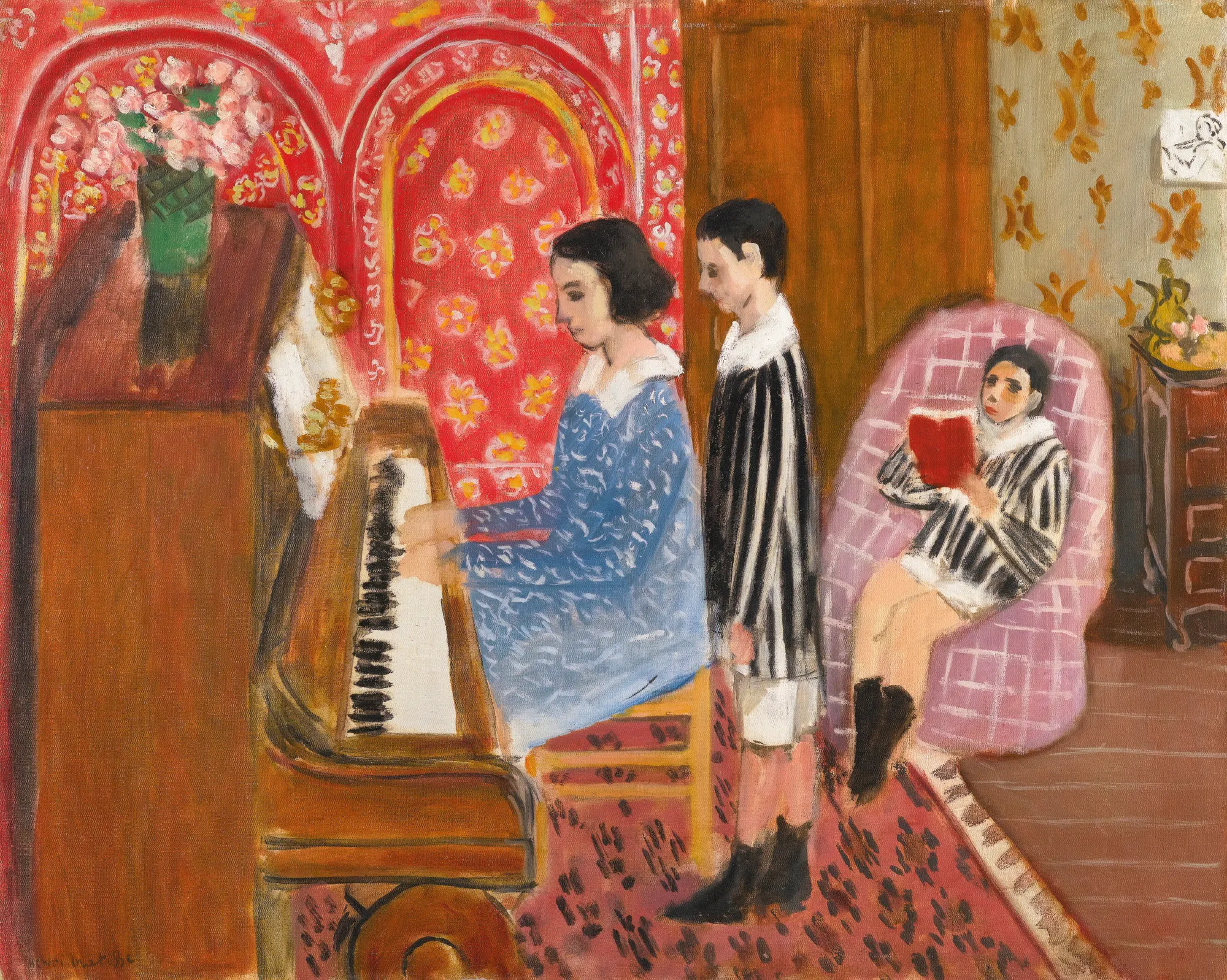
Matisse was still relatively unknown, and more or less earned a living through decorative painting, mainly for theatres. In 1894 he had a daughter, Marguerite, with one of his models, and in 1898 he married Amélie Noellie Parayre. During their honeymoon in London, Matisse discovered the work of William Turner, which informed several of his later paintings. The couple moved to Toulouse to raise Marguerite and had two more children together by the end of the century.
See also: Claude Monet: The Father of Impressionism
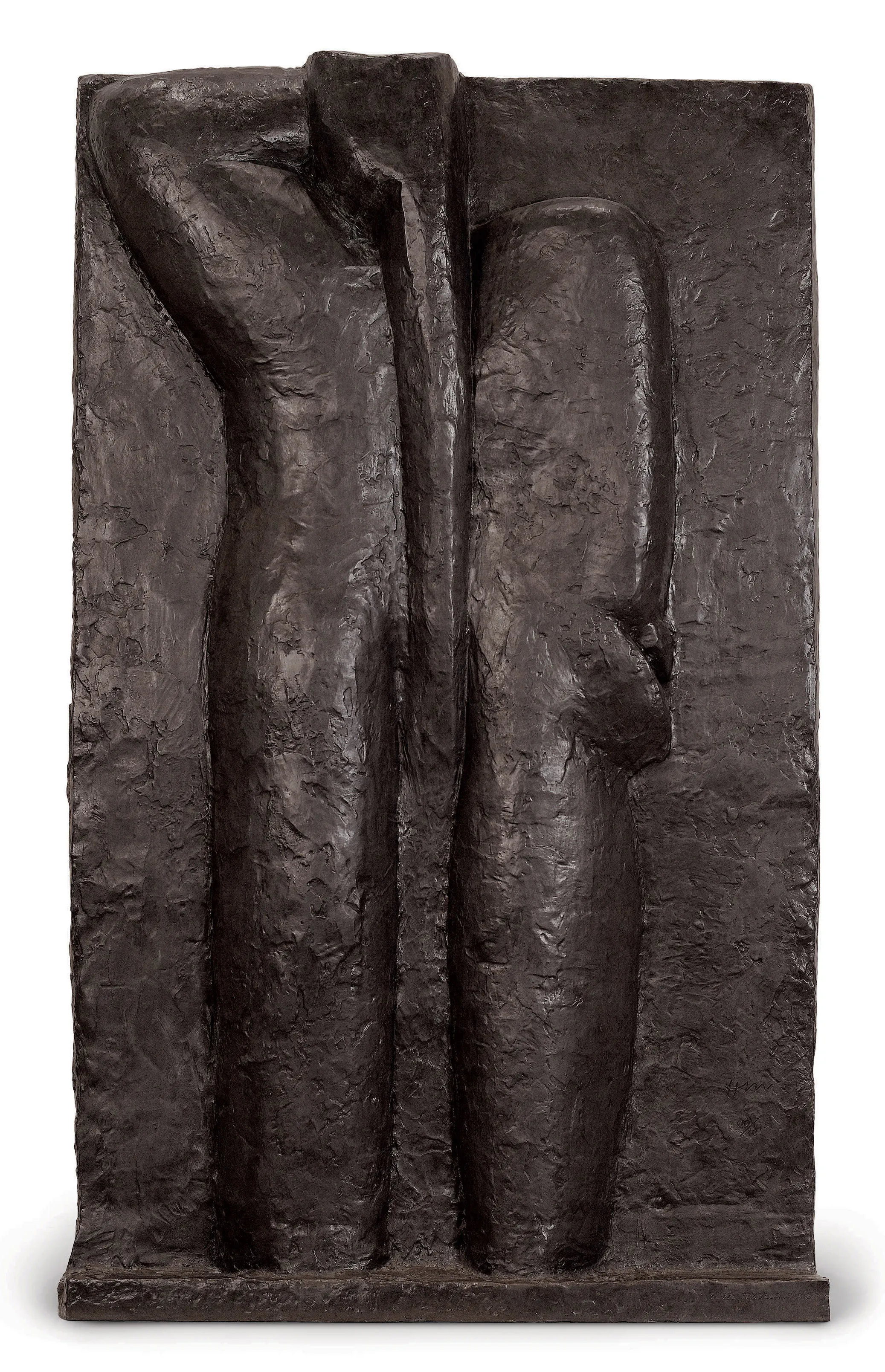
Sculpture also piqued Matisse’s interest, and under the supervision of Antoine Bourdelle, he studied modelling at the Académie de la Grande Chaumière, which he frequented and where he met André Derain, then Maurice de Vlaminck. The Fauvists, from fauve, the French word for ‘wild beast’, now began to roar together.
See also: 8 Patrons of the Parisian Avant-garde
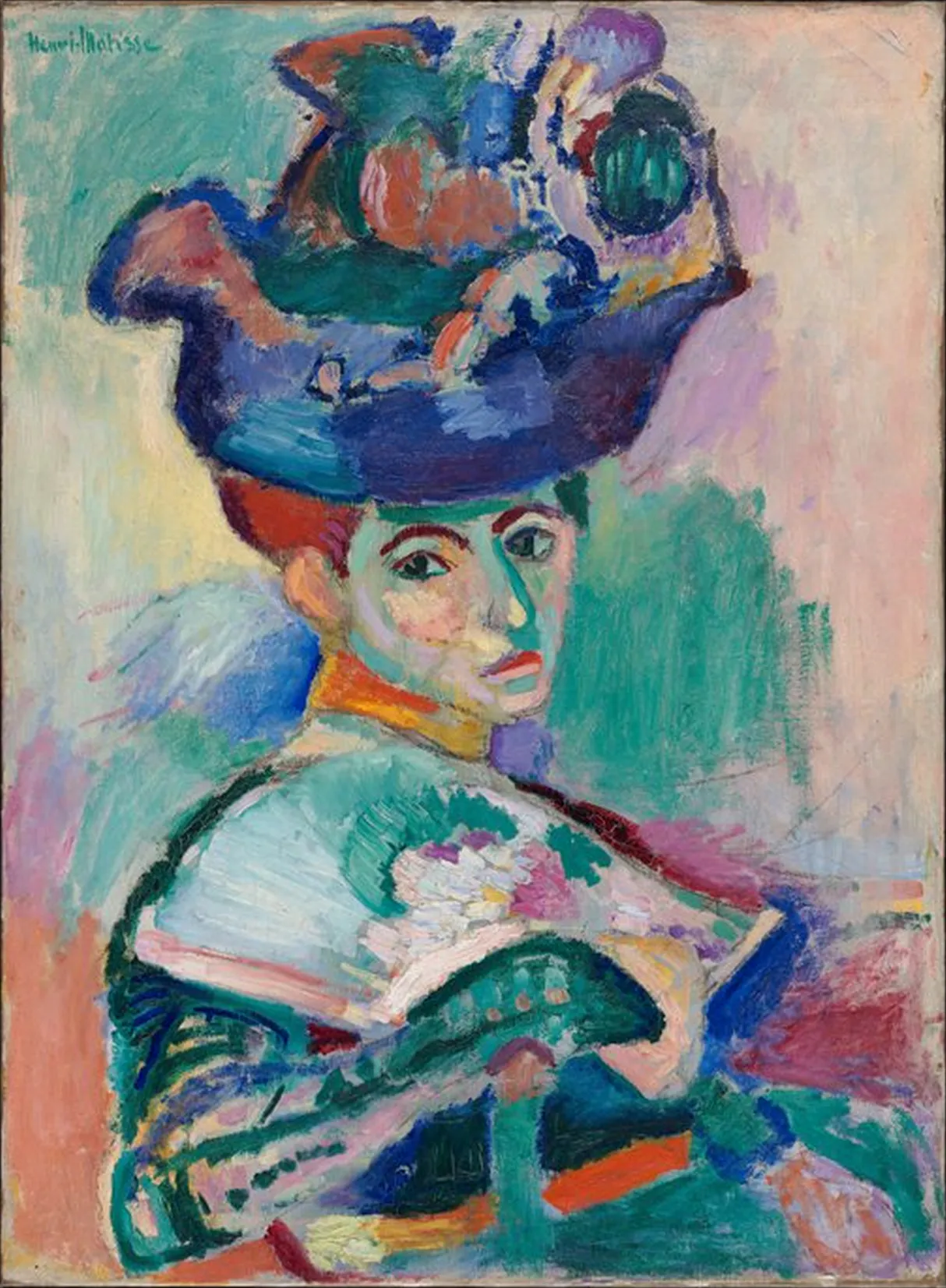
At the Salon d’Automne in 1905, Matisse and his comrades caused tongues to wag with their avant-garde style. The paintings expressed emotions through bright, often clashing colors, with no regard for the natural tones of the subject. One critic described that year’s Salon as a ‘cage of fauves’, and the name stuck. Matisse became the leader of the short-lived movement (1905-10) that revolutionized painting all over the world for its innovative use of color. Shortly after the Salon, Matisse met the collectors Gertrude and Leo Stein, who purchased the portrait Woman with a Hat (1905) which they had seen at the exhibit. They introduced Matisse to Pablo Picasso, with whom he would maintain a friendship that was nevertheless competitive.
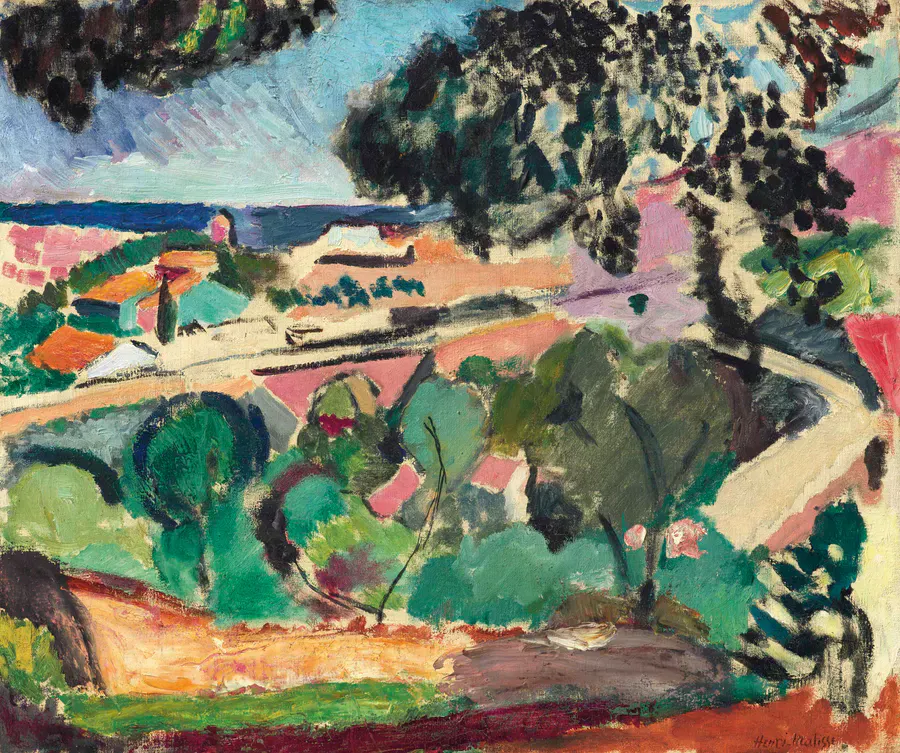
Matisse’s fame grew, and his works were exhibited in Moscow, Berlin, Munich and London. In New York in 1913, his pieces were exhibited alongside works by Marcel Duchamp and Francis Picabia at the Armory Show exemplifying the most modern development in creations of art. Matisse traveled frequently during this period, particularly to Andalusia and the Maghreb. These regions inspired his subsequent works with a new approach to color and the development of arabesques.
See also: The Armory Show: The Exhibition That Changed Everything
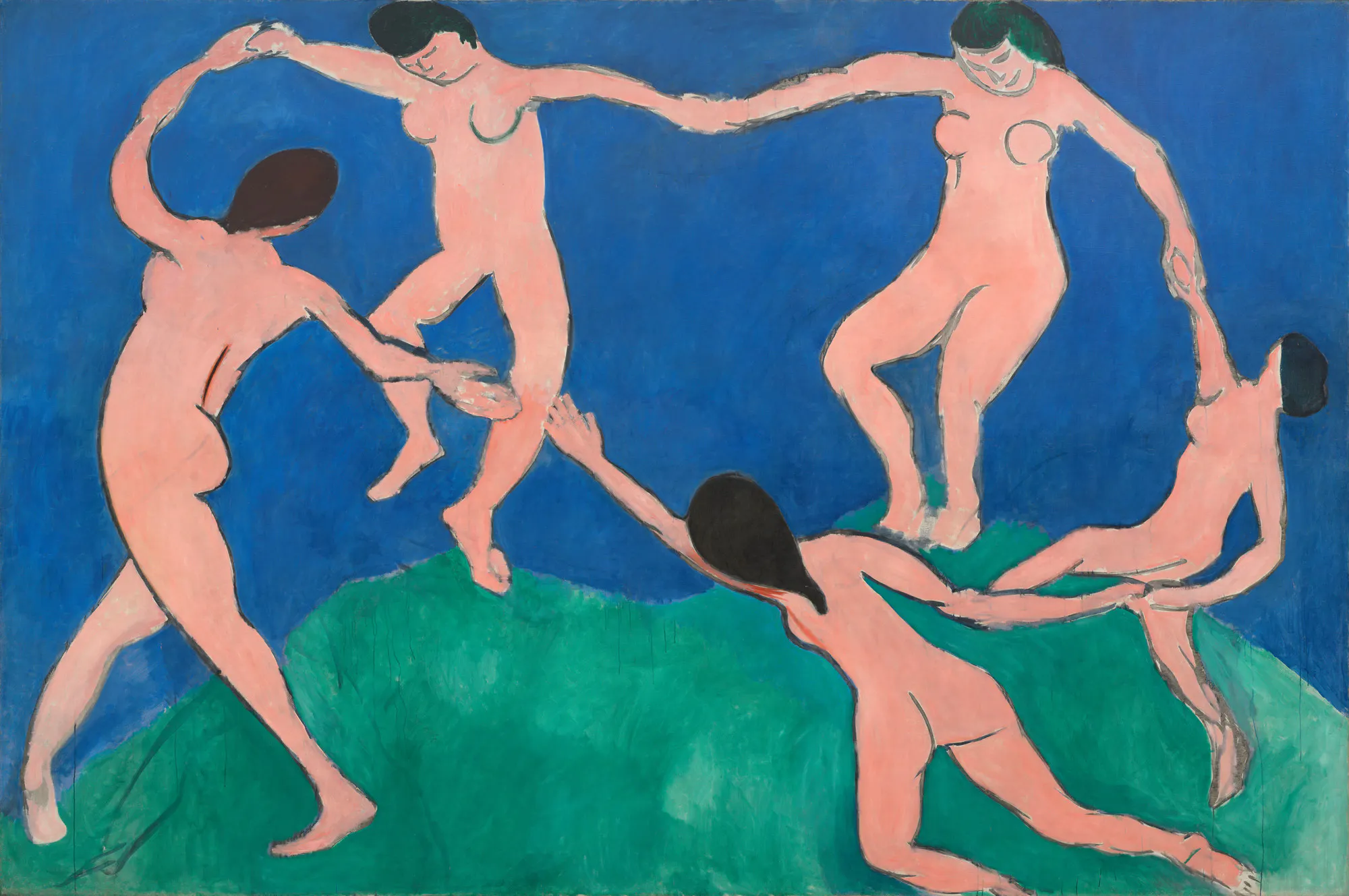
After World War I, Matisse moved to Nice and Côte d’Azur, where he produced most of his work, as now an established and recognised painter. In the south of France, he met Auguste Renoir, worked on ballet costumes and sets commissioned by Stravinsky and Diaghilev, and from 1924 onwards turned to sculpture, namely producing a series of large-scale nudes.
See also: Five Centuries of the Nude in Painting
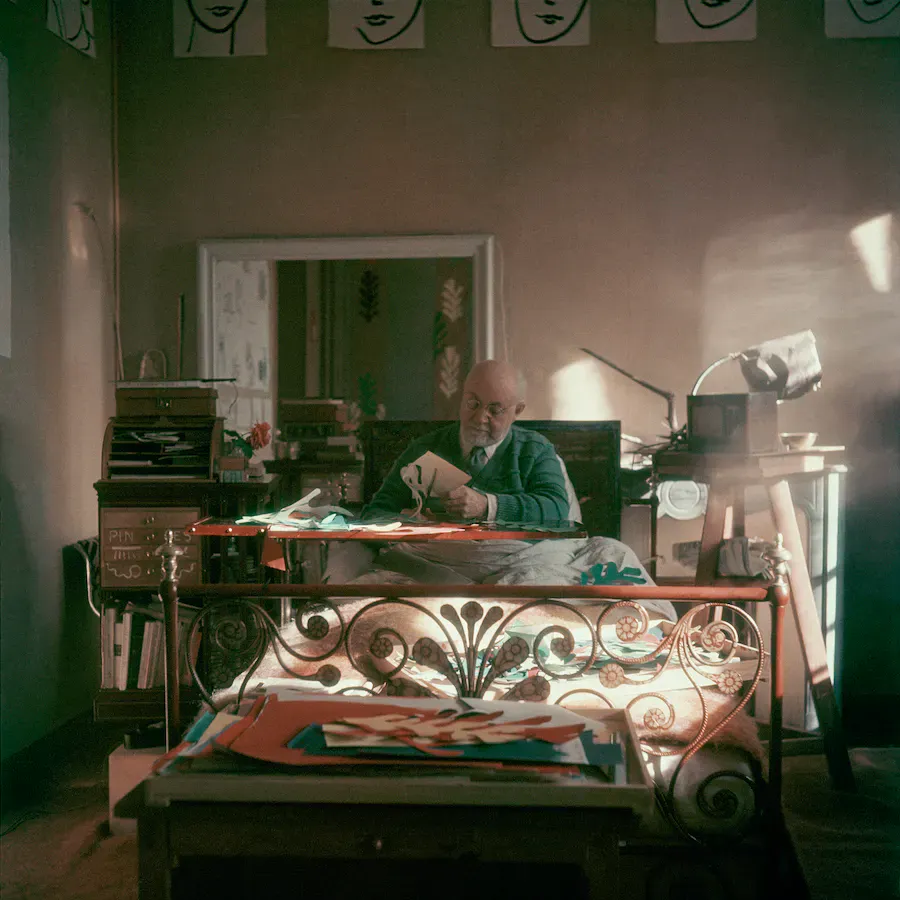
In 1925, Matisse was awarded the title of Chevalier de la Légion d’Honneur, the highest French order of merit for military and civil merits. Two years later, he won the Carnegie Prize in Pittsburgh. He regularly visited the United States where many of his collectors resided, specifically New York where his son Pierre had opened a gallery. He separated from Amélie, who, along with Marguerite, was active in the Resistance against the Nazis during World War II. In 1941 Matisse was operated on for colon cancer and was given just six months to live. Bedridden again, he turned to decoupage as a new medium when painting and sculpture became too difficult.
Want articles like this straight to your inbox? Subscribe to our free newsletter today!
See also: 8 Artists Inspired by the South of the France
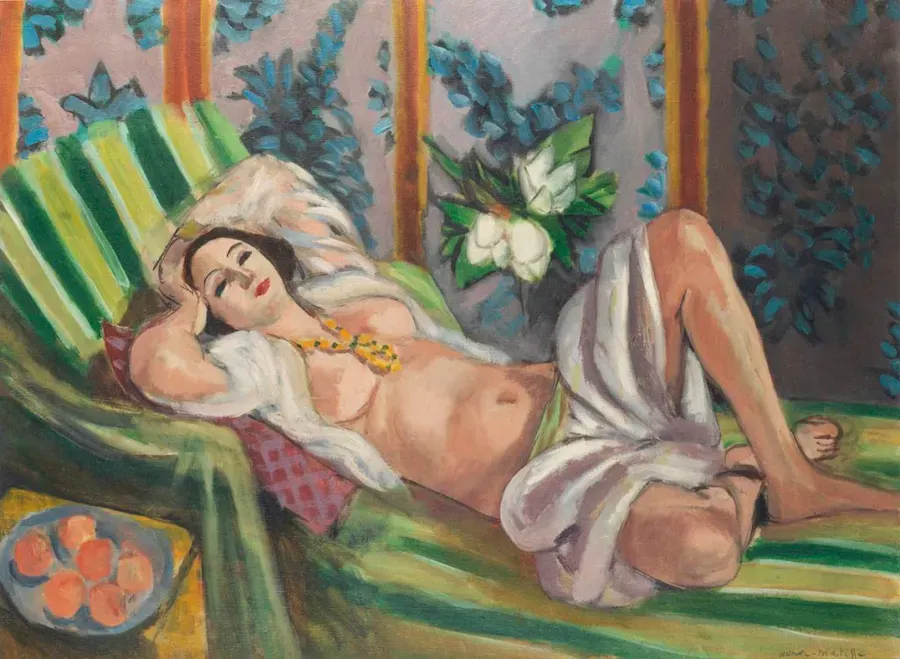
Matisse outlived his prognosis by nearly 13 years, passing away on 3 November 1954 at the age of 84. He was active even in his last years, representing France at the 25th Venice Biennale at the age of 81 and designing a Dominican chapel in Vence. In 1952 he established a museum dedicated to his work in Le Cateau. Another Musée Matisse opened in Nice in 1963, and visitors can still collections of Matisse’s works at both locations today. His works sell at auction for tens of millions, with his auction record set in 2018 when Odalisque couchée aux magnolias sold for $80.7 million at Christie's.
Find more articles in Barnebys Magazine
This is an updated version of the article originally published on 22 August 2018


