In modern music, synthesizers are featured in nearly all music genres, from funk to disco, pop, house and even classical music. However, there was a time when musicians, fearing replacement by machines, were some of the staunchest sceptics of the synthesizer. From resistance to ubiquity in the music world, here's how the synth shaped the soundscape of the music industry.
The Birth of Electronic Sound
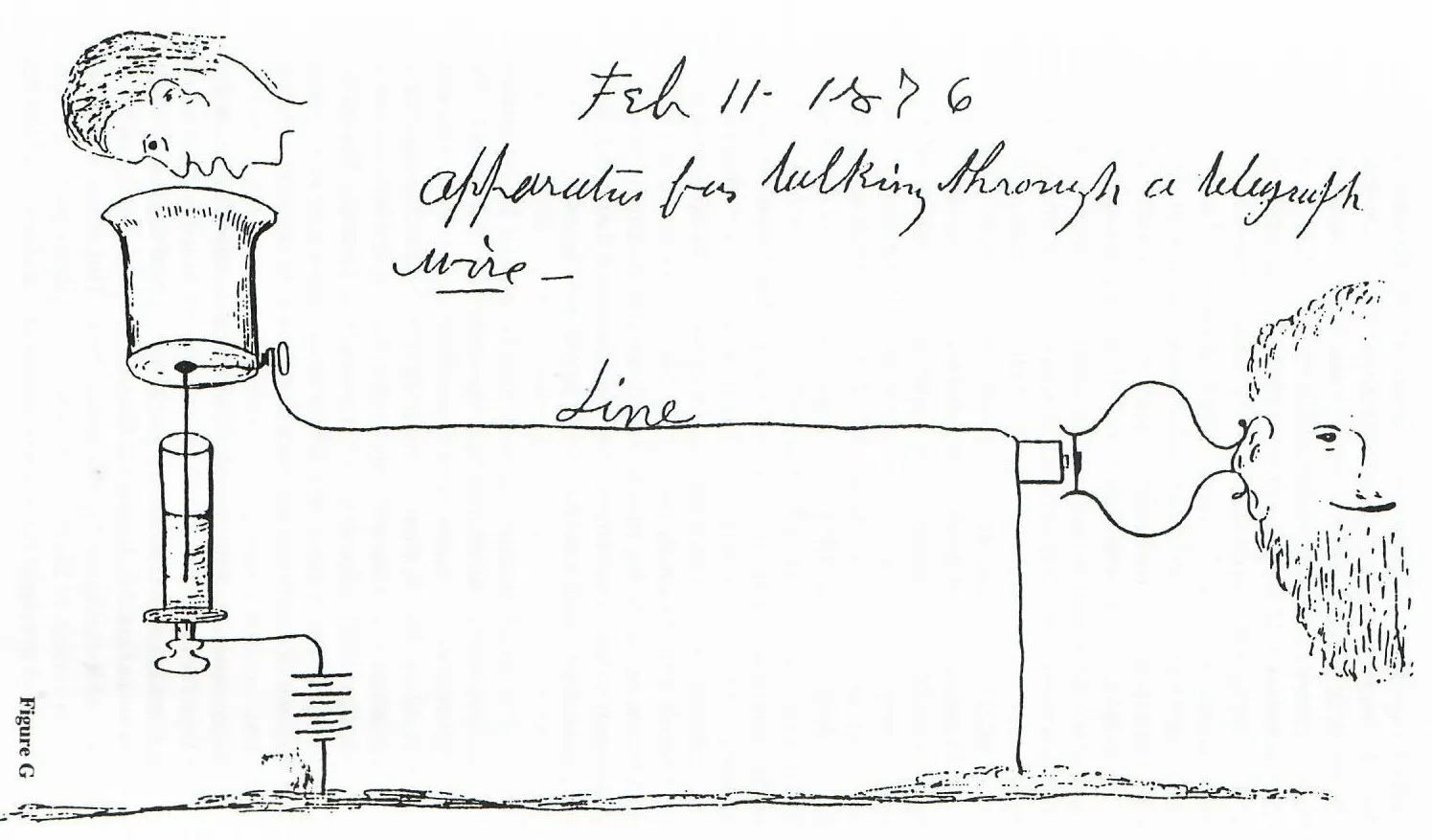
The first electronic musical instrument emerged in America in 1876 with Elisha Gray's Musical Telegraph, the product of his experimentation and research in the field of telegraphy and electrical communication. The Musical Telegraph was an early electrical communication device that utilised harmonic frequencies to transmit multiple messages simultaneously over a single wire. Gray debuted the musical telegraph on 2 April 1877, when he staged a ‘Telephone concert’ at Steinway Hall in New York. To the astonishment of the New York audience, pianist Frederick Boscovitz performed on the Musical Telegraph transmitting from the Western Union office in Philadelphia.
Related: From Haydn to Hip-Hop: Music for Collectors
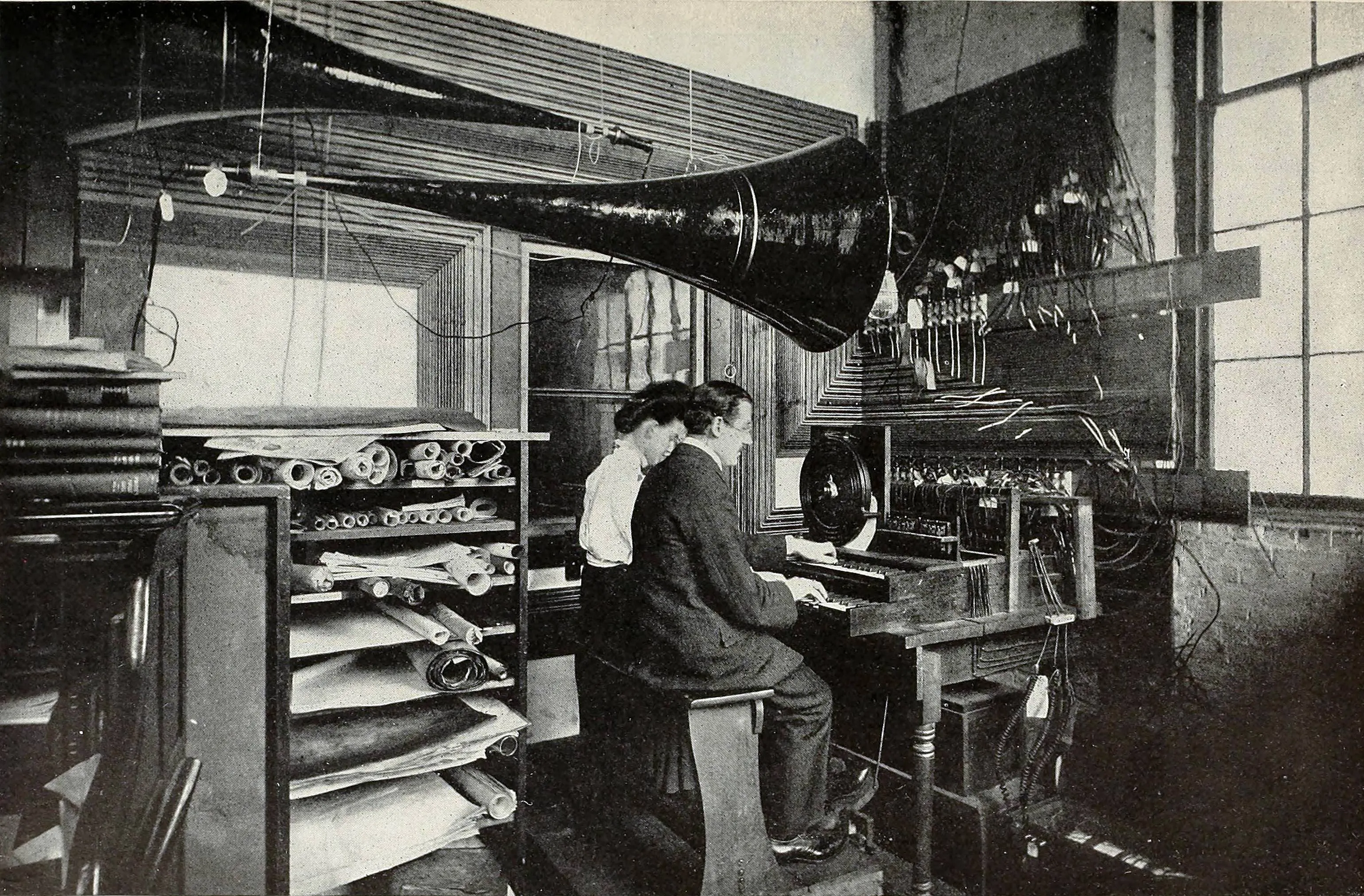
Influenced by Gray's Musical Telegraph, in 1897, Thaddeus Cahill designed the Telharmonium, an early electrical organ that generated music using rotating tone wheels and could transmit music over telephone lines. Many regard Cahill's Telharmonium as the predecessor of the synthesizer.
Related: The Gramophone: A History
The Theremin
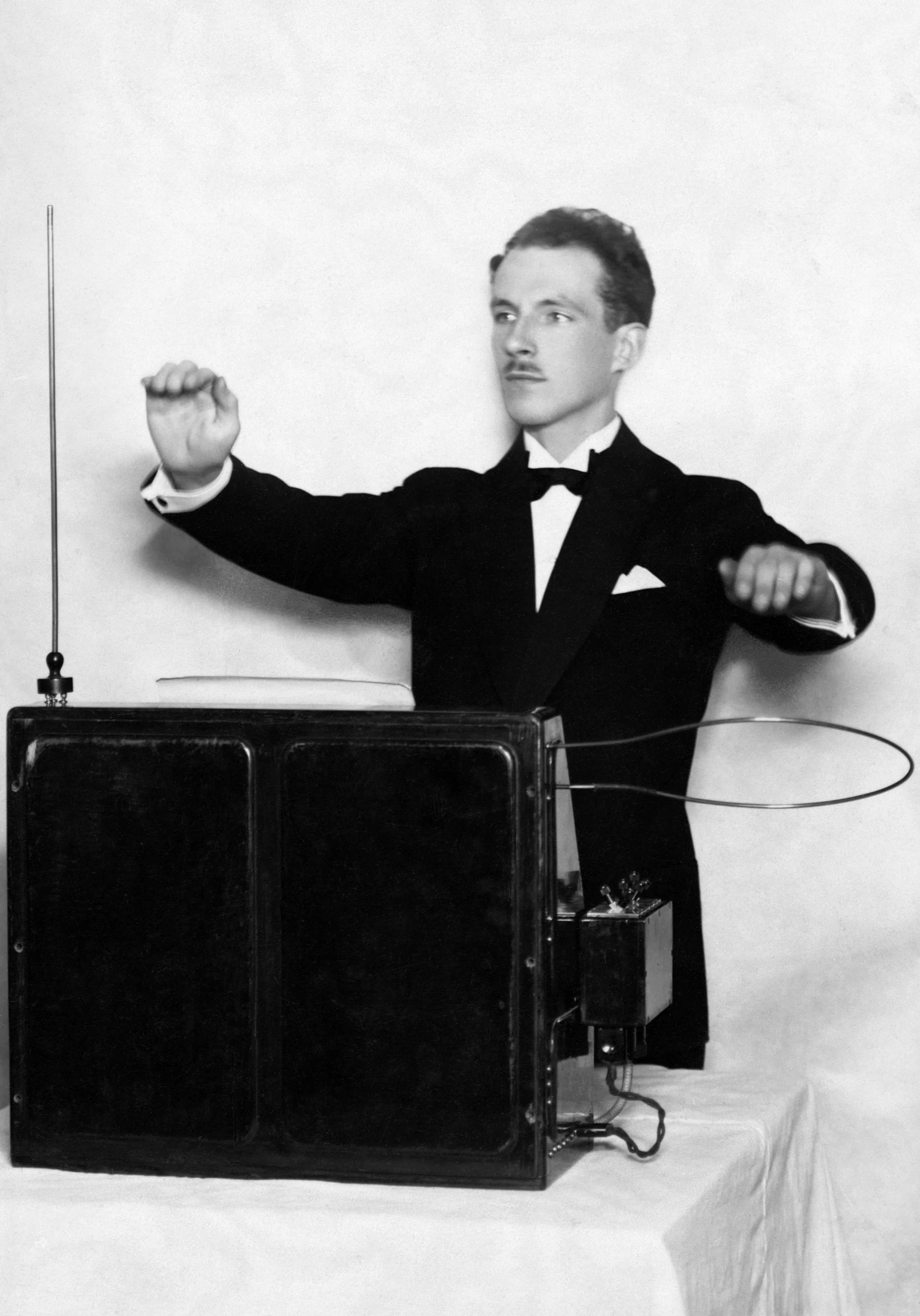
Fast forward to the 1920s, Russian scientist Leon Theremin invented the eponymous electronic musical instrument, played without physical contact by controlling the pitch and volume of sound through hand movements near its antennas. The Theremin was a success and was even played by Vladimir Lenin, as well as featured in classic movies such as Alfred Hitchcock's Spellbound (1945), and later in The Beach Boys' song Good Vibrations (1966).
Harald Bode: The Synth is Born
In the 1930s, German engineer Harald Bode began his pioneering work in the field of electronic music. The result of his efforts was the Warbo Formant Organ, introduced in 1937. The instrument was the first voltage-controlled synthesizer and serves as a prototype for modern polyphonic synthesizers. Voltage control, now a key feature in synthesizers, allowed musicians to precisely manipulate the sound's characteristics by controlling the voltage applied to various components.
The Moog Synth & Wendy Carlos
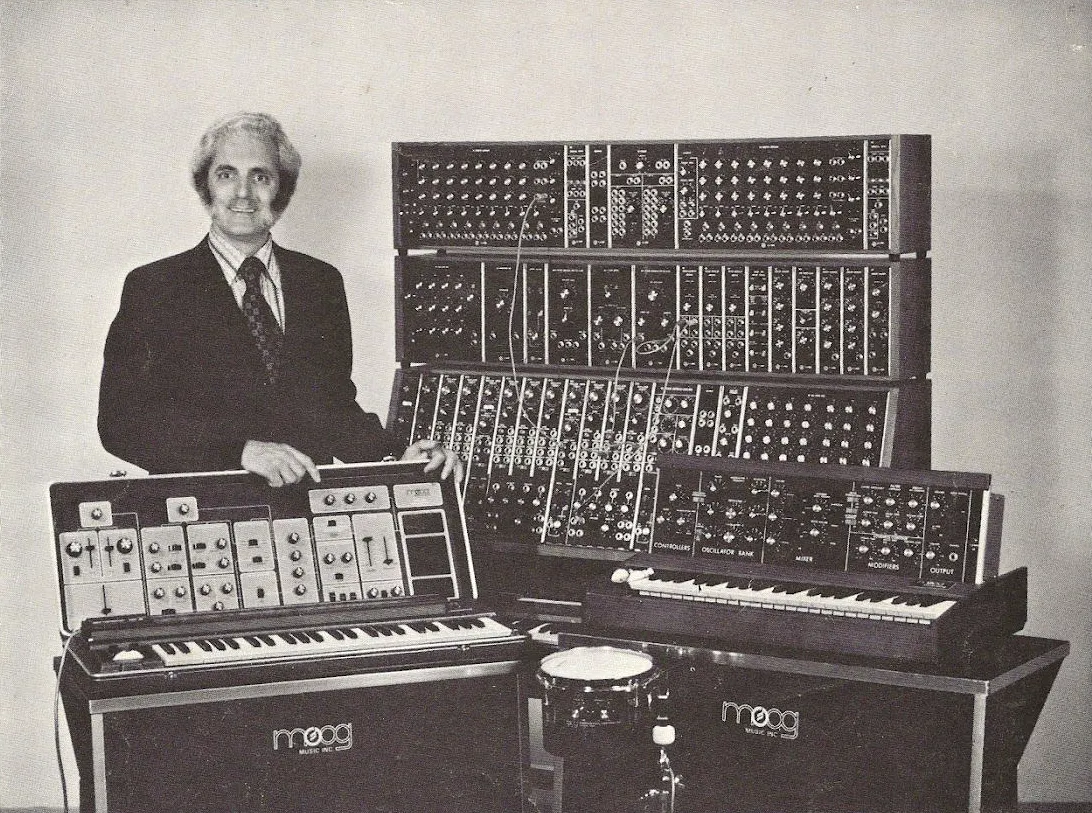
Building on Bode's foundations, in the mid-1960s, American engineer Bob Moog invented the first modular synthesizer, the Moog Modular Synthesizer, marking a significant advancement in electronic music technology. The modular synthesizer allowed musicians to create electronic music by connecting various modules like oscillators, filters, and envelopes using patch cables, enabling them to manipulate and shape sound through voltage control.
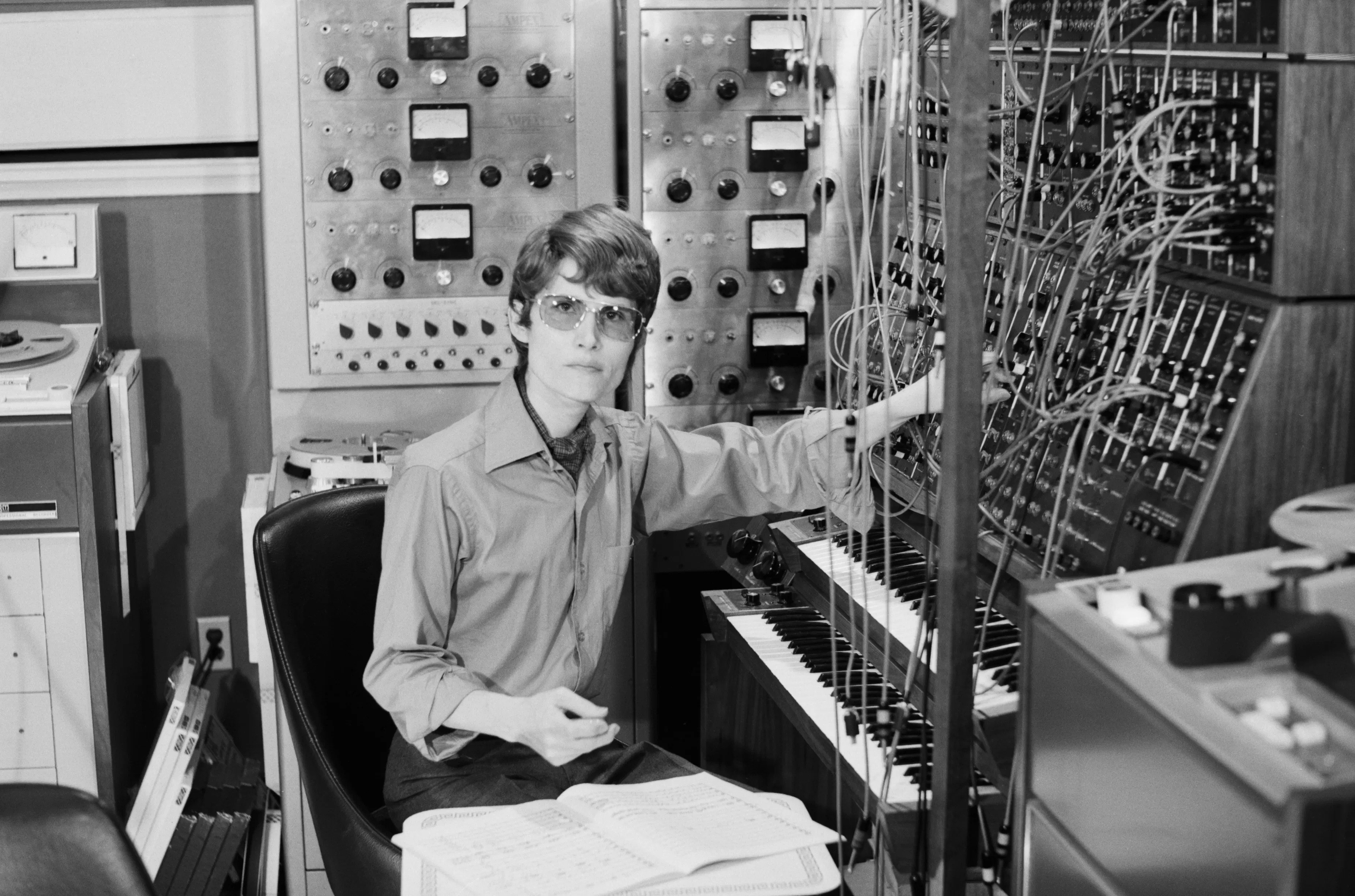
Many consider composer Wendy Carlos' Switched-On Bach album, from 1968, to be the first popular piece of music to incorporate synthesizers. Carlos recorded an LP of Bach's instrumentals reworked on Moog's synth, becoming one of the best-selling classical music recordings up to that moment.
Related: Million Dollar Strings: The Violins of Antonio Stradivari
The Synth-Pop Era
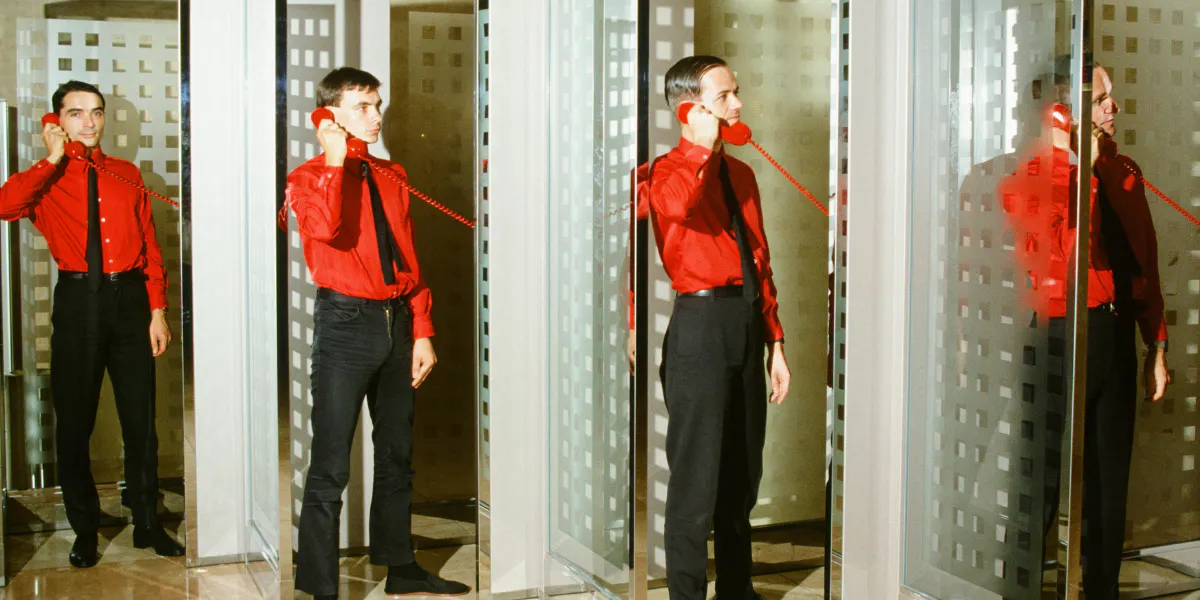
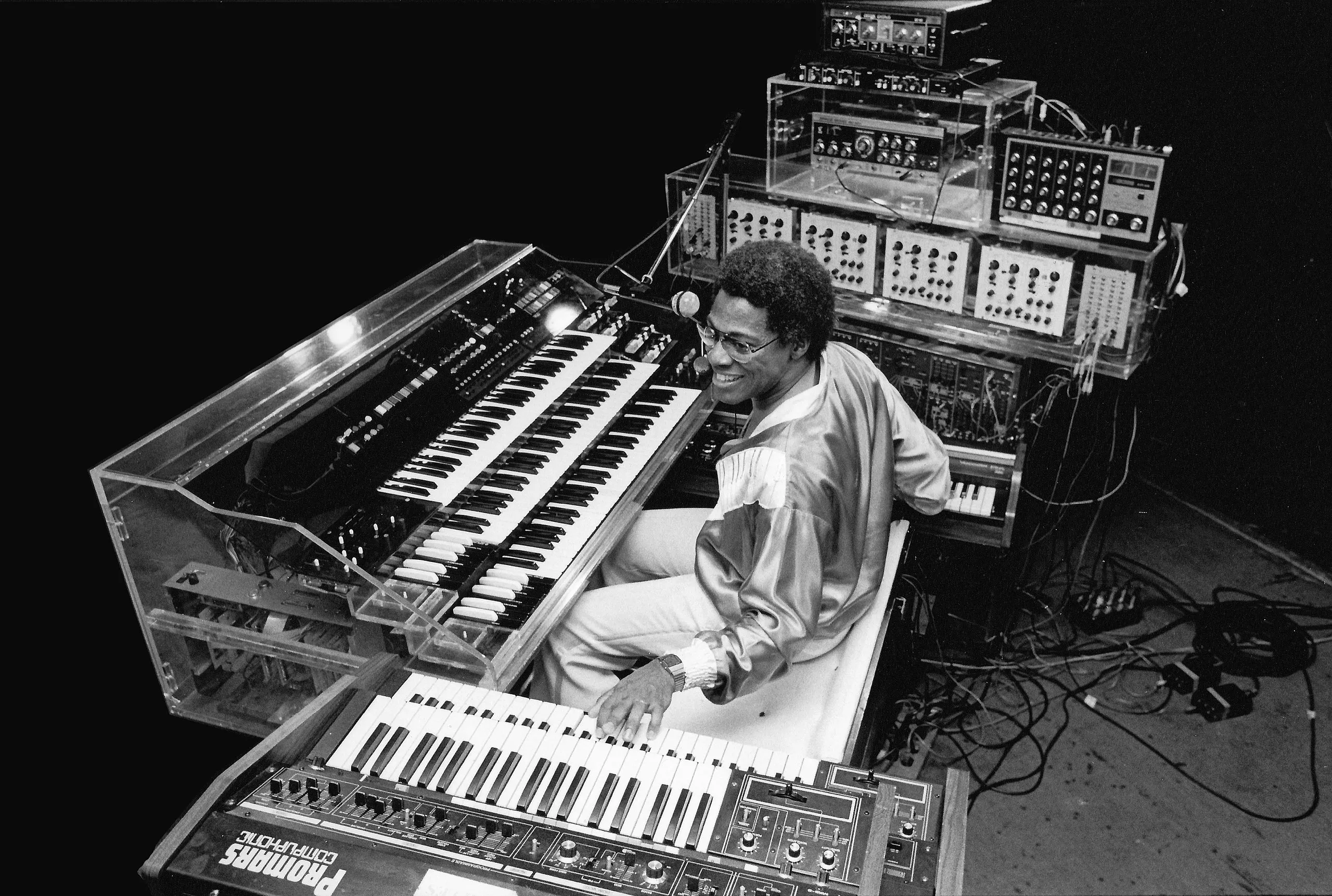
In the 1970s, manufacturers such as Moog, Korg, and Yamaha made a significant impact on the music industry by bringing analogue synthesizers to the forefront of the mainstream market, marking a period of remarkable growth for these instruments. This led to the development of electronic music – notably in Germany with Kraftwerk and Tangerine Dream, who shocked audiences with their unconventional sound that mixed music and technology. Kraftwerk's track Autobahn, for example, featured the sounds of trucks, cars, and bridges recreated on synths. From these early experimentations then came the synth-pop era, which reached its apex in the late 1970s to mid-1980s.
Related: The Story of Marilyn Monroe's White Piano
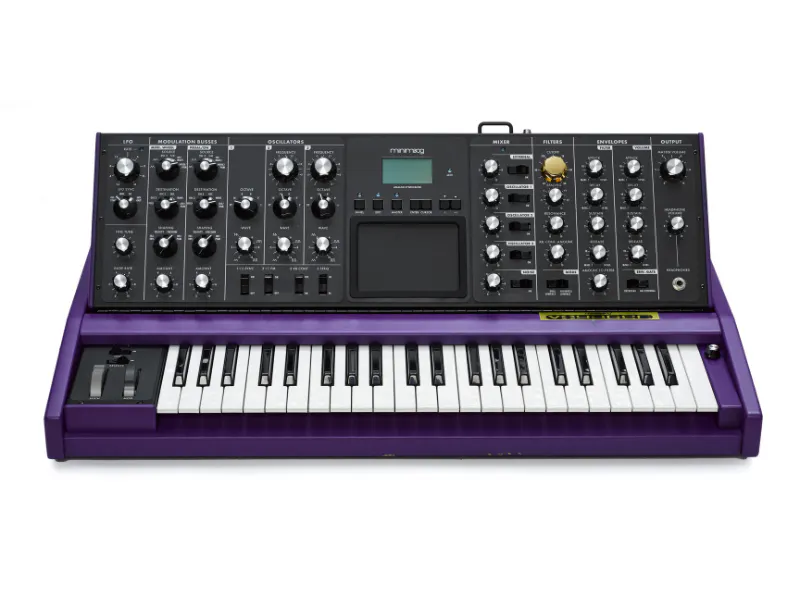
It wasn't just pop or electronic music that featured synthesizers, though. In the 1970s, rock bands also started incorporating them into their songs. Pink Floyd's Dark Side of the Moon from 1973, for example, features songs with riffs primarily made using synthesizers, giving the album its well-known futuristic feel.
The '80s Sound
The advancements made in the 1970s paved the way for the mainstream sound of the 1980s, when synthesizers were featured in almost every mainstream track. Tainted Love by Soft Cell, from 1981, is a classic example of the '80s synth sound.
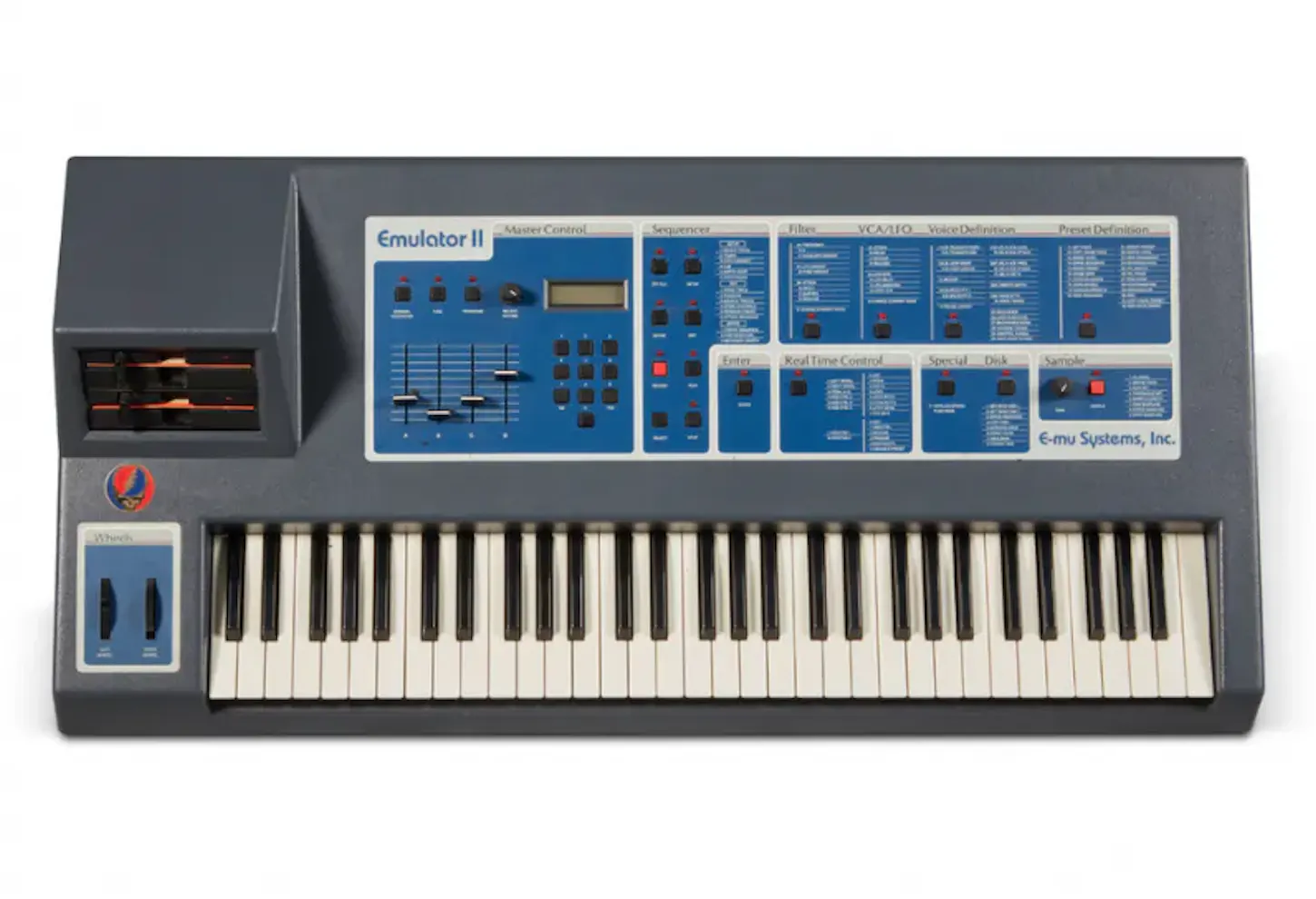
From the 1980s onwards, synths have been used in all kinds of musical genres and tracks – from hip-hop to disco and house. Different synths have different 'voices', and dedicated fans spend time researching and debating which synths are used on certain tracks.
Want articles like this delivered straight to your inbox? Subscribe to our free newsletter!
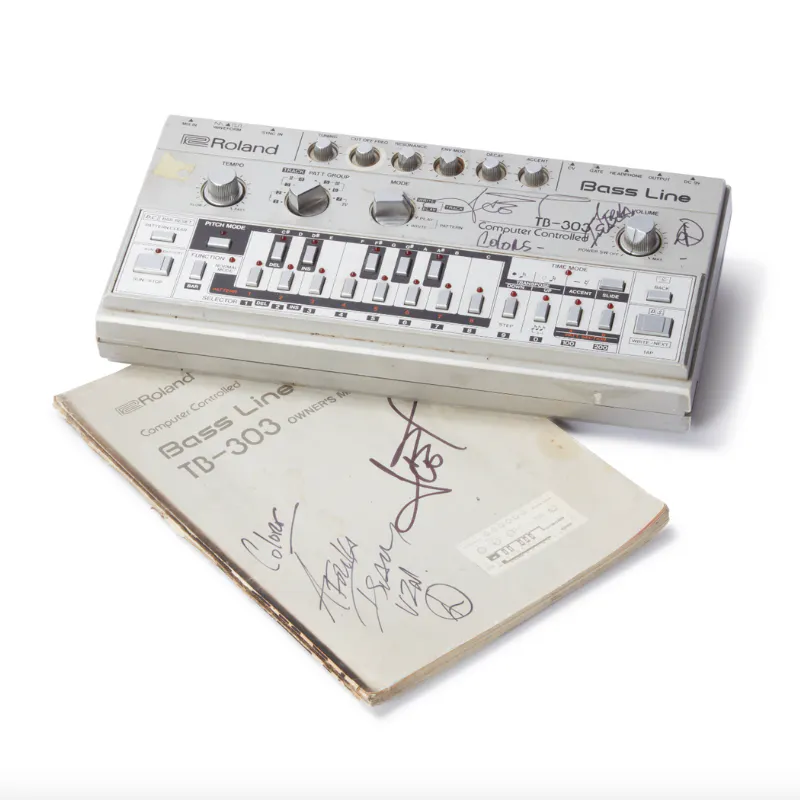
Because of their importance in the history of music, synthesizers are also collected and sold at auctions, with prices depending on their rarity and provenance. Vintage synthesizers, especially those connected to famous musicians, are often highly sought after by collectors. Some of the models to look out for are the Minimoog Model D, a legendary analogue synthesizer that served as the archetype for all electronic keyboards that followed; the Roland TR-808, an analogue drum machine known for its iconic electronic drum sounds; the ARP 2600, a classic analogue semi-modular synthesizer; the Moog Voyager Signature Edition, a limited edition Moog synth; the Oberheim OB-Xa, an analogue polyphonic synthesizer from the 1980s known for its rich and warm sound; and the Sequential Circuits Prophet-5, introduced in 1978 and known for its groundbreaking patch memory capabilities.