Lyon & Turnbull is back with the 8th edition of Modern Made, an auction that challenges traditional conceptions of 'Fine Art' and pays more attention to different kinds of media, from ceramics to textiles and jewellery. The sale, which will take place on 28 April at The Mall Galleries, London, features works from Ann Sutton, an artist in the textile art world who revolutionised the world of weaving in the 60s and 70s. In addition, the auction showcases contemporary craft artists, such as Yunko Mori, Ndidi Ekubia, and Wendy Ramshaw. There is also a collection of Postwar British Sculpture, with artists who experienced the Second World War and tried to make sense of it through new sculptural forms.
In this interview, we talk to Philip Smith, Head of the Modern Made sale, about how the art world has begun to recognise the significance of different media.
Barnebys: Lyon & Turnbull is now in its 8th edition of Modern Made. Can you talk to us about your approach to curating these auctions? What is the idea behind it?
Philip Smith: When we originally conceived Modern Made, about four to five years ago, I was looking to create something different and unique in the market, for a number of different reasons.
First of all, historically (and even now) many people collect across media. Going back to London’s legacy galleries, we see that people weren’t just collecting ceramics, but also jewellery, silver and sculpture and so on. Notionally, to have just one medium in a sale – say just paintings – misses how people have been and are collecting and looking at art and, more importantly, how these artworks intersect with each other.
And of course, looking back historically, the artists we offer at auction were at art school together, in the same classes, swapping and collecting each other’s works. And so to just single them out, and not put these objects together is missing something.
Modern Made is also about giving significance to works that are not originally classed as ‘Fine Arts’. We have all seen in the history of art that there is almost a pyramid, essentially going from paintings and sculpture down to what was considered just craft. Those strata have been challenged over the last decade, both in museums and private collections, giving more recognition to different kinds of media. This is particularly relevant when looking at women artists and other artists that have been marginalised because a lot of them were working in different media which were not seen as that serious. What this sale allows us to do is bring in all these different ideas, challenge people and ask different questions. It gives much more seriousness to certain pieces that historically haven't been given the same intellectual rigour or kind of consciousness in the art world.
The sale features a group of works from the collection of Ann Sutton, who as you have commented, epitomises this concept of 'Modern Made' – could you tell us a bit about who she is?
Ann is an amazing artist, now in her mid-80s. She is in the textile art world, and I say 'the textile art world' on purpose, rather than just simply craft, because she would never consider herself a craft artist in that sense. She has been working for over 60 years and was one of the few artists in the 60s and 70s to challenge the perception of what weaving and textile art was. She was amongst people like Peter Collingwood looking at weaving and trying to engage with the nature of this media, as painters and sculptors of that period did, and not thinking about it as a secondary medium.
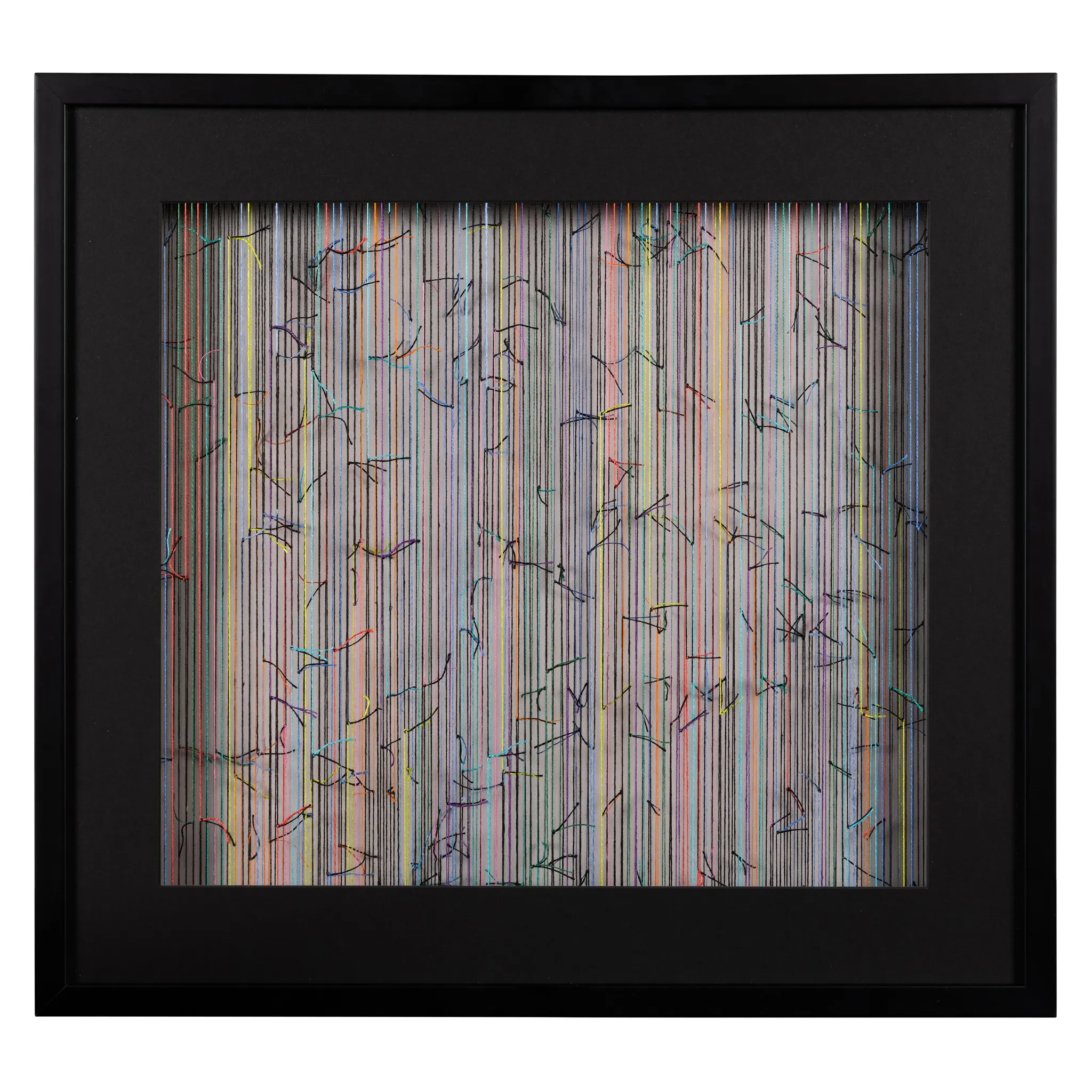
She has been constant throughout her whole career challenging the notions of how this medium can be used, to the point that in the last few years, the Tate now has bought some of her work, which on display at Tate Britain: that's their recognition of how serious she was in this field.
In the catalogue, we have three works of hers. They’re more contemporary works, made in the last ten years or so. If you saw them, you would classify them as fine art pieces.
Have you seen an increased interest in contemporary craft? What are some of the most exciting pieces on offer in the sale?
There has definitely been a growing interest in this medium, for many different reasons. Looking back at COVID, for example, people became much more interested in their homes, wanting a more experiential feeling to them. Nowadays, people are also much more willing to go straight to the maker, and craft makers are very much open to showing themselves online. I think that has helped push them out further into the field.
There is also just a growing awareness across different media of their significance. There are important collections out there that were originally brought together by dedicated collectors. Suddenly those collections are starting to appear on the market, perhaps for a younger generation who are becoming more involved in the market and who want to get into those areas and cross over to these media.
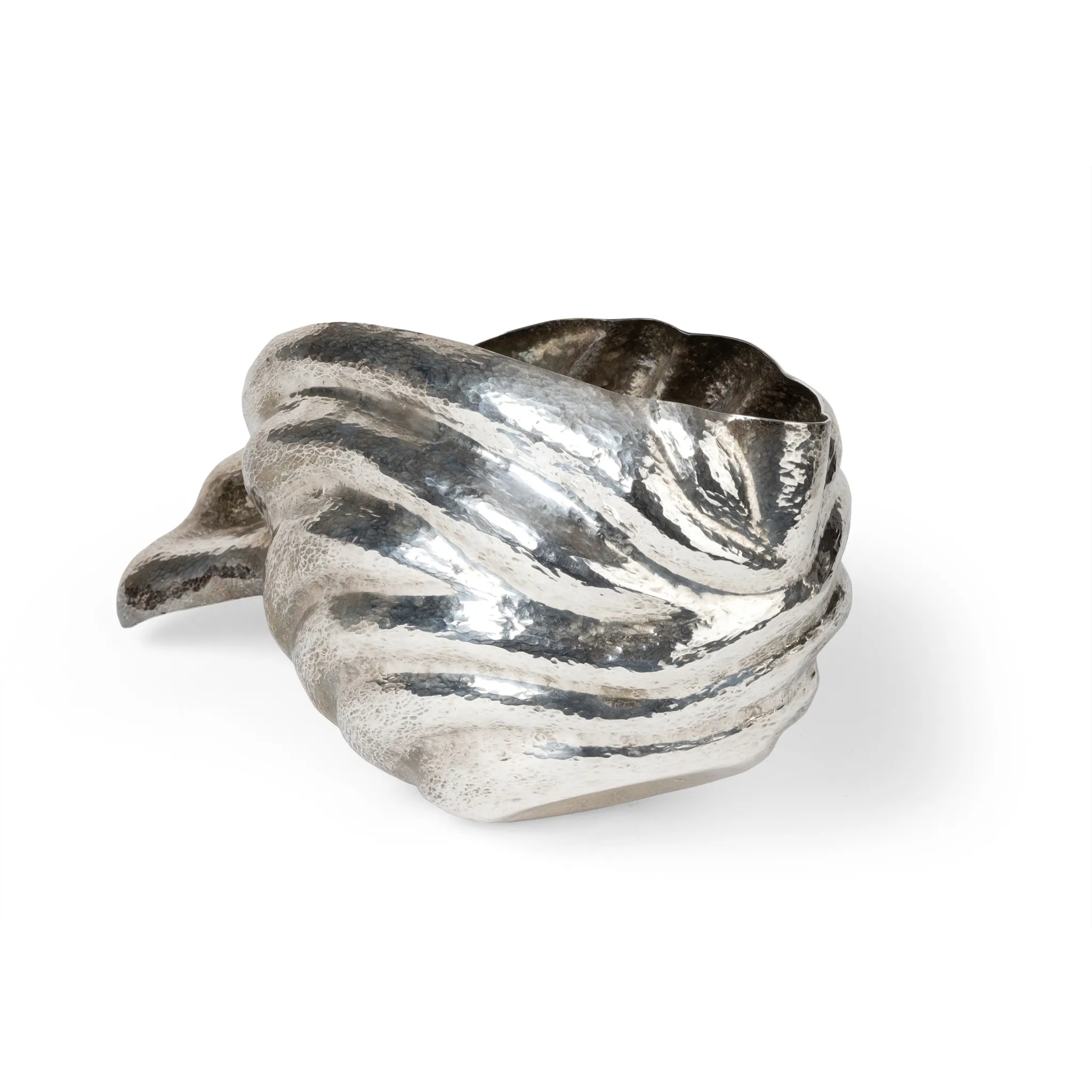
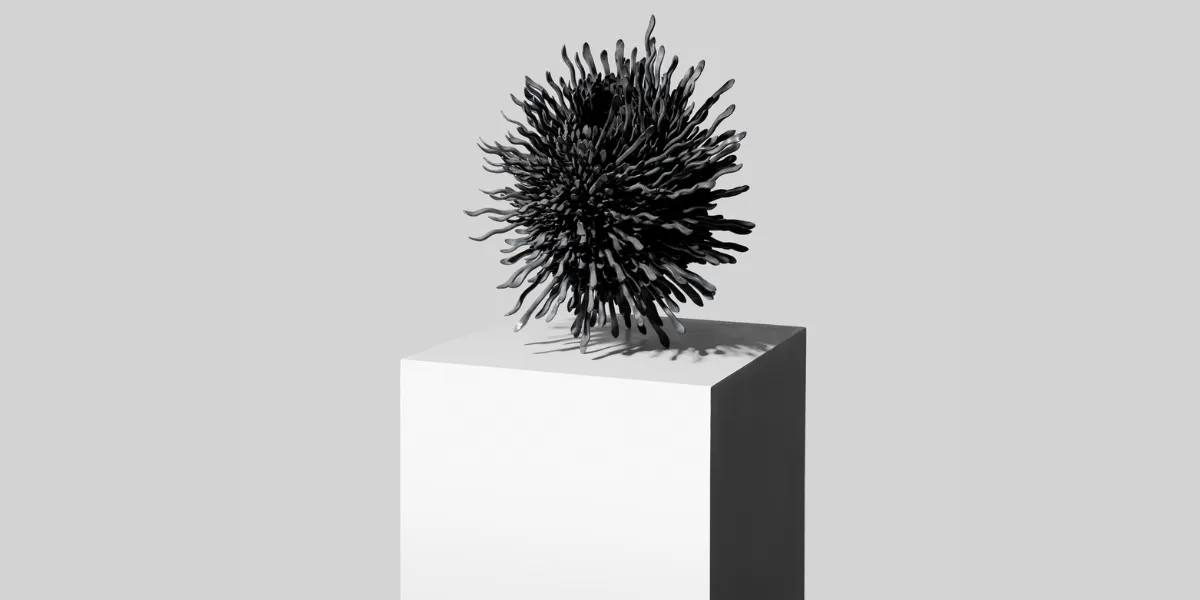
We are discovering people like the Japanese British artist Yunko Mori, who makes exceptional sculptural works in steel, or people like Ndidi Ekubia in the silver field, with great hammered pieces that take the medium to its nth degree. And then we've got jewellers such as Wendy Ramshaw, no longer with us, making stacking ring blocks, very much at the cutting edge of what they were doing. There are many, many great artists within this medium, who are now considered significant or growing in significance both in the historic craft market and the very contemporary craft market. It is a very exciting place to be and a very exciting field to promote.
As for the British post-war artists and sculptors, what are some of the most exciting pieces on offer in this catalogue? What are these artists best known for?
We have a fantastic collection of modern British Postwar Sculpture. These are by artists who experienced the Second World War and were part of it in one way or the other, and having seen the horrors of war, came out of it thinking that the status quo in the sculptural world was no longer sufficient for what they wanted to do as modern sculptors in a modern world. They were trying to find a new kind of sculptural form and artistic way to represent what they had seen and experienced.
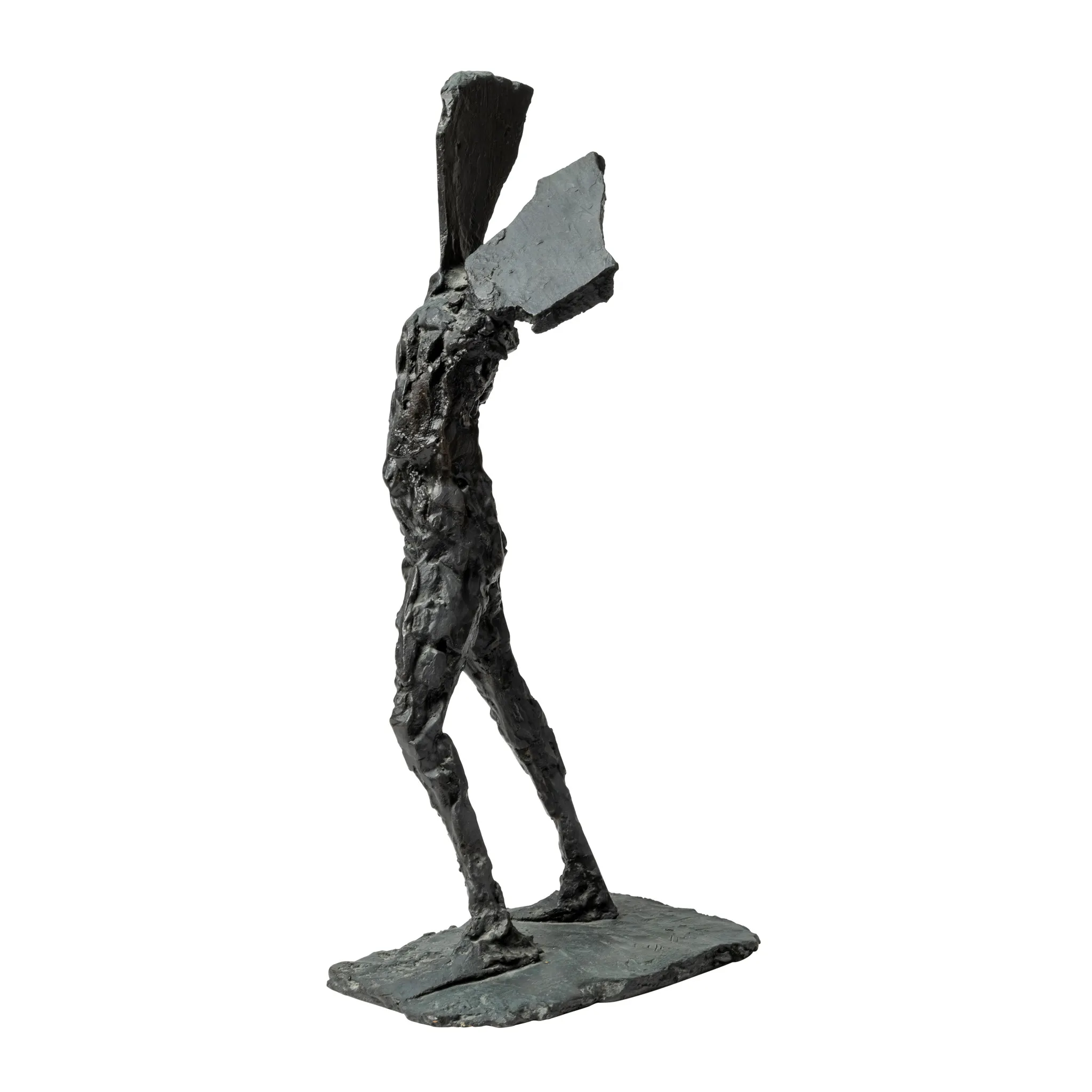
Within this collection, we have works by Elisabeth Frink, probably one of the most underrated British sculptural artists of the post-war period (even though her prices are growing). She is important because she was the single woman in this post-war period who was making figures of men. She was not stuck on the female form, she was stuck on the male form as a female artist – something radical in this period.
We also have a whole collection of works by Denis Mitchell, who was one of the studio assistants to Barbara Hepworth. The pieces show Hepworth's influence but they move on to his own developments. Also featured are some important early works by Robert Adams, many of brutalist influence, but also a very important work which he exhibited at the 1962 Venice Biennale: a wall piece that shows his move away from the brutalist form to the slightly more abstract form that he would become known for in the 70s. Then there are other sculptors alongside such as Geoffrey Clarke and Hubert Dalwood, which give a rounded feel of how that sculptural world was in the 50s and the 60s going forward.
It is a real collection to come and look at to experience in the flesh how the works play off against each other, taking you through the postwar years to the contemporary world.
Also on offer are Scandinavian and Italian glass. Can you talk to us about the collection?
The pieces come from different private collections and are made with different techniques. They really show as a whole how cutting-edge both Italian and Scandinavian design were at this point. Alongside the Americans, they led new techniques and new styles – something which we never really had in the same way in Britain.
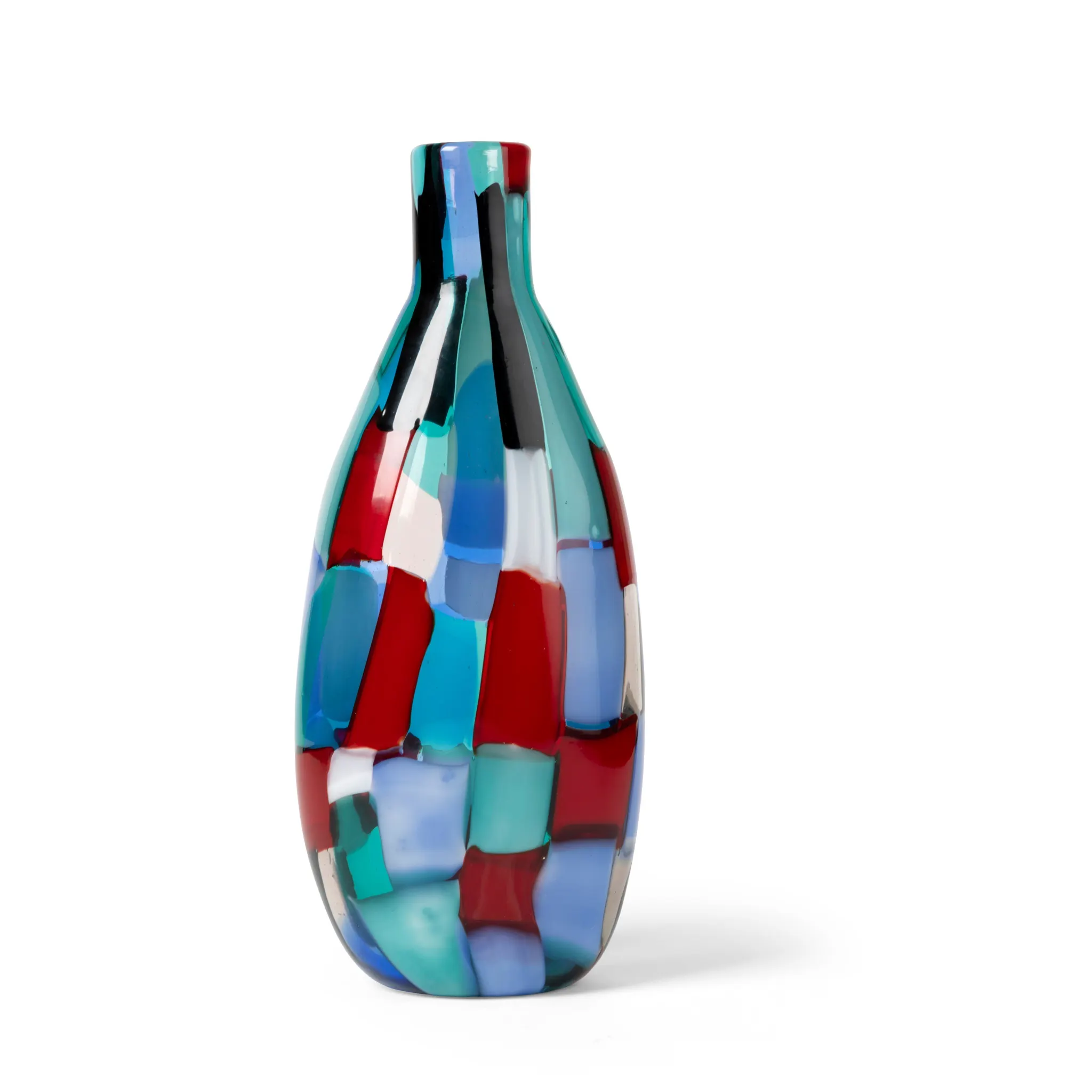
We have some fantastic works by one of the foremost glass Italian artists of the period, Fulvio Bianconi. There are handkerchief vases and period examples made with incredible techniques and colours that showcase the most superb glassblowing of its generation. The Bianconi pieces are classics of the period, and I still don't think they've reached the zenith of their price.
What kind of collectors are usually drawn to these auctions?
Over the last four years, Modern Made has proven to draw more new collectors than probably any other sale type we have. In one sense, the format feels very welcoming, but it is also this crossover type of buying that appeals to new collectors. It is the new way of collecting going forward.
Finally, if you could keep one object from this auction for yourself, what would it be?
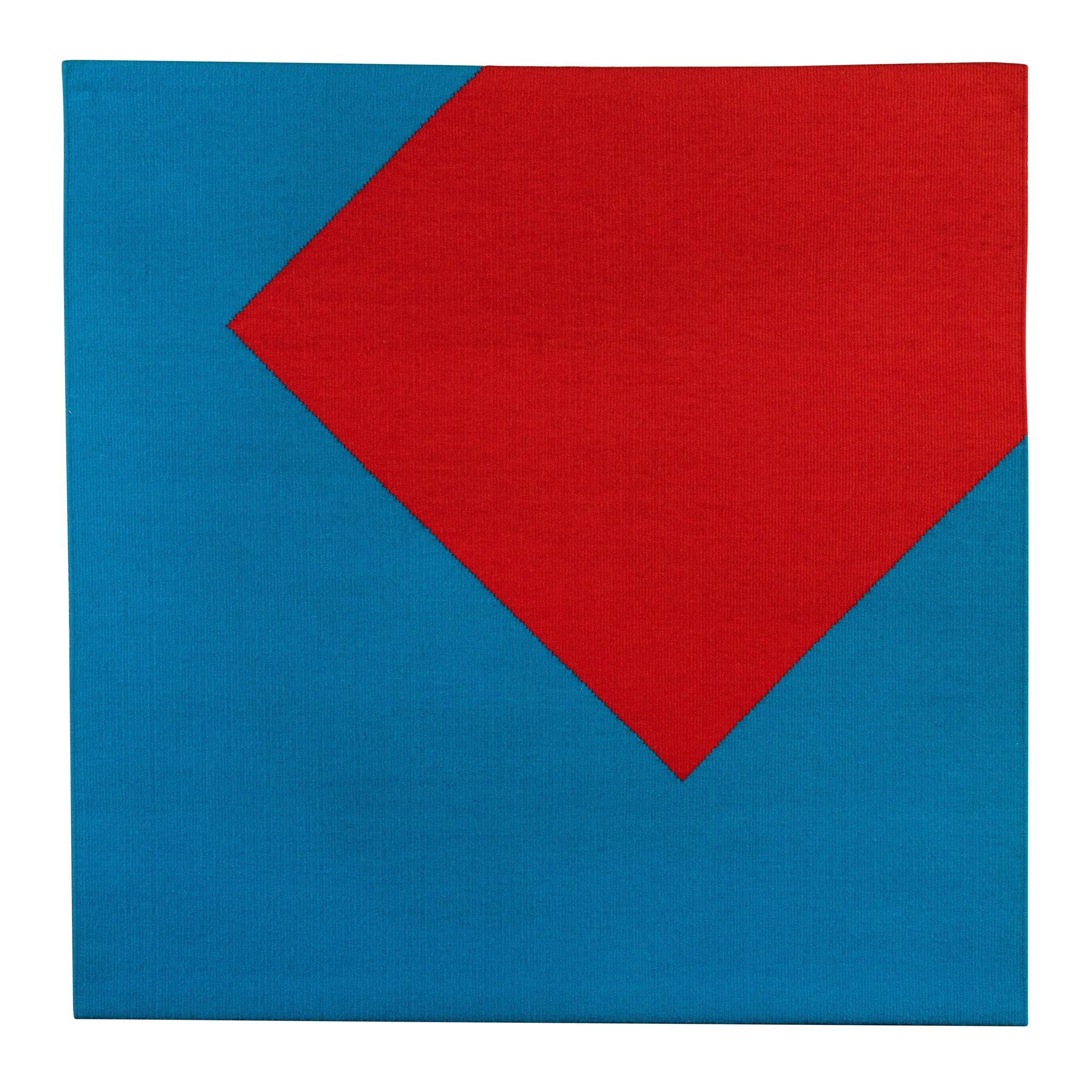
It is always a difficult question to answer because I like so many things and handle so many artworks in these sales, but I have to say that there is a stunning tapestry work by Mary Farmer in the sale that I love. She is an incredibly important figure within the British tapestry art scene, and though she has slightly gone under the radar in the last 20 years, she's incredibly important. Anyone who went to the Royal College, or people within the field, know of her and know her significance, and people are slowly starting to rediscover her. We have this piece called Float 1, which is a blue textile with a red mass in the middle. The colours are extraordinary, and the piece shows a kind of abstract form that makes her the closest artist to a Rothko figure in American painting for her medium. It is a museum-quality work that deserves to be in an institution, and I suspect that it is going to be seen as a very important work in the future.