Holistic solutions were no problem for the Finnish designer and spokesperson Ilmari Tapiovaara (1914-1999). The aim of his entire career was to find better solutions for anything that could be designed, preferably everyday objects. When Tapiovaara designed the interior of a Finnair aeroplane, for example, he went into great detail over the exterior graphics. When he got the contract for the Hotel Marski in 1958, he made every piece of furniture and also made sure that the waiters' uniforms matched the colour scheme. But really, it was the chairs that were the most important thing. According to him, chairs were "the key to the whole interior."
Läs: Finsk sextiotalare fortsatt het på auktion
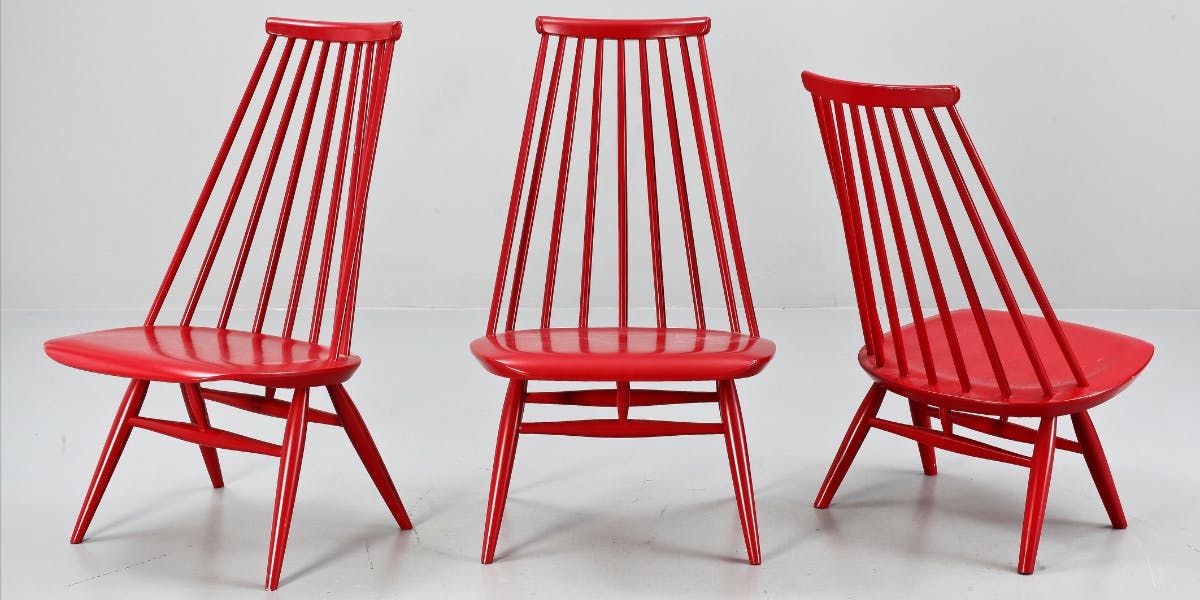
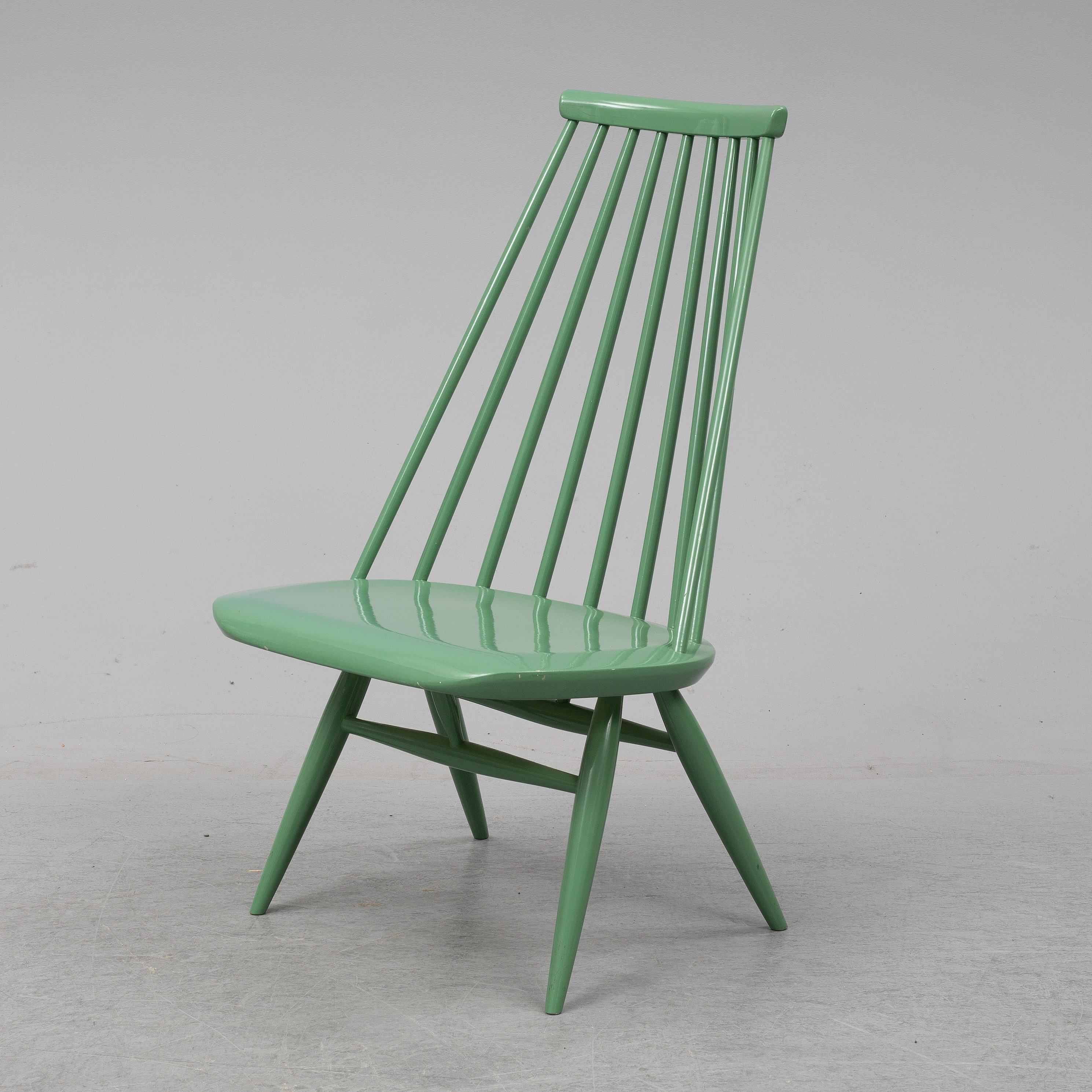
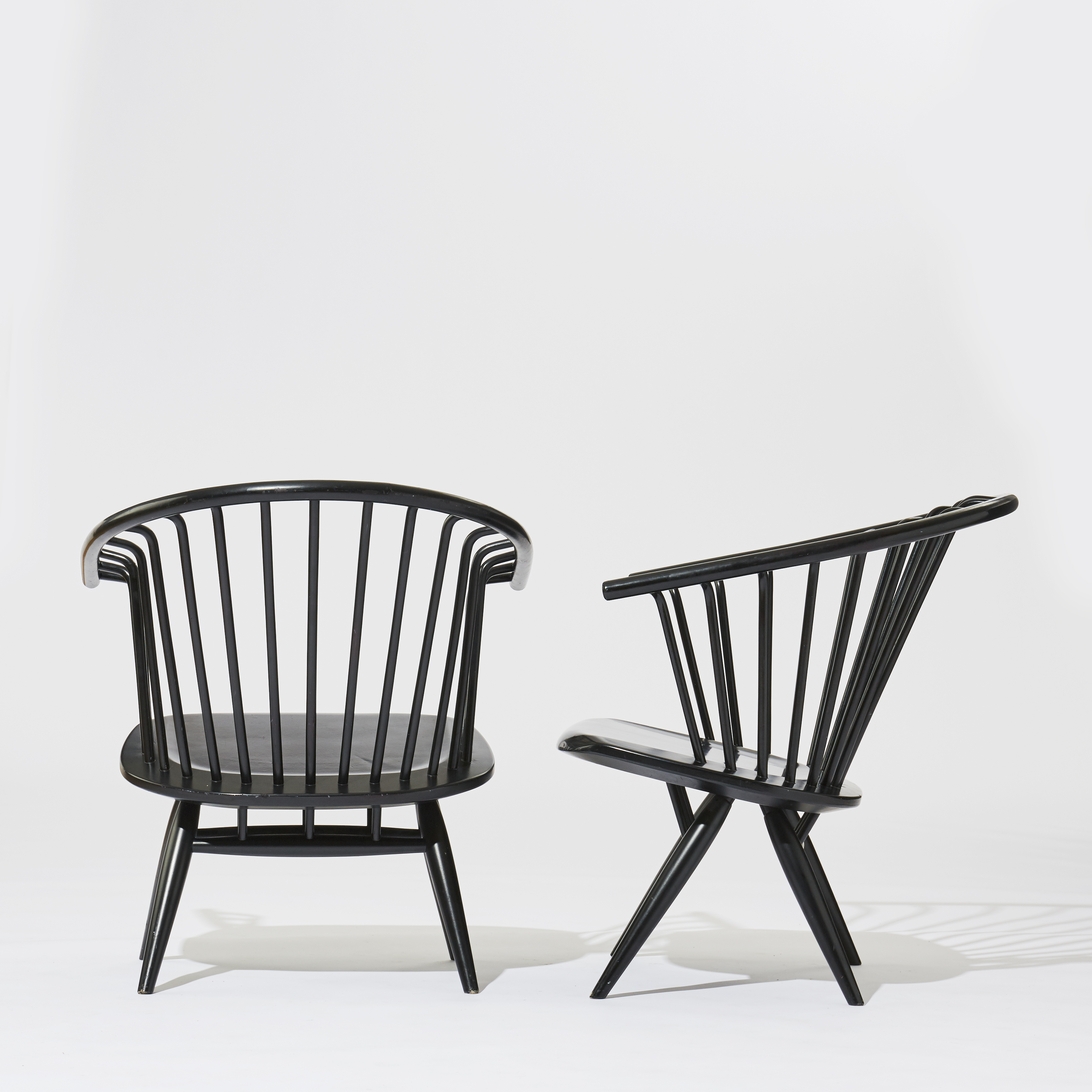
Today, it is the variations he made in the 1950s and 1960s that are most recognisable. Chairs such as the Mademoiselle, Fanett and Crinolette are favourites on the auction market and can be found in a large number of Nordic and American homes. These items are so attractive that over the past ten years, furniture manufacturer Artek has seen the rising value and started to produce large numbers of them.
Lots of young Finnish designers worked with him - including Thunderball creator Eero Aarnio, who learnt his craft here.
That Alvar Aalto and Ilmari Tapiovaara ended up under the same roof is in many ways natural. At the beginning of his career, Tapiovaara looked up to his older colleague, and when he made his breakthrough with the Domus student chair in 1948, it was in Aalto's trademark pressed plywood. Tapiovaara added a bend and curve that made the furniture even more seat-friendly. For the time, it was even ergonomic and adapted to a smaller home where the chair could be used in the kitchen, hallway, living room and bedroom. With this claim to fame, Tapiovaara was taken out into the world.
See also: Alvar Aalto: A Finnish Hero
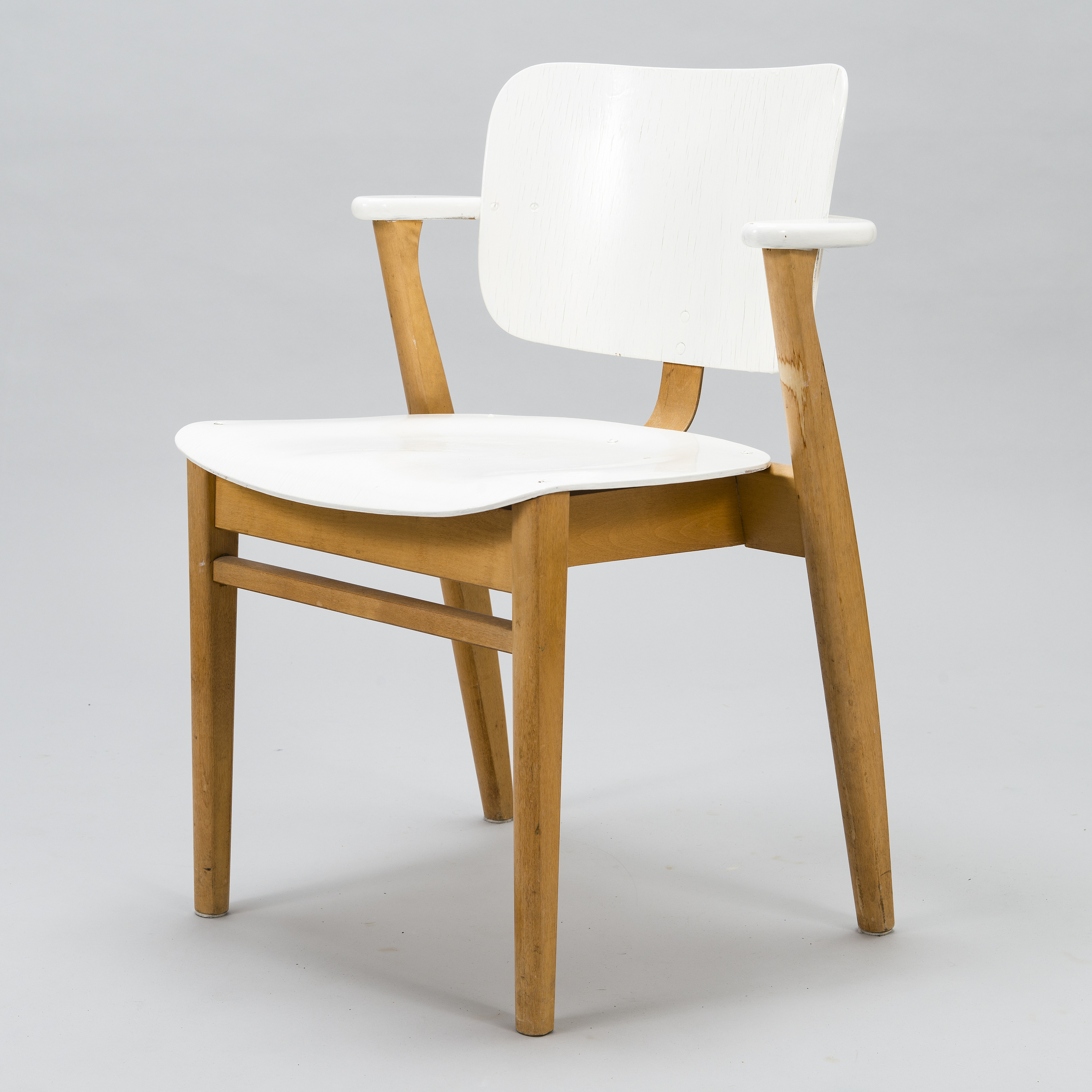
When the Modern Museum of Art in New York created the 'Competition for Low-Cost Furniture' exhibition in 1947-48, which focused on cheaper furniture, Tapiovaara was represented. Knoll discovered his Domus variant and launched it in the US under the name Finnish Chair. The designer, who until then had been associated with two different companies in Finland, decided to start his own business. From the early 1950s onwards, Tapiovaara was a name to reckon with. Many young Finnish designers worked with him - for example, it was here that Thunderball creator Eero Aarnio learnt his craft. He taught even more at universities.
See also: Barnebys' Guide to Vintage Scandinavian Design

In the 1950s, Tapiovaara was the spokesman of the trade in Finland and one of the first to firmly believe that Nordic furniture could be sold abroad. The Tapiovaaras, whose wife Annikka was an interior designer and worked in the company, organised a first exhibition in Helsinki on export, which later toured abroad. In 1952, the family moved to Chicago and Ilmari became a visiting professor at the Illinois Institute of Technology. Soon, he was seduced by the American manufacture to upscale and produce many pieces for cheap.
See also: Ludwig Mies van der Rohe: From Traditionalism to Modernism
His own education took place between 1933 and 1937 at the Helsinki Central School of Industrial Arts. After his studies, he moved to London and then interned with Le Corbusier in Paris. His transition was perfectly timed. At the age of 24, he became the artistic director of one of the country's largest companies, Asko-Avonius.
See also: Le Corbusier: 5 Facts to Know
Wanting to reach the new middle class with modern design, the company focused on younger talent. However, his time there was unsuccessful. Sales agents thought his furniture was too cutting-edge and refused to sell it. Soon, the Second World War broke out.
Back then, Tapiovaara led a workforce of 350 people that designed and built huts. With axe and knife, furniture was made from Karelian timber. The abundant Finnish birch was the only material available.
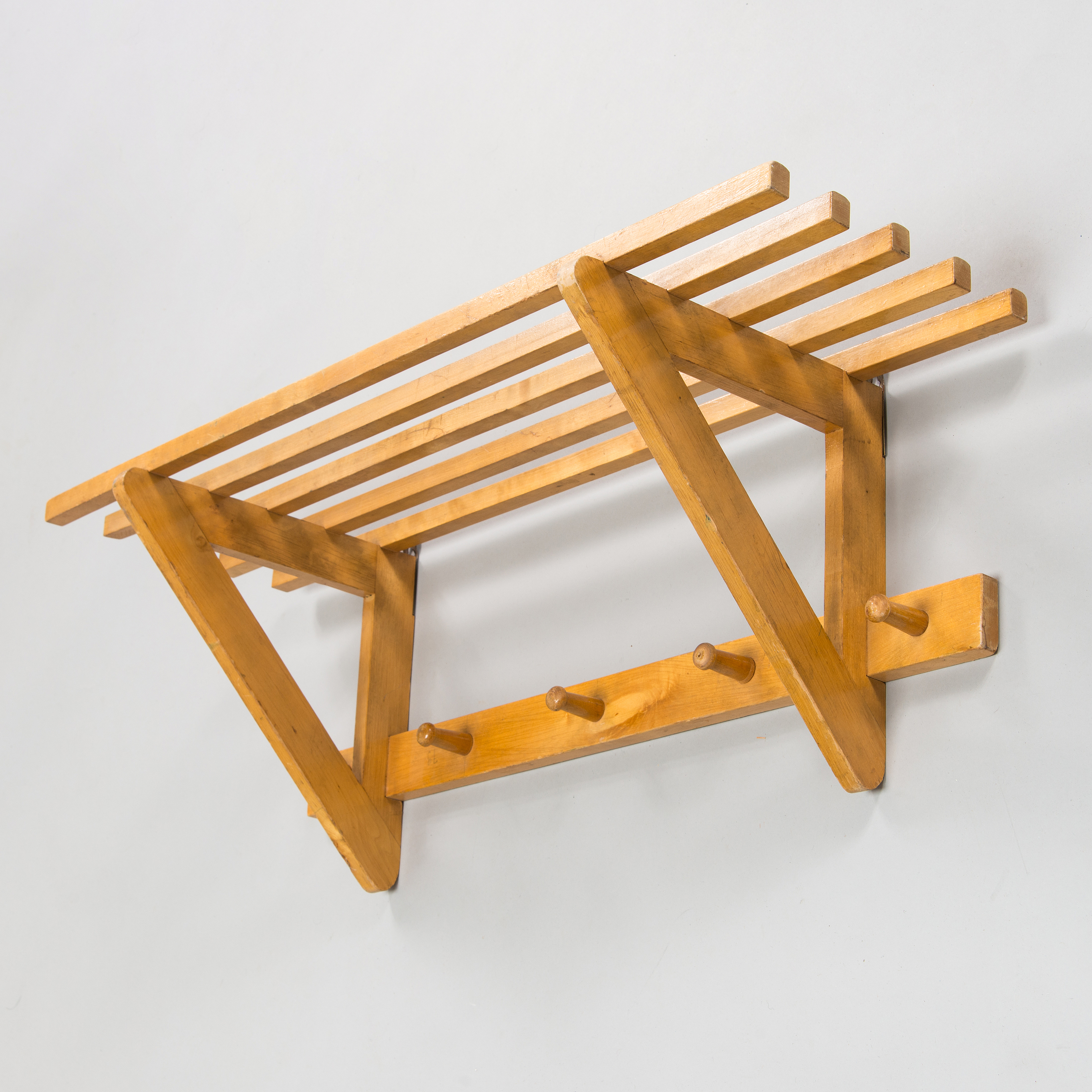
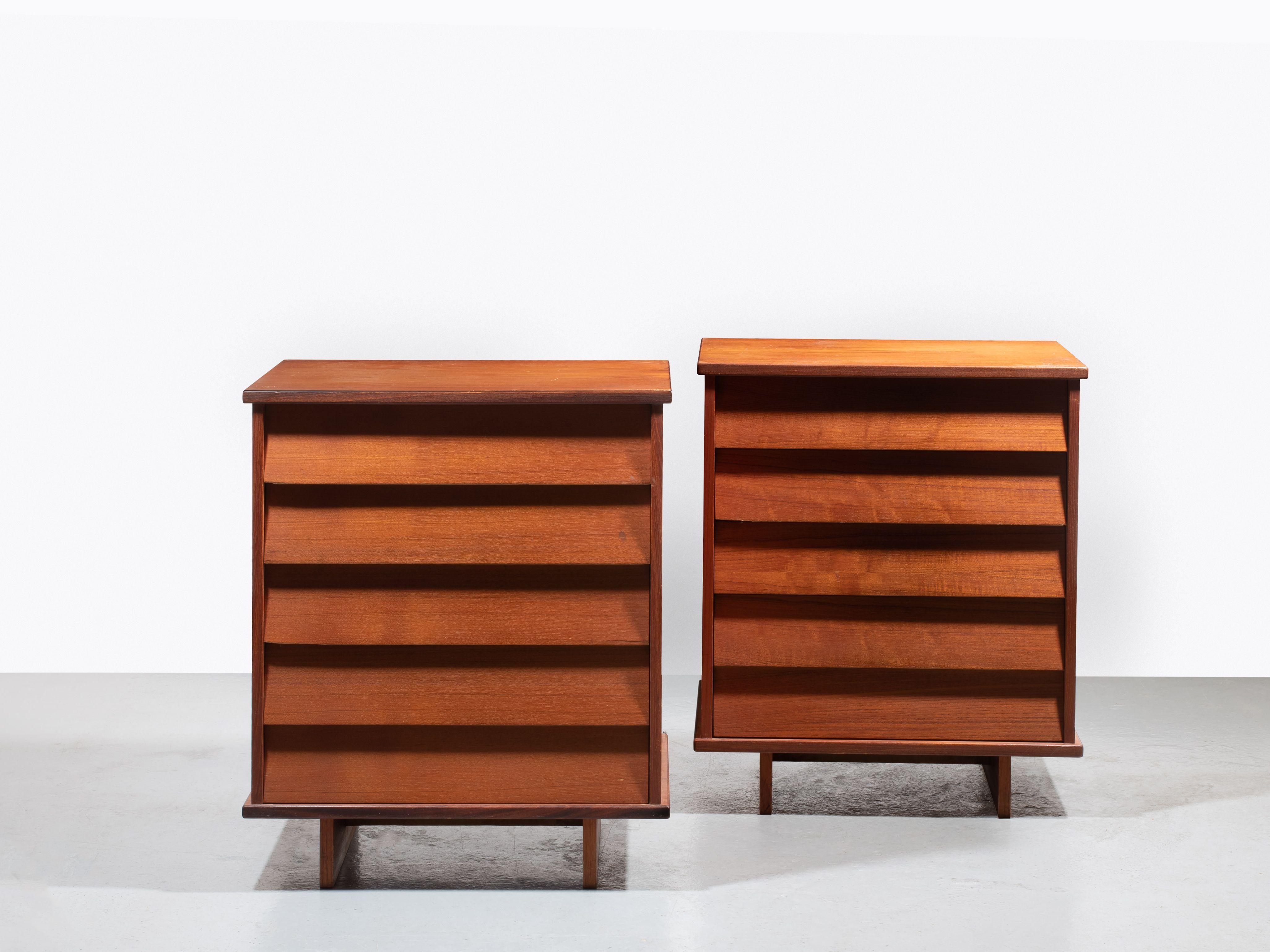
His first job and time spent in the army taught him that he wanted to be involved from start to finish. In collaboration with both foreign and domestic companies, the furniture, mostly in wood for the home and in steel for institutions, was distributed around the world. Swedish Edsbyverken, for example, was one of the companies he worked with. The furniture is stylish, robust and well-trimmed. Over the years, he collected a handful of golds from the Milan Triennale.
Want articles like this delivered to your inbox? Subscribe to our free newsletter!
See also: 10 Reasons to Buy Vintage
At Barnebys, we see that interest in the designer is increasing. Both Fanett and Mademoiselle are hard currency at auction houses and dealers. Crinolette - a chair with extra difficult bending was produced in so few copies that the originals have gone up in price. In 2001, for example, an American auction house sold a version of the chair for $7,000. The chair is newly produced by Artek. More unusual models such as the slender Dolphin chaise longue, made for Skanno in 1955, and the Maija the Bee lamp are fetching high prices. Ilmari Tapiovaara's star faded in the 1970s and until the advent of the internet he was forgotten, but his furniture and name should be mentioned in the same breath as Eames, Aalto and Saarinen.