For many, the 1950s, 60s and 70s are associated with colourful fabrics, beautiful patterns and fantastic design. Vintage Scandinavian design is now a hot commodity for many, as prices tend to become more and more inflated. Of course, one should buy with the heart, but as with everything else, the best bargains are made with knowledge. Barnebys has put together a guide on which fabrics, porcelain series, furniture pieces and designers were the most popular in each decade, and on the auction market today.
The 1950s
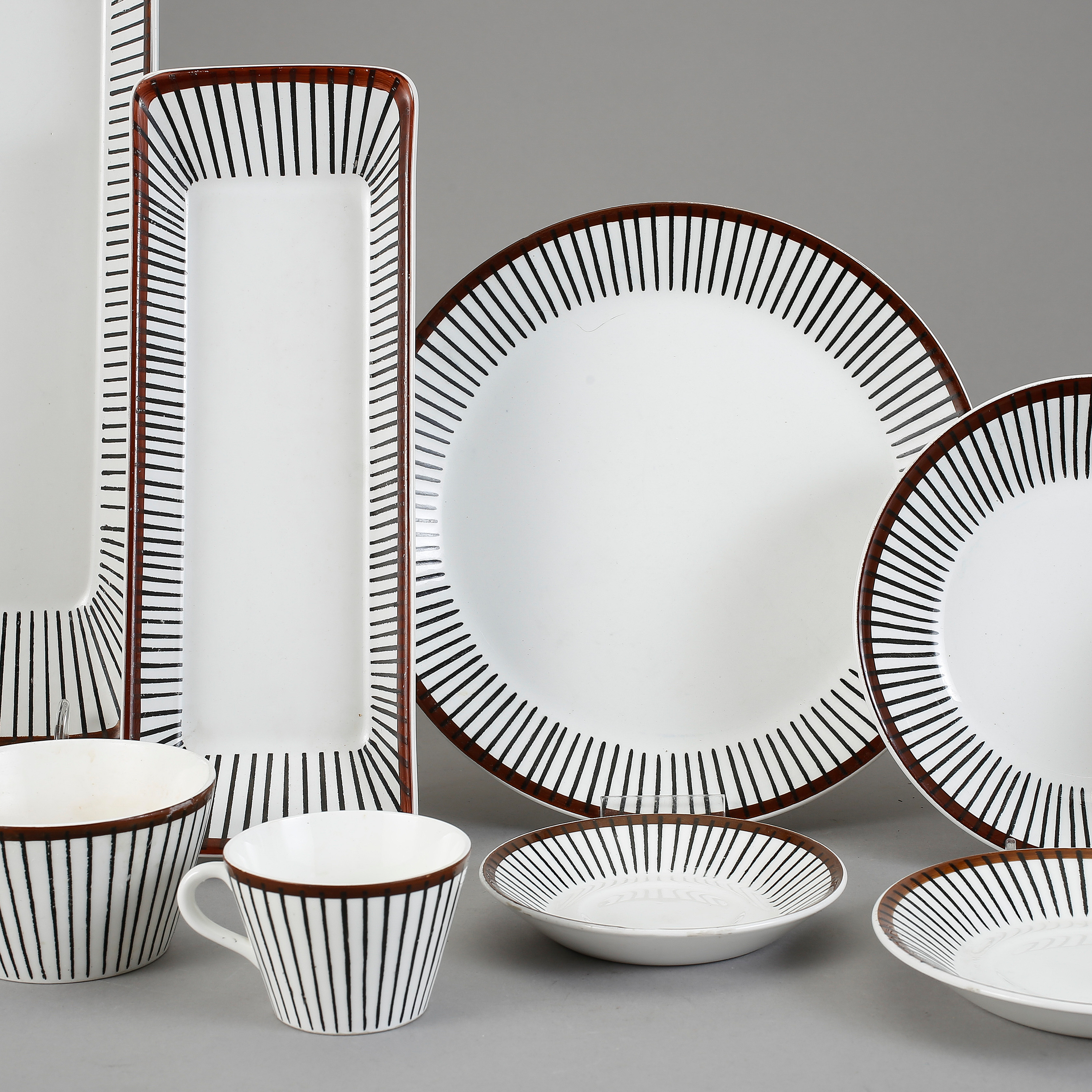
In the 1950s, designers increasingly began to use practical materials, such as flame-resistant ceramics, stainless steel and plastic. The porcelain factories Gustavsberg and Rörstrand chose to invest in oven-proof porcelain, which could be taken directly from the stove to the dinner table. Examples of this are the Terma tableware from Gustavsberg, the Spisa Ribb by Stig Lindberg and the Koka Blå by Hertha Bengtsson.
See also: The History of Rörstrand in 10 Key Dates
The utility objects of this period are characterised by organic shapes, as well as clean and sleek lines, abstract patterns and bright colours. It was not uncommon for porcelain design to move from round shapes to more square and triangular features. It was also common to mix patterns with solid colours within the same tableware. The crockery could now be combined as desired, in contrast to earlier tableware sets in which all patterns matched.
See also: Signe Persson-Melin: Sweden's Most Prominent Female Designer
The year 1955 is an important year for Swedish furniture design, when the Swedish Crafts Association organised the H55 exhibition in Helsingborg. The exhibition was a manifestation of the architecture, interior design and manufacture of the 50s, and it became an important source of inspiration for Swedish aesthetics. It attracted a lot of people and created an interest with both the mass media and the individual buyers.
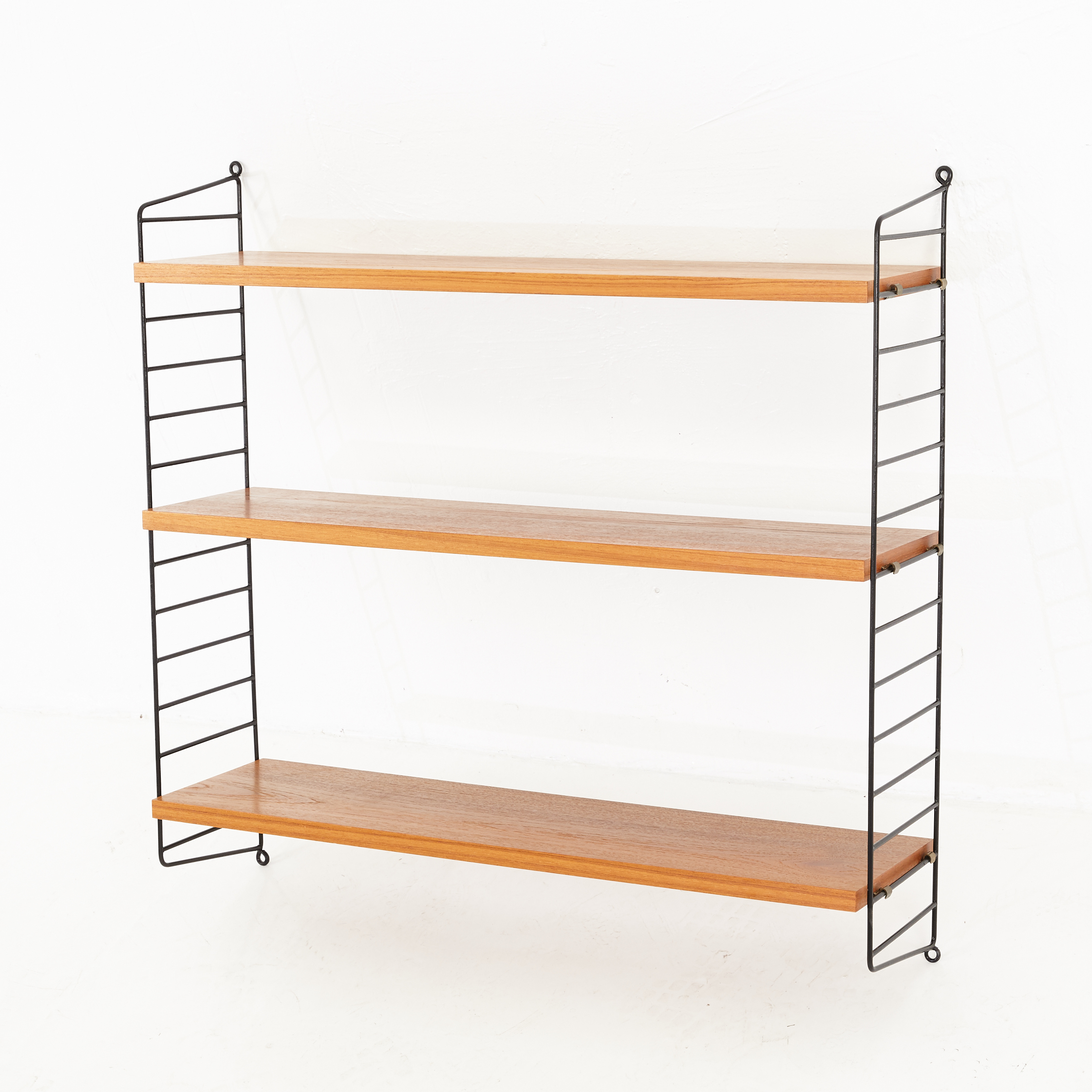
Furniture design came to function more and more so that each piece of furniture had its own expression, without having to be part of a complete furniture arrangement. The Lamino armchair by Yngve Ekström is in many ways a period piece, with its moulded wood and crisp lines. Lightness and austerity in furniture fit in many ways with the interior ideal that prevailed at the time. Apartments shrank in size and more flexibility and simplicity were needed. The peg chair and string shelf were two popular items. Plastic and teak were two new materials that became popular in the 1950s, which can be found in the string shelf.
See also: Swedish Design Classics
See also: Kem Weber: The Mid-Century Modern Designer Who Paved the Way for IKEA
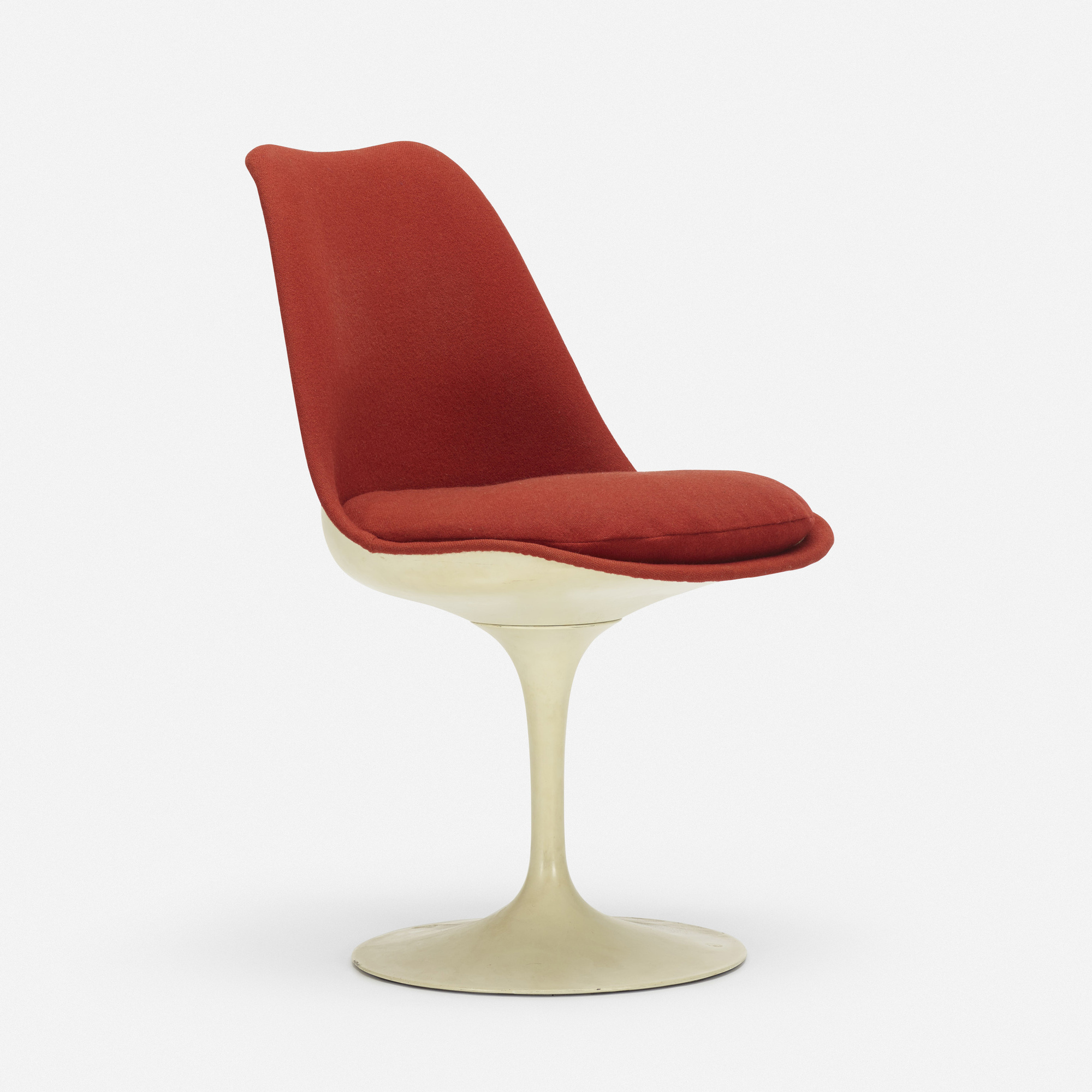
Designer Eero Saarinen's Tulip chair came in 1956 and is made of aluminium and fibreglass. Saarinen strove for a uniform organic form, made with one piece and one material. Danish designer Arne Jacobsen is famous for his seating furniture, among which are The Egg, The Swan and The Ant. The Ant, with its three or four legs, came in 1951 and was made of black teak. In 1958 came two more classics, The Egg and The Swan, which Jacobsen designed with older craft traditions in mind. The chair of the 50s, above many others, was the Bat Chair, which came to be a symbol of youthful interior design. Ikea later came to further pave the way for this chair, when they produced their own version, the Butterfly, in the 60s.
See also: Arne Jacobsen: The Father of Danish Functionalism
See also: Ikea's Most Expensive Designs
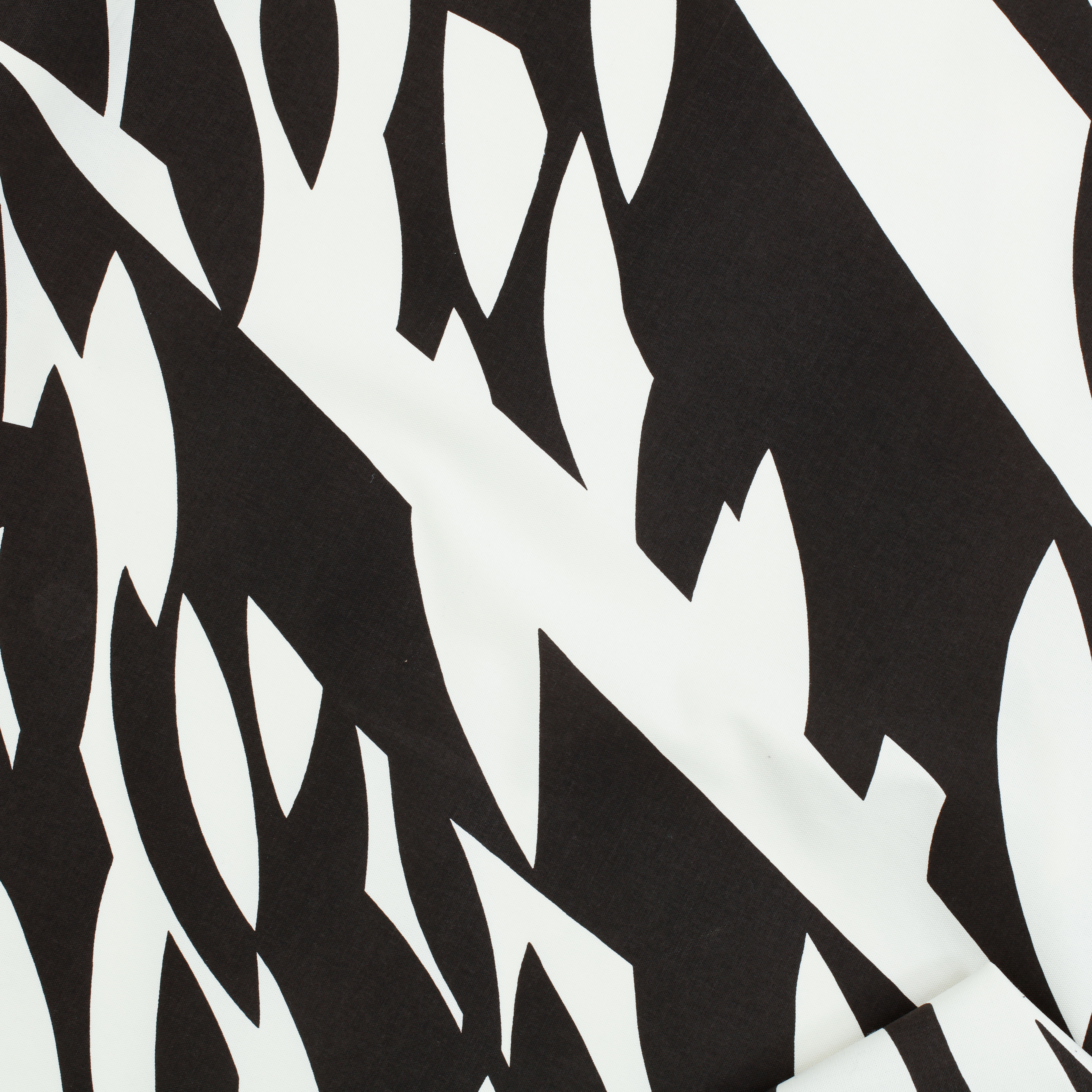
Viola Gråsten, was the one who best captured the 50's love for abstract patterns in textile design. It was mainly the fabrics Scirocco and Festivo, which gave Gråsten her big breakthrough, that led to textile printing becoming popular in home furnishings. Graphic patterns and tight geometry can also be seen in Karl Axel Pehrson's fabric Dolphin Movement. Textiles went from being in a category of their own to being used for everything, from linen storage to furniture and curtains.
The 1960s
The change in style was evident in the glass industry in the 60s. Designers Gunnar Cyrén, Erik Höglund, Göran and Ann Wärff, Tom Möller and Monica Morales-Schildt increasingly focused on experimenting with materials. They wanted to highlight the material of the glass in a way that would allow defects such as bubbles and streaks to remain visible in the glass. Glass increasingly came to be seen as an artistic medium, which brought in renewed interest with buyers. Gunnar Cyrén developed the so-called 'all-glass', reducing the previously wide glass tableware. The all-purpose glass could be used for both red and white wine, beer and water. At the same time, however, Sweden increased its imports of glass and ceramics from abroad, making it difficult for Swedish artisans to compete with their foreign colleagues.
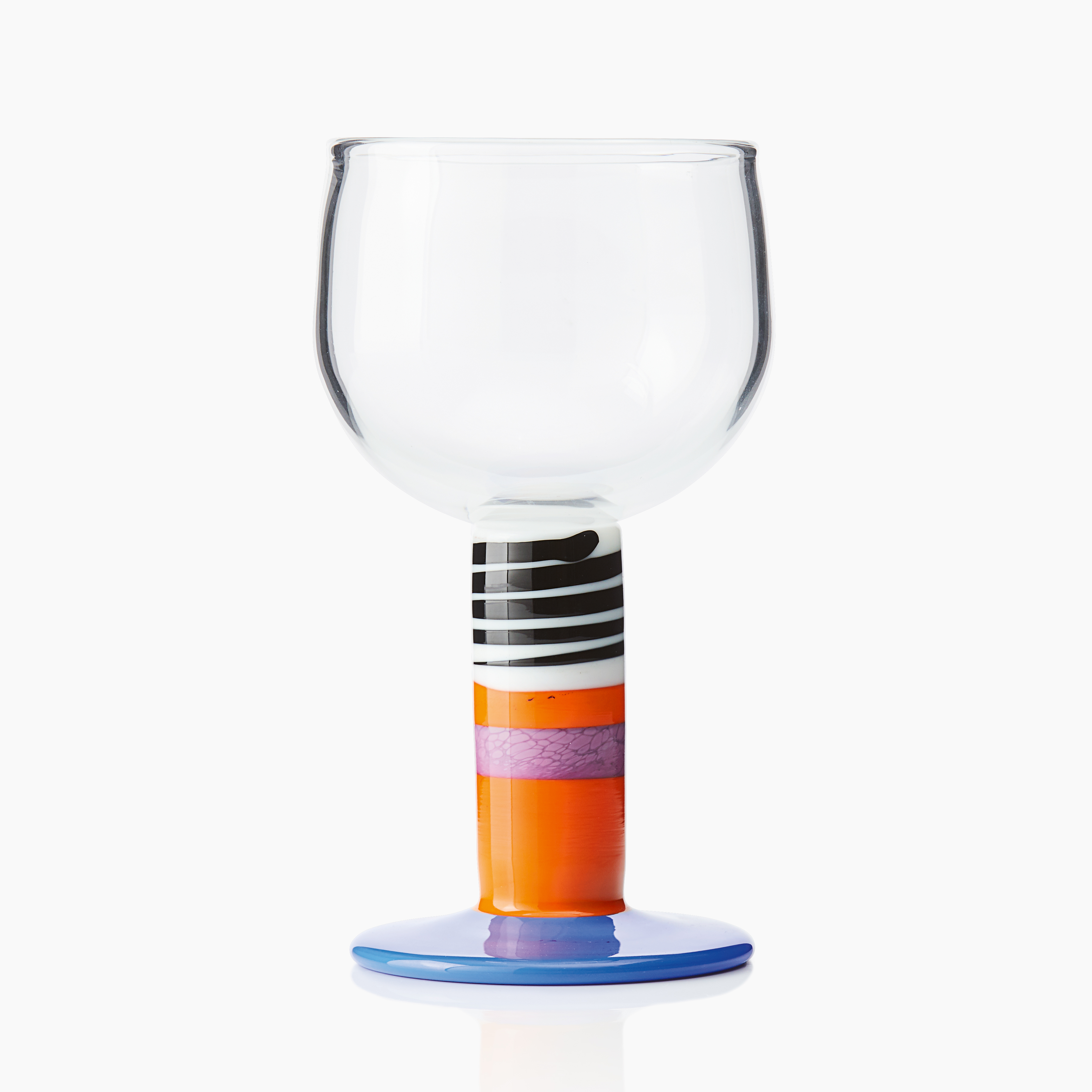
The glass factory in Orrefors tried to attract buyers through Gunnar Cyrén's Pop glass. At Gustavsberg's porcelain factory, Stig Lindberg produced the popular Berså tableware, which became one of the most popular tableware sets of the 60s. Another feature of Gustavsberg's porcelain production was Margareta Hennix's pot, decorated with the Swedish flag and the text 'Hello Sweden, good morning'.
Want to know what your design objects are worth? Value your items with Value My Stuff
The organic forms from the 1950s were replaced in the early 1960s by a more strict and angular design code. A clear example of this is the pyramid-shaped telephone Ericovox, which was designed by Magnus Ahlgren, Torbjörn Olsson and Sven Silow, for LM Ericsson.
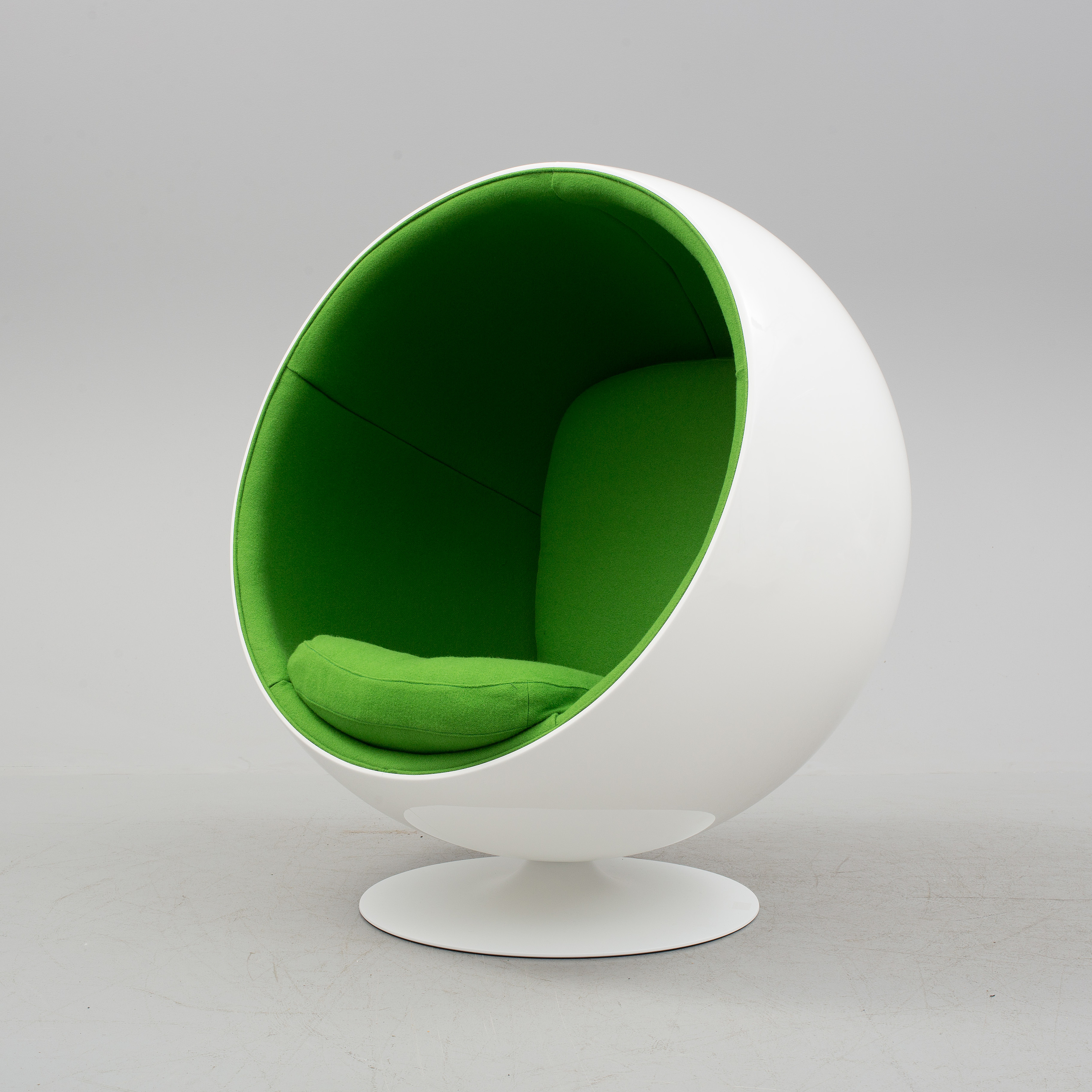
The 1950s admiration for Danish design and teak furniture shifted in the 1960s to Finnish design, with an increased interest in light woods. The shapes were often tight and geometric, and new materials such as chipboard, plastic and steel pipes became increasingly popular. Börge Lindau and Bo Lindekrantz designed early tubular steel furniture such as the Royal and Ritz chairs. David de Mayo produced the sleek Rio chair in fibreglass-reinforced plastic with a metal base. Finnish designer Eero Aarnio designed the classic armchair Åskbollen in the early 60s. It was given a spherical shape and was made of fibreglass-reinforced plastic.
See also: 10 Ingenious Chairs: Design Classics of the 20th Century
The popularity of plastic continued to increase. The new plastic material melamine was known for its hardness and resistance to light and heat. Stig Lindberg's Fontana water jug and Sigvard Bernadotte's Famos jug were made from this plastic. One of the earliest established design offices in Scandinavia was Bernadotte & Bjørn. Sigvard Bernadotte had been in the USA a few years earlier and had been inspired to start a design company. He designed a range of products for the home, such as the Röda Klara can opener and a plastic picnic set.
The head of NK's interior design studio, Lena Larsson, became a central figure in the debate of quality vs. quantity in Swedish design. The term 'quality', she believed, meant variety and change, and stood for the youth's new need for consumption. Ideas of 'buy, wear and throw away' were imported from the USA and became reflected in advertising – which attracted a new demographic of buyers. The breakthrough of plastics affected this 'wear and tear' society and created a perception that it was the solution to all problems. If you were tired of something, all you had to do was get a new one. Housewares overflowed with colourful plastic and disposable items such as cardboard plates and plastic cups.
See also: The Woman Behind One of the World's Most Famous Patterns
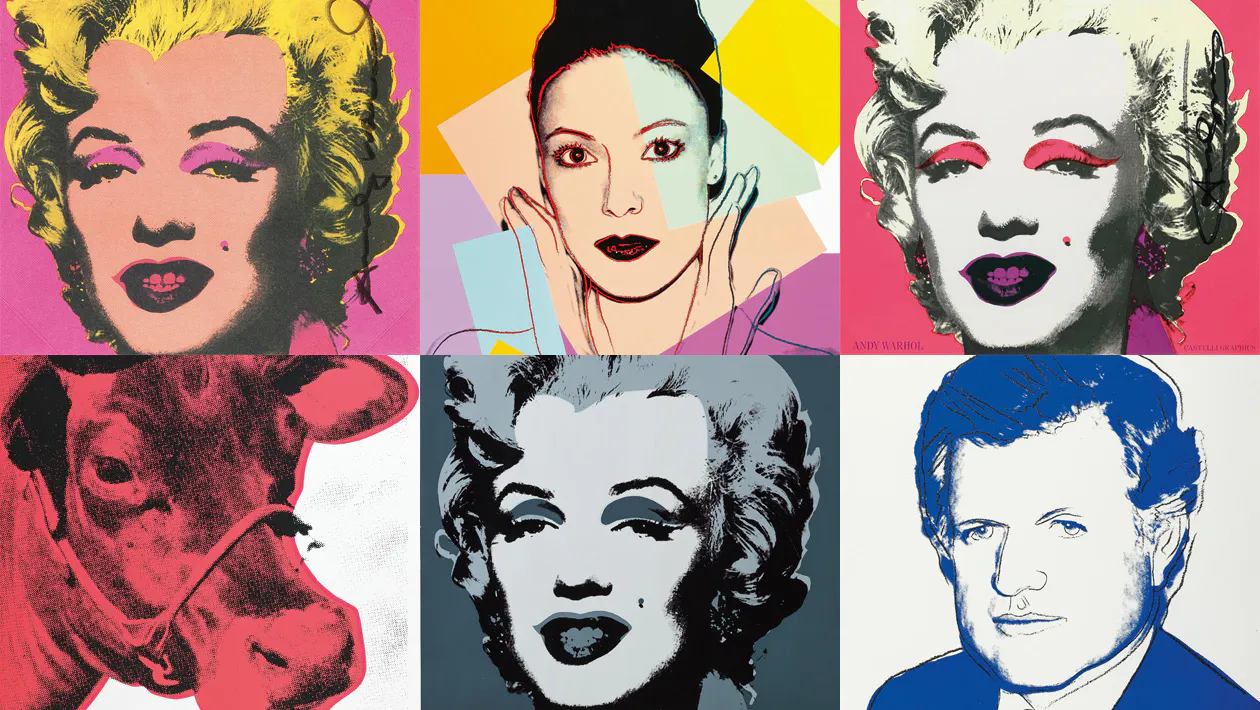
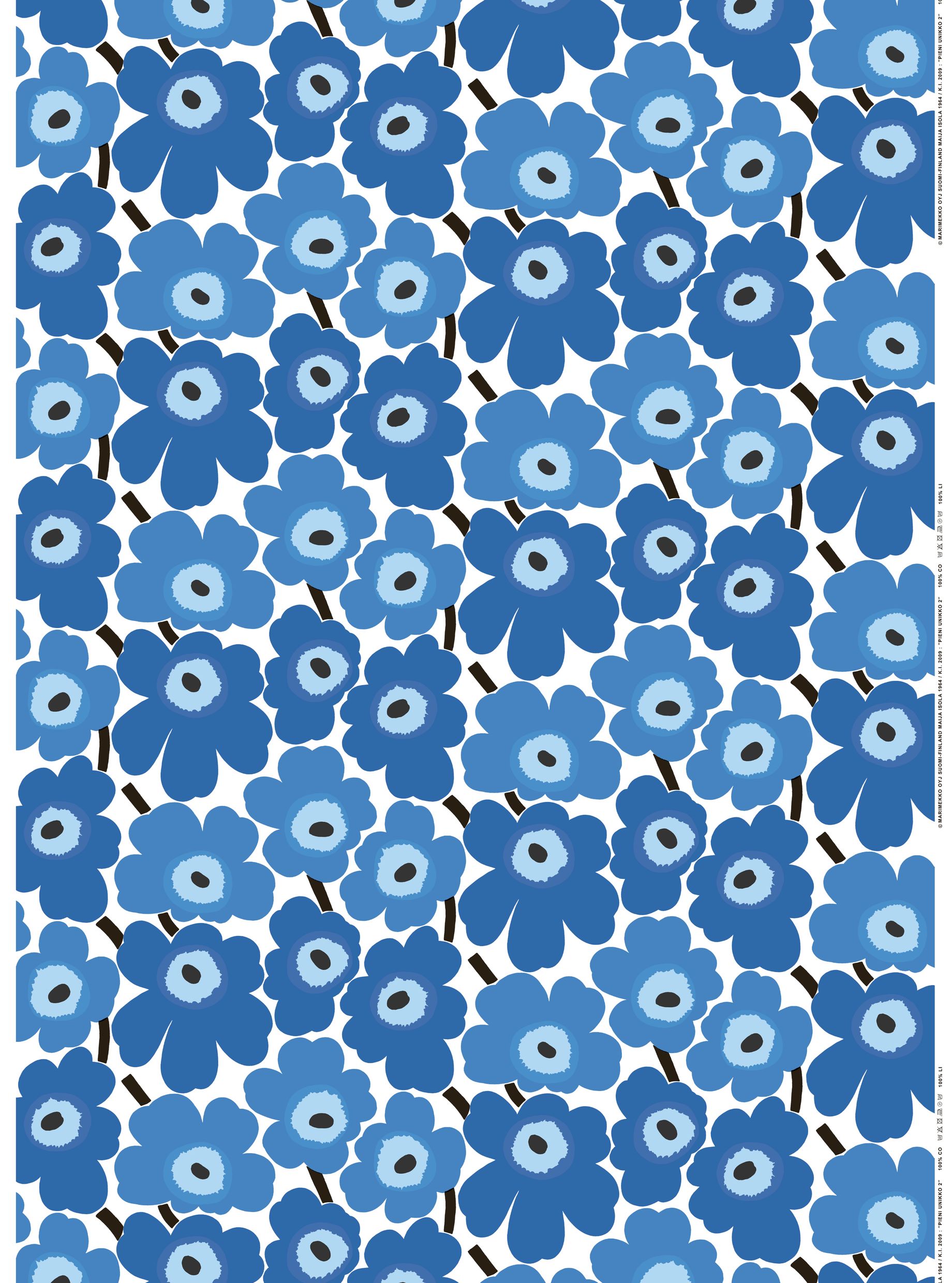
The textiles came during the 60s as a move away from the previous ideals of strict geometry. As Pop Art came along, fabrics of a more imaginative nature began to be noticed, such as Gunila Axén's textile print Clouds and KF Interiors' pattern Swan. Traces of a common aesthetics were also starting to feature, for example in Inez Svensson's textile print Camelot. Finnish Marimekko started designing in the 50s, but it wasn't until 1960, when Jacqueline Kennedy wore their dresses during the presidential election in the United States, that they got their big break.
The 1970s
More and more artisans opened up their own workshops in the 70s. One of them was Stig Lindberg's student Åsa Brandt. She opened her own glass kiln so that she could freely express her artistry in glass design. Ulla Forsell followed with his own glass factory in Södermalm and Anders Wingård opened his cabin in Skåne. The design code of glassware went in a more rustic direction and, in contrast to previous decades, the designers now wanted to handle, shape and decorate their works themselves. Their glass was called 'studio glass' and stood in contrast to what was produced in the large factories.
See also: The Top Trends at Auction
The importance of textile art grew during the 70s to take on a more prominent role in public art. From the 1970s, Edna Martin, who was both the head teacher in textiles at Konstfack University of Arts and the leader of the Handarbetarnas Vänner studio, created emotionally charged textile prints. Martin subverted the previous traditions of prints, which were then focused on furniture and home furnishings. Instead, she began with pictorial textiles, using her monumental textiles to decorate public buildings, such as hospitals. Ingegerd Möller took on the same approach and decorated a school with her Flower Triptych. The fabric was a collage, inspired by nature and the four seasons.
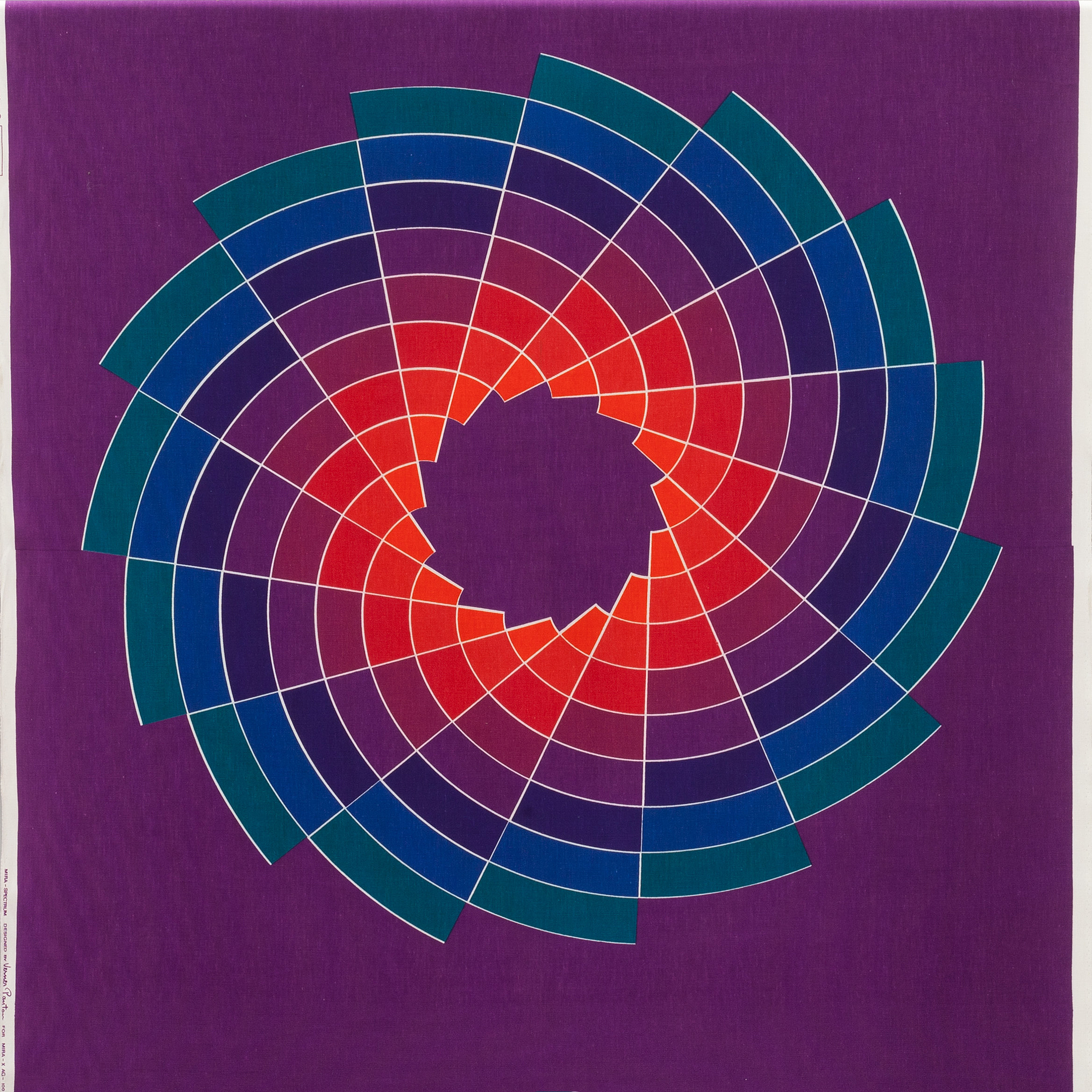
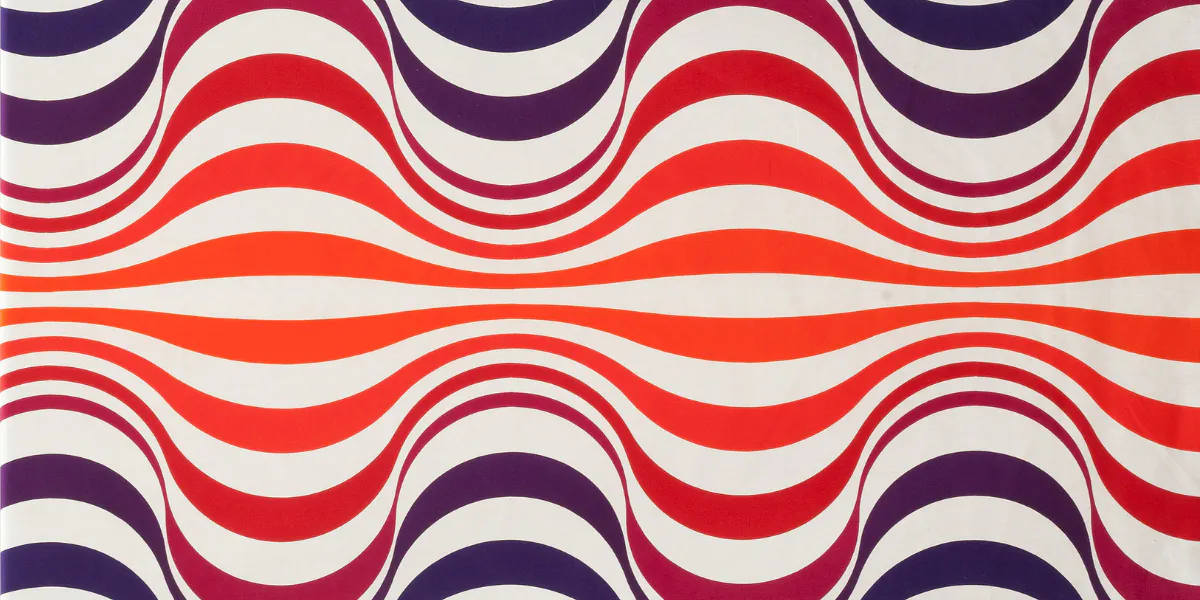
More and more abstract patterns with powerful colours began to be produced, such as the fabrics Stings and Twist, designed by Stockholm's cotton spinning mill. The designers of the '10 Group' also produced powerful patterns on fabrics and objects. Patterns were printed on fabrics to be adapted on unisex fashion. Men, women and children could wear the same collection. There were now basic collections whose fabric would match both furniture, interior design and clothing.
See also: The True Story of the Toucan Lamp
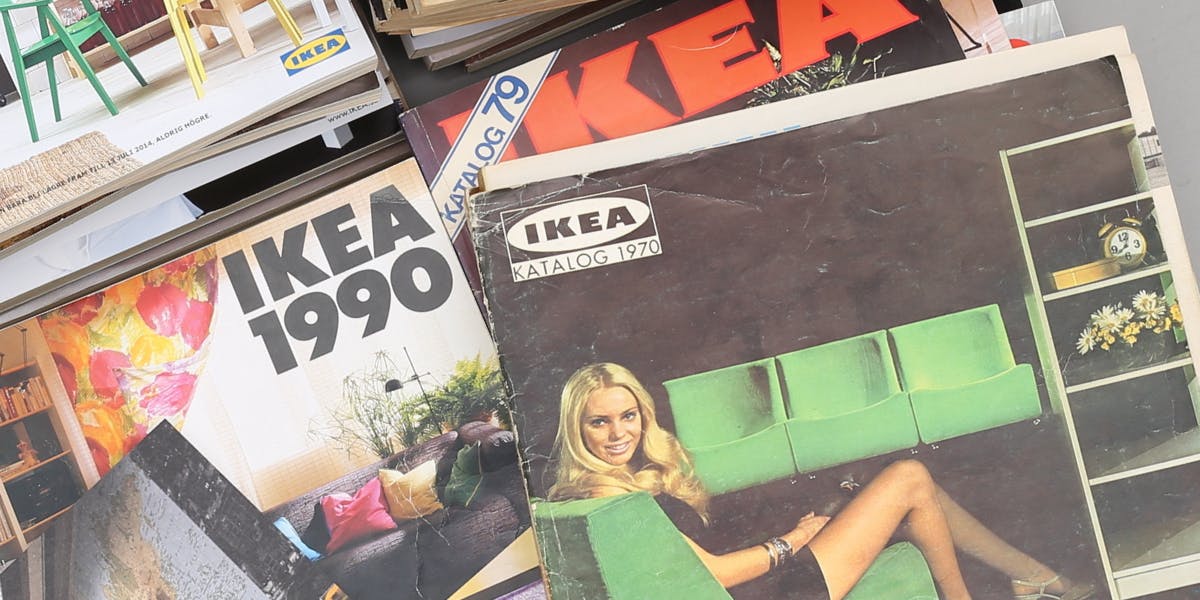
The 1970s are not characterised by a specific style, but by several parallel styles. Interest in cheaper and replaceable furniture grew. At the same time, the furniture industry changed direction and now started designing for different age groups, unlike before, when it was only aimed at different social classes. Sofas and armchairs increasingly began to be supplied with replaceable upholstery, and furniture was adapted to different ages, such as for a teenager's room or a young couple's first home – a concept that Ikea also paved the way for.
Want more articles like this delivered straight to your inbox? Subscribe to our free newsletter
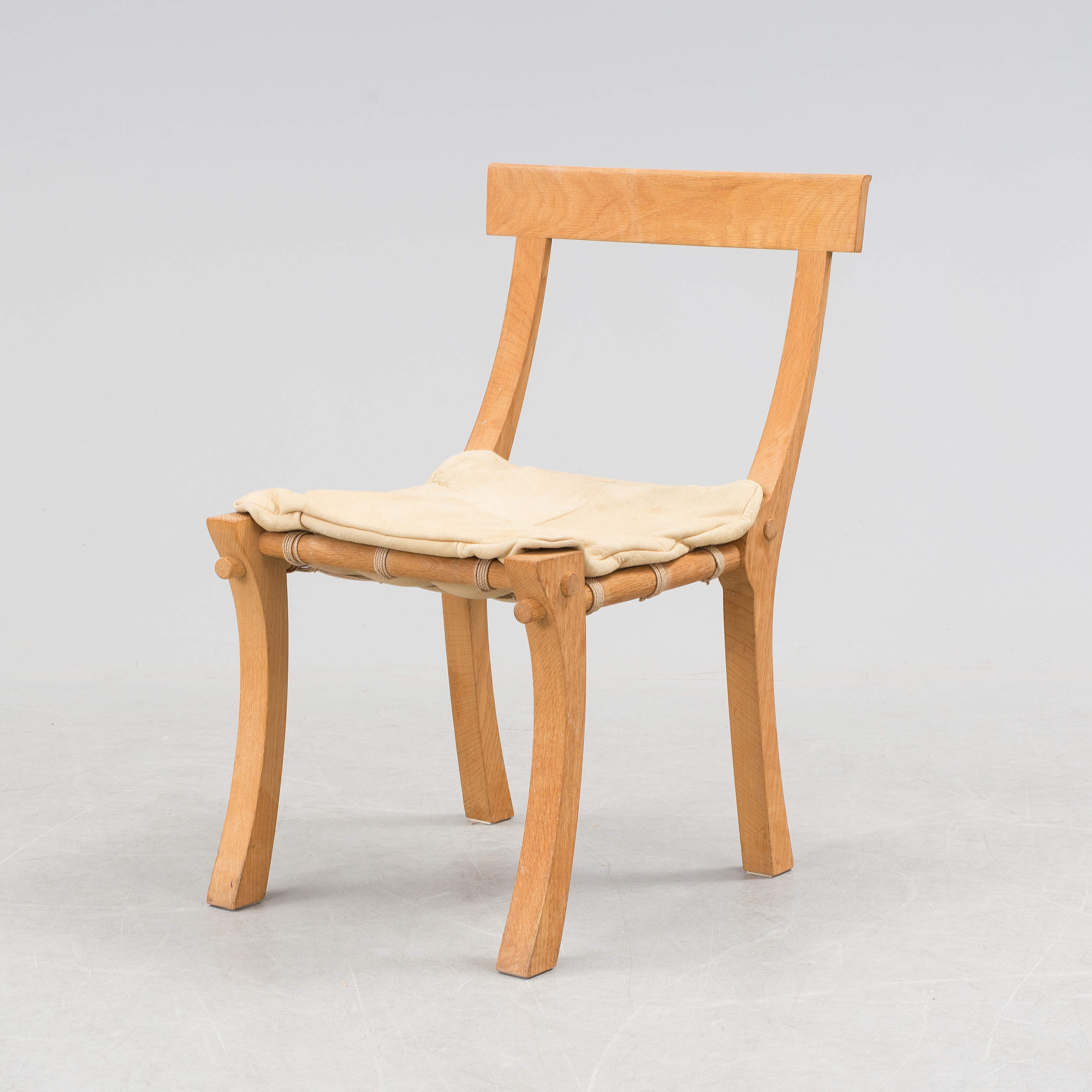
Within the furniture industry, one could mainly discern two paths: one went towards pine, carpets with home-made chipboard furniture. The other path revolved around an increased interest in older craft traditions and quality. An increasingly developed furniture manufacture began during this time. Åke Axelsson's chair Greece was a reaction against industrialisation, while also being quite simple to construct, and thus cheaper to produce.
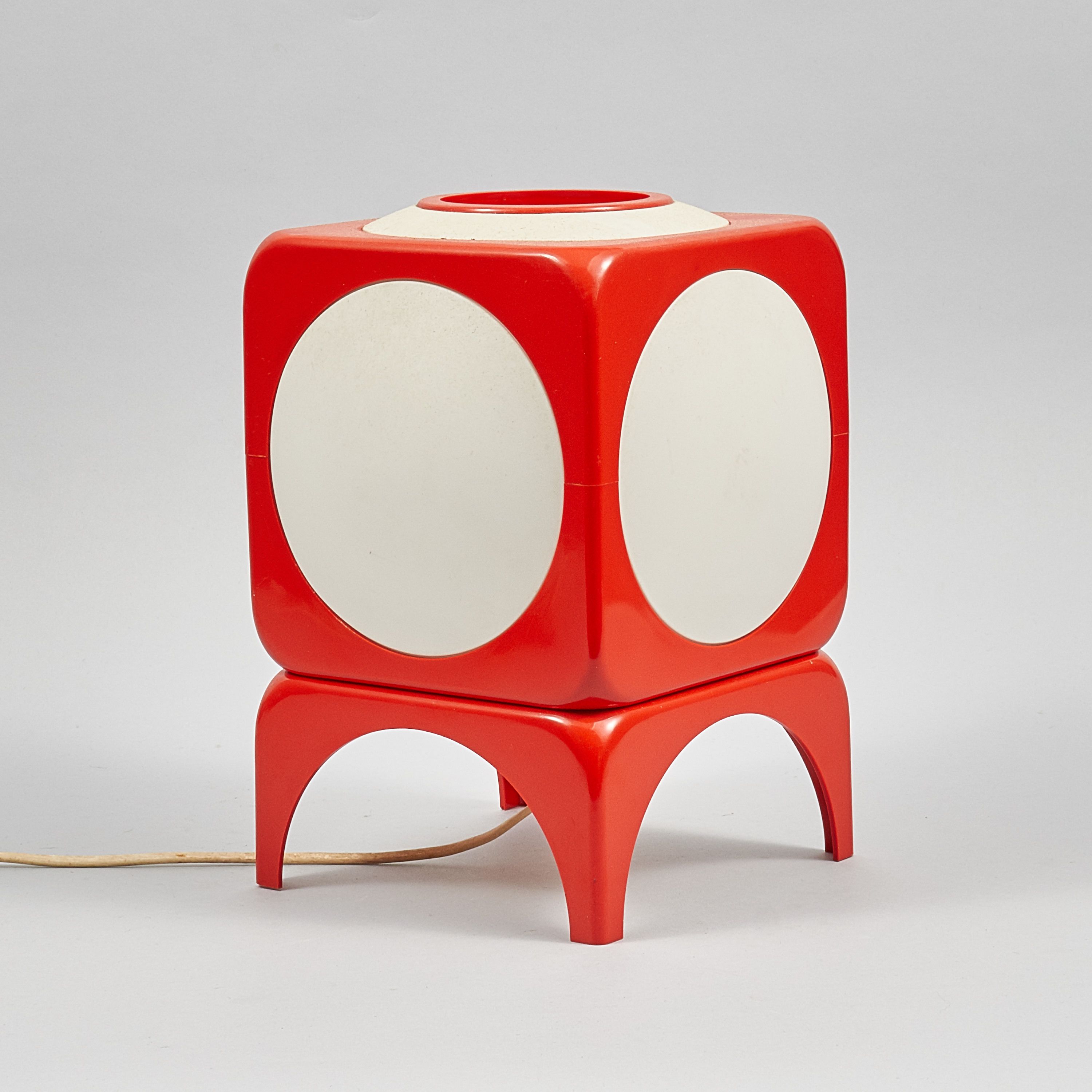
In furniture design, one could see a clear trend of muted shades of orange, brown and dark green. There was more and more investment in basic furniture, with the Swedish Cooperative Association leading the way. The principle was that furniture should be functional and durable. The table could, for example, be combined with an insert table and become larger. The sofa had a visible wooden frame, and people could sew their own upholstery for it.
These 70s pieces of furniture are today sought after in the second-hand market. This is also the case with the porcelain from the 50s and the glass from the 60s. In 2013, nine plates from Stig Lindberg's Löja series were sold for £2,142, 425% above the estimated price. Eero Aarnio's objects are also successful at auction – in 2005 his Åskbollen armchair was sold for the record sum of £9,840