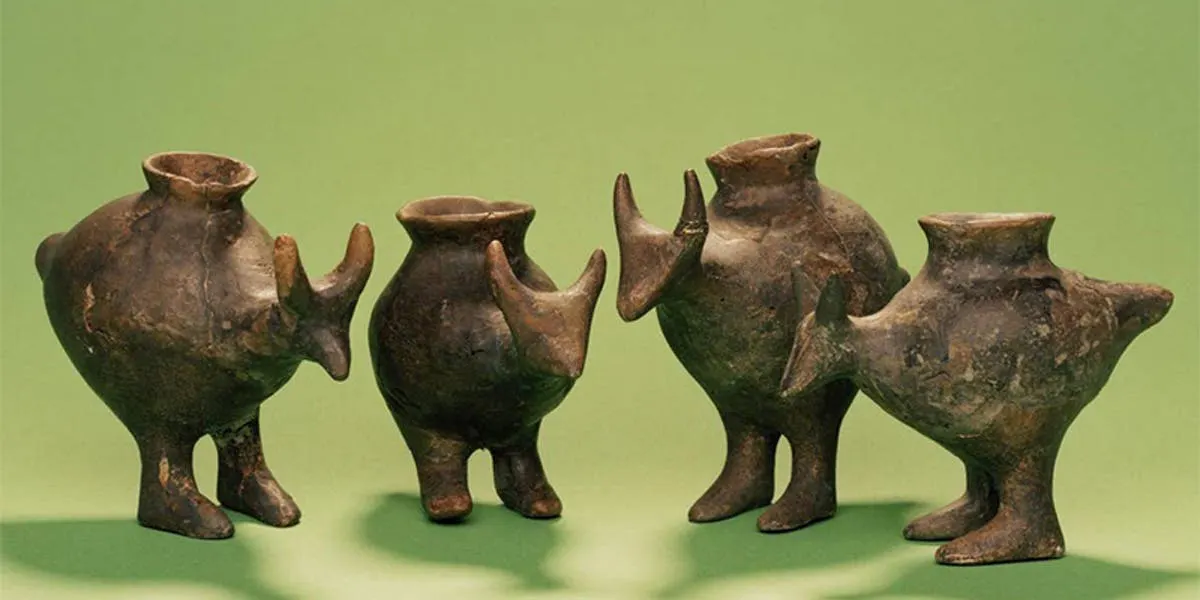
A bottle was found in a Bronze Age (c. 1200 BC) child’s tomb that is an appropriate size to be held in a child’s small hands, and has a narrow tip to easily sip liquid. According to researchers at the University of Bristol, the vessel contains residue of animal milk, which further supports this interpretation of the object’s purpose.
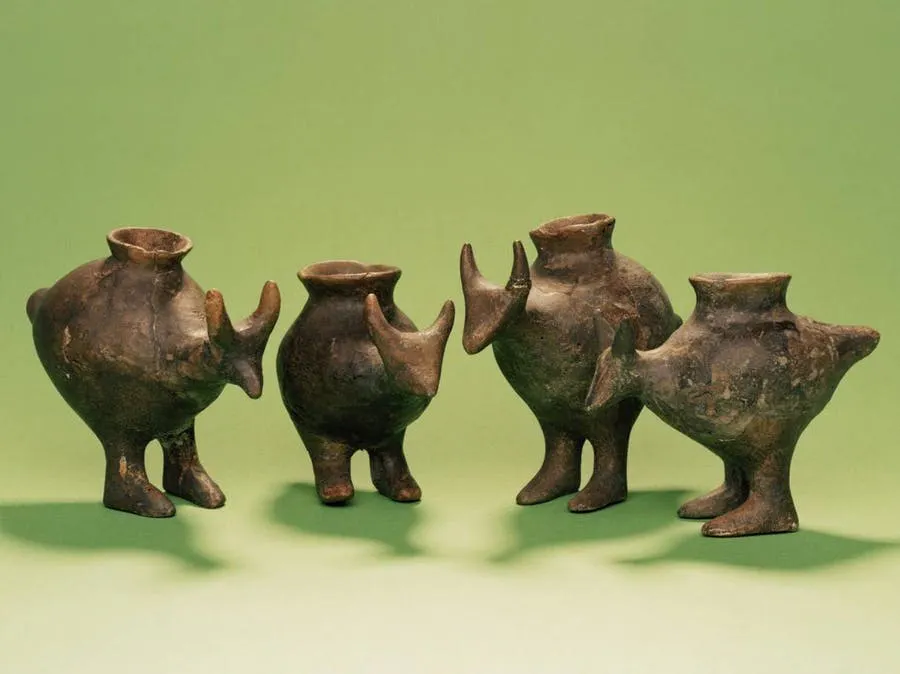
This discovery provides the first scientific evidence that prehistoric babies drank animal milk when not breastfed by their mothers. Dr Julie Dunne, the researcher at the head of the project, told The Independent, "[The bottles] look like little mythical or fantastic animals. It's a testament to the creativity and playfulness of the people who made the bottles."
"When you see how touching and funny they are, parents were probably amused when they gave them to babies. This really shows us that these prehistoric parents lavished love and attention on their children, they really cared about them."
Researchers do not rule out the possibility that their ancestors from the Neolithic could have used similar bottles several thousand years ago. According to Dr Dunne, additional analysis will be needed to confirm this theory.
Giving animal milk to infants could have been used to combat periods of infertility for nursing mothers. Unlike hunter-gatherers, who gave birth about once every 5 years, the first farmers had children at a faster pace, which explains the ‘baby boom’ of the Neolithic period. The manufacture of containers to feed children supports the idea of a massive increase in the population.
Scientists based their research on three bottles found in graves in Bavaria, which housed the remains of children aged zero to six. The ‘beaks’ observed on the containers were so narrow that it was difficult for the researchers to determine their contents, and before this recent discovery, it was thought that they were used to feed the sick or the elderly.
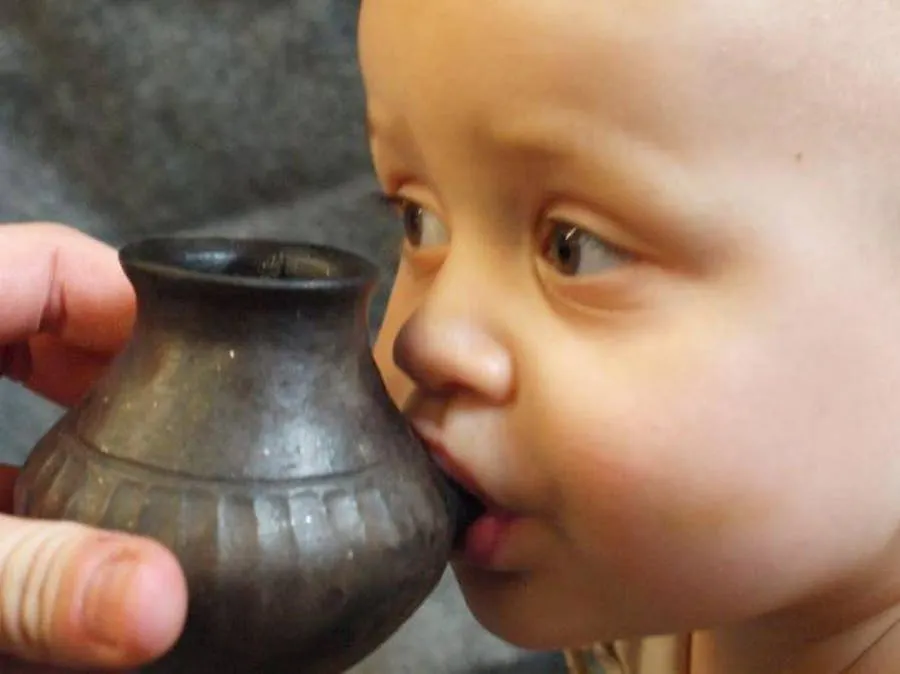
Analysis of the bottles revealed that two of the bottles had been filled with milk from ruminant animals (goats, cows or sheep), while the last contained milk from a non-ruminant (probably a pig).
"Raising babies in prehistory was not an easy task. We are especially interested in the maternal practices of the time, which provide valuable clues as to the survival of babies," said researcher Katharina Rebay-Salisbury of the Institute of Oriental and European Archeology at the Austrian Academy of Sciences. "It's fascinating to be able to see for the first time what foods these containers held," she added.
The Bristol University Scientists' Study provides important information on feeding children in prehistoric populations. Several models of prehistoric baby bottles are currently kept at the Vienna Museum.