Käthe Kruse was born on 17 September 1883 near Breslau (once part of the German Empire, now Poland) as Katharina Johanna Gertrud Simon. After graduating from school, she decided to pursue an acting career; she got her first role the age of 17 at the Lessing Theater in Berlin.
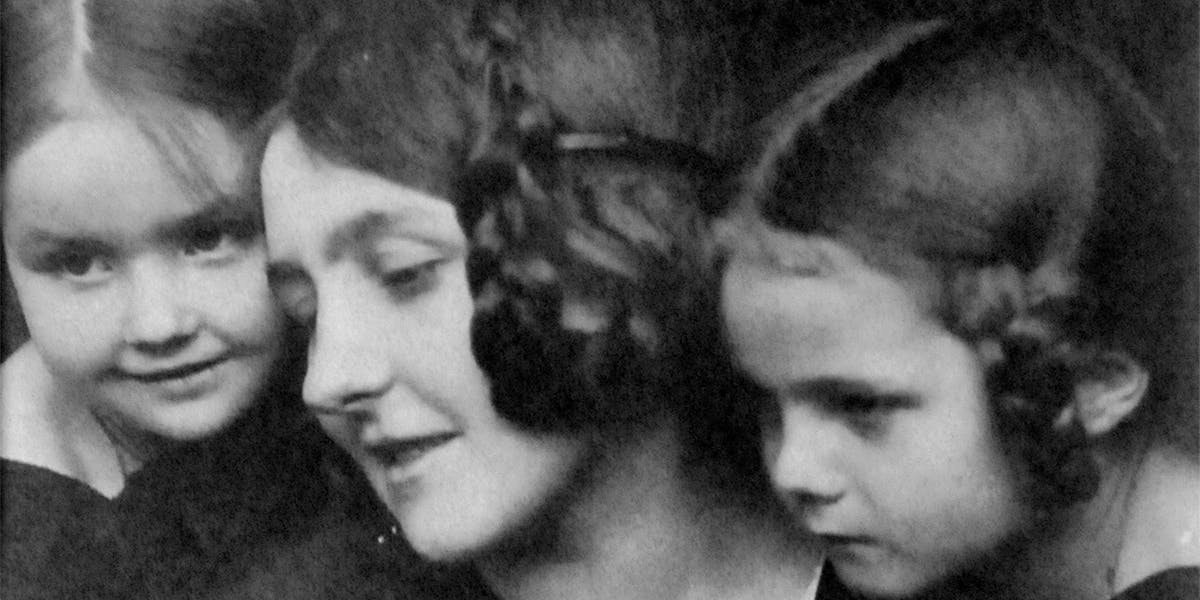
She frequented the capital's artistic and literary scene, where she met the set designer and sculptor Max Kruse. The couple had three daughters, Maria, Sophie and Johanna before they married in 1909.
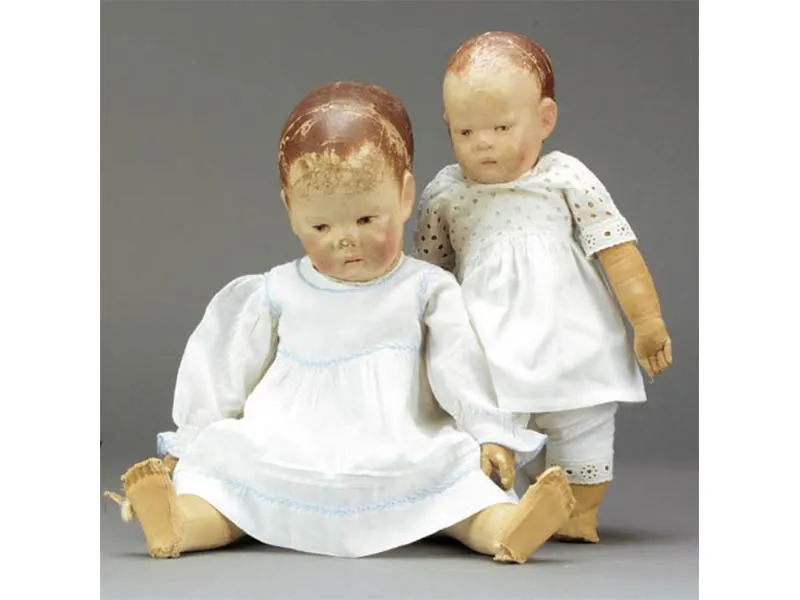
During her second pregnancy, Kruse moved to Tuscany with her eldest daughter while Max stayed in Berlin. At Christmas, however, he visited his small family and when his daughter asked for a doll, he quipped back that they were hideous.
Kruse then began to make her own dolls that were soft and realistic and were supposed to be "a child for a child". In 1910, she back in Berlin and presented her first handmade dolls at a toy exhibition, where they were enthusiastically received.
See also: Porcelain Dolls: Toys Turned Collectables
Worldwide orders followed, including one from the well-known FAO Schwarz children's department store in New York City. The company became so successful that it became necessary to move to a large workshop at Bad Kösen on the Saale River in Germany. A legal dispute with the toy company Bing over the copyright of the Käthe Kruse dolls caused a stir in 1925. The entrepreneur ultimately won the case – the first case over the copyright of a toy.
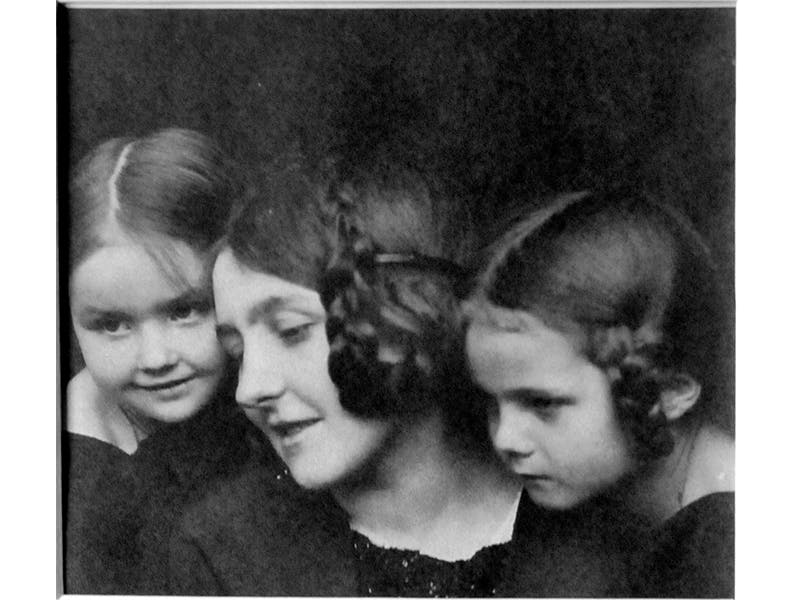
Kruse had four sons between 1911 and 1921: Michael, Joachim, Friedebald and Max. With the doll Friedebald, also called Das Deutsche Kind, for which one of her sons was the inspiration, Kruse brought dolls with real hair onto the market for the first time in 1928. In that year, she also revolutionised window displays by setting up life-size dolls (mannequins) in various settings.
See also: Steiff: The Teddy Bear Empire
In the years of the Second World War, the company had to struggle with considerable restrictions and a shortage of materials. Personal tragedy followed, with the death of Max Kruse in November 1942 and two of her sons killed during the war. When Bad Kösen became part of the Soviet occupation zone in 1950, Kruse relocated the company headquarters to Donauwörth, with another workshop set up in Bad Pyrmont, also in Germany.
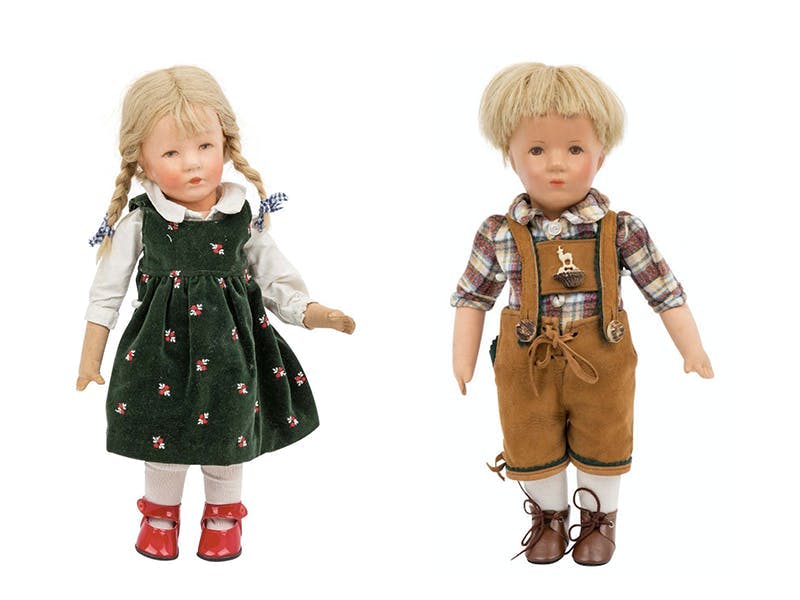
After Kruse retired, her children took over the management of the company, holding onto Käthe's legacy of dolls made of high quality materials and with lifelike expressions, though the company has been since sold. Kruse herself received the Federal Cross of Merit 1st Class in 1956 and died on 19 July 1968 in Murnau am Staffelsee, not far from Munich.
Today, Kruse's original dolls can fetch tens of thousands on the auction market. Her current record was set in 2013 when one of her dolls sold for $65,000 (£47,000) at a German auction house.