
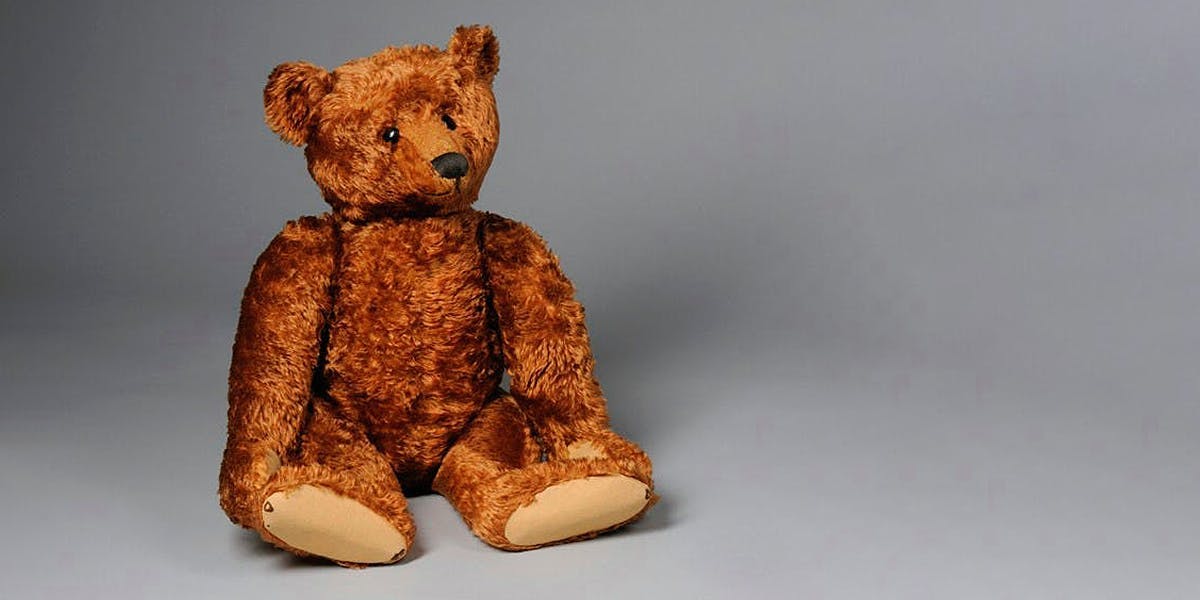
For children, only the best is good enough!
Born in 1847 in Giengen an der Brenz, Margarete Steiff was the third of a family of four children. At the age of 18 months, she became paralysed from the waist down due to a high fever, which was later diagnosed as polio. Despite extensive treatment, Margarete was confined to a wheelchair for the rest of her life. However, a seamstress by training, Margarete worked in the workshop of her sisters Marie and Pauline, which she took over in 1870.
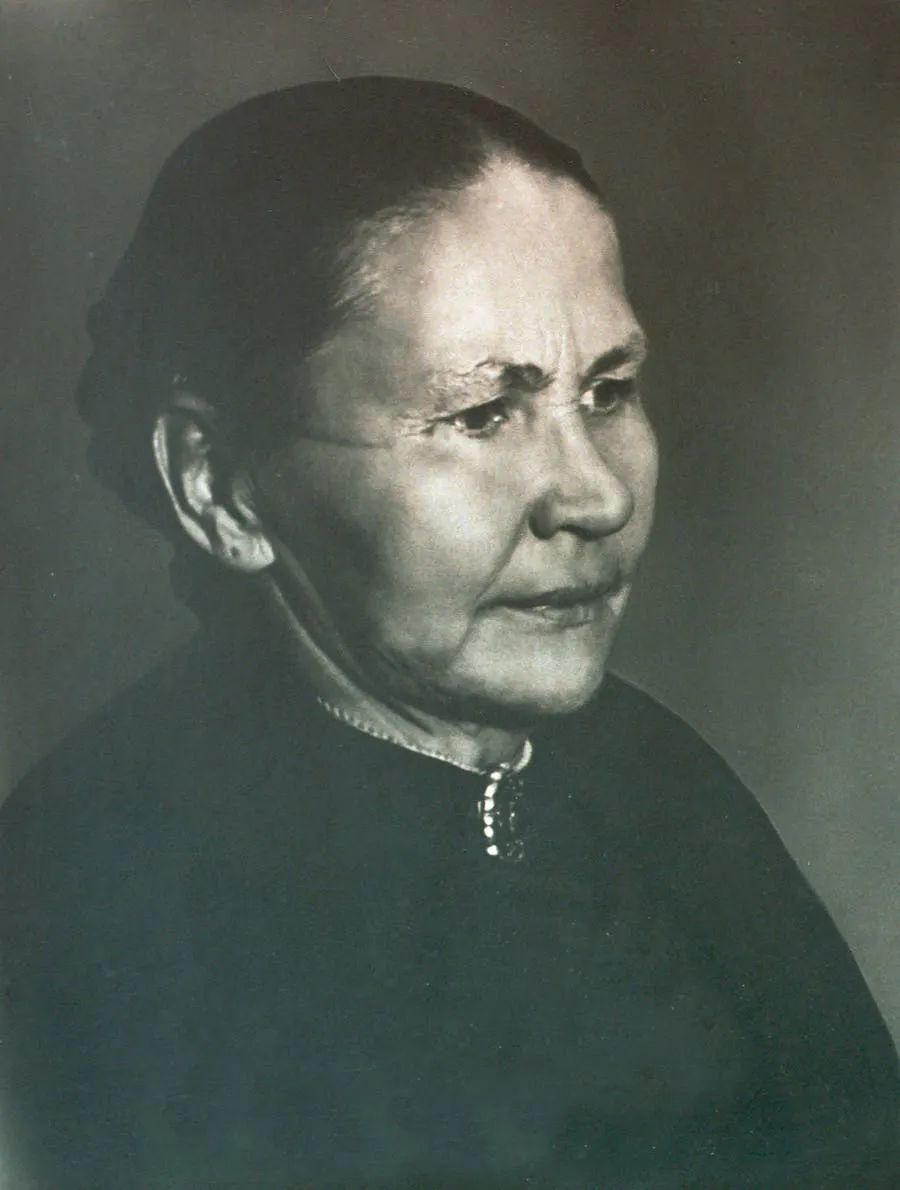
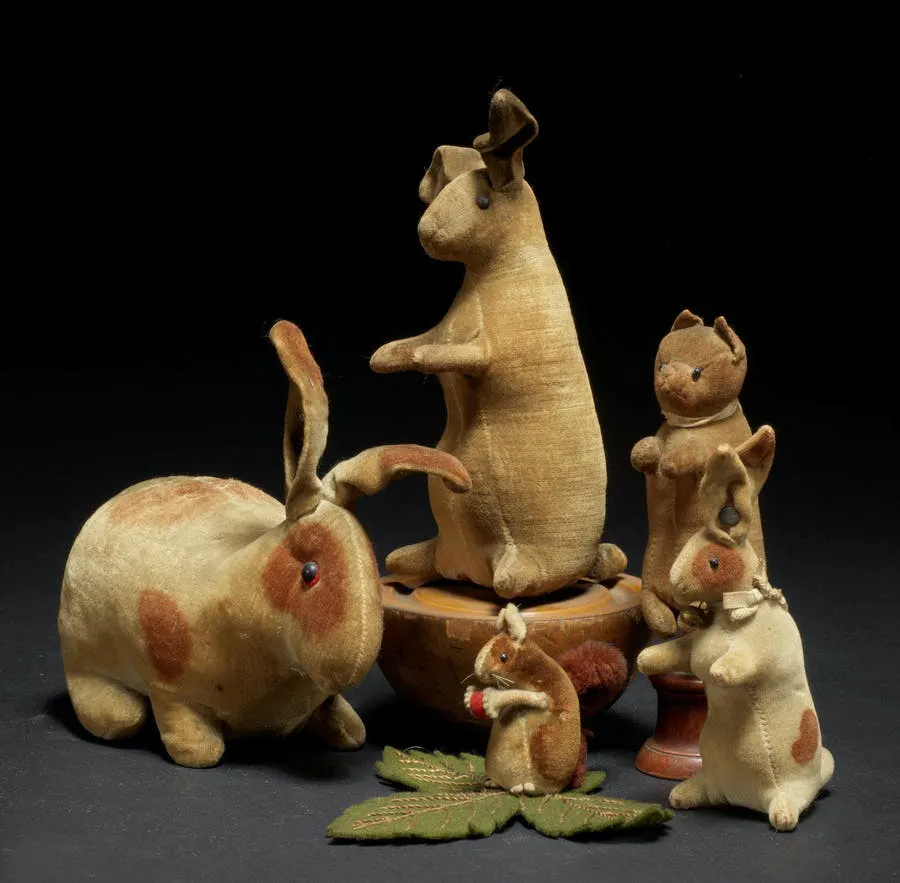
Noting children's interest in a felt elephant pincushion she had once quickly made, in 1879 she decided to specialise in the manufacture of soft toys. After the establishment of Steiff in 1880, the success was immediate. The animals designed by Margarete were of high-quality material and workmanship and the small family business prospered.
See also: Porcelain Dolls: Toys Turned Collectables
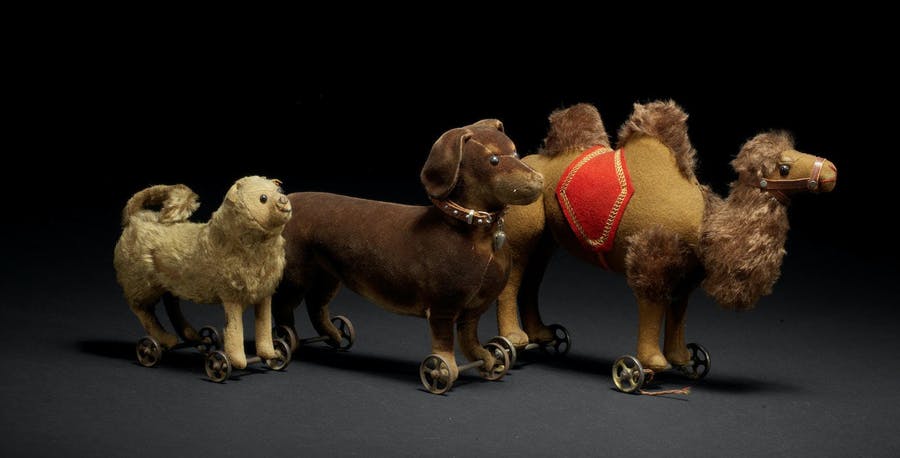
The first Steiff catalogue, published in 1892, already showed the great diversity of animals offered to children. In ten years, stuffed elephants were joined by monkeys, donkeys, horses and puppies. Margarete Steiff's personal motto appeared in black and white in the catalogue: “For children, only the best is good enough!“
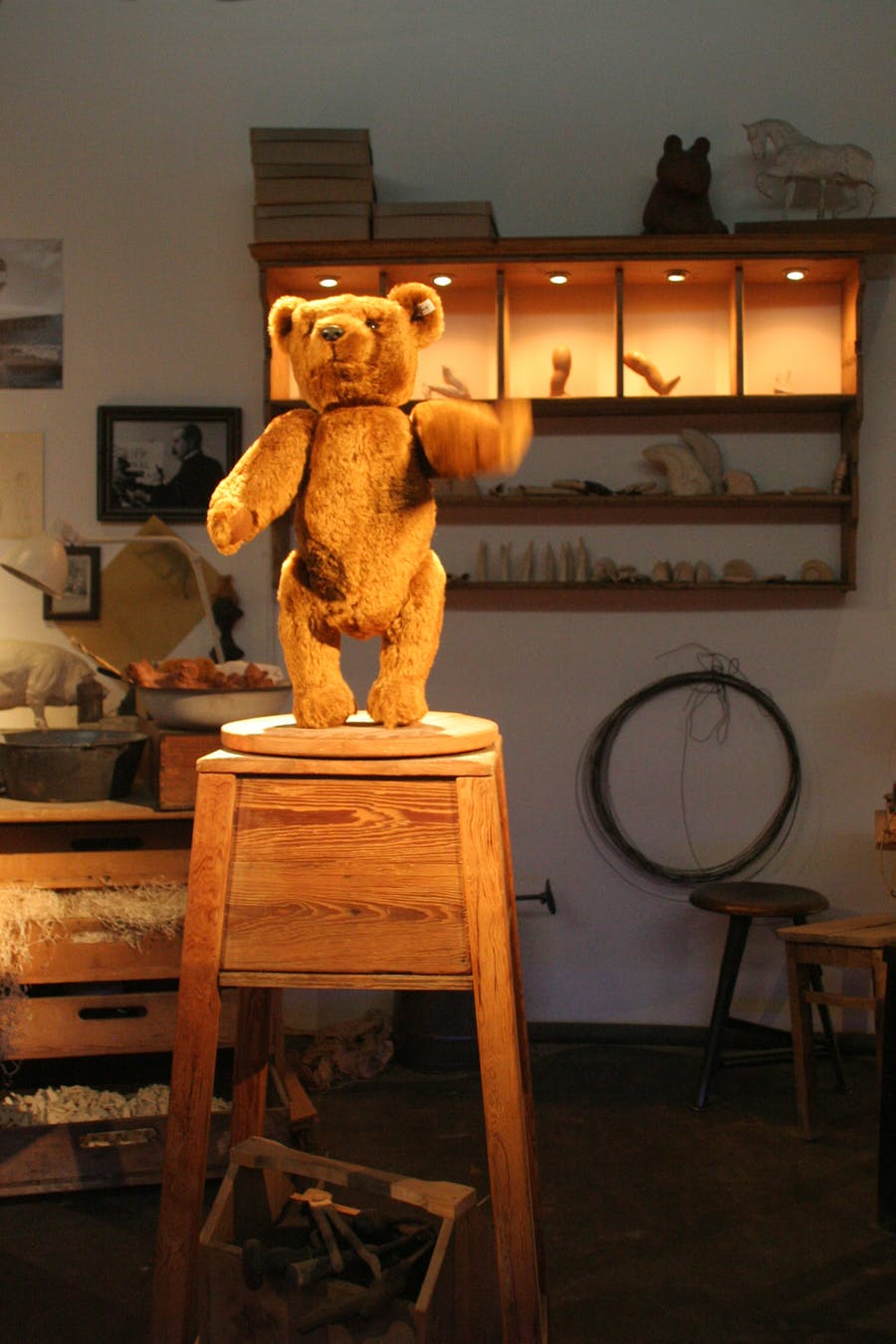
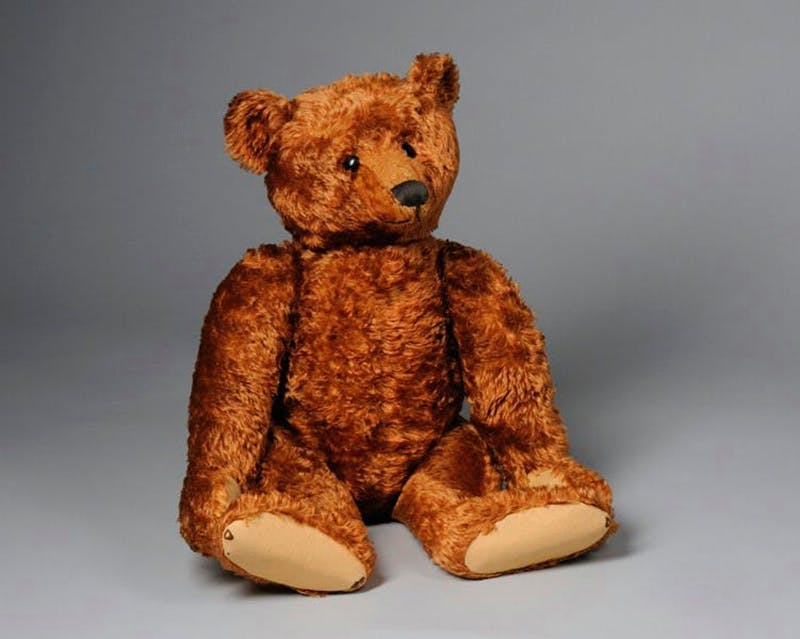
In 1902, Richard Steiff, Margarete's nephew, designed Steiff's first teddy bear, the 'Bear 55PB'. It was the first bear with removable arms and legs and was named 'Teddy' for US President, Teddy Roosevelt. This product was met with phenomenal success, allowing the company to take on a global dimension and a symbolic milestone of one million plush toys sold was quickly passed. At the beginning of the 1900s, the proliferation of counterfeit Steiffs led the family to set up the 'button in the ear' authentication system, a seal of in-house quality that soon become emblematic of the brand.
See also: The Story of the Staffordshire Dog Figurines
The meteoric success of the Steiff company allowed the family to expand the production site. In 1903, the Steiff factory was built in Giengen, a town northwest of Munich, which became an icon of architectural modernism. The glass and iron building, designed by Richard Steiff, was inspired by the Crystal Palace in London, which the young man visited in 1897.
See also: Celebrating 35 Years of Garbage Pail Kids
By 1907, Steiff employed 400 people and 1,800 home workers. In 1909, Margarete Steiff died at the age of 61, and her nephews took over the management of the company.
See also: A Record for the World's Most Expensive Dala Horse
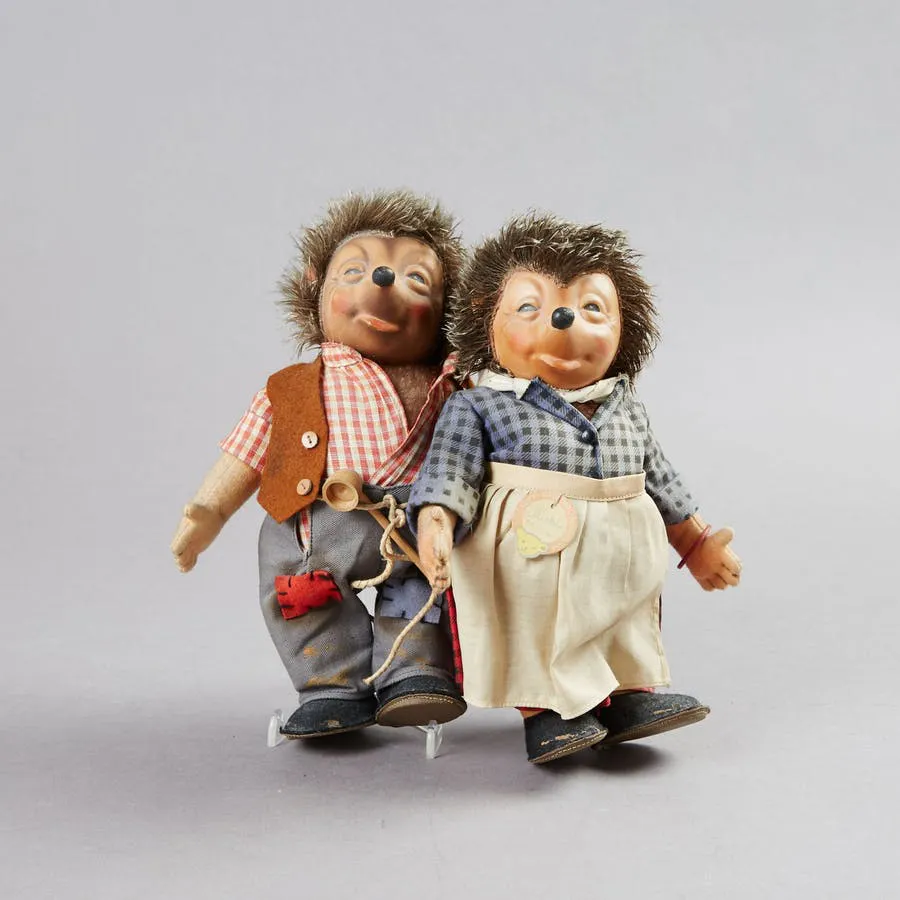
After the Second World War, the company relaunched with the introduction of Mecki, a hedgehog-like character inspired by the dolls of the Diehl brothers. In 1951, Steiff also released Zotty, the classic teddy bear, which was made in different versions of sizes and colours.
The company had a series of commercial successes. In 1997, a Steiff store was opened in Hamburg, Germany and today there are several around the world. Famous designers collaborated with the brand as well, such as American Pop artist James Rizzi in 2002 and Karl Lagerfeld in 2008.
See also: The Godfather of Video Games
In 2005, Steiff celebrated its 125th anniversary by opening a museum on the grounds of the factory. A 125-carat teddy bear was also created in 125 copies, with blue sapphire eyes surrounded by diamonds, priced at $85,000 (£60,000).
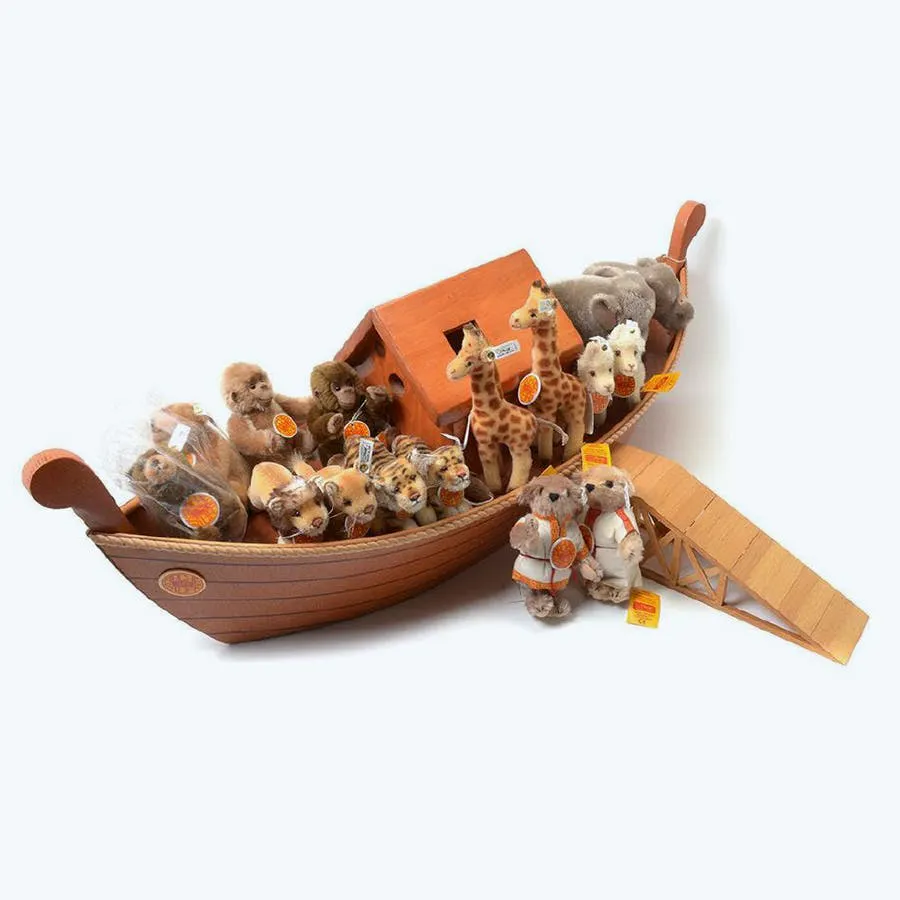
True to its brand image, Steiff continues today to produce stuffed animals of impeccable quality. Steiff uses high quality materials, such as silk, alpaca and mohair, and it takes an average of seven hours to manufacture a Steiff animal.
At auction, Steiff collector's items can fetch exceptional prices, often into the tens and hundreds of thousands. The Louis Vuitton bear, a unique piece, sold for $2.1 million (£1.5 mil) in 2000 at a charity auction in Monaco.


