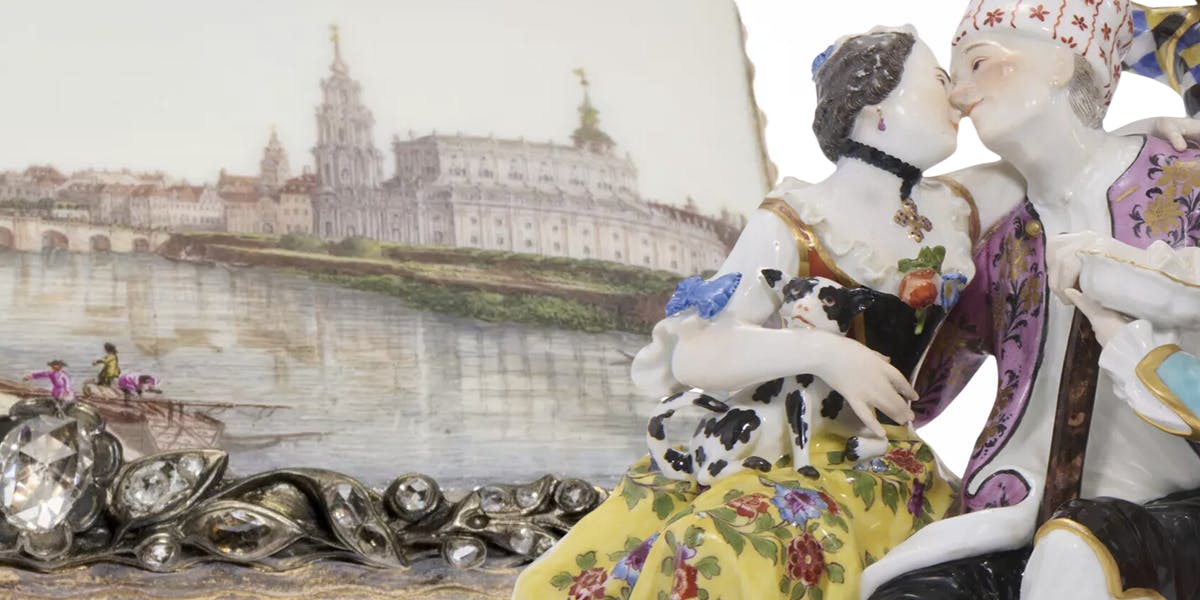
Frieder Burda (1936-2019) is likely the first name that comes to mind when thinking of the Burda family's connection to art. His extensive, first-rate collection of modern and contemporary works has been exhibited since 2004 at the Frieder Burda Museum in Baden-Baden, a spa town in southwestern Germany, run by his foundation. However, Frieder's older brother, Franz Eugen, had a different passion, which is the focus of a dedicated auction at Christie's this month.
See also: Collecting Like a King: Meissen Porcelain 101
In the 1960s, Franz Eugen Burda (1932-2017) began collecting 18th-century Meissen porcelain, Saxony’s "white gold". Over the next 40 years, he focused on figurines and snuff boxes, building one of the most remarkable private Meissen collections. His collection included works by renowned modellers such as Johan Joachim Kändler, Friedrich Elias Meyer, Johan Friedrich Eberlein, and Peter Reinicke.
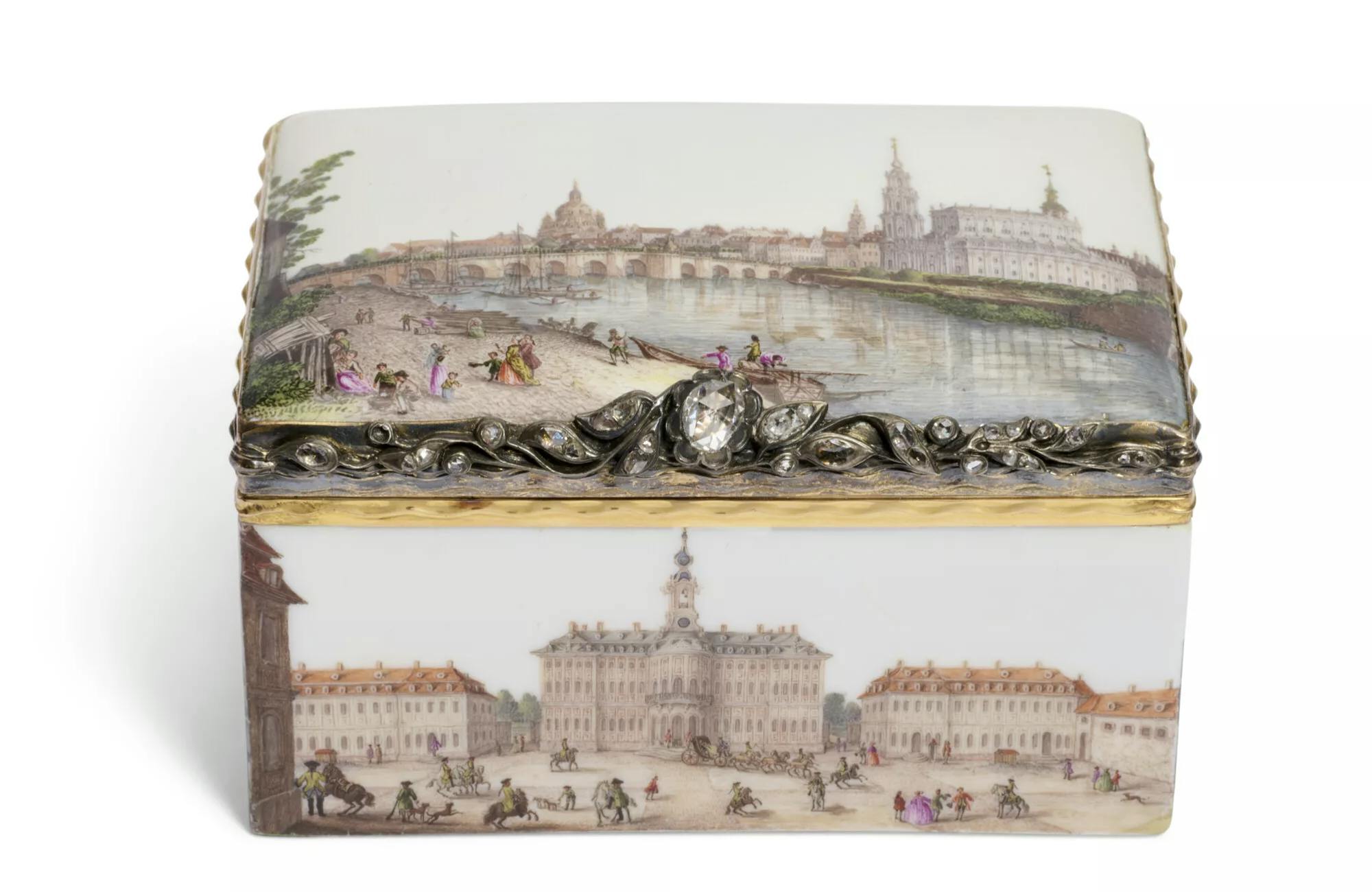
The standout piece among the snuff boxes, which were frequently used as diplomatic gifts, is a diamond-encrusted box adorned with views of Dresden on the outside and Warsaw on the inside. This design reflects the fact that the Saxon electors were also elected kings of Poland from 1697 to 1763. The fleurs-de-lys and laurel wreaths suggest that this exquisite item was intended for the Bourbon court in France. It is possible that Princess Maria Josepha of Saxony received the box as a gift when she married the French heir to the throne in 1747.
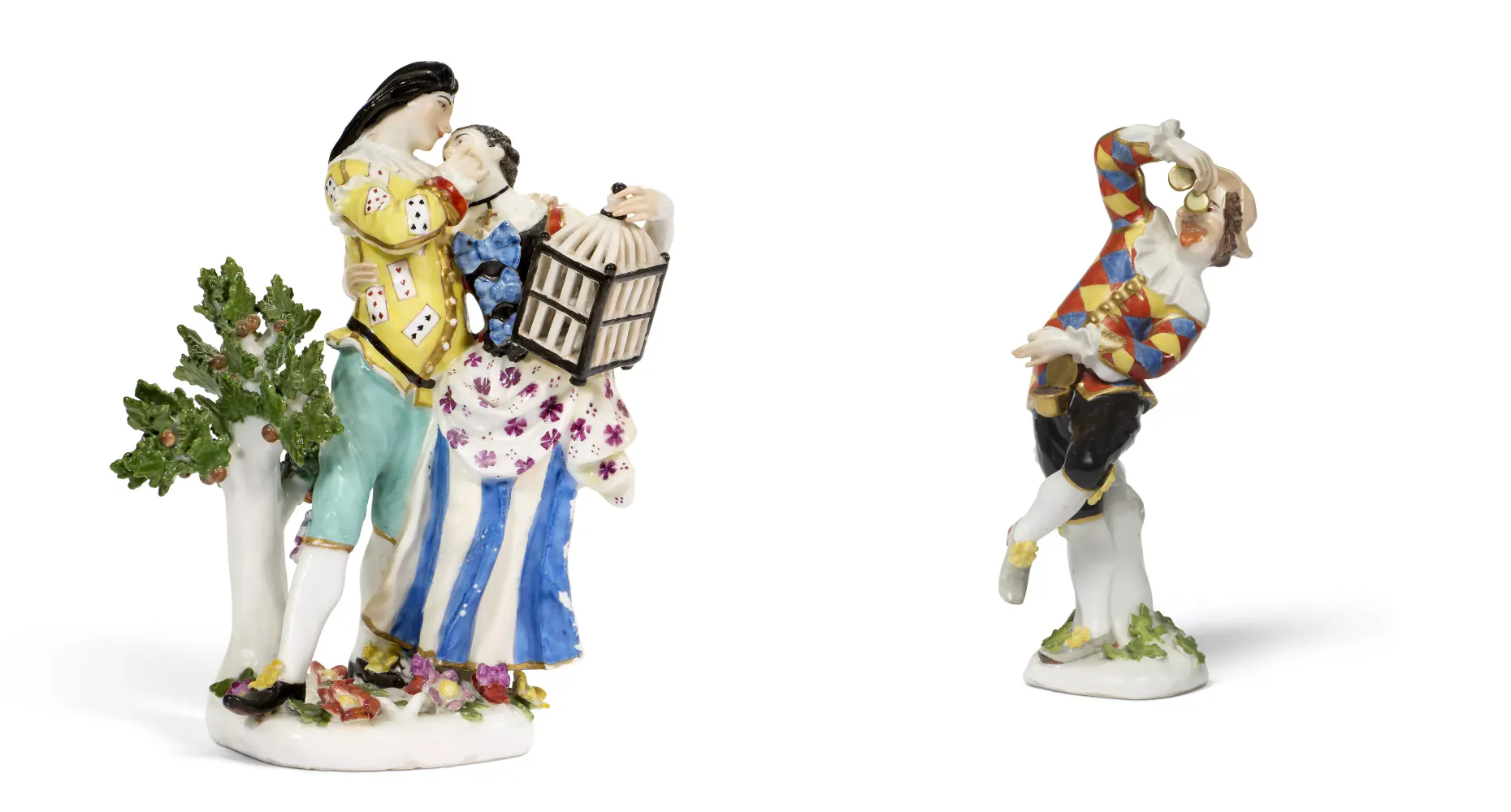
The porcelain figures that Franz Eugen Burda used to display as conversation pieces at festive table settings come from two significant Meissen series from the mid-18th century: Commedia dell’Arte and Cris de Paris.
See also: The Mystery of Meissen's 'Lady of the Order of the Pug'
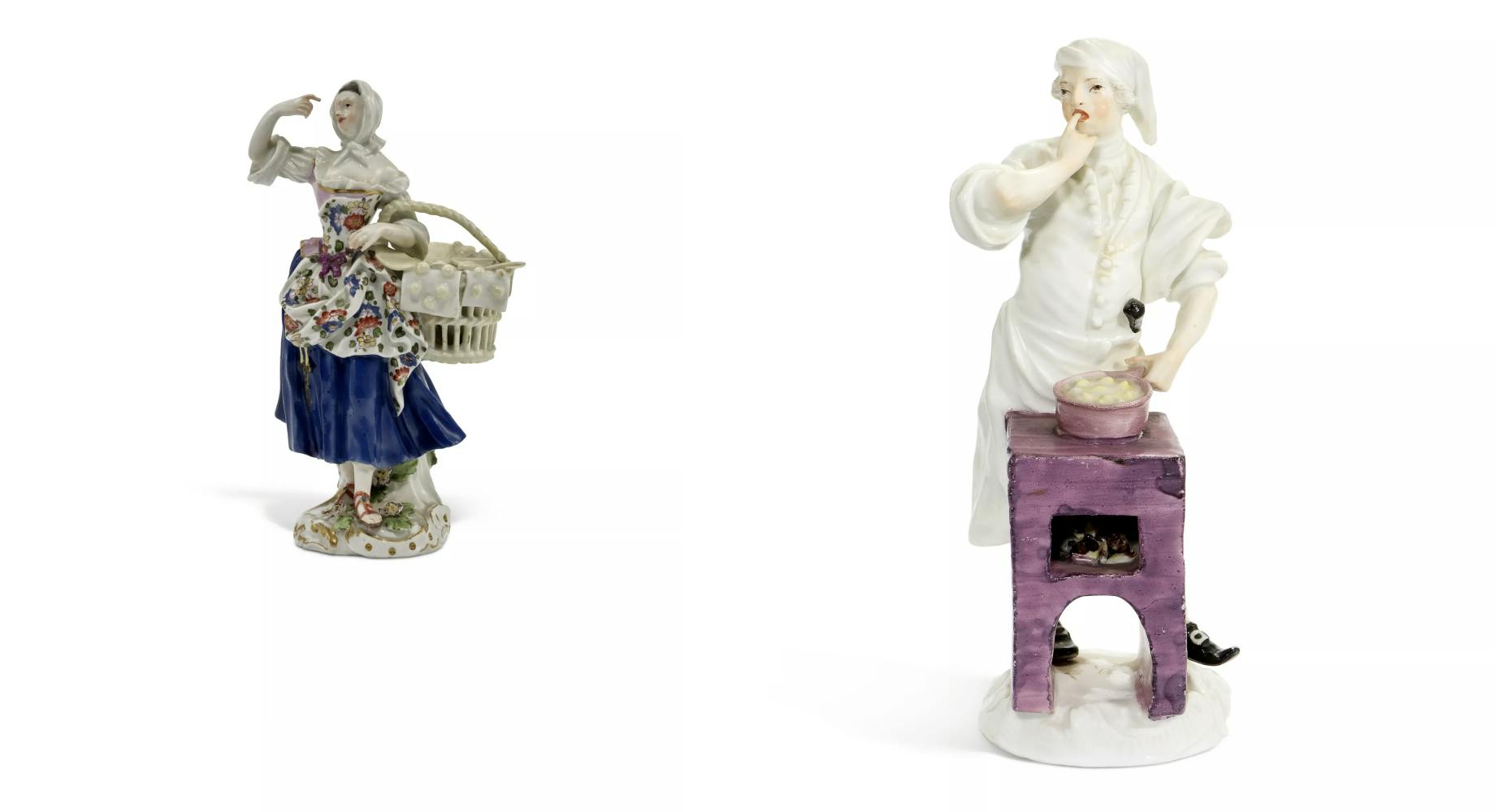
For the Commedia dell’Arte series, the figures were inspired by the humorous and satirical characters of the theatre troupe of the same name, which gained popularity in Dresden after being banished from Louis XIV's court. The Cris de Paris series includes two sets produced in Meissen, with the second set beginning in the early 1750s. This series features a variety of street vendors from Paris, including a pie seller and a cook.
Want more news like this straight to your inbox? Subscribe to our free newsletter!
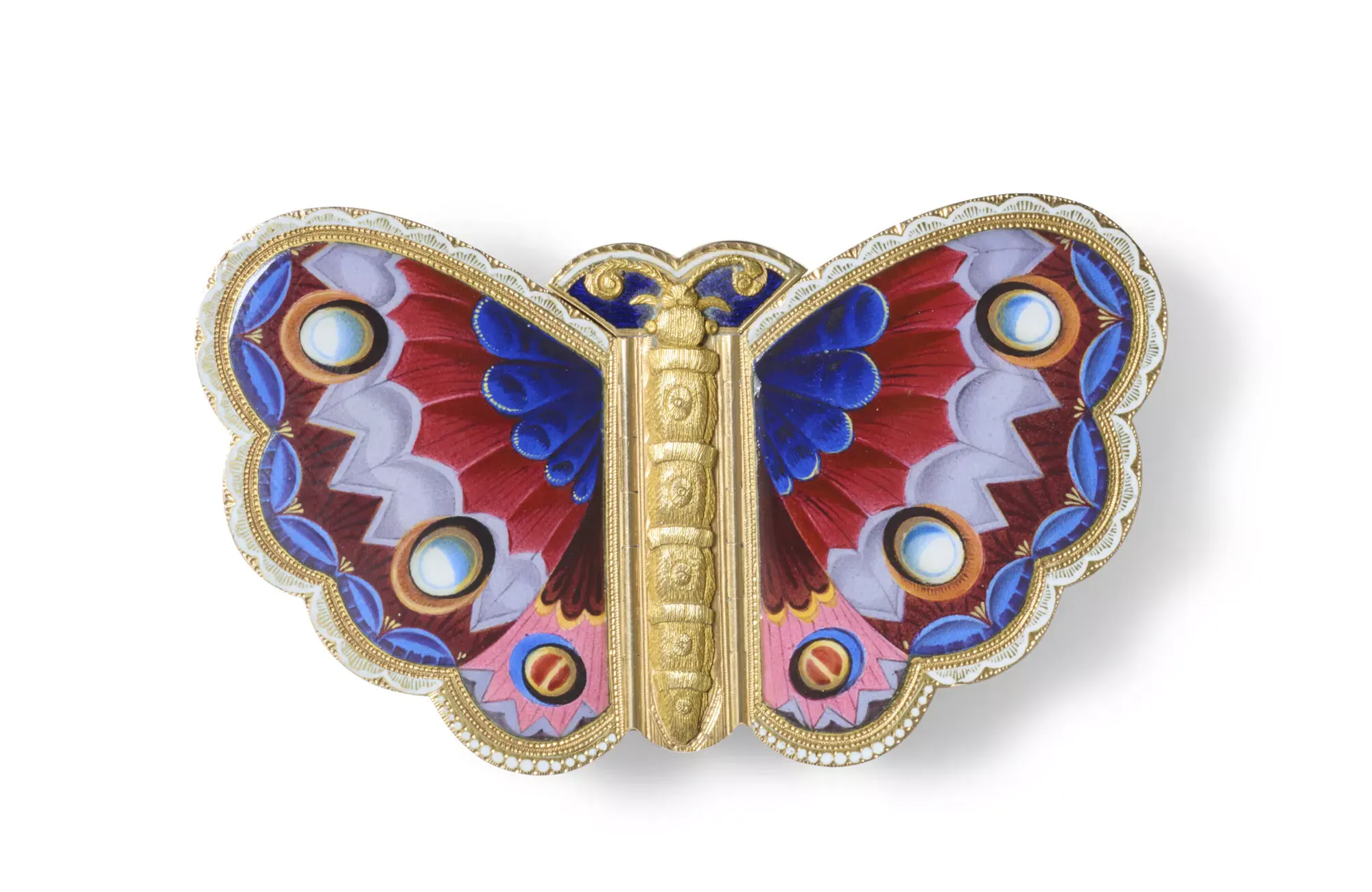
Not all of the items in the collection are from the Meissen manufactory. For example, there is a Swiss snuff box shaped like a butterfly with a music box, created around 1815 for the Chinese market.
Christie’s London will present the Franz Eugen Burda collection in an online auction from 11th to 25th September.