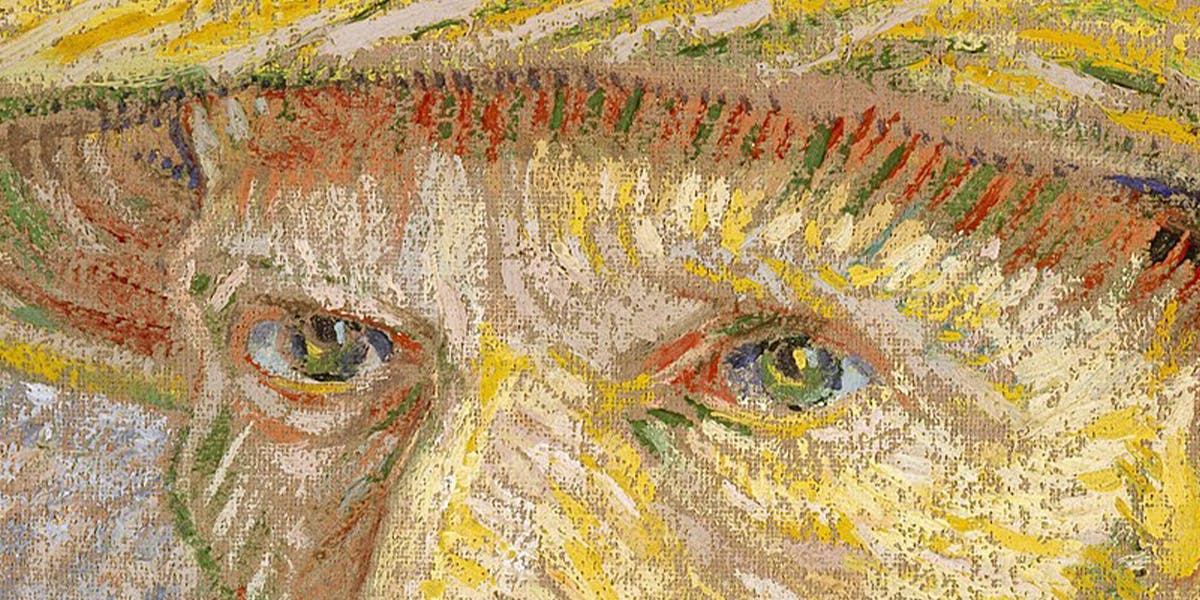
When I know your soul, I'll paint your eyes.
American writer Ralph Waldo Emerson once said that eyes "speak all languages". The eyes are undoubtedly the most expressive elements of a face, and this has inspired artists since the dawn of time.
See also: Symbolism: Europe’s Mystical Art Movement
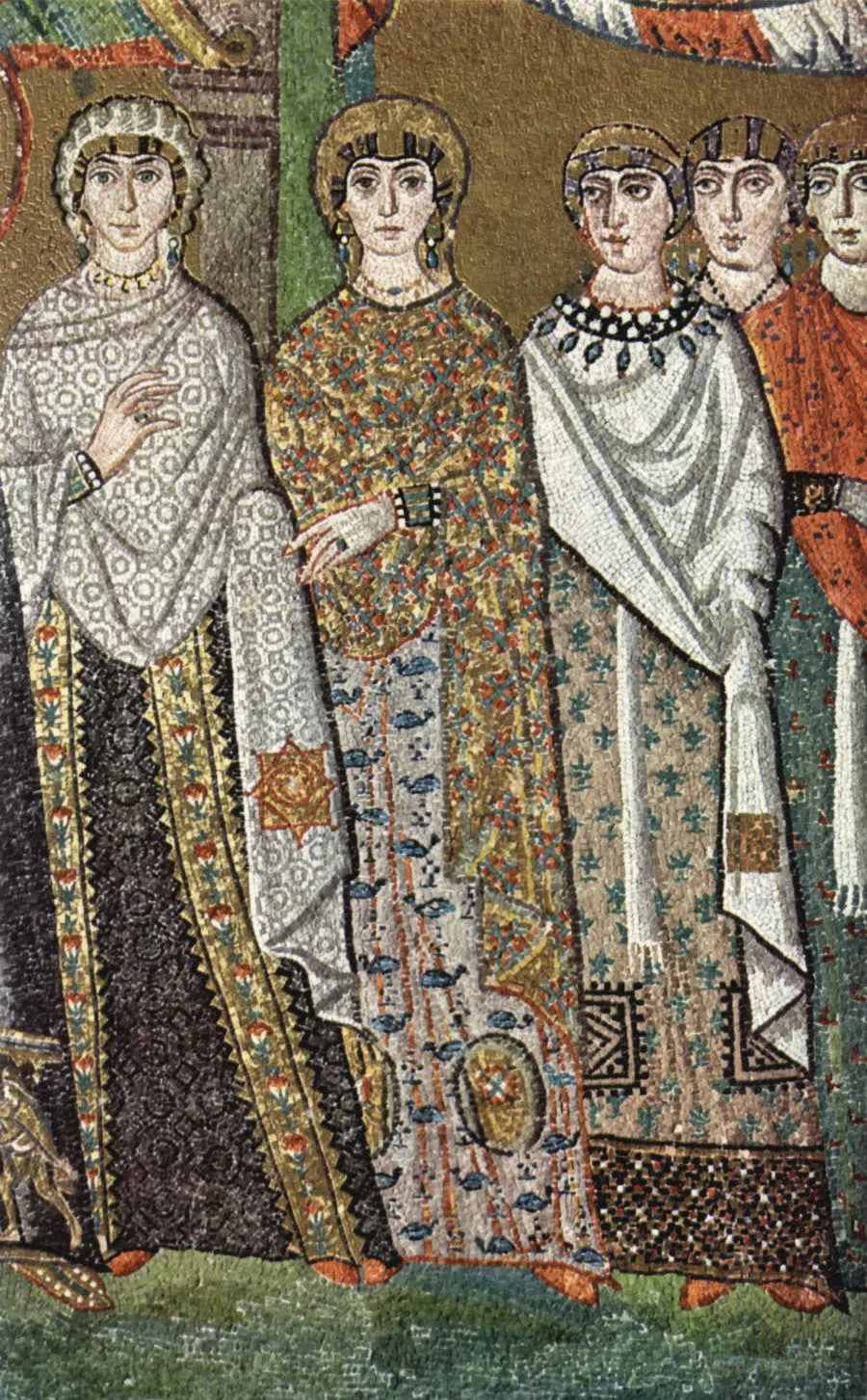
From the divine symbolism of the eye of Horus of the ancient Egyptians to the intensity of eyes with arched eyebrows of the Romans and the large Byzantine eyes with painted edges of black and hieratic gazes, art has often 'spoken' through this part of the face.
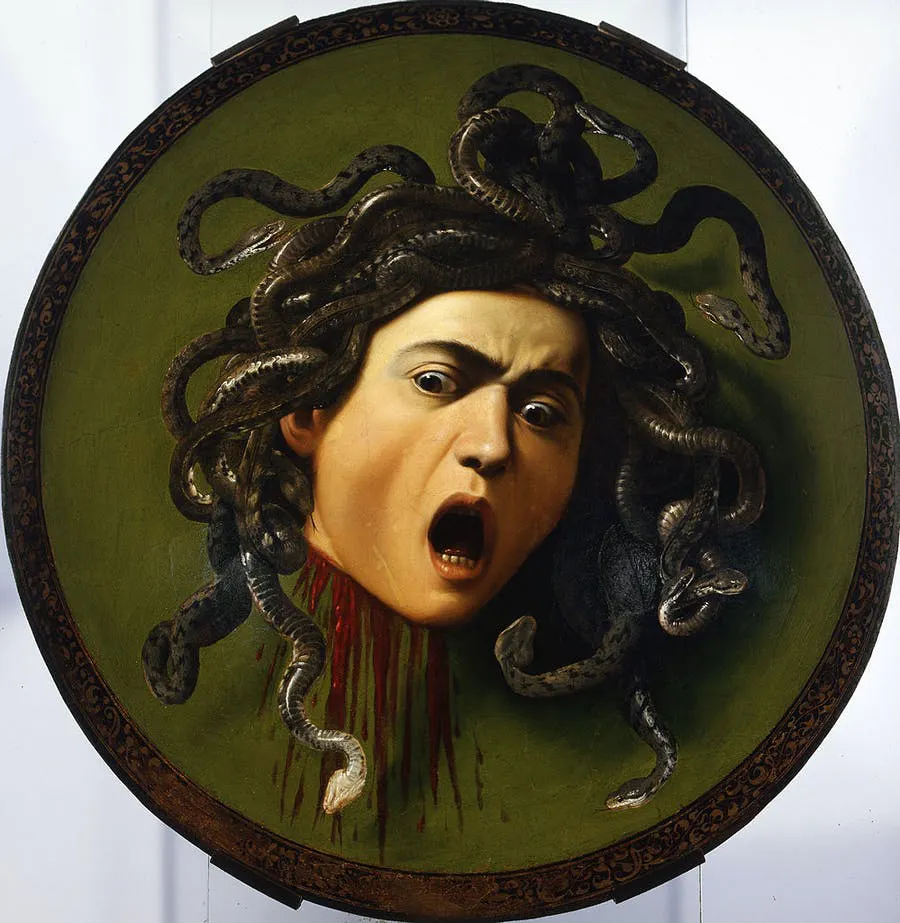
In addition to the sacred aspect, in ancient times a mysterious and destructive power was also conferred on the eye. For example Medusa, the Gorgon, had the power to make men into statues with her gaze. This myth has fascinated artists for centuries and Caravaggio depicted it with an extraordinary work, Head of Medusa, in which her expressive power and realism are all concentrated in the alienated eyes of the subject, which immediately strike – and almost petrify – the spectator.
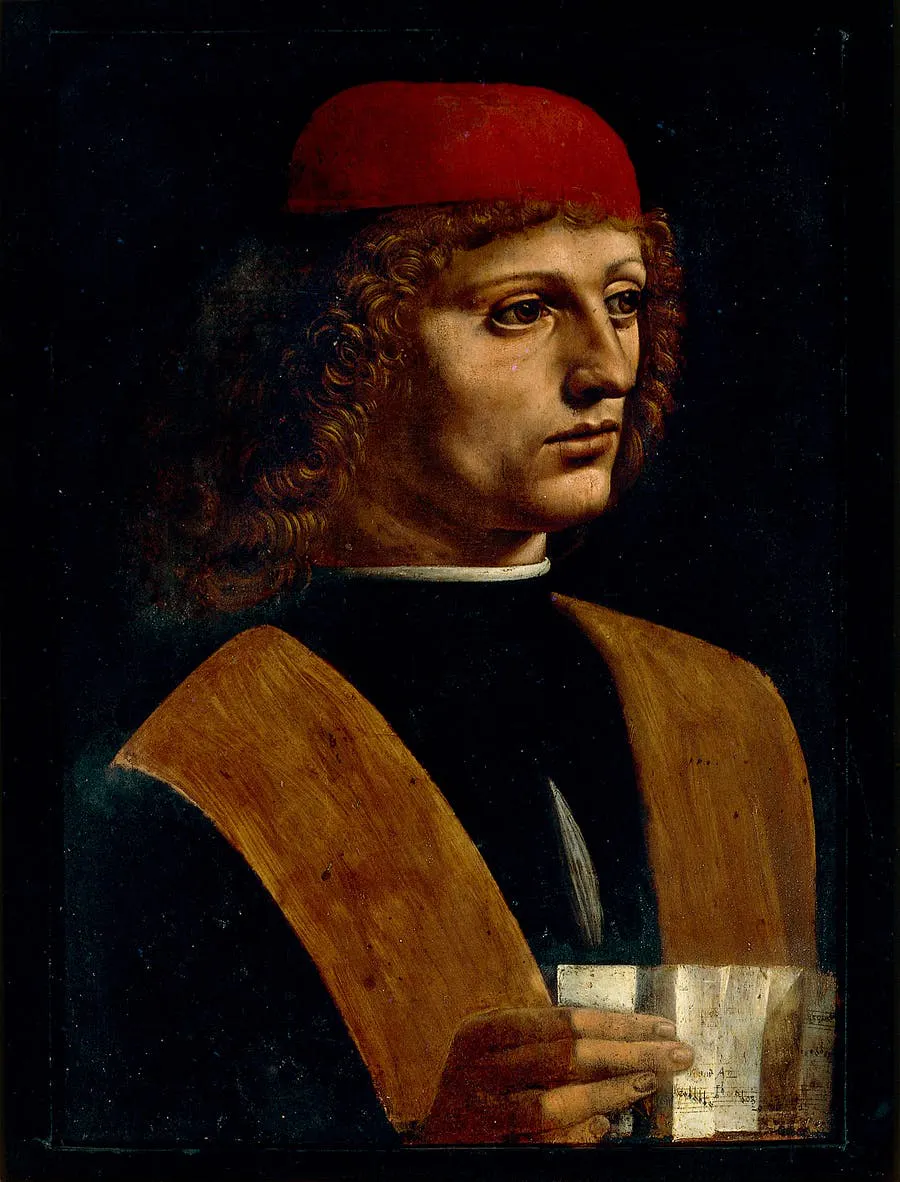
The representation of the eyes has undergone various transformations over time. While in the Middle Ages the gaze appeared fixed, the Renaissance began to explore the expressiveness of the face. In his Treatise on Painting, Leonardo da Vinci said, "The eye whereby the beauty of the world is reflected by beholders is of such excellence that whoso consents to its loss deprives himself of the representation of all the works of nature. Because we can see these things owing to our eyes the soul is content to stay imprisoned in the human body; for through the eyes all the various things of nature are represented to the soul."
The Tuscan genius gave great importance to the eyes in his paintings, as in the Mona Lisa, whose gaze has become as famous as her enigmatic smile, as well as the languid and melancholy gaze of his Portrait of a Musician.
See also: A History of the Smile in Art
In modern and contemporary art, the eyes have been, more than ever, a mirror of society, witnesses to the most varied representations of the world around them: blocked or dull, hallucinated or devoid of light, bewildered or rebellious.
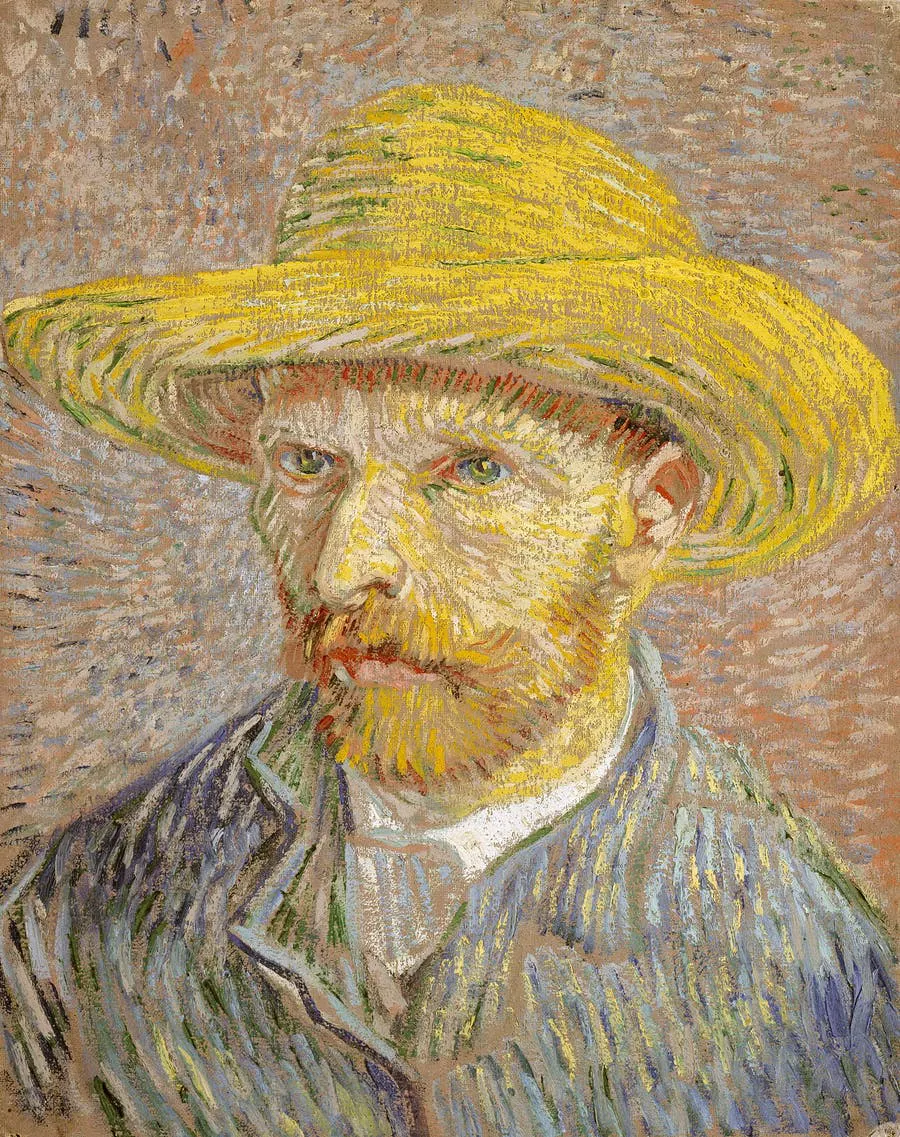
Vincent van Gogh once said, "I would sooner paint people's eyes than cathedrals, for there is something in the eyes that is lacking in a cathedral – however solemn and impressive it may be." This sums up the importance of the gaze, together with the psychological introspection that it implies, in an artwork.
See also: 10 Artists Between Genius and Madness
Artists emphasised eyes as an important mode of communication, as in the painting Eye in Eye by Edvard Munch, in which a man and a woman are facing each other without mouths.
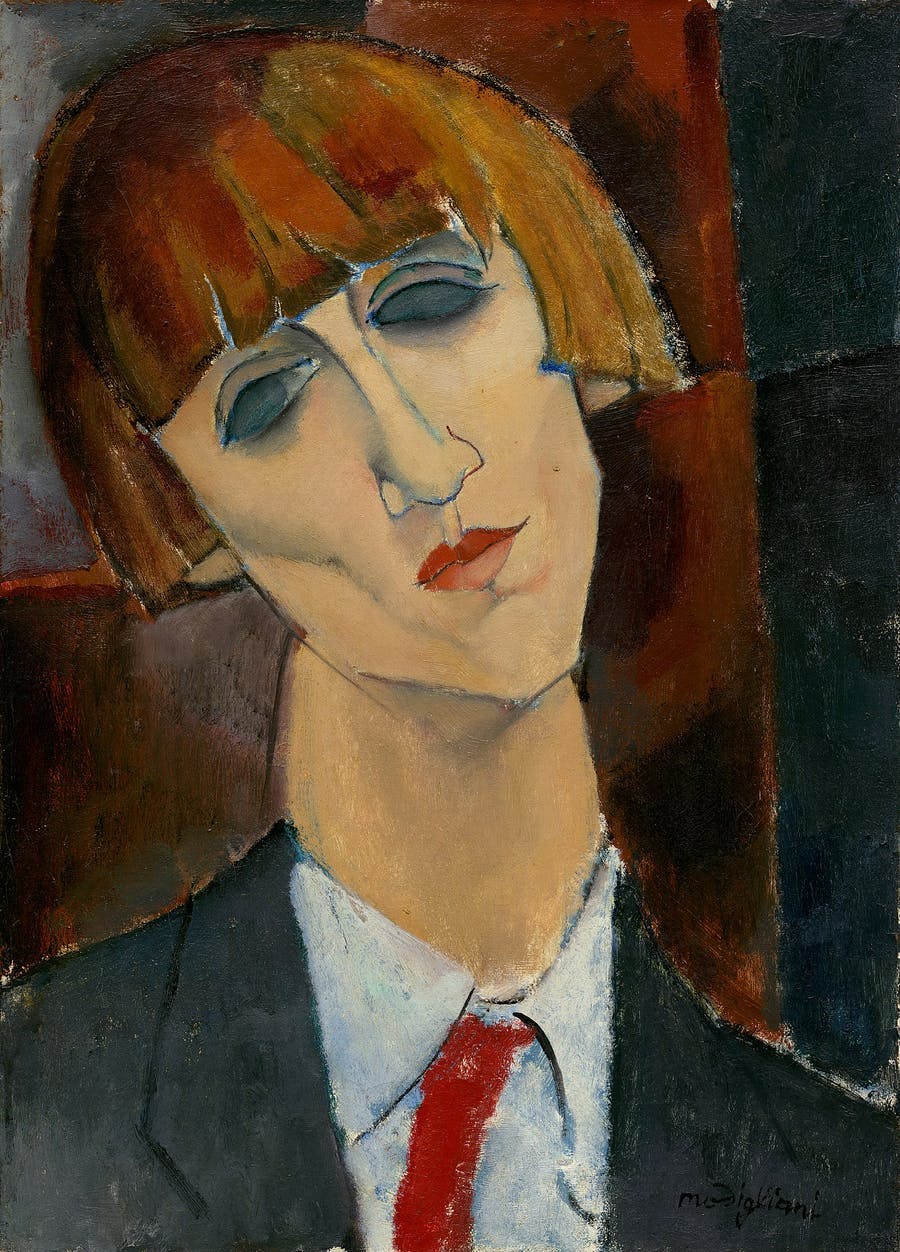
The enigmatic and at the same time universal faces of Amedeo Modigliani also became famous, in which instead of eyes there were empty pools devoid of irises. The artist's quote "When I know your soul, I will paint your eyes" seems to summarise how one's eyes tell someone so much about themselves. Modigliani's lack of eyes in his works shows how he did not always know his subjects well, such as in his portraits of Madame Kisling and Léopold Survage.
See also: Who Was Beatrice Hastings, the First Muse of Modigliani?
In recent times, the eyes have often been extrapolated from the context of the face in Surrealist works. René Magritte used eyes several times, even in decidedly alienating situations and contexts. For example, eyes become made of sky, form a face suspended in the air, observe the viewer in the centre of a plate and almost look at the world through a deformed mirror.
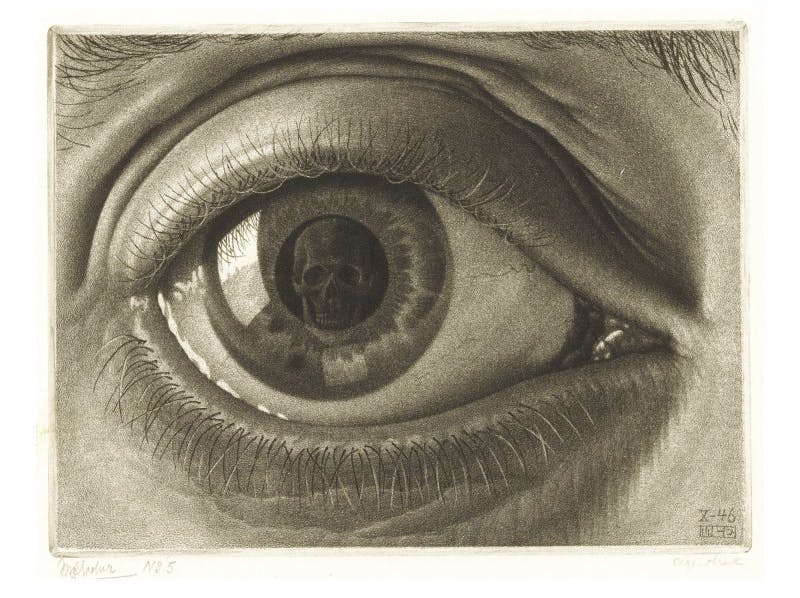
M.C. Escher's Eye, with a skull reflected on the pupil, is one of the most focused views on the subject. The enlarged pupil alludes to the tragic nature of the human condition and its inexorable destiny, which observes us and at the same time is an integral part of us.
Another great Surrealist, Salvador Dalí, made the eye a real obsession, using the motif in various mediums from painting to jewellery. For the artist, it became a tool of interpretation of reality, the lens through which we experience our lives.
See also: The Female Look: 11 Women Who Changed Photography
The eye is also front and centre of the famous metronome of Man Ray's eye, titled Object to be destroyed (1923), in which a disturbing eye cut out of a black and white photo is fixed on the rod of a metronome.
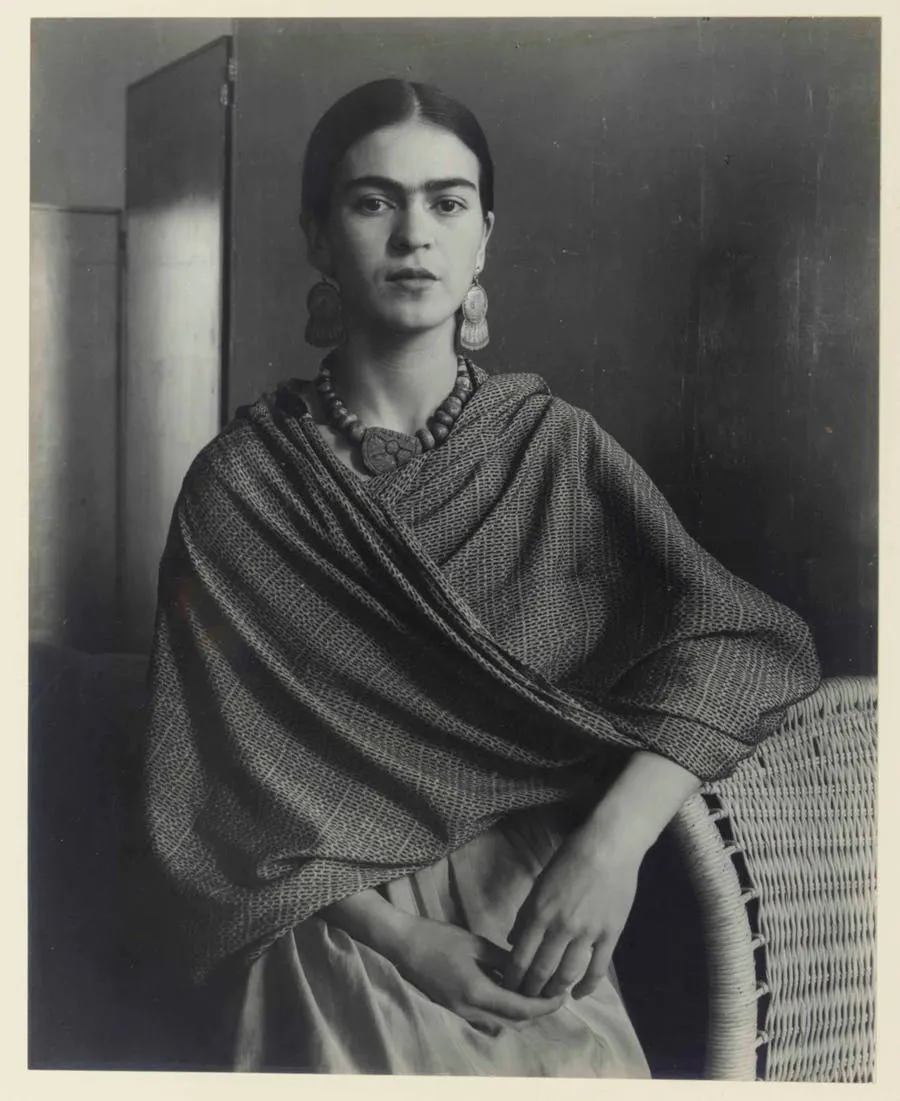
More recently, the eyes have also documented women's emancipation and the ever-increasing presence of women in the field of art. We cannot but think, in this case, of the gazes full of sensuality in Tamara de Lempicka's work and of the proud and profound eyes of Frida Kahlo.
And speaking of women, we close with this famous phrase of William Shakespeare: "From women's eyes this doctrine I derive: They sparkle still the right Promethean fire; they are the books, the arts, the academes, That show, contain and nourish all the world."
Discover more articles related to the world of art with Barnebys Magazine