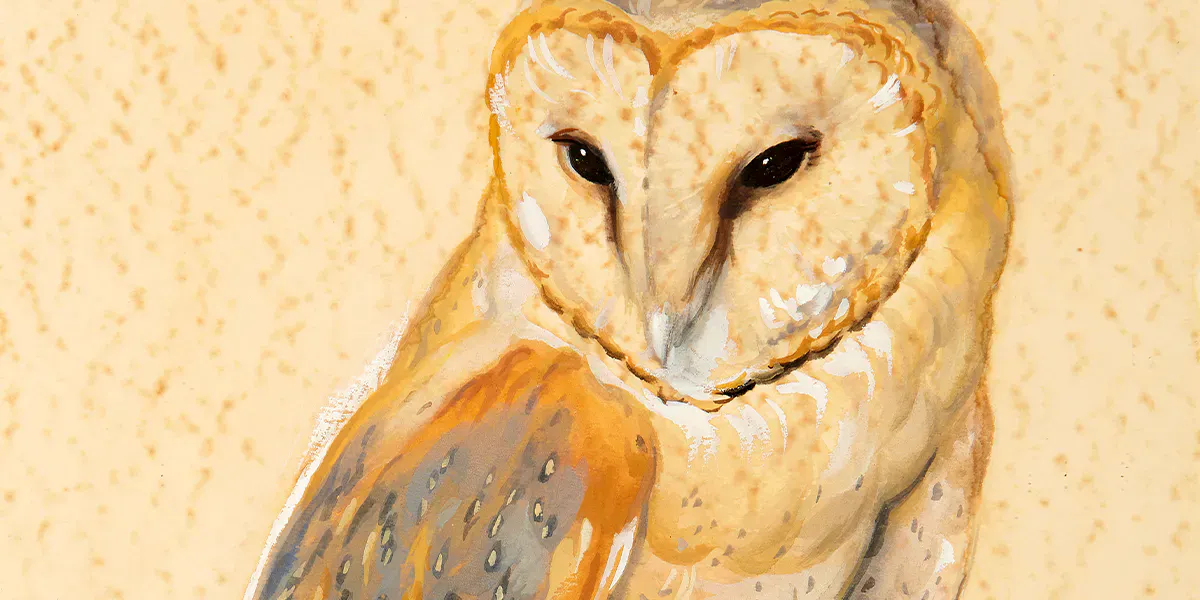
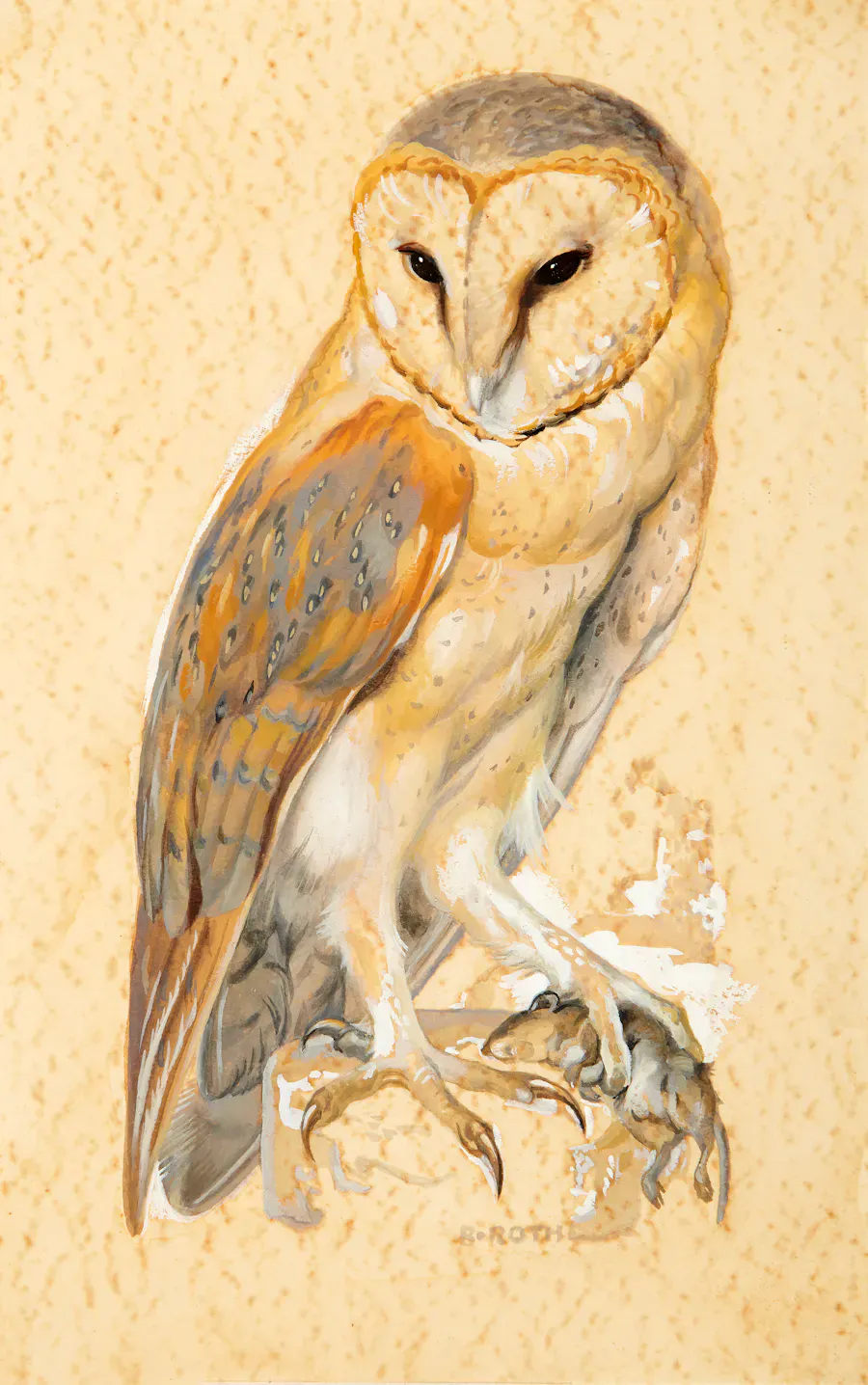
Norbertine Bresslern-Roth was born in Graz, Austria, in 1891 with a fondness for flora and particularly fauna. Her mother, Aloisia, hailed from a Viennese family linked to a riding school owner. Norbertine's utmost joy was her garden, a passion that profoundly shaped her future artistic endeavours. Within their apartment, terrariums and aquariums were established, housing a variety of creatures, with newts being among the favourites.
Norbertine's exceptional skill was evident from childhood, leading to her receiving complimentary drawing tuition from Alfred Schrötter at the Styrian State Art School in Graz. It was Schrötter who also suggested her participation in the summer courses for animal painting led by Hans von Hayek in Dachau from 1907 to 1911.
In 1911, Norbertine began studying art at the Vienna Art Academy under Ferdinand Dirt. Here, too, her extraordinary talent benefited her, as women were only officially admitted to study there from 1921. One of her greatest pleasures during her time studying in Vienna were visits to the Schönbrunn Zoo, which she used to make numerous sketches. There she met the "Schönbrunn painters", including Ludwig Heinrich Jungnickel, who were equally inspired by the residents of the complex.
In 1911, Norbertine commenced her art studies at the Vienna Art Academy under Ferdinand Dirt. Her remarkable talent proved advantageous, given that women were officially allowed to enrol only from 1921. Among her cherished experiences while studying in Vienna were frequent visits to the Schönbrunn Zoo, where she diligently sketched. It was there that she encountered the 'Schönbrunn painters', such as Ludwig Heinrich Jungnickel, who were similarly captivated by the zoo's inhabitants.
See also: Rousseau of the Jungle
Norbertine Roth had her artistic breakthrough in 1914 when she took part in an exhibition at the Vienna Secession. After another exhibition in 1916, she returned to Graz, where she would spend the rest of her life as a freelance animal painter, illustrator and portraitist.
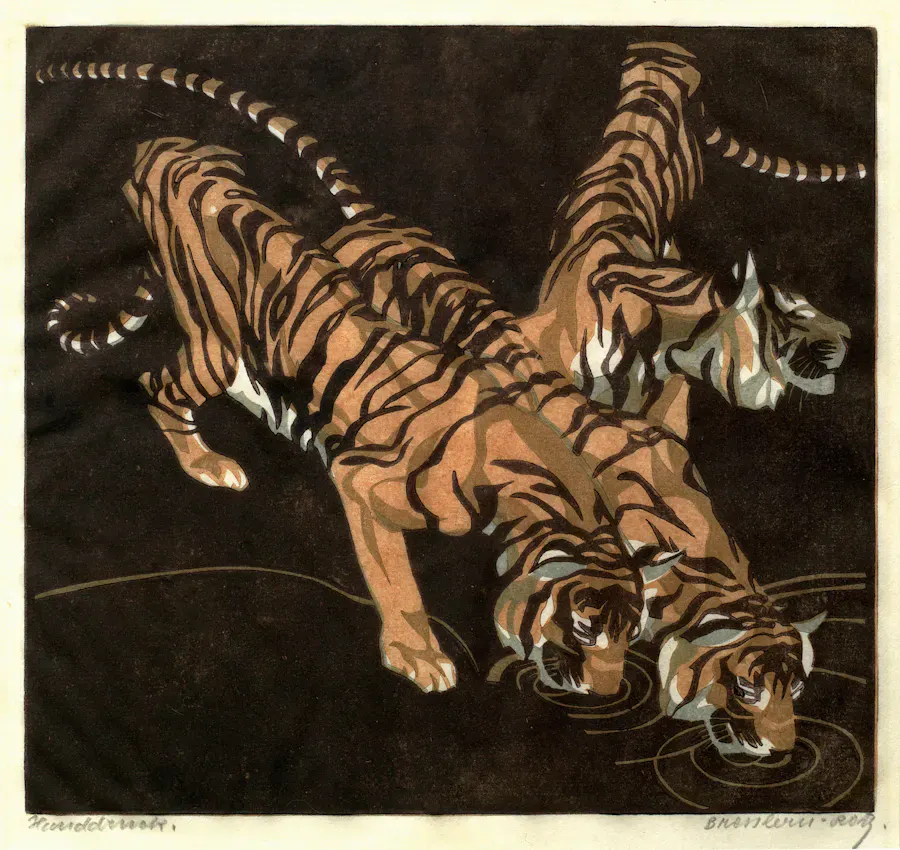
In 1919 she married Georg Ritter von Bresslern und Sternau (Vienna 1892 – Graz 1952). Von Bresslern himself was a passionate photographer, but he put his own interests aside to support his talented wife. He accompanied her on her study trips through Europe, where she made sketches during visits to the zoological gardens in order to develop them into paintings and linocuts in her studio. In fact, Norbertine Bresslern-Roth was one of the first artists to engage with linocuts on a large scale.
See also: Louis Wain’s Psychedelic Cats
In 1928 the couple undertook their only long-distance trip, which took them to Libya in North Africa. One result of the trip was the artist's increased preoccupation with exotic motifs, such as the flora and fauna of Africa and the South Seas. Since Bresslern-Roth had not visited any other far-away travel destination other than Libya, these compositions were mainly the result of her imagination, although she was also able to draw on her sketches from the zoological gardens.
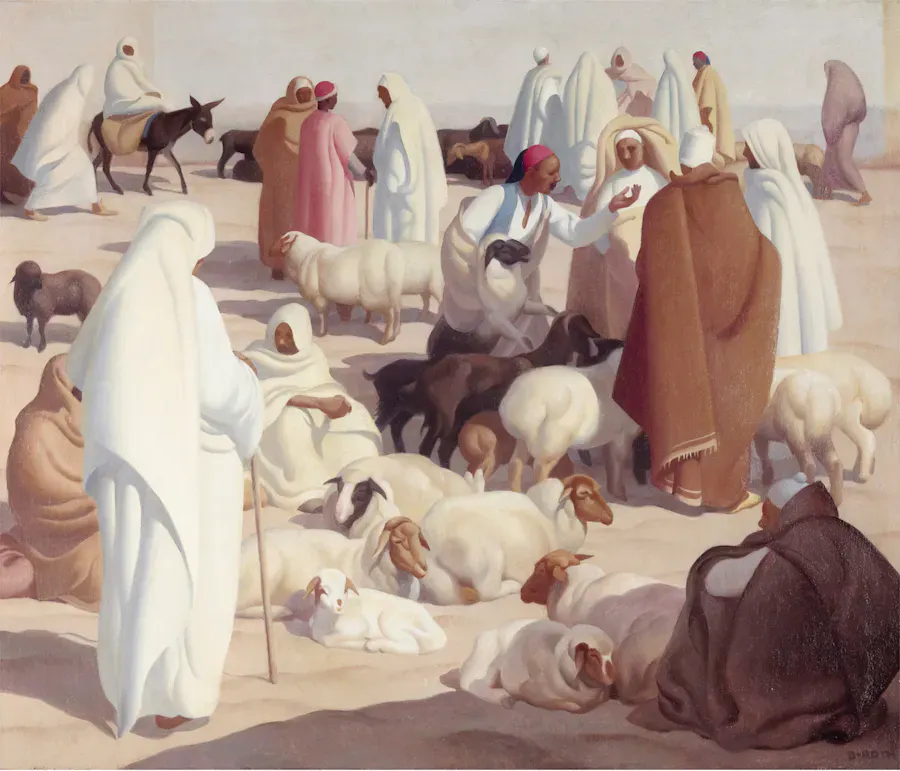
In addition to the skilful depiction of animals, Norbertine Bresslern-Roth's work focuses on the harmony in nature itself and the question of how people can live in and with it. The artist therefore combined symbols of life and death in her works.
See also: Singerie: The Art of Monkey Business
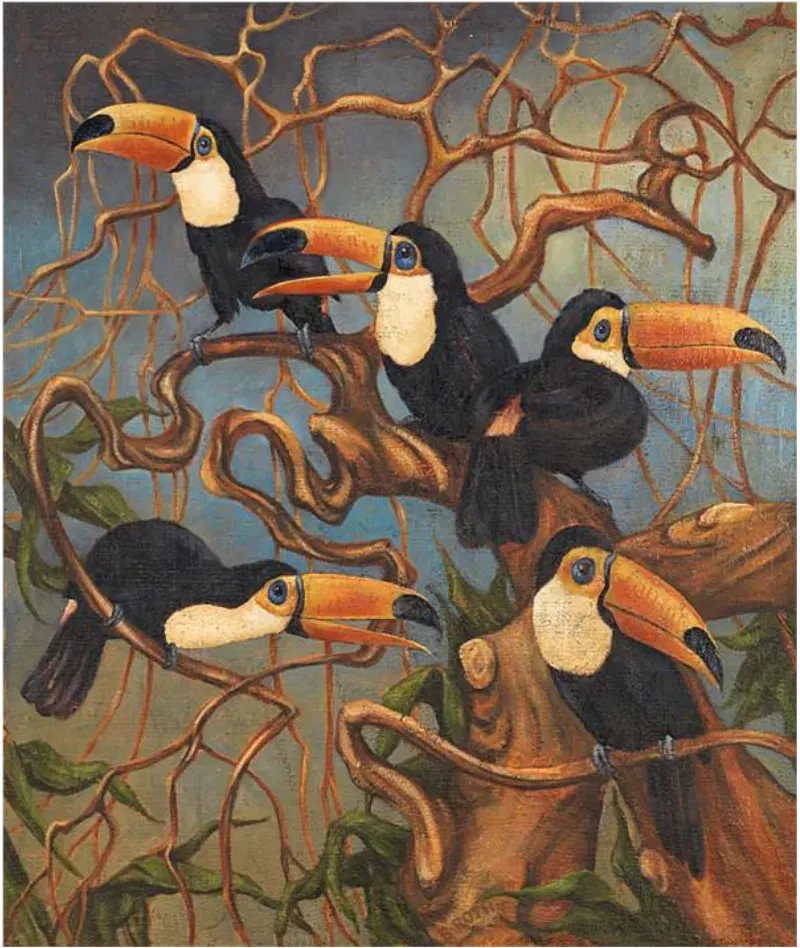
With her paintings, Norbertine Bresslern-Roth created a very unique style: soft lines make her works appear like frescoes, an effect that was further enhanced by the oil on jute painting she practiced.
See also: Mystic or Real: A Guide to Animals in Chinese Art
Norbertine Bresslern-Roth's most important creative phase was the 1920s and 1930s. Even after Austria's annexation to the German Reich in 1938, she was able to continue her work. She remained married to her husband, who was half-Jewish, during these dangerous years and did not divorce, as others in her situation did. The need to seek harmony between man and nature in exotic motifs increased during this time.
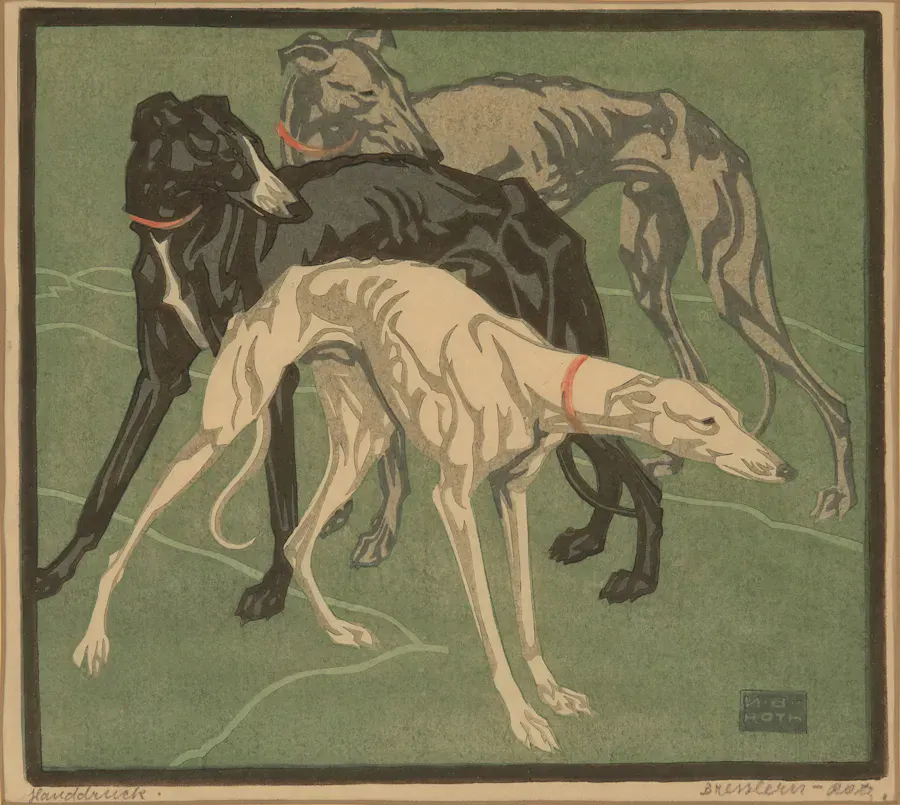
Norbertine Bresslern-Roth, who was appointed honorary president of the Styrian Art Association in 1946, died in her hometown of Graz in 1978.
Want more articles like this straight to your inbox? Subscribe to our free newsletter today!
Many of her works have been and are shown in exhibitions and are part of museum collections. Her mastery of animal depiction is considered by many to be unsurpassed. This is also noticeable on the auction market, where works by Norbertine Bresslern-Roth regularly achieve prices in the six-figure range. The artist's current auction record was set in 2018 at the Vienna auction house im Kinsky, when Blizzard from 1971 found a new owner for €333,450.
![Louis Wain (1860-1939), ‘The Bachelor Party’, oil on canvas, 29.5 x 60 cm [detail]. Photo public domain](https://images.prismic.io/barnebys/9947049b-ff8b-4d8f-9106-76a024f9f313_Cover.jpeg?auto=compress,format)