On a late Saturday afternoon in the summer of 1999, a fire (started, it was thought later, by a negligent cigarette and a combustible chaise longue) broke out in Patrick Procktor's Marylebone flat. Although Procktor's son, Nicholas, escaped with minor burns and a few things were saved, the apartment was destroyed. Despite frantic efforts, many books, paintings, works of art and personal possessions (all uninsured) were abandoned to the flames. Procktor was left homeless and in effect, destitute.
That unfortunate event, fuelled by heavy drinking and a tendency towards self-destruction, marked the beginning of a rapid decline in an already shambolic and dysfunctional life; which included, bizarrely, a short spell on remand following allegations of attempted murder brought by his elderly mother. Patrick Procktor died in 2003 at the age of 67.
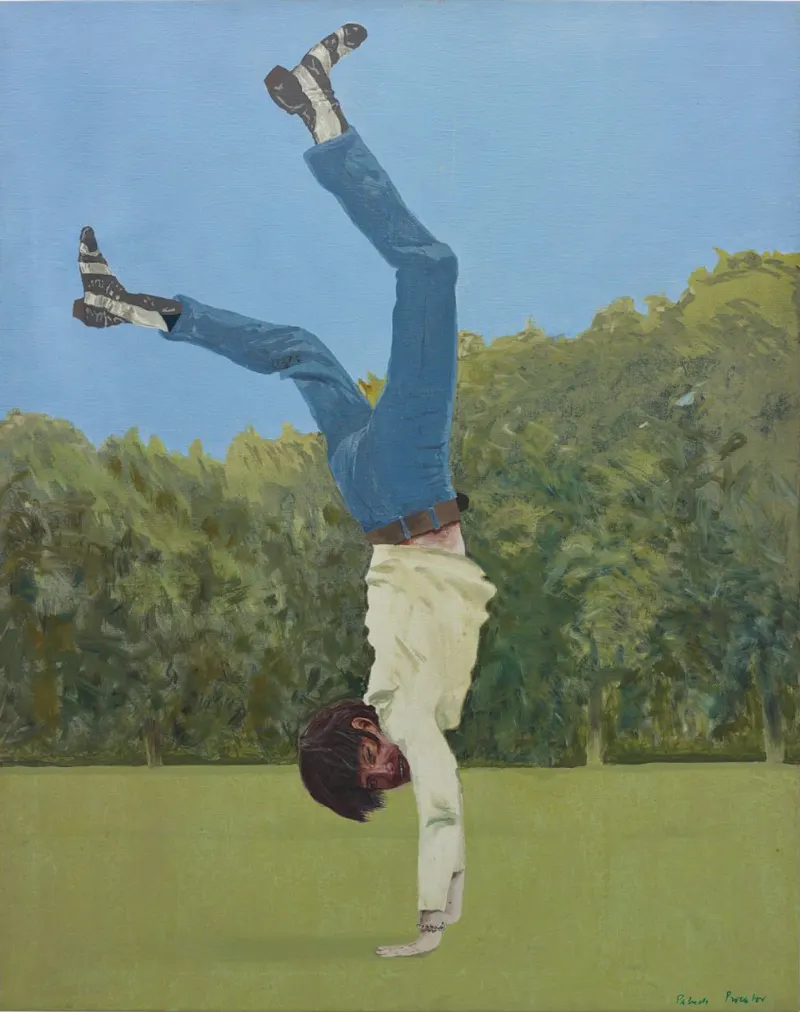
All this was a far cry from his glory days as an enfant terrible of the sixties' art scene. An instant star at the age of twenty-seven, Procktor, today, is largely forgotten (or at least underrated), certainly in the case of the wider public, though perhaps less so in the company of fellow artists and canny collectors.
See also: The Thriving Thirties: Cecil Beaton's Photography
Yet in the drawing rooms of Swinging London, the former sub-lieutenant cut a dash with his flamboyant drawl, amber cigarette holder and roaring laugh. Cecil Beaton thought him 'an intellectual treat', the artist Mark Vaux, 'twenty feet tall'. As famous then as his great friend and contemporary David Hockney, both were hailed as two of the brightest stars in the artistic firmament – no mean feat for a generation that included Peter Blake and R. B. Kitaj.
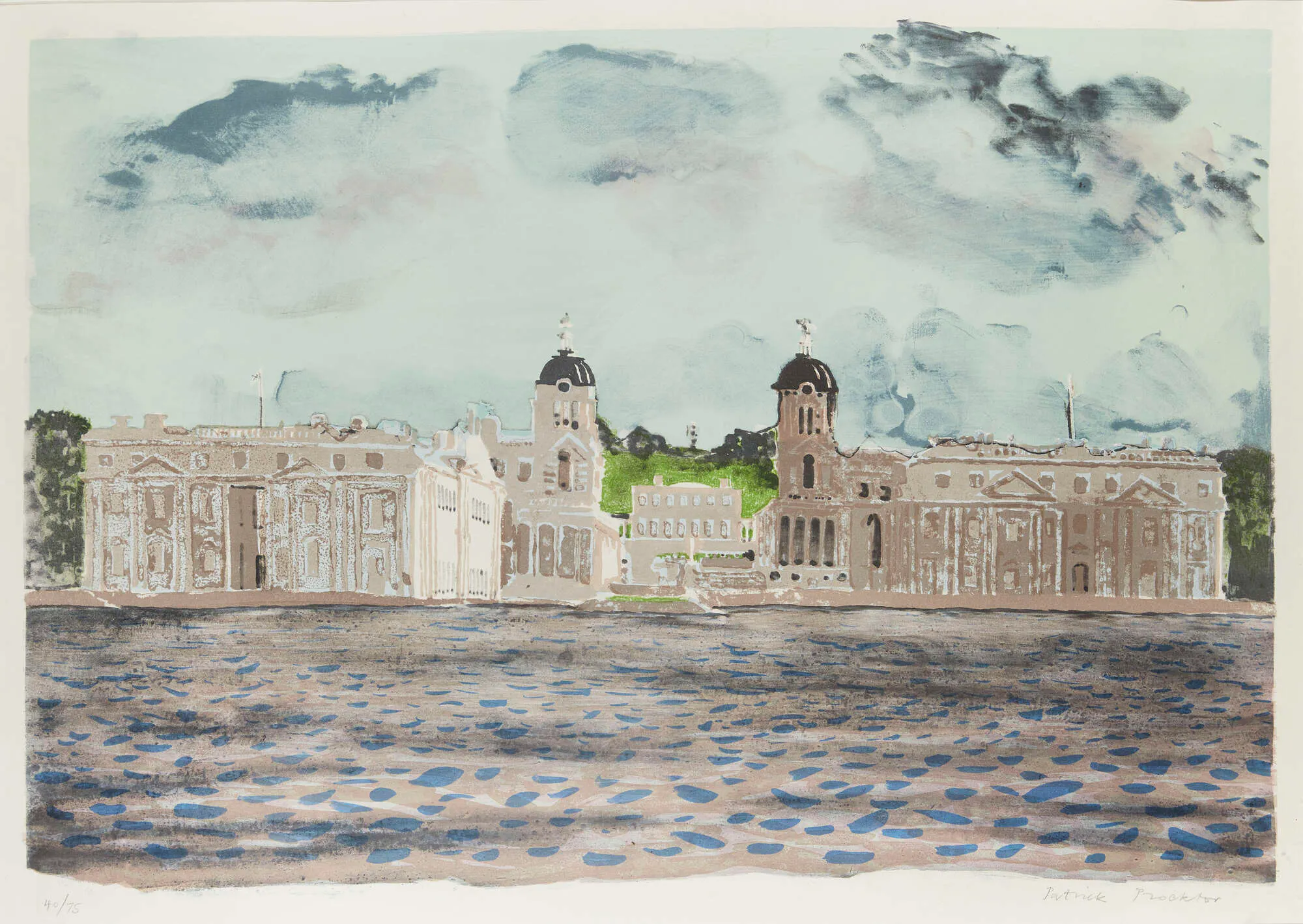
Fluent in Russian, Procktor was an artist of high intelligence. His work shows a certain romantic sensibility, elegance and lightness of touch. In the summer of 1967, Procktor holidayed in Italy with David Hockney and Peter Schlesinger. Hockney had brought along a box of watercolour paints, but quickly abandoned them in favour of colour crayons. Procktor took to them immediately, painting directly from life, and there began a love affair with the medium.
See also: David Hockney: Star of Contemporary Art
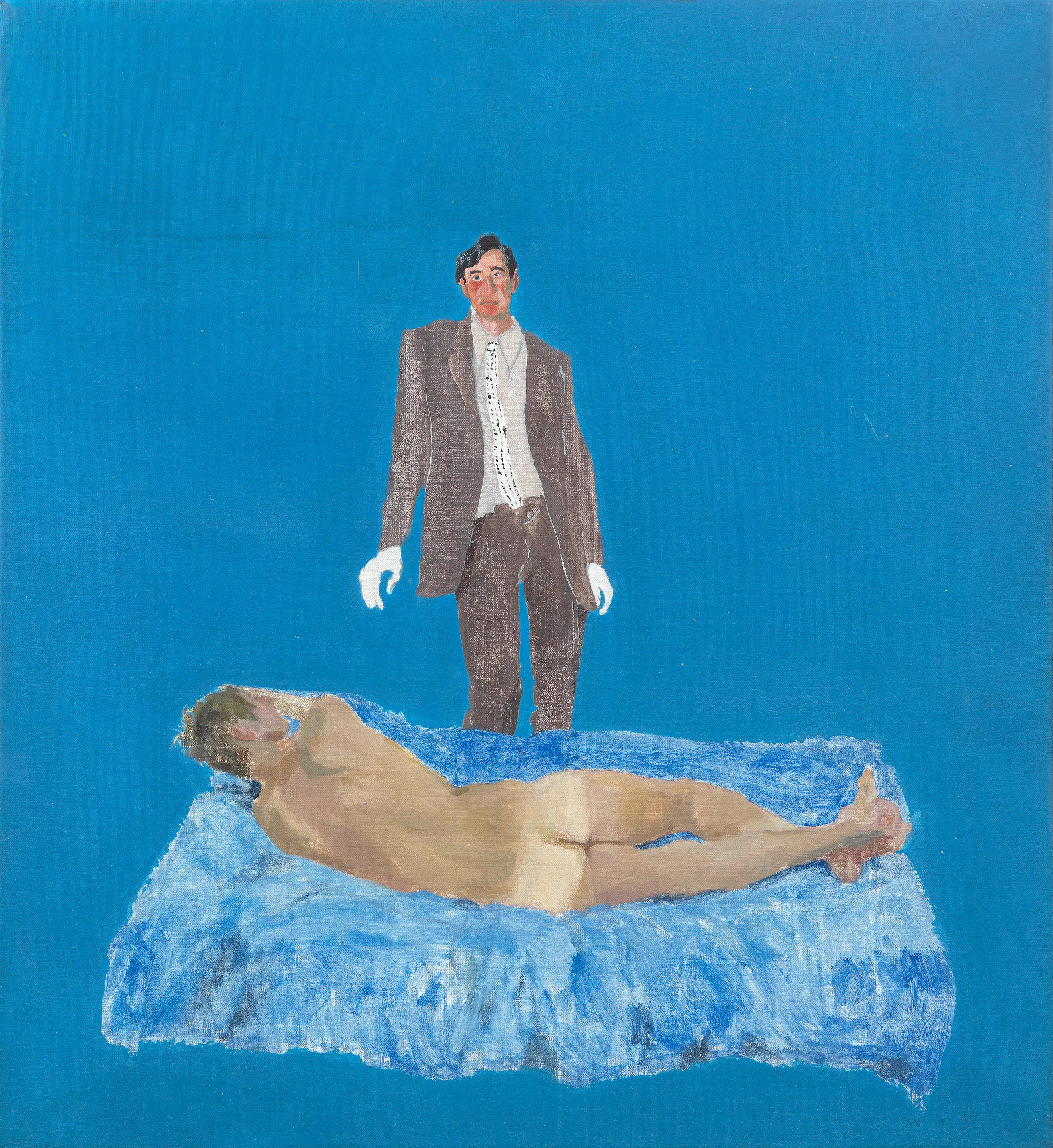
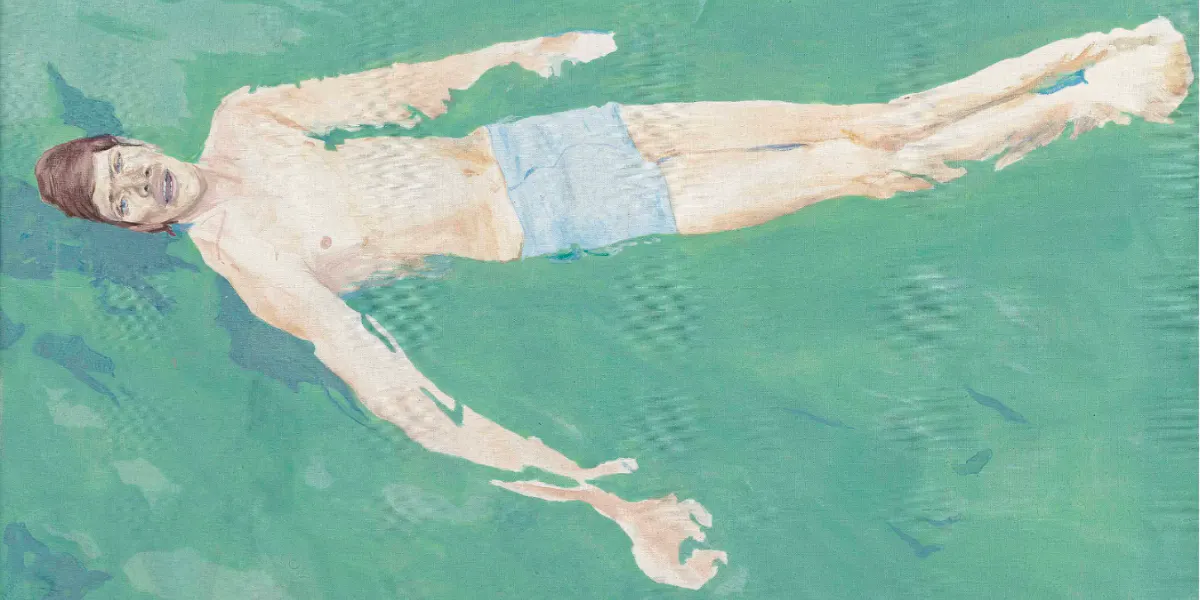
For admirers of the delicate watercolours and aquatints, Procktor's early work in oil, influenced no doubt by the likes of Keith Vaughan and Graham Sutherland, may come of something as a happy surprise, showing a remarkable command of colour, form and space.
See also: Out of the Closet: 5 Pioneering Artists
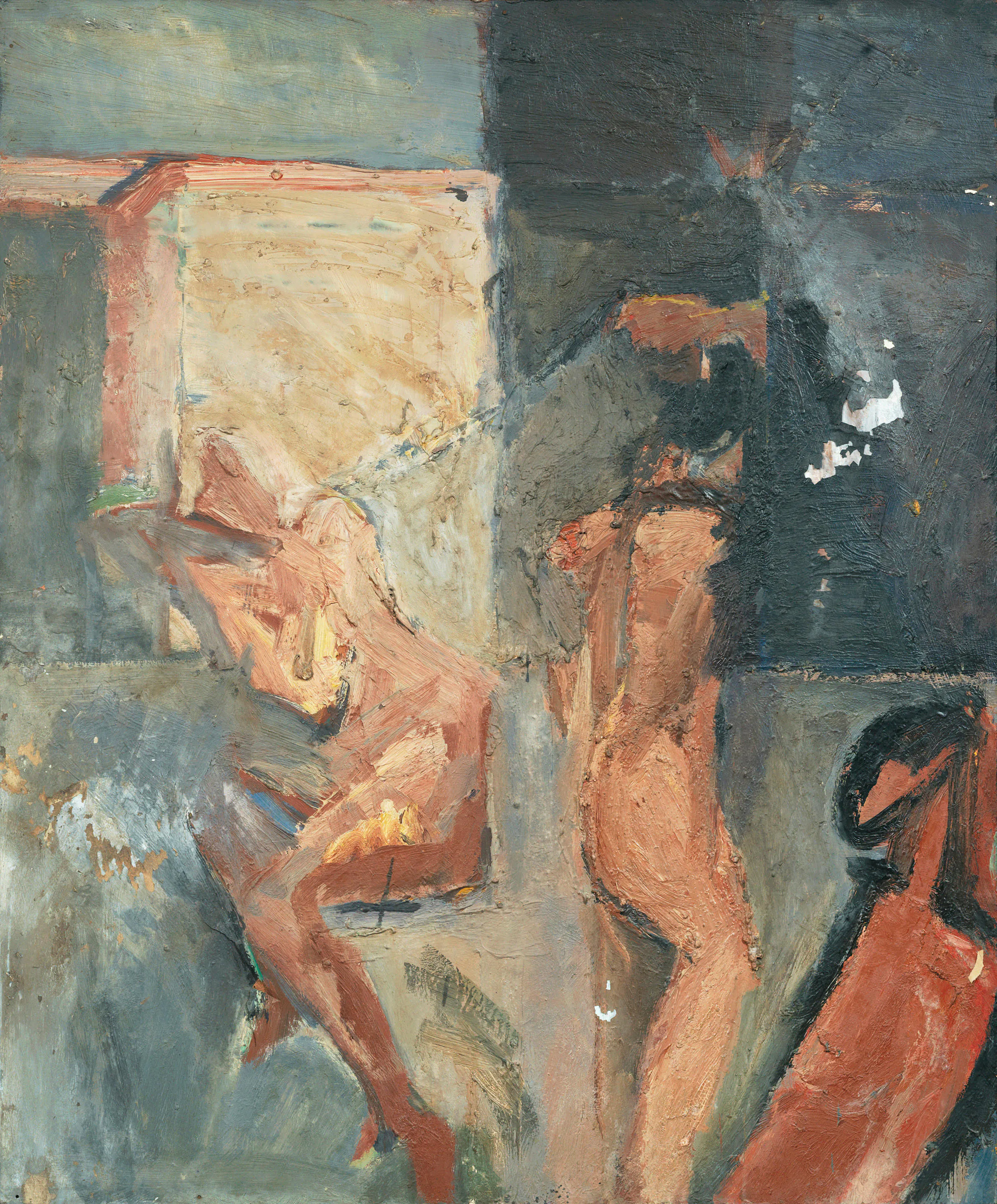
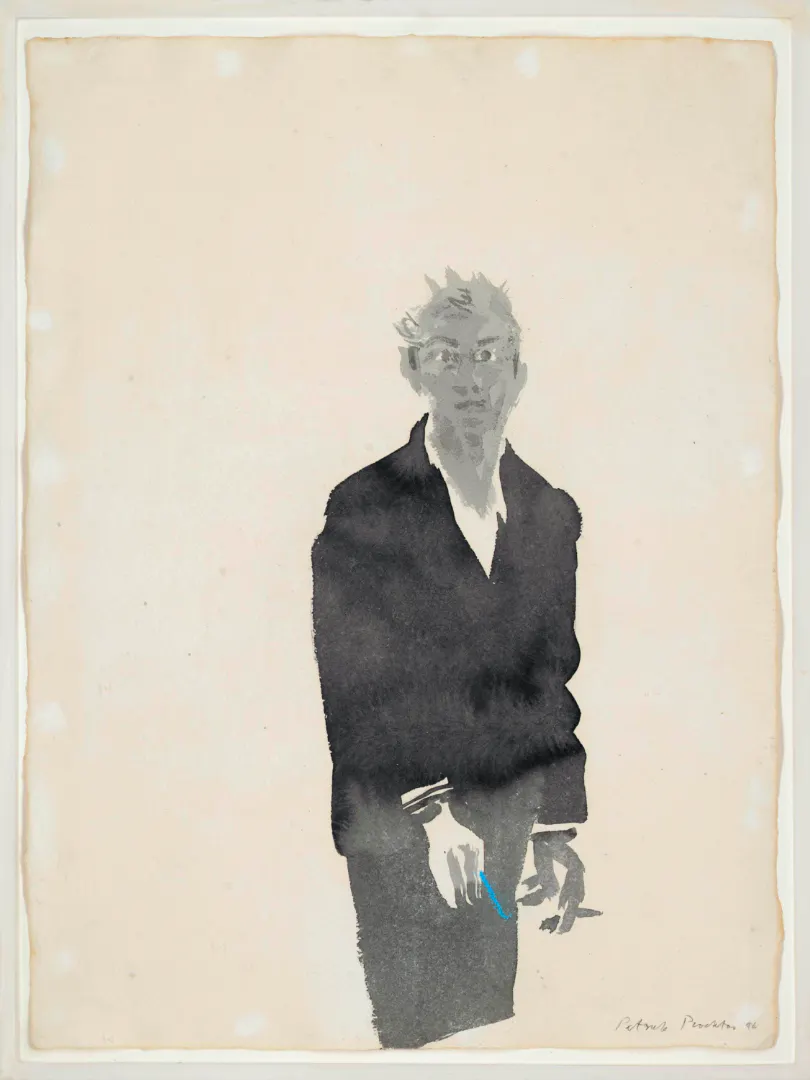
But above all, Procktor's subsequent mastery of watercolour – that most unfashionably tweedy and English of paints – showed confidence, economy and fluidity. His later work as a printmaker is accessible, yet refined, with aquatints of Venice, China, Japan and Egypt granting him immense popularity throughout the seventies and eighties. In 1978, Procktor even became one of a small group of contemporary British artists represented in the collection of the Museum of Modern Art, New York.
See also: When David Met Gregory: The Man Behind Hockney's Career
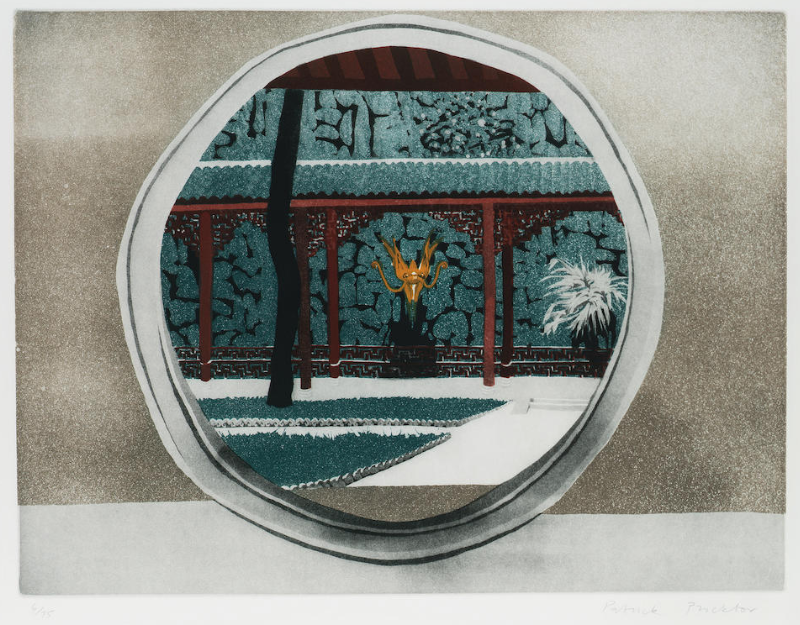
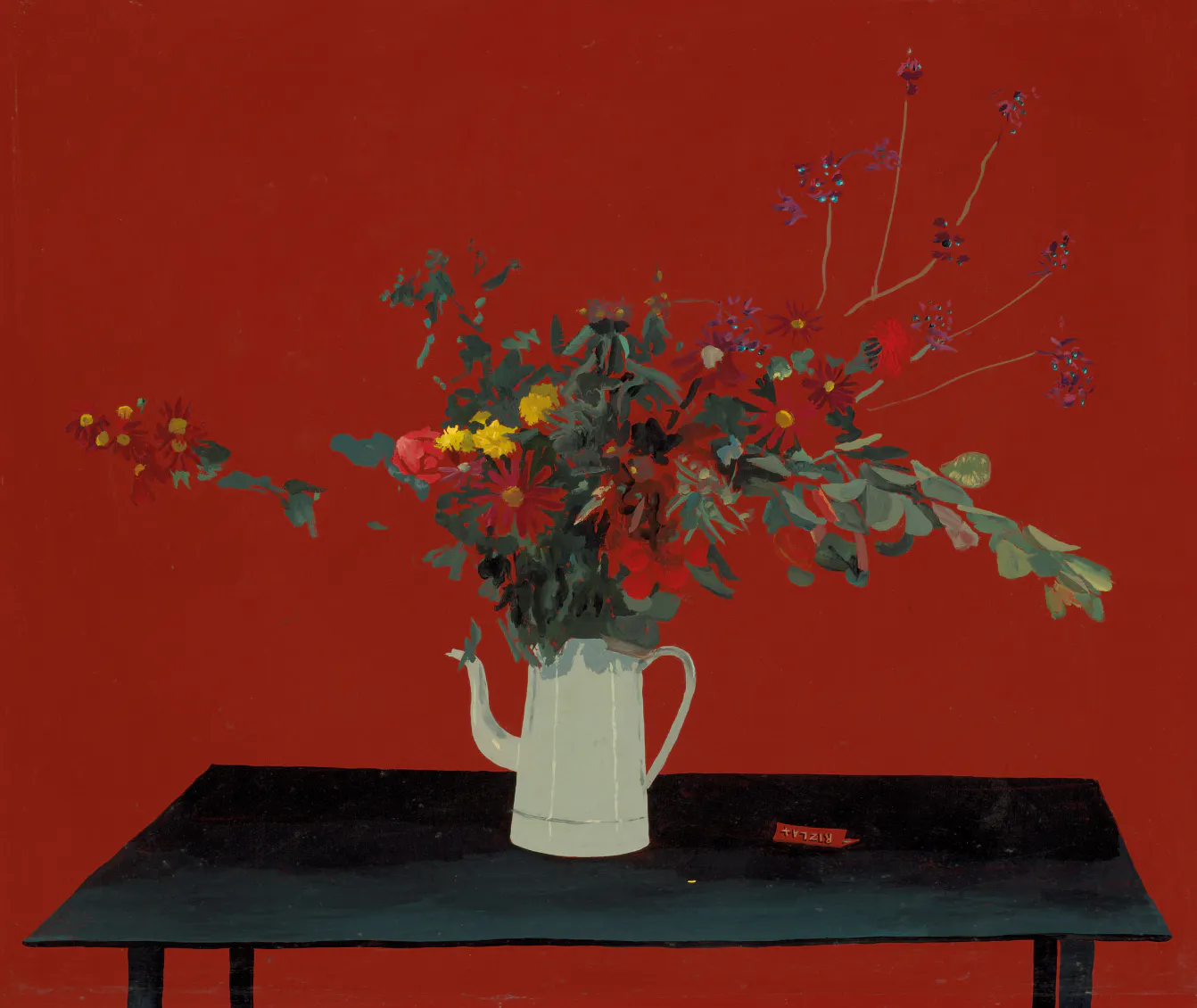
By the mid-1990s, however, Procktor had become depressed and consumed by substance abuse, despite seemingly being at the height of his career after an election to the Royal Academy. After the fire that destroyed much of his art, his final years were spent painting simple still lifes.
Want more articles like this delivered straight to your inbox? Subscribe to our free newsletter!
Since his death, there has been somewhat of a renewed interest in Procktor's art. His works have been included in important group exhibitions at Tate Britain (Watercolour, 2011), Tate Liverpool (Glam! The Performance of Style, 2013), and Tate Britain again (Queer British Art, 2017). He was the subject of art historian Ian Massey's monogram titled Patrick Procktor: Art and Life, and has featured in many sell-out shows.
Discover more artists with Barnebys Magazine
This is an updated version of an article originally published on 18 February 2016.